Quick facts
Wildlife
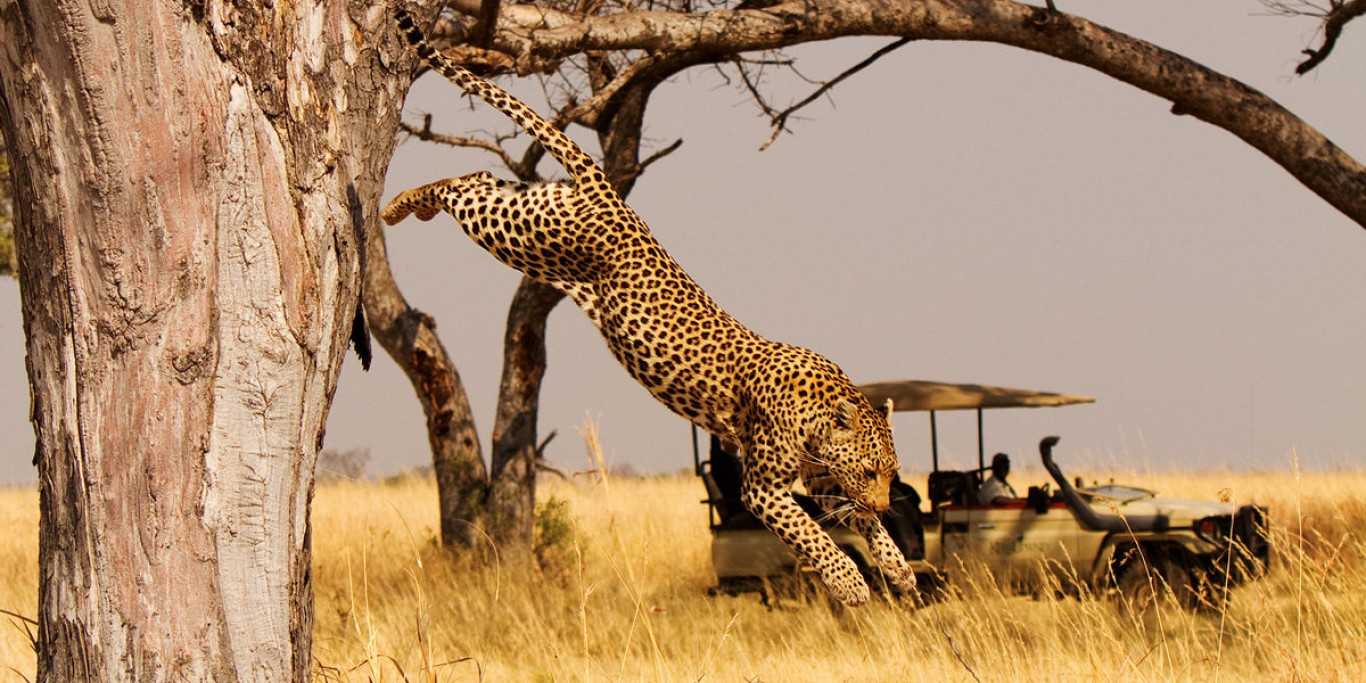
Kigali is an urban environment with no large wildlife, but the Nyandungu Urban Wetland Eco-Tourism Park on the city's edge offers a surprising birding experience with papyrus birds, herons, kingfishers and migratory waterbirds in a restored wetland habitat. The Kigali Genocide Memorial gardens have resident sunbirds and weavers. Day trips from Kigali reach Akagera National Park (Big Five, 2 hours) and Nyungwe Forest (chimpanzee trekking, 5 hours) making the city a genuine safari gateway.
Top activities
Kigali Genocide Memorial — essential, allow 3 hours. Inema Arts Center — Rwanda's finest contemporary gallery in Kacyiru, showcasing emerging and established Rwandan artists. Kimironko Market — the city's largest and most vibrant market, best on Saturday for crafts and textiles. Nyamirambo neighbourhood walking tour — the city's most historically diverse quarter with mosque, churches, craft shops and the best local food. Rwanda Art Museum (former presidential palace) — contemporary Rwandan art in a significant political building. Kigali Car-Free Day cycling (last Sunday of each month). Kigali food scene — from local brochettes to international fine dining.
About Explore Kigali
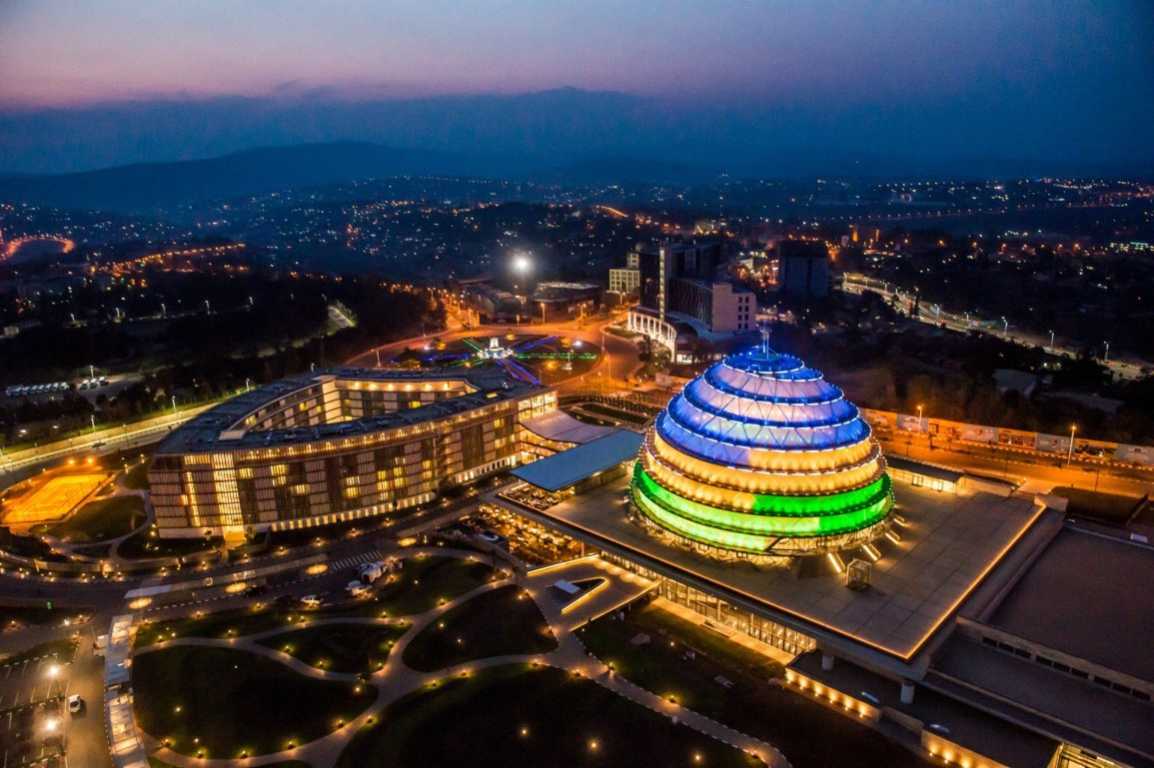
First-time visitors to Kigali frequently report the same surprise: the city is unexpectedly pleasant. Not just pleasant given its history — pleasant by any measure. The streets are clean (plastic bags were banned in 2008; enforcement is real). Crime affecting tourists is rare by African capital standards. The hills that define the city’s topography are green and well-managed. The food is good. The people are, by general consensus, among the warmest in East Africa.
What Kigali has built in the 30 years since the genocide is a source of genuine astonishment once you understand the starting point. That context — the transformation this city and this country represent — is what makes a few days in Kigali not just a pleasant urban stopover but something closer to a lesson in what recovery can look like when it is pursued with intelligence and political will.
Getting to Kigali
Kigali International Airport (KGL) is served by direct flights from Nairobi (Kenya Airways, RwandAir), Addis Ababa (Ethiopian), Dubai (RwandAir), Brussels (RwandAir), London Heathrow (RwandAir direct, the only sub-Saharan airline with a non-stop London route), Johannesburg and several other hubs. The airport is 9 km from the city centre — a 20-minute taxi transfer on a good road.
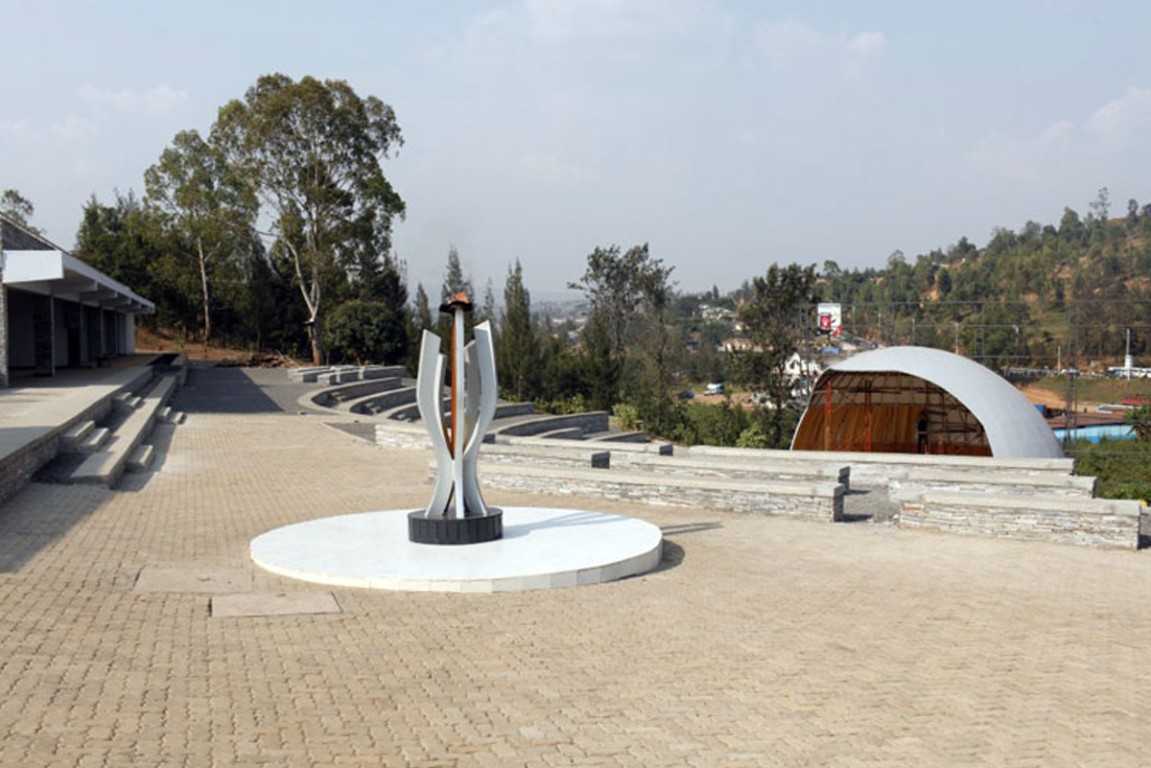
The Kigali Genocide Memorial
The Kigali Genocide Memorial in Gisozi is the essential first stop for any Rwanda visit. Allow 2–3 hours and plan a quiet afternoon afterward. It is the place where Rwanda’s story begins to make sense.
Inema Arts Center
The finest contemporary art gallery in Rwanda, established in 2012 by brothers Emmanuel and Innocent Nkurunziza in the Kacyiru neighbourhood. The gallery represents emerging and mid-career Rwandan artists across painting, sculpture and mixed media, with a strong emphasis on work that engages with Rwandan identity, landscape and the post-genocide recovery. The rooftop bar is one of the most pleasant afternoon spots in the city.
Nyamirambo neighbourhood
The oldest and most historically layered of Kigali’s neighbourhoods — a mix of Muslim, Catholic and traditional Rwandan communities that gives it a different rhythm from the newer parts of the city. Walking the main street past the mosque, the tailor shops, the brochette grill stalls and the market reveals an everyday Kigali that the hotel zones don’t show. Guided neighbourhood walks are offered by the Nyamirambo Women’s Center, with proceeds supporting their community programmes.
Kimironko Market
Kigali’s largest and most vibrant market, best on Saturday mornings when the craft and textile sections are fully stocked. Rwandan baskets — the country’s most internationally celebrated craft tradition — are available here at better prices than the hotel gift shops, in a wider range of designs. The food market section is excellent for fresh produce and the local street food options at the market edges are genuinely good.
Rwanda Art Museum
Housed in the former presidential palace — the building where Habyarimana lived before his plane was shot down on April 6, 1994 (the event that triggered the genocide) — the Rwanda Art Museum combines contemporary Rwandan art with one of the country’s most politically charged architectural spaces. The juxtaposition is intentional and powerful.
Food and restaurants
Kigali’s restaurant scene has evolved significantly. The best local food is brochette (goat or beef skewers) with isombe (cassava leaves in peanut sauce) and ubugali (cassava porridge) — find these at the local restaurants around Nyamirambo and the city market. The Kigali suburb of Remera has the widest range of international restaurants. Kimisagara has excellent local food at non-tourist prices.
Combine Kigali with…
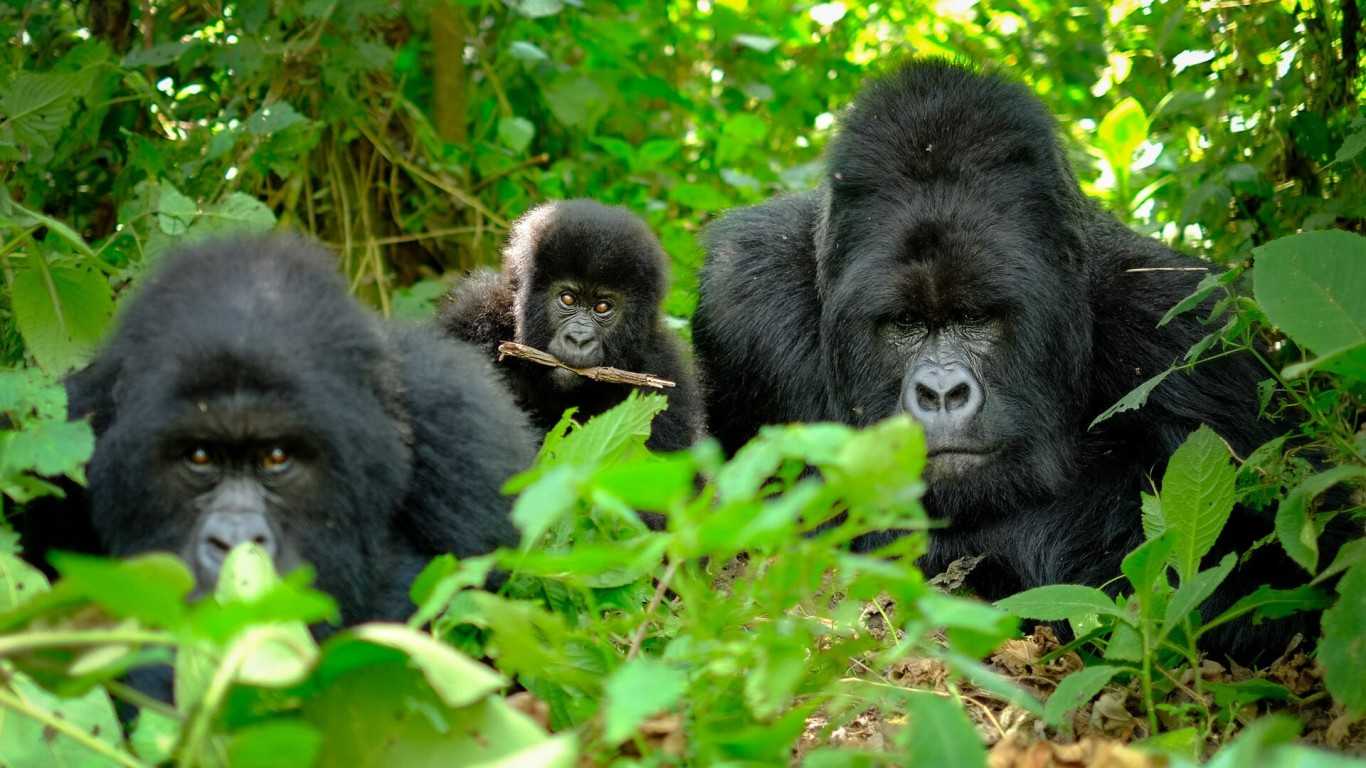
- Volcanoes National Park — 2.5 hours northwest; gorilla trekking.
- Akagera National Park — 2 hours east; Big Five game drives.
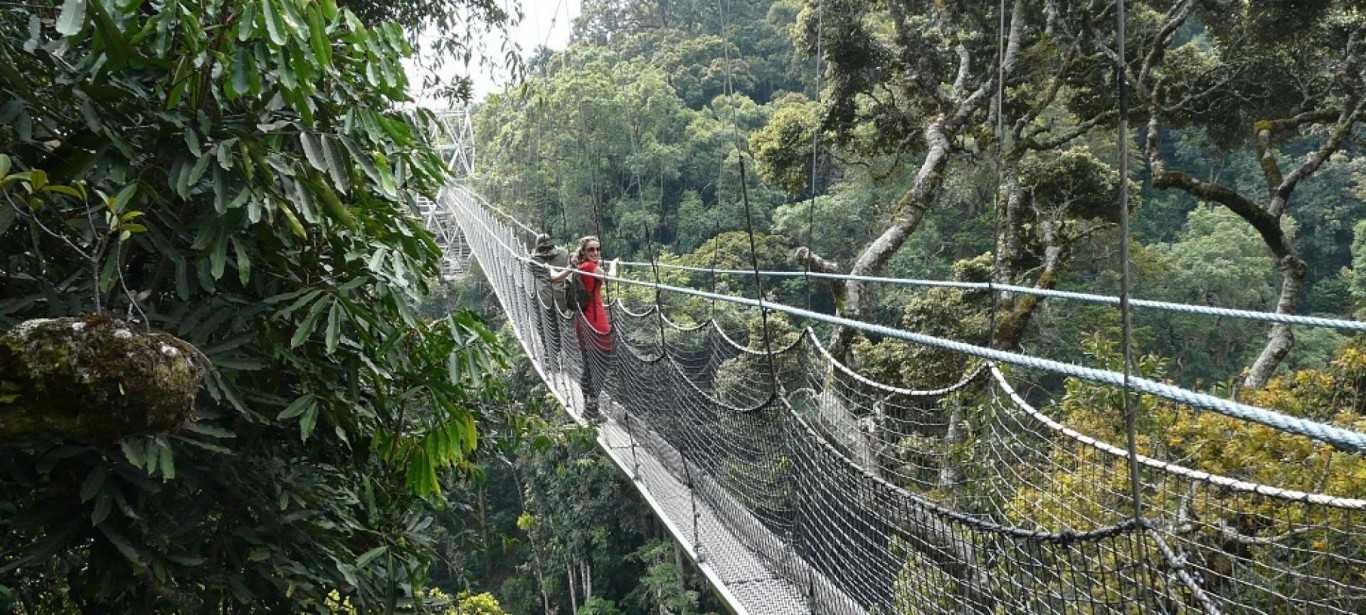
- Nyungwe Forest — 5 hours south; chimpanzees and canopy walkway.
Frequently asked questions about Kigali
Is Kigali safe?
By African capital standards, Kigali is exceptionally safe. Violent crime against tourists is extremely rare. The city is well-lit, well-policed and the streets are genuinely walkable at night in the main residential and commercial areas.
What currency is used in Rwanda?
Rwandan Franc (RWF). USD is widely accepted in hotels and some restaurants. ATMs are plentiful in Kigali. Cards are accepted at most established businesses.
Why are plastic bags banned in Rwanda?
Rwanda banned plastic bags in 2008 as part of a broader environmental policy that also includes mandatory monthly community clean-up days (Umuganda). The ban is effectively enforced — you will be asked to leave plastic bags at the airport if you arrive with them.
Want to visit Explore Kigali?
Get a free custom safari plan within 24 hours.
Explore Kigali safari tours
Want to visit Explore Kigali?
Get a free custom safari plan within 24 hours.
Best time to visit Kigali
Kigali is a year-round destination — the city operates fully in every season and its attractions are unaffected by rainfall. At 1,567 m above sea level, temperatures are consistently mild (18–26°C) year-round, making it one of Africa’s most comfortable capitals to explore on foot.
June to September — Long dry season (best for combining with upcountry parks)
The dry season makes road travel to Akagera, Volcanoes and Nyungwe most comfortable, and gorilla permits for this window are in highest demand.
December to February — Short dry season (pleasant, festive)
Warm and mostly dry. Christmas and New Year bring additional activity to the restaurant and nightlife scene. Good accommodation availability except over the holiday peak.
April — Kwibuka (Genocide Commemoration)
April 7 marks the beginning of the genocide commemoration period. Visiting Kigali during Kwibuka is a profoundly different experience — more sombre, more reflective, and for some travellers the most meaningful time to be in the country.
Bottom line: Any time of year. Kigali is pleasant, safe and engaging in every season.
Where to stay in Explore Kigali
We'll recommend accommodation across all budget levels based on your dates and preferences.
Browse All LodgesWant to visit Explore Kigali?
Get a free custom safari plan within 24 hours.