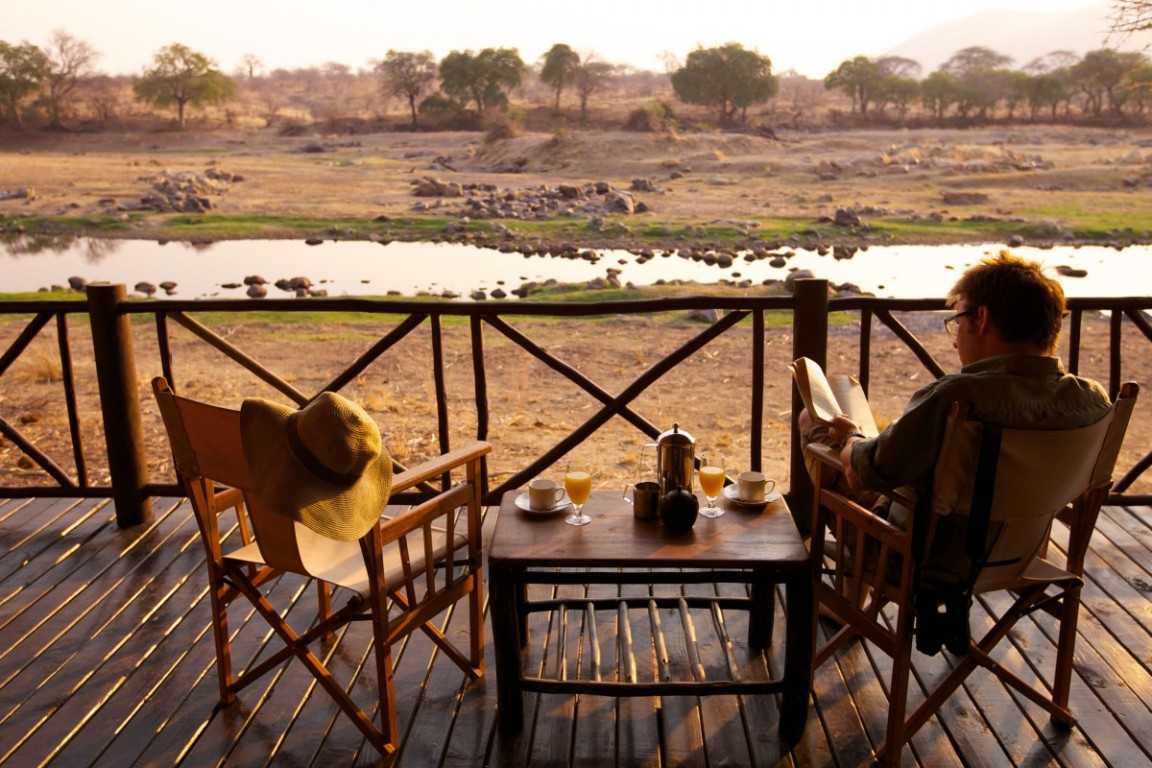
All Chimpanzee Trekking Tours in Tanzania


Chimpanzee Trekking in Tanzania: What to Expect
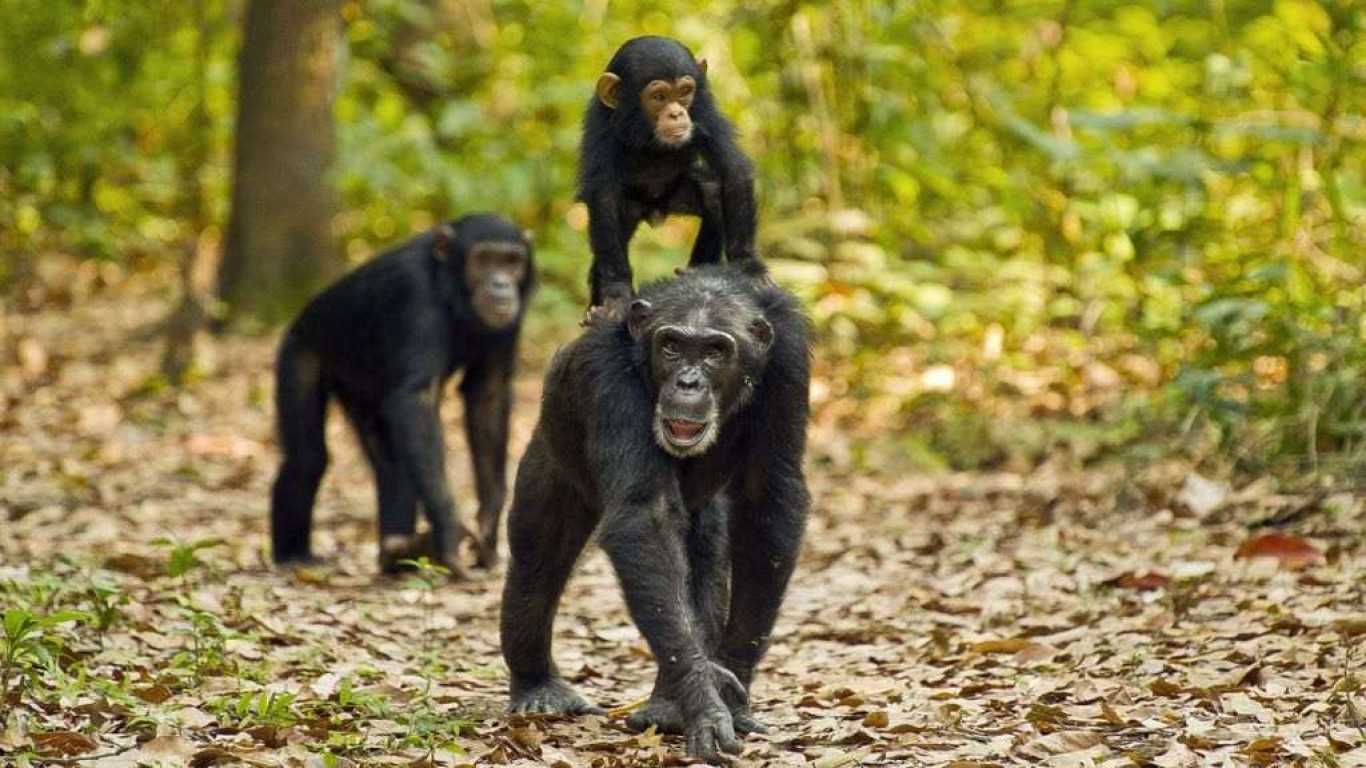
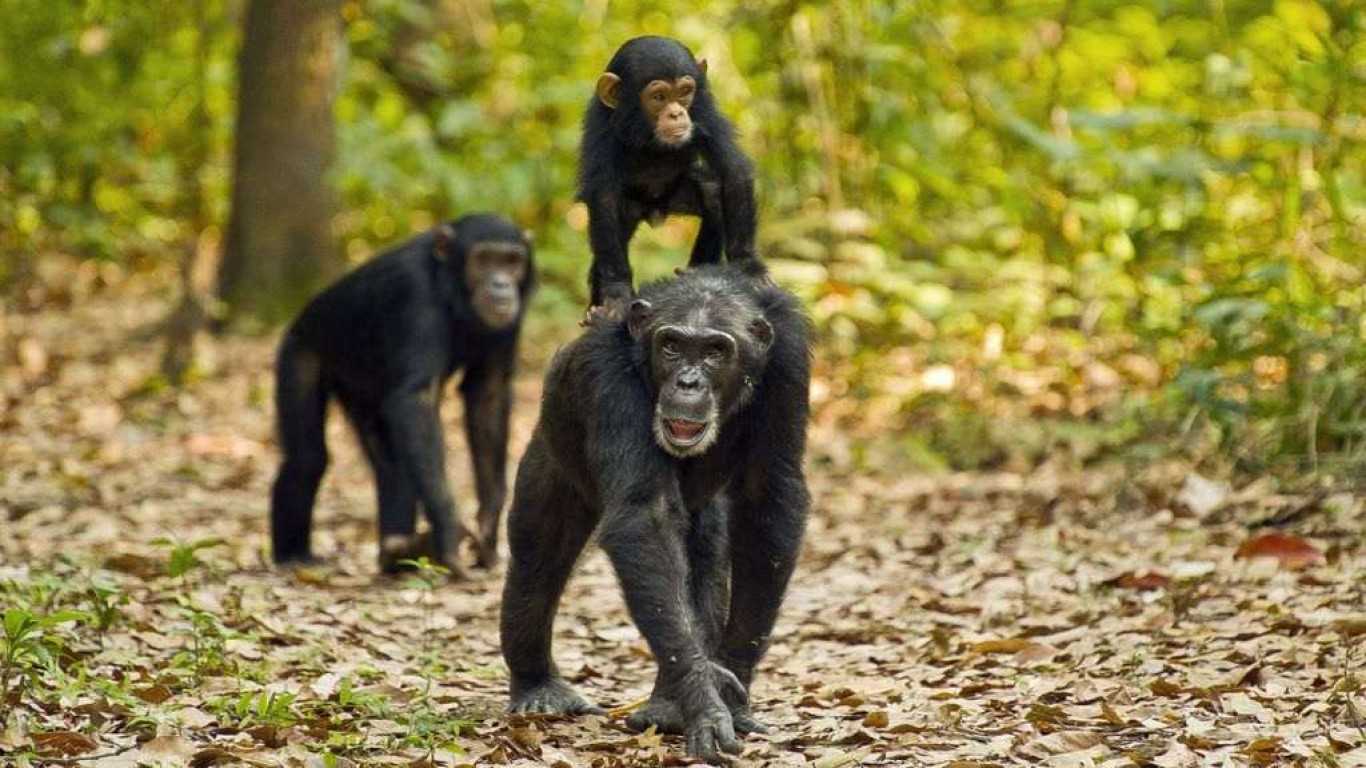
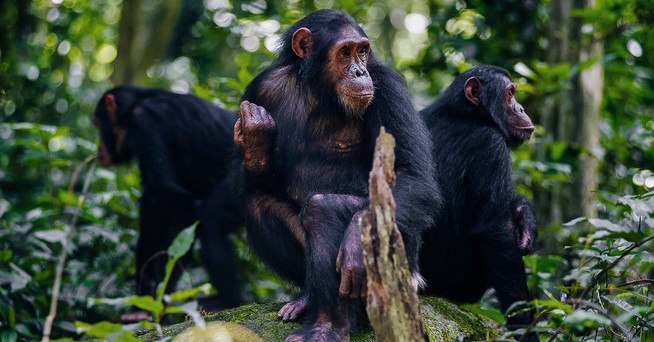
A chimpanzee trekking experience in Tanzania is fundamentally different from the primate encounter most visitors to East Africa are familiar with. Gorilla trekking in Rwanda or Uganda involves following a single habituated gorilla family through mountain forest. Chimpanzee trekking at Mahale and Gombe involves tracking active, fast-moving communities of 50 to 100 animals through dense forest — following the sounds of their calls, finding their nests from the night before and waiting for the moment the trackers locate the group.
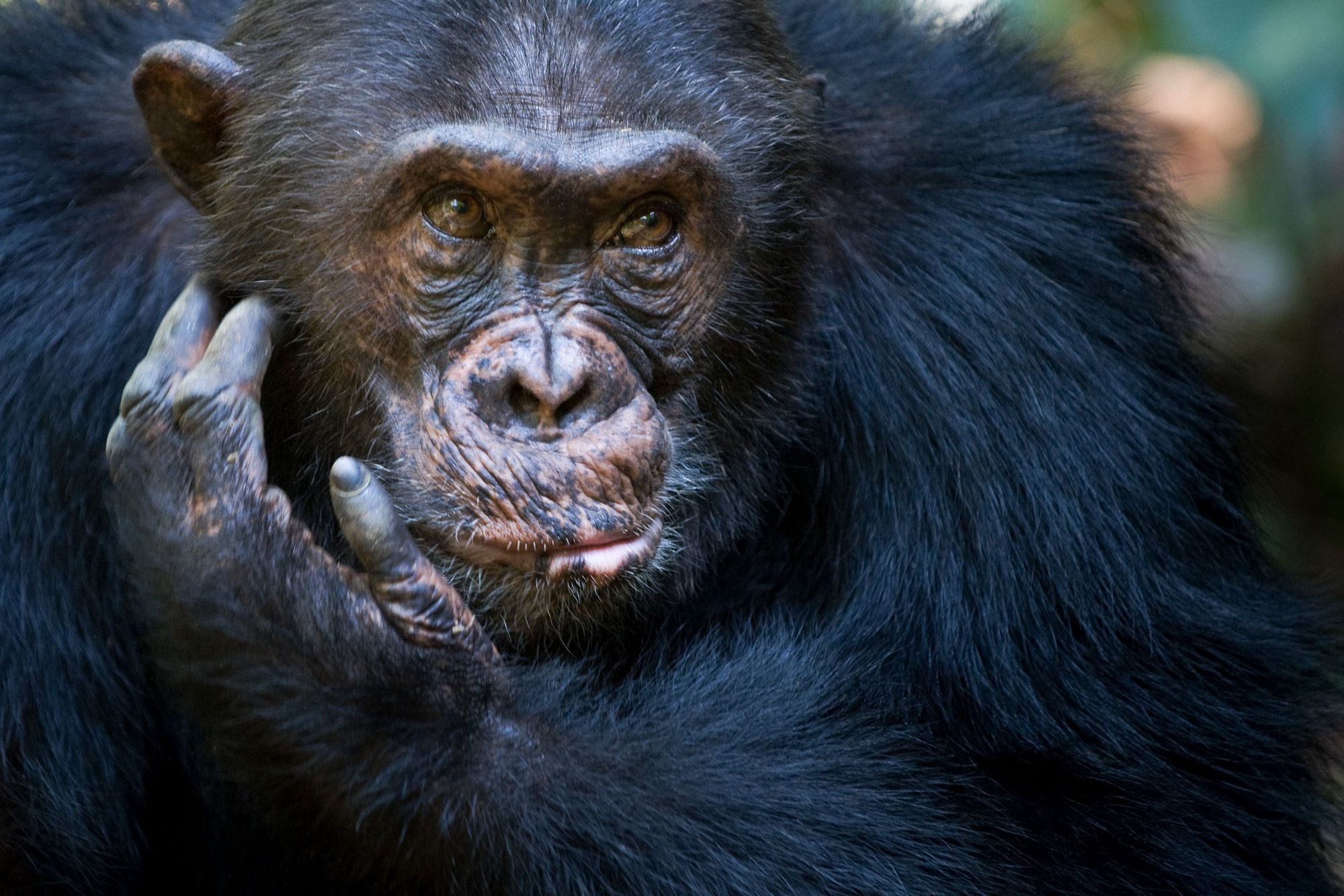
When contact is made, the experience is intensely physical — chimpanzees move quickly through the forest canopy and on the ground, vocalise loudly, interact aggressively within the group and, at Mahale and Gombe, are sufficiently habituated to humans to approach within a few metres. Being surrounded by a community of 50 chimpanzees in full social activity — juveniles playing, adult males posturing, mothers with infants — is one of the most compelling wildlife encounters available anywhere in Africa.
Mahale Mountains National Park
Mahale Mountains National Park on the eastern shore of Lake Tanganyika is Tanzania's premier chimpanzee destination. The Mahale chimpanzee community (the M-group) has been studied continuously since 1965 and is the largest habituated chimpanzee community in Tanzania — approximately 60 to 70 individuals at the time of writing. The habituation level is exceptional: animals approach within 3 metres of guests regularly, providing photograph opportunities that the forest density at Gombe rarely allows.
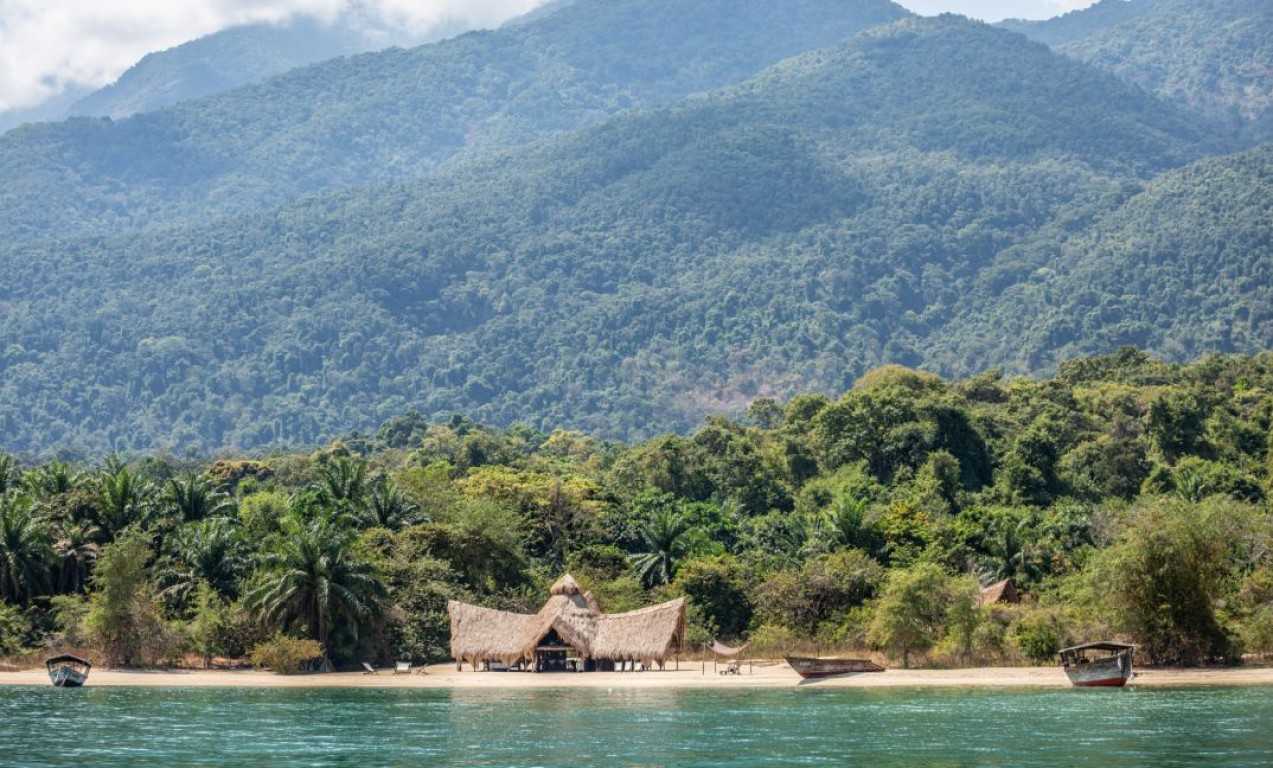
Mahale is accessible by charter aircraft to the Mahale airstrip (2 hours from Arusha) or by boat from Kigoma (4 to 8 hours by speedboat or slow ferry). Most visitors fly in. The park has no roads — movement is on foot through the forest. The camps on the lakeshore have the extraordinary combination of direct beach access on Lake Tanganyika (warm, clear, crocodile-free in the camp areas) and forest chimpanzee trekking 20 minutes walk uphill.
Chimpanzee trekking at Mahale: the logistics
Trekking groups are limited to 6 visitors maximum per day with the M-group. Permits are required and limited — book well in advance for the June to October dry season when demand peaks. The trek duration is variable: on some days the group is found quickly and you spend the permitted hour with them immediately; on others the trek takes 2 to 4 hours through steep forest before contact. Fitness for sustained steep forest walking is required — this is not a paved path.
Gombe Stream National Park
Gombe Stream National Park is the most famous chimpanzee research site in the world — Jane Goodall began her study of the Gombe chimpanzees in 1960 and the research station she established has been continuously operational since. The Gombe chimpanzees were the first wild primates to be studied using individual identification, the first to be observed using tools (grass stems to extract termites from mounds) and the first for whom behavioural data has been collected across multiple generations.
Gombe is smaller than Mahale (52 sq km vs Mahale's 1,613 sq km) and more accessible from Kigoma — a 1 to 2 hour speedboat transfer along the Lake Tanganyika shore from Kigoma town. The chimpanzee community at Gombe is smaller than Mahale's M-group and the forest is denser, making photography more challenging. What Gombe offers that Mahale cannot is context: the visitor centre with Jane Goodall's original research materials, the tree where the first tool use was observed, the feeding station history. For anyone who has read any of Goodall's books, arriving at Gombe is arriving at a place they already know in some way.
Mahale vs Gombe: Which to Choose?
For the best chimpanzee trekking experience: Mahale. The larger habituated community, the better photography conditions and the combination of lake beach and mountain forest make it the superior chimpanzee destination.
For historical and scientific significance: Gombe. No other chimpanzee research site in the world has the depth of continuous observation that Gombe has accumulated since 1960. The context transforms the trekking experience for anyone with an interest in primate behaviour or conservation biology.
For travellers with enough time: both. Mahale and Gombe can be combined on a single trip by routing through Kigoma. A typical combined schedule is 2 nights Mahale (fly-in), boat to Kigoma, 2 nights Gombe (speedboat from Kigoma), return to Arusha from Kigoma by charter or commercial flight.
Combining Chimpanzee Trekking with a Tanzania Safari
Mahale and Gombe sit in western Tanzania, 1,200 km from Arusha by road — effectively a different country in logistics terms. Charter aircraft connect Arusha to Mahale in 2 hours and to Kigoma (Gombe gateway) in 2.5 hours. The most common combination: 5 to 7 days Northern Circuit safari (Serengeti, Ngorongoro, Tarangire), then charter to Mahale for 3 to 4 nights chimpanzee trekking, return to Arusha. Total: 10 to 12 days for one of Tanzania's finest multi-experience itineraries.
Frequently Asked Questions
How guaranteed are chimpanzee sightings?
Mahale has a very high success rate for finding the M-group on any given day — the community is large, well-habituated and ranges in a relatively defined territory. Gombe has a similarly high contact rate. No wildlife encounter is guaranteed, but chimpanzee trekking at both parks has significantly higher reliability than, for example, leopard sightings on a standard safari. Allow 2 trekking days at each park if a confirmed sighting is essential.
How physically demanding is chimpanzee trekking?
Moderately to very demanding, depending on how far the chimpanzees have moved from the previous night's nesting site. The forest at Mahale involves steep, root-covered terrain with no formal paths — good physical fitness and trail footwear are required. At Gombe, the terrain is similar but the park is smaller. Neither trek is accessible for travellers with significant mobility limitations.
What is the best time of year for chimpanzee trekking in Tanzania?
June to October (dry season) is the most popular window and gives the easiest forest trekking conditions — less mud, clearer visibility through the vegetation and the most reliable boat conditions on Lake Tanganyika. November to February is also viable — the chimpanzees are present year-round. April and May (long rains) make the steep forest trails very difficult and some camp operations reduce or close.
Do I need a permit for chimpanzee trekking?
Yes — both Mahale and Gombe require trekking permits, limited per day (6 visitors maximum at Mahale per trekking group). Permits sell out months ahead for the June to October dry season. We arrange permits as part of all chimpanzee trekking package bookings — book as early as possible to secure your preferred dates.
Not sure which Chimpanzee Trekking Tours in Tanzania is right for you?
Our team designs custom itineraries — no fee, no obligation.Explore Other Safari Types
Kilimanjaro Trekking Tours
View Tours
Tanzania Lodge Safaris
View Tours
Tanzania Honeymoon Safaris
View Tours
Tanzania Camping Safaris
View Tours
Serengeti Migration Safaris
View Tours