Western Tanzania is one of the most remote and untouched safari regions in Africa. Unlike the busy northern safari circuit, western Tanzania offers vast wilderness areas, very few visitors, and exceptional wildlife experiences.
This region is famous for chimpanzee trekking, remote wildlife safaris, and dramatic landscapes along Lake Tanganyika. The main safari destinations include Mahale Mountains National Park, Gombe National Park, and Katavi National Park.
Because of its isolation, western Tanzania attracts adventurous travelers looking for exclusive safari experiences far from crowded parks.
If you are planning a safari in Tanzania, you can begin with the main Tanzania Safari Guide.
Where is Western Tanzania safari region?
Western Tanzania lies along the border with the Democratic Republic of Congo and Burundi, stretching along the shores of Lake Tanganyika.
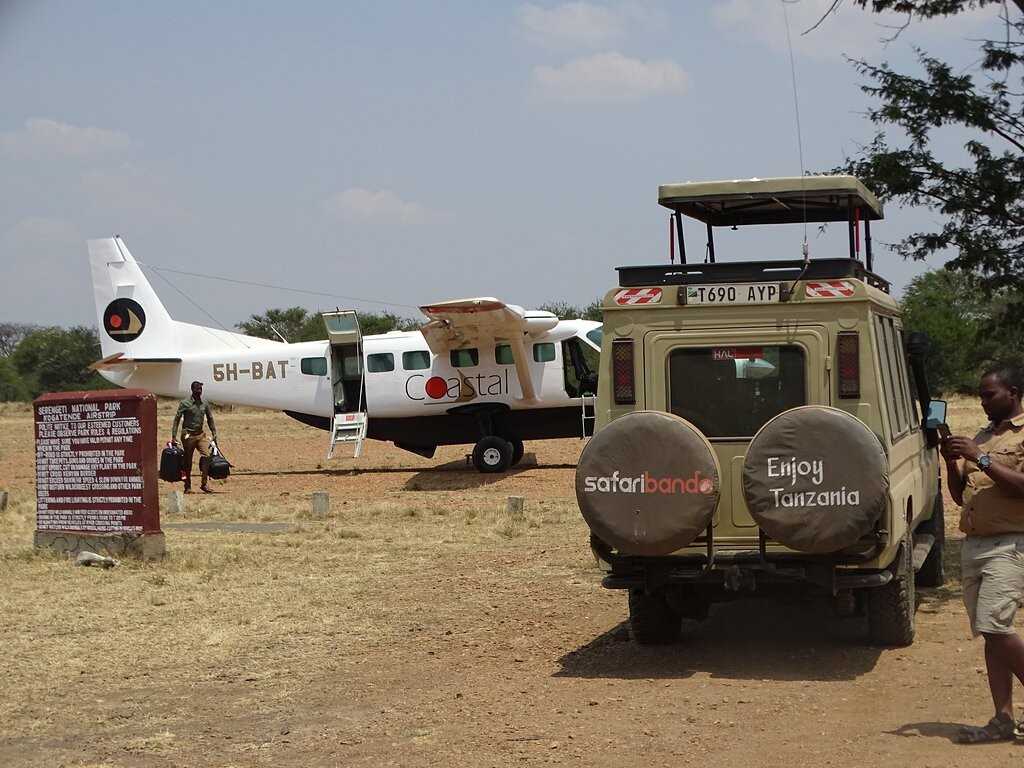
The region is far from the northern safari circuit and major tourist hubs. Most visitors reach western Tanzania through domestic flights from Arusha, Dar es Salaam, or Zanzibar.
The main safari parks in western Tanzania include:
-
Mahale Mountains National Park
-
Gombe National Park
-
Katavi National Park
Each park offers a completely different type of safari experience.
Mahale Mountains National Park
Mahale Mountains National Park is one of the most spectacular safari destinations in Africa. The park sits on the eastern shore of Lake Tanganyika and is surrounded by lush rainforest and mountain landscapes.
Mahale is best known for its large chimpanzee populations and pristine forest environment.
Highlights of Mahale include:
-
chimpanzee trekking in tropical rainforest
-
dramatic mountain scenery
-
white sand beaches on Lake Tanganyika
-
remote luxury lodges
Chimpanzee trekking is the main activity in Mahale. Visitors hike through the forest with guides to locate chimpanzee families moving through the mountains.
The park also offers excellent hiking and lake activities such as swimming and kayaking.
To compare Mahale with nearby chimpanzee destinations, read Mahale vs Gombe.
Gombe National Park
Gombe National Park is the most famous chimpanzee trekking destination in Tanzania. The park became globally known through the research conducted by Dr. Jane Goodall, who began studying chimpanzees here in the 1960s.
Although Gombe is much smaller than Mahale, it remains one of the best places in the world to observe chimpanzees.
The park features:
-
dense forest hills
-
clear streams and valleys
-
Lake Tanganyika shoreline
Chimpanzee trekking in Gombe allows visitors to watch chimpanzees feeding, grooming, playing, and communicating in the wild.
Because of its research history, chimpanzee tracking in Gombe is often very successful.
Learn more in the Gombe Chimpanzee Trekking Guide.
Katavi National Park
Katavi National Park is one of Tanzania’s most remote wildlife parks and one of the least visited national parks in Africa.
Located deep in western Tanzania, Katavi offers a classic wilderness safari with vast floodplains, woodlands, and seasonal rivers.
The park is famous for:
-
massive buffalo herds
-
large populations of hippos and crocodiles
-
lions and other predators
-
huge elephant herds
During the dry season, Katavi becomes one of the most dramatic wildlife viewing areas in Africa. As water sources shrink, animals gather in large numbers around remaining rivers and pools.
Because the park receives very few visitors, safari drives in Katavi often feel completely private.
For more details read the Katavi National Park Guide.
Chimpanzee trekking in Western Tanzania
Chimpanzee trekking is one of the main reasons travelers visit western Tanzania.
Chimpanzees live in forest environments, which means trekking usually involves hiking through rainforest and mountain trails.
Visitors may observe chimpanzees:
-
climbing trees
-
searching for food
-
grooming each other
-
interacting within their social groups
Chimpanzee encounters are often emotional experiences because of how closely their behavior resembles human social interaction.
For a full guide see Chimpanzee Trekking Tanzania.
Best time to visit Western Tanzania
Western Tanzania safaris are strongly influenced by seasonal weather patterns.
Dry season (June to October)
This is generally the best time for wildlife safaris.
Advantages include:
-
easier chimpanzee trekking conditions
-
better wildlife viewing in Katavi
-
clearer hiking trails
Green season (November to May)
This period offers lush landscapes and fewer visitors, but heavy rains may affect travel logistics.
For a broader overview of travel seasons see Best Time to Visit Tanzania.
How to get to Western Tanzania
Western Tanzania is remote and requires careful travel planning.
Flights
Most visitors fly from Arusha, Dar es Salaam, or Zanzibar to airstrips near the parks.
Boat transfers
Some parks such as Mahale and Gombe require boat transfers along Lake Tanganyika to reach lodges and park entrances.
Because of the travel logistics, western Tanzania safaris are usually part of longer itineraries.
Western Tanzania safari itinerary ideas
Typical itineraries include:
4 to 5 day chimpanzee safari
-
Fly to Kigoma
-
Chimpanzee trekking in Gombe
-
Boat trips on Lake Tanganyika
6 to 8 day western Tanzania safari
-
Katavi wildlife safari
-
Mahale chimpanzee trekking
-
Lake Tanganyika activities
These itineraries combine classic safari wildlife with primate trekking experiences.
Western Tanzania vs Northern Tanzania safari
Northern Tanzania is famous for destinations such as Serengeti and Ngorongoro.
Western Tanzania offers a completely different safari experience.
Key differences include:
Northern Tanzania:
-
famous parks and higher visitor numbers
-
easier travel logistics
-
classic Big Five safari
Western Tanzania:
-
remote wilderness
-
chimpanzee trekking experiences
-
fewer tourists
-
dramatic landscapes and lake scenery
Many experienced safari travelers prefer western Tanzania for its sense of exploration and adventure.
Safari costs in Western Tanzania
Western Tanzania safaris are usually more expensive than standard northern circuit safaris.
Costs are influenced by:
-
remote park locations
-
charter flights
-
limited accommodation options
-
park conservation fees
For a breakdown of costs read How Much Does a Safari Cost in Tanzania and Park Fees for Tanzania National Parks.
Why visit Western Tanzania?
Western Tanzania is ideal for travelers seeking something truly unique.
Reasons to visit include:
-
world-class chimpanzee trekking
-
remote wilderness safari experiences
-
dramatic landscapes along Lake Tanganyika
-
incredible wildlife in Katavi
-
fewer tourists compared with other safari regions
For adventurous travelers and wildlife enthusiasts, western Tanzania offers one of the most authentic safari experiences in Africa.
Final thoughts on Western Tanzania safaris
Western Tanzania remains one of Africa’s last great safari frontiers. With remote national parks, chimpanzee trekking opportunities, and spectacular lake scenery, the region provides an unforgettable adventure for travelers willing to explore beyond the traditional safari routes.
Whether trekking chimpanzees in Mahale, observing wildlife in Katavi, or exploring the forests of Gombe, western Tanzania offers a safari experience that feels truly wild and untouched.
For further safari planning, start with the main Tanzania Safari Guide and explore primate trekking in Chimpanzee Trekking Tanzania.