Hiking and Trekking
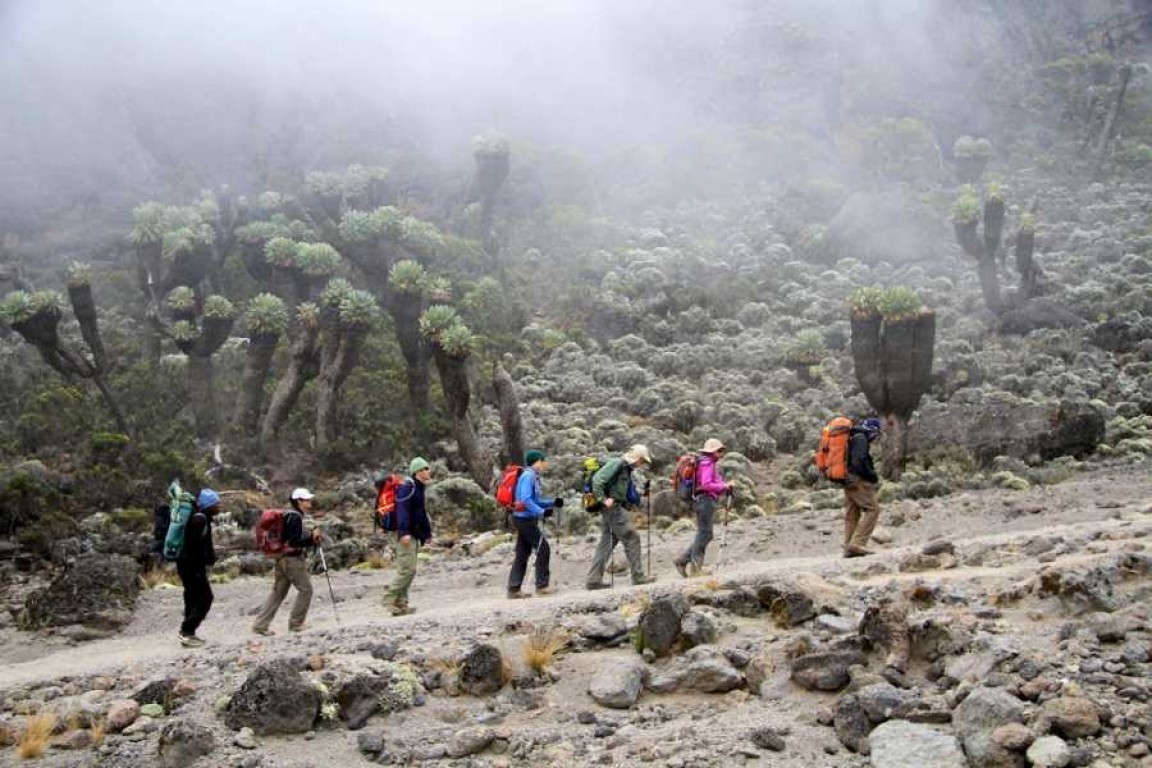
Tanzania is one of Africa’s best destinations for hiking and trekking, offering everything from legendary high-altitude climbs to scenic day hikes, crater rim walks, rainforest trails, waterfalls, volcanic landscapes, and remote mountain adventures. Whether you want to summit Mount Kilimanjaro, explore Mount Meru, enjoy a short trek near Moshi, or combine a mountain climb with wildlife and culture, Tanzania gives travelers an extraordinary range of trekking experiences.
For many visitors, hiking in Tanzania begins with Mount Kilimanjaro, the highest mountain in Africa and one of the world’s most famous trekking peaks. But Tanzania’s trekking appeal goes far beyond Kilimanjaro. You can hike through montane forest on Mount Meru, enjoy village and waterfall walks around Materuni, trek in the Pare Mountains, take a day hike on Kilimanjaro, or build a longer adventure that combines trekking with safari and Zanzibar.
This page is your complete guide to hiking and trekking in Tanzania. You will learn where to go, which treks are best for different fitness levels, the best time to hike, what routes to consider, what to pack, and which tours are best suited to your travel style.
Why choose hiking and trekking in Tanzania?
Hiking and trekking in Tanzania offer much more than exercise or mountain scenery. A trekking journey here combines landscapes, wildlife, local culture, and the feeling of real adventure. In a single trip, you can move from tropical forest to alpine desert, pass local villages and farms, watch sunrise above the clouds, and finish with a safari or beach holiday.
Here is why Tanzania stands out as a trekking destination:
-
Home to Mount Kilimanjaro, Africa’s highest peak
-
Excellent range of treks from easy day hikes to demanding summit climbs
-
Strong trekking base around Moshi and Arusha
-
Great options to combine trekking with safari and Zanzibar
-
Scenic diversity including rainforest, moorland, volcanic ridges, waterfalls, and mountain villages
-
Guided trekking experiences suitable for solo travelers, couples, groups, and private expeditions
For travelers looking for a classic East Africa adventure, hiking in Tanzania is often the perfect starting point.
Best hiking and trekking destinations in Tanzania
Mount Kilimanjaro
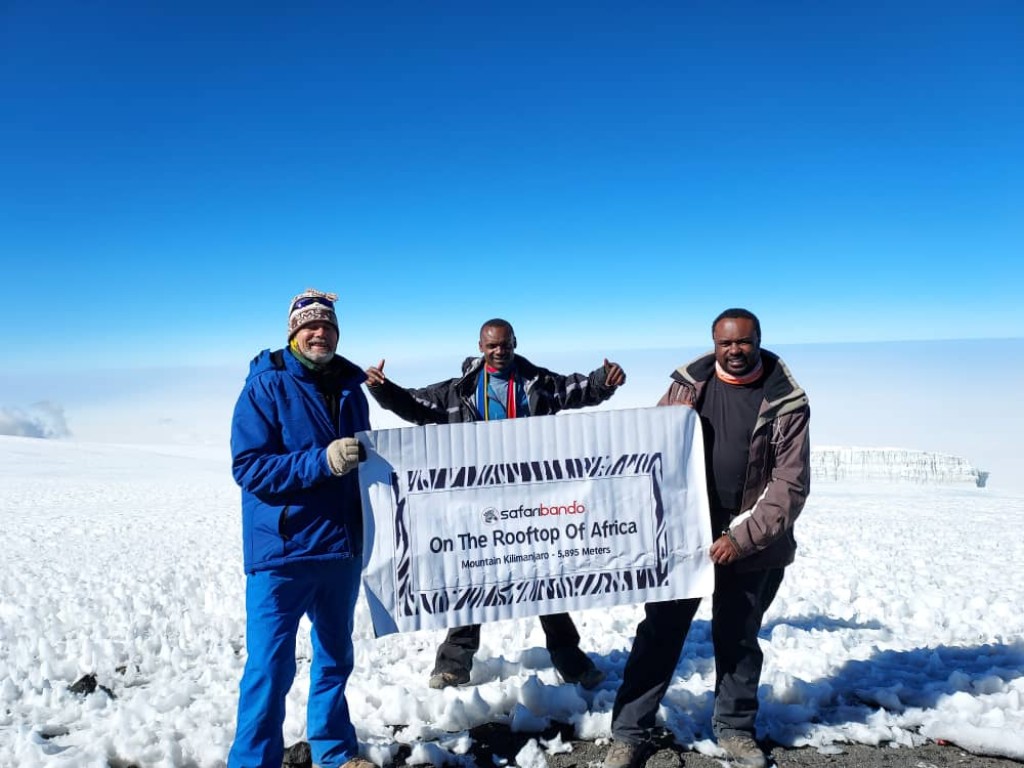
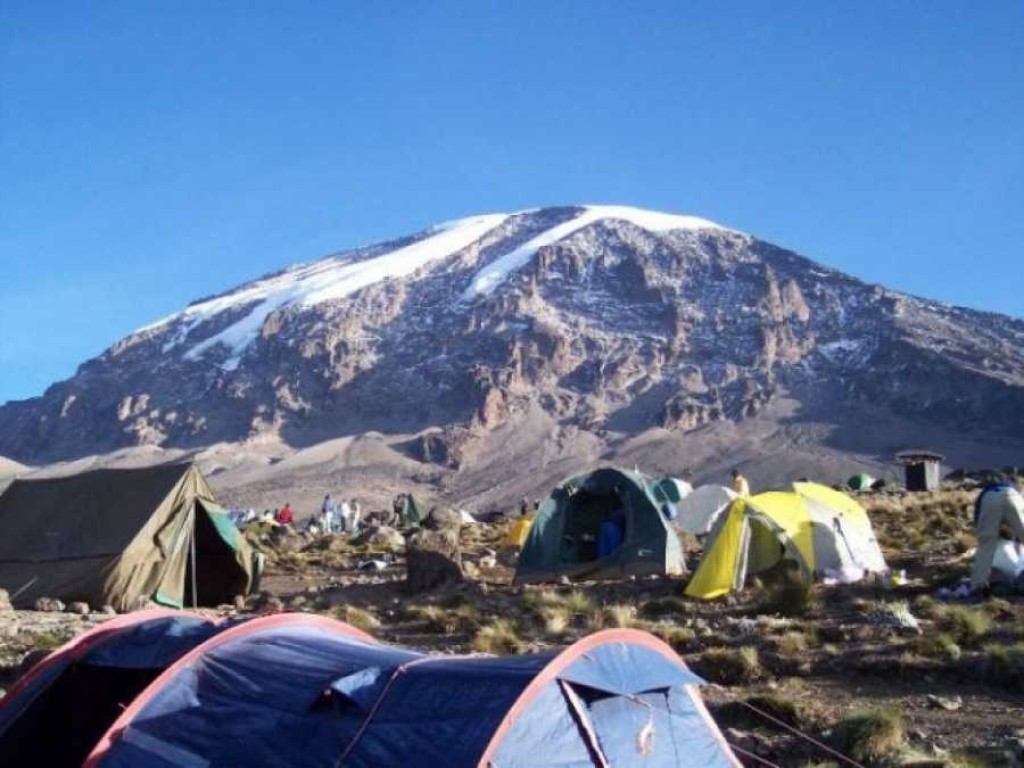
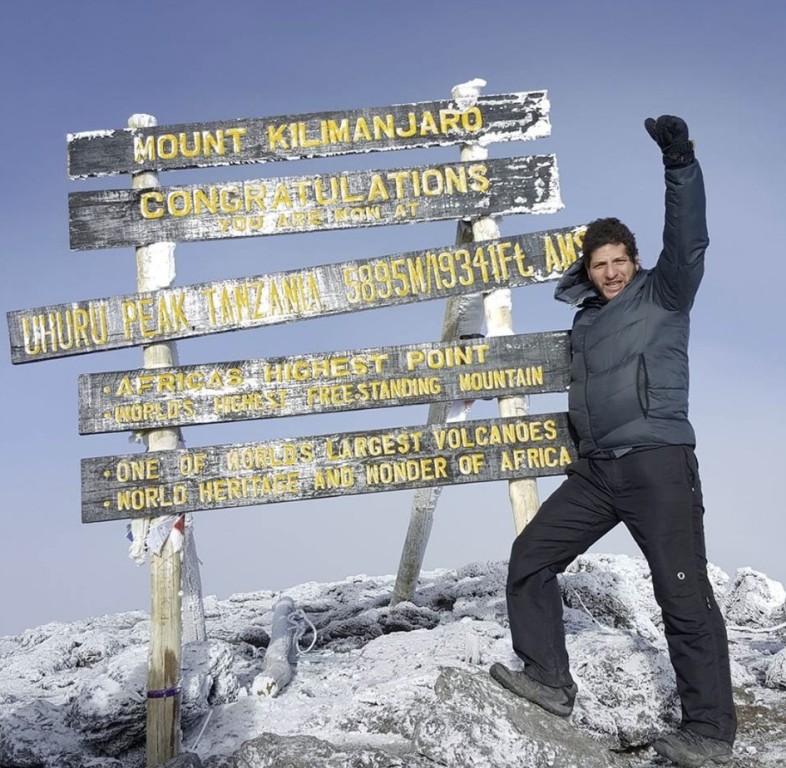
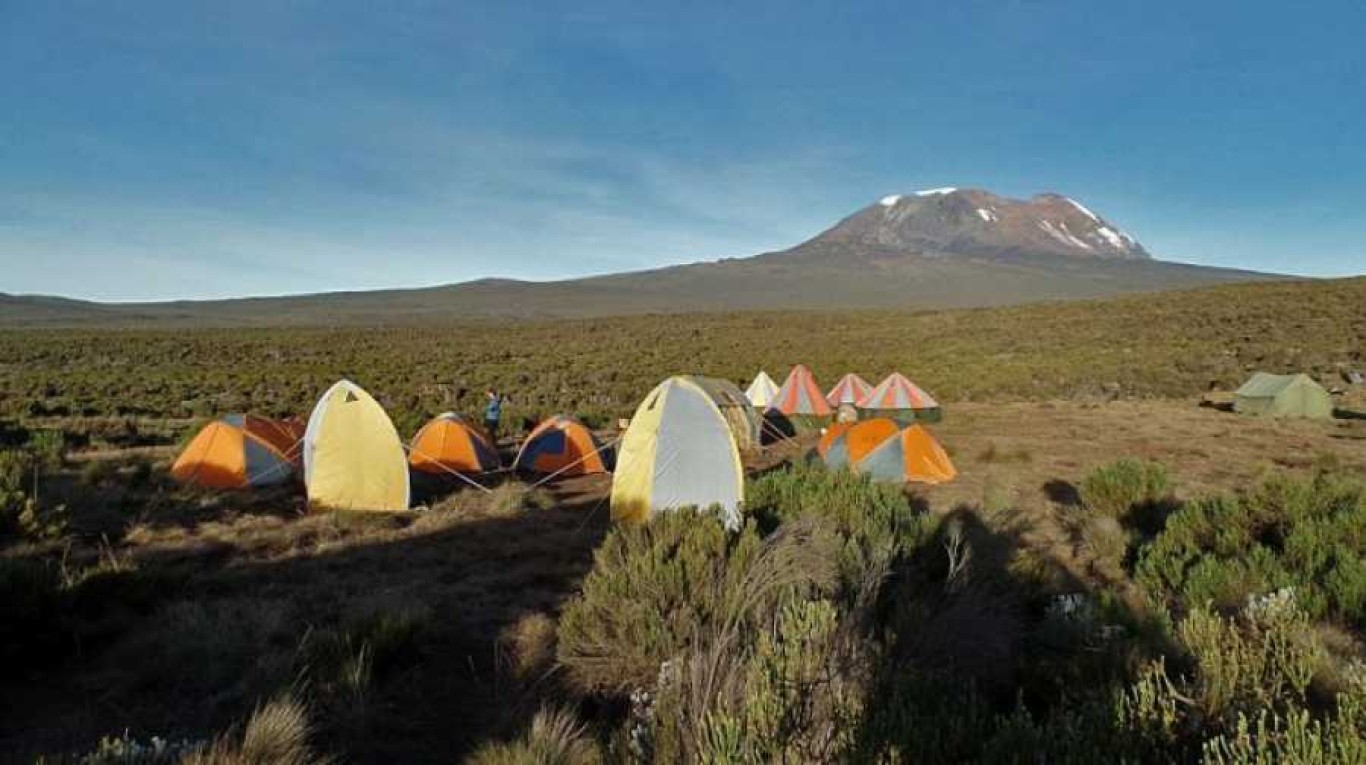
Mount Kilimanjaro is the most iconic trekking destination in Tanzania and the main reason many travelers search for hiking adventures in the country. Standing as Africa’s tallest mountain, Kilimanjaro attracts trekkers from around the world who want the challenge of reaching Uhuru Peak.
Kilimanjaro is not a technical climb, but it is a serious high-altitude trek. Success depends on the route you choose, acclimatization, pace, fitness, weather, and support from an experienced mountain crew. Tanzania offers several established Kilimanjaro routes, each with its own scenery, duration, difficulty level, and summit success profile.
Helpful guides:
Popular Kilimanjaro climbs:
Mount Meru
Mount Meru is one of Tanzania’s most underrated trekking experiences. Located near Arusha, Meru offers a dramatic volcanic landscape, forested slopes, crater views, and a more secluded trekking atmosphere than Kilimanjaro. It is also an excellent acclimatization climb for those planning a Kilimanjaro summit.
Trekking Mount Meru is ideal for travelers who want a rewarding multi-day mountain adventure with fewer crowds. The scenery changes beautifully as you climb, and the trek often feels more intimate and wild.
Recommended trips:
Day hikes around Kilimanjaro and Moshi
Not every traveler wants a full summit expedition. Tanzania also offers excellent short hiking experiences for visitors with limited time, families, or travelers who want lighter outdoor activity without committing to a full mountain climb.
Around Moshi and Kilimanjaro, you can enjoy village walks, waterfall treks, coffee experiences, and day hikes on the lower slopes of the mountain. These trips are ideal for pre-safari adventures, active rest days, or short Tanzania itineraries.
Great short hikes include:
Pare Mountains and lesser-known trekking areas
For travelers who want something quieter and more off the beaten path, the Pare Mountains offer a rewarding trekking experience with culture, scenery, and a different side of northern Tanzania. These hikes are excellent for repeat visitors or travelers interested in walking routes with local community interaction.
Recommended option:
Which trekking experience is right for you?
Choosing the right hiking or trekking experience in Tanzania depends on your goals, time, budget, and fitness level.
Choose Kilimanjaro if:
-
You want to summit Africa’s highest mountain
-
You have 5 to 8 trekking days
-
You are prepared for altitude
-
You want a major personal challenge
Choose Mount Meru if:
-
You want a quieter mountain trek
-
You want a climb that feels wild and scenic
-
You want to acclimatize before Kilimanjaro
-
You prefer a shorter high-value trek
Choose day hikes and short treks if:
-
You only have 1 to 2 days
-
You are traveling with mixed fitness levels
-
You want a lighter outdoor experience
-
You want to add easy adventure before or after safari
Choose local mountain and village trekking if:
-
You want less crowded routes
-
You enjoy cultural interaction
-
You want scenic walking without extreme altitude
-
You are interested in hidden gems near Kilimanjaro
Best time for hiking and trekking in Tanzania
Tanzania can be visited year-round, but some months are better than others for trekking conditions.
Best months for major trekking
The dry seasons are usually the most comfortable for trekking because trails are less muddy, skies are often clearer, and summit conditions are generally more favorable.
Strong trekking periods often include:
-
January to March
-
June to October
Green season trekking
Some travelers also enjoy trekking in greener months when landscapes are lush and trails feel quieter, but rain can affect visibility and trail conditions. Short hikes and lower-altitude walks can still be very enjoyable.
For detailed planning, see:
Most popular Kilimanjaro routes for trekkers
If you are planning a Kilimanjaro expedition, route choice matters. Some routes are known for scenic beauty, others for hut accommodation, and others for stronger acclimatization profiles.
Marangu Route
The Marangu Route is often chosen by trekkers who want hut accommodation instead of camping. It is well known and can be attractive for those who prefer a more structured mountain setup.
Related climbs:
Machame Route
The Machame Route is one of the most popular Kilimanjaro routes. It is scenic, varied, and often chosen by trekkers who want a strong classic camping route.
Related climbs:
Lemosho Route
The Lemosho Route is known for beautiful scenery and a longer approach that can help with acclimatization. It is often favored by trekkers looking for a premium trekking experience.
Related climbs:
Rongai Route
The Rongai Route approaches the mountain from the north and is often considered by trekkers looking for a quieter route.
Related climbs:
Umbwe Route
The Umbwe Route is steep and more demanding, making it better suited to experienced trekkers who understand the challenge of altitude and fast ascent profiles.
Related climb:
Useful comparisons:
Hiking and trekking tours in Tanzania
Here are some of the best tours to feature on this experience page.
Kilimanjaro trekking tours
Mount Meru trekking tours
Short hikes and active day tours
Combine trekking with safari or beach
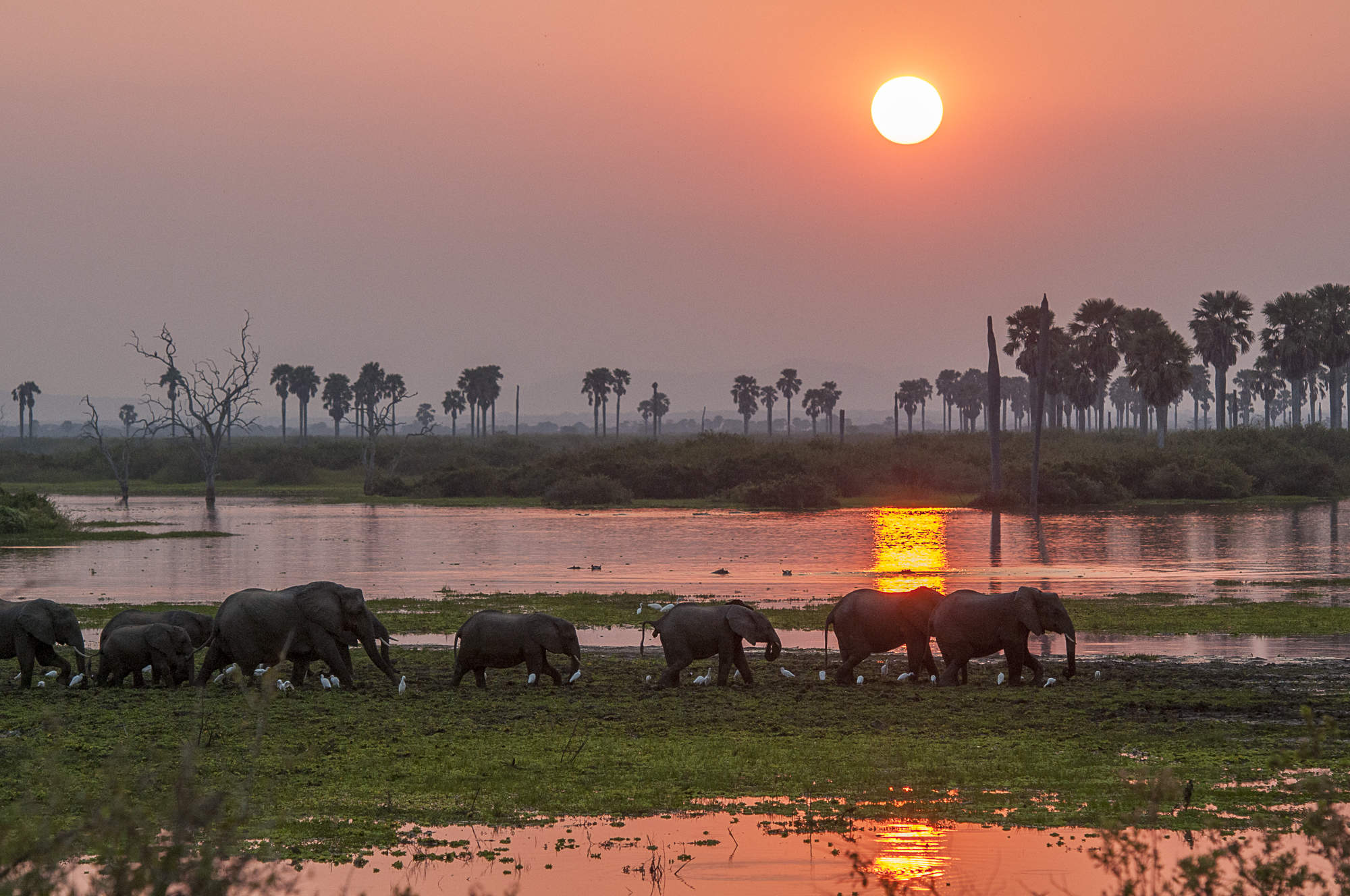
One of the best things about Tanzania is how easily a trekking holiday can connect with other experiences. Many travelers climb Kilimanjaro or hike Mount Meru and then continue to a wildlife safari or Zanzibar beach holiday.
This creates a much stronger overall itinerary. After the physical challenge of trekking, a safari or beach extension offers recovery, wildlife, and variety. For many travelers, this combination becomes the ultimate Tanzania trip.
Useful pages:
How much does hiking and trekking in Tanzania cost?
The cost of hiking and trekking in Tanzania depends on the type of trek, duration, route, park fees, crew support, accommodation style, group size, and whether you choose a private or group trip.
Short hikes
Day hikes and local trekking tours are the most affordable option. These are ideal for travelers who want a scenic outdoor activity without the full cost of a major expedition.
Mount Meru
Mount Meru is usually less expensive than a full Kilimanjaro climb but still requires professional support, permits, accommodation, and park logistics.
Kilimanjaro
Kilimanjaro is the biggest trekking investment. Costs vary depending on route length, operator quality, group vs private climb, and inclusions. Shorter routes may look cheaper, but longer routes often provide better acclimatization and stronger overall value.
Useful cost and planning guides:
What to pack for trekking in Tanzania
Packing properly makes a major difference, especially for Kilimanjaro and Mount Meru. Conditions can change dramatically with altitude, and layering is essential. Even on shorter hikes, good footwear, water protection, and sun protection are important.
Key packing considerations include:
-
broken-in hiking boots
-
layered clothing
-
waterproof outer shell
-
warm summit layers for high-altitude climbs
-
sun hat and sunglasses
-
hydration system or water bottles
-
trekking poles
-
daypack and duffel bag for multi-day treks
-
personal medication and basic first aid items
Detailed packing help:
Fitness and preparation for trekking
You do not need to be an elite athlete to enjoy hiking and trekking in Tanzania, but preparation matters. For short hikes, moderate general fitness is usually enough. For Mount Meru and Kilimanjaro, training should include stamina work, hill walking, recovery practice, and walking with a daypack.
Kilimanjaro in particular is more about endurance, pacing, and altitude management than speed. A slower, well-prepared trekker often performs better than someone who is fit but underestimates the challenge.
Preparation guides:
Who is this experience best for?
Hiking and trekking in Tanzania are ideal for:
Adventure travelers
Travelers who want challenge, achievement, and dramatic landscapes will find Tanzania extremely rewarding.
First-time trekkers
Tanzania offers accessible short hikes and structured guided climbs, making it possible to start small or work toward bigger mountain goals.
Repeat East Africa travelers
Visitors who have already done safari can add a new dimension to their trip by exploring Tanzania on foot.
Couples and private travelers
Private trekking itineraries can be tailored around pace, fitness, route choice, and post-trek safari or beach plans.
Groups
Group climbs on Kilimanjaro can offer excellent value, motivation, and shared summit experience.
Frequently asked questions about hiking and trekking in Tanzania
Is hiking in Tanzania only about Kilimanjaro?
No. Kilimanjaro is the most famous trek, but Tanzania also offers Mount Meru, day hikes, waterfall walks, village treks, hot springs excursions, and quieter mountain routes such as the Pare Mountains.
Can beginners hike in Tanzania?
Yes. Beginners can start with short hikes like Materuni or a Kilimanjaro day hike. A full Kilimanjaro summit trek requires proper preparation, but many first-time high-altitude trekkers do it successfully with the right support.
How difficult is trekking Mount Kilimanjaro?
Kilimanjaro is physically demanding because of altitude, long walking days, and summit night. It is not a technical climb, but it should be treated as a serious trek requiring training and acclimatization.
Is Mount Meru easier than Kilimanjaro?
Mount Meru is generally shorter and less famous, but it is still a real mountain trek. Many travelers find it a great standalone adventure or a strong acclimatization climb before Kilimanjaro.
What is the best short hiking trip near Moshi?
Popular short options include the Kilimanjaro Day Hike from Moshi, Materuni Waterfalls and Coffee Tour, and Chemka Hot Springs Day Trip.
Can I combine trekking with safari?
Yes. This is one of the best Tanzania itineraries. Many travelers climb Kilimanjaro or trek Mount Meru and then continue to northern Tanzania safari parks or Zanzibar.
Related guides for hiking and trekking in Tanzania
Plan your hiking and trekking adventure in Tanzania
From the famous summit trails of Kilimanjaro to scenic day hikes, waterfall walks, and quieter mountain experiences, Tanzania offers one of Africa’s most rewarding trekking landscapes. Whether you are searching for a life-changing summit challenge, a short hike near Moshi, or a custom itinerary that combines trekking with safari and beach, there is a Tanzania trekking experience to match your travel style.
Explore our best Kilimanjaro Trekking Tours, browse Mount Meru Climbing Tours, or contact Safaribando for a tailor-made hiking and trekking itinerary in Tanzania.
Tours Featuring Hiking and Trekking