
Quick facts
Destinations
13 parks & reserves
Tour categories
0 safari styles
Tours available
6 packages
Climate
About South Africa
South Africa is Africa's most complete tourism destination — a country where world-class Big Five safari, one of the world's most celebrated cities, fine wine country, dramatic coastal scenery and a complex, layered history combine in a single destination accessible by direct flight from every major continent. No other African country offers this range under one visa.
Kruger National Park and private reserves
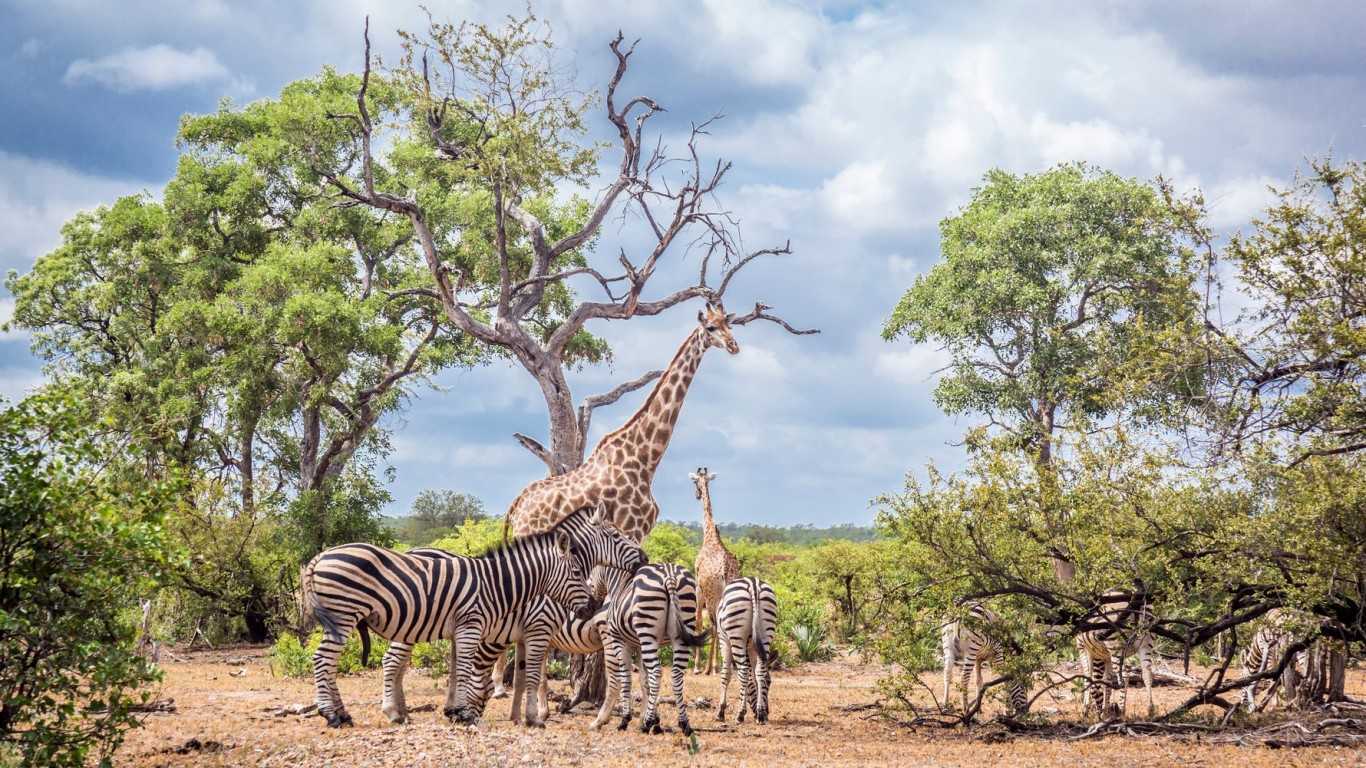
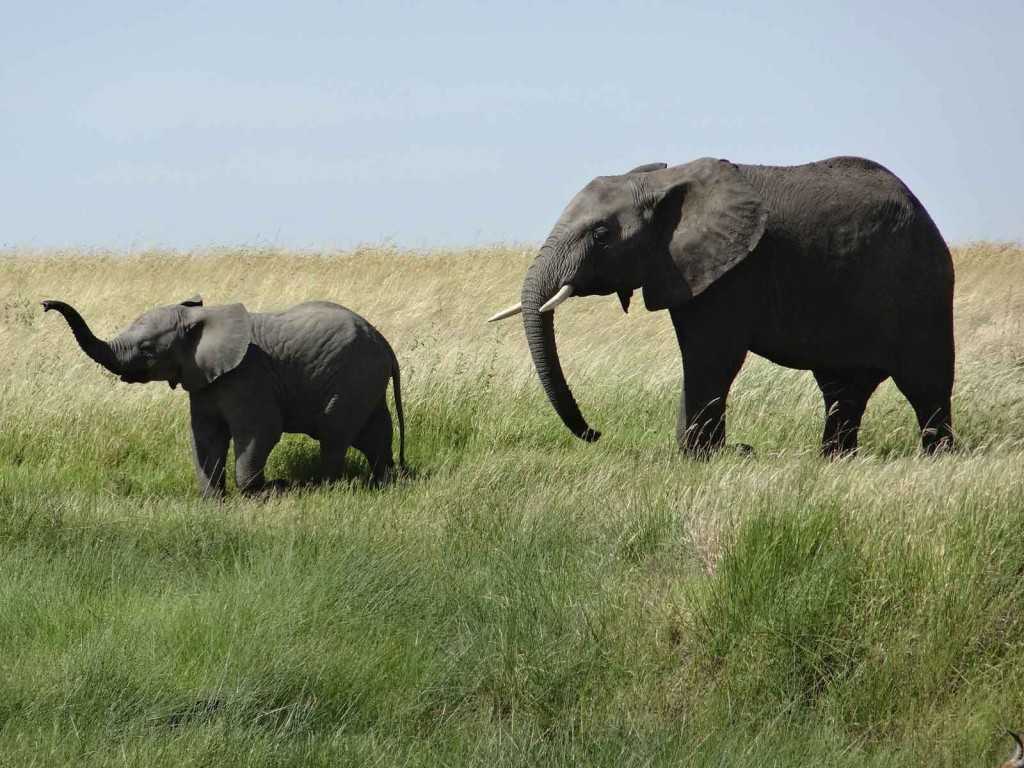
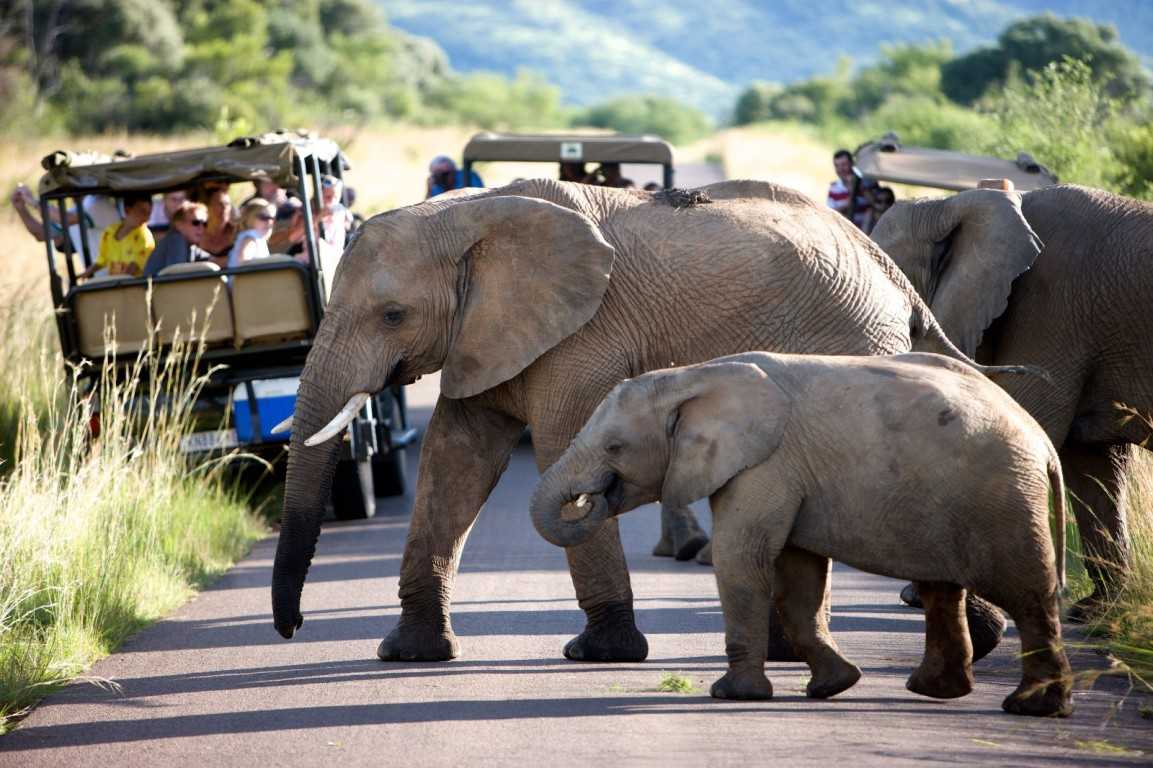
Kruger National Park is one of the finest wildlife destinations in Africa — 19,485 sq km of bushveld and riverine forest in northeastern South Africa with the highest wildlife diversity on the continent. All Big Five are present in significant populations. Over 140 mammal species and 500 bird species have been recorded. Kruger is one of the few major African parks where self-drive is both permitted and established — the park's extensive tar and gravel road network allows independent visitors to explore at their own pace.
The private game reserves sharing Kruger's western boundary — Sabi Sand, Timbavati, Klaserie — offer a different and arguably superior experience: exclusive lodges with off-road driving and night drives, guides who know individual animals by name, and a vehicle density of one or two per sighting rather than thirty. Sabi Sand's leopard are the most habituated and reliably viewable in Africa.
Cape Town
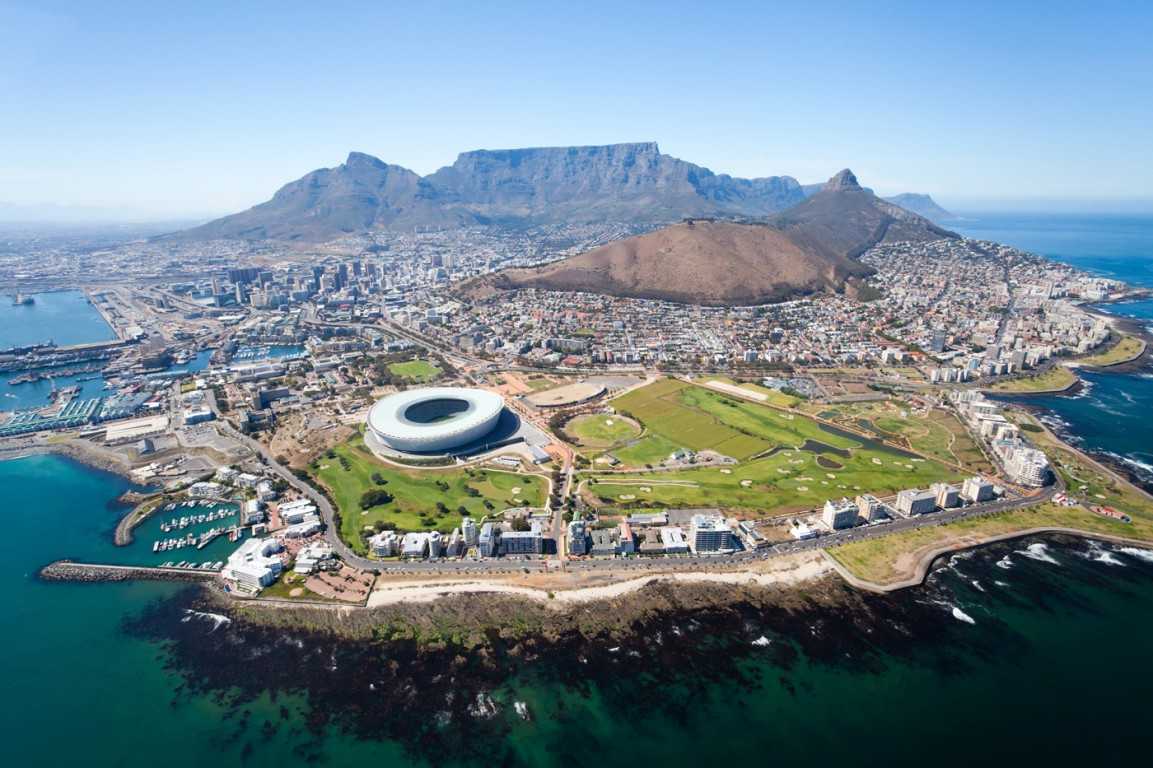
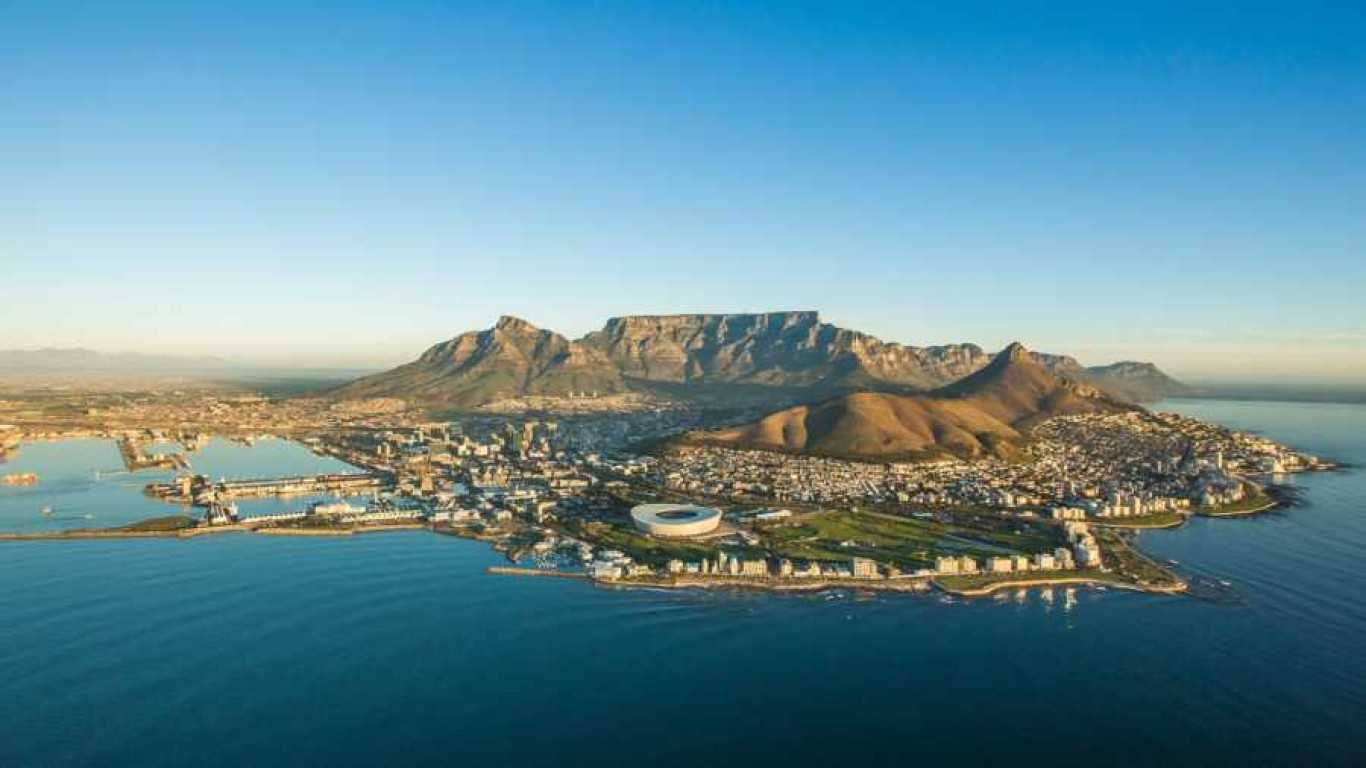
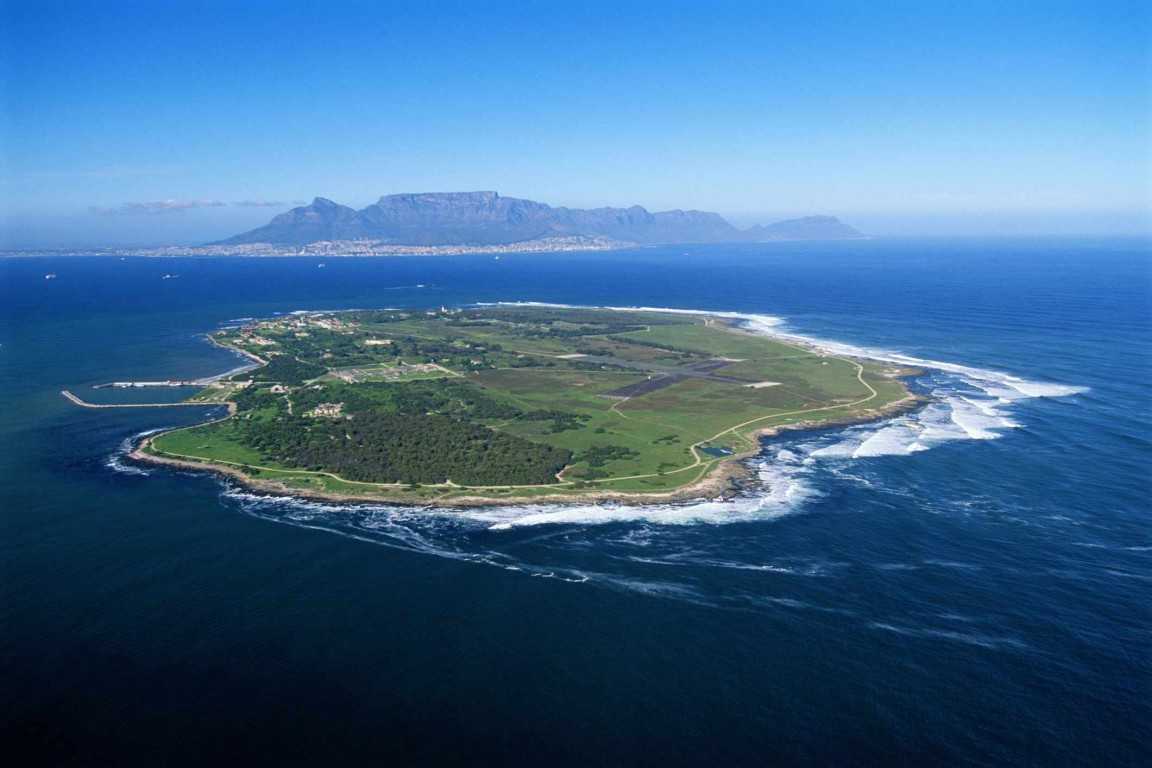
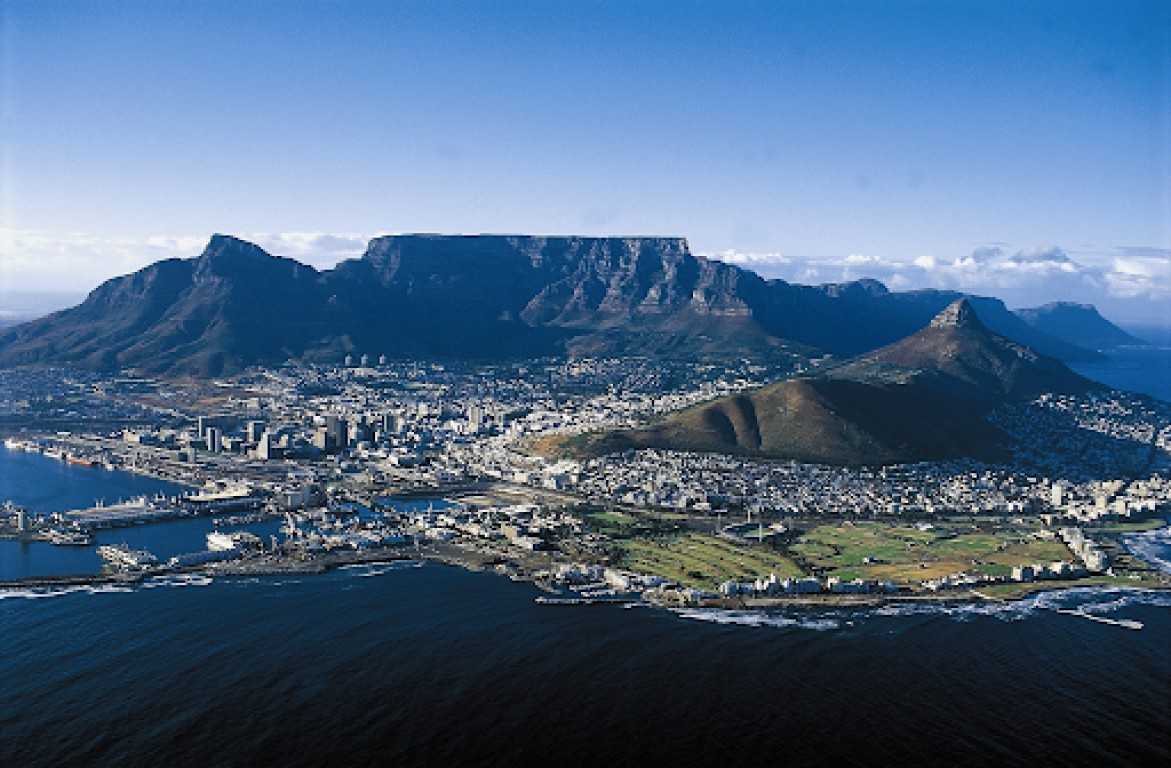
Cape Town is Africa's most internationally celebrated city — a place where Table Mountain drops 1,000 metres to the Atlantic, the Cape Peninsula narrows to a point at Cape of Good Hope, and Boulders Beach hosts a colony of 2,000 African penguins an hour from the city centre. The V&A Waterfront, the Bo-Kaap neighbourhood's colourful houses, the Robben Island ferry and the cable car to Table Mountain's summit are the classic Cape Town experiences — all within 30 minutes of each other.
The Cape Winelands
Stellenbosch, Franschhoek and Paarl — 45 minutes from Cape Town by road — constitute one of the world's finest wine regions. The Cape's unique Fynbos vegetation (a botanically extraordinary shrubland found nowhere else on Earth) frames vineyards that produce award-winning Chenin Blanc, Cabernet Sauvignon and Pinotage. The Franschhoek Wine Tram, cycling between Stellenbosch cellars and multi-course wine-pairing lunches at estate restaurants are the standard Winelands activities — none of which require more than a day trip from Cape Town.
The Garden Route
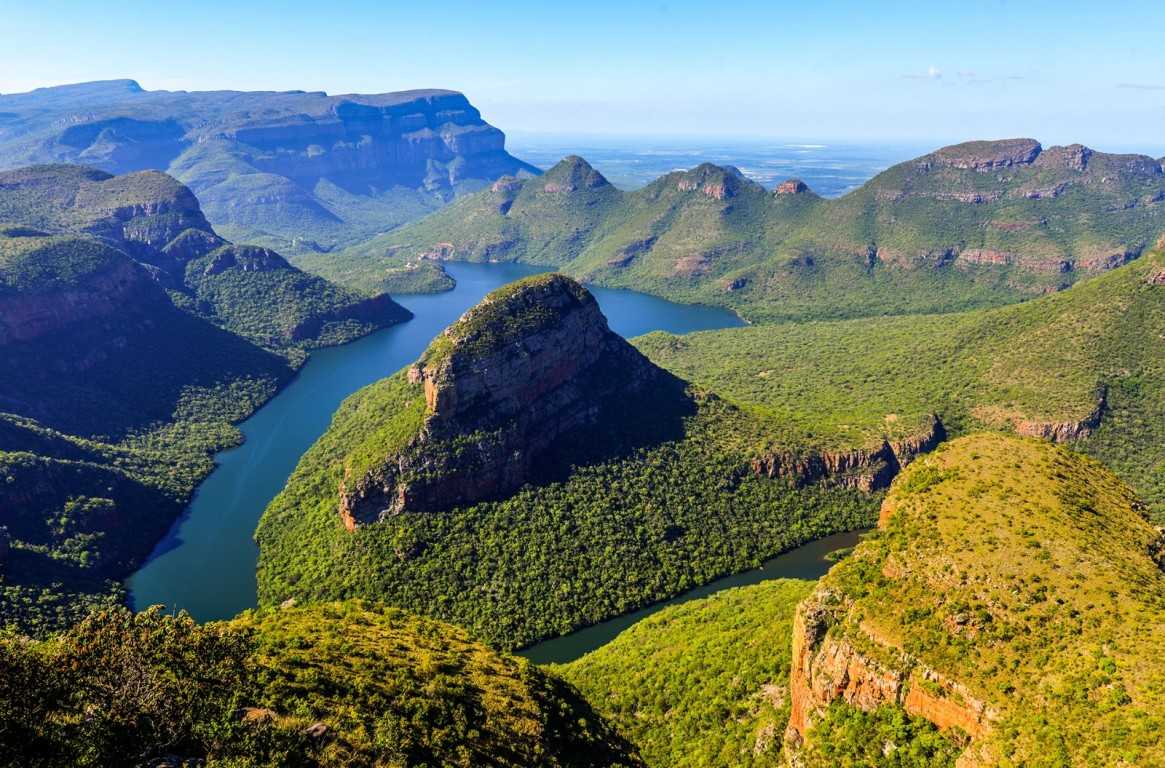
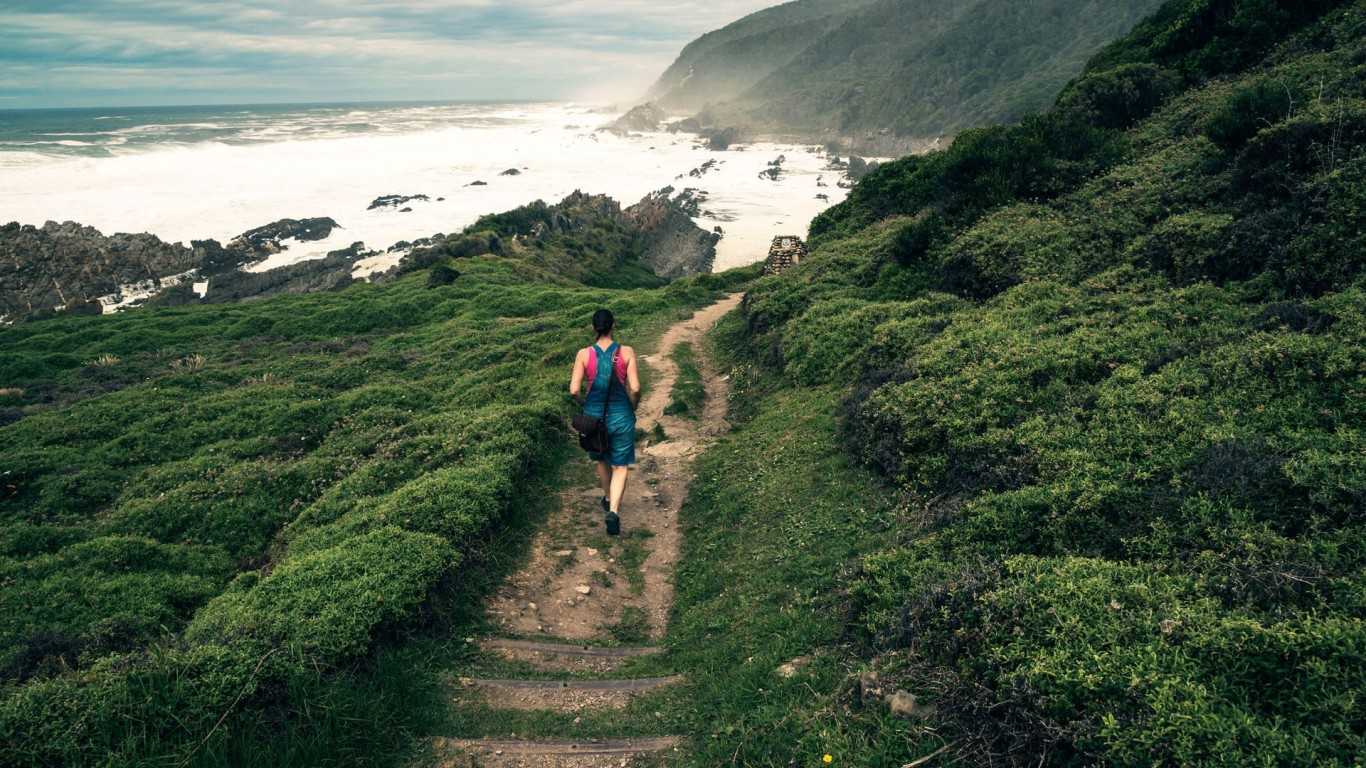
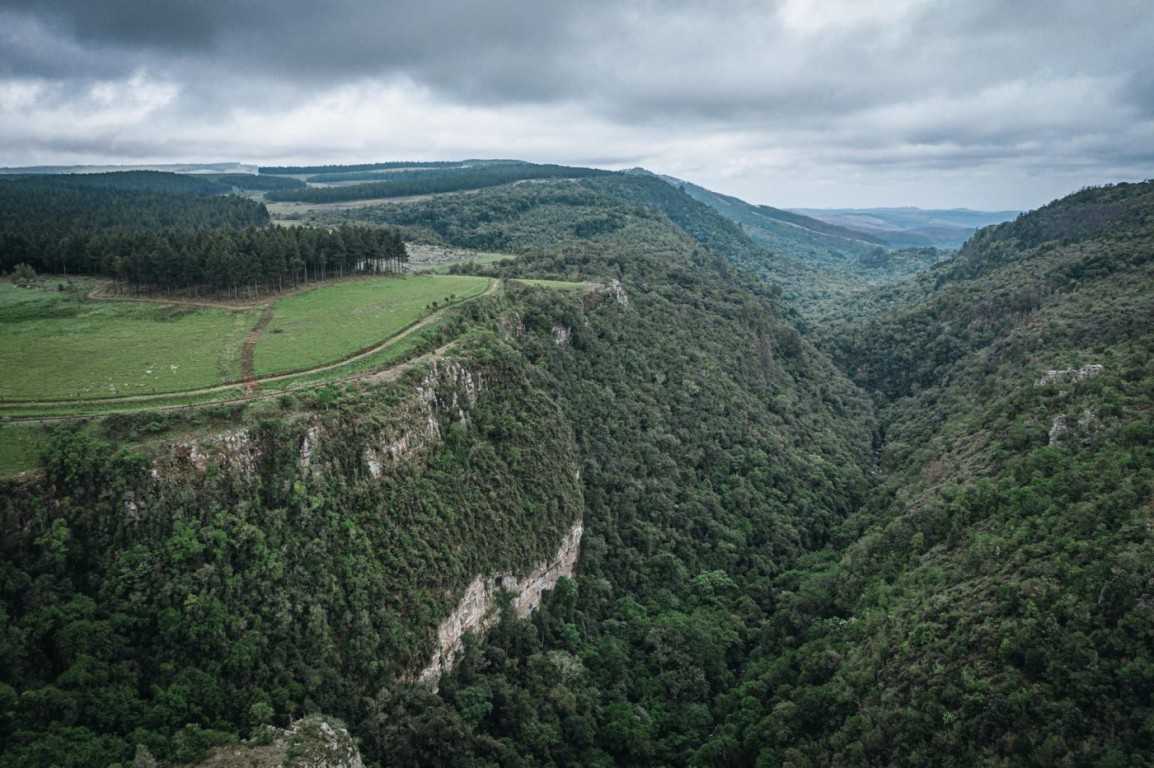
The Garden Route between Mossel Bay and Storms River is South Africa's most scenic coastal drive — a 300 km stretch of lagoons, forest, beaches and dramatic clifftops. The Tsitsikamma National Park at the eastern end has one of South Africa's most spectacular coastal trails (the Otter Trail, 5 days). Knysna Lagoon, Plettenberg Bay's beaches and the Bloukrans Bridge bungee (the world's highest commercially operated bungee jump at 216m) are the Garden Route's key stops.
History and culture
South Africa's history is complex and its physical manifestation is everywhere — from Robben Island, where Nelson Mandela was imprisoned for 18 years, to the apartheid Museum in Johannesburg, the District Six Museum in Cape Town and the Cradle of Humankind fossil site northwest of Johannesburg (a UNESCO World Heritage Site with the world's richest concentration of early human ancestor fossils). The 1994 transition from apartheid to democracy is one of the 20th century's great political stories, and understanding it — even briefly — transforms the experience of visiting the country.
Want to visit South Africa?
Get a free custom safari plan within 24 hours.
All South Africa destinations
 South Africa
 South Africa
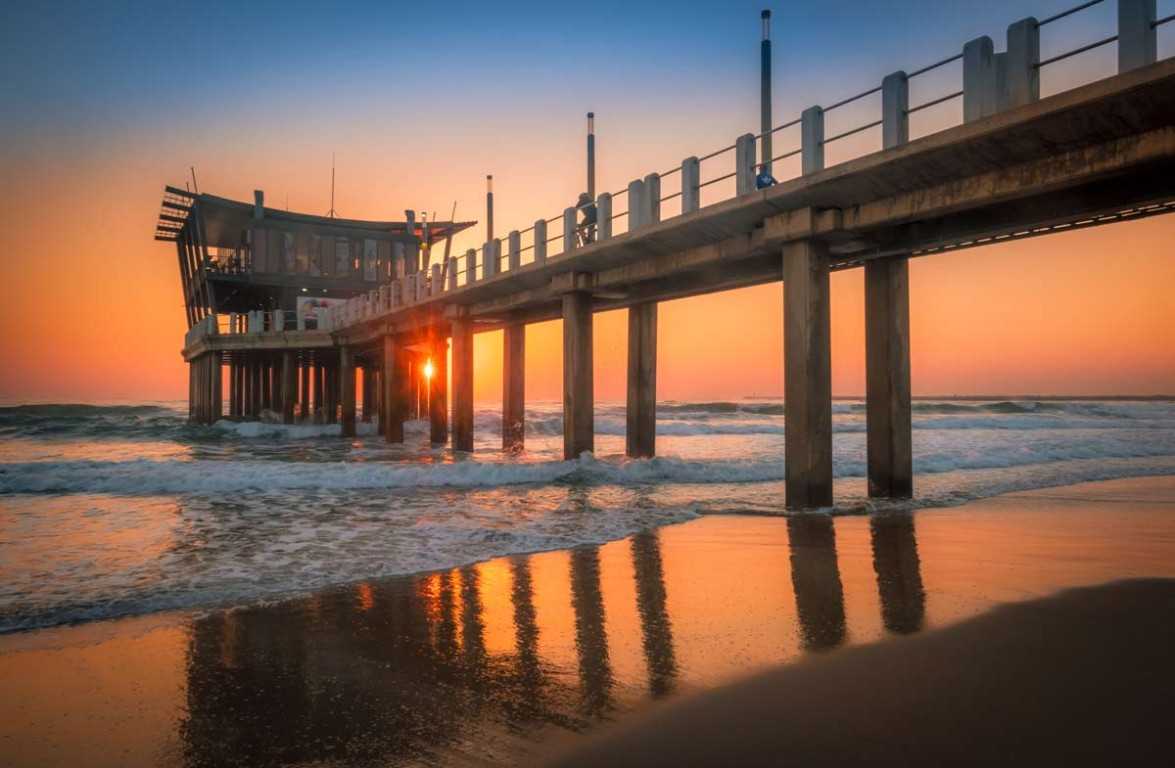 South Africa
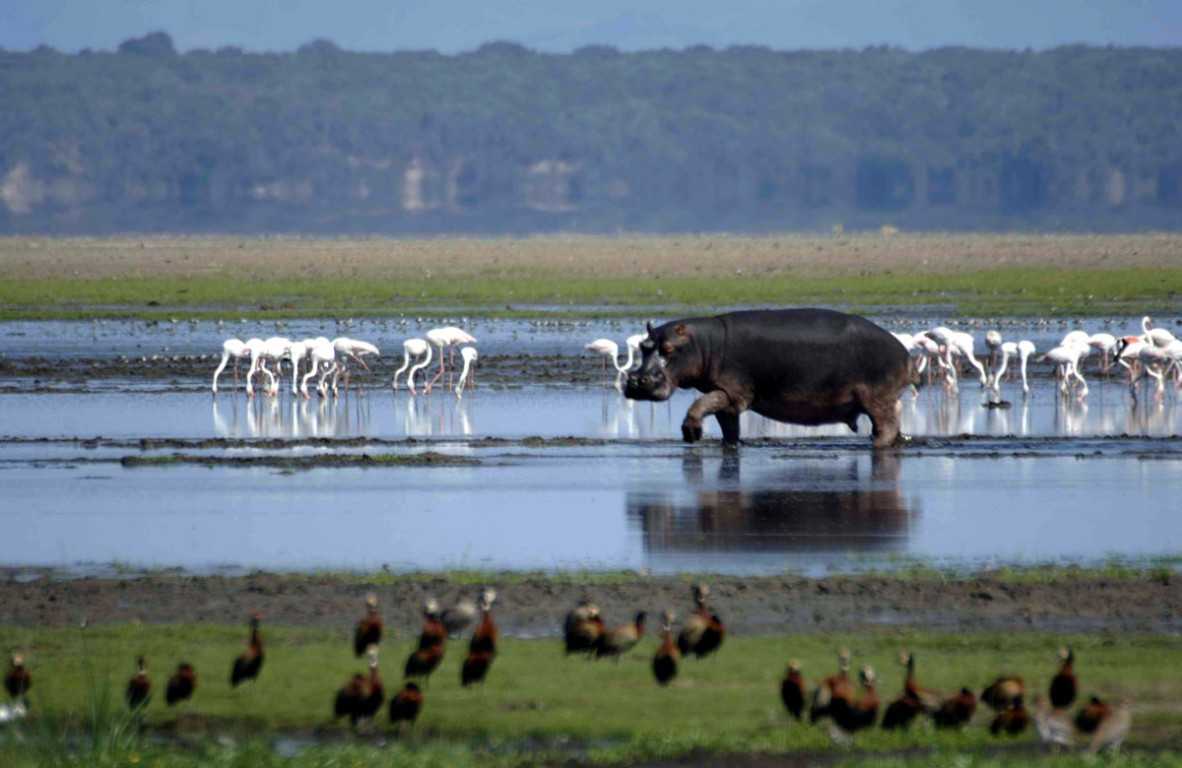
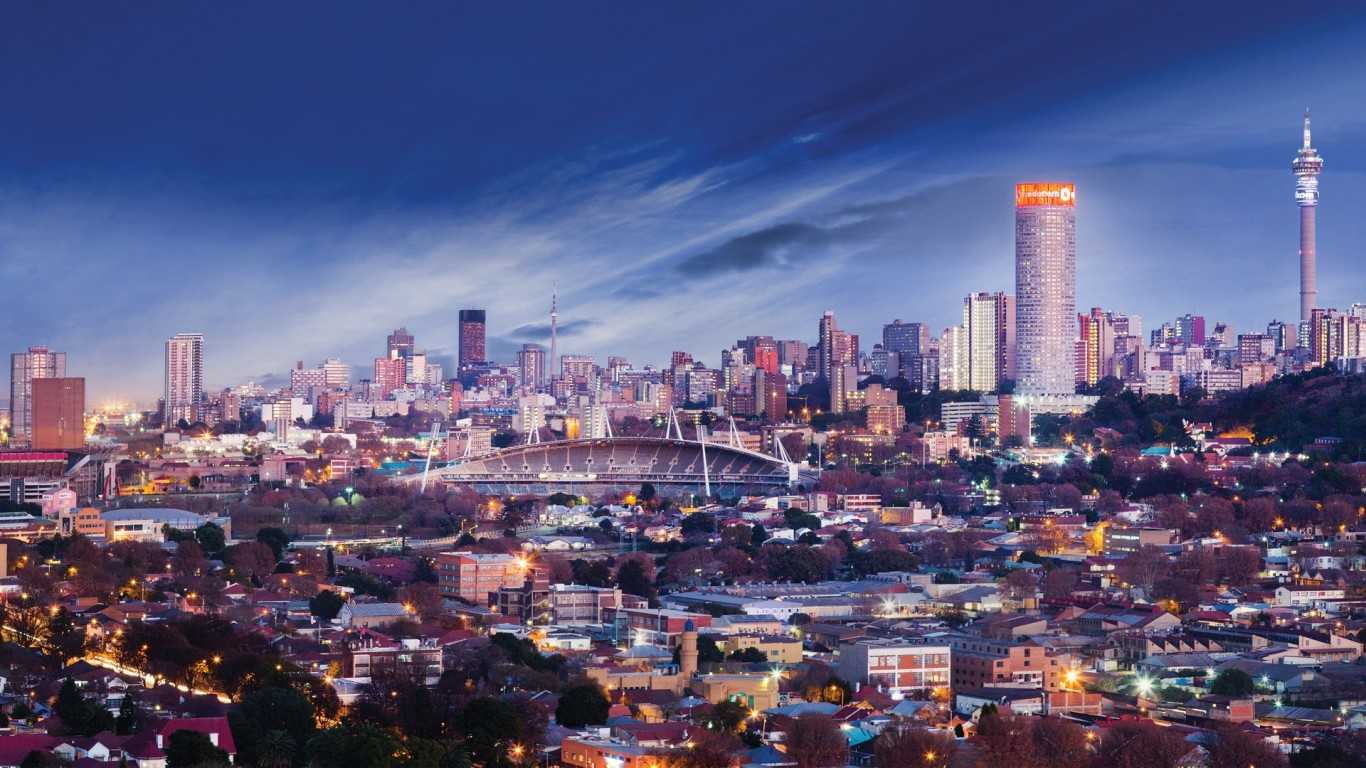 South Africa
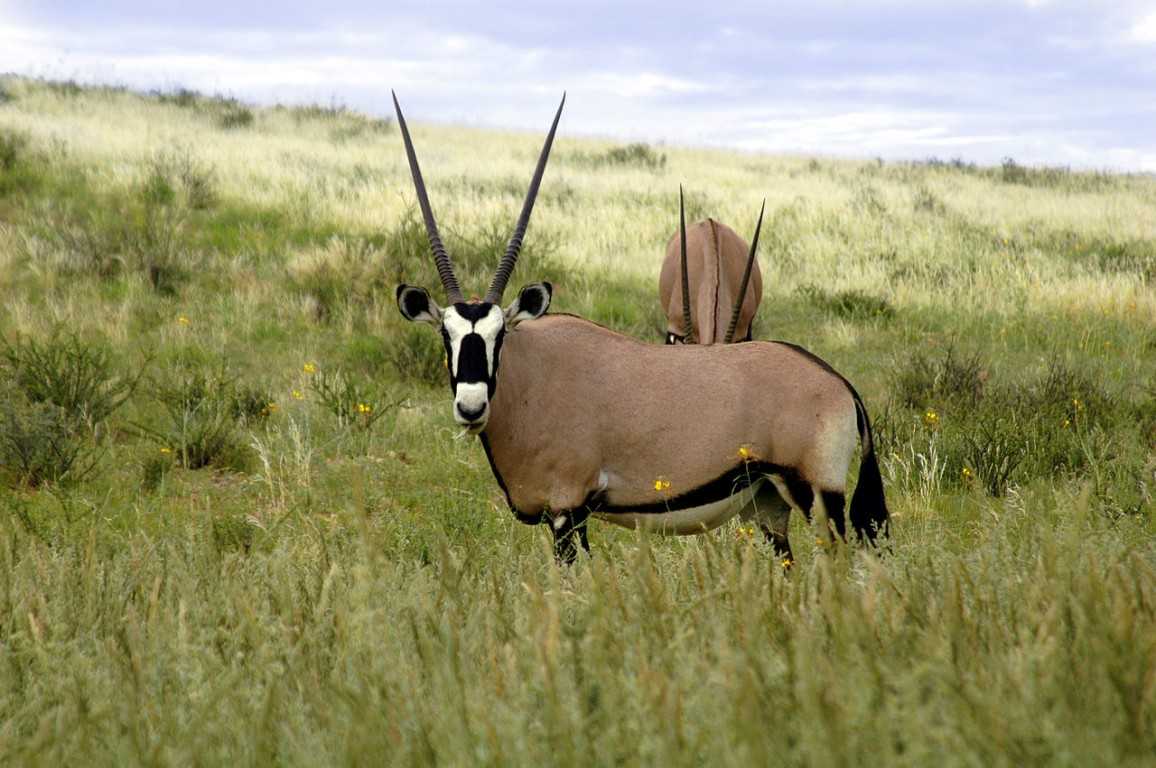
 South Africa
 South Africa
 South Africa
 South Africa
 South Africa
South Africa tour packages
Want to visit South Africa?
Get a free custom safari plan within 24 hours.
Best time to visit South Africa
Best time to visit South Africa
May to September — Dry winter (best for Kruger game viewing)
The optimal safari window for Kruger and the private game reserves. Vegetation thins dramatically in winter, opening sightlines and concentrating wildlife at water sources. Temperatures are warm during the day (20 to 28°C) with cold nights (5 to 12°C at Kruger requiring a fleece in the early morning game drive vehicle). This is peak season for safari — book lodges 3 to 6 months ahead. Cape Town's winter (May to August) is cool and frequently rainy — not the best time for the city or the Garden Route.
October to April — Summer (best for Cape Town and coast)
South Africa's summer brings the Western Cape into its finest season. Cape Town is warm (22 to 30°C), sunny and at its most vibrant from October to March. The Winelands harvest runs February to April — the finest period for a Stellenbosch and Franschhoek visit. The Garden Route is green and accessible. Kruger game viewing is slightly reduced in summer vegetation but remains good, with newborn animals from October to December bringing predator activity. Swimming and whale watching on the southern coast is best September to November.
September to November — Shoulder season (wildflowers and whales)
Spring in the southern hemisphere. The Western Cape wildflower season (August to October) sees Namaqualand and the West Coast National Park covered in carpades of orange and purple blooms — one of the world's great floral spectacles. Southern right whales calve in the bays along the Western Cape coast from June to November (peak August to October). An excellent all-round season combining some wildlife viewing with the Cape's finest natural attractions.
South Africa weather & climate
South Africa weather
South Africa's climate varies considerably between regions. The Western Cape has a Mediterranean climate (wet winters, dry summers) — the opposite of the rest of the country. The Kruger and lowveld have a subtropical climate with summer rains and dry winters. Understanding which region you are visiting is essential for packing correctly.
Johannesburg and Kruger (highveld and lowveld)
Johannesburg (1,753m): mild year-round with summer afternoon thunderstorms from October to April (20 to 27°C) and dry, sunny winters (8 to 22°C). Kruger lowveld: hot summers (30 to 40°C, October to March) with the rainy season's afternoon thunderstorms, and warm dry winters (20 to 28°C days, cool nights 8 to 14°C). Summer heat in the lowveld is intense — early morning and late afternoon game drives avoid the midday heat.
Cape Town and the Western Cape
Mediterranean climate: dry summers (November to March, 20 to 30°C) with the southeaster wind (the Cape Doctor) bringing relief on hot days; mild wet winters (May to August, 12 to 18°C) with frontal rain systems. Spring (September to October) and autumn (April to May) are transitional and often the most pleasant seasons for the city. The famed Cape southeaster can be very strong in summer (November to January) — an inconvenience for outdoor dining but excellent for cooling.
Garden Route and KwaZulu-Natal
The Garden Route (Mossel Bay to Storms River): mild year-round with rain distributed across all seasons (no distinct dry season). Temperatures 16 to 26°C. KwaZulu-Natal: subtropical with warm summers and mild winters — Durban rarely drops below 15°C at night.
Getting to South Africa
O.R. Tambo International Airport (JNB) in Johannesburg is southern Africa's major hub, with direct flights from London Heathrow (British Airways, Virgin Atlantic), Amsterdam (KLM), Frankfurt (Lufthansa), Dubai (Emirates), Doha (Qatar Airways), New York (Delta, South African Airways), Hong Kong and Sydney among others. Flying time from London is approximately 11 hours.
Cape Town International Airport (CPT) receives direct flights from London Heathrow (British Airways), Amsterdam (KLM), Frankfurt (Lufthansa), Dubai (Emirates) and Doha (Qatar Airways). Flying time from London is approximately 11.5 hours. Cape Town is the more convenient arrival point for itineraries focusing on the Western Cape and Garden Route.
Kruger National Park is served by Skukuza Airport (SZK), inside the park boundary, with connections from Johannesburg (45 minutes, multiple daily). The private reserves adjacent to Kruger (Sabi Sand, Timbavati) are typically accessed by charter from Johannesburg or by road from JNB (approximately 5 hours on good roads). A domestic flight from Johannesburg to Cape Town (approximately 2 hours, multiple airlines daily) is the standard way to combine Kruger and the Western Cape in one trip.
South Africa travel tips
Visa
South Africa offers visa-free entry to citizens of most European countries, USA, Canada, Australia, New Zealand and the UK for stays up to 90 days. A valid passport with at least two blank pages and 30 days validity beyond your departure date is required. Check the current visa requirements for your specific nationality at home.affairs.gov.za. Note: travellers with children require specific documentation (unabridged birth certificate) at immigration.
Currency
South African Rand (ZAR). All local costs are in Rand — accommodation, restaurants, fuel and activities. International lodge costs may be quoted in USD or euros. ATMs are widespread in cities, at airports and at Kruger's rest camps. Credit cards (Visa and Mastercard) are accepted almost universally. The Rand fluctuates significantly against major currencies; check the current rate before travel.
Driving
South Africa drives on the left. Roads are excellent by African standards and self-drive is viable throughout the country, including Kruger National Park (one of the few major African parks where self-drive is both permitted and popular). A standard driving licence from most countries is valid for 180 days. An international driving permit is recommended for maximum acceptance. Avoid driving after dark in rural areas.
Health
Malaria is present in Kruger, Sabi Sand and the northeastern Limpopo/Mpumalanga lowveld. Prophylactics are recommended for these areas. The Western Cape, Cape Town, Garden Route and KwaZulu-Natal Midlands are malaria-free. Yellow fever vaccination is required if arriving from an endemic country. Travel insurance covering medical evacuation is recommended as a standard precaution.
Safety
South Africa has higher urban crime rates than most African safari destinations. Standard precautions are essential in Johannesburg and Cape Town: use Uber or hotel-arranged taxis rather than street taxis, avoid displaying valuables and be aware in tourist areas (V&A Waterfront, Bo-Kaap and the city centre in Cape Town require normal vigilance rather than heightened concern). Safari areas — Kruger, private game reserves, Garden Route — are safe and well-managed tourist environments.
Want to visit South Africa?
Get a free custom safari plan within 24 hours.
Where to stay in South Africa
From budget tented camps to luxury lodges — we'll recommend accommodation that fits your dates, budget, and travel style.
Browse All Lodges