Information

+255743203749 info@safaribando.com Moshi, Tanzania, Kilimanjaro

Follow Us

Tanzania Safari Destinations 2026/2027

The Serengeti, Kilimanjaro and Zanzibar — Africa's greatest safari country

Tanzania

Quick facts

Destinations

48 parks & reserves

Tour categories

26 safari styles

Tours available

12 packages

About Tanzania

Tanzania is East Africa's largest country and the continent's finest safari destination — a country where the world's largest animal migration moves across open savanna, where Africa's highest mountain rises through five distinct ecological zones, and where a UNESCO-listed coral-stone city on a small island has been trading with Arabia, Persia and India for over a thousand years.

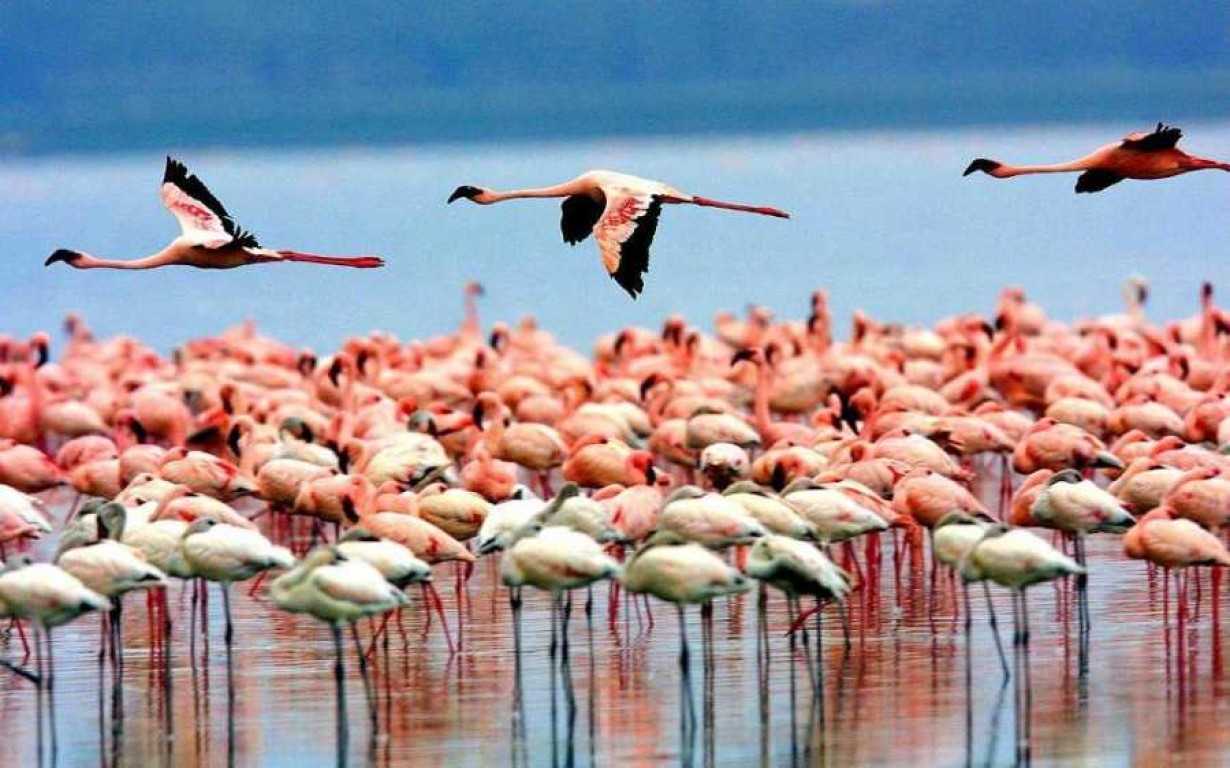
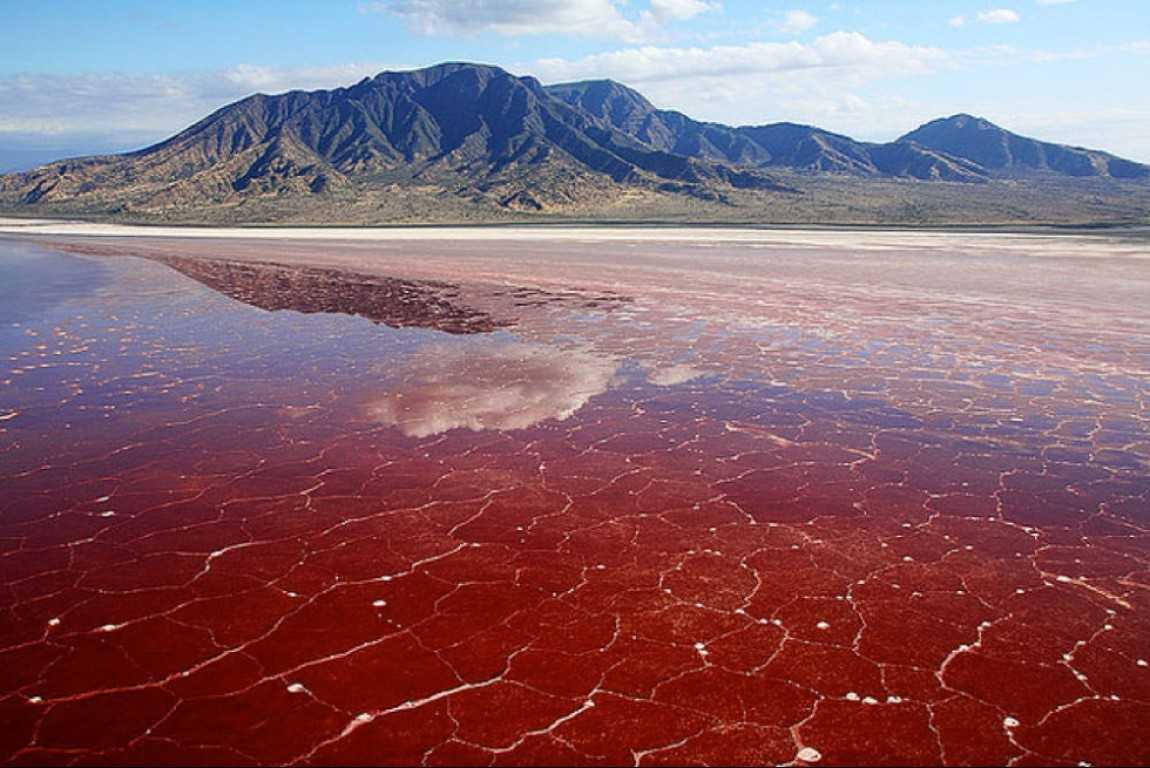
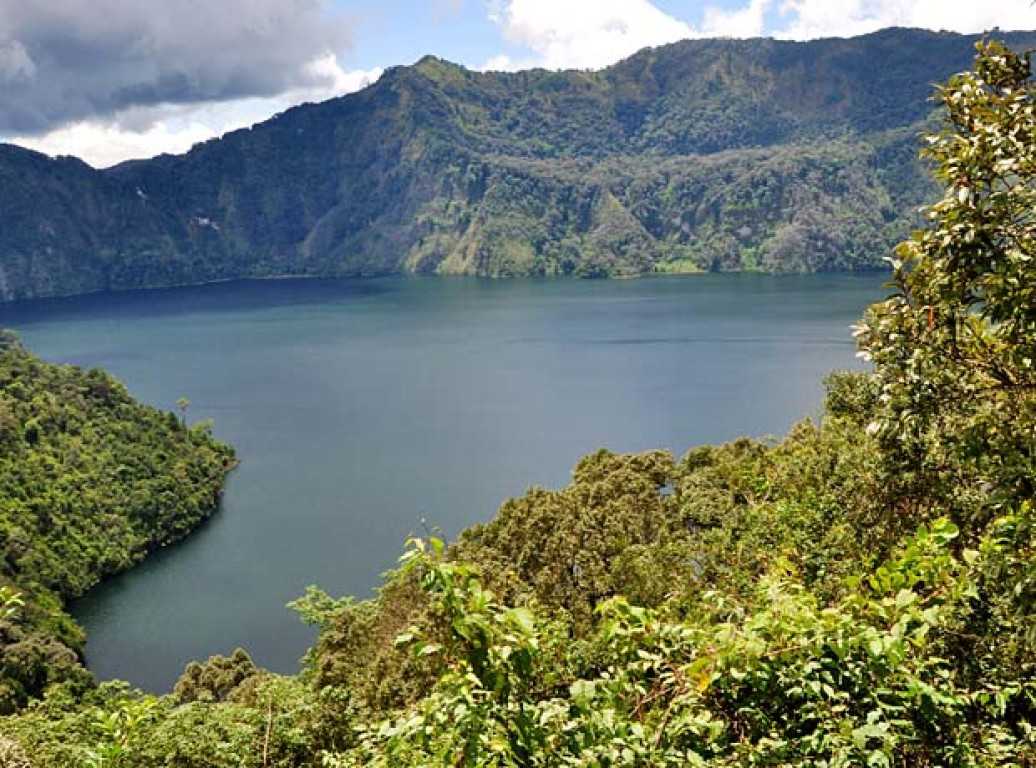
The country's extraordinary geography covers everything from the Serengeti's infinite plains to the snow-capped summit of Kilimanjaro, the alkaline flamingo lakes of the Rift Valley, the ancient mahogany forests of the Western Highlands and the white-sand Indian Ocean beaches of Zanzibar. No other single country in Africa offers this range in such accessible combination.

Safari parks and wildlife

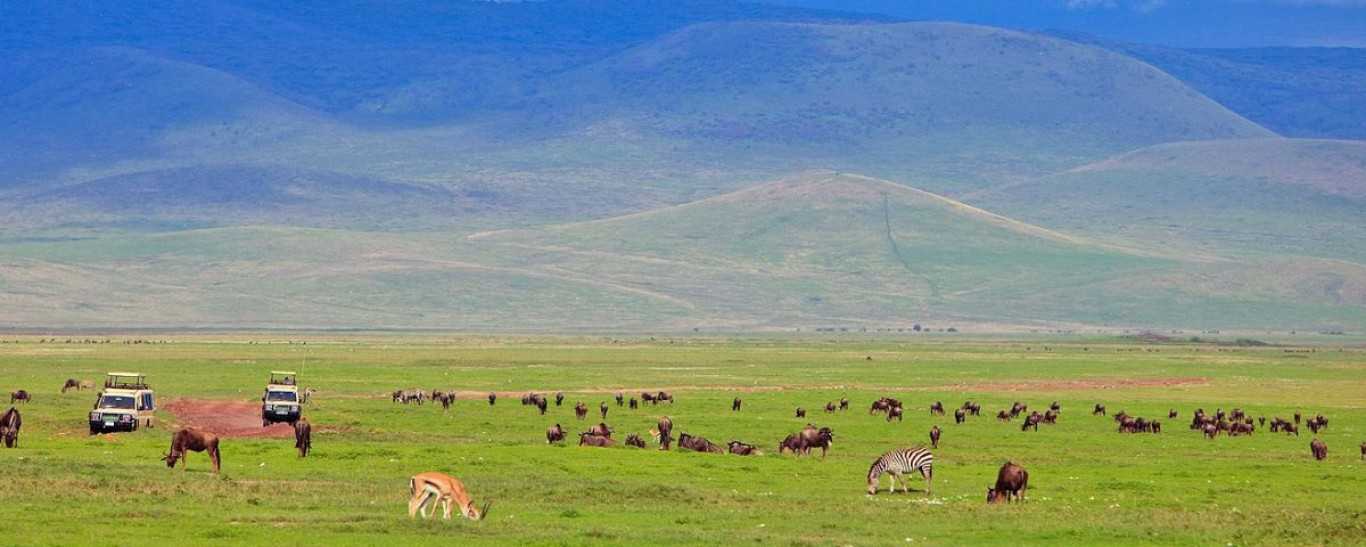
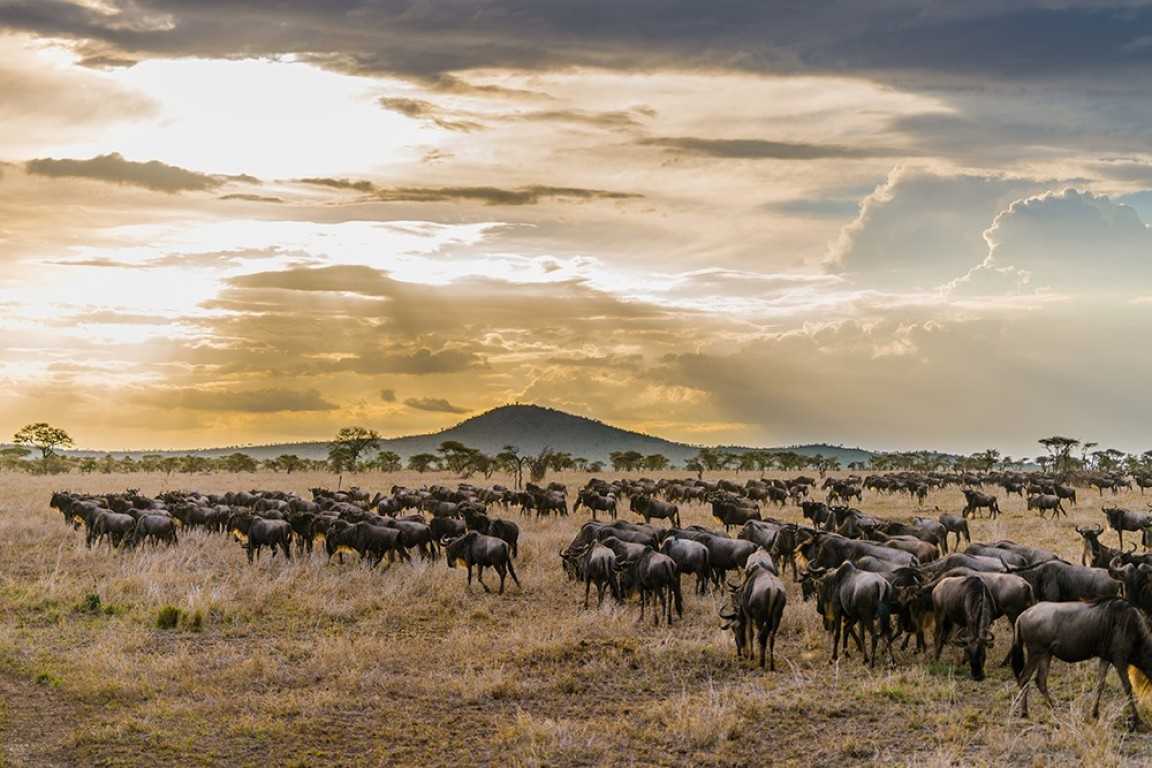
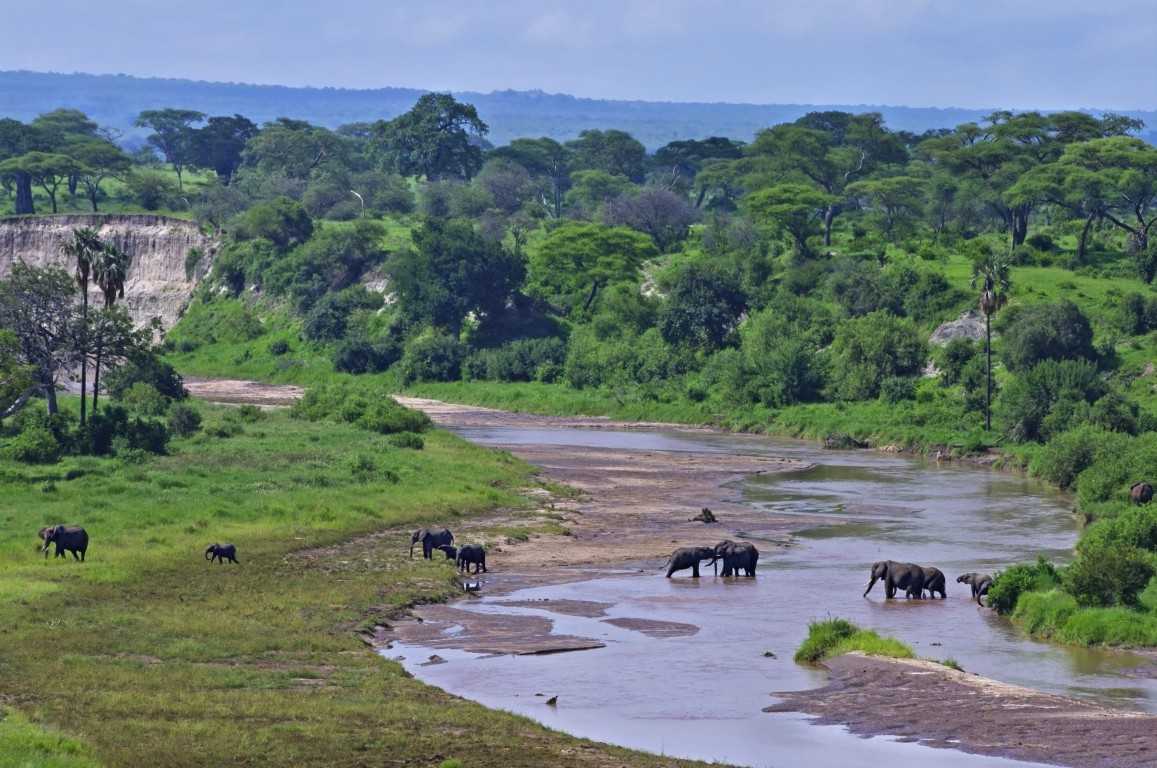
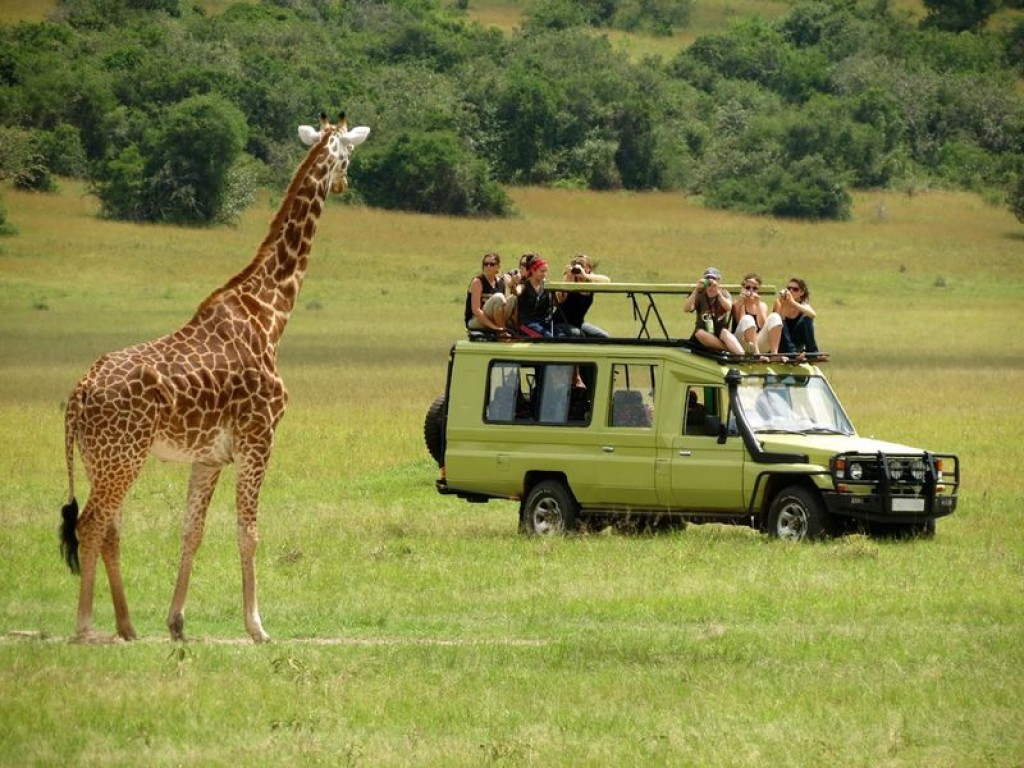
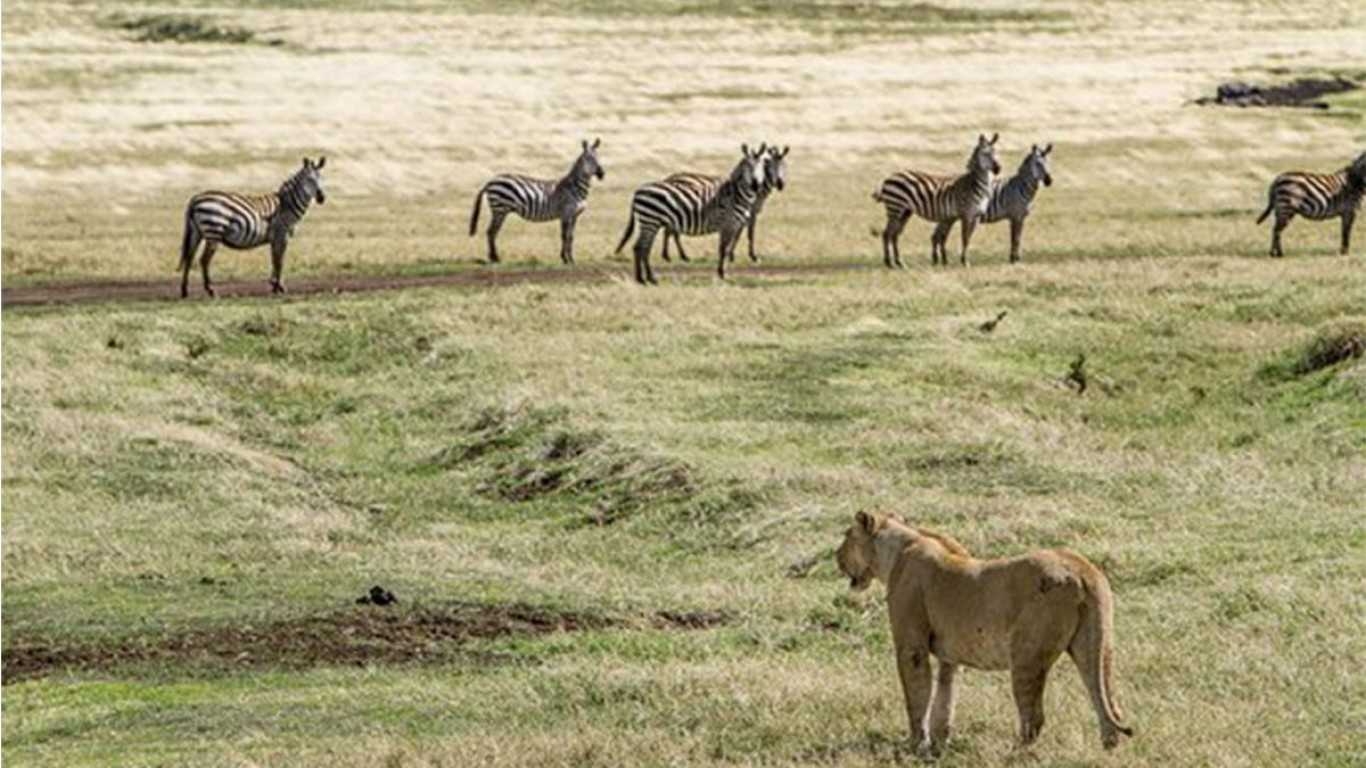
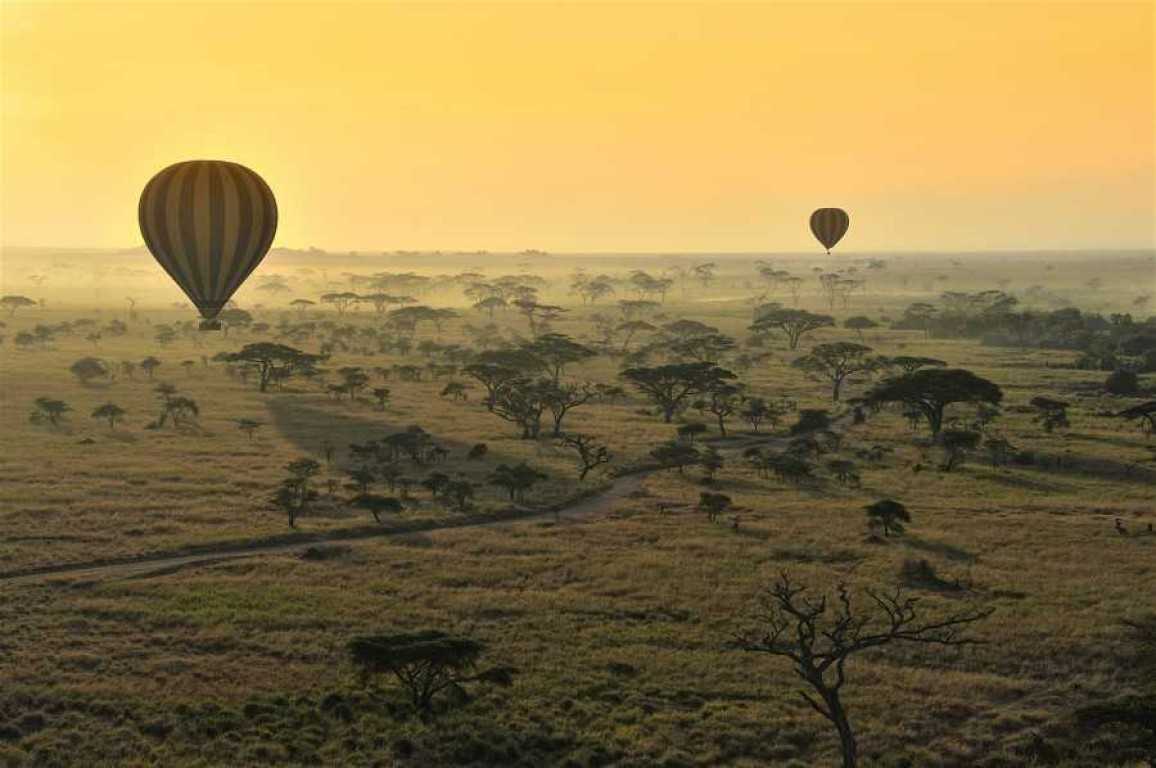
Tanzania's national park system is the most extensive in Africa. The Northern Circuit — Serengeti, Ngorongoro, Tarangire and Lake Manyara — concentrates the country's most famous wildlife within a 200 km radius of Arusha. The Serengeti holds the world's largest lion population and hosts the annual Great Wildebeest Migration of 1.5 million animals. The Ngorongoro Crater's 260 sq km enclosed caldera is home to 30,000 large mammals including Tanzania's most reliable black rhinoceros population.

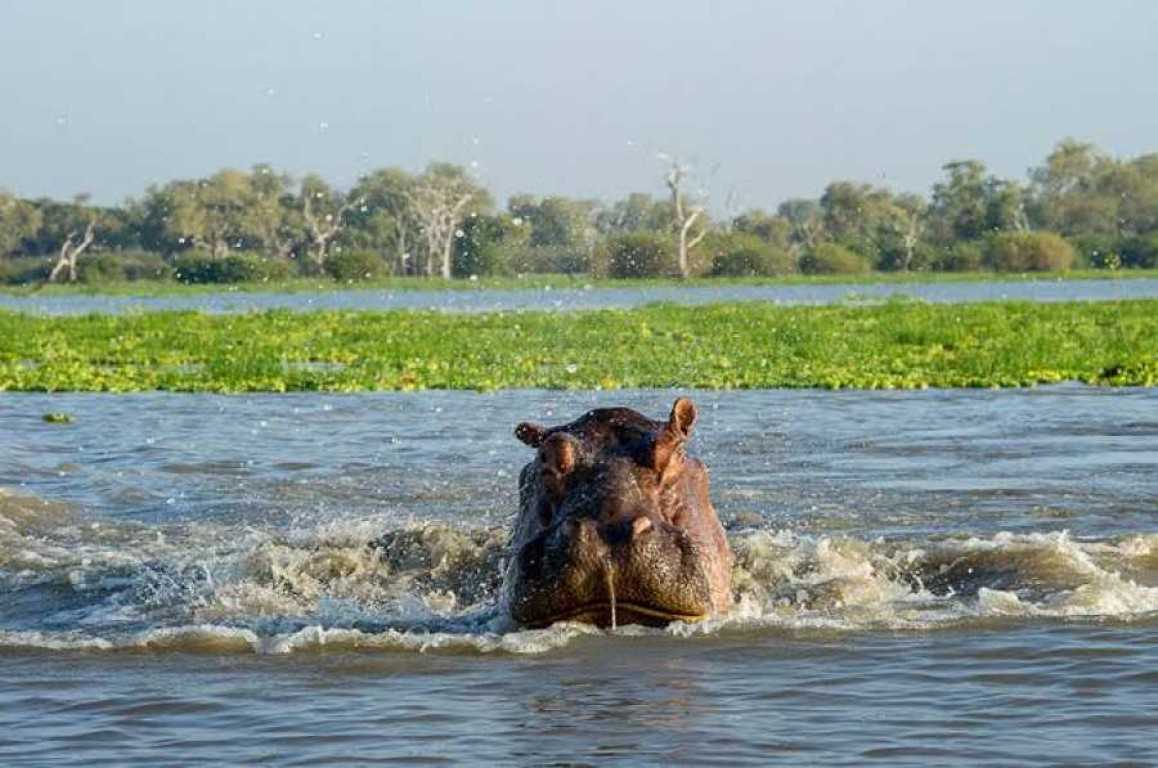
The Southern Circuit — Nyerere (Selous), Ruaha and Katavi — covers a total area larger than the UK and receives fewer annual visitors than the Serengeti alone. Nyerere is Africa's largest protected wildlife area, holding the continent's largest elephant population and the most productive Rufiji River boat safari anywhere in East Africa. Ruaha is Tanzania's largest national park, with lion prides of extraordinary size and reliable African wild dog sightings throughout the year.

Kilimanjaro

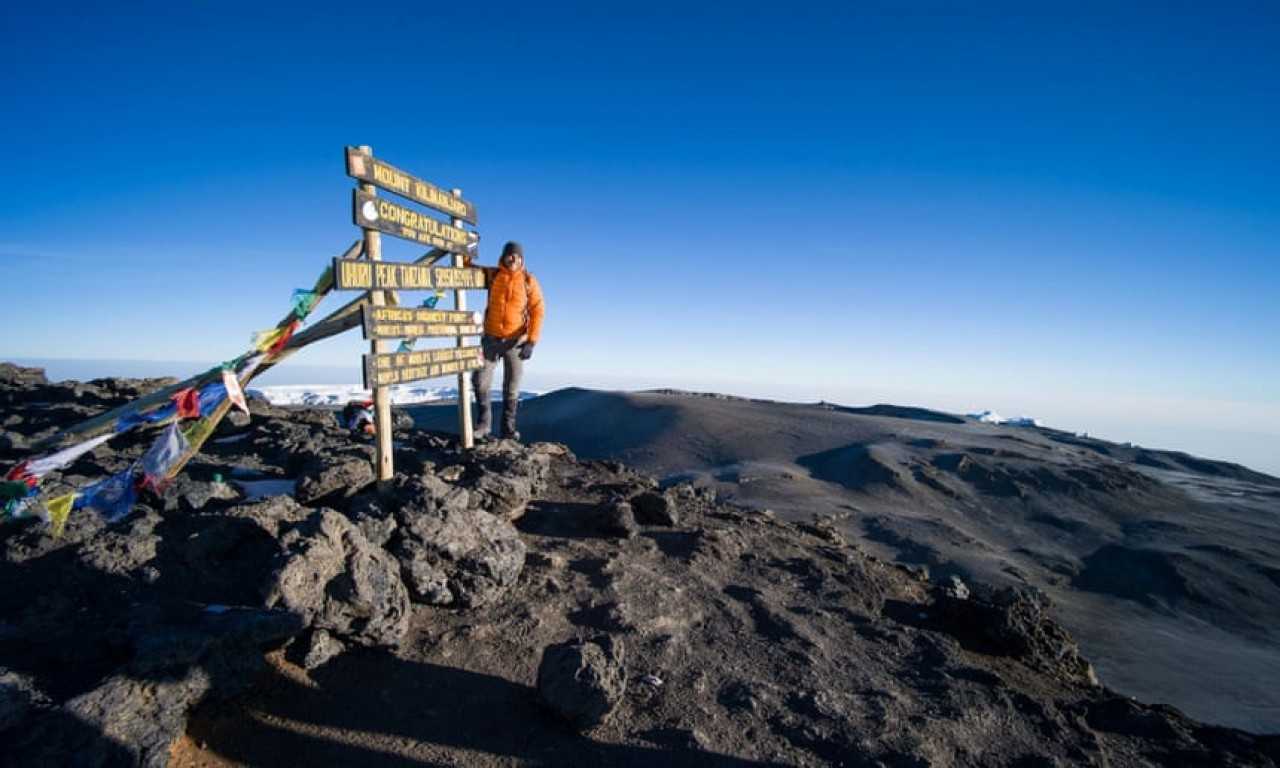
At 5,895 metres, Mount Kilimanjaro is Africa's highest peak and the world's tallest free-standing mountain. It is also the most accessible of the Seven Summits — no technical climbing equipment required, just the right route, the right number of days and a reliable guide team. Five major routes (Machame, Lemosho, Rongai, Marangu, Northern Circuit) suit different fitness levels and schedules. The standard recommended duration is 7 to 8 days on the mountain for optimal acclimatisation and the best summit success rates.

Zanzibar

The Zanzibar Archipelago — principally Unguja island (Zanzibar Island) and Pemba — lies 35 km off the Tanzanian coast in the Indian Ocean. Stone Town, the archipelago's historic capital, is a UNESCO World Heritage Site: a Swahili trading city of coral-stone architecture, carved teak doors, 23 mosques and the Anglican Cathedral built on the site of the last open slave market in East Africa. The island's beaches — Nungwi and Kendwa in the north for all-day swimming, Paje on the east coast for kitesurfing, Matemwe for Mnemba Island diving — make Zanzibar the natural conclusion to a Tanzania mainland safari.

People and culture

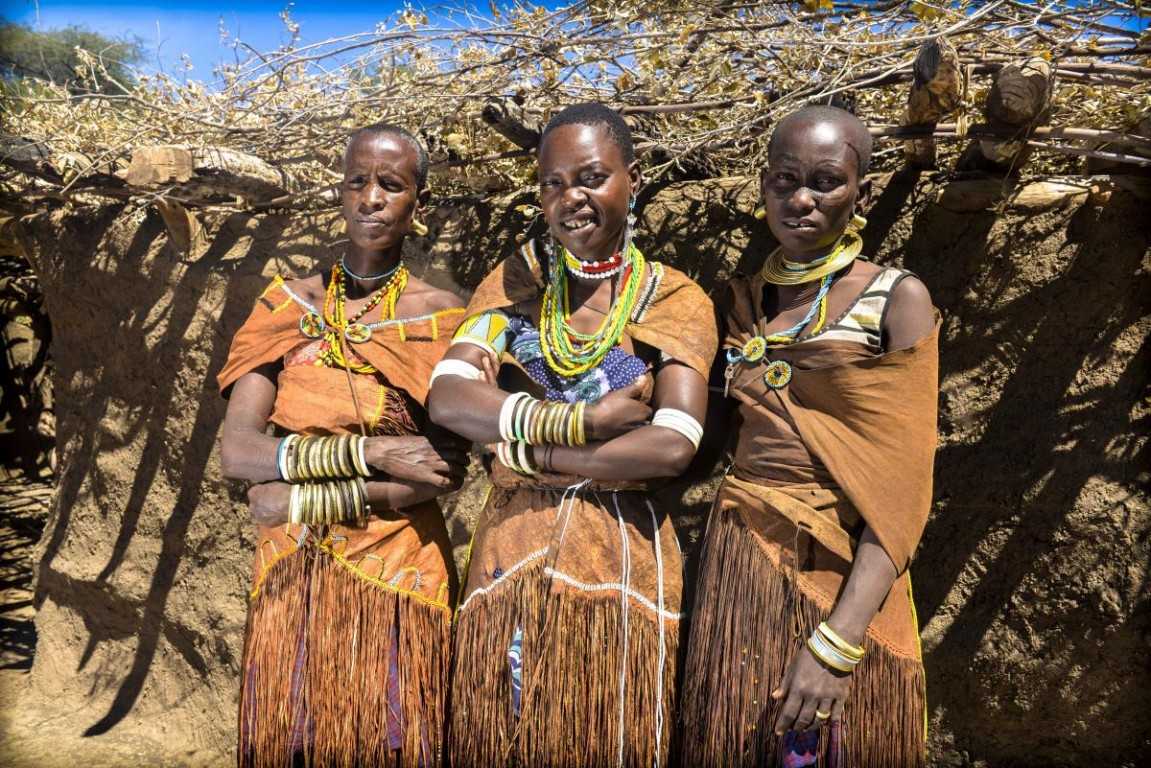
Tanzania has over 120 ethnic groups — the most ethnically diverse country in Africa. Swahili (Kiswahili) is the national language spoken across tribal lines; English is widely used in business and tourism. The country has been politically stable since independence in 1961 under Julius Nyerere, whose founding philosophy of Ujamaa (familyhood) established a tradition of ethnic harmony that distinguishes Tanzania from many of its neighbours. The Maasai, Chagga, Hadzabe and Datoga peoples all maintain distinct cultural traditions visible in the areas adjacent to the safari parks.

Want to visit Tanzania?

Get a free custom safari plan within 24 hours.

WhatsApp Us

All Tanzania destinations

Tanzania tour packages

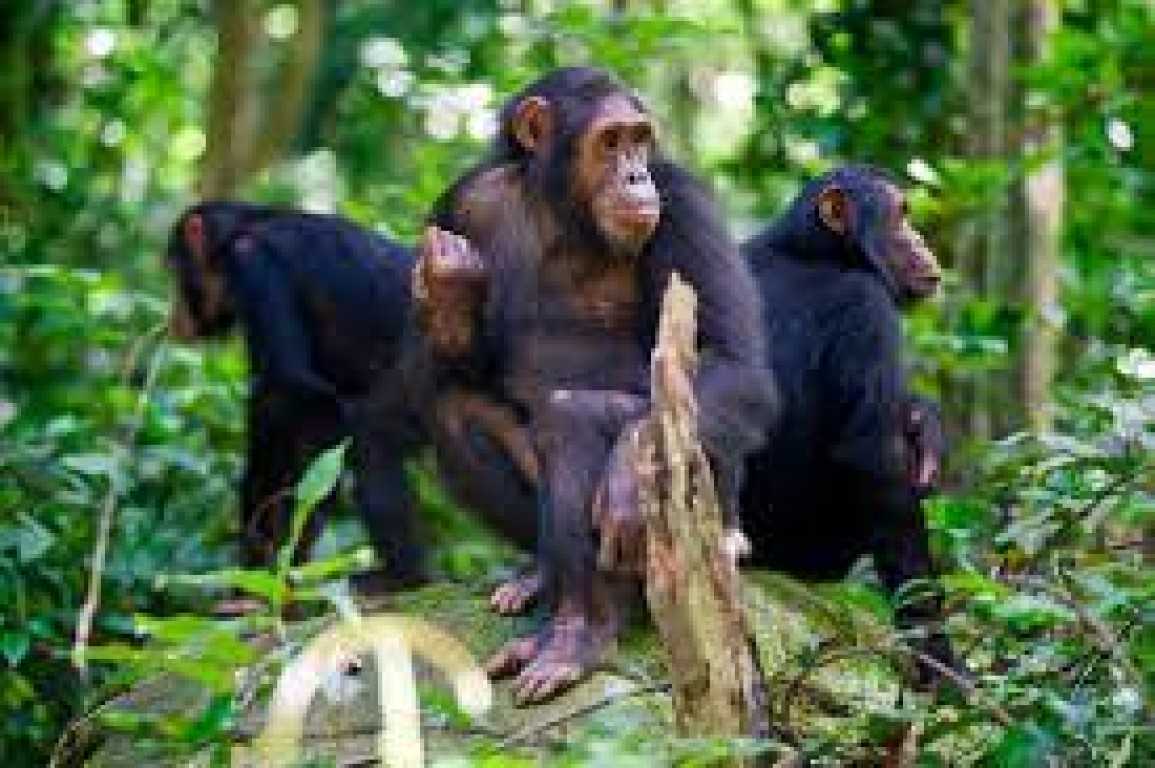
4-Day Mahale Mountains Chimpanzee Trekking from Kigoma
Best Seller
3-Day Chimpanzee Trekking in Gombe Stream National Park
Best Seller
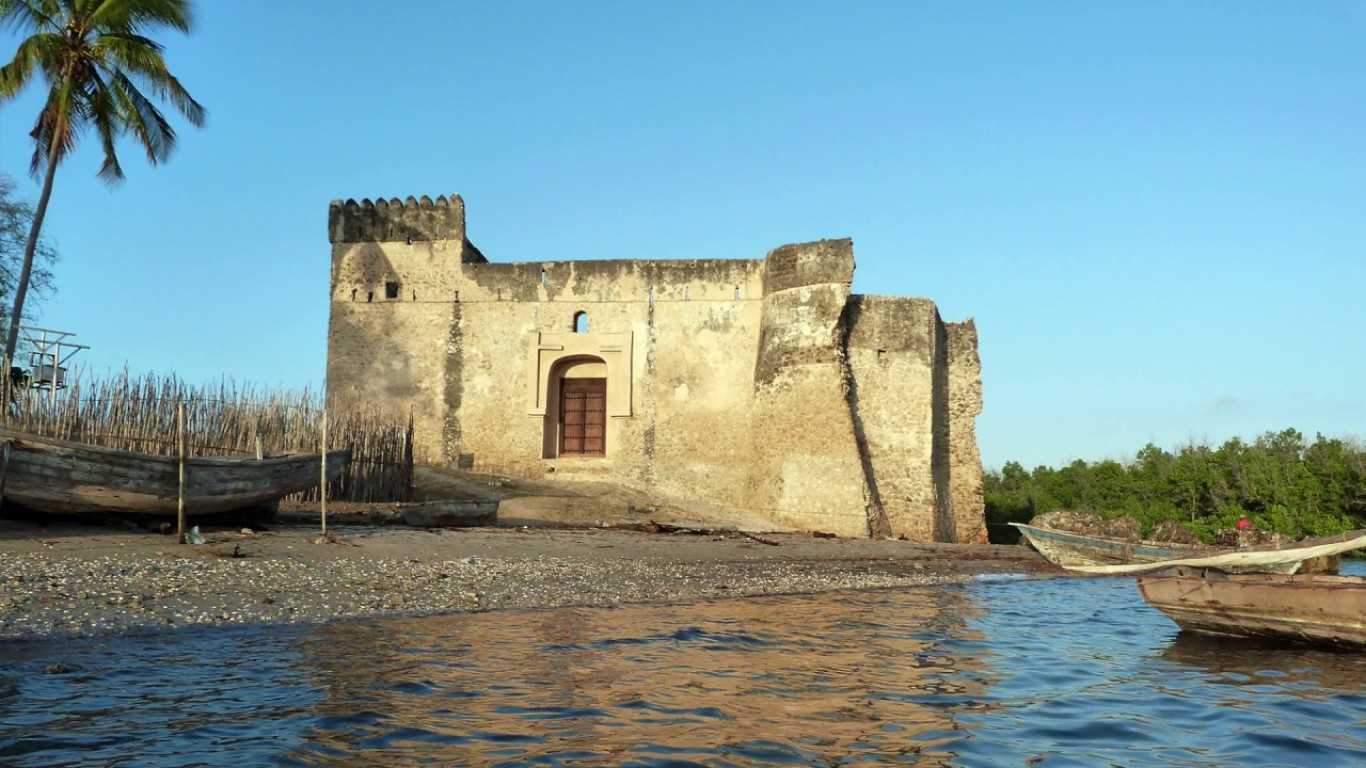
10-Day Tanzania Safari & Zanzibar Beach Holiday
Featured

10-Day Tanzania Safari & Zanzibar Beach Holiday

⏱ 10 Days 1-6+ people

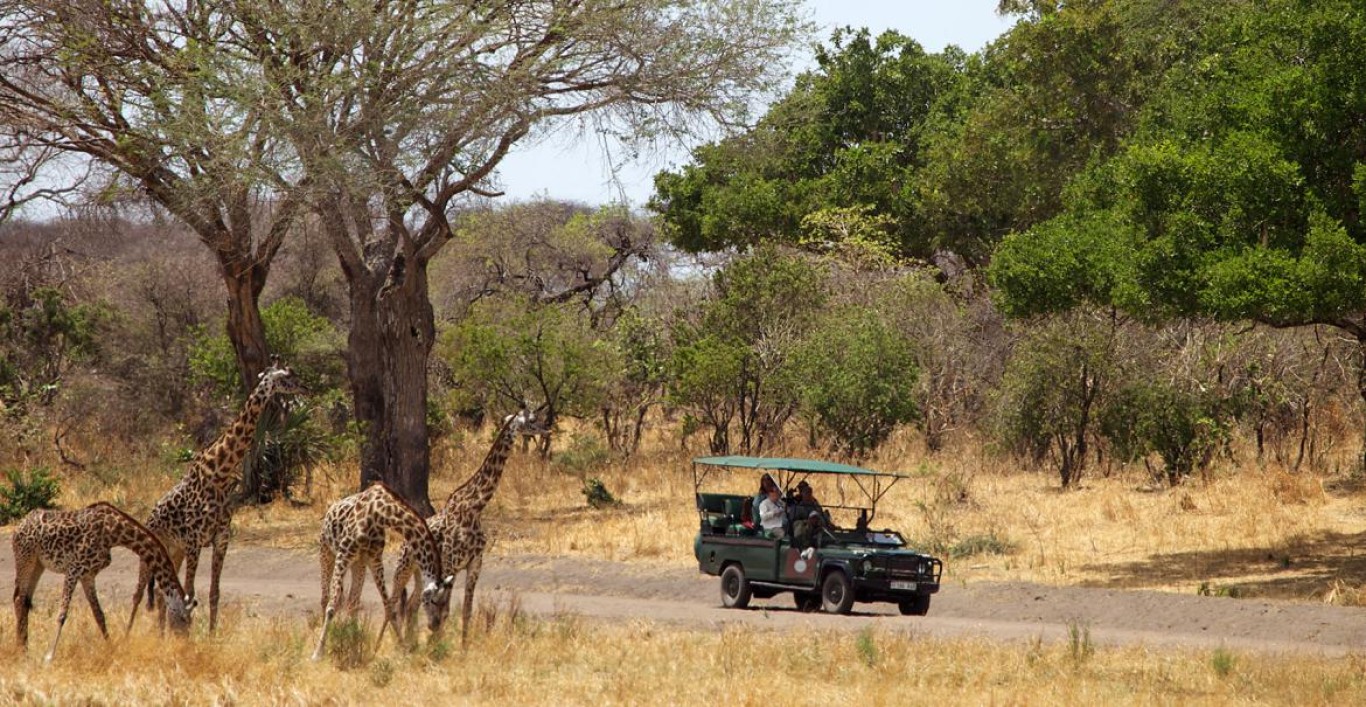
7-Day Serengeti Migration Safari - Mara River Crossing
Featured

Want to visit Tanzania?

Get a free custom safari plan within 24 hours.

WhatsApp Us

Best time to visit Tanzania

Best time to visit Tanzania

June to October — Dry season (best for safari)

The long dry season is Tanzania's prime safari window. Vegetation is sparse, wildlife concentrates at water sources and the Mara River crossings of the Great Wildebeest Migration happen in the northern Serengeti between July and October. Clear skies and cool nights make game drives comfortable. Kilimanjaro climbing conditions are reliable. Book lodges and camps 4 to 6 months ahead for July and August.

January to March — Calving season (best for southern Serengeti)

Some 500,000 wildebeest calves are born across the short-grass plains of the southern Serengeti and Ndutu between late January and March. Predator density and activity is at its peak of the year. Fewer tourists than the dry season, lower lodge rates and warm, generally clear conditions. One of Tanzania's finest safari windows — considerably underrated.

November to December — Short rains (green season)

Brief afternoon showers turn the Serengeti vivid green. The Migration moves south through the central Serengeti. Excellent birdwatching as migratory species arrive from the north. Fewer visitors, lower prices and dramatic photographic light. Game drives continue with slightly shorter visibility in tall grass.

April to May — Long rains (avoid for safari)

Heavy daily rain across most of the country. Some safari tracks become impassable, certain lodges close and visibility is reduced. Not recommended for a first Tanzania safari trip. Zanzibar's beaches are similarly wet and rough in this window.

For Zanzibar specifically: June to October (Kusi season) is best for walking Stone Town and kitesurfing at Paje. December to February (Kaskazi) is warmest with the calmest Indian Ocean conditions for diving and dhow cruises.

Tanzania weather & climate

Tanzania weather by season

Tanzania straddles the equator and has a relatively stable tropical climate, but the timing and intensity of two rainy seasons define the safari calendar significantly.

June to October — Long dry season

Cool and dry across the country. Daytime temperatures in the Serengeti and Ngorongoro: 20 to 27°C. Early mornings and evenings on the Ngorongoro Crater rim can drop to 5 to 10°C — bring warm layers. Kilimanjaro summit nights reach -10 to -20°C regardless of season. Zanzibar: warm (24 to 27°C) with the south-east trade wind (Kusi) keeping conditions pleasant for walking. Low humidity.

November to December — Short rains

Brief afternoon and evening showers, typically 1 to 2 hours daily. Temperatures remain warm (25 to 30°C in the lowland parks). The rain rarely disrupts full-day safari activities. The landscape turns from dry brown to vivid green within days of the rains beginning.

January to March — Short dry period and hot season

Tanzania's hottest period, particularly at lower elevations (Nyerere, Ruaha, coast). Dar es Salaam and Zanzibar reach 30 to 34°C with high humidity. The Serengeti plains are warm (25 to 32°C) and largely dry in January and February before the long rains begin in late March or April. Kilimanjaro climbing is excellent in January and February — warm clear conditions on the upper mountain.

April to May — Long rains

The heaviest rainfall of the year. Daily downpours can last several hours. Some regions receive 200 to 400mm per month. Most safari tracks in the Serengeti and other parks remain drivable but some routes close. Coastal areas including Zanzibar receive significant rainfall with rough Indian Ocean conditions.

Getting to Tanzania

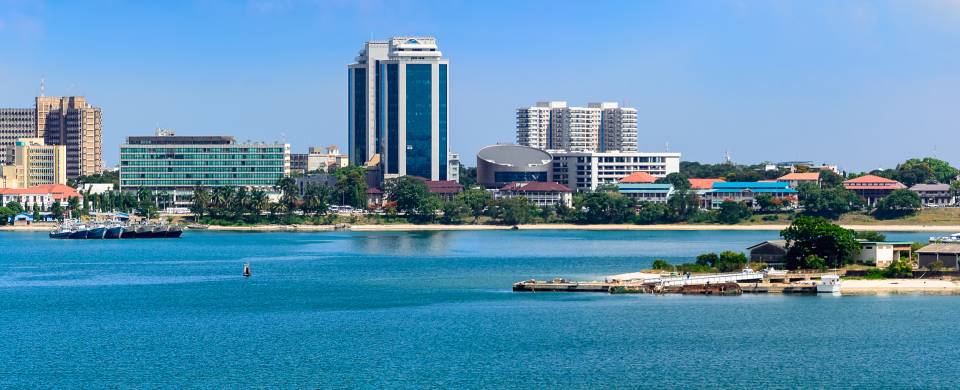
Tanzania has two main international airports. Kilimanjaro International Airport (JRO) near Arusha is the gateway for the Northern Safari Circuit and Kilimanjaro climbing; it receives direct flights from Doha (Qatar Airways), Amsterdam (KLM), Nairobi, Addis Ababa and Johannesburg. Julius Nyerere International Airport (DAR) in Dar es Salaam is the larger hub with more international connections including London (British Airways), Dubai, Nairobi, Addis Ababa and Johannesburg.

For Northern Circuit safaris (Serengeti, Ngorongoro, Tarangire), fly into JRO. For Southern Circuit parks (Nyerere, Ruaha) or Zanzibar, fly into DAR. Zanzibar airport (ZNZ) also receives direct flights from Nairobi, Doha and Addis Ababa. Domestic charter flights connect all mainland safari airstrips to Zanzibar in 30 to 60 minutes.

Overland entry from Kenya is possible at the Namanga border crossing between Nairobi and Arusha (4 to 5 hours by road). The border crossing is straightforward with a valid visa.

Tanzania travel tips

Visa

Most nationalities require a tourist visa for Tanzania, available as an e-visa (eservices.immigration.go.tz) before travel or on arrival at JRO and DAR airports. The standard single-entry visa costs $50. The East Africa Tourist Visa ($100) covers Tanzania, Kenya and Uganda on a single permit — the best option for multi-country East Africa itineraries. Confirm current requirements for your nationality before travel.

Currency and payments

The Tanzanian Shilling (TZS) is the local currency, but all safari, lodge and major tourism costs are quoted and payable in USD. Carry USD cash in small denominations for tips, markets and minor purchases. ATMs in Arusha, Dar es Salaam and Zanzibar's Stone Town dispense both TZS and USD. Credit cards are accepted at major lodges and hotels; carry cash for markets and smaller establishments.

Health and vaccinations

Yellow fever vaccination is required if arriving from a yellow-fever-endemic country. Malaria prophylactics are strongly recommended for all mainland Tanzania visits including the safari parks. Zanzibar also carries malaria risk. Common prophylactics include Doxycycline, Malarone and Mefloquine — consult a travel health clinic for current recommendations based on your medical history. Travel insurance covering medical evacuation is essential.

Safety

Tanzania is one of the safer countries in East Africa for international visitors. The national parks are well-managed and safari is a low-risk activity. Standard urban precautions apply in Arusha, Dar es Salaam and Stone Town — avoid displaying valuables, use licensed taxis and be aware in busy markets. Zanzibar is safe and tourist-friendly; dress modestly in Stone Town as a sign of respect for the predominantly Muslim community.

Time zone and communications

Tanzania is UTC+3 year-round (no daylight saving). Mobile coverage is good in Arusha, Dar es Salaam and Zanzibar and along main roads; remote safari areas have no coverage. Local SIM cards from Vodacom, Airtel or Tigo are inexpensive and widely available at airports. Most lodges have WiFi in the main areas; remote camps typically do not.

Want to visit Tanzania?

Get a free custom safari plan within 24 hours.

WhatsApp Us

Where to stay in Tanzania

Nearby countries

Plan your trip to Tanzania

Free quote within 24 hours. No obligation, no pressure.

WhatsApp Us Now
WhatsApp
Chat With Us
Free Custom Trip Planning

Get Your Tanzania Safari Quote

Tell us about your dream trip and our Tanzania travel experts will send you a custom itinerary within 24 hours.

We'll never share your info. Reply within 24 hours.