
Quick facts
Destinations
9 parks & reserves
Tour categories
0 safari styles
Tours available
12 packages
Climate
About Rwanda
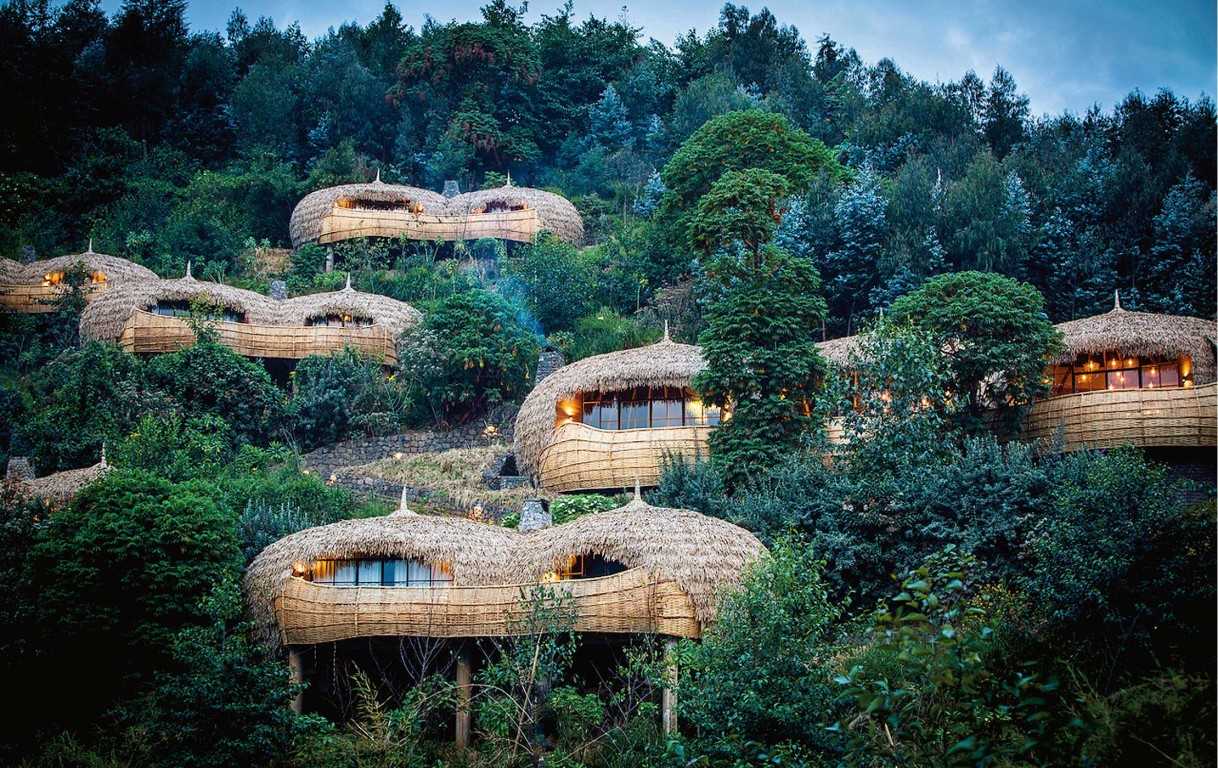
Rwanda is a small country that has achieved something remarkable: in three decades it has transformed from the site of one of the 20th century's worst genocides into one of Africa's most progressive, cleanest and best-governed states — and simultaneously become the world's most prestigious gorilla trekking destination. The two facts are not unrelated. Rwanda's extraordinary post-1994 recovery, driven by a government that invested in conservation as an economic strategy, has created the finest wildlife tourism infrastructure in central Africa.
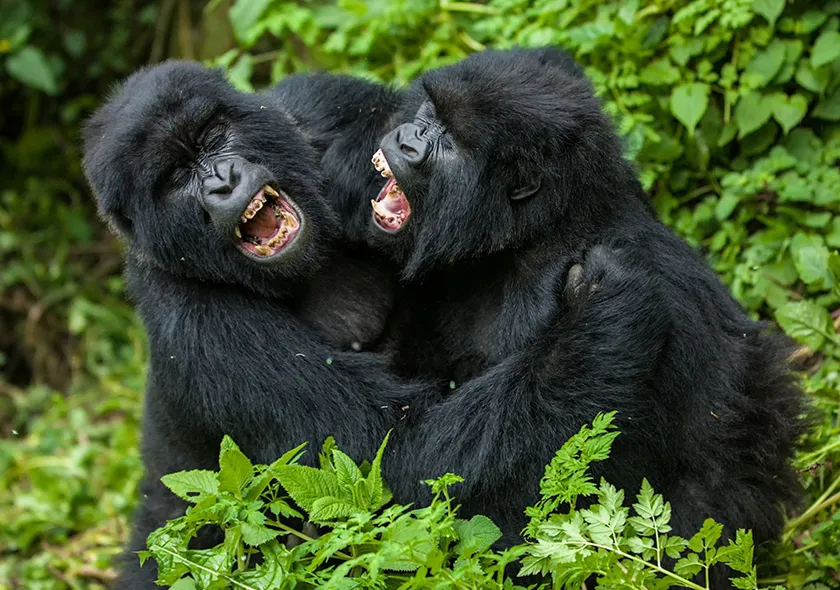
Mountain gorilla trekking
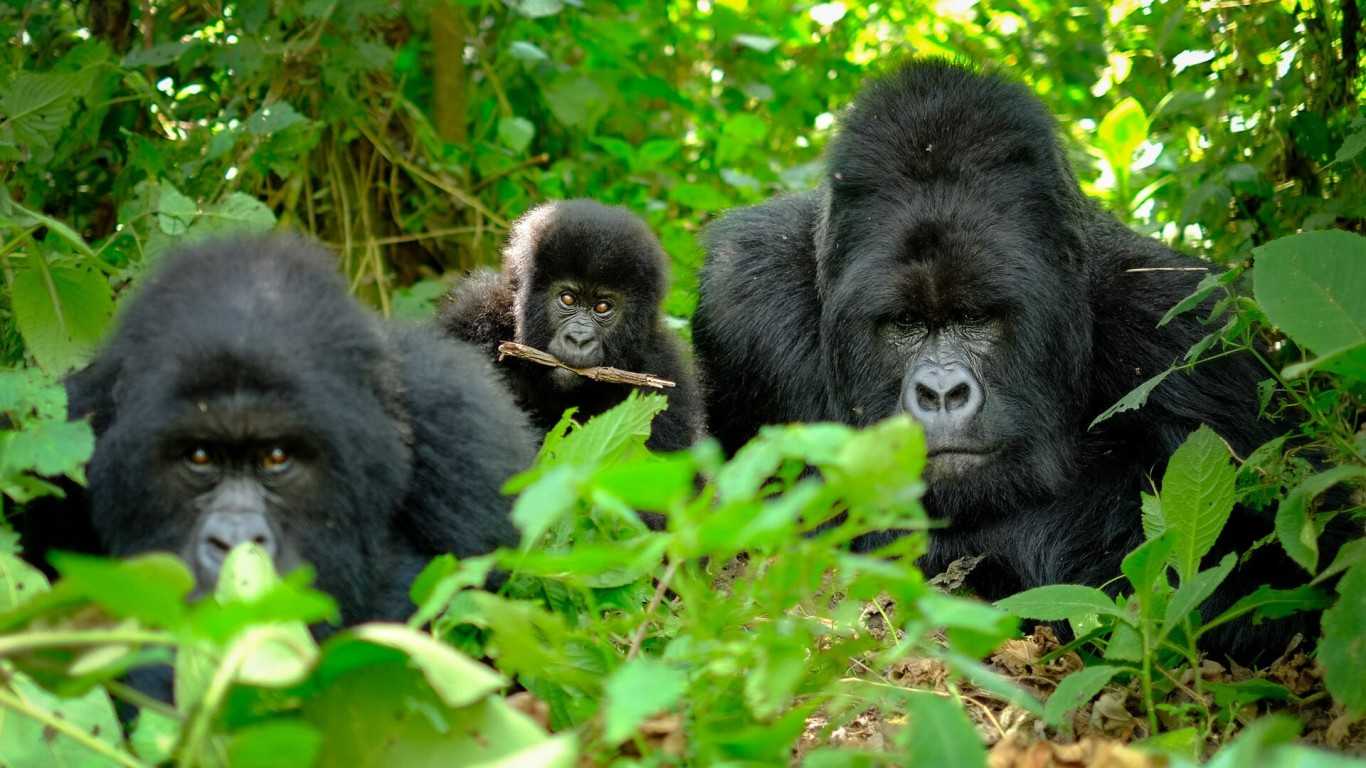
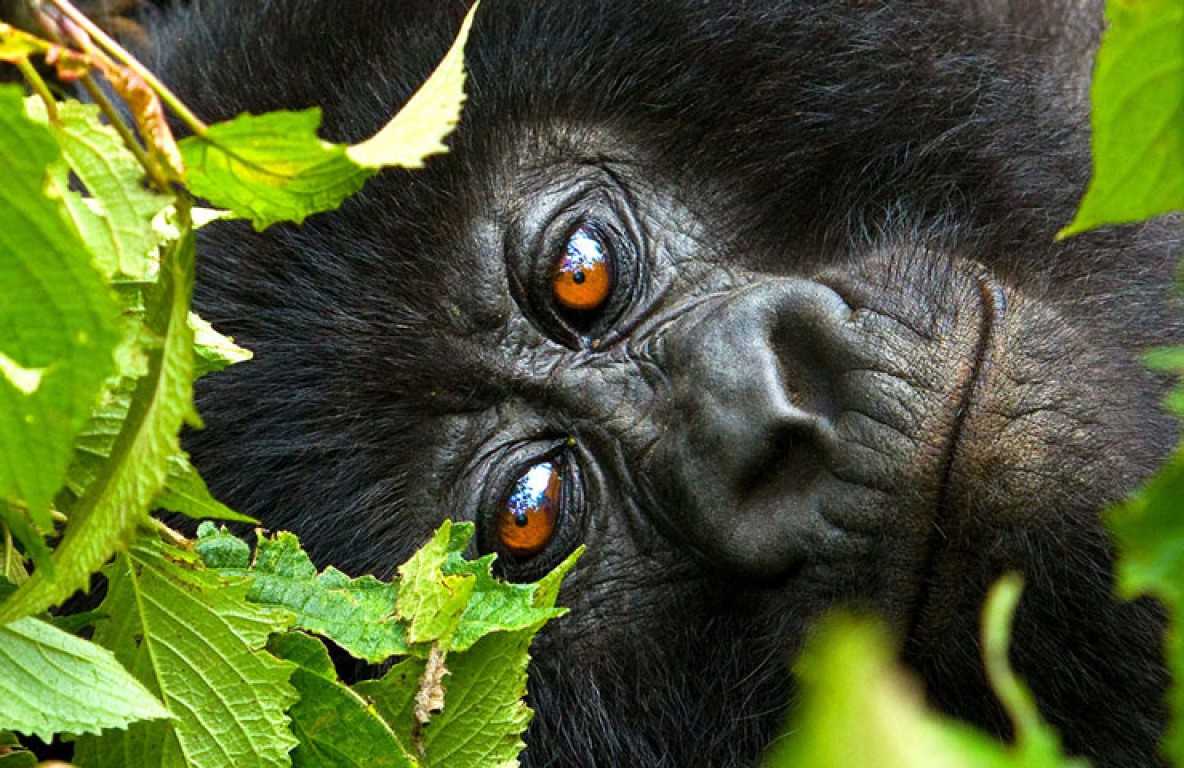
Volcanoes National Park in northwestern Rwanda protects the Rwandan portion of the Virunga Volcanoes — eight dormant and active volcanoes straddling the borders of Rwanda, Uganda and the Democratic Republic of Congo. Twelve habituated gorilla families are open to trekking, with a maximum of 8 visitors per family per day. Rwanda's gorilla trekking permits ($1,500 per person) are the most expensive in the world and are universally described by those who hold them as worth the cost.
The trekking experience at Volcanoes differs from Uganda's Bwindi in logistics and terrain: the Rwandan side of the Virungas is more accessible from Kigali (2 hours by road), the park infrastructure is more developed, and the shorter average trek distances (1 to 4 hours vs Bwindi's 1 to 8 hours) suit travellers with less time. The gorilla encounter itself — one hour with a family of 8 to 25 animals at 3 to 5 metre proximity — is the same profound experience regardless of which country you trek in.
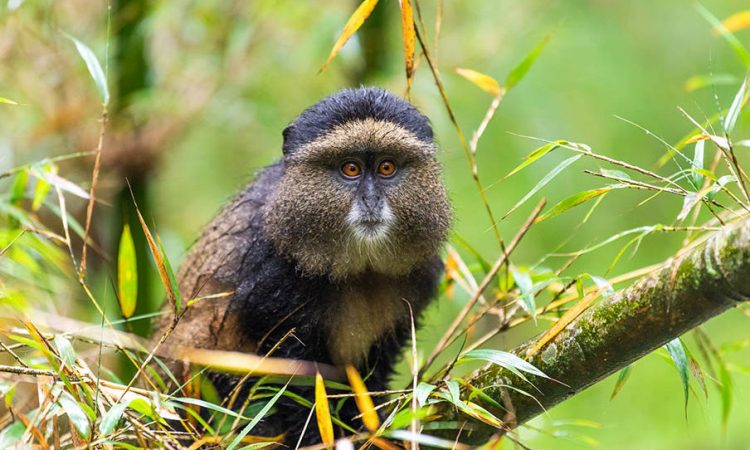
Golden monkey tracking
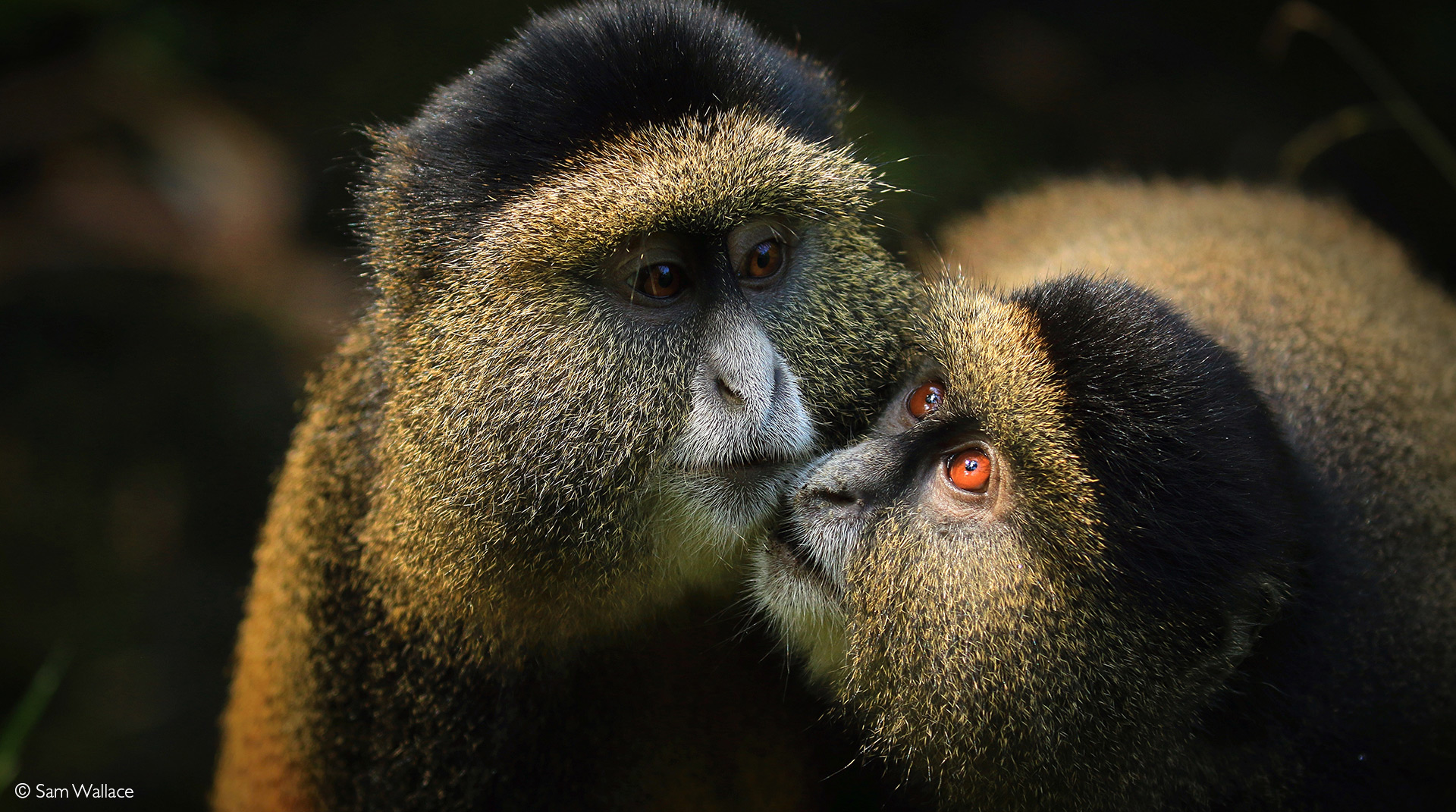
Volcanoes National Park also offers golden monkey tracking — an encounter with groups of 50 to 80 Cercopithecus kandti, the rare golden monkey found only in the Virunga Volcanoes. The tracking permit is separate from the gorilla permit and significantly cheaper. The bamboo forest sections of the park where the golden monkeys range are often the most beautiful part of the Virunga landscape. A full day at Volcanoes (gorilla trek in the morning, golden monkey in the afternoon) is the most complete primate trekking day available in Africa.
Nyungwe Forest
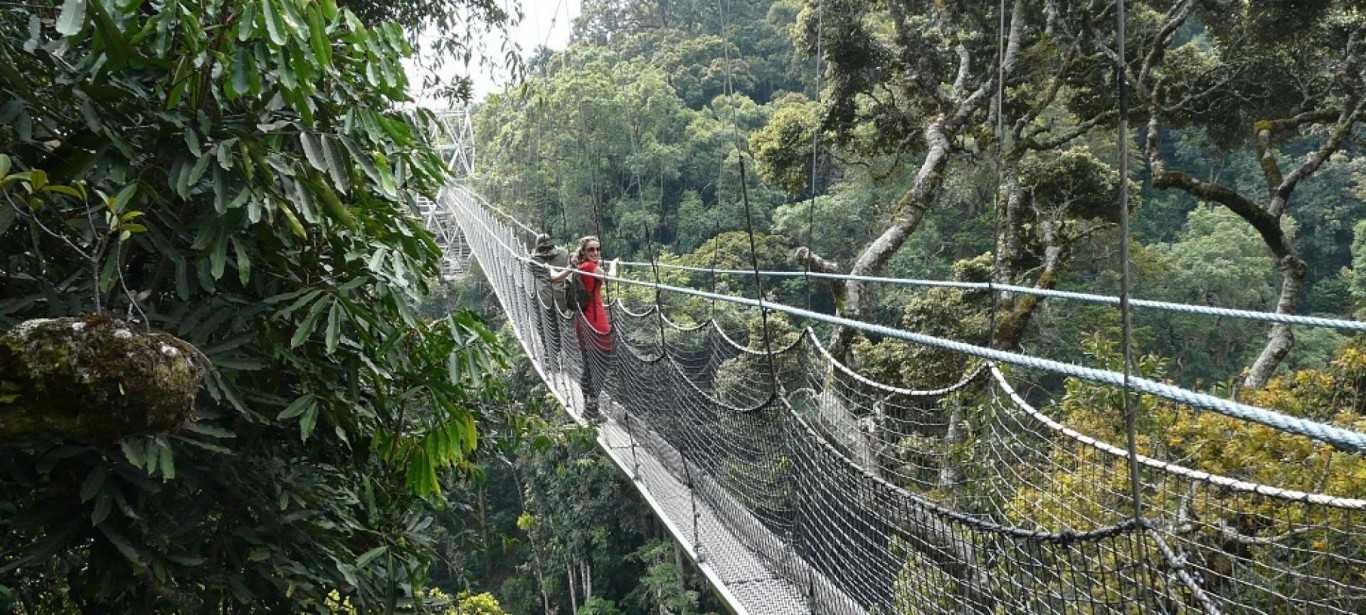
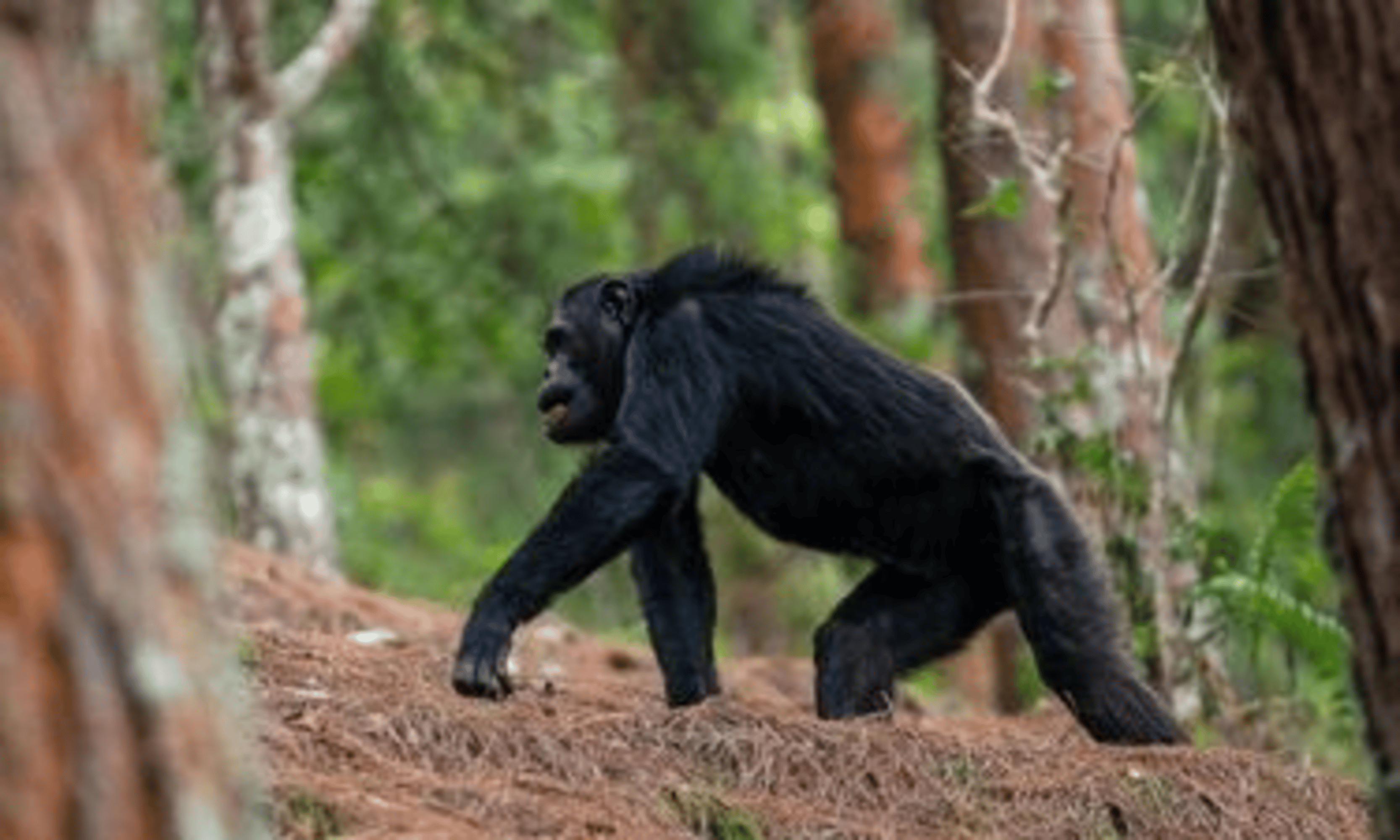
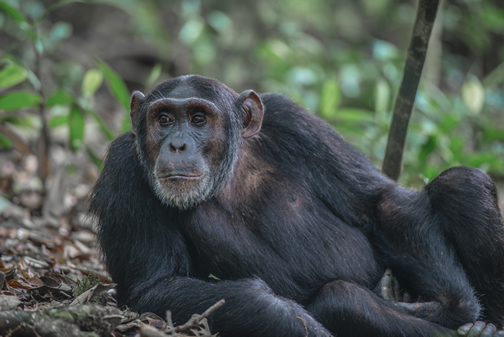
Nyungwe Forest National Park in southwestern Rwanda is one of Africa's oldest mountain rainforests — 1,019 sq km of ancient forest at 1,600 to 2,950m altitude with 13 primate species including habituated chimpanzee, Angola colobus in enormous troops, L'Hoest's monkey and the rare owl-faced monkey. The Nyungwe canopy walk — a 90-metre suspension bridge 50 metres above the forest floor — is the longest canopy walkway in Africa. Combined with chimpanzee trekking (separate permit required), Nyungwe adds a full primate day to any Rwanda itinerary.
Akagera National Park
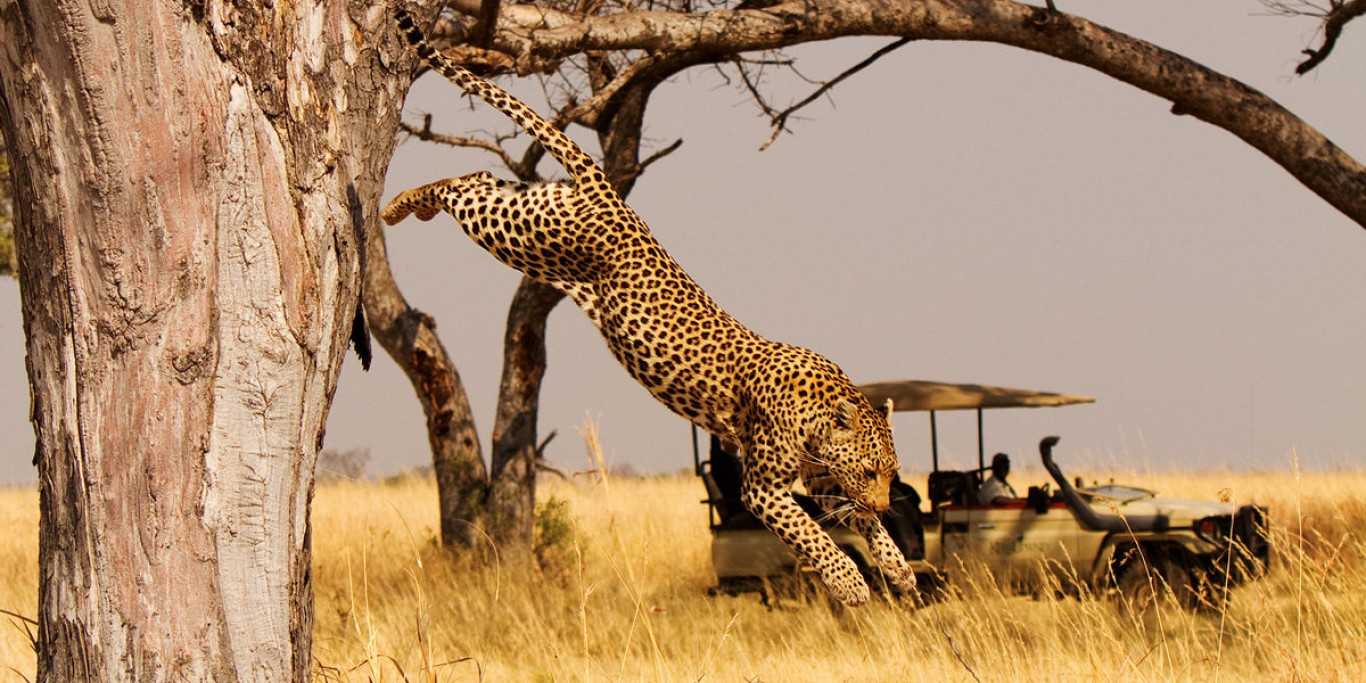
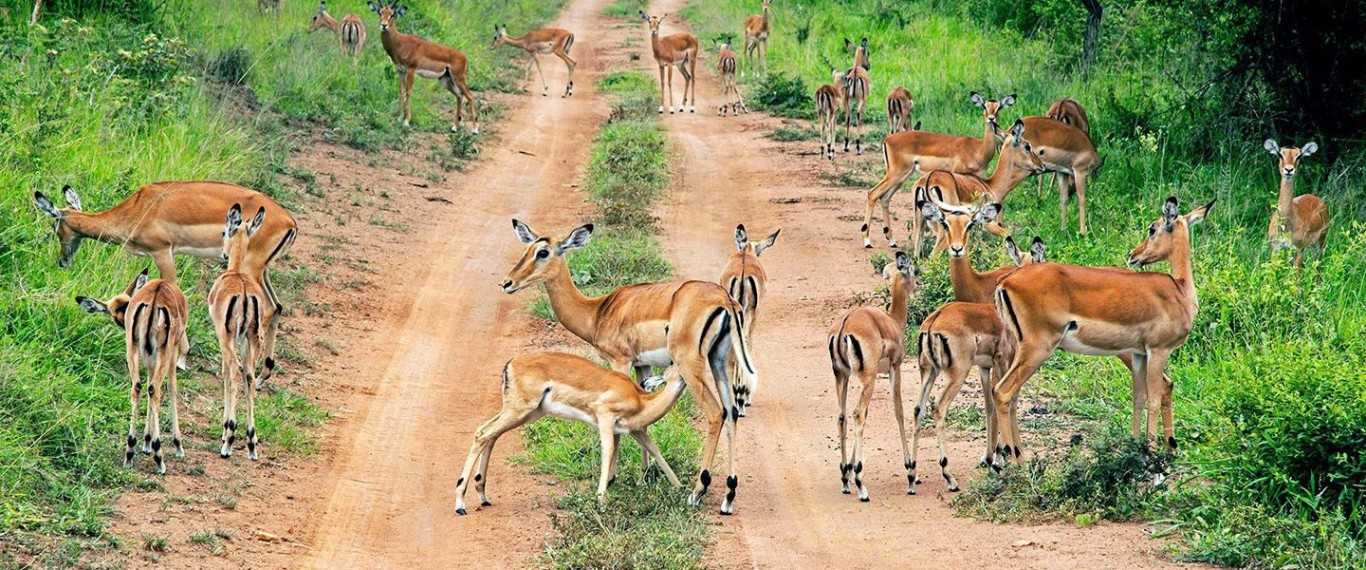
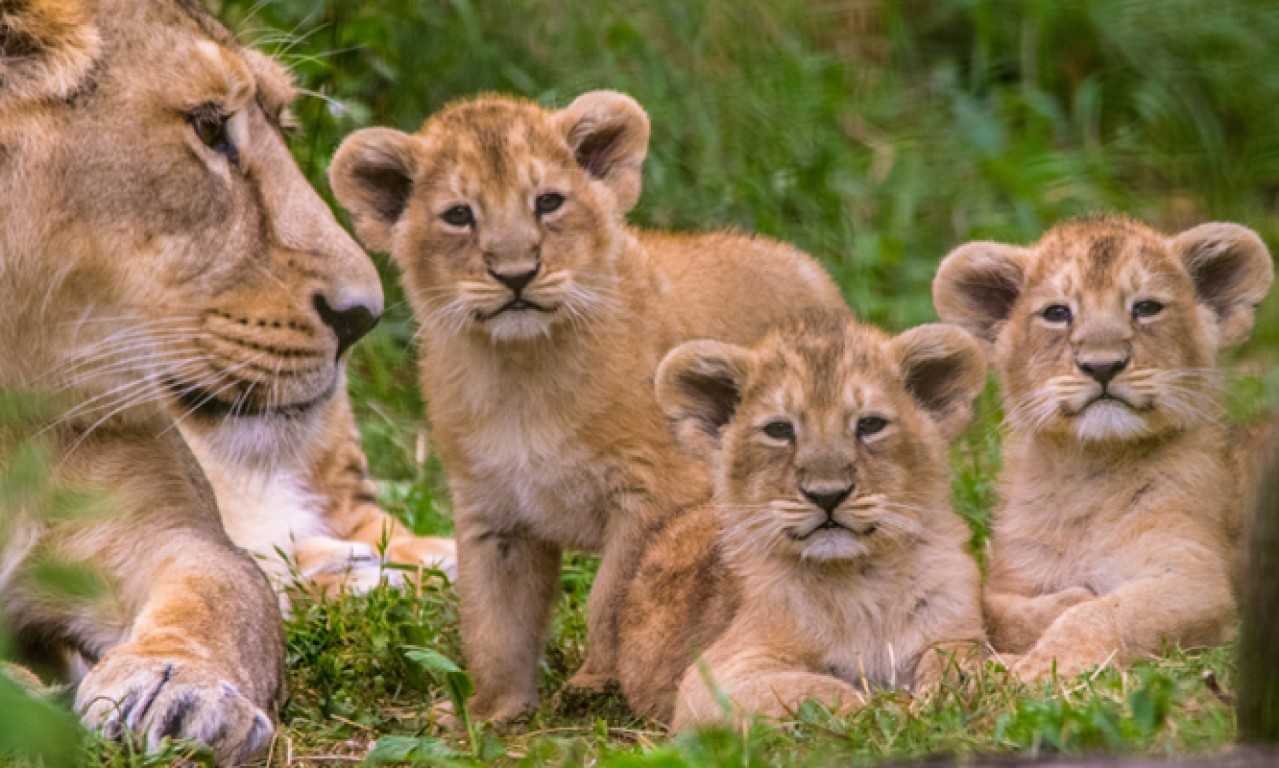
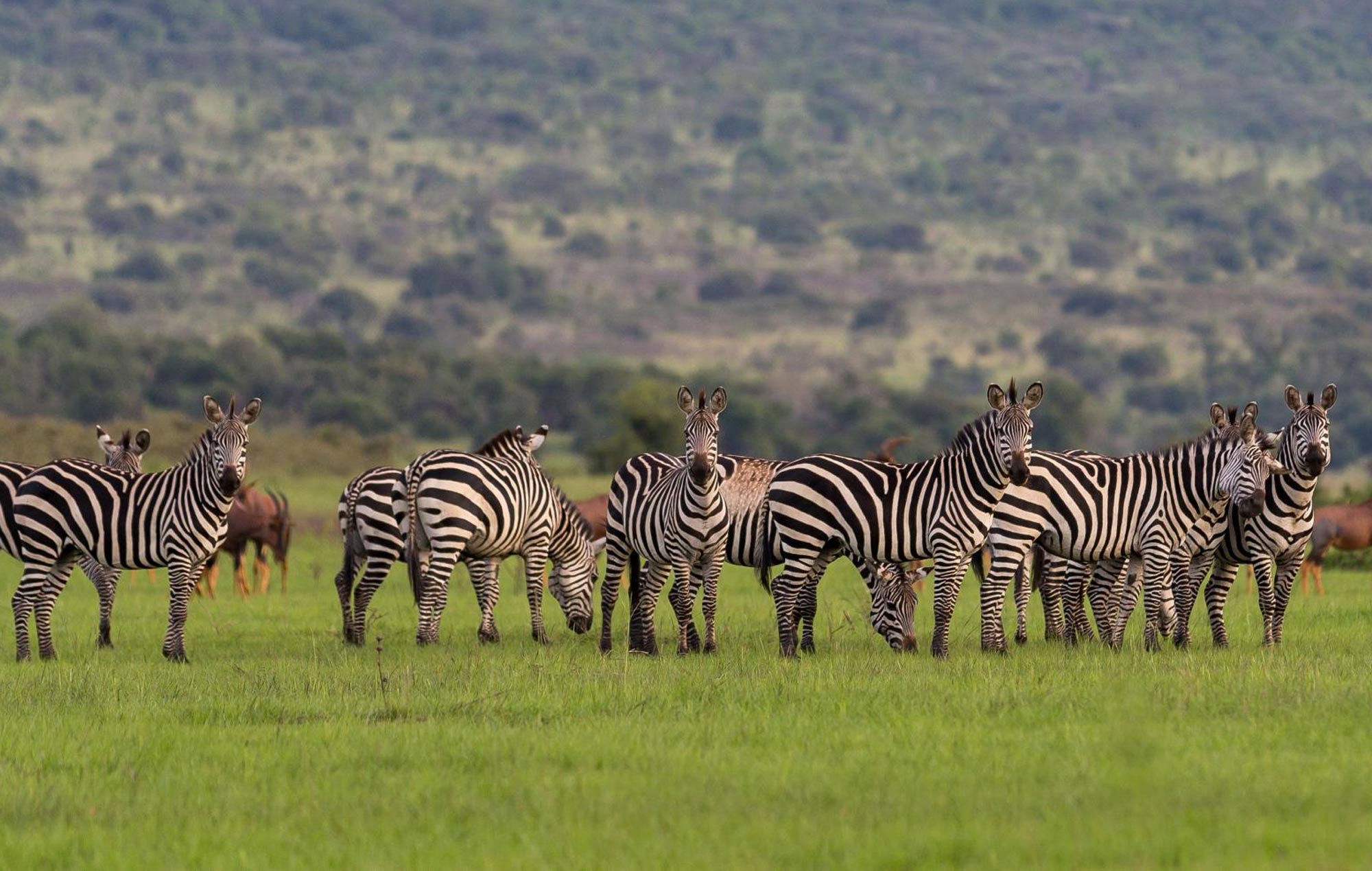
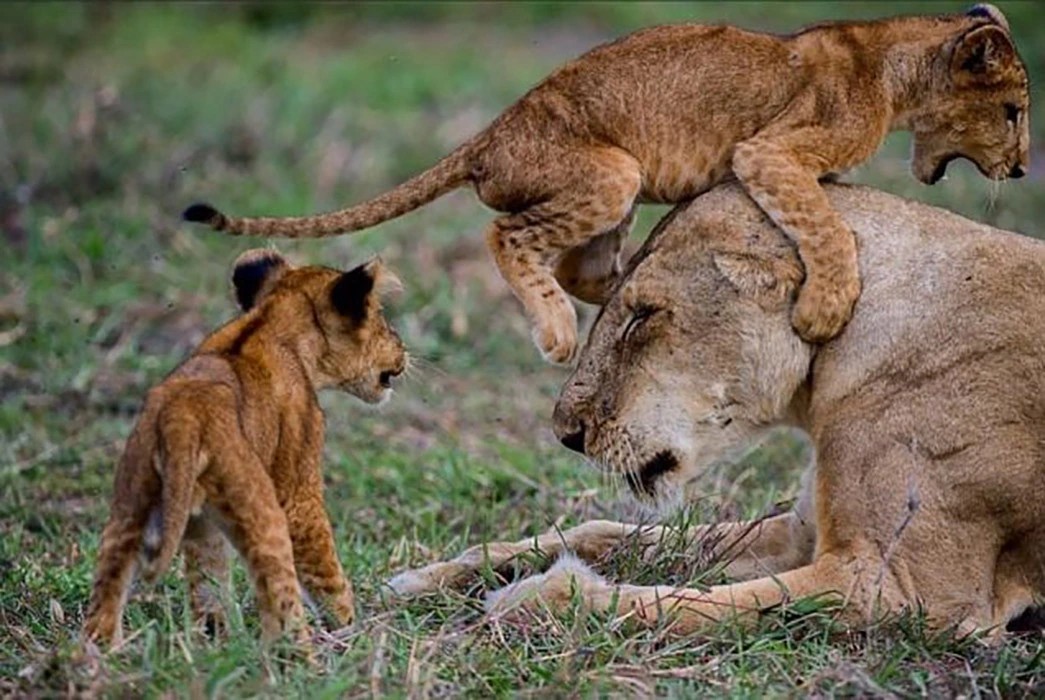
Akagera National Park in eastern Rwanda is one of Africa's great conservation recovery stories. The park was severely depleted during the genocide and its aftermath, then restored through a partnership between the Rwanda Development Board and African Parks. Lion (reintroduced 2015) and black rhino (reintroduced 2017) have completed the Big Five, making Akagera Rwanda's only Big Five destination. The park's lakes and the Kagera River floodplain support hippo, Nile crocodile, elephant, topi and an extraordinary diversity of waterbirds. Game drives in Akagera are genuinely exclusive — far fewer vehicles than comparable East African parks.
Kigali
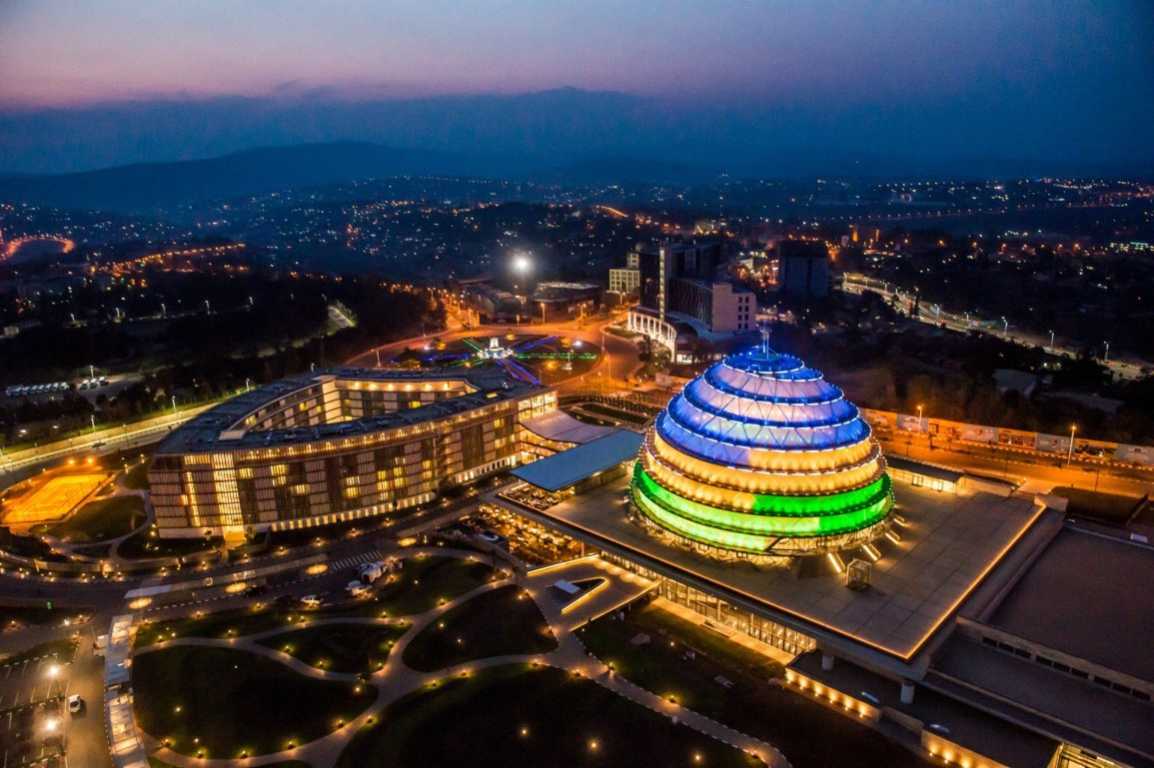
Rwanda's capital is one of Africa's most liveable and safest cities — a remarkable achievement. The Kigali Genocide Memorial is one of the most carefully presented and important memorial sites on the continent: a visit is sobering, essential and respectfully done. The city's restaurant scene, boutique hotels and craft markets have matured significantly in the past decade, making Kigali a genuine 1 to 2 night destination rather than simply an airport transit.
Want to visit Rwanda?
Get a free custom safari plan within 24 hours.
All Rwanda destinations
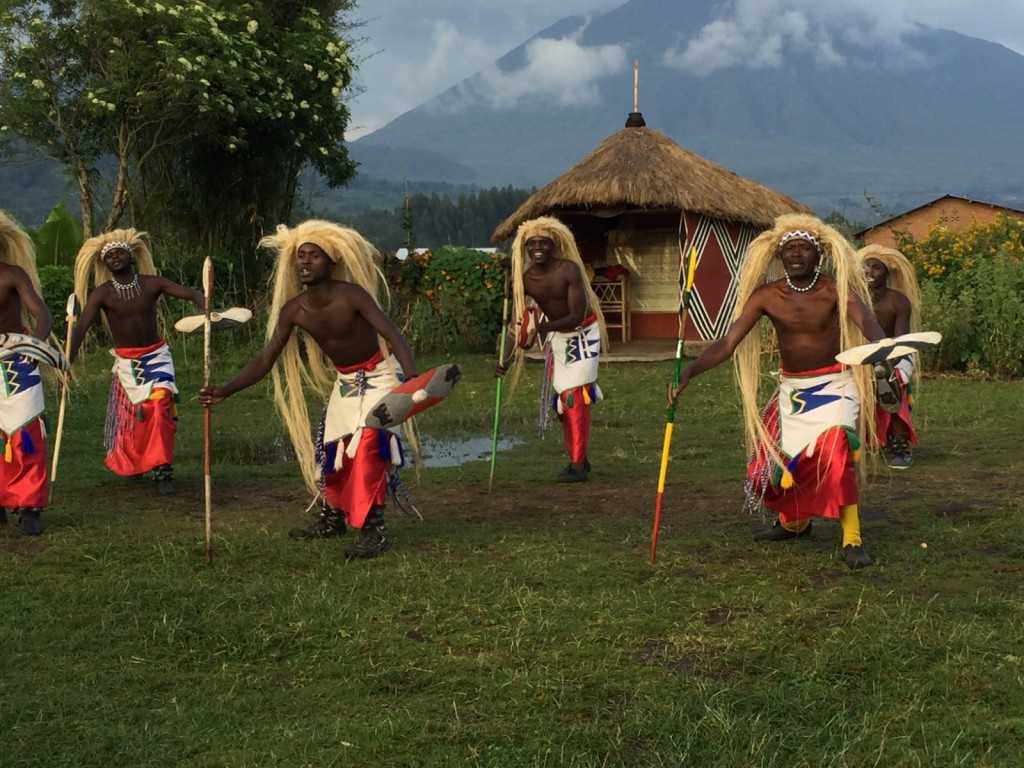
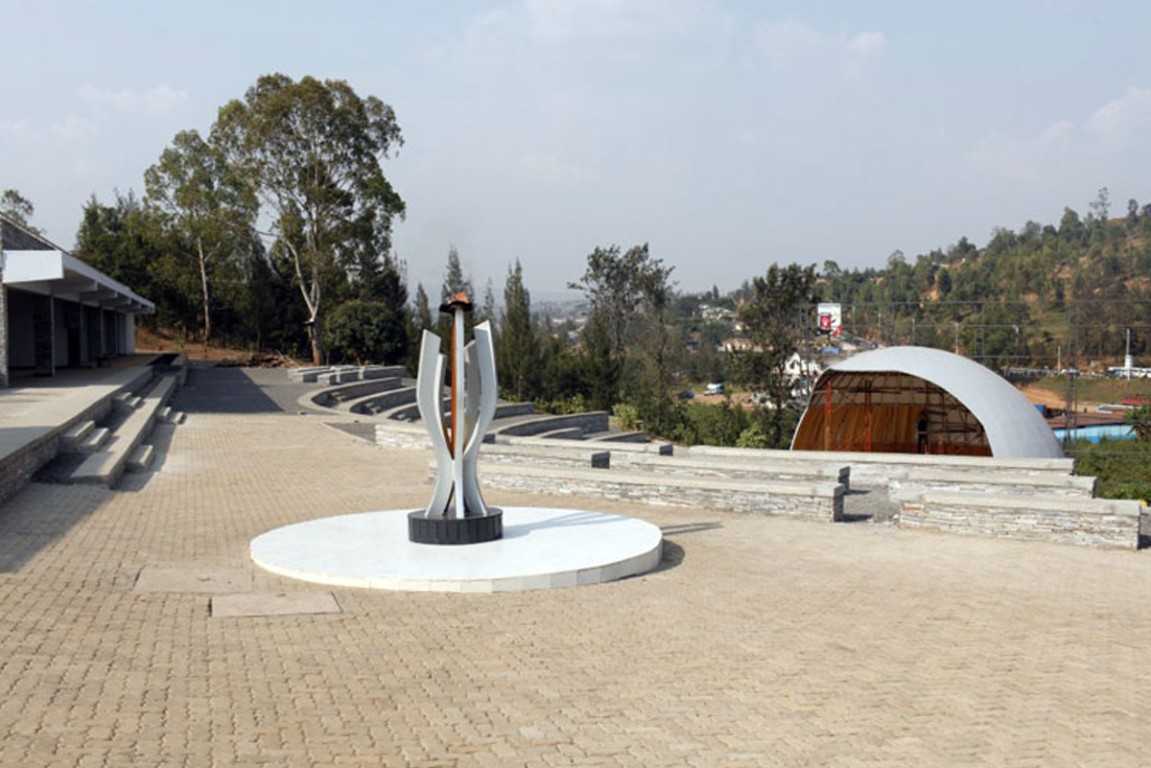
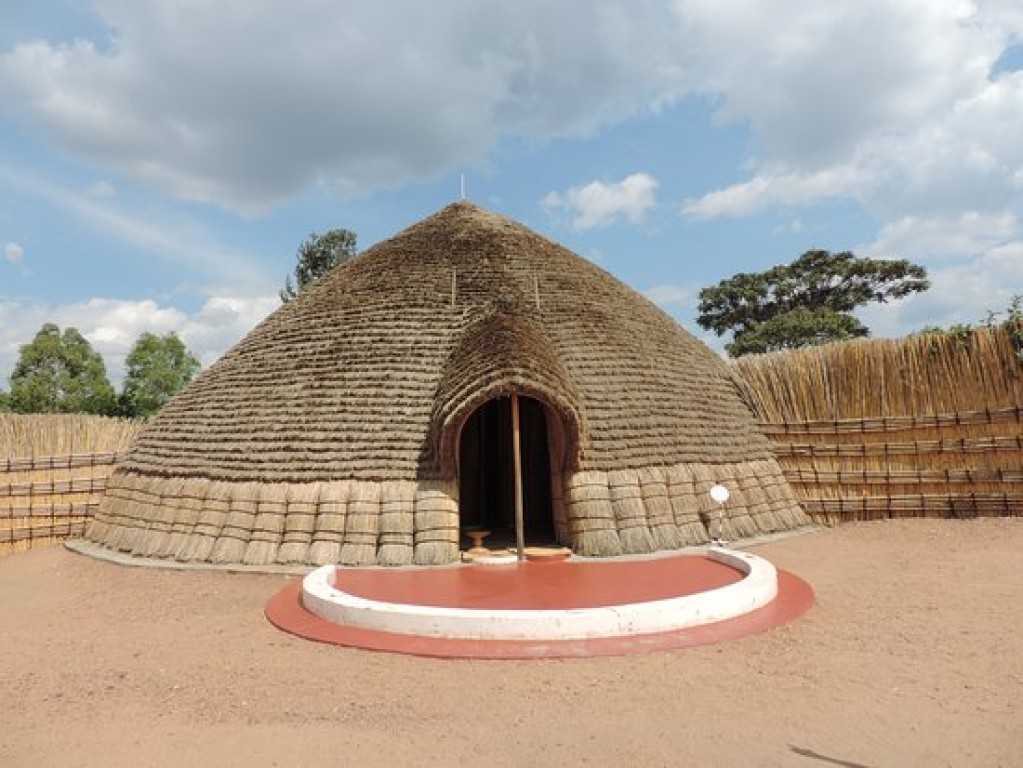
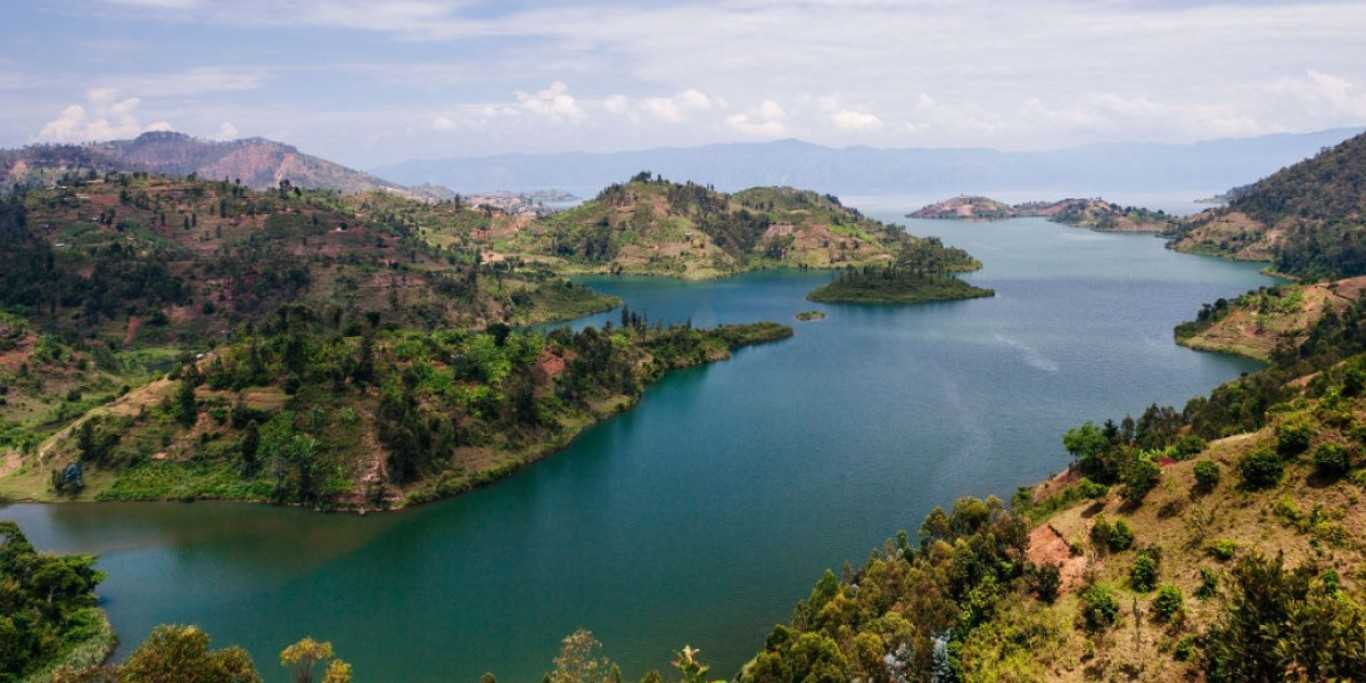 Rwanda
Rwanda tour packages
Want to visit Rwanda?
Get a free custom safari plan within 24 hours.
Best time to visit Rwanda
Best time to visit Rwanda
June to September — Long dry season (best for gorilla trekking)
The primary season for mountain gorilla trekking in Volcanoes National Park. The forest floor is at its driest making steep trails more manageable. Clear skies give views of the Virunga volcano peaks from the park. Gorilla permit demand peaks in July, August and September — book 6 to 12 months ahead for these months. Akagera National Park game drives are excellent with dry conditions. Temperatures are comfortable throughout the country (15 to 25°C in Kigali, cooler in the highlands).
December to February — Short dry season (good alternative)
The second gorilla trekking window. Less crowded than June to September with slightly more permit availability and lower lodge rates. The forest at Volcanoes is drier than the rainy season (though never as dry as June to September). Nyungwe Forest is at its most accessible. December and January are festive periods in Kigali.
March to May — Long rains (challenging)
Heavy rainfall across Rwanda, particularly in April and May. Volcanoes National Park trails become very muddy and some sections are genuinely difficult. Gorilla trekking continues year-round but this is the most physically demanding window. Not recommended for first-time gorilla trekking visitors. Accommodation rates are lowest.
October to November — Short rains (transitional)
Brief afternoon rain. Trails muddier than dry season but manageable. Lower visitor numbers with good permit availability. A reasonable window for travellers with flexible dates seeking lower costs.
Rwanda weather & climate
Rwanda weather
Rwanda straddles the equator at high altitude — Kigali sits at 1,567m, the Virunga volcanoes reach 4,507m and most of the country is above 1,000m. The result is a remarkably temperate climate for an equatorial country: "the land of eternal spring" is an accurate description of Kigali's year-round conditions.
Kigali and central Rwanda
Year-round temperatures of 17 to 27°C. Two rainy seasons (March to May and October to November) bring afternoon showers. Two dry seasons (June to September and December to February) bring clear skies. Humidity is moderate. Kigali is comfortable for visitors in any month