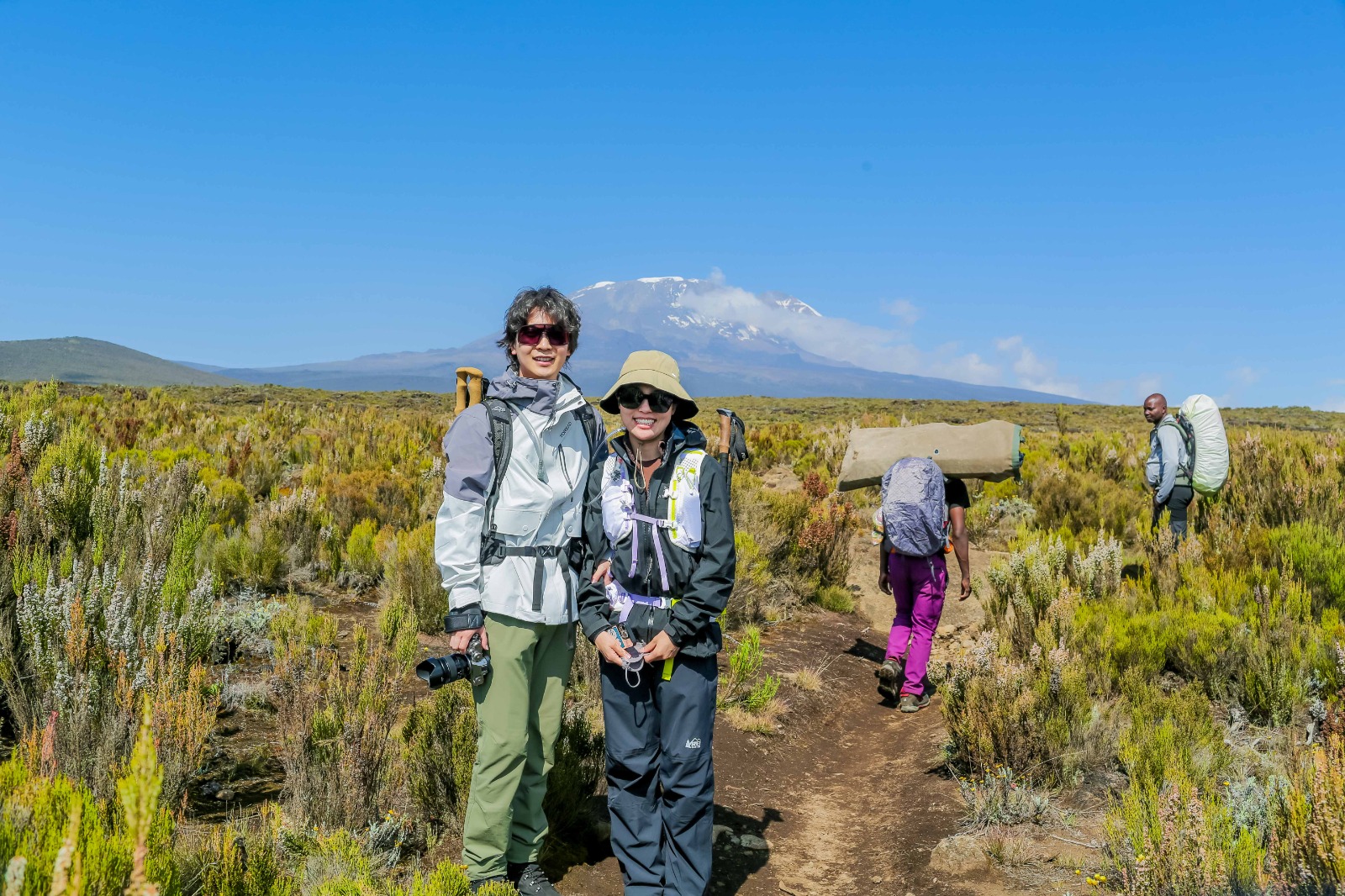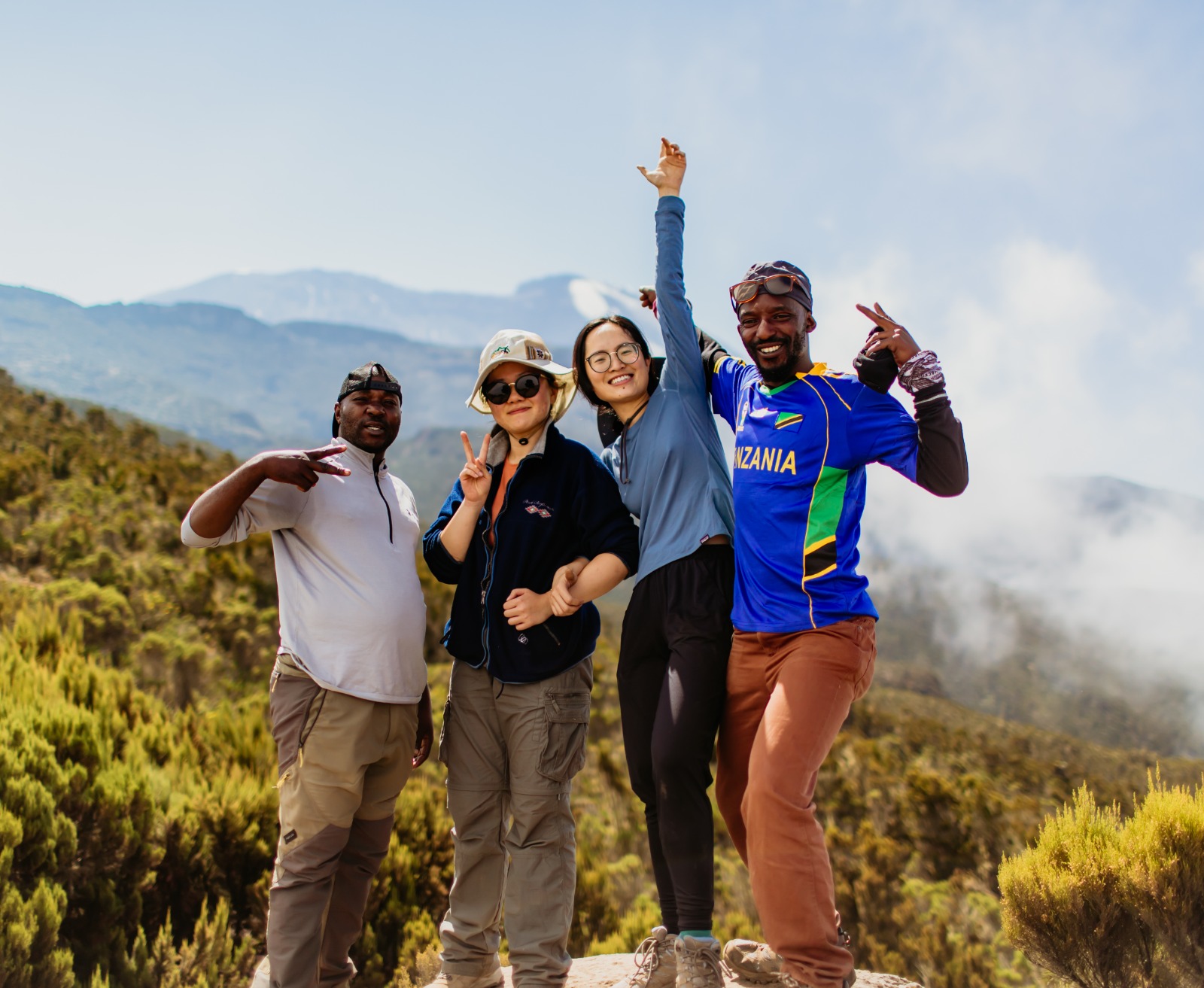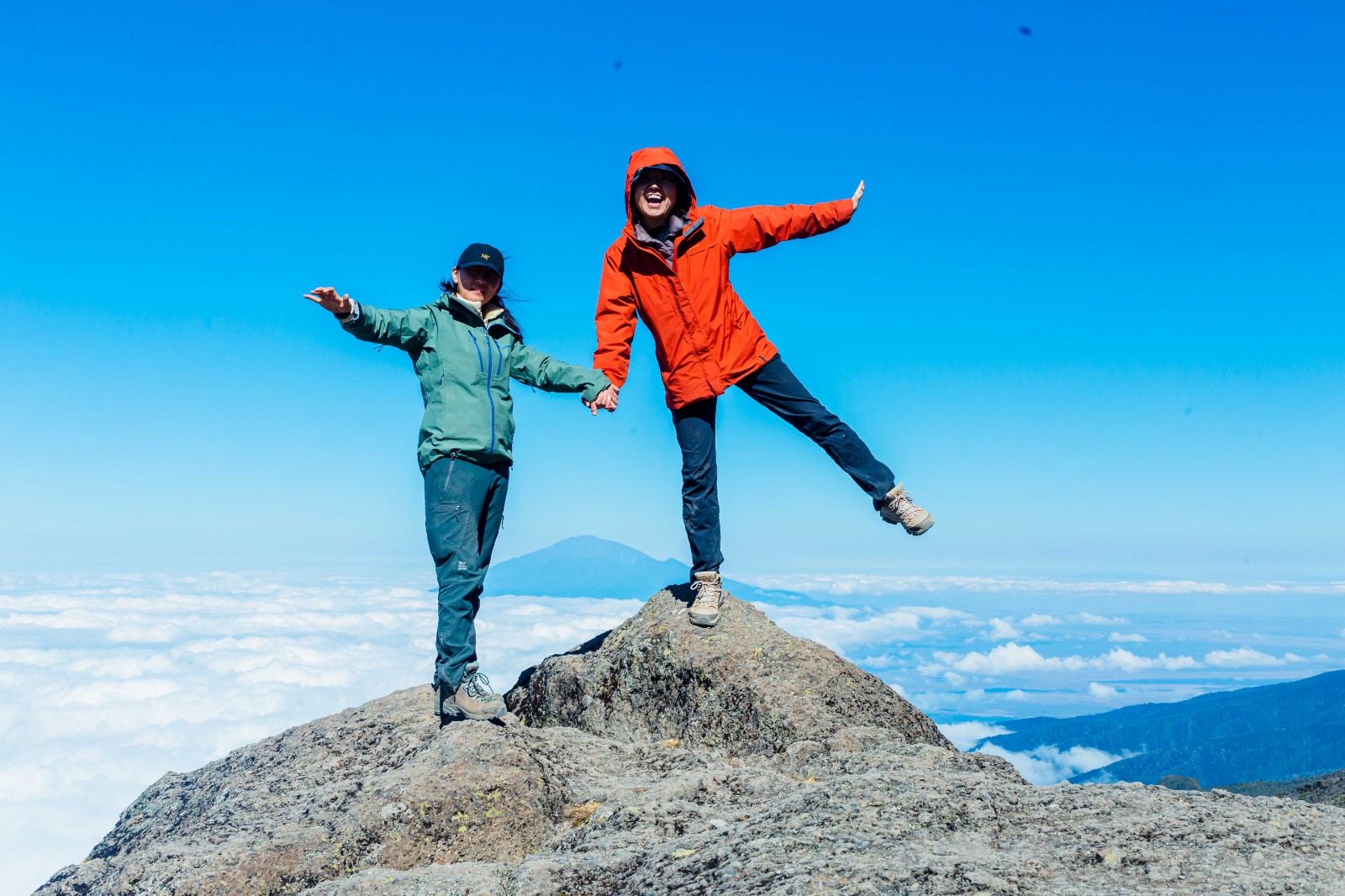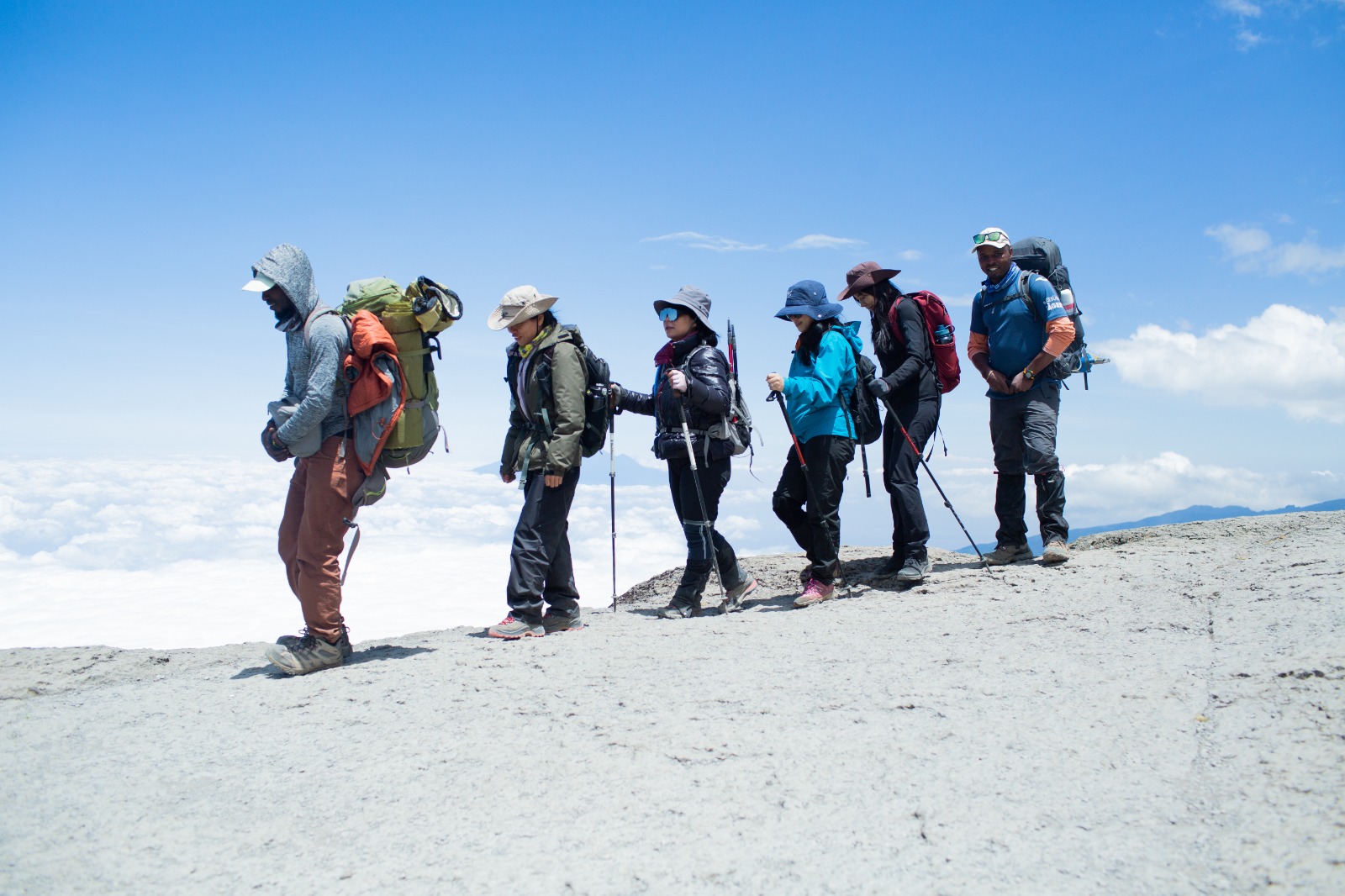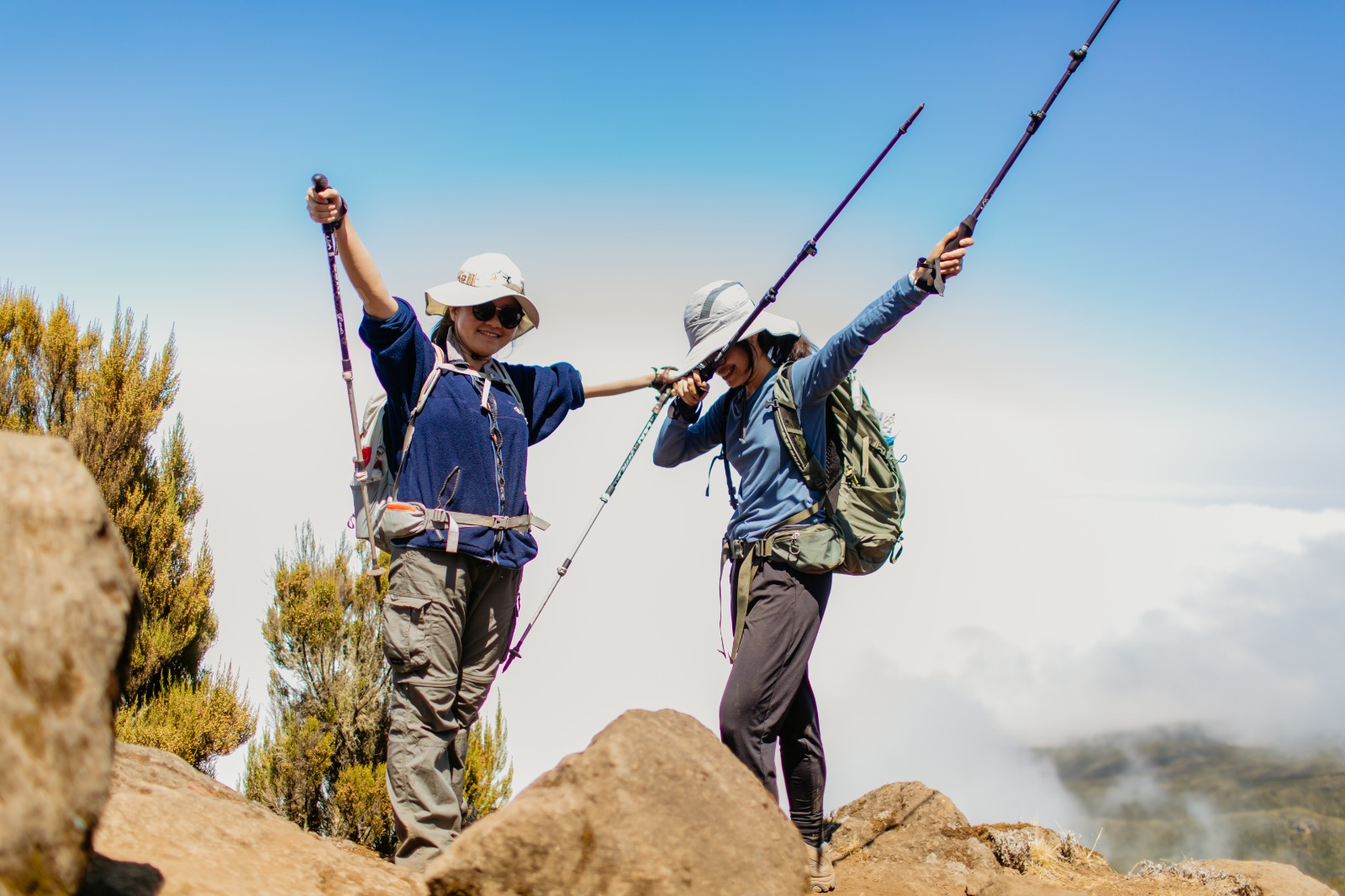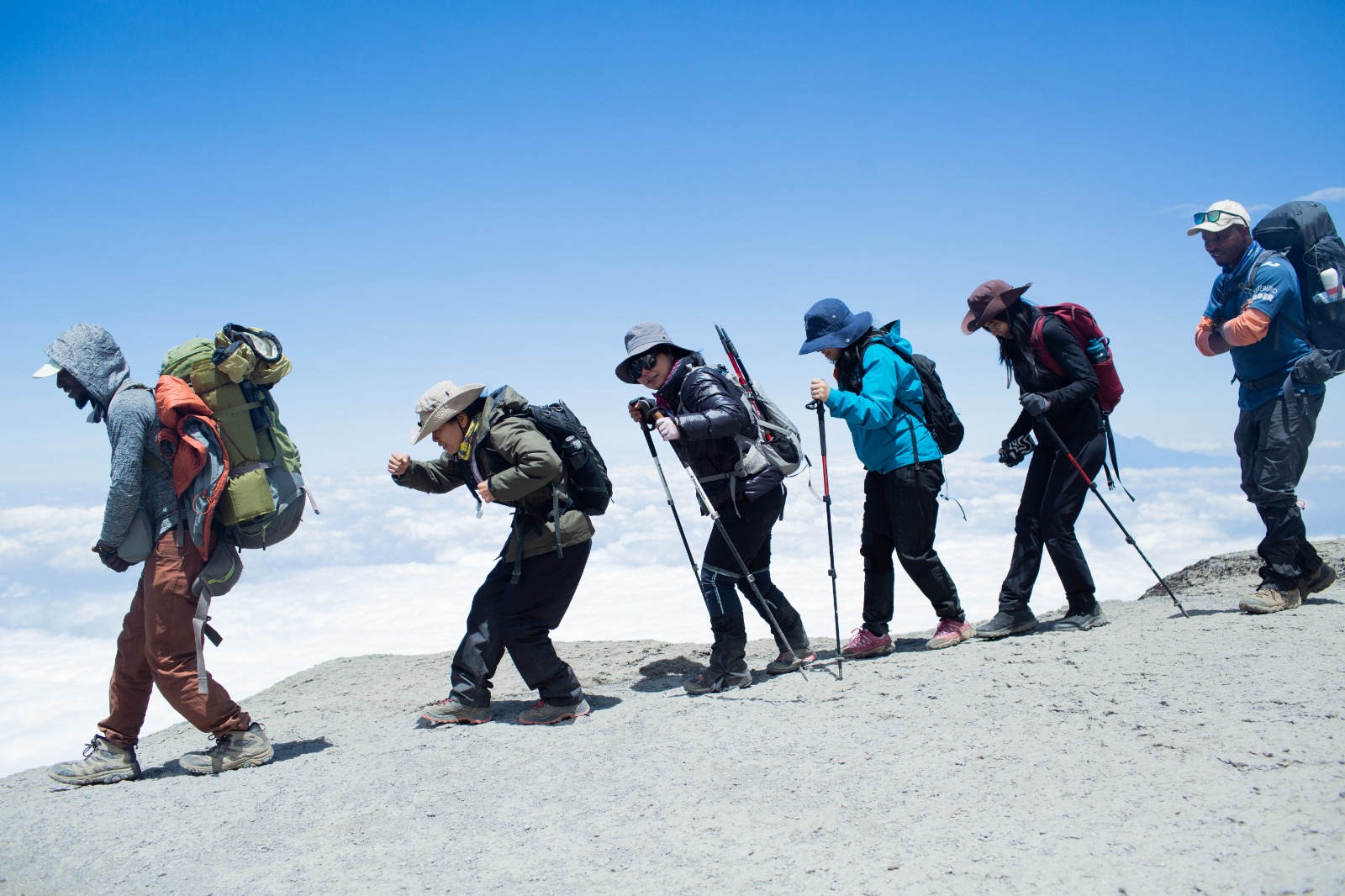
Climbing Mount Kilimanjaro is one of the most achievable high-altitude adventures in the world, but proper preparation is essential for success. The mountain rises to 5,895 meters (19,341 feet), and the biggest challenge is not technical climbing but endurance and altitude.
A structured Kilimanjaro training plan helps improve stamina, strengthen muscles, and prepare your body for long days of hiking at high elevation.
If you are planning a trek, begin with the full Kilimanjaro Climbing Guide.
Why Training for Kilimanjaro Is Important
Many people underestimate the difficulty of the climb. Although Kilimanjaro does not require technical climbing skills, summit day can involve 10–14 hours of hiking at high altitude.
Training helps you:
- Improve cardiovascular endurance
- Strengthen legs and core muscles
- Prepare for multi-day hiking
- Reduce fatigue during summit day
- Increase overall summit success
For more insight into success rates, see Kilimanjaro Summit Success Rate by Route.
When to Start Training for Kilimanjaro
Ideally, you should begin your training 8 to 12 weeks before your climb.
This allows enough time to gradually increase your fitness level and prepare for long trekking days.
If you are already physically active, a shorter preparation period may work, but beginners should allow more time.
Key Areas of Kilimanjaro Training
Your training plan should focus on four main areas.
1. Endurance Training
Endurance is the most important aspect of Kilimanjaro preparation.
Good activities include:
- Hiking
- Long walks
- Running
- Cycling
- Swimming
Aim to train 3–5 days per week.
2. Strength Training
Strong leg and core muscles help carry your backpack and support your body during long trekking days.
Focus on exercises such as:
- Squats
- Lunges
- Step-ups
- Planks
- Deadlifts
Strength training should be done 2–3 times per week.
3. Hiking Practice
The best training for Kilimanjaro is hiking with elevation gain.
Try to:
- Hike on hills or mountains
- Wear the boots you will use on the climb
- Carry a small backpack
Gradually increase your hiking distance.
4. Altitude Awareness
Altitude sickness is the biggest challenge on Kilimanjaro.
While training cannot fully simulate altitude, improving cardiovascular fitness helps your body cope better with reduced oxygen levels.
You can learn more in the Kilimanjaro Altitude Sickness Guide.
8-Week Kilimanjaro Training Plan
Below is a simple training structure to prepare for the climb.
Weeks 1–2: Build Basic Fitness
Focus on light endurance training and general strength.
Weekly schedule example:
- 3 cardio sessions (30–45 minutes)
- 2 strength workouts
- 1 short hike or long walk
Goal: develop a consistent training routine.
Weeks 3–4: Increase Endurance
Gradually increase exercise intensity.
Weekly schedule example:
- 3 cardio workouts (45–60 minutes)
- 2 strength sessions
- 1 longer hike (2–3 hours)
Start training with a light backpack.
Weeks 5–6: Simulate Trekking Conditions
Your body should now be comfortable with longer workouts.
Weekly schedule example:
- 2 cardio workouts
- 2 strength sessions
- 1 long hike (4–5 hours)
- 1 short hike or hill training session
Use the boots and gear you plan to wear on the climb.
Weeks 7–8: Peak Preparation
These weeks simulate the effort needed on Kilimanjaro.
Weekly schedule example:
- 2 cardio workouts
- 1 strength session
- 1 long hike (5–6 hours)
- 1 moderate hike with elevation
In the final week before your trip, reduce training intensity to allow your body to recover.
Best Exercises for Kilimanjaro Training
Some exercises are particularly effective for trekking preparation.
Stair Climbing
Climbing stairs strengthens the same muscles used when hiking uphill.
Try stair workouts for 20–30 minutes.
Hill Hiking
Hill training improves endurance and leg strength.
If possible, practice hiking on uneven terrain.
Step-Ups
Step-ups mimic the movement used during mountain trekking.
Perform 3 sets of 12–15 repetitions.
Core Training
A strong core improves balance and posture while carrying a backpack.
Good exercises include:
- Planks
- Side planks
- Russian twists
Training With Your Kilimanjaro Gear
It is important to train using the equipment you will bring on the climb.
Practice with:
- Hiking boots
- Backpack
- Trekking poles
This helps prevent blisters and discomfort during the trek.
You can see the full gear list in the Kilimanjaro Packing List.
Nutrition During Training
Proper nutrition helps your body recover from training and build endurance.
Tips include:
- Eat balanced meals with protein and carbohydrates
- Stay hydrated
- Avoid drastic diet changes before the climb
During the trek itself, guides provide high-energy meals designed for mountain conditions.
Learn more in Kilimanjaro Food on the Mountain.
Common Training Mistakes
Avoid these common mistakes when preparing for Kilimanjaro.
Training too late
Starting training only a few weeks before the climb can make the trek much harder.
Ignoring hiking practice
Gym workouts alone cannot replace real hiking experience.
Overtraining
Rest days are important to avoid injury.
Using new gear on the mountain
Always break in your boots before the climb.
Frequently Asked Questions
How fit do you need to be to climb Kilimanjaro?
You should be able to hike 6–8 hours in a day while carrying a light backpack.
Good endurance and mental resilience are more important than extreme athletic ability.
How long should I train for Kilimanjaro?
Most people should train 8–12 weeks before the climb.
Do I need to run to prepare for Kilimanjaro?
Running is not required, but it can help improve cardiovascular fitness.
Hiking and stair climbing are usually more effective.
Can beginners climb Kilimanjaro?
Yes. Many first-time trekkers successfully climb Kilimanjaro with proper preparation and guidance.
Final Thoughts
A well-structured Kilimanjaro training plan can significantly improve your chances of reaching the summit. Focus on building endurance, strengthening your legs and core, and practicing long hikes before your trip.
With consistent preparation, the challenge of climbing Africa’s highest mountain becomes far more achievable.
Before your climb, also read the Kilimanjaro Packing List, the Kilimanjaro Safety Guide, and the Best Time to Climb Kilimanjaro.