Quick facts
Destinations
10 parks & reserves
Tour categories
0 safari styles
Tours available
5 packages
Climate
About Namibia
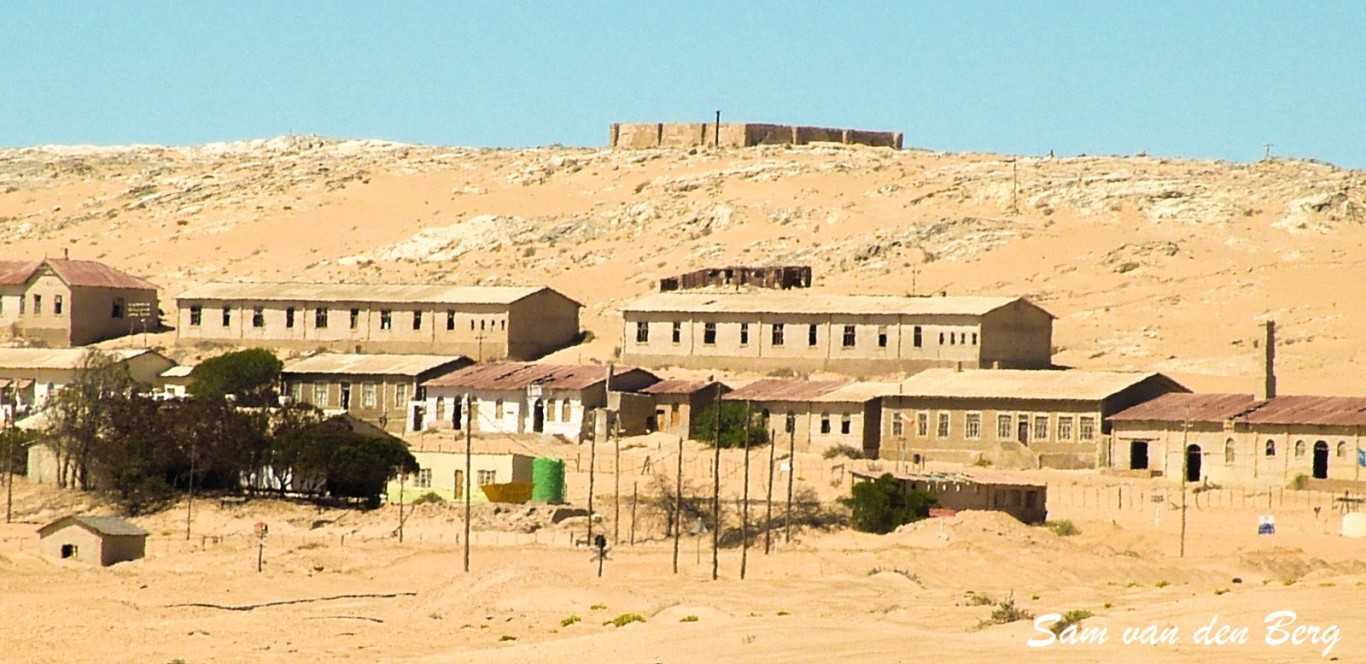
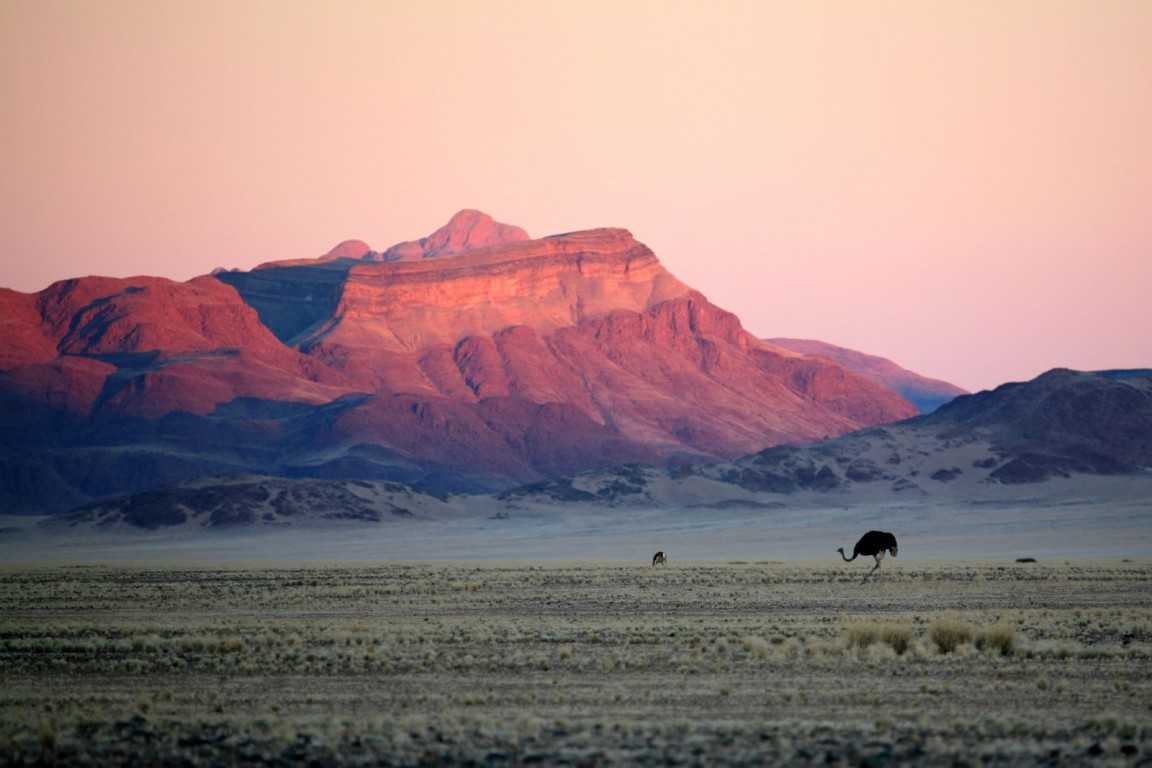
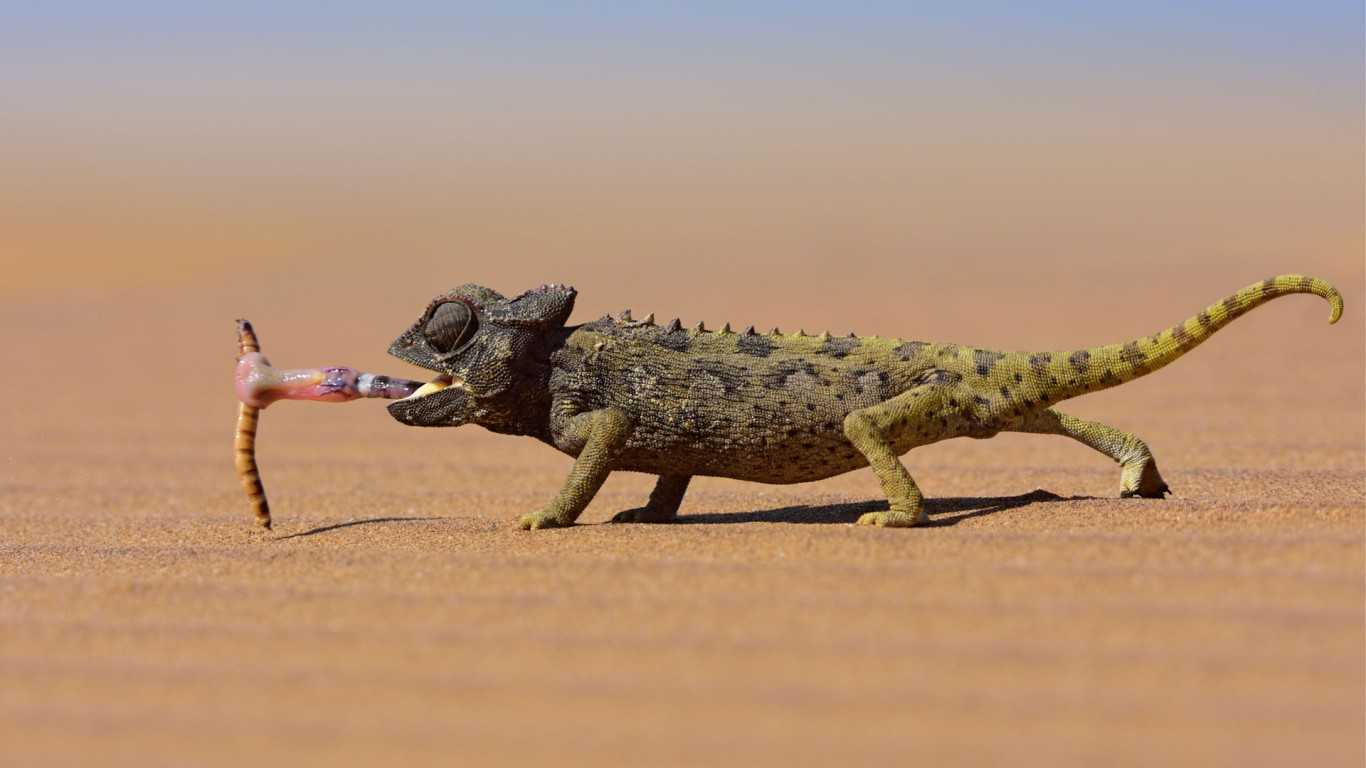
Namibia is Africa's visual extremist — a country of superlatives that are simultaneously hard to believe and impossible to exaggerate. The world's highest sand dunes. The world's oldest desert (55 to 80 million years old). The largest canyon in Africa. One of the lowest population densities on Earth (3 people per sq km). A coastline where colonial ghost towns dissolve into sand and the fog rolls over seal colonies on black rock beaches. And wildlife that has adapted to conditions so extreme it seems to belong to a different continent.
Etosha National Park
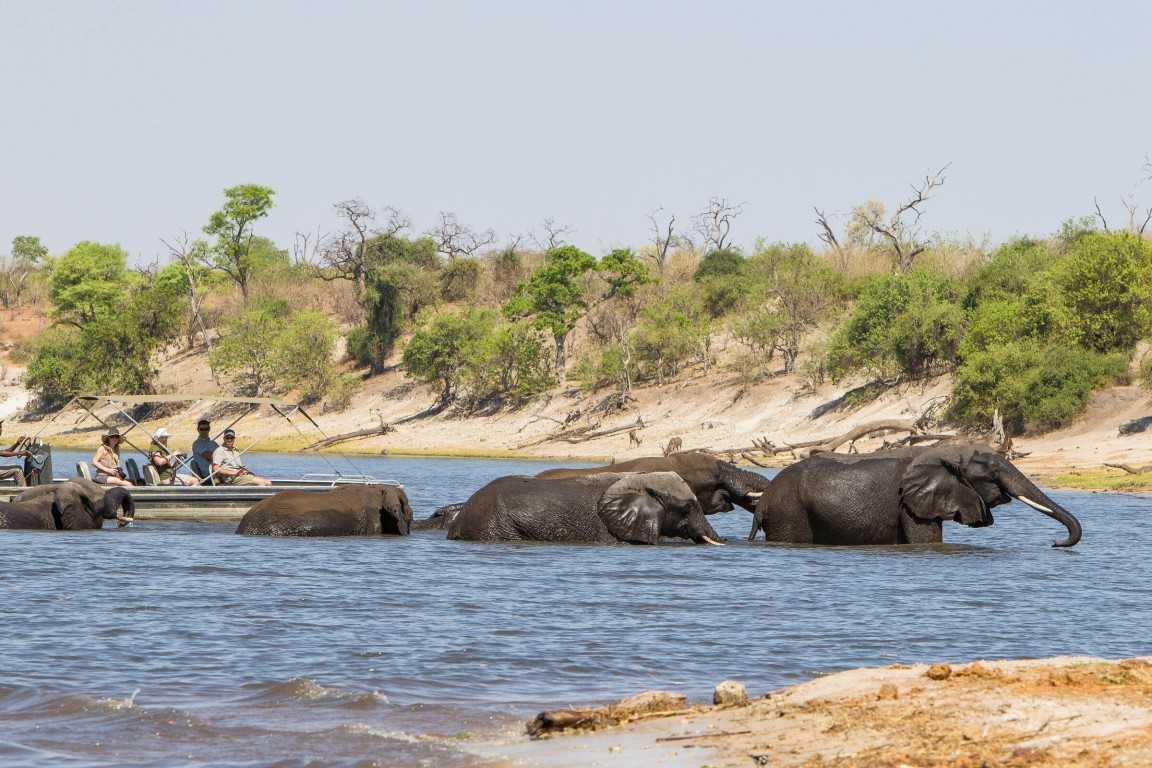
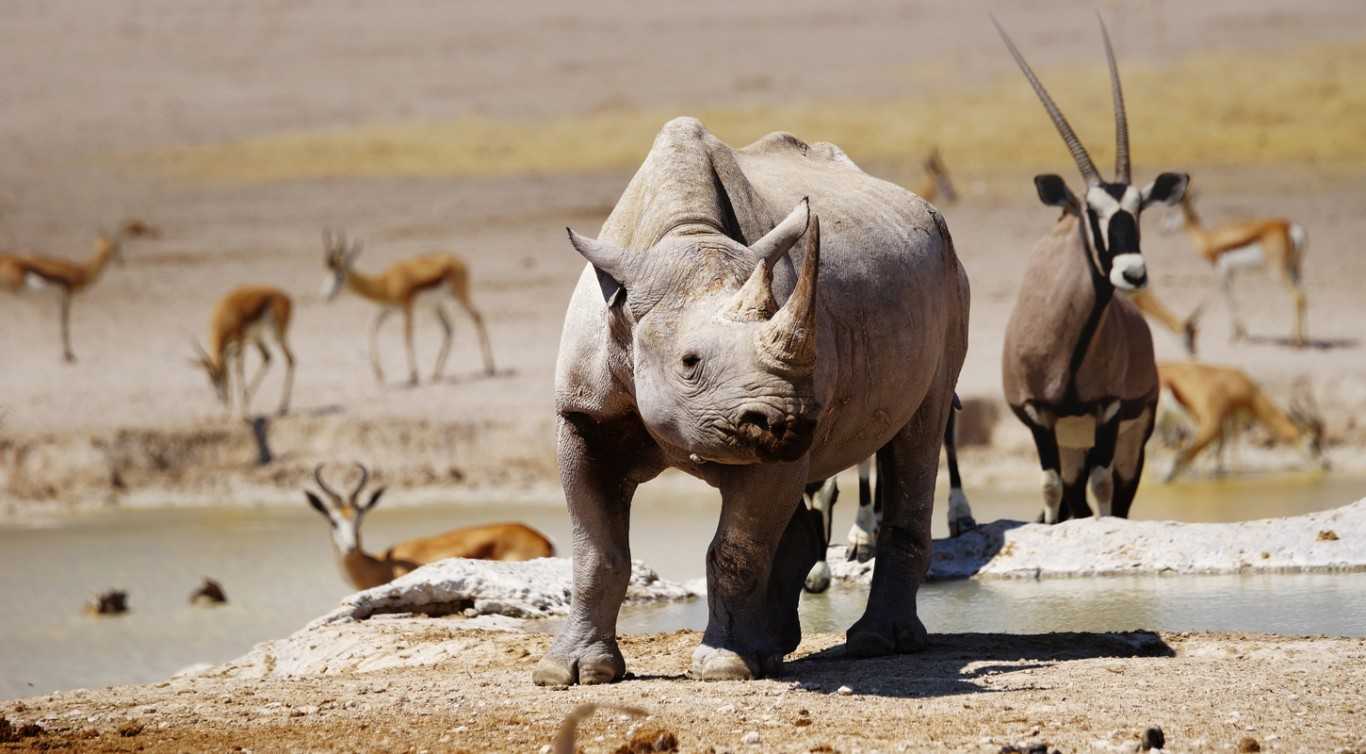
Etosha is Namibia's flagship wildlife destination — a 22,270 sq km national park centred on the Etosha Pan, a massive salt flat that covers 25% of the park's total area. In the dry season (May to October), as seasonal water sources dry out across northern Namibia, wildlife concentrates at the permanent water holes on the pan's southern edge. The result is water-hole viewing of extraordinary density and reliability: black rhino at the same water hole as white rhino, lion and leopard on successive nights, elephant in the afternoon heat and cheetah at dawn. The floodlit water holes at Okaukuejo and Halali rest camps allow after-dark viewing without a night drive vehicle — you sit on a bench 20 metres from the water and wait.
Sossusvlei and the Namib Desert
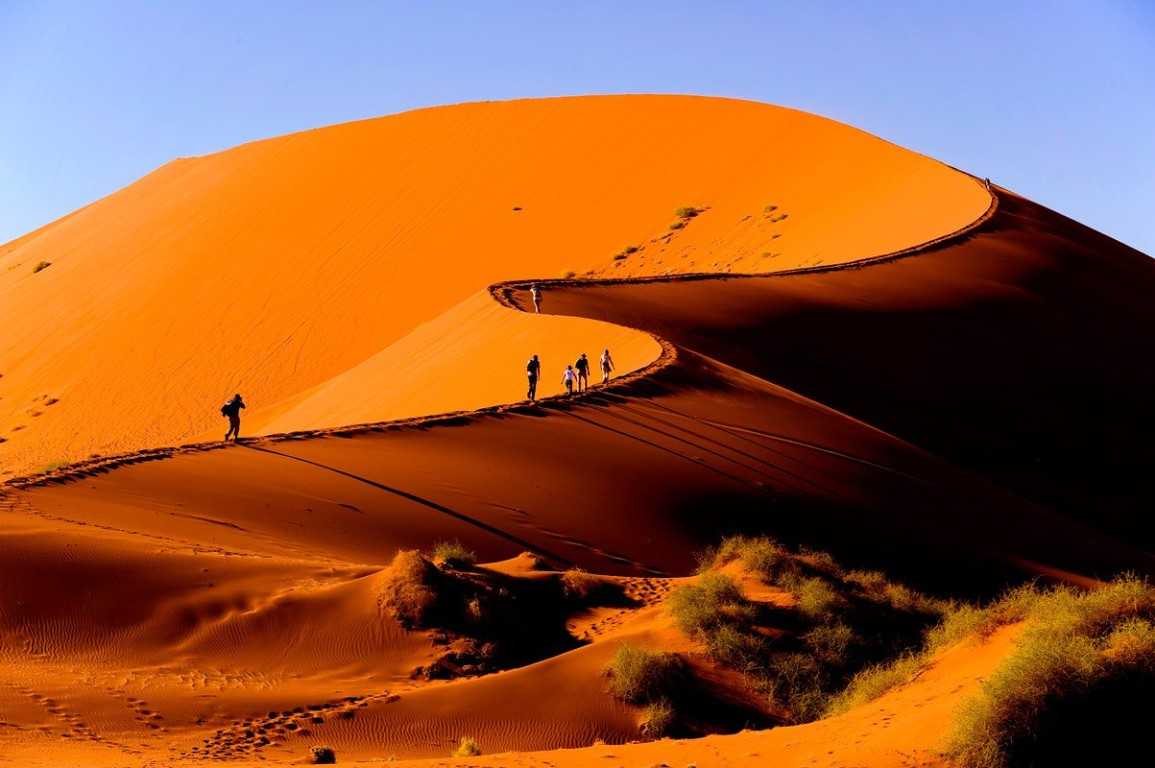
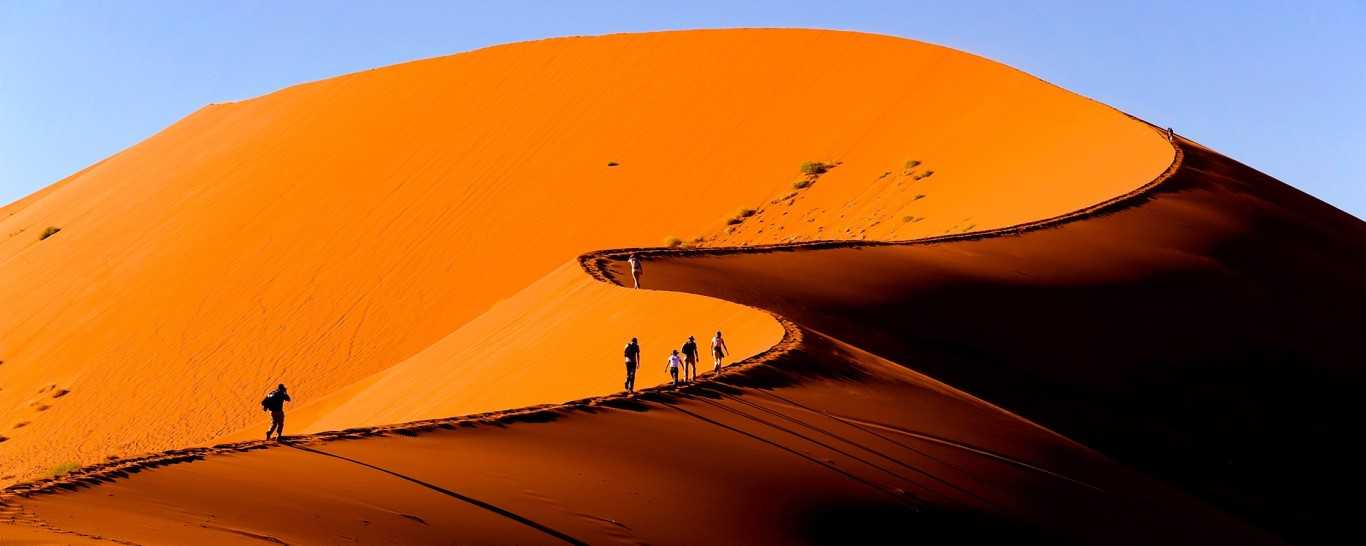
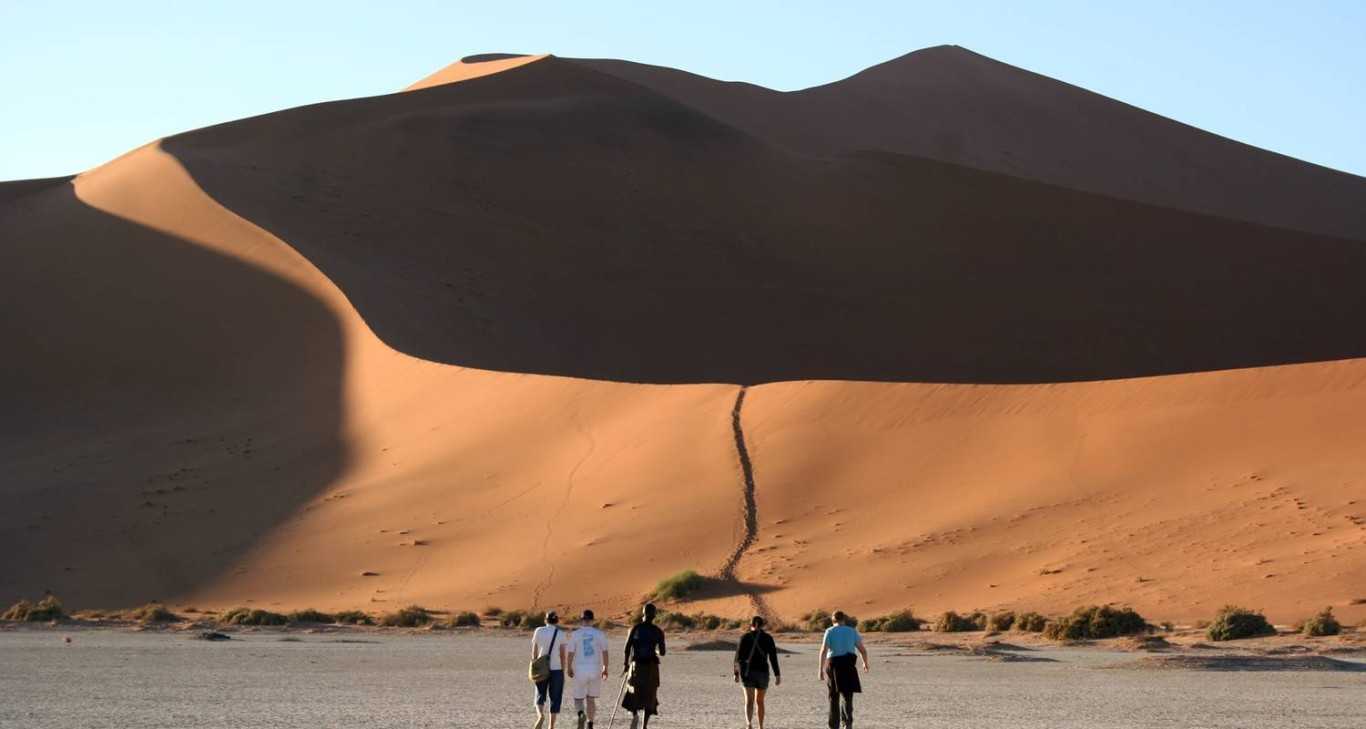
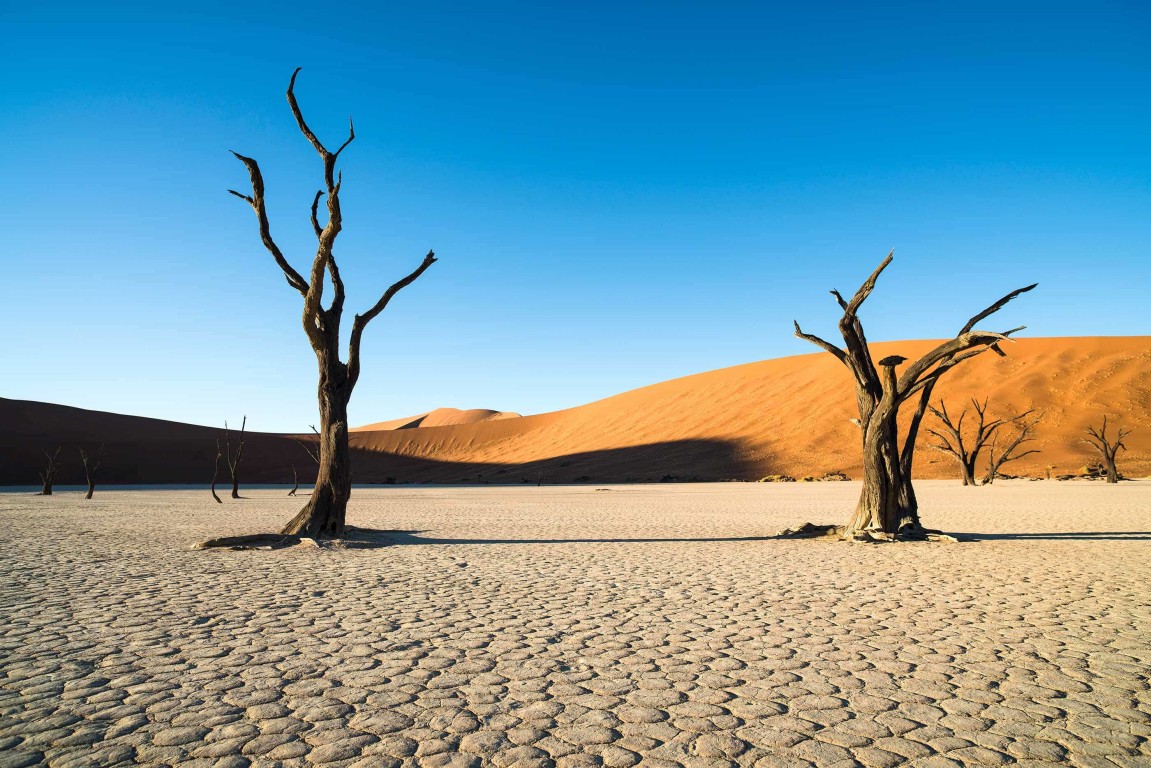
Sossusvlei is one of the most photographed landscapes on Earth — and it justifies the reputation completely. The red sand dunes of the Namib-Naukluft Park, some exceeding 300 metres in height, surround the white clay pan of Sossusvlei and the bleached-white Deadvlei with its photogenically dead camel thorn trees, perfectly preserved by the dry air for approximately 900 years. Climbing Dune 45 or Big Daddy at dawn, before the wind fills in the footprints, is the Namibia experience that every visitor comes home with. Arrive at the Sesriem gate before it opens (at sunrise) to be first on the dunes.
Skeleton Coast
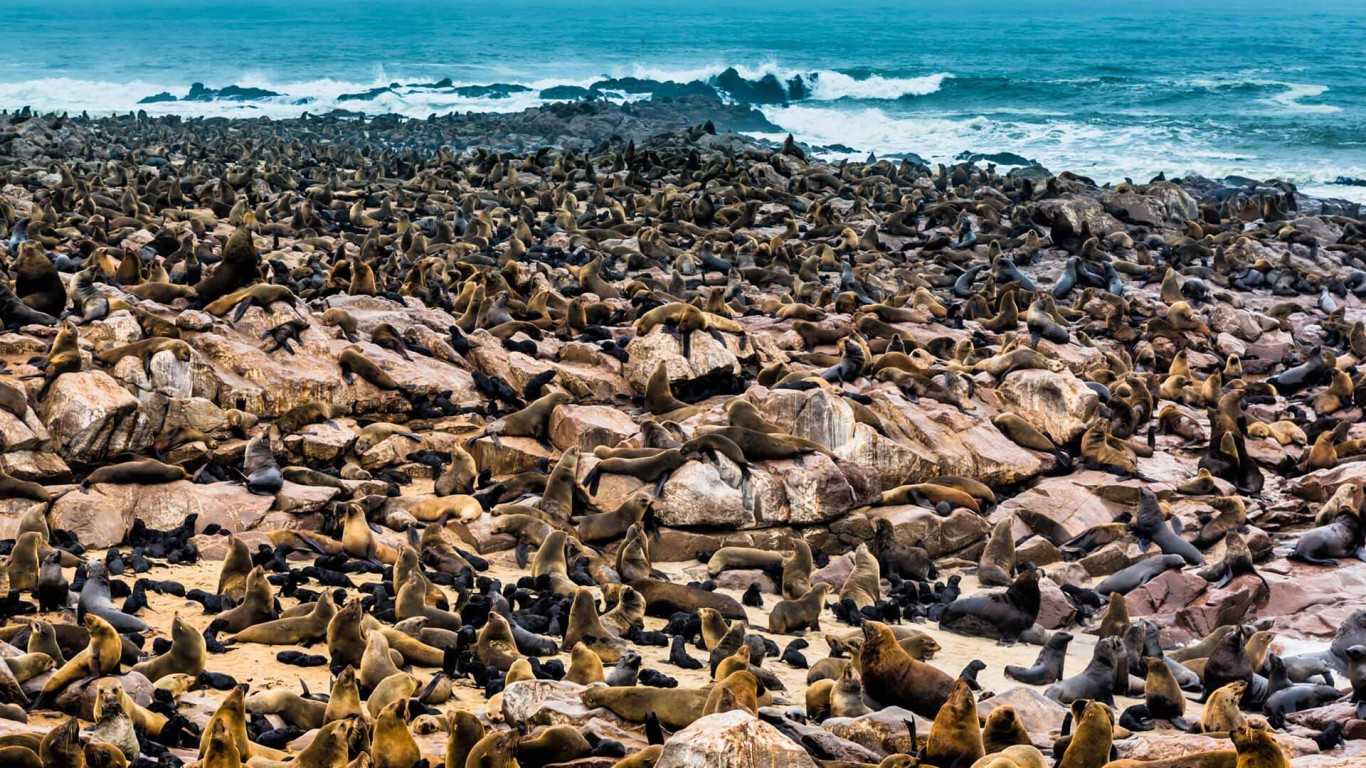
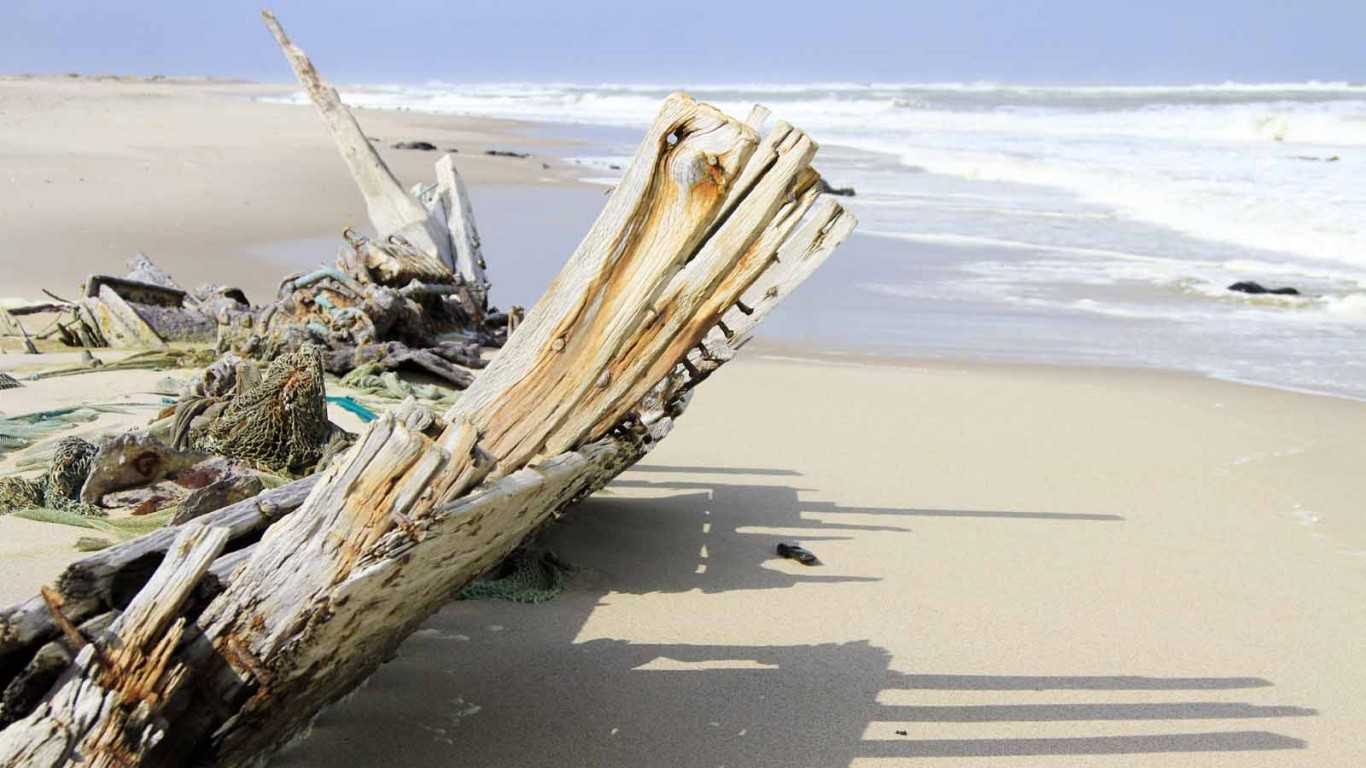
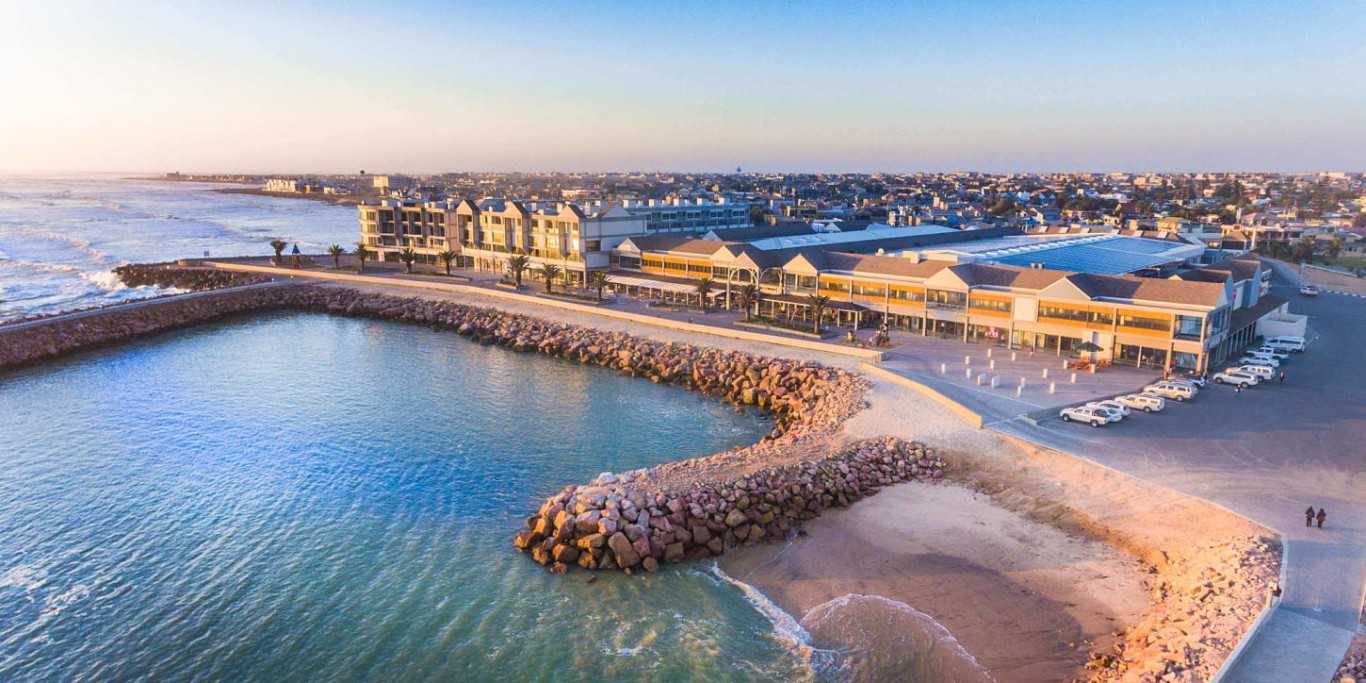
The Skeleton Coast takes its name from the whale and seal bones that once littered the beaches and the shipwrecks that still rust in the Atlantic fog. The southern section (accessible by road) includes the Cape Cross Seal Reserve — home to 200,000 Cape fur seals in the largest colony in the world — and the unusual cast of desert-adapted wildlife that scavenges along the tide line: brown hyena, black-backed jackal, oryx and the rare desert lion that hunts the seals. The remote northern Skeleton Coast, accessible only by fly-in, is one of Africa's last genuinely unexplored wilderness frontiers: a vast, fogged, shipwreck-scattered shoreline where few safari travellers ever go.
Fish River Canyon
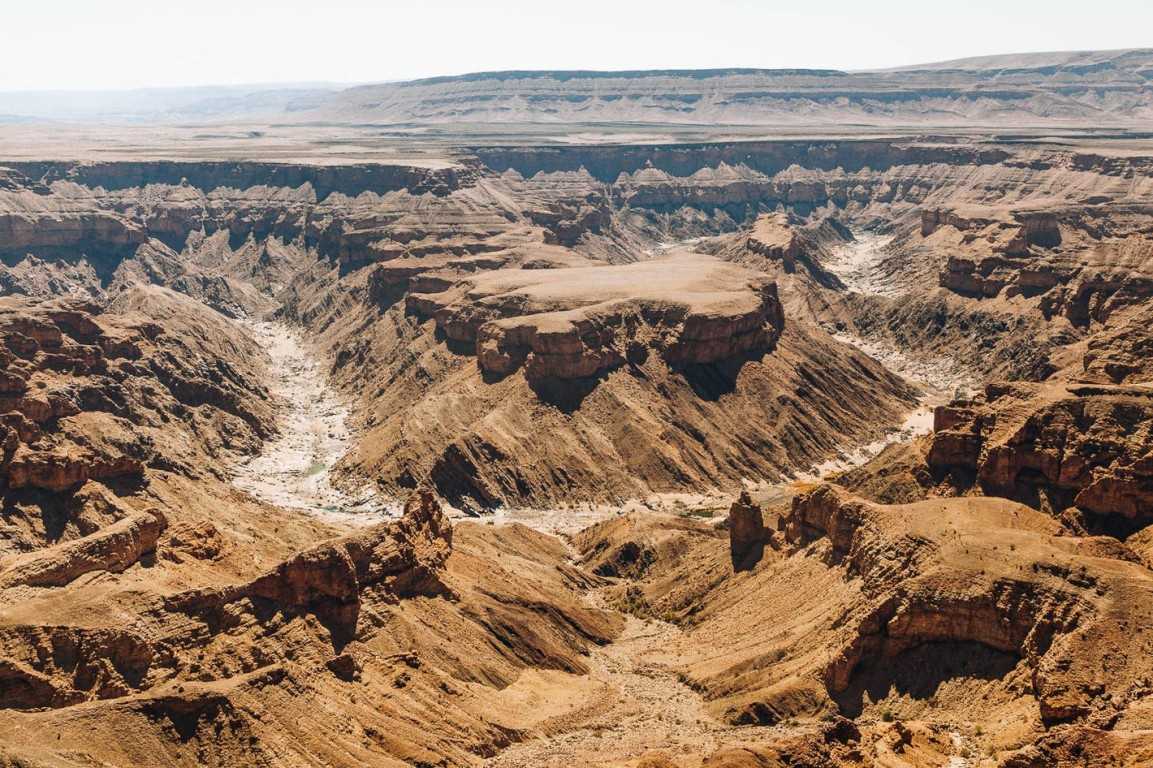
Fish River Canyon in southern Namibia is the largest canyon in Africa and the second largest in the world after the Grand Canyon — 160 km long, 27 km wide and up to 550 metres deep. The five-day Fish River Canyon hiking trail (May to September only, due to flash flood risk in summer) is one of Africa's great wilderness walks: 86 km of river canyon with no facilities, no mobile coverage and no other people. The canyon viewpoints at the main rest area require nothing more than driving to the edge and looking — the view is among the most vertiginous on the continent.
Namibia's people
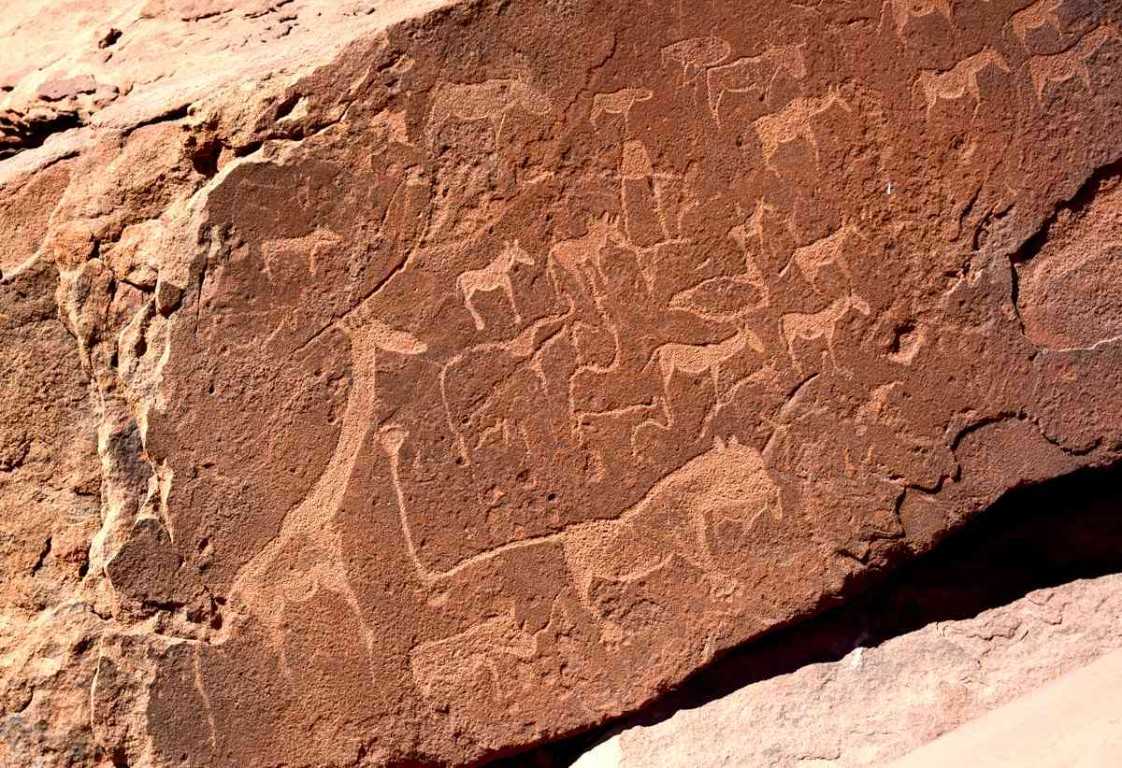
Namibia has a population of just 2.7 million in a country larger than France and Germany combined. The major ethnic groups include the Ovambo (the largest, at 50% of the population), the Kavango, the Herero and the San Bushmen of the Kalahari. The San are among the oldest surviving cultures on Earth, with a hunter-gatherer tradition extending back at least 20,000 years. Cultural visits to San communities in the Kalahari are a meaningful addition to any Namibia itinerary — the tracking and foraging demonstrations are conducted by people who still practice these skills as part of their daily lives, not as performance.
Want to visit Namibia?
Get a free custom safari plan within 24 hours.
All Namibia destinations
 Namibia
 Namibia
 Namibia
 Namibia
 Namibia
 Namibia
 Namibia
 Namibia
 Namibia
Namibia tour packages
Want to visit Namibia?
Get a free custom safari plan within 24 hours.
Best time to visit Namibia
Best time to visit Namibia
May to October — Dry season (best for Etosha wildlife)
Namibia's prime safari window for Etosha National Park. As seasonal water sources dry out across the north, wildlife concentrates at the permanent water holes on the edge of the Etosha Pan. The floodlit water holes at Etosha's rest camps produce the finest nocturnal wildlife viewing in Africa — lion, leopard, black and white rhino, elephant and the full cast of Namibian wildlife arriving after dark. Daytime temperatures are warm (20 to 28°C); nights can be cold (5 to 12°C). Sossusvlei is spectacular in this window with cool morning dune climbs.
June to August — Peak dry season (most comfortable)
The coolest and most comfortable months. Etosha's water holes are at their most productive with maximum wildlife concentration. Sossusvlei dune climbs are comfortable in the cool morning air. The Skeleton Coast is at its most atmospheric with dense coastal fog at dawn. This is the busiest tourist season — book accommodation well ahead for July and August.
February to April — Green season (wildflowers and newborns)
Namibia's summer rainy season transforms the landscape — even the Namib Desert receives occasional moisture, and the Namib-Naukluft's ephemerals bloom briefly after rain. Etosha's savanna is green and lush; newborn animals attract predators. Game viewing is slightly harder with tall grass and dispersed wildlife, but the landscape is beautiful and accommodation is cheaper. Sossusvlei is passable but roads into the dune field can become waterlogged.
September to November — Late dry season (excellent)
An excellent window combining the dry season's wildlife concentration with warming temperatures. Etosha is at its finest in October as water holes reach their most competitive and visited state. November brings the first rains in some areas — the transitional moment when Namibia shifts from its starkly dry desert palette to green is visually dramatic.
Namibia weather & climate
Namibia weather
Namibia is one of the driest countries in sub-Saharan Africa — average annual rainfall ranges from under 25mm on the Skeleton Coast to 600mm in the northeastern Caprivi. Sunshine is nearly guaranteed year-round across most of the country. The primary seasonal variation is temperature rather than cloud cover.
Temperature by region
Windhoek (1,700m): warm year-round, 15 to 30°C in summer (October to April), cool and sunny in winter with nights dropping to 5°C (May to August). Sossusvlei: extreme temperature range — predawn dune climbs can be 8°C while afternoon temperatures reach 40°C in summer. Start dune climbs before sunrise year-round. Etosha: warm to hot year-round (25 to 38°C), slightly cooler May to August. Swakopmund: moderated by the cold Benguela Current — rarely above 25°C and rarely below 12°C year-round, often foggy and cool at dawn regardless of season.
The Benguela Current and Skeleton Coast fog
The cold Benguela Current flowing north from Antarctica along Namibia's Atlantic coast creates the atmospheric conditions for the Skeleton Coast's famous coastal fog — warm desert air meeting cold ocean air, condensing into thick morning mist that can extend 50 km inland. This fog is the reason the Namib Desert receives any moisture at all: desert plants, insects and even the rare desert lion derive moisture from the fog. The fog typically burns off by mid-morning on most days.
Getting to Namibia
Hosea Kutako International Airport (WDH) near Windhoek is Namibia's main international gateway, with direct flights from Frankfurt (Lufthansa, Air Namibia), Johannesburg (South African Airways, Air Namibia, FlySafair), Cape Town (FlySafair, Air Namibia), Nairobi, Addis Ababa and Luanda. There are no direct transatlantic flights — most travellers from Europe connect through Frankfurt or Johannesburg; from North America, connect through Frankfurt, Amsterdam or Johannesburg.
From South Africa, the most common routing is Johannesburg to Windhoek (2 hours, multiple daily flights). Cape Town to Windhoek (2.5 hours) is also well-served. Road entry from South Africa is possible at the Vioolsdrif/Noordoewer border crossing on the Orange River — a scenic but long overland journey.
Domestic charter aircraft serve all major destinations: Windhoek to Etosha (45 minutes to Ondangwa or Mokuti), Windhoek to Sossusvlei (45 minutes to Sesriem), Windhoek to Swakopmund (30 minutes). Self-drivers use Windhoek as their road trip starting point, with the B1 north to Etosha and the B1 south to Sossusvlei forming the two main safari routes.
Namibia travel tips
Visa
Namibia offers visa-free entry to citizens of most European countries, USA, UK, Australia, South Africa, Zimbabwe and many others for stays up to 90 days. Citizens of countries not on the visa-free list should apply for a visa in advance at the Namibian embassy or high commission. Check the current list at mha.gov.na. A valid passport with at least 6 months remaining validity and two blank pages is required.
Self-drive logistics
Namibia is one of Africa's premier self-drive destinations. The B1 and B2 tarred roads connect Windhoek to Etosha, Swakopmund and the south. Gravel C-roads and D-roads cover the rest of the country and are manageable in a standard 4x2 sedan in the dry season on the main routes, but require a high-clearance 4x4 for the Kaokoveld, Damaraland and remote Caprivi routes. Carry a minimum of one spare tyre; two spares recommended for remote routes. Fuel stations are sparse in rural areas — fill the tank at every opportunity.
Currency
Namibian Dollar (NAD), pegged 1:1 to the South African Rand (ZAR). Both currencies are accepted interchangeably throughout Namibia. ATMs in Windhoek, Swakopmund and Etosha rest camps. Carry cash for remote lodges and community campsites where card payment is unavailable. USD and euros can be exchanged at Windhoek airport and major banks.
Health
Malaria is present in the Caprivi Strip (Zambezi Region) and northern Namibia from November to April. Etosha, Windhoek, Sossusvlei, Swakopmund and southern Namibia are malaria-free year-round. No yellow fever vaccination is required unless arriving from an endemic country. Sun protection is critical — Namibia's high altitude desert environment (Windhoek is at 1,700m) and clear skies produce intense UV radiation year-round.
Want to visit Namibia?
Get a free custom safari plan within 24 hours.
Where to stay in Namibia
From budget tented camps to luxury lodges — we'll recommend accommodation that fits your dates, budget, and travel style.
Browse All Lodges