Quick facts
Destinations
15 parks & reserves
Tour categories
0 safari styles
Tours available
6 packages
Climate
About Kenya
About Kenya
Kenya is East Africa's most recognised safari destination — a country that gave the world the Masai Mara, the image of a hot air balloon floating over an ocean of wildebeest at dawn, and the wildlife documentary genre that has shaped how the planet understands wild Africa. More than 40 national parks and reserves cover every major ecosystem, from the open Mara savanna to Samburu's arid thornbush, Mount Kenya's glacial moorland and the coral reefs of Watamu and Malindi on the Indian Ocean coast.
The Masai Mara
The Masai Mara Game Reserve in southwestern Kenya is the northern section of the Serengeti–Mara ecosystem — the same ecological unit as Tanzania's Serengeti, separated only by a national border that means nothing to the animals. Between July and October, the Great Wildebeest Migration moves north from Tanzania into the Mara, and the Mara River crossings begin: hundreds of thousands of animals plunging through crocodile-patrolled water with lion and leopard waiting on the far bank.
The private conservancies adjacent to the Mara — Mara North, Naboisho, Ol Kinyei and others — extend the game viewing area significantly and permit activities unavailable inside the main reserve: off-road driving, night game drives and walking safaris. The conservancy camps offer an exclusive experience with far fewer vehicles per sighting than the public reserve.
Amboseli and Kilimanjaro
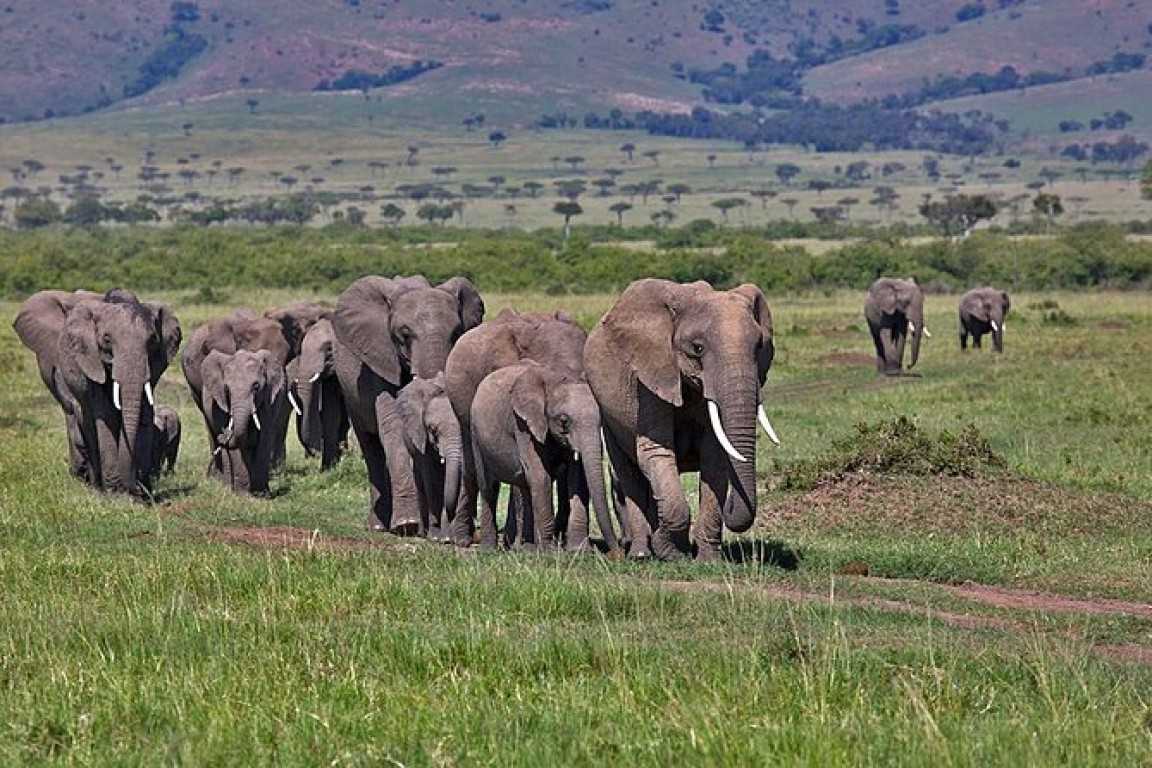
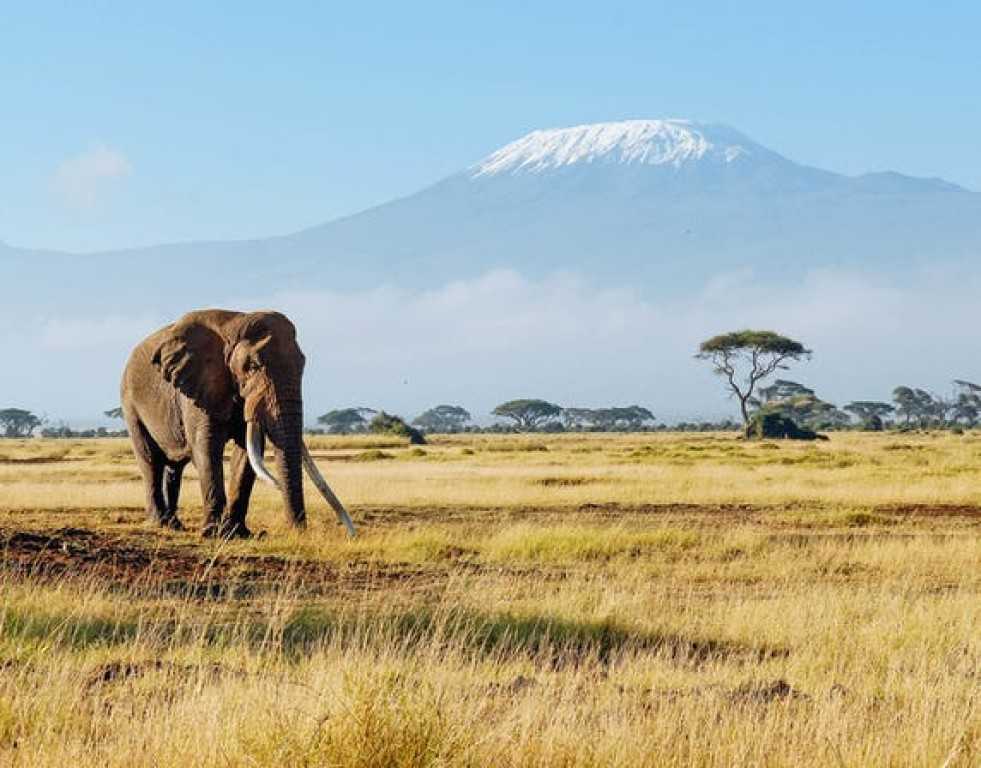
Amboseli National Park sits directly below the Kilimanjaro massif — the defining Africa image of elephant herds with snow-capped mountain rising behind them is an Amboseli photograph. The park's large elephant families have been studied since 1972 by the Amboseli Elephant Research Project, the world's longest-running elephant study. On clear mornings, Kilimanjaro's ice cap is fully visible above the park's swamp and acacia woodland — the best Kilimanjaro views available from Kenya soil.
Northern Kenya — endemic species
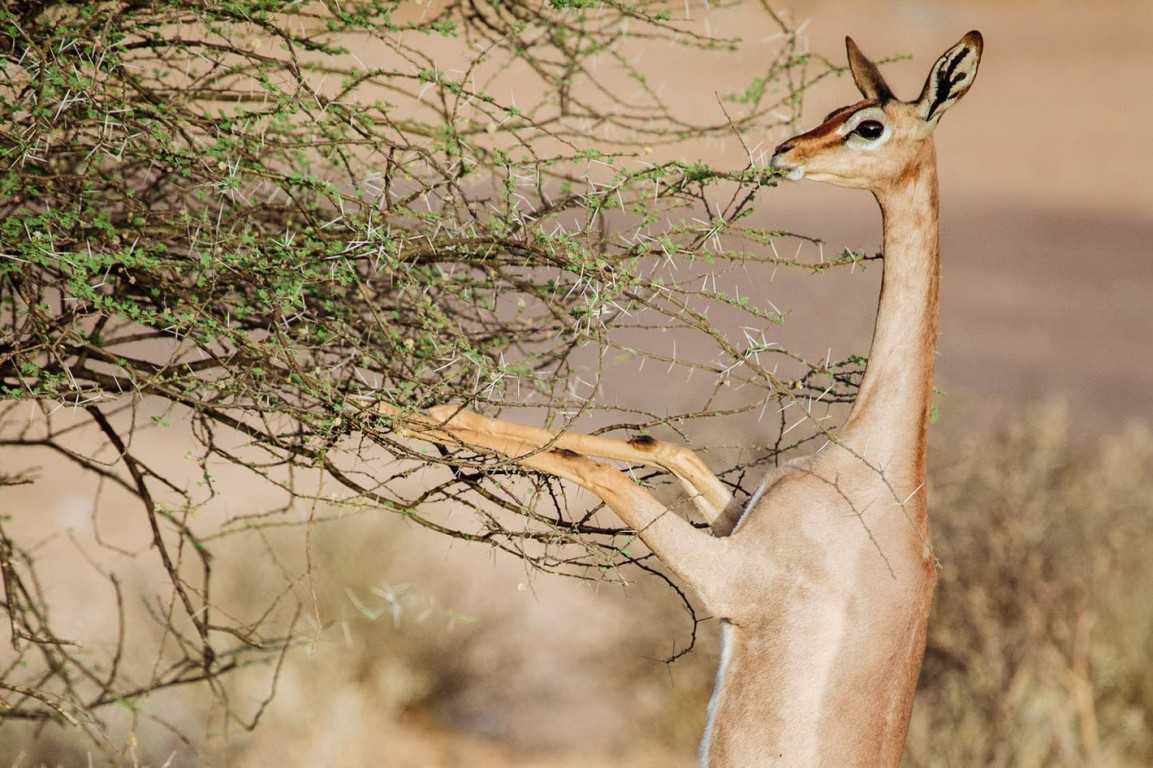
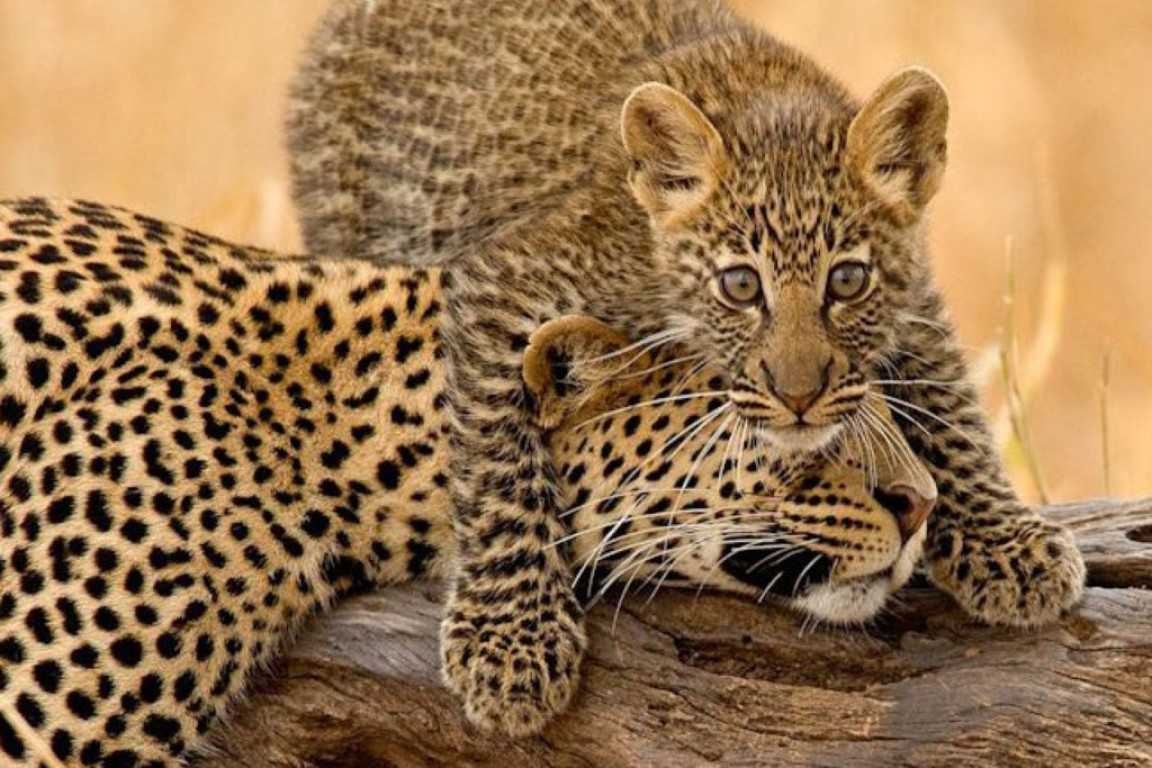
Samburu National Reserve, Buffalo Springs and Shaba in northern Kenya protect a semi-arid ecosystem found nowhere else in East Africa. The "Samburu Special Five" — Grevy's zebra, reticulated giraffe, Somali ostrich, gerenuk and Beisa oryx — are endemic to this northern ecosystem and absent from Tanzania's parks entirely. Combined with lion, leopard, cheetah and elephant on the Ewaso Nyiro River, Samburu provides a wildlife profile completely different from the Mara ecosystem and essential for serious wildlife travellers.
Kenya coast
The Kenya coast — Diani Beach south of Mombasa, Watamu, Malindi and the historic island of Lamu — offers a different East Africa experience: Swahili architecture, coral reef diving and snorkelling, dhow sailing and one of the finest beach resort stretches in the Indian Ocean. Lamu's 14th-century Swahili stone town is a UNESCO World Heritage Site and one of the most intact pre-colonial settlements in sub-Saharan Africa.
People and culture
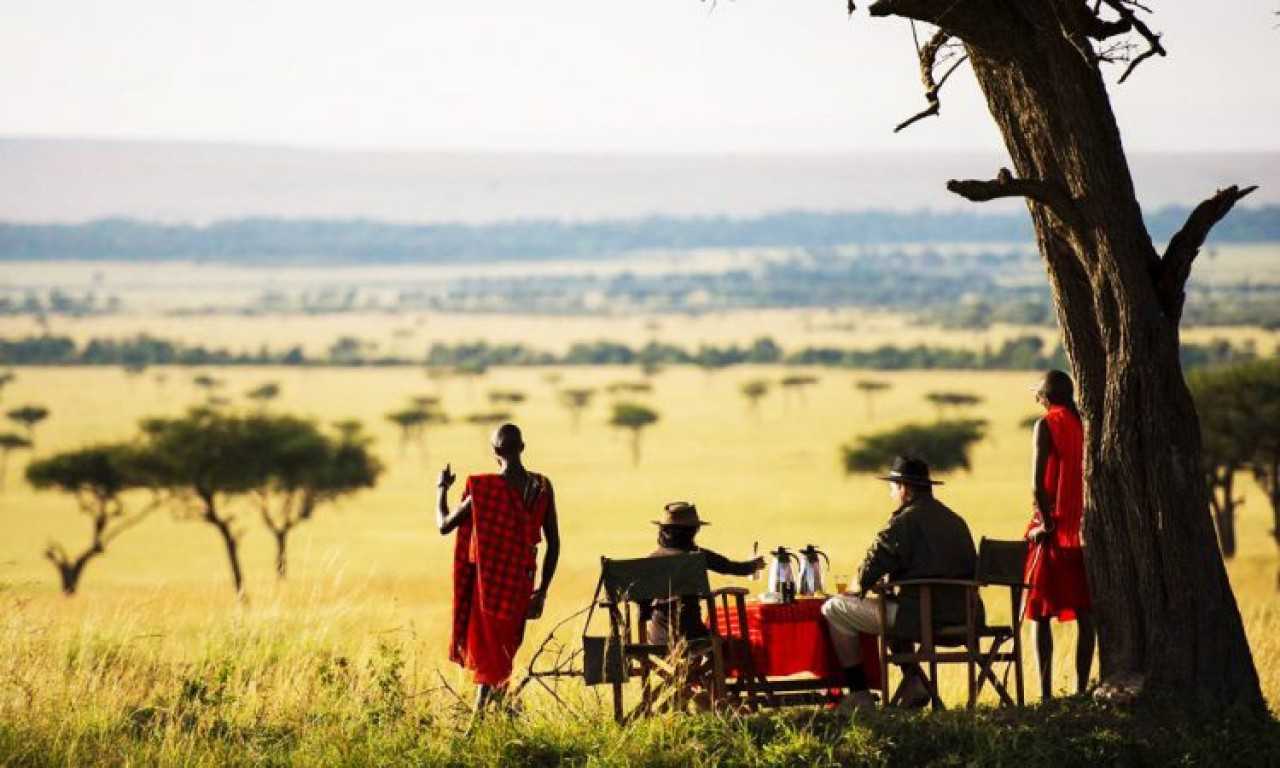
Kenya has 47 ethnic groups, of which the Kikuyu, Luhya, Luo, Kalenjin and Kamba are the largest. Swahili is the national language; English is co-official and universally spoken in business and tourism. The Maasai people — whose traditional territory spans the Kenya-Tanzania border — are the most internationally recognised cultural group, with a distinctive warrior culture, dress and cattle-herding tradition that has persisted alongside the modern economy. Cultural visits to Maasai manyattas adjacent to the Mara and Amboseli are a standard and meaningful addition to any Kenya safari itinerary.
Want to visit Kenya?
Get a free custom safari plan within 24 hours.
All Kenya destinations


 Kenya
Kenya  Kenya
Kenya 
 Kenya
Kenya 

Kenya tour packages


Want to visit Kenya?
Get a free custom safari plan within 24 hours.
Best time to visit Kenya
Best time to visit Kenya
July to October — Masai Mara river crossings
The Great Wildebeest Migration reaches the Masai Mara from Tanzania's Serengeti by late July, and the Mara River crossings — the most dramatic wildlife spectacle in Africa — occur from July through October. This is Kenya's peak season with the highest lodge rates and the most visitors. Book Mara camps 6 to 12 months ahead for August. Game viewing across all Kenya parks is excellent with dry conditions and short grass.
January to February — Dry season with clear Kilimanjaro views
The short dry period between the two rainy seasons. Amboseli is at its finest in January and February — clear skies give the best Kilimanjaro views of the year, and the elephant families are at peak activity around the swamp. The Mara is productive for resident predators; Migration herds are in Tanzania during this window. Good value with lower visitor numbers than July to October.
June — Pre-peak green season
Just before the main tourist season, Kenya is green and beautiful from the long rains. The Mara is recovering its lush vegetation; Migration herds are moving north from Tanzania. Lower rates, fewer vehicles and excellent photographic light in the green landscape. An underrated window for experienced safari travellers.
April to May — Long rains (avoid)
Heavy rainfall across Kenya makes some Mara tracks difficult and reduces game viewing visibility. Most permanent lodges remain open; rates are at their lowest. Not recommended for a first Kenya safari visit.
Kenya weather & climate
Kenya weather by region and season
Kenya's climate varies significantly by altitude and region. Nairobi (1,700m) is comfortably cool year-round (15 to 26°C); the coast is hot and humid; the Masai Mara is warm with two rainy seasons.
June to October — Long dry season
Kenya's finest safari conditions. Masai Mara: 18 to 28°C, cool nights requiring a fleece in the vehicle. Amboseli: warm (22 to 30°C) with clear Kilimanjaro views. Samburu: warm and dry (24 to 32°C). Mombasa coast: warm (26 to 30°C) with the south-east trade wind providing relief.
November to December — Short rains
Brief daily showers, typically in the afternoon. Temperatures remain warm. Game viewing continues well. The landscape turns green quickly after the dry season. The Mara calms down significantly from the peak-season visitor numbers.
January to March — Dry season
Hot and dry. Amboseli is at its best with clear Kilimanjaro views. The coast reaches 28 to 34°C — peak beach season for the Kenyan coast with calm Indian Ocean conditions.
April to May — Long rains
Kenya's main rainy season. Heavy daily rainfall particularly in April. Some Mara tracks close temporarily. Coast experiences rough seas. Most lodges remain open at reduced rates. Not recommended for first-time safari visitors.
Getting to Kenya
Jomo Kenyatta International Airport (NBO) in Nairobi is East Africa's busiest hub, with direct flights from London (British Airways, Kenya Airways), Amsterdam (KLM), Paris (Air France), Dubai (Emirates), Doha (Qatar Airways), Addis Ababa (Ethiopian Airlines) and Johannesburg among many others. Flying time from London is approximately 8.5 hours; from Dubai 5 hours.
Wilson Airport in Nairobi's southern suburbs handles all domestic charter and scheduled light aircraft flights to the Masai Mara, Amboseli, Samburu and other safari destinations. Charter flights from Wilson to the Mara airstrips take 45 minutes; to Amboseli 45 minutes; to Samburu 1.5 hours.
Road access from Tanzania: the Namanga border crossing between Arusha and Nairobi is the most commonly used overland route (4 to 5 hours by road). Mombasa also has an international airport (MBA) with flights from Nairobi, Doha, Dubai and regional cities — useful for Kenya coast holidays without routing through Nairobi.
Kenya travel tips
Visa
Kenya operates an Electronic Travel Authorisation (eTA) system — most nationalities require an eTA before arrival, applied for online at etakenya.go.ke. The eTA replaced the previous visa-on-arrival system in 2024. Cost is $30 for most nationalities. East Africa Tourist Visa ($100) covers Kenya, Uganda and Tanzania on a single permit — ideal for multi-country itineraries. Check current requirements for your nationality before travel.
Currency
Kenyan Shilling (KES). Safari and lodge costs are quoted in USD; USD cash is accepted at most tourist establishments. ATMs in Nairobi, Mombasa and safari towns dispense KES. M-Pesa mobile money is widely used locally. Credit cards accepted at major hotels and lodges; carry KES cash for local markets and smaller purchases.
Health
Malaria prophylactics are recommended for Nairobi (low risk but present) and all safari areas including the Masai Mara, Samburu and Tsavo. Yellow fever vaccination certificate required if arriving from an endemic country. Altitude sickness is a consideration if moving rapidly between Nairobi (1,700m) and higher-elevation areas. Comprehensive travel insurance including medical evacuation is essential.
Safety
Kenya is generally safe for tourists in safari and beach areas. Nairobi requires standard urban vigilance — use licensed taxis or Uber, avoid displaying valuables and be aware in busy areas. The northern border regions near Somalia and Ethiopia carry elevated security risks and are not covered by safari itineraries. The Mombasa coast, Masai Mara, Amboseli and Samburu areas are all safe and well-established tourist destinations.
Want to visit Kenya?
Get a free custom safari plan within 24 hours.