Quick facts
Wildlife
Lake Naivasha supports a large resident hippo population — over 1,000 animals by some estimates, easily viewed on boat safaris. African fish eagle is ubiquitous and famously vocal. The lake holds over 400 bird species including African spoonbill, African darter, great white pelican, jacana and multiple kingfisher species. Crescent Island Sanctuary (privately managed island within the lake) holds giraffe, zebra, wildebeest and eland with no predators — allowing walking safaris up-close with large mammals. Colobus monkeys inhabit the yellow fever trees lining the shore.
Top activities
Hippo boat safari on Lake Naivasha — the main activity, with morning and evening boat trips among the pods. Walking safari on Crescent Island — get out of the vehicle and walk among giraffe, zebra and wildebeest in a predator-free enclosed sanctuary. Cycling Hell's Gate National Park — pedal through the gorge past zebra and giraffe; can be combined with rock climbing on the Fischer's Tower volcanic plug. Crater Lake Game Sanctuary walking safari 30 minutes south. Birdwatching with 400+ species including regular fish eagle perch sightings.
About Lake Naivasha
Lake Naivasha sits at the highest point of the Great Rift Valley at 1,890 metres — a freshwater lake in a chain of soda lakes, its relative freshness explained by the fact that it has an underground outlet that drains through the rift floor. The lake is 90 km from Nairobi, less than 2 hours on the A104 highway, and it offers one of Kenya’s most rewarding and accessible day-trip or overnight safari experiences: hippo boat safaris, a walking sanctuary where you can stroll among giraffe, and a national park next door where you cycle past zebra.
The lake’s shores are lined with yellow fever acacia trees — once blamed for malaria by early European settlers who associated the yellow bark with yellow fever, correctly blaming the trees’ waterlogged habitat for the mosquitoes that actually caused the disease. Today those trees are home to colobus monkeys, weaver birds and the fish eagles whose call is the defining sound of every African lake.
Where is Lake Naivasha?
The lake is in Kenya’s Nakuru County, in the central Rift Valley. The main access town is Naivasha town on the lake’s eastern shore. The main camp and hotel strip runs along Moi South Lake Road on the western shore. From Nairobi: 90 km by road on the A104 Nairobi–Nakuru highway, taking 1.5–2 hours.
Hippo boat safaris
The hippo population of Lake Naivasha has been estimated at over 1,000 animals — an extraordinary density for a lake of this size. Morning boat safaris (typically 06:00–08:00) cruise the lake margin near the papyrus beds where the pods rest in the shallows. The encounters are close, safe from the boat, and consistently spectacular: hippos yawning, sparring, emerging from the water, and occasionally attempting to assert authority over the boat. African fish eagles call from the acacia trees on the shore throughout.
Crescent Island
A privately managed island (actually a peninsula connected to the shore by a narrow causeway) within the lake, Crescent Island Sanctuary is unique in Kenya: a predator-free enclosed wildlife area where you can walk on foot among giraffe, zebra, wildebeest, waterbuck, impala and eland — at close range, on foot, without a vehicle. The island was famously used as a filming location for Out of Africa (1985).
Hell’s Gate National Park
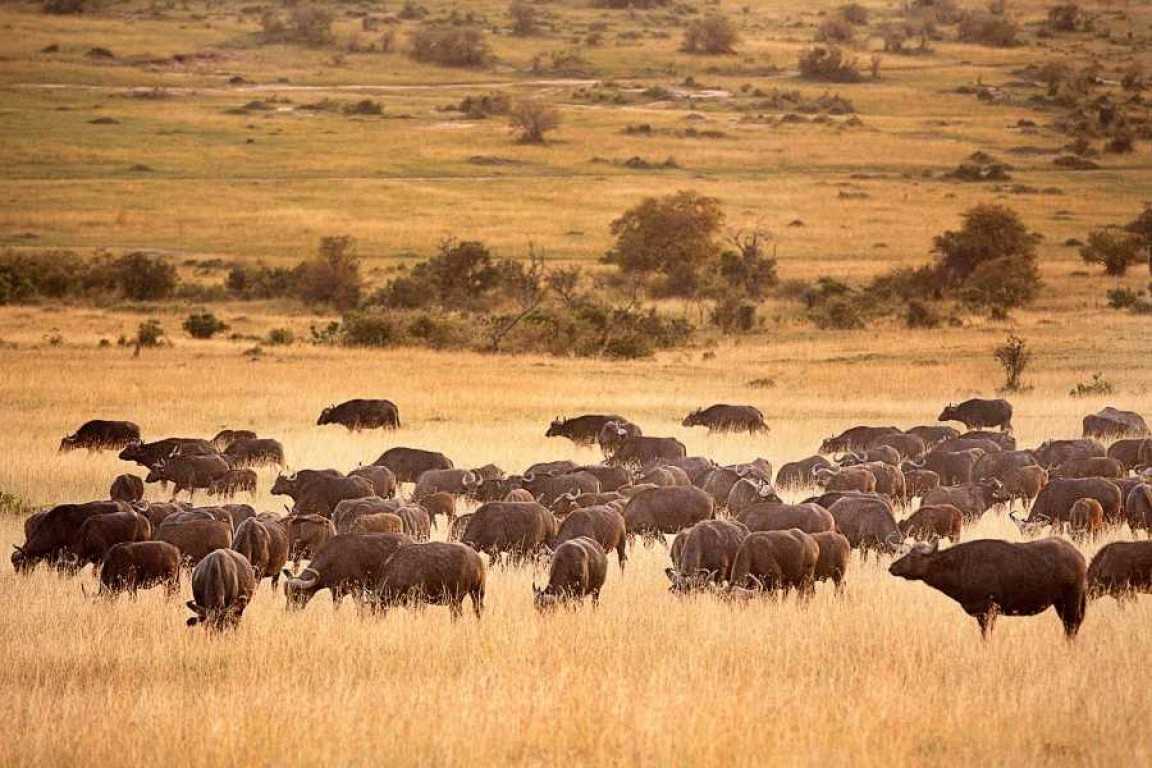
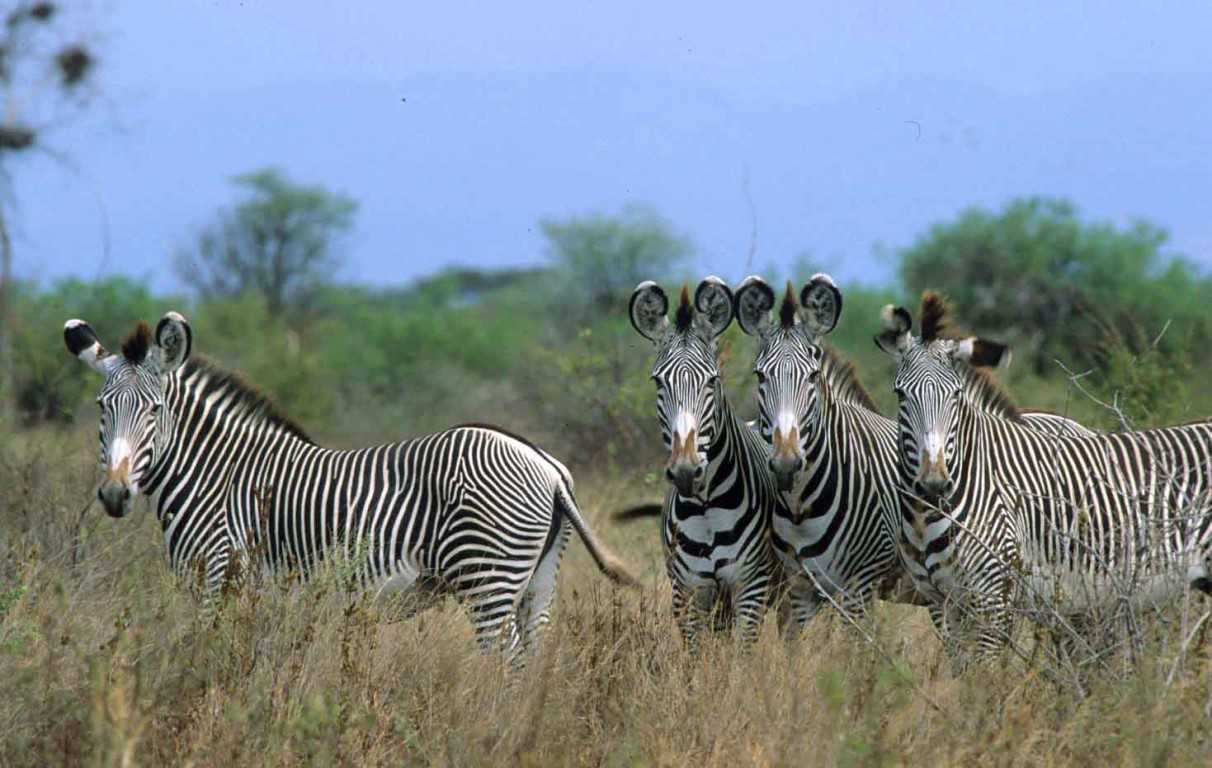
Adjacent to Lake Naivasha, Hell’s Gate National Park is one of Kenya’s most unusual — you cycle through it on a network of tracks past freely roaming zebra, giraffe, eland and buffalo (no big predators in the main cycling area). The gorge walk through Hell’s Gate itself, where the Njorowa Gorge narrows to a 20-metre-wide slot of dramatically coloured rock, is among Kenya’s finest short walks. Fischer’s Tower — an isolated volcanic plug in the gorge — is a technical rock climbing route for experienced climbers.
Combine Lake Naivasha with…
- Lake Nakuru — 1 hour north for rhino and flamingo.
- Masai Mara — 3 hours west through the Rift Valley.
- Nairobi — easily combined as a one-night Nairobi extension.
Frequently asked questions about Lake Naivasha
Is Lake Naivasha safe to swim in?
The hippos make swimming inadvisable in most areas of the lake. The freshwater is bilharzia-risk free in deeper open areas, but the hippo risk is more immediate. A few camps have private jetties with swimming platforms — check with your specific accommodation.
Can you do Hell’s Gate and Lake Naivasha in one day from Nairobi?
Yes, comfortably. Leave Nairobi by 07:00, do a morning hippo boat safari, cycle Hell’s Gate after lunch and be back in Nairobi by early evening. An overnight stay gives a more relaxed pace with Crescent Island added.
Want to visit Lake Naivasha?
Get a free custom safari plan within 24 hours.
Lake Naivasha safari tours
Want to visit Lake Naivasha?
Get a free custom safari plan within 24 hours.
Best time to visit Lake Naivasha
June to September and January to February — Dry seasons (best boat safaris and wildlife)
The two dry windows offer the most reliable conditions for boat safaris, the clearest birdwatching light, and the easiest access to Crescent Island and the lakeside hotels. Hippos are always present and always visible by boat, but the dry season produces the most active morning behaviour. Hell’s Gate cycling is most comfortable in the cooler dry-season temperatures.
October to December — Short rains (lush, migratory birds arrive)
The lake greens and migratory waterbirds arrive from the north in November. Bird diversity is highest in this period. The lake surface becomes more dramatic with storm light. Fewer tourists and lower rates.
March to May — Long rains (lush but some activities limited)
Heaviest rains. Boat safaris continue but weather can be unpredictable. Hell’s Gate cycling is muddier. Good value period for accommodation.
Bottom line: Lake Naivasha is accessible year-round and a strong choice in any dry month. Specifically plan for June–September or January–February for the most reliable all-round experience.
Where to stay in Lake Naivasha

Want to visit Lake Naivasha?
Get a free custom safari plan within 24 hours.