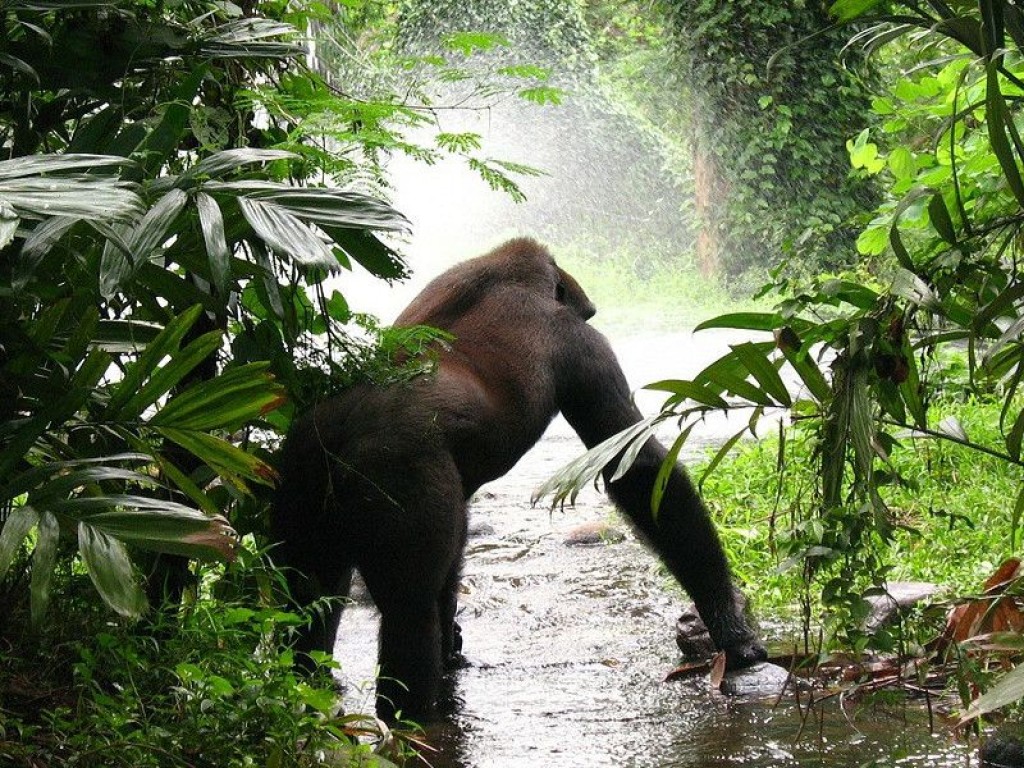
Chimpanzee and gorilla trekking safaris are among the most extraordinary wildlife experiences in Africa. Unlike traditional safaris where travelers observe animals from a vehicle, trekking safaris allow visitors to walk through tropical forests in search of primates living in their natural habitat.
These adventures take travelers deep into remote forests and national parks where they can encounter some of the closest relatives to humans in the animal kingdom. Watching chimpanzees interact in the trees or coming face-to-face with a mountain gorilla family in the misty forests is an unforgettable experience.
Chimpanzee trekking is possible in Tanzania’s western national parks such as Gombe Stream and Mahale Mountains, while gorilla trekking is typically done in neighboring countries like Rwanda and Uganda. Many travelers combine these experiences with a classic wildlife safari in Tanzania.
To understand how primate trekking fits into a safari itinerary, explore the Tanzania Safari Guide.
What Is Chimpanzee and Gorilla Trekking?
Chimpanzee and gorilla trekking is a guided forest hike where visitors track primate families in their natural environment. Experienced guides and trackers locate the animals by following signs such as footprints, calls, and feeding areas.
Once a group of chimpanzees or gorillas is found, visitors are allowed to observe them from a safe distance for a limited period of time.
Chimpanzee Trekking
Chimpanzee trekking takes place in tropical forest habitats where chimpanzees move freely through trees and across the forest floor.
Chimpanzees are extremely social animals that live in communities and display fascinating behaviors including:
-
Grooming and social bonding
-
Tool use
-
Communication through vocalizations
-
Hunting and feeding interactions
Watching chimpanzees in the wild provides insight into the behavior of one of humanity’s closest relatives.
Learn more in the Chimpanzee Trekking Tanzania Guide.
Gorilla Trekking
Gorilla trekking involves hiking through mountain forests to locate gorilla families. Once found, visitors can spend up to one hour observing these magnificent animals.
Mountain gorillas are gentle giants that live in family groups led by a dominant silverback male.
Observing a gorilla family interact in the wild is widely considered one of the most powerful wildlife experiences on Earth.
Best Places for Chimpanzee Trekking in Tanzania
Tanzania offers two of the most famous chimpanzee trekking destinations in Africa.
Gombe Stream National Park
Gombe Stream National Park is one of the smallest national parks in Tanzania but also one of the most famous primate research sites in the world. It is here that Jane Goodall conducted groundbreaking studies of wild chimpanzees.
Located along the shores of Lake Tanganyika in western Tanzania, Gombe offers visitors the chance to trek through lush forests and observe chimpanzee families in their natural habitat.
Chimpanzee trekking in Gombe involves hiking through forest trails with experienced guides who track chimpanzee groups.
Learn more in the Gombe Chimpanzee Trekking Guide.
Popular tours include:
Mahale Mountains National Park
Mahale Mountains National Park is one of the most remote and beautiful national parks in Africa. Located on the shores of Lake Tanganyika, the park features dramatic mountains, tropical forests, and crystal-clear waters.
Mahale is home to one of the largest populations of wild chimpanzees in Africa. Trekking here often involves hiking through dense forest terrain with stunning views of the lake.
The remote location makes Mahale one of the most exclusive chimpanzee trekking destinations in Africa.
Tours include:
Visitors often compare trekking in Mahale and Gombe. Learn more in the Mahale vs Gombe Guide.
Best Destinations for Gorilla Trekking
Although Tanzania does not host gorilla trekking, many travelers combine Tanzania safaris with gorilla trekking in Rwanda or Uganda.
Volcanoes National Park – Rwanda
Volcanoes National Park in Rwanda is one of the most famous gorilla trekking destinations in the world. Located in the Virunga Mountains, the park protects several gorilla families that visitors can track.
Gorilla trekking in Rwanda involves hiking through bamboo forests and volcanic slopes before encountering a gorilla family.
Popular tours include:
Bwindi Impenetrable Forest – Uganda
Bwindi Impenetrable National Park in Uganda is another major gorilla trekking destination. The park’s dense forest provides a unique environment where visitors can encounter gorilla families living in the wild.
Popular tours include:
What to Expect on a Primate Trekking Safari
Chimpanzee and gorilla trekking safaris follow a carefully organized process designed to protect wildlife and provide safe experiences for visitors.
Trekking Through the Forest
Treks usually begin early in the morning when primates are most active. Guides lead visitors through forest trails while trackers search for signs of the animals.
Depending on the location of the animals, the trek may take anywhere from 30 minutes to several hours.
Encountering the Primates
Once the animals are located, visitors are allowed to observe them for a limited period.
During this time travelers may see:
-
Chimpanzees feeding in trees
-
Gorillas interacting in family groups
-
Young primates playing with each other
-
Grooming and social behaviors
Photography and Observation
Visitors are allowed to take photos but must follow strict rules to ensure animals are not disturbed.
Guides provide instructions about safe viewing distances and respectful behavior.
Best Time for Chimpanzee and Gorilla Trekking
Primate trekking is possible year-round, but weather conditions can influence trekking difficulty.
Dry Season (June – October)
This is considered the best time for trekking because trails are less muddy and hiking conditions are easier.
Advantages include:
-
Clear forest trails
-
Easier hiking conditions
-
Comfortable weather
Green Season (November – May)
During the rainy season forests become lush and beautiful, but trekking trails may be slippery.
However, the green season also means fewer visitors and more peaceful trekking experiences.
Learn more about travel seasons in the Best Time to Visit Tanzania Guide.
Combine Primate Trekking with a Tanzania Safari
Many travelers combine chimpanzee or gorilla trekking with a classic wildlife safari in Tanzania.
A typical itinerary might include:
-
A Big Five safari in Serengeti and Ngorongoro
-
Chimpanzee trekking in western Tanzania
-
A beach holiday in Zanzibar
Explore wildlife safaris in the Tanzania Wildlife Safari Guide.
You can also combine these experiences with a beach holiday by visiting Zanzibar. Learn more in the Zanzibar Travel Guide.
How Much Does Chimpanzee and Gorilla Trekking Cost?
Primate trekking safaris tend to be more expensive than traditional safaris due to conservation permits and limited visitor numbers.
Costs usually include:
-
Trekking permits
-
Park entry fees
-
Professional guides and trackers
-
Accommodation and transport
Permit fees for gorilla trekking are typically higher than chimpanzee trekking.
Learn more about safari pricing in the Tanzania Safari Cost Breakdown.
Tips for Primate Trekking Safaris
Prepare for Hiking
Chimpanzee and gorilla trekking involves hiking through forest terrain. Good physical fitness and comfortable hiking boots are recommended.
Follow Guide Instructions
Guides provide important instructions to ensure safety and protect wildlife.
Respect Wildlife
Visitors must maintain safe distances and avoid disturbing the animals.
Pack Essential Gear
Useful items include:
-
Waterproof hiking boots
-
Rain jacket
-
Camera with zoom lens
-
Insect repellent
-
Drinking water
Frequently Asked Questions About Primate Trekking
Is chimpanzee trekking difficult?
Trekking difficulty varies depending on forest terrain and animal locations. Some treks are short while others may involve longer hikes.
How close can you get to gorillas?
Visitors are usually required to stay about 7 meters away from gorillas to protect both humans and animals.
How long can you spend with the animals?
Most parks allow visitors to spend about one hour observing the animals once they are located.
Is chimpanzee trekking safe?
Yes. Trekking is conducted with trained guides who ensure safe and responsible wildlife encounters.
Plan Your Chimpanzee and Gorilla Trekking Safari
Chimpanzee and gorilla trekking safaris provide some of the most intimate wildlife experiences in Africa. Walking through tropical forests and encountering primates in their natural habitat creates unforgettable memories for travelers.
Whether you want to track chimpanzees in Tanzania’s western forests or visit gorilla families in Rwanda or Uganda, these experiences can easily be combined with a traditional wildlife safari.
Start planning your adventure with the Tanzania Safari Guide or explore safari tours in Tanzania Safari Packages.
Your primate trekking adventure awaits.