Quick facts
Wildlife
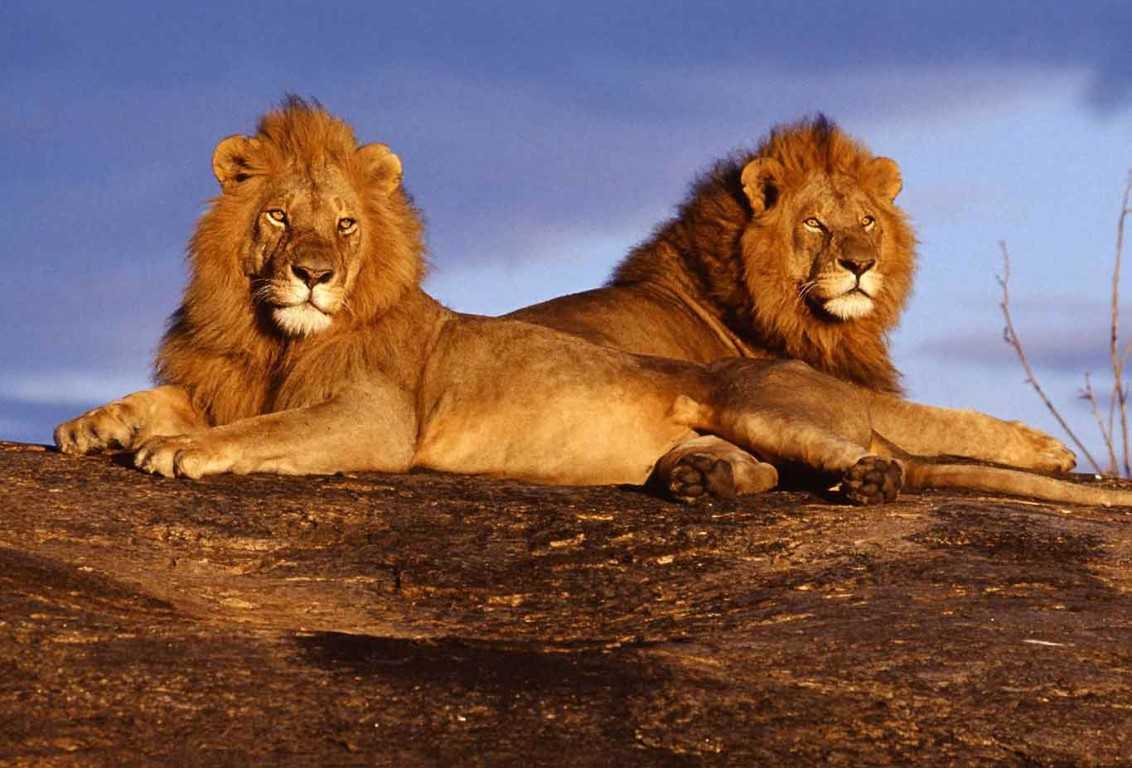
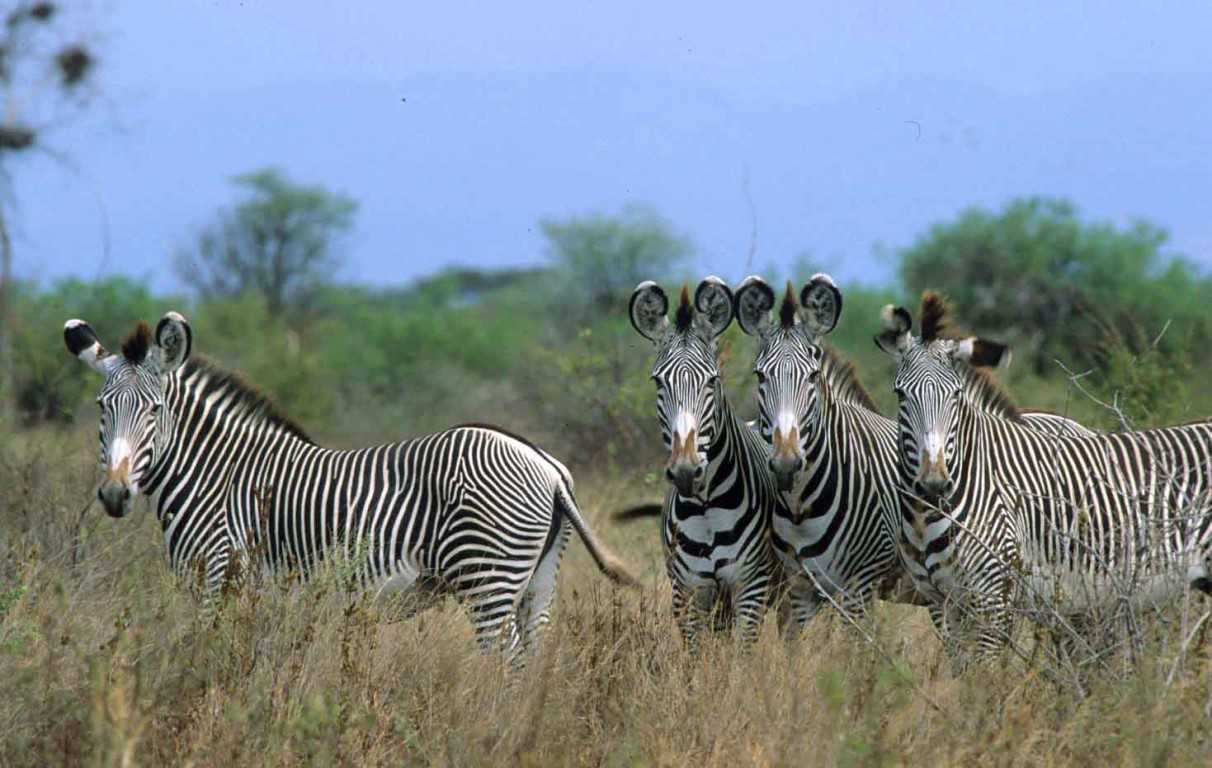
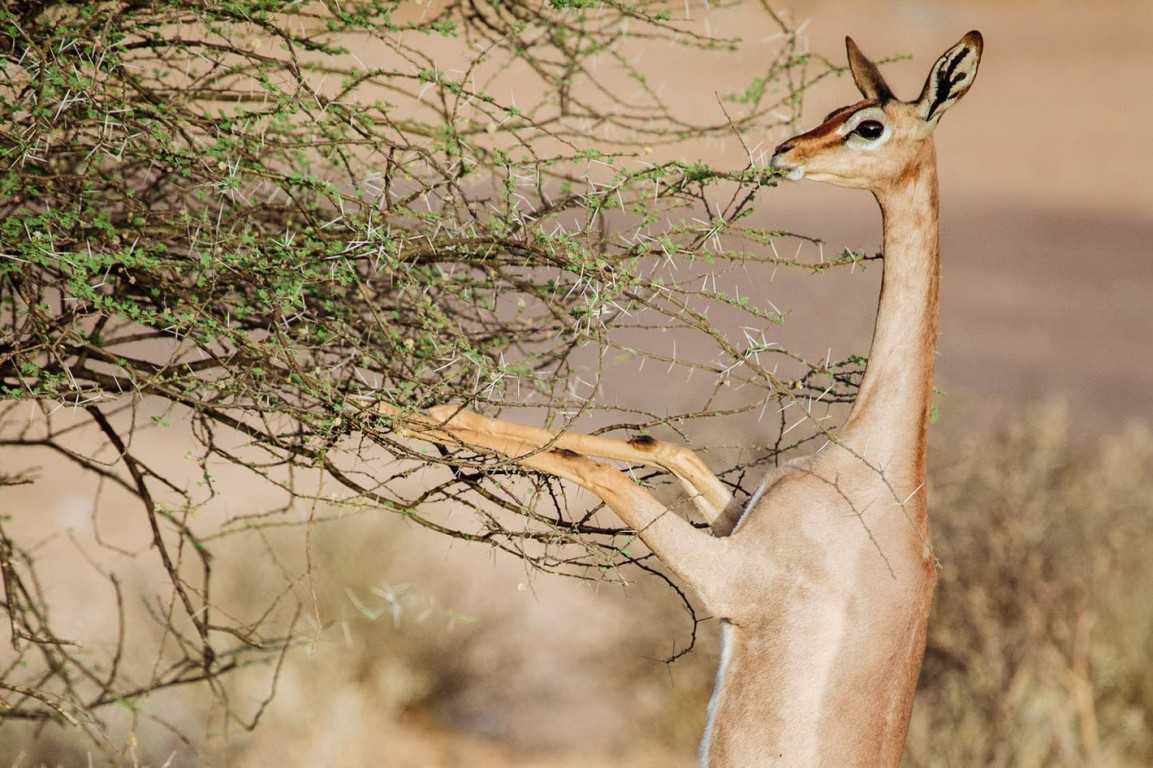
Samburu's great distinction is the "Samburu Special Five" — dry-country northern species absent from Kenya's southern parks: reticulated giraffe (boldly patterned, much larger patches than Maasai giraffe), Grevy's zebra (narrower stripes, white belly, endangered), Somali ostrich (blue-grey neck in breeding males), gerenuk (long-necked antelope that stands upright to browse), and Beisa oryx. Alongside the specials: elephant, lion, leopard, cheetah, Nile crocodile in the Ewaso Ngiro River, and over 350 bird species.
Top activities
Game drives targeting the Samburu Special Five — reticulated giraffe, Grevy's zebra, Somali ostrich, gerenuk and Beisa oryx. Riverside drives along the Ewaso Ngiro for crocodile, elephant and lion. Night drives in private conservancies bordering the reserve. Guided bush walks in designated buffer zones. Cultural visits to Samburu, Rendille and Turkana communities — one of Kenya's most diverse ethnic border regions. Camel rides with Samburu guides. Birdwatching for Somali and arid-zone endemic species.
About Samburu, Buffalo Springs, and Shaba National Reserves
Every Kenya safari itinerary starts at the Masai Mara. The travellers who add Samburu National Reserve to their circuit come back talking about Samburu more. That is not a slight against the Mara — it is a reflection of how completely unexpected and rewarding Kenya’s northern frontier can be for anyone who has not been.
Samburu sits 330 km north of Nairobi in Kenya’s arid Northern Frontier District, in a landscape of acacia scrub, termite mounds, dry riverbeds and one extraordinary constant: the brown, muddy Ewaso Ngiro River, which cuts through the reserve and sustains everything. The three reserves — Samburu, Buffalo Springs and Shaba — together cover 580 square kilometres of this semi-desert, and they hold a collection of wildlife found nowhere else in Kenya’s mainstream parks: the Samburu Special Five.
Where is Samburu?
The reserves are in Kenya’s Samburu and Isiolo counties, roughly 330 km north of Nairobi by road (5–6 hours), or a 1-hour scheduled flight from Nairobi’s Wilson Airport to Samburu Airstrip. The reserves are separated by the Ewaso Ngiro River: Samburu on the north bank, Buffalo Springs on the south, and Shaba 20 km east.
The Samburu Special Five
The five dry-country northern species that define a Samburu safari:
- Reticulated giraffe — distinct from the Maasai giraffe of the south in its bold, large-patch pattern with clear white borders. The tallest and most striking of Africa’s giraffe subspecies.
- Grevy’s zebra — the world’s largest wild equid and one of Africa’s most endangered mammals, with narrow pinstripe markings, a white belly and enormous rounded ears. Samburu is one of the best places to see them.
- Gerenuk — the “giraffe gazelle”, with an extraordinarily long neck and the ability to stand on its hind legs to reach browse 2 metres off the ground. Unmistakeable once seen.
- Beisa oryx — a large antelope with spectacular straight horns and a striking black-and-white face, built for extreme arid conditions. Common in Samburu, absent from the Mara.
- Somali ostrich — distinct from the common ostrich in the male’s blue-grey neck (vs pink in the common species). Recently reclassified as a separate species.
The Ewaso Ngiro River
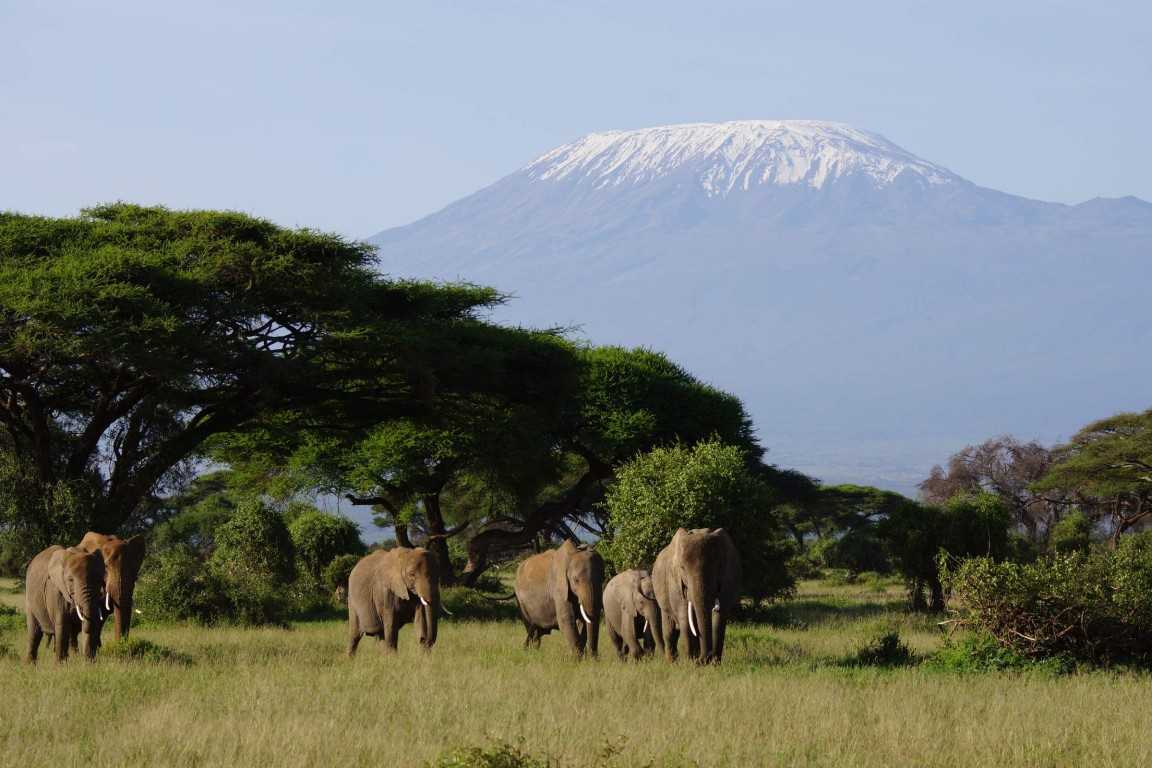
In a reserve where rainfall is sparse and unpredictable, the Ewaso Ngiro is life. Elephants wade and drink; lion prides work the banks at dusk; enormous Nile crocodiles bask on midstream rocks; hippos occupy the deeper pools. Riverside drives in the late afternoon produce some of the most concentrated wildlife viewing in Kenya — game coming to drink in the failing light, predators moving into position.
Samburu culture
The Samburu people — closely related to the Maasai in language and pastoralist culture, but distinct in their own identity and traditions — live around and through the reserve. The northern frontier also has significant Rendille, Turkana and Borana communities, making this one of Kenya’s most ethnographically diverse safari regions. Community-managed cultural visits are available from most camps.
Shaba National Reserve
East of the main Samburu–Buffalo Springs complex, Shaba is less visited and more dramatic in its terrain — lava flows, volcanic hills and the Ewaso Ngiro running through a wilder, rockier landscape. It is famous as the location where Joy Adamson (of Born Free fame) rehabilitated Penny the leopard, and where she was murdered in 1980. The reserve is excellent for leopard and gerenuk in a quieter setting than Samburu.
Combine Samburu with…
- Masai Mara — the classic north-to-south Kenya circuit: fly Nairobi–Samburu–Mara.
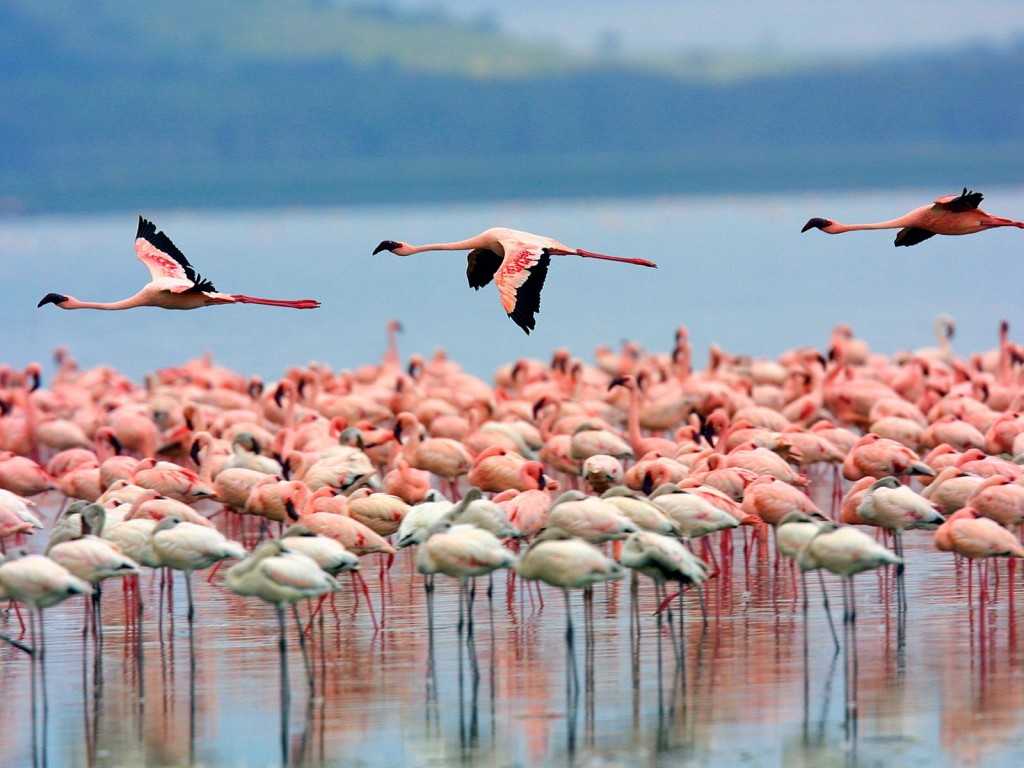
- Lake Nakuru — rhino and flamingo on the drive south from Samburu.
- Ol Pejeta Conservancy — the rhino and chimp sanctuary en route between Samburu and the Mara.
Frequently asked questions about Samburu
What makes Samburu different from the Masai Mara?
Completely different ecosystem and species. The Mara is tropical savanna with the Great Migration; Samburu is semi-desert with the Special Five. They are complementary, not competing, and most serious Kenya safari travellers visit both.
Are the three reserves (Samburu, Buffalo Springs, Shaba) different parks?
They are separately gazetted but form one contiguous wildlife area. Samburu and Buffalo Springs are separated by the Ewaso Ngiro River and share the same wildlife population. Shaba is slightly east and has a distinctly different, more rugged terrain.
Can I see all five Special Five in one day?
On a good day, yes — all five are resident in the reserve year-round. Your guide will know the current locations of gerenuk, Grevy’s zebra and Somali ostrich from daily tracking. Two full days gives much higher certainty.
Want to visit Samburu, Buffalo Springs, and Shaba National Reserves?
Get a free custom safari plan within 24 hours.
Samburu, Buffalo Springs, and Shaba National Reserves safari tours
Want to visit Samburu, Buffalo Springs, and Shaba National Reserves?
Get a free custom safari plan within 24 hours.
Best time to visit Samburu
July to October — Long dry season (peak game viewing)
The extended dry season concentrates wildlife dramatically along the Ewaso Ngiro River — the only permanent water source for miles in any direction. Elephant herds numbering several hundred converge on the riverside. Lion prides work the banks. The Special Five are consistently visible as the vegetation thins. This is the best window for all-round game viewing in the reserve.
January to February — Short dry season (good, fewer visitors)
A second productive dry window with excellent wildlife visibility and significantly fewer tourists than the July–October peak. Good value for the same quality experience. The Special Five are reliably present.
November to December — Short rains (lush, transitional)
Brief rains green the landscape and bring migratory birds. Game viewing is still very good — the reserve retains its resident fauna year-round. Fewer visitors and lower rates.
March to May — Long rains (reduced access)
Some tracks in the reserve become difficult after heavy rain. The reserve is quietest and rates are lowest. Wildlife is harder to find in denser vegetation.
Bottom line: July to October for the definitive Samburu experience. January–February for the same quality at lower prices.
Where to stay in Samburu, Buffalo Springs, and Shaba National Reserves
We'll recommend accommodation across all budget levels based on your dates and preferences.
Browse All LodgesWant to visit Samburu, Buffalo Springs, and Shaba National Reserves?
Get a free custom safari plan within 24 hours.