Quick facts
Wildlife
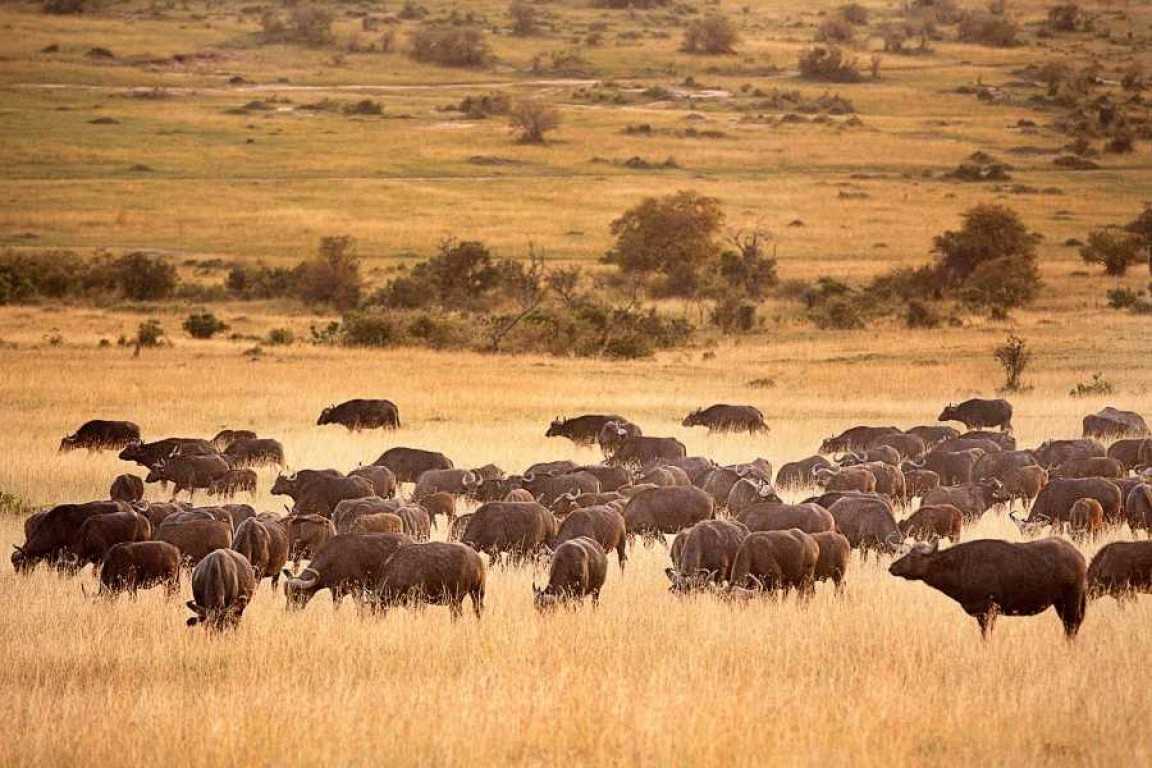
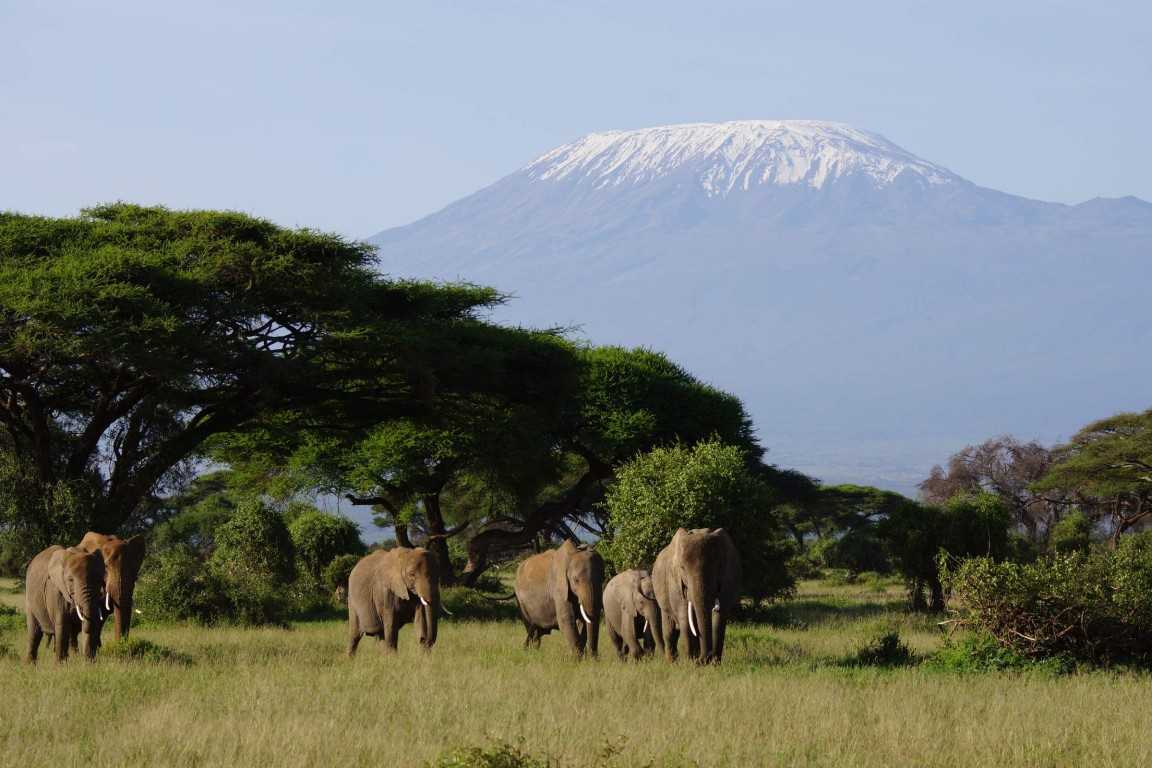
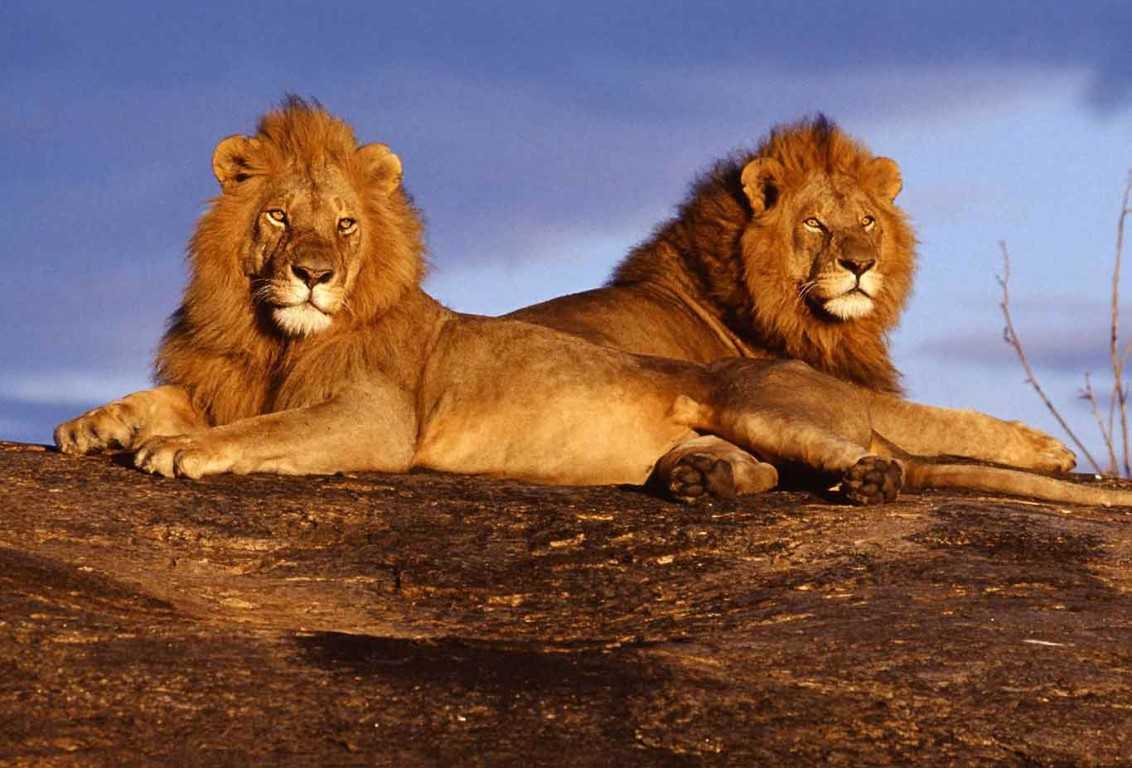
Tsavo holds Kenya's largest elephant population — bulls coated red from dust-bathing in the red volcanic soil are the park's signature image. Lion, leopard, cheetah and wild dog are all present. Tsavo East is known for large herds of buffalo and arid-adapted species including fringe-eared oryx, gerenuk and lesser kudu. Tsavo West has black rhino at the Ngulia Rhino Sanctuary. The Mzima Springs in Tsavo West support hippo and crocodile in crystal-clear water. Over 500 bird species across both parks.
Top activities
Game drives through Tsavo East's vast open plains for red elephant herds, buffalo and big cats. Mzima Springs underwater viewing chamber — watch hippos and crocodiles from below the waterline. Lugard Falls gorge walk in Tsavo East — the Galana River forced through ancient rock channels. Ngulia Rhino Sanctuary guided visit in Tsavo West. Shetani Lava Fields walk — a moonscape of 200-year-old lava adjacent to Tsavo West's Chyulu Hills. Ngulia Hills bird ringing station — famous for Palearctic migrant trapping in October and November. Night drives in private conservancies.
About Tsavo National Park
Tsavo National Park is Kenya’s largest protected area, split by the Nairobi–Mombasa highway into Tsavo East and Tsavo West. Together they cover 22,000 square kilometres — larger than some countries and home to Kenya’s biggest elephant population, its most dramatic lava fields, underground springs with underwater hippo viewing, and a dark piece of colonial history: the Man-Eaters of Tsavo.
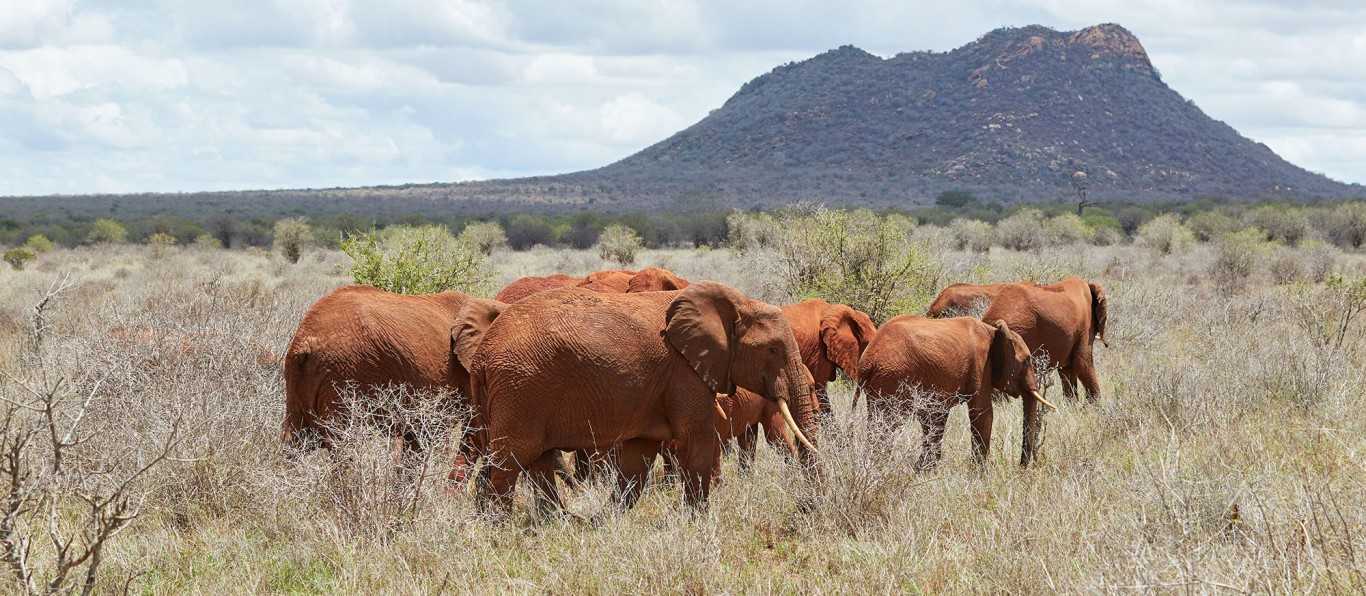
Despite its size and proximity to Mombasa (a 3-hour drive), Tsavo receives fewer visitors than the Masai Mara or Amboseli — meaning game drives here have a wildness and exclusivity that more famous parks struggle to replicate. The park’s signature animal is immediately recognisable: elephants caked red from dust-bathing in the iron-rich volcanic soil, their grey skin entirely obscured, moving in vast slow herds across the red-earth plains.
Tsavo East vs Tsavo West
The two parks have distinct characters and wildlife emphases:
Tsavo East is the larger (13,747 sq km), drier and more open of the two — semi-arid savanna of red earth and commiphora scrub, cut by the Galana River. It is the better choice for large mammal game viewing: elephant herds in the hundreds, large buffalo aggregations, lion prides on the open plains. The landscape is dramatic in its spare, minimalist beauty. Lugard Falls — where the Galana River is squeezed through a narrow ancient rock channel — is worth a morning stop.
Tsavo West is smaller (9,065 sq km), more varied in terrain and generally considered the more scenic park. It contains the volcanic Shetani Lava Fields (a vast field of jet-black lava that erupted around 200 years ago), the Chyulu Hills (a young volcanic range of extraordinary green beauty), and the extraordinary Mzima Springs.
Mzima Springs
One of Kenya’s most unusual wildlife experiences: a series of crystal-clear freshwater springs rising from ancient lava rock at a rate of 227 million litres per day, fed by rainfall on the Chyulu Hills filtering underground. The water is so clear that an underwater viewing chamber lets you watch hippos — which appear to hover weightlessly mid-water — and enormous Nile crocodiles from below the waterline. A surreal and wonderful 30-minute stop.
The Man-Eaters of Tsavo
In 1898, two maneless male lions killed an estimated 28–135 railway workers (accounts vary) building the Kenya-Uganda Railway bridge over the Tsavo River. The event became the subject of Lt. Colonel J.H. Patterson’s 1907 book and several subsequent films. The lions’ preserved skins are now in the Field Museum in Chicago. Visiting the Tsavo River bridge site — now marked with a historical plaque — is a quietly atmospheric stop available from Tsavo East camps.
Ngulia Rhino Sanctuary
A fenced, intensively managed sanctuary within Tsavo West protecting a growing population of eastern black rhino. Guided visits allow driving within the sanctuary under ranger escort. Rhino sightings are not guaranteed but the population has grown substantially since the sanctuary was established in 1987.
Combine Tsavo with…
- Amboseli — a natural Kenya southern circuit: Tsavo East–Amboseli–Tsavo West or vice versa.
- Mombasa coast — 3 hours southeast; combine bush and beach.
- Masai Mara — fly north for the migration season.
- Mkomazi National Park — cross the Tanzania border; the two parks share a continuous ecosystem.
Frequently asked questions about Tsavo
Should I visit Tsavo East or Tsavo West?
Tsavo East for open plains, vast elephant herds and big-sky red-earth landscape. Tsavo West for the Mzima Springs, Shetani lava fields, Chyulu Hills scenery and rhino. Most dedicated Kenya itineraries include both; if choosing one, Tsavo East for wildlife, Tsavo West for scenery.
Why are Tsavo elephants red?
Tsavo’s red volcanic dust coats the elephants when they dust-bathe — a behaviour used to regulate temperature and deter insects. The local soil has a high iron oxide (laterite) content that produces the distinctive red staining.
Is Tsavo good for self-drive safari?
Tsavo East in particular has well-maintained roads and reasonable signage, making it more self-drive friendly than most Kenya parks. A high-clearance 4WD is recommended for the interior tracks. Tsavo West’s hilly terrain and narrow roads are more challenging to navigate independently.
Want to visit Tsavo National Park?
Get a free custom safari plan within 24 hours.
Tsavo National Park safari tours

Want to visit Tsavo National Park?
Get a free custom safari plan within 24 hours.
Best time to visit Tsavo National Park
June to October — Long dry season (best game viewing in both parks)
The dry season concentrates wildlife around permanent water sources — the Galana River in Tsavo East and the Mzima Springs in Tsavo West. Red elephant herds are most visible as vegetation thins. Lions are easier to spot in shorter grass. The Ngulia Rhino Sanctuary is most accessible. Road conditions are at their best in the park’s vast interior.
January to February — Short dry season (good game viewing, quieter)
A second productive window with excellent game viewing and fewer visitors than the June–October peak. Kilimanjaro views from western Tsavo East on clear mornings. Good value period.
October to November — Migrant birds (Ngulia ringing station)
The Ngulia Hills in Tsavo West host one of Africa’s most remarkable bird ringing operations during October and November — when hundreds of thousands of Palearctic migrants pass through, sometimes caught in their thousands in a single foggy night. A unique and extraordinary event for birding visitors.
April to May — Long rains (many tracks impassable)
Tsavo East’s black cotton soil becomes deeply muddy and many interior roads are impassable. Not recommended for a standard safari. Some operators use this period for road maintenance.
Bottom line: June to October for the definitive Tsavo experience. October–November for the Ngulia bird ringing phenomenon.
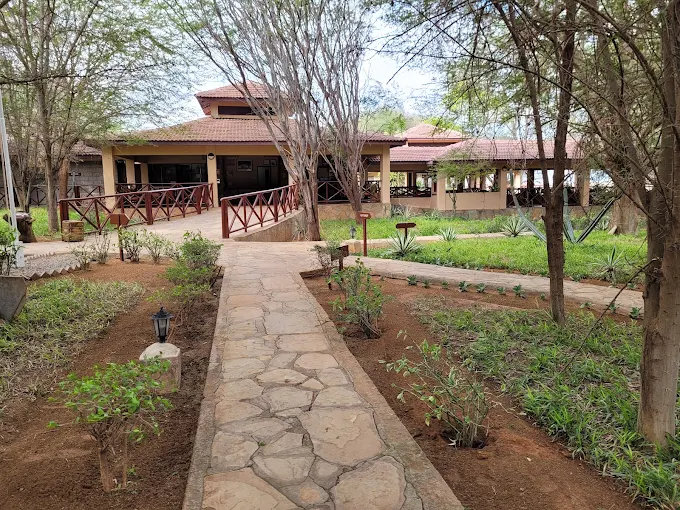
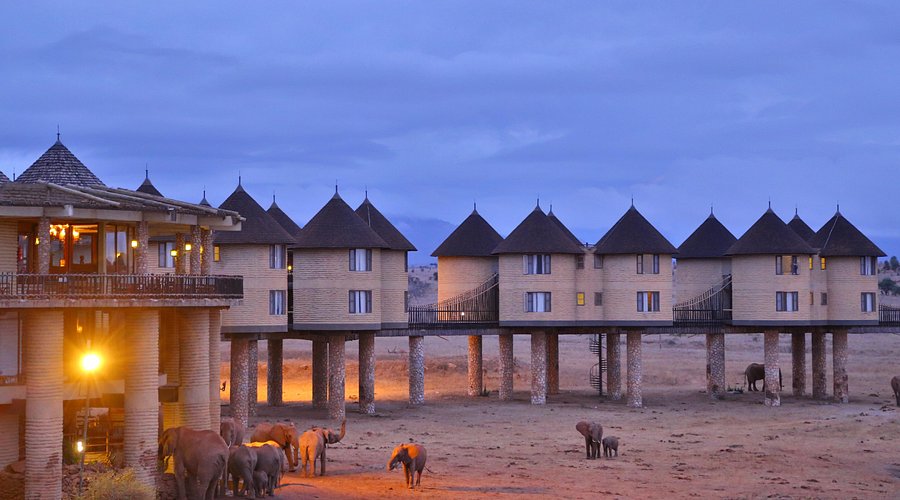
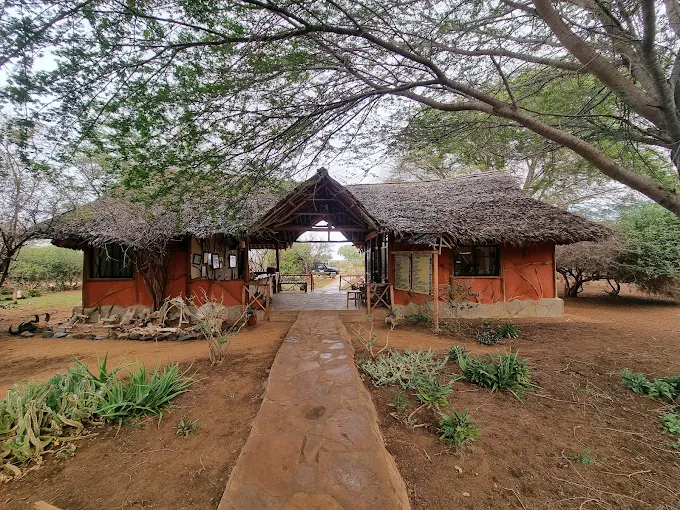
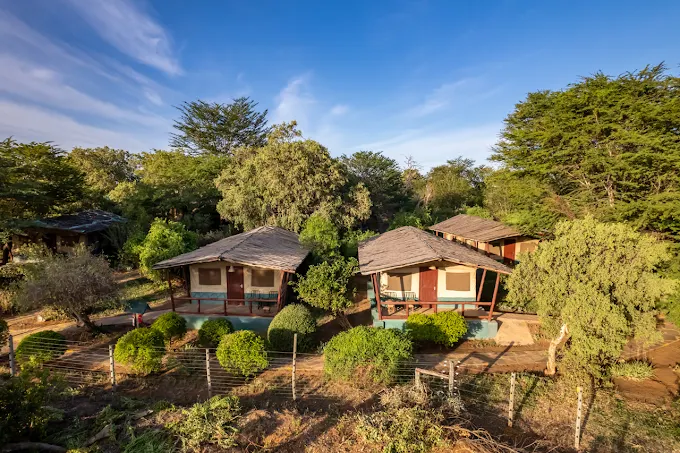
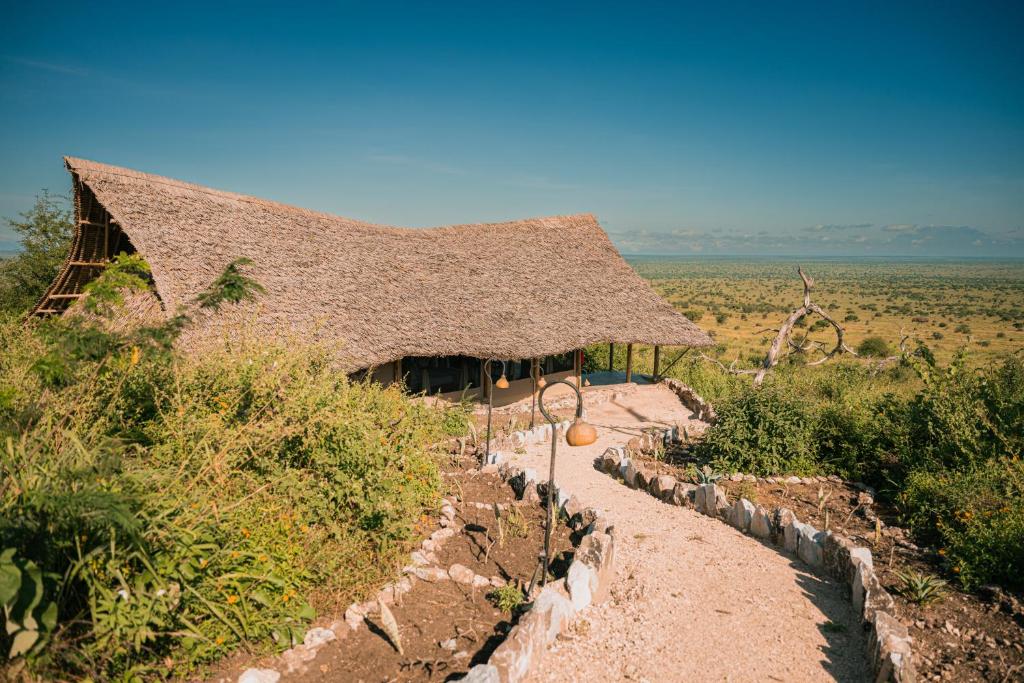
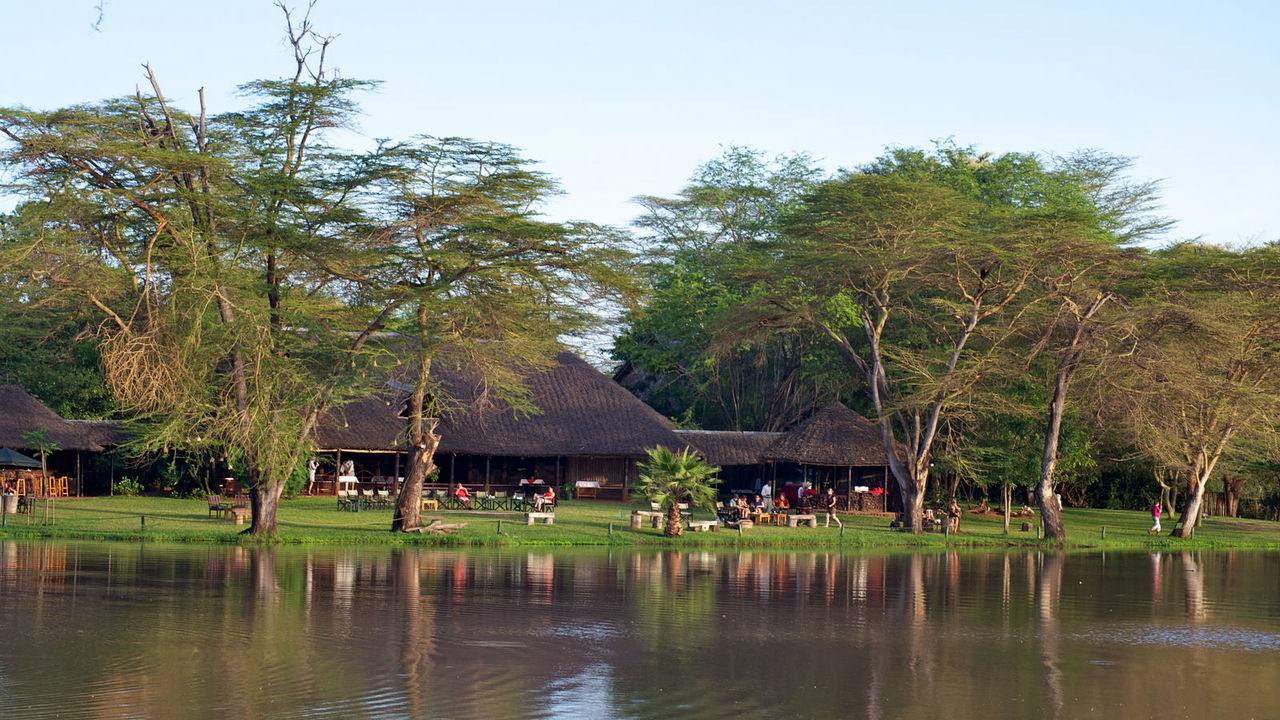
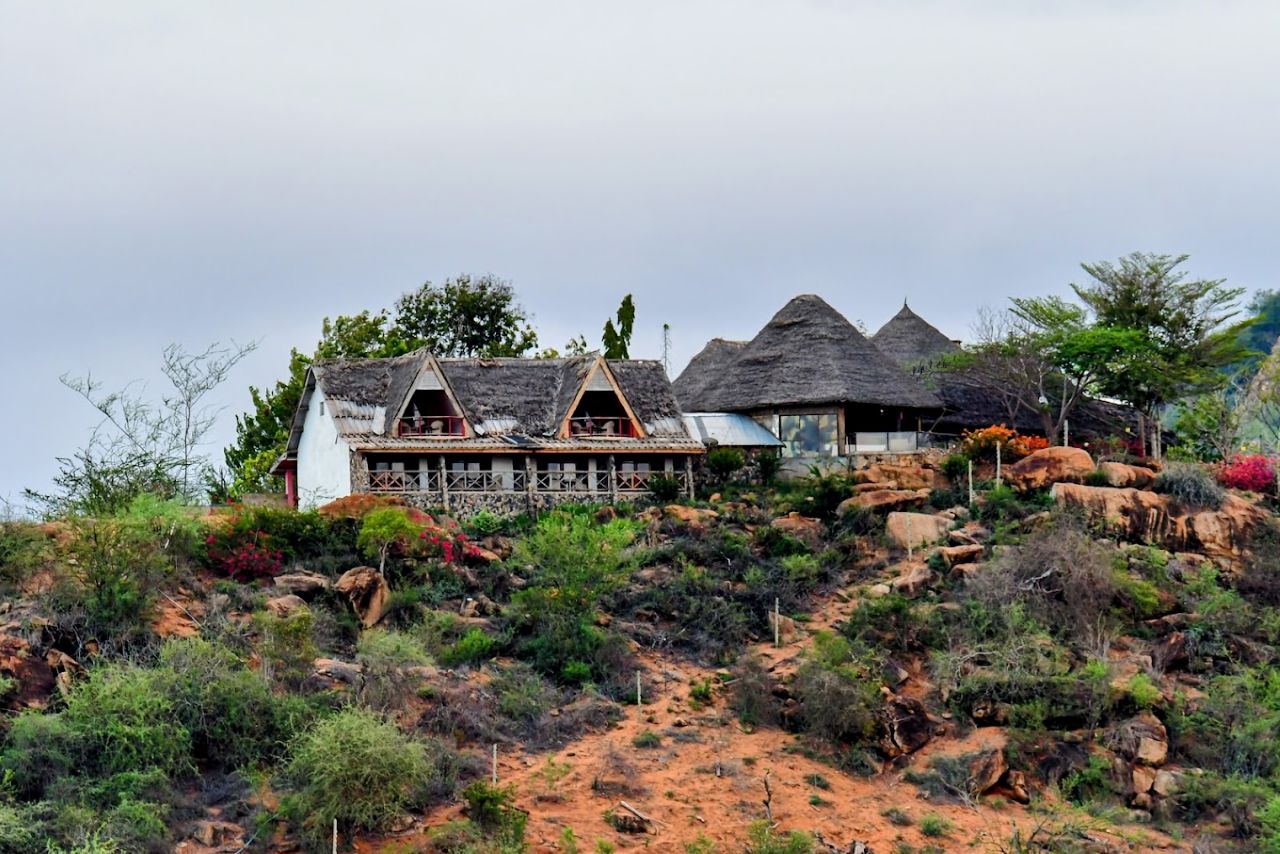
Where to stay in Tsavo National Park
Want to visit Tsavo National Park?
Get a free custom safari plan within 24 hours.