
Quick facts
Wildlife
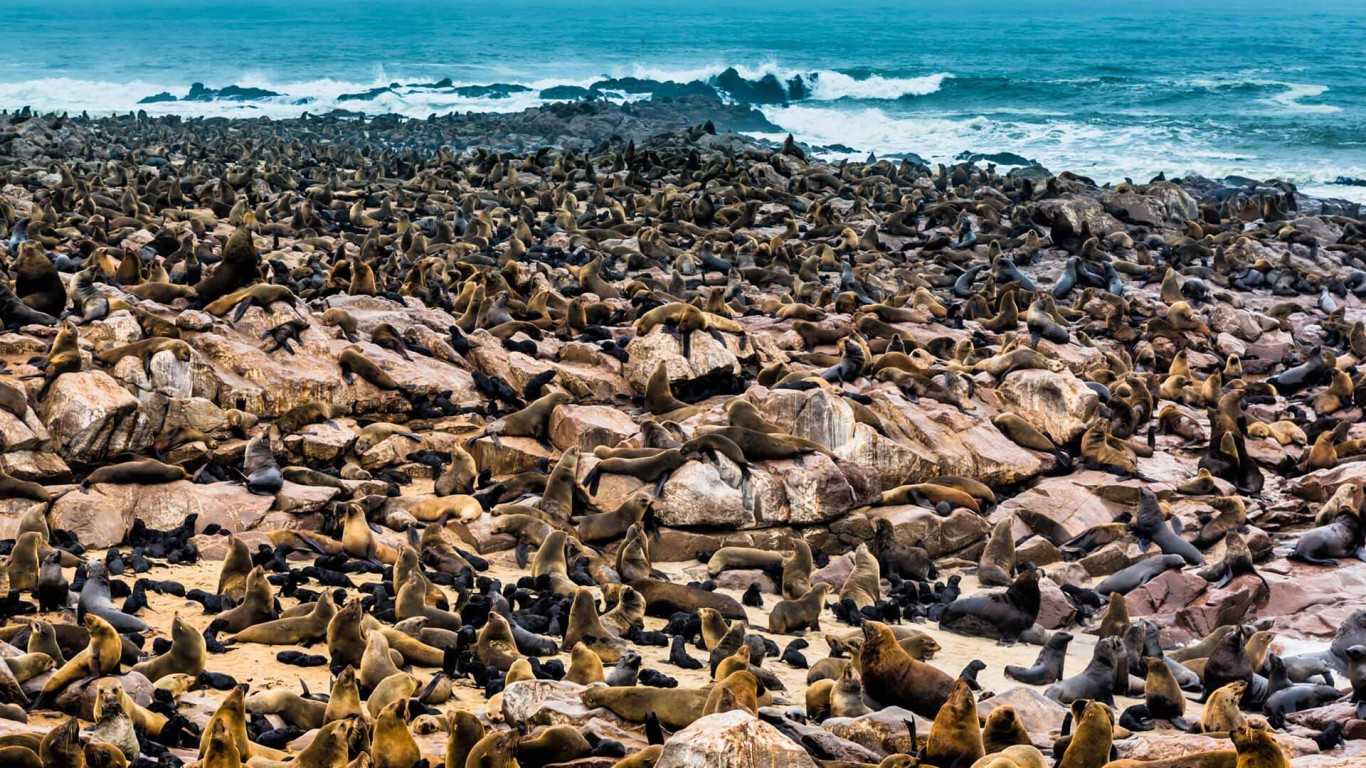
Kolmanskop is a ghost town in the restricted diamond area of the Namib Desert — wildlife is minimal. Black-backed jackal are occasionally seen in the early morning around the perimeter. The surrounding Sperrgebiet (Forbidden Zone) is one of the most biodiverse desert ecosystems in the world, protected by 100 years of restricted access, with Namib-endemic succulents, reptiles and beetles. The Lüderitz peninsula coast holds African penguin, Cape cormorant and Cape fur seal accessible from the town.
Top activities
Photography tour of the ghost town — the primary activity. Sand dunes drift through doorways, up stairwells and across floors in a slowly advancing conquest of the abandoned rooms. Best in the hour after sunrise when low light illuminates the sand-filled interiors. Morning guided tour (departure from Lüderitz by 08:00 minimum). Photography permit required — book through Lüderitz Safaris and Tours or directly through Namdeb (the diamond company that manages the town). Lüderitz town tour — colonial German architecture, the flamingo lagoon and Dias Cross monument.
About Kolmanskop
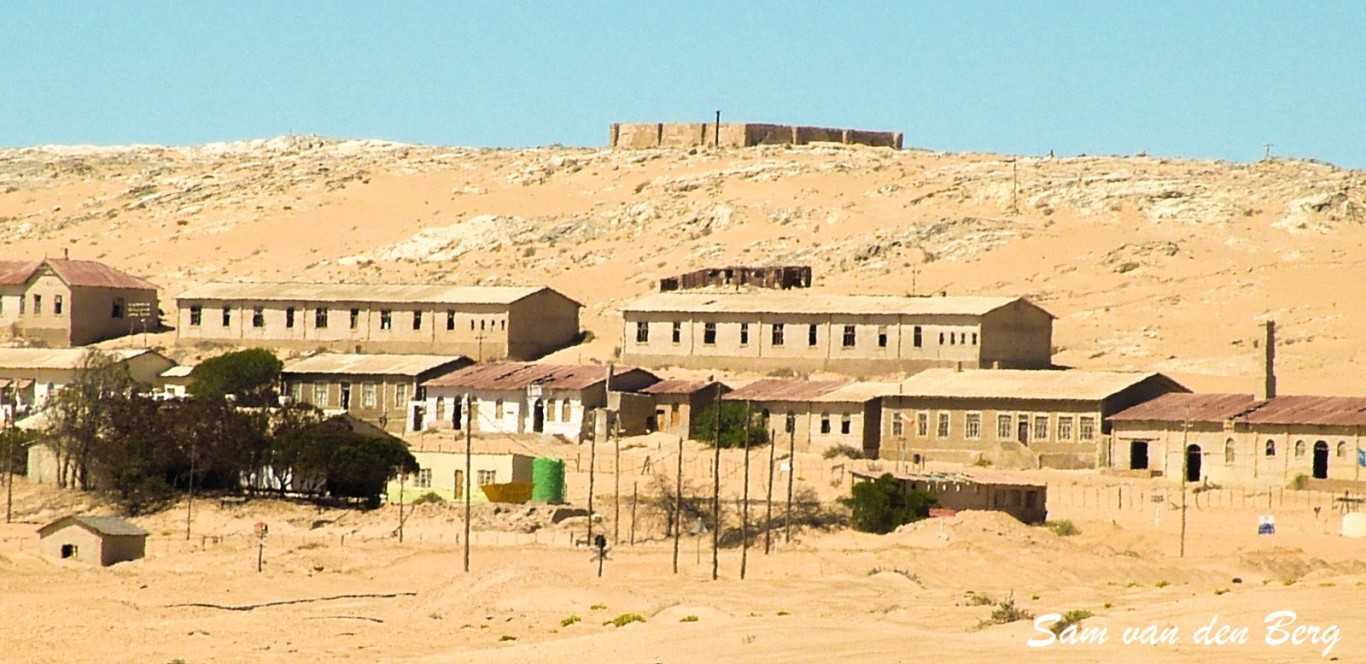
In 1908 a railway worker named Zacharias Lewala was clearing sand from the tracks near Lüderitz when he found a diamond. Within weeks the German colonial administration had proclaimed the surrounding area a Sperrgebiet — a Forbidden Zone — and a diamond rush was underway. The settlement that grew around the strike was called Kolmanskop, and within a decade it had been built into one of the most improbable towns on Earth: a German village — complete with ballroom, theatre, hospital with X-ray machine (the first in Africa), casino, ice factory and skittle alley — planted in the middle of the Namib Desert.
By the 1930s the diamond seams were exhausted. By 1956 the last residents had left. And since then the Namib has been taking Kolmanskop back. Sand drifts through broken windows, fills hallways to hip height, climbs staircases and advances across the floors of the hospital ward. The whole process is still happening — slowly, inexorably, beautifully.
Where is Kolmanskop?
The ghost town is 13 km inland from Lüderitz, a small port town on Namibia’s southern Atlantic coast. Lüderitz is served by Air Namibia/Namibia Airlift from Windhoek (1 hour) and by a dramatic 3-hour drive across the desert from the B4 highway. Kolmanskop lies within the restricted diamond zone managed by Namdeb and is accessible only on an official guided tour with a permit.
The photography
Kolmanskop is one of the world’s great photography destinations. The combination of intact but decaying German architecture, the constantly shifting sand patterns inside the rooms, and the quality of the early morning light creates images that have appeared on gallery walls from New York to Tokyo. The key interior photographs — a sand dune advancing through a doorway, a rusted bathtub half-submerged in sand, empty windows framing the desert outside — are achieved with a wide-angle lens and patience before 09:00.
The most photographed room is the former manager’s house, where a smooth curve of sand rises halfway up the interior walls. The hospital is the most dramatically preserved structure. The ballroom, stripped of its fittings, has windows that frame the desert in both directions.
The guided tour
Permits and guided tours are managed through Lüderitz Safaris and Tours and the Namdeb visitor management office. Tours typically run at 08:00 and 10:00 daily — the 08:00 tour is the one to book. Booking ahead is essential; walk-up permits are not always available. Photography permits are included in the tour fee.
Lüderitz town
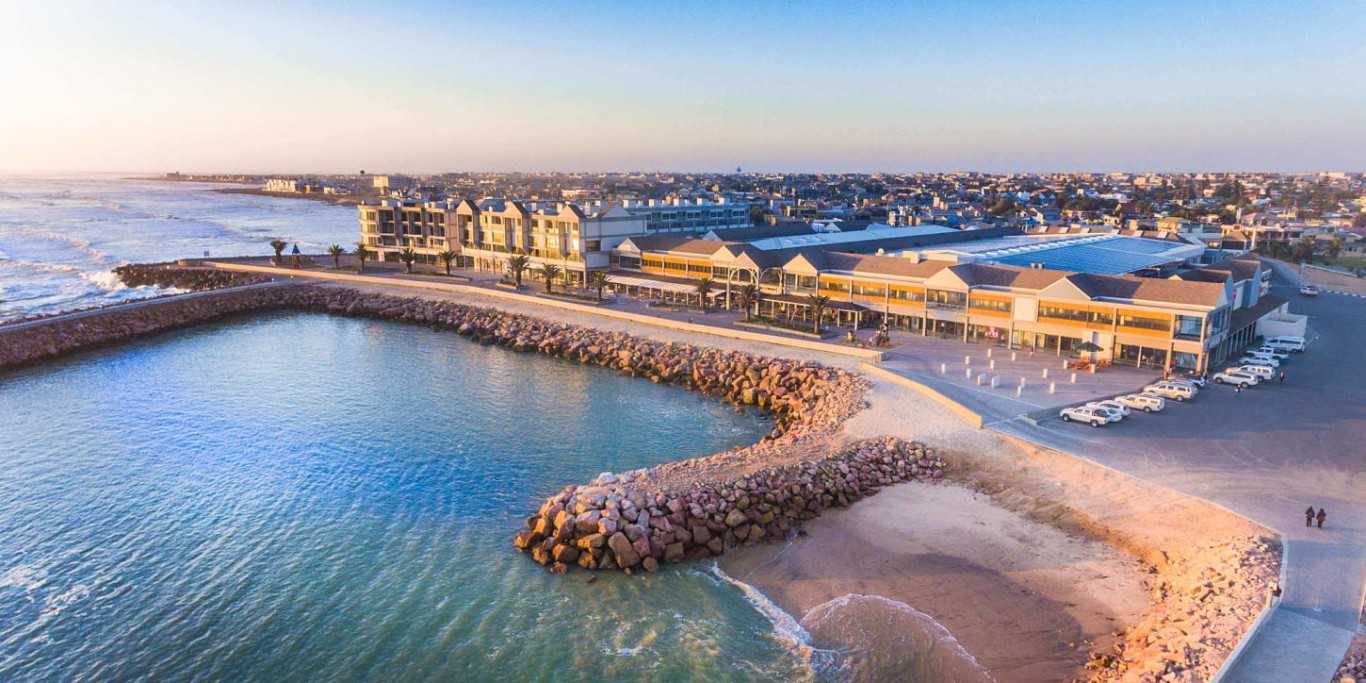
Lüderitz is a colonial German town that has barely changed since 1910 — brightly painted Wilhelmine buildings on the rocky Atlantic shore, a Lutheran church high on the ridge and a fishing harbour that still processes crayfish. The Dias Cross, a replica of the stone pillar erected by Portuguese explorer Bartolomeu Dias in 1488 when he became the first European to round the Cape, stands on a headland south of town. The lagoon north of Lüderitz holds flamingo and a variety of shorebirds.
Combine Kolmanskop with…
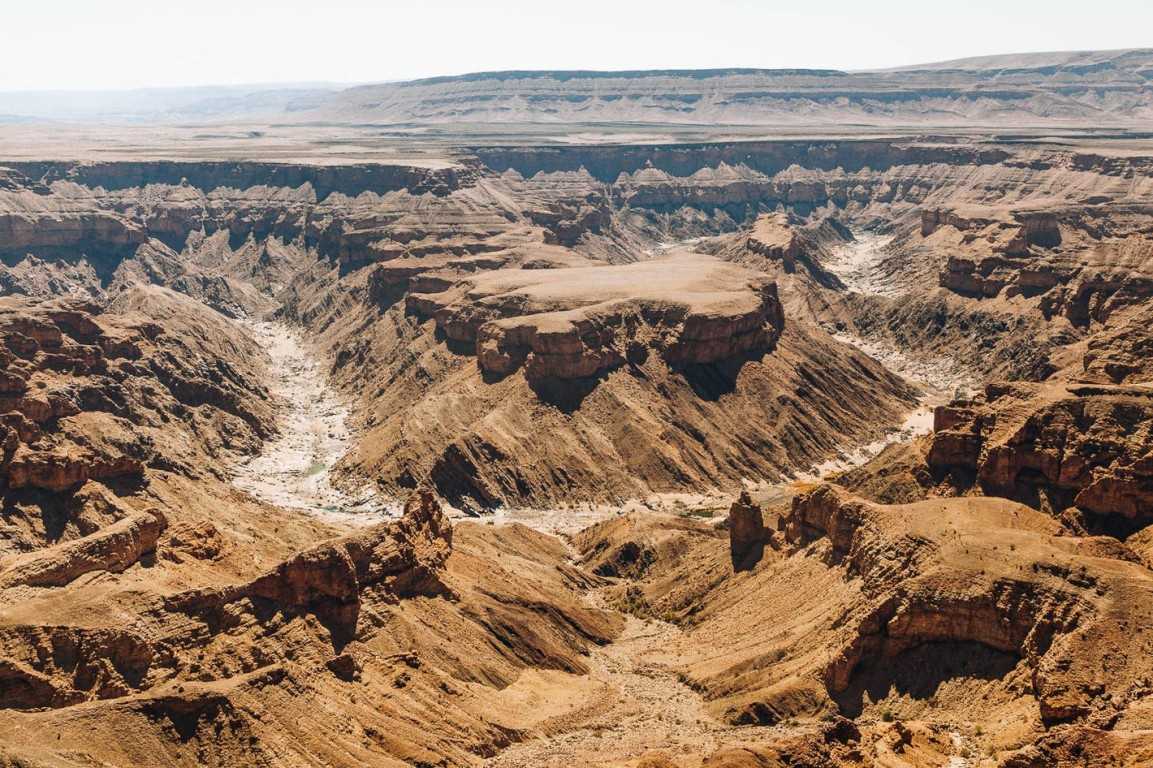
- Fish River Canyon — 3–4 hours northeast; the world’s second-largest canyon.
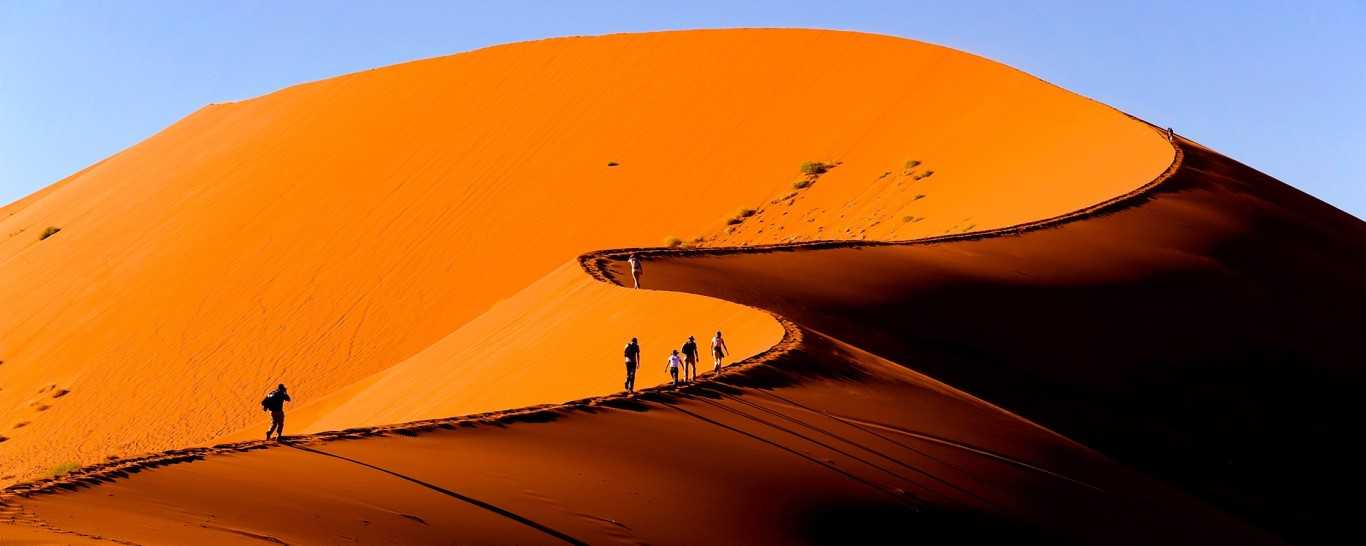
- Sossusvlei — the dune sea, accessible via Sesriem, 4–5 hours north.
- Swakopmund — the coastal adventure hub, 5 hours north on the B4.
Frequently asked questions about Kolmanskop
Can you visit Kolmanskop without a guide?
No — the site lies within a restricted diamond zone. All visitors must have a permit and join a guided tour.
How long does the tour last?
Approximately 1.5–2 hours. Photographers with specific shots to capture often wish for more time; the guide may allow extended access with advance arrangement for serious photography groups.
Why was the diamond area so productive?
The Orange River carried diamonds from the Kimberley kimberlite pipes over millions of years and deposited them along the Atlantic coast. The Namib’s notorious Benguela upwelling kept the area shrouded in fog rather than rain, preserving the surface alluvial deposits without the erosion that would have scattered them.
Want to visit Kolmanskop?
Get a free custom safari plan within 24 hours.
Kolmanskop safari tours
No fixed packages listed yet — we'll build a custom safari around Kolmanskop for you.
Plan My Trip Browse All ToursWant to visit Kolmanskop?
Get a free custom safari plan within 24 hours.
Best time to visit Kolmanskop
May to September — Dry season / winter (most comfortable temperatures)
The Namib coastal desert is moderated by the cold Benguela Current all year, but winter (May–September) is the most comfortable period for visiting. Temperatures range from 15–24°C — cool in the morning, warm by afternoon. The light quality at sunrise in winter is exceptional, with golden-hour illumination of the sand-filled rooms lasting longer before harsh overhead light sets in.
Year-round for photography (morning light is the key variable)
The ghost town photographs well in any season. The sand dunes in the rooms are a constant feature. The critical variable is not the season but the time of day: arrive before 09:00 when side-lit windows cast dramatic shadows across the sand patterns. By 10:00 the light becomes flat and the magic dissipates.
October to March — Summer (hotter, more southerly wind)
The “Suid” (southerly) wind that characterises the Lüderitz coast intensifies in summer, making outdoor photography more challenging. Temperatures climb to 28–33°C. Accessible but more demanding.
Bottom line: May to September for comfort. Any time of year for the iconic photography — just arrive before 09:00.
Where to stay in Kolmanskop
We'll recommend accommodation across all budget levels based on your dates and preferences.
Plan My Trip Browse All LodgesWant to visit Kolmanskop?
Get a free custom safari plan within 24 hours.
Nearby destinations
Namibia
 Namibia
 Namibia
 Namibia
 Namibia