
Quick facts
Wildlife
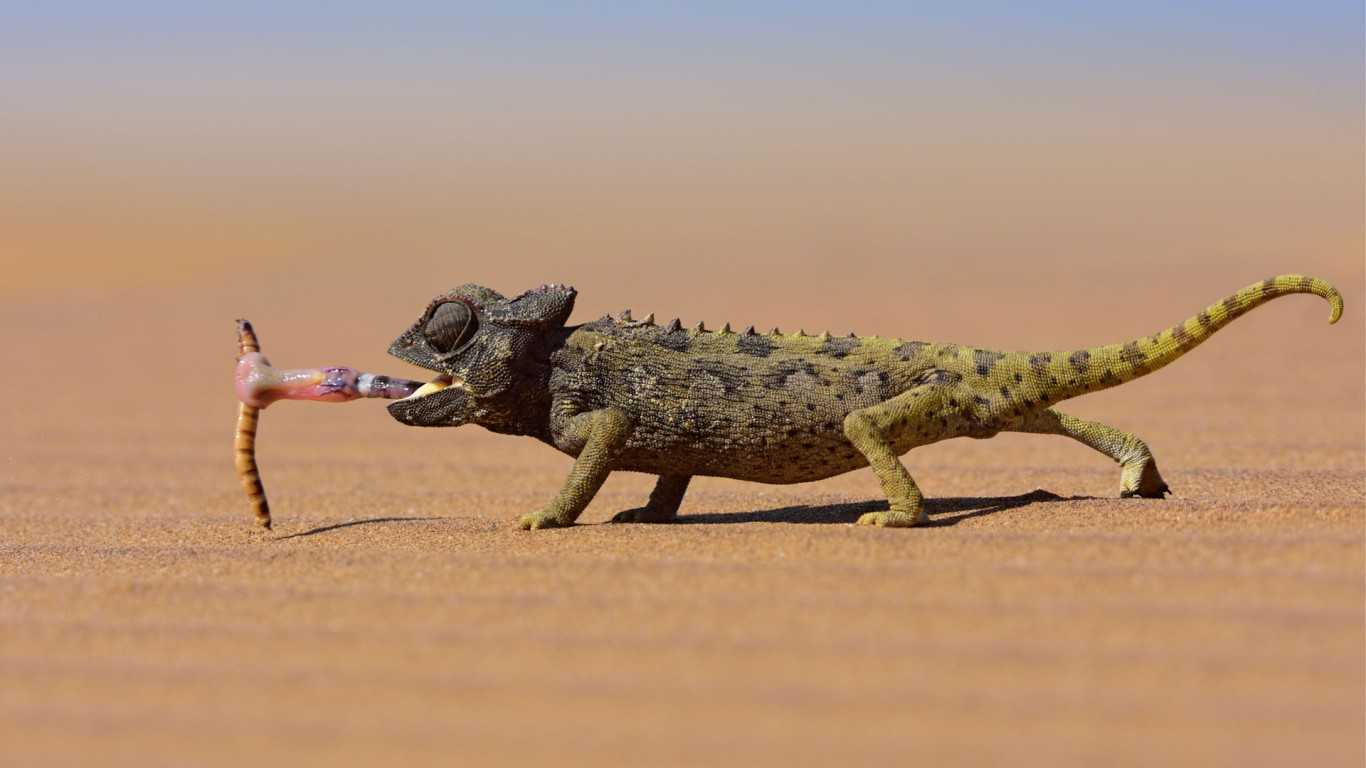
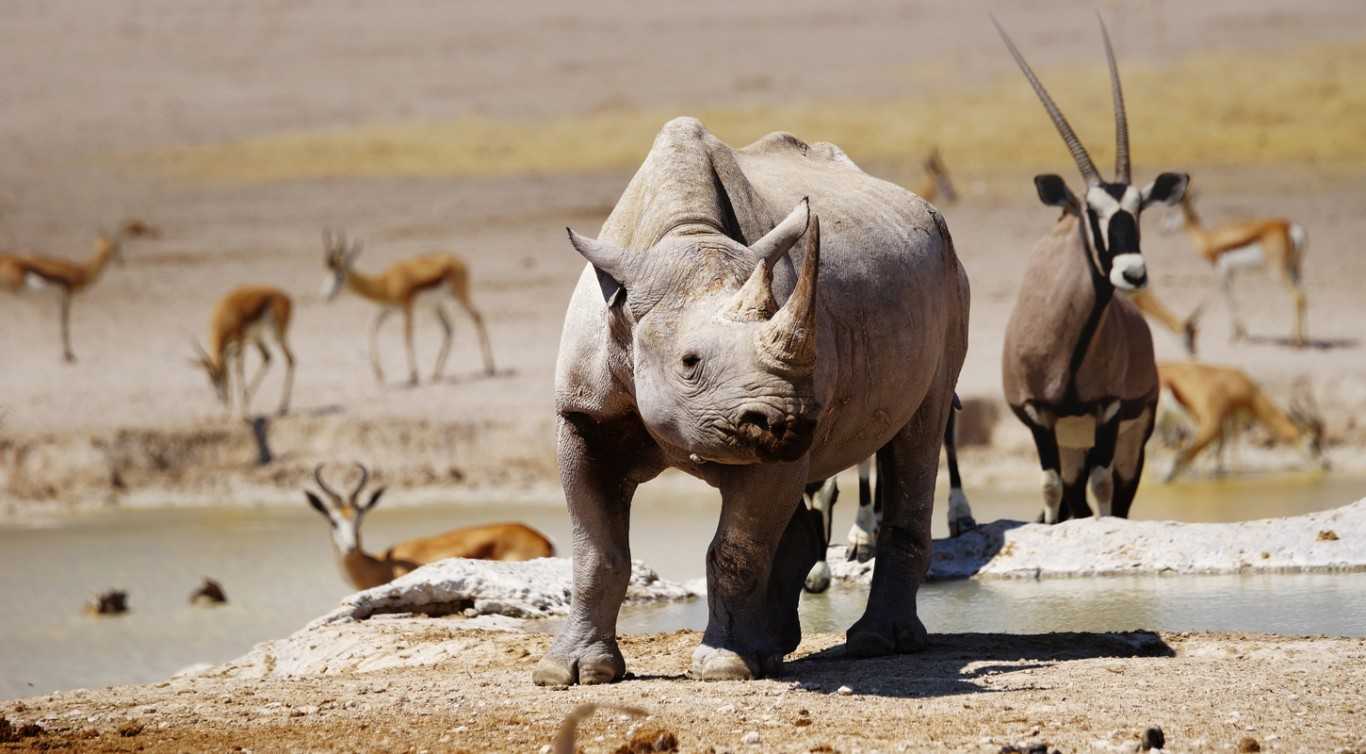
Swakopmund's marine environment is one of Namibia's richest. The cold Benguela Current upwelling supports an extraordinary density of marine life: bottlenose and dusky dolphin pods are resident year-round offshore; African penguin colonies are on the rocks south of town; Cape fur seal roost at Pelican Point. Humpback whale pass from October to December. The Namib Desert immediately east holds oryx, springbok, ostrich, Welwitschia plant (some 2,000+ years old), desert beetles, sidewinding adder and numerous endemic reptiles. The Walvis Bay lagoon 30 km south holds flamingo, pelican and Cape cormorant year-round.
Top activities
Sandboarding on the Namib dunes — body boarding (lying down) and stand-up boarding on the high dunes east of town. Quad biking through desert dunes and gravel plains. Kayaking with dolphins at sea from Walvis Bay — paddling among resident dolphin pods with pelicans landing on kayak bows. Living desert tour — specialist guide reveals desert-adapted animals (dancing white lady spider, sidewinding adder, desert beetles) in the sand. Dolphin and seal catamaran cruise from Walvis Bay. Welwitschia Drive to the ancient Welwitschia plants. Moonlandscape scenic drive through eroded granite terrain.
About Swakopmund
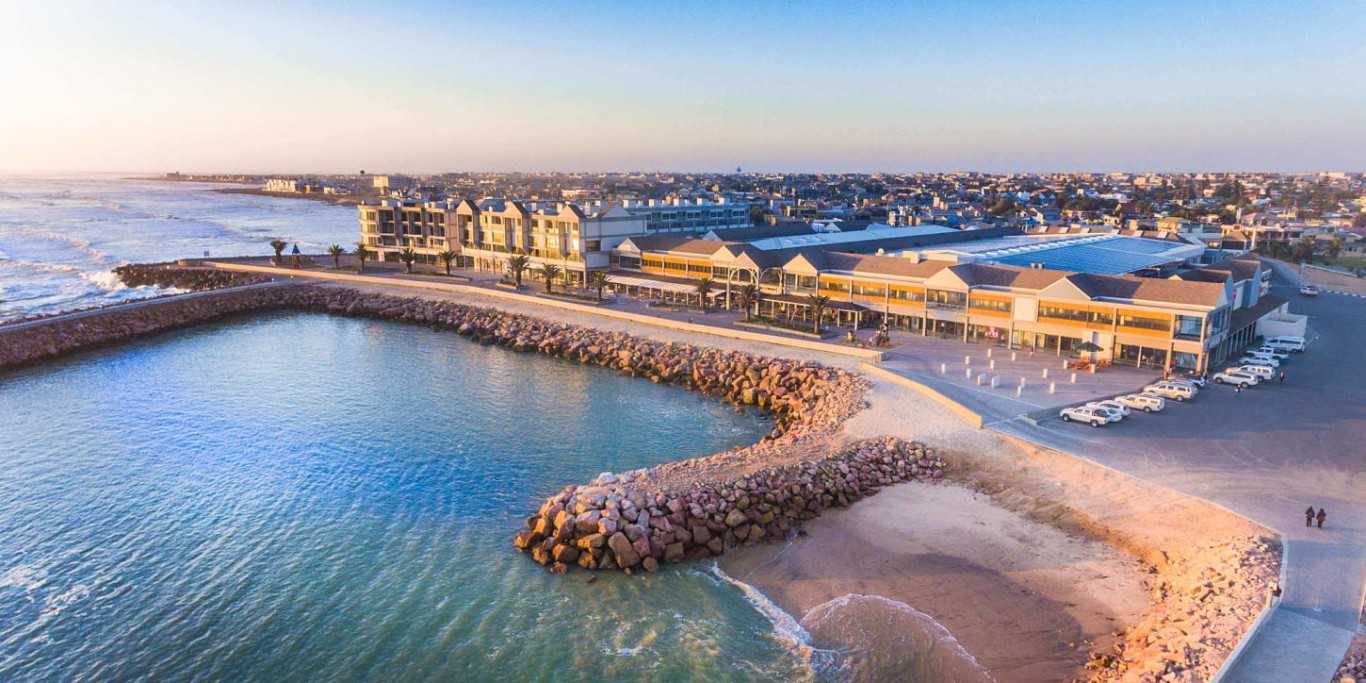
No city in Africa makes less geographical sense than Swakopmund. A German colonial town of 45,000 people, half-frozen in time with its Wilhelmine architecture, Lutheran church and palm-lined promenade, sitting on the Atlantic coast of the Namib Desert — one of the driest places on Earth. The ocean is cold enough for fur seals but warm enough for swimming if you are Namibian. The desert begins at the edge of the last garden. And somewhere in between is one of the most unexpectedly lively small towns in southern Africa.
Swakopmund is Namibia’s adventure capital, the country’s second-most-visited town after Windhoek, and the base from which most visitors combine ocean activities, desert experiences and the broader Skeleton Coast and Namib-Naukluft circuit.
Where is Swakopmund?
On Namibia’s central Atlantic coast, 360 km west of Windhoek. The B2 highway connects the capital to the coast through the Namib Desert — a 4-hour drive through increasingly barren terrain that deposits you abruptly in the sea fog and German architecture of Swakopmund. Sossusvlei is 360 km south via the C28 and C14.
Adventure activities
Sandboarding
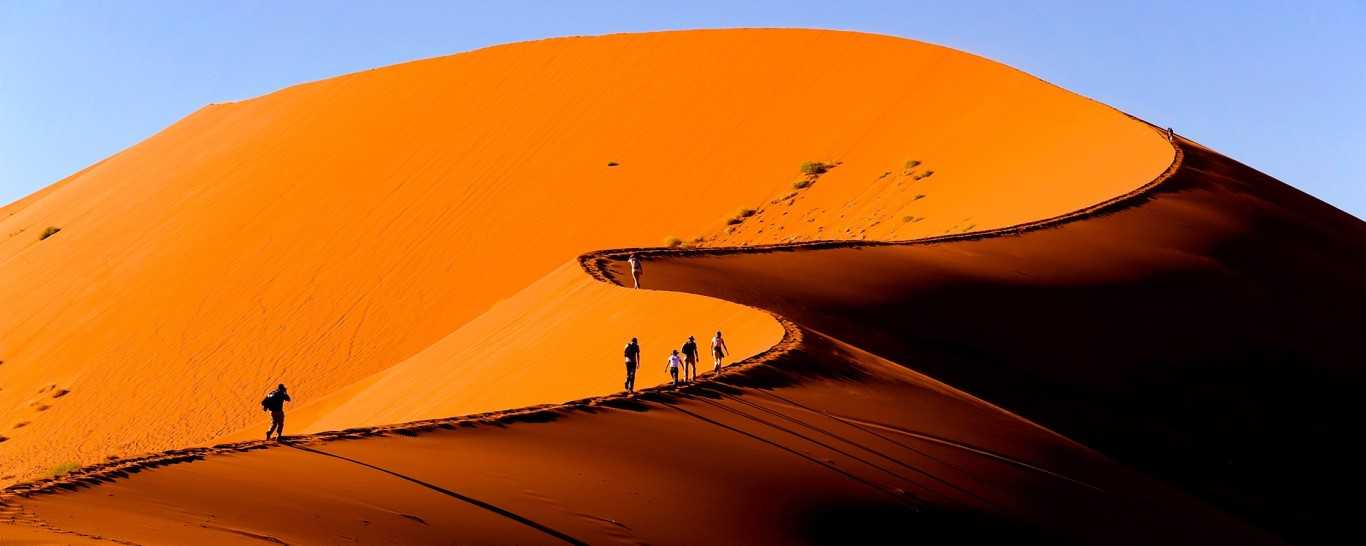
The dunes immediately east of Swakopmund (the Swakop River dunes) are the venue for sandboarding — either body boarding (lying face-down on a board and going very fast) or stand-up boarding (harder, slower, more skateboard-adjacent). Both are exhilarating; the body board version is accessible to anyone; the stand-up version takes an afternoon to learn.
Kayaking with dolphins
From nearby Walvis Bay, a 2-hour guided kayak on the lagoon and ocean puts you among resident bottlenose dolphin pods that are so habituated to kayakers that they swim alongside and occasionally bow-ride. African penguins pop up from below; pelicans (remarkably bold) land on kayak bows looking for fish. One of Namibia’s finest wildlife experiences.
Living desert tour
A specialist guide takes a small group into the Namib gravel plains and dunes east of Swakopmund to demonstrate the extraordinary adaptations of desert life. The Namib desert beetle captures moisture from the sea fog on its textured back. The sidewinding adder moves in a distinctive diagonal pattern across loose sand. The dancing white lady spider (Carparachne aureoflava) cartwheels down dune faces to escape predators. The session typically lasts 3–4 hours and is one of the most informative nature experiences available in Namibia.
Quad biking
Guided quad bike circuits through the desert dune fields and gravel plains east of Swakopmund — ranging from 1-hour introductory rides to full-day expeditions into the Namib interior.
The German colonial heritage
Swakopmund was founded in 1892 as German South-West Africa’s main commercial port. The colonial German architecture is remarkably well-preserved — the Woermannhaus, the railway station (now a hotel), the old prison and the Kristall Galerie (housing Namibia’s finest mineral crystal collection) are all within a short walk. The old town is genuinely pleasant to wander, with a functional market, good restaurants and the kind of German bakeries (Konditoreien) that make the colonial heritage feel faintly more cheerful than the history it represents.
Walvis Bay
Thirty kilometres south of Swakopmund, Walvis Bay is the other half of the coastal experience. The lagoon holds a year-round flamingo population (sometimes 50,000+), large Cape fur seal colony at Pelican Point, and is the launch point for the catamaran and kayak marine wildlife tours.
Combine Swakopmund with…
- Sossusvlei — the dune sea, 5 hours south.
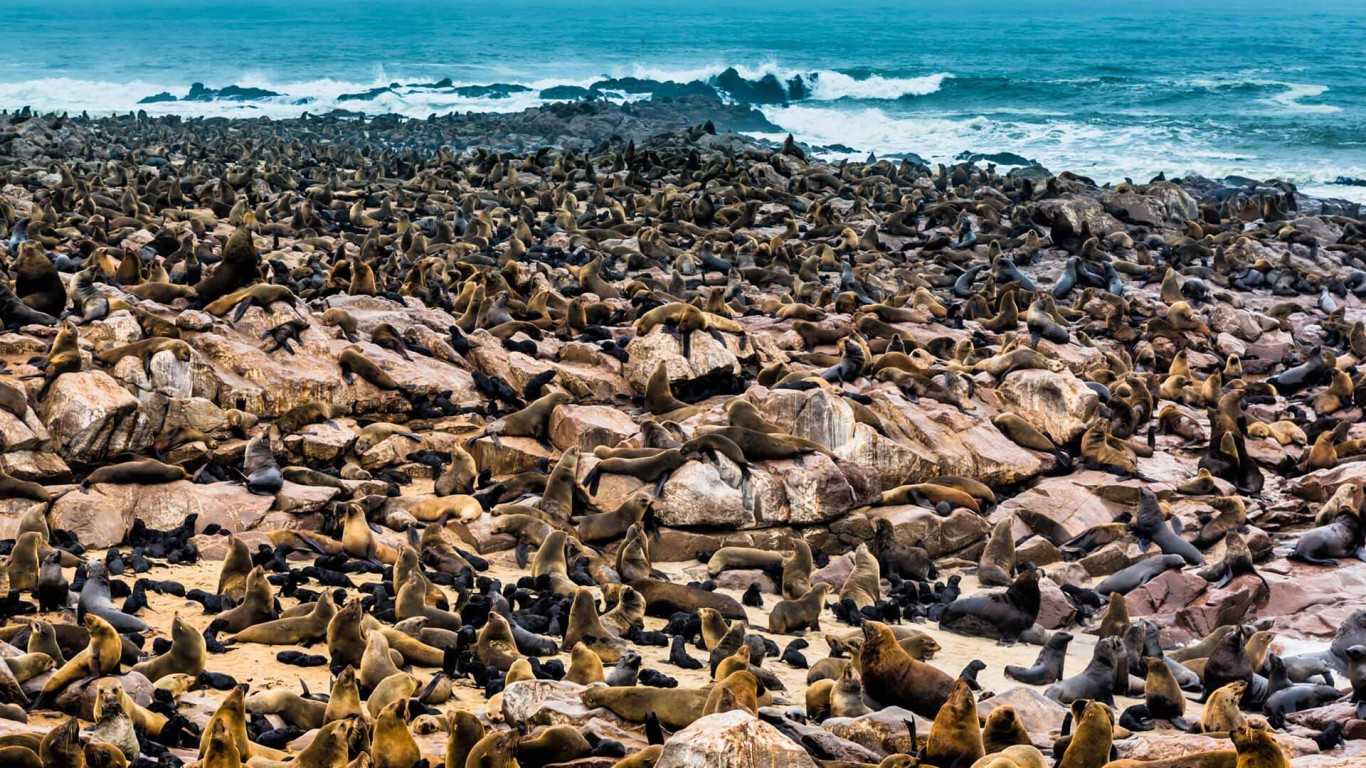
- Cape Cross — the seal reserve, 2 hours north.
- Etosha National Park — 5–6 hours north via Windhoek or Outjo.
- Spitzkoppe — 2 hours east; ancient granite inselbergs and San rock art.
Frequently asked questions about Swakopmund
Is it cold in Swakopmund?
The Benguela Current keeps the coast much cooler than the Namibian interior. Average temperatures range from 12–18°C in winter and 18–26°C in summer. The ocean is always cold (14–18°C year-round). Pack a layer even in summer.
What is the living desert?
The Namib’s apparently barren surface conceals an extraordinary density of adapted life. The living desert tour reveals species that depend on the daily sea fog for moisture rather than rainfall — a biological system unlike any other desert on Earth.
How far is Swakopmund from Windhoek?
360 km by road on the B2 highway, taking approximately 4 hours through the Namib Desert.
Want to visit Swakopmund?
Get a free custom safari plan within 24 hours.
Swakopmund safari tours
Want to visit Swakopmund?
Get a free custom safari plan within 24 hours.
Best time to visit Swakopmund
Swakopmund’s climate is dominated by the cold Benguela Current, which keeps the town cool and often foggy year-round — a notable contrast with the burning Namib Desert just inland.
October to April — Summer (warmer, clearer, humpback whales)
The warmest period, with temperatures reaching 20–26°C. The Benguela fog lifts more often and the ocean conditions are best for kayaking and catamaran trips. Humpback whale pass from October through December. This is when most domestic South African and Namibian holidaymakers visit.
May to September — Winter (cooler, foggier, excellent for dune adventures)
Cooler temperatures (12–18°C) and more persistent Benguela fog. The fog creates extraordinary atmospheric conditions for photography — the dunes in mist, the colonial buildings emerging from cloud. Dune adventures (sandboarding, quad biking) are most comfortable in the cooler temperatures. This coincides with peak season at Sossusvlei and Etosha, so Swakopmund fits naturally on the Namibia circuit.
Bottom line: Swakopmund is excellent year-round. October–April for warmth and whale watching; May–September for adventure activities and the broader Namibia circuit.
Where to stay in Swakopmund
We'll recommend accommodation across all budget levels based on your dates and preferences.
Plan My Trip Browse All LodgesWant to visit Swakopmund?
Get a free custom safari plan within 24 hours.
Nearby destinations
 Namibia
 Namibia
 Namibia
 Namibia
Namibia
Namibia