Quick facts
Wildlife
The National Museum of Ethnography is a cultural institution rather than a wildlife destination. Huye (Butare) is situated in Rwanda's Southern Province, close to the Nyungwe Forest buffer zone. The town itself and the university campus adjacent to the museum have gardens that attract sunbirds and raptors. The Butare region's surrounding hills offer productive birding for Albertine Rift species accessible from the nearby Nyungwe Forest.
Top activities
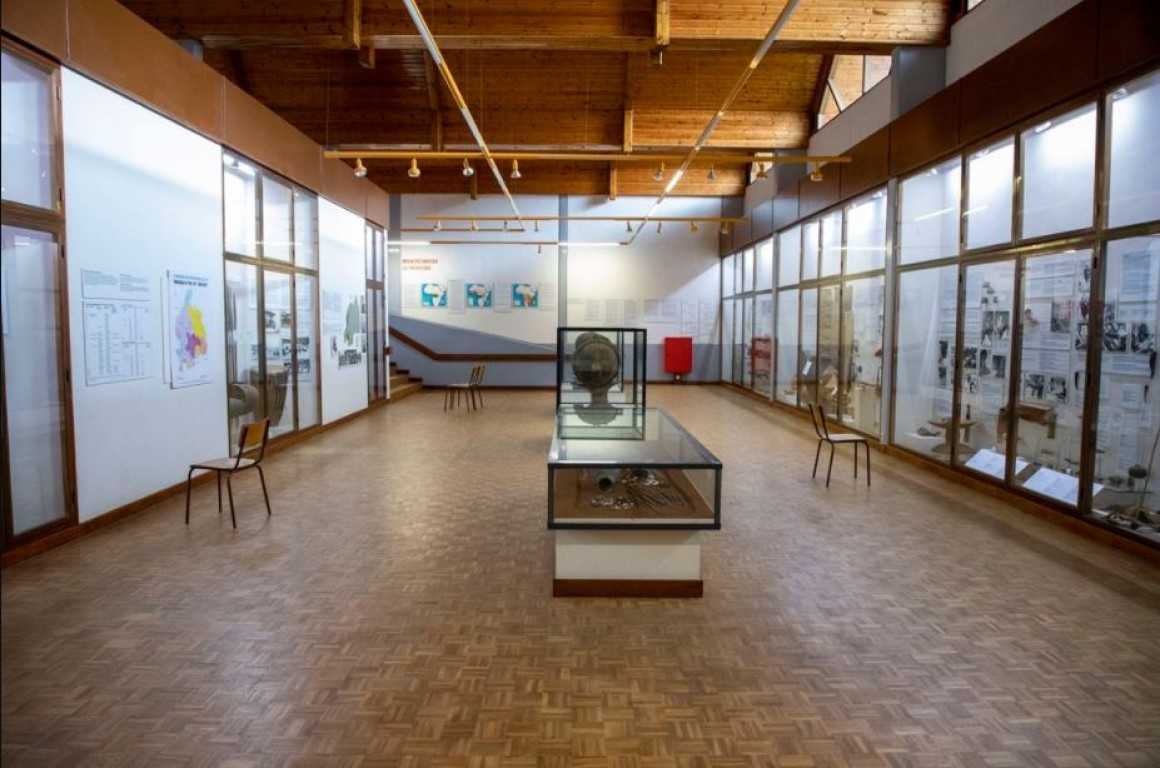
Guided tour of the seven museum galleries — covering prehistoric and early Iron Age archaeology, the traditional royal household, warrior culture, music and dance, cattle herding traditions, weaving and basketry, and the collection of 19th-century royal regalia. Traditional craft demonstrations in the museum courtyard. Visit to the adjacent National University of Rwanda campus, the oldest university in the country. Exploration of Huye town market and the Groupe Scolaire colonial-era architecture. Day trip combination with the King's Palace Museum at Nyanza (30 km north) and Nyungwe Forest to the west.
About Ethnographic Museum
Rwanda’s pre-colonial identity — its centuries of monarchy, pastoral culture, warrior tradition and extraordinary material craft — is housed most completely in one building in Huye (formerly known as Butare), the university town 130 km south of Kigali. The National Museum of Ethnography was built in 1987 with Belgian support and now holds one of the finest ethnographic collections in Africa, spread across seven galleries in a graceful modernist building on the edge of the university campus.
For visitors who have spent time at the Kigali Genocide Memorial and the King’s Palace at Nyanza, Huye’s museum adds the third panel of a triptych — the depth of pre-colonial cultural achievement that makes Rwanda’s subsequent history both more tragic and more remarkable.
Where is the museum?
The museum is on the main Kigali–Butare highway at the northern edge of Huye town, adjacent to the National University of Rwanda campus. From Kigali: 130 km by road, approximately 2 hours. From Nyungwe Forest: 90 km northeast, about 1.5 hours.
The seven galleries
- Prehistory and archaeology — stone tools and early Iron Age pottery from Rwanda’s oldest known settlements, including the 2,000-year-old Nyirarucyaba site.
- The royal household — the Mwami’s domestic world: baskets, royal drums, sleeping mats, honey-beer vessels and the elaborate objects of everyday court life.
- Warrior culture — spears, shields, bows, the intore warrior dance tradition and the social structure of the royal army.
- Music and ceremonies — traditional instruments including the inanga (board zither), royal drums and ceremonial objects associated with the major life-cycle events.
- Cattle herding — the centrality of cattle in Rwandan culture, the Inyambo breed, and the social significance of cattle exchange and gift-giving.
- Weaving and basketry — Rwanda’s most internationally recognised craft tradition: the coil-basket technique, the geometric designs with their encoded meanings, and the social contexts in which baskets are made and exchanged.
- Royal regalia — objects associated with specific Mwami rulers, including the Kalinga — the sacred royal drum that was the ultimate symbol of the kingdom’s continuity.
Huye town and the university
Huye is Rwanda’s intellectual capital — home to the University of Rwanda (established 1963), one of Central Africa’s oldest universities. The campus and the town centre around it have a different energy from the more frenetic capital: quieter, cooler at 1,748 m elevation, and with a working cultural life centred on the university community. The town market on Saturday is one of Rwanda’s best for traditional crafts.
Combine Huye with…
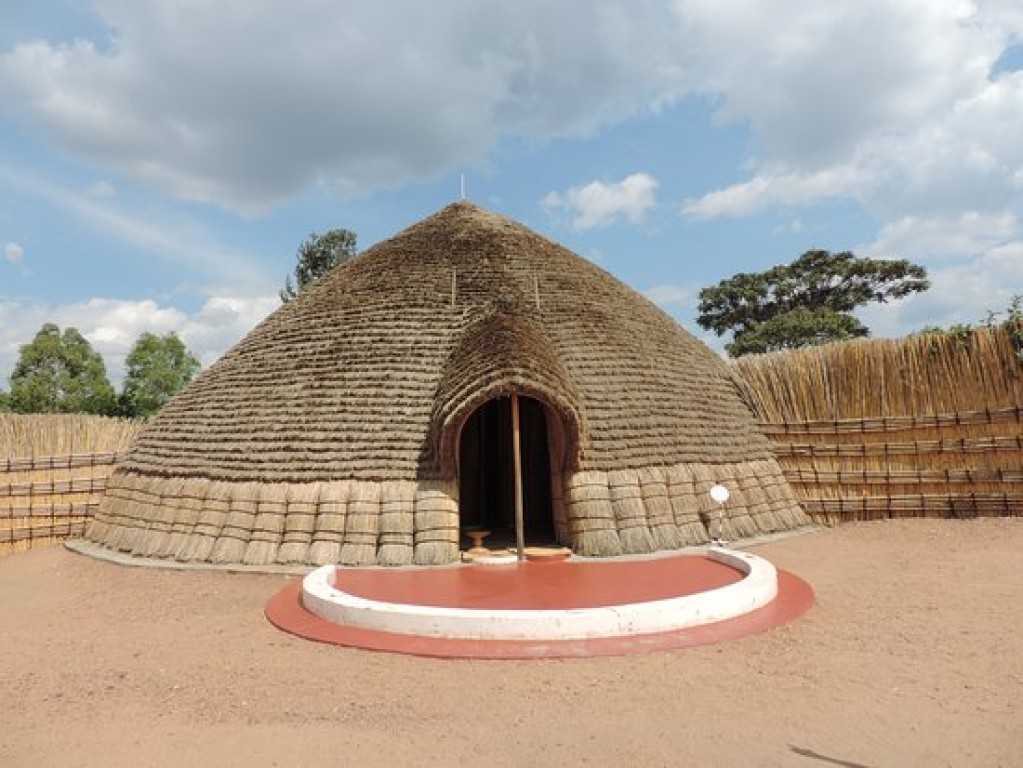
- King’s Palace Museum, Nyanza — 30 km north; the two cultural sites are natural same-day companions.
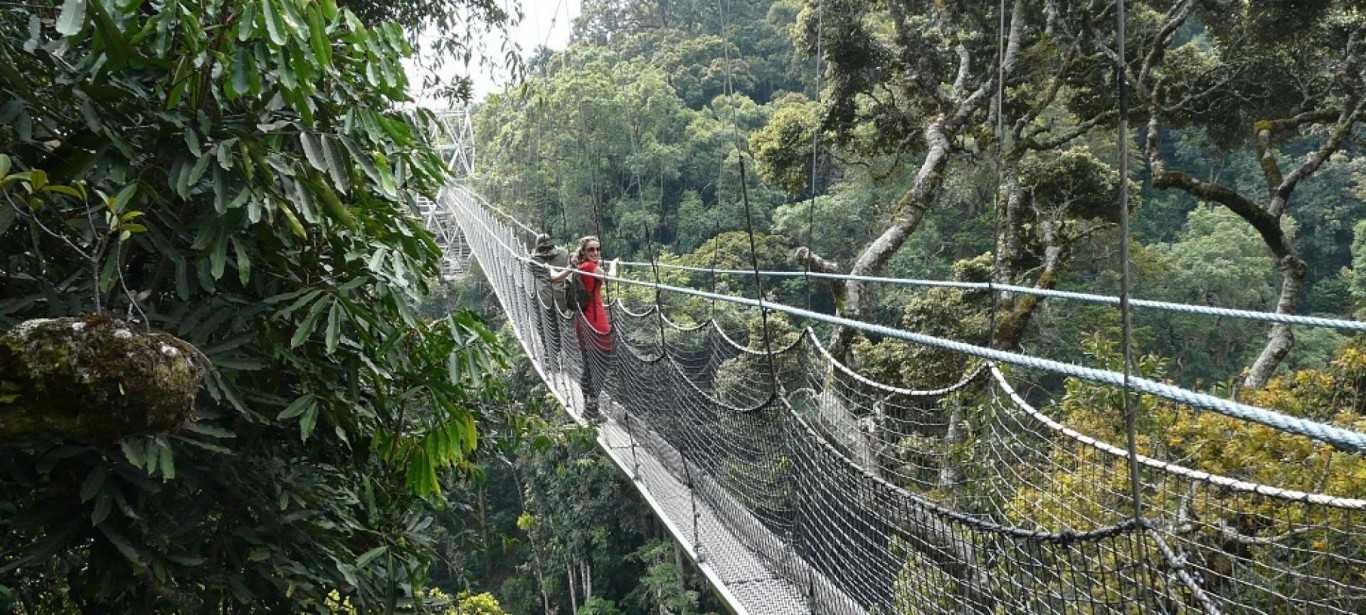
- Nyungwe Forest — continue 90 km west for chimpanzee trekking and the canopy walkway.
- Kigali — 2 hours north for the genocide memorial.
Frequently asked questions
Is the museum the same as the National Museum of Rwanda?
Yes — the Ethnographic Museum in Huye is Rwanda’s national ethnographic institution, sometimes referred to simply as the National Museum of Rwanda. It is distinct from the smaller memorial museums and interpretive centres in Kigali.
Is the museum open every day?
Tuesday through Sunday. Closed on Mondays. Opening hours are approximately 09:00–17:00; confirm current hours before visiting.
Is photography allowed inside?
Yes, generally permitted in the galleries without flash. Confirm with museum staff for the royal regalia gallery which may have specific restrictions.
Want to visit Ethnographic Museum?
Get a free custom safari plan within 24 hours.
Ethnographic Museum safari tours
No fixed packages listed yet — we'll build a custom safari around Ethnographic Museum for you.
Plan My Trip Browse All ToursWant to visit Ethnographic Museum?
Get a free custom safari plan within 24 hours.
Best time to visit the Ethnographic Museum
The museum is open year-round, Tuesday through Sunday, and is not weather-dependent as an indoor institution. Visit whenever your Rwanda itinerary brings you through Huye, most naturally en route between Kigali and Nyungwe Forest National Park.
Practical timing
Allow 2–3 hours for a thorough visit through all seven galleries. The museum is least crowded on weekday mornings. The adjacent craft market is most active on Saturdays.
Bottom line: Any day except Monday (when the museum is closed). A half-day stop on the Kigali–Nyungwe road is the natural integration into most Rwanda itineraries.
Where to stay in Ethnographic Museum
We'll recommend accommodation across all budget levels based on your dates and preferences.
Plan My Trip Browse All LodgesWant to visit Ethnographic Museum?
Get a free custom safari plan within 24 hours.