Quick facts
Wildlife
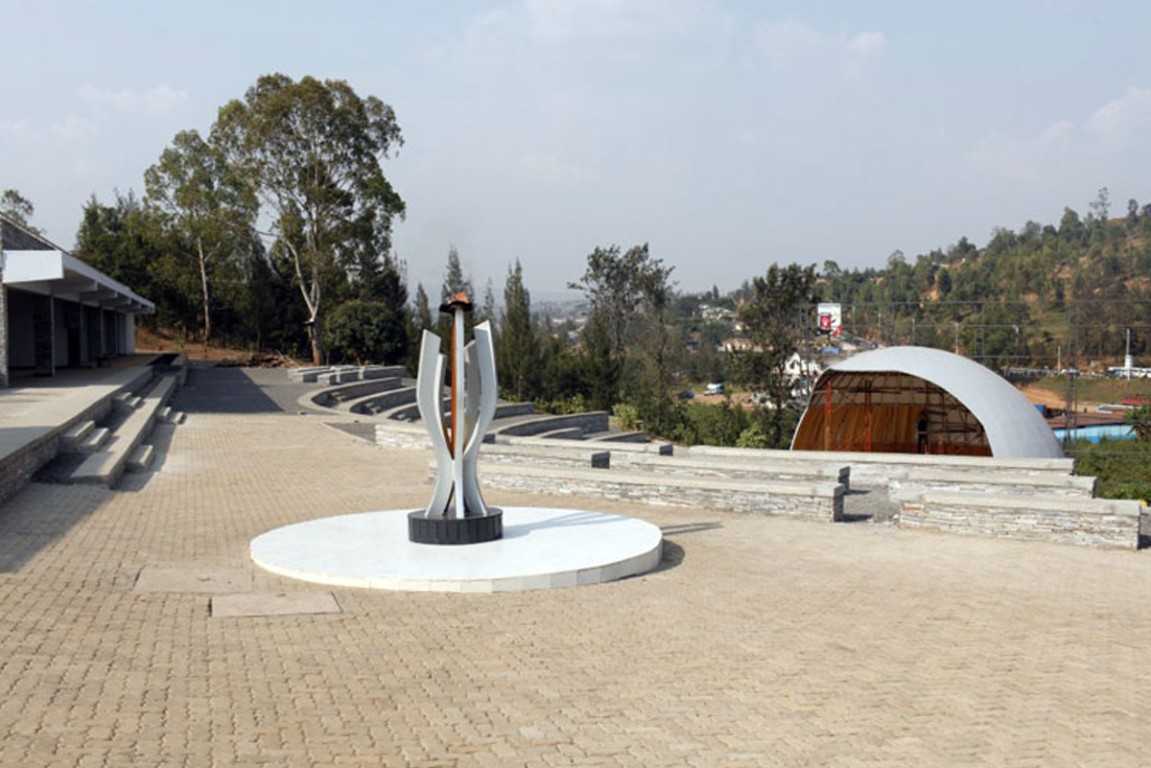
The Kigali Genocide Memorial is a historical and cultural site rather than a wildlife destination. It is set in landscaped gardens on a Kigali hillside. The memorial is best combined with a city tour of Kigali that takes in the Kimironko market, the contemporary art galleries of Nyamirambo and the Inema Arts Center, rather than wildlife activities.
Top activities
The main memorial exhibition — three halls covering the 1994 genocide against the Tutsi, the wider history of genocide in the 20th century, and the testimonies of survivors. The mass grave gardens where over 250,000 victims are interred. The Children's Room — the most difficult and most necessary section of the memorial, documenting individual children who were killed. Audio guide available in multiple languages. Guided tours with survivor-trained staff. Reflection time in the peace gardens. The memorial bookshop with recommended reading on Rwandan history and the reconciliation process.
About Kigali Genocide Memorial
Every visitor to Rwanda should come here. That is not a casual recommendation — it is a recognition that the Kigali Genocide Memorial is the place where Rwanda’s extraordinary story of the last 30 years begins to make sense. Without this context, the country’s transformation — its safety, its cleanliness, its political stability, its ecological ambition — is impressive but abstract. With it, what Rwanda has built becomes genuinely moving.
In 100 days between April and July 1994, approximately 800,000 people — primarily Tutsi, along with moderate Hutu and Twa — were killed in a planned genocide that remains one of the fastest mass killings in recorded history. The world watched and largely did not intervene. Rwanda has spent the years since not merely recovering but deliberately building something different: a unified national identity that makes ethnicity officially irrelevant, a rigorous community justice process (gacaca) that brought both perpetrators and survivors face-to-face, and a public culture that holds the genocide’s memory as a daily obligation rather than a historical footnote.
Where is the memorial?
The Kigali Genocide Memorial is in the Gisozi neighbourhood of Kigali, Rwanda’s capital, on a hillside about 5 km from the city centre. It is 25–30 minutes by taxi from the Kigali International Airport.
The mass graves
The memorial is built above the resting place of more than 250,000 genocide victims who were brought here from mass graves across the city. The garden terracing marks the underground burial chambers. This is not a symbolic space; these are real human remains, recovered and reinterred here with dignity. Approach the garden accordingly.
The exhibition halls
Three interconnected exhibitions:
- The 1994 Genocide against the Tutsi — the main hall, documenting the genocide’s origins in colonial-era racial ideology, the organisation of the killing, international failure to intervene, and the aftermath. Photographs, survivor testimony (audio) and recovered artefacts. The content is confronting and entirely necessary.
- Genocides of the 20th century — contextualises Rwanda within the broader pattern of mass killing from the Armenian genocide through the Holocaust, Cambodia and Bosnia. A sobering perspective on what happens when warnings are ignored.
- The Children’s Room — individual profiles of children who were killed, with photographs and details of their favourite foods, friends and dreams. Almost universally considered the most devastating section of the memorial and the most humanising.
Visiting respectfully
The memorial provides a code of conduct at the entrance. The most important points:
- Speak quietly or not at all in the exhibition halls.
- Photography is permitted in most areas but not in the Children’s Room.
- Grief support counsellors are available at the memorial — both for visitors and for Rwandan staff and guides for whom every working day revisits personal loss.
- The memorial is free; a voluntary donation supports its operation.
Combine the memorial with…
- Kigali city tour — the Kimironko market, Inema Arts Center, Nyamirambo neighbourhood and a Rwandan meal at the city’s best local restaurants.
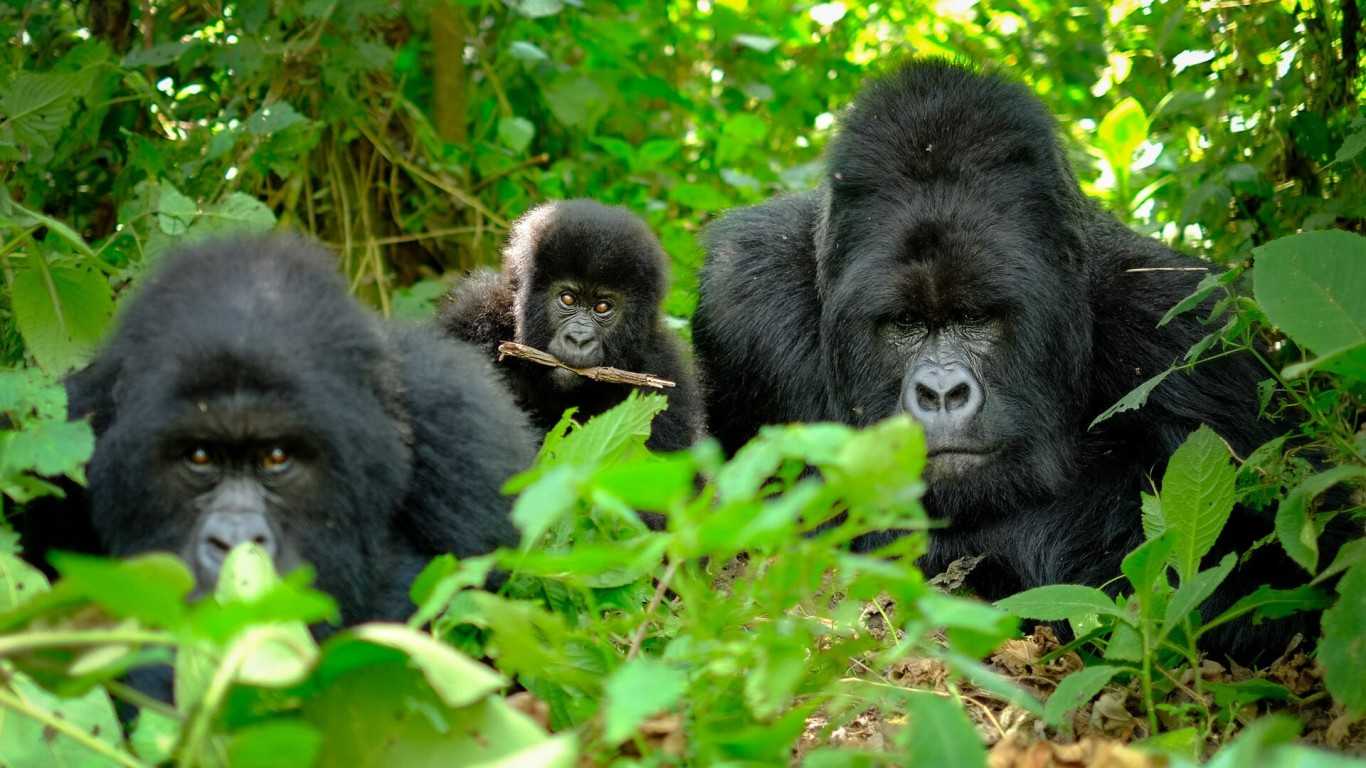
- Volcanoes National Park — gorilla trekking 2 hours north; most Rwanda itineraries begin or end with the memorial.
- Akagera National Park — 2 hours east for Big Five game drives.
Frequently asked questions about the Kigali Memorial
Is the memorial distressing to visit?
Yes — and deliberately so. The memorial does not soften its content. Most visitors find it profoundly affecting; some find sections difficult to complete. It is also ultimately a memorial to resilience and to the possibility of recovery after unimaginable loss.
How long does the visit take?
A minimum of 2 hours for the three exhibition halls and the gardens. Allow 3 hours if you want to read the testimonies fully and spend time in the garden.
Is the memorial appropriate for children?
The content is adult in nature. Teenagers (13+) can engage meaningfully with the historical context. Children under 12 are generally better suited to visiting the garden areas rather than the full exhibition, particularly the Children’s Room.
Want to visit Kigali Genocide Memorial?
Get a free custom safari plan within 24 hours.
Kigali Genocide Memorial safari tours


Want to visit Kigali Genocide Memorial?
Get a free custom safari plan within 24 hours.
Best time to visit the Kigali Genocide Memorial
The memorial is open year-round, seven days a week. There is no particular seasonal consideration for the visit itself — the exhibitions and gardens are accessible in any weather.
Practical timing within the day
The memorial is most meaningful when visited with time to absorb it — allow a minimum of 2 hours, ideally 3. Visit in the morning when you have the mental and emotional energy for serious content. Many visitors find the experience depleting and plan a quiet afternoon after.
Kwibuka (Genocide Commemoration Week) — April 7
The annual Kwibuka commemoration marks the genocide start date of April 7, 1994. A 100-day period of national mourning follows. During this period the memorial is particularly significant and some sections may have adjusted access. Visitors should behave with exceptional respect and sensitivity. Attending a Kwibuka ceremony is a profound experience that contextualises everything the memorial contains.
Bottom line: Visit on any day you are in Kigali. Allow enough time. Do not plan a gorilla trekking or demanding safari on the same day.
Where to stay in Kigali Genocide Memorial
We'll recommend accommodation across all budget levels based on your dates and preferences.
Browse All LodgesWant to visit Kigali Genocide Memorial?
Get a free custom safari plan within 24 hours.