Quick facts
Wildlife
The King's Palace Museum grounds contain the famous Inyambo royal cattle — a long-horned breed historically associated with Rwandan royalty, whose gracefully curved horns can span over a metre. These cattle are still kept at the palace compound and are walked in ceremonial procession for visitors, accompanied by traditional poetry recitations (ibisigo). The surrounding Nyanza District has hill farms and the nearby Akagera ecosystem provides context for the broader eastern Rwanda landscape.
Top activities
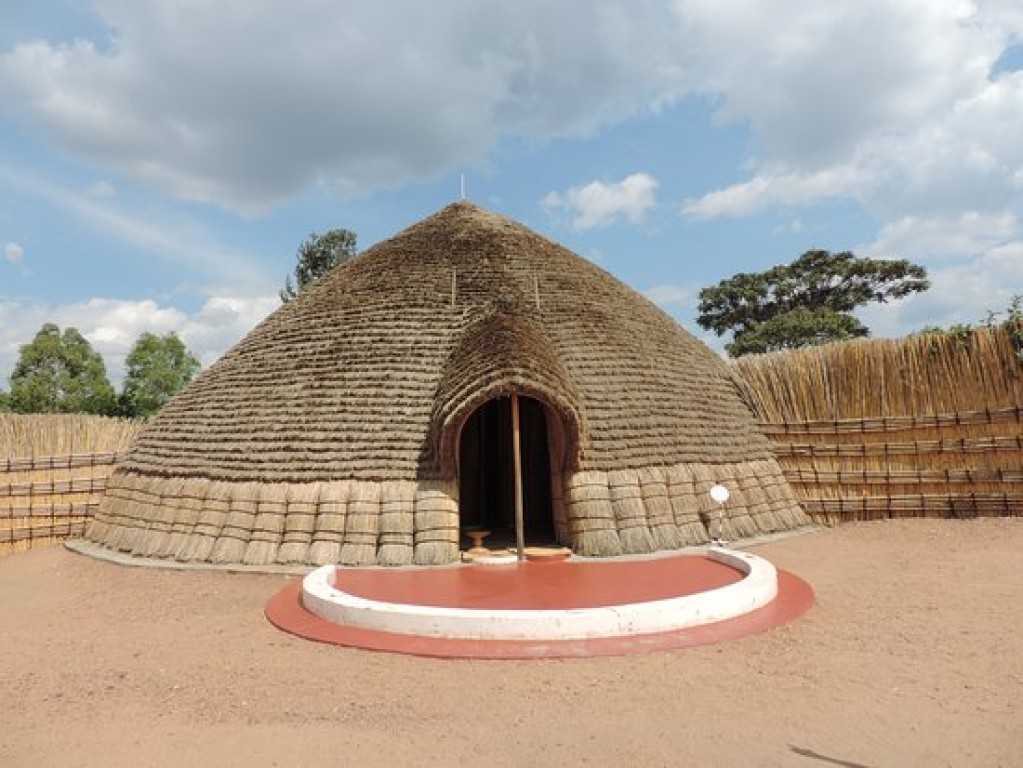
Guided tour of the palace replica — a large, traditional thatched beehive-shaped palace constructed in the style of the 19th-century royal court. Inyambo cattle ceremony — watching the long-horned royal cattle perform their formal procession accompanied by traditional praise poetry. Traditional dance and music performance at the cultural centre. Visit to the adjacent Nyanza Museum documenting Rwanda's pre-colonial monarchical system and the colonial abolition of the kingdom. Day trip from Kigali or combination with Nyungwe Forest en route to the southwest.
About King's Palace Museum
Rwanda was a kingdom for centuries before colonialism arrived. The Mwami (king) ruled from a palace at Nyanza, in Rwanda’s Southern Province, where the royal court maintained elaborate traditions of poetry, cattle herding, warrior culture and ceremonial governance that defined Rwandan identity long before European borders appeared on the map. The King’s Palace Museum at Nyanza reconstructs that world — imperfectly, as all reconstructions must, but with genuine commitment to cultural transmission.
The visit centres on two things: the palace itself and the cattle. Together they convey something essential about pre-colonial Rwanda that no amount of reading quite delivers.
Where is the King’s Palace Museum?
The museum is in Nyanza District, Southern Province, 88 km from Kigali by road (approximately 1.5 hours). It is on the main highway between Kigali and Nyungwe Forest and makes a natural half-day stop on the route south.
The palace replica
The original palace of Mwami Mutara III Rudahigwa was built in the 19th century and has been reconstructed to its historical specifications: a large, conical thatched structure in the traditional Rwandan beehive style, with woven grass walls, a central hearth area and separate chambers for the king, his wives and the royal retinue. The interior is furnished with period items — stools, baskets, royal regalia — and the guided tour explains the function of each space within the court system.
The Rwandan monarchy was abolished in 1961 under Belgian colonial pressure during the Social Revolution — a traumatic rupture that is part of the context for the ethnic tensions that eventually erupted in 1994. The palace museum treats this history with care, explaining the monarchy’s abolition as part of the colonial dismantling of Rwandan institutions rather than a simple political transition.
The Inyambo cattle
The long-horned Inyambo cattle are the museum’s most singular attraction. These ancient Rwandan cattle, bred by the royal court for centuries, have horns of extraordinary length — elegant, lyrical curves that can measure over a metre from base to tip. In the pre-colonial kingdom they were the ultimate status symbol, kept by the Mwami and given as gifts to reward loyal service.
The herd at Nyanza is walked each day in a ceremonial procession by their keepers, accompanied by the recitation of ibisigo — traditional praise poetry addressed to specific cattle by name, in elaborate formal verse. The cattle are named, individually praised and treated with the kind of dignity that is entirely startling to visitors accustomed to cattle as agricultural units. The ceremony is not a performance staged for tourists; it is a living cultural practice.
The Nyanza Museum
Adjacent to the palace, a formal museum covers Rwanda’s monarchical history from the early Mwami lineage through the colonial period to the 1961 abolition. The exhibitions include royal regalia, warrior traditions, the intore dance culture and a documentation of how the Belgian colonial administration systematically restructured Rwandan society along ethnic lines that had previously been relatively fluid.
Combine the King’s Palace with…
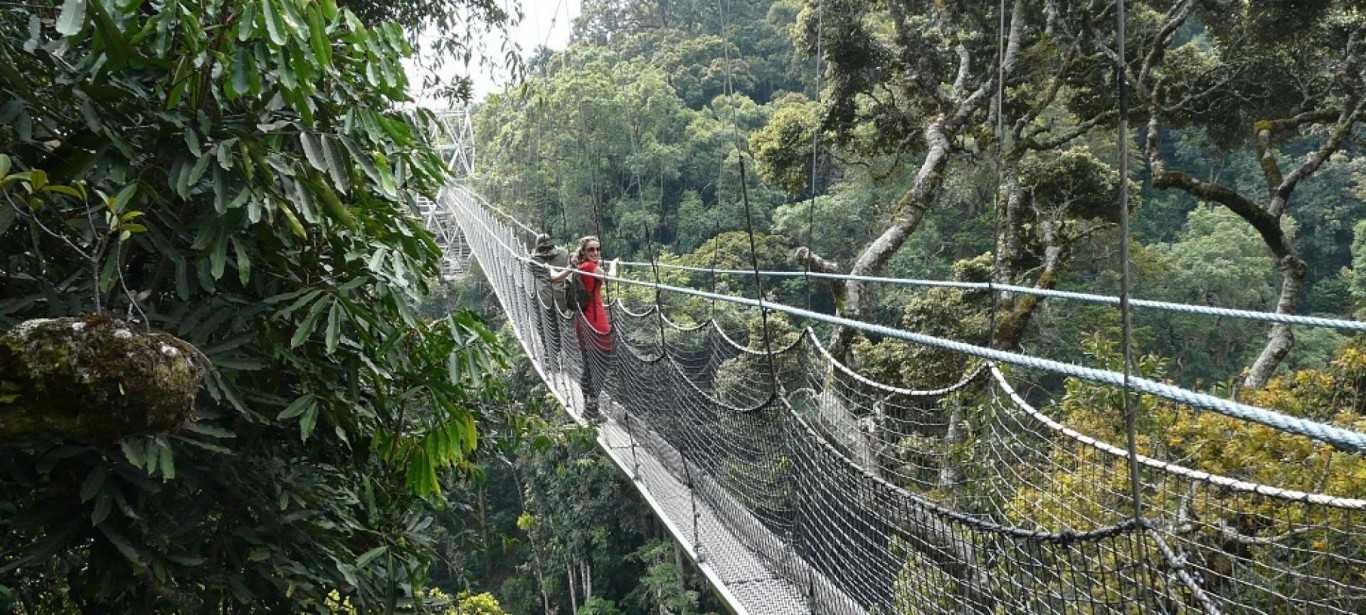
- Nyungwe Forest — continue 3 hours south for chimpanzee trekking and the canopy walkway.
- Kigali Genocide Memorial — the cultural and historical context established at Nyanza enriches the Kigali memorial visit.
- Huye (Butare) National Museum of Rwanda — 30 km south of Nyanza, the country’s main ethnographic collection.
Frequently asked questions about the King’s Palace Museum
Can you see the Inyambo cattle every day?
Yes — the cattle ceremony is performed daily as part of the museum visit. Confirm the schedule with the museum when you arrive as timing can vary slightly.
How long does the King’s Palace visit take?
Allow 2–2.5 hours for the guided palace tour, the cattle ceremony and the adjacent museum.
Is the King’s Palace Museum worth visiting?
For any visitor interested in Rwandan history and culture beyond the genocide memorial — yes, strongly. The Inyambo cattle ceremony in particular is unlike anything else in East African cultural tourism.
Want to visit King's Palace Museum?
Get a free custom safari plan within 24 hours.
King's Palace Museum safari tours
No fixed packages listed yet — we'll build a custom safari around King's Palace Museum for you.
Browse All ToursWant to visit King's Palace Museum?
Get a free custom safari plan within 24 hours.
Best time to visit the King’s Palace Museum
The museum is open year-round and is largely unaffected by seasonal considerations — it is a cultural institution rather than a wildlife or landscape destination. The Inyambo cattle ceremony and palace tours run daily.
June to September and December to February — Dry season (best for road travel)
The road from Kigali to Nyanza is tarmac and generally good, but the drier months make the journey most pleasant and combine well with nearby Nyungwe Forest visits, which are best in the dry season.
Bottom line: Visit whenever your Rwanda itinerary brings you through the Southern Province — the museum makes a natural stop between Kigali and Nyungwe Forest.
Where to stay in King's Palace Museum
We'll recommend accommodation across all budget levels based on your dates and preferences.
Browse All LodgesWant to visit King's Palace Museum?
Get a free custom safari plan within 24 hours.