Quick facts
Wildlife
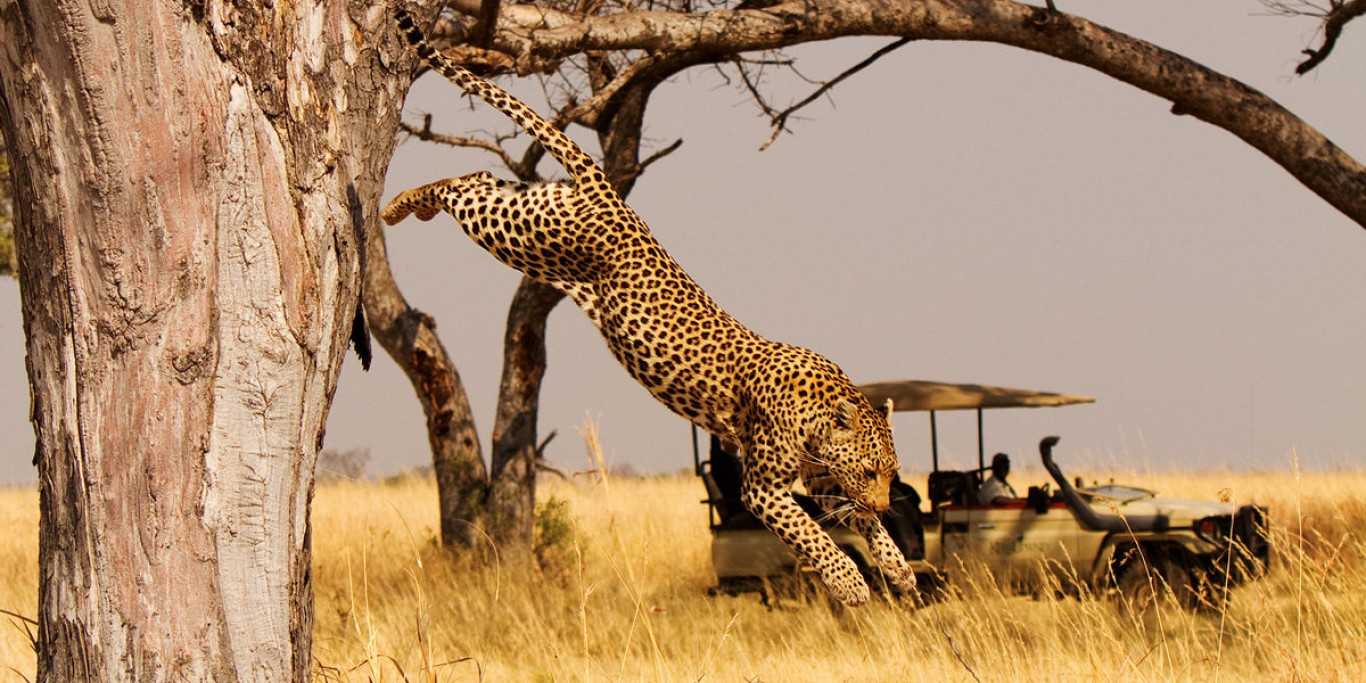
Nyungwe Forest holds 13 primate species — one of the highest densities in Africa — including chimpanzee, Angola colobus (in troops of up to 400, the largest in Africa), grey-cheeked mangabey, L'Hoest's monkey, golden monkey and owl-faced monkey. Over 300 bird species are recorded, with 27 Albertine Rift endemics making it East Africa's finest birding forest destination. Other mammals include forest leopard, serval, African golden cat, giant forest hog, side-striped jackal and over 1,000 plant species, many endemic to the Albertine Rift.
Top activities
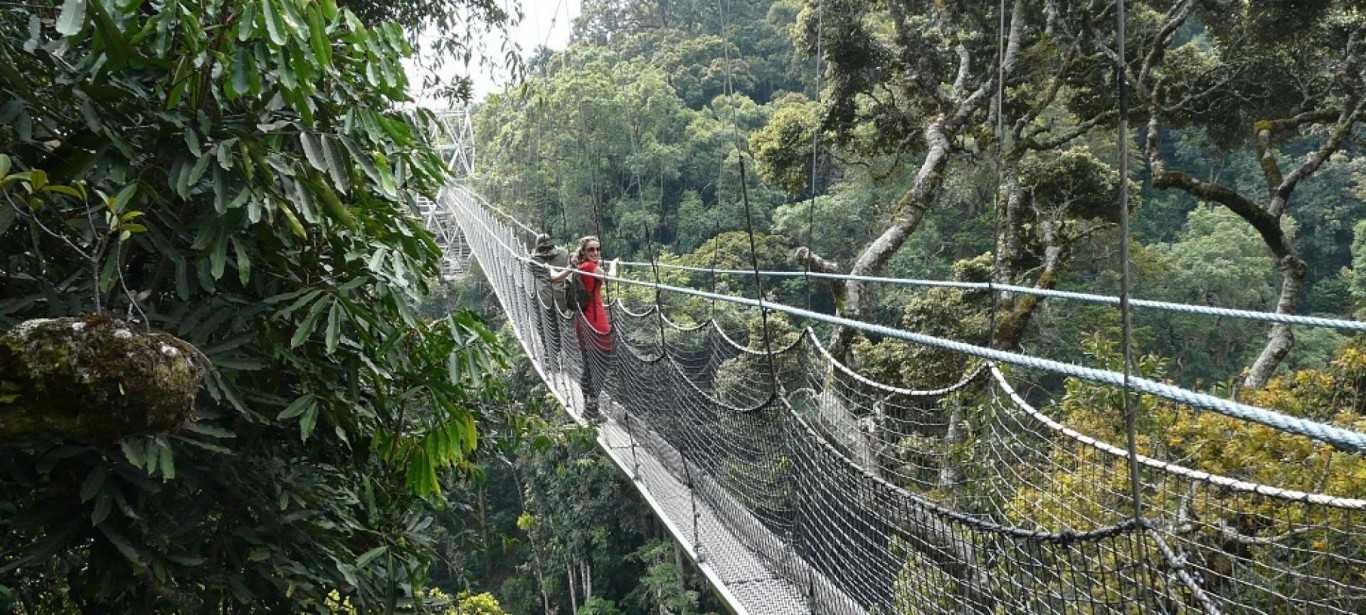
Chimpanzee trekking — Nyungwe's flagship activity, with habituation ongoing; sightings require patient and sometimes lengthy forest trekking. Colobus monkey trekking — the massive Angola colobus troops are reliably found and a spectacular photographic subject. Canopy walkway — a 70-metre suspension bridge at forest canopy height, the only one in East Africa, offering a bird's-eye forest experience. Birdwatching — 27 Albertine Rift endemics including Grauer's rush warbler and the African green broadbill. Congo Nile Trail hiking — a multi-day trail on the ridge between Lake Kivu drainage and the Congo Basin.
About Nyungwe Forest National Park
Rwanda is most famous internationally for gorilla trekking at Volcanoes National Park. But in the southwest of the country, covering 1,019 square kilometres of the Congo–Nile divide, lies Nyungwe Forest National Park — one of Africa’s most biodiverse montane forests and, for serious primatologists and birders, a more scientifically remarkable destination than the gorilla highlands.
Nyungwe is ancient. The forest has persisted through climatic cycles that eliminated similar habitats across central Africa, accumulating a diversity of plants, primates and birds that is genuinely extraordinary. Thirteen primate species inhabit the forest — one of the highest densities anywhere in Africa — alongside 27 bird species found only in the Albertine Rift zone. The Angola colobus troops here sometimes number 400 individuals — the largest recorded colobus troops in Africa.
Where is Nyungwe?
The park occupies Rwanda’s southwestern highlands, bordering Burundi to the south and the Democratic Republic of Congo to the west. The park straddles the watershed between the Congo Basin and the Nile Basin — one of Africa’s great hydrological divides. The nearest town is Nyamagabe (Gikongoro), with the main park facilities at Uwinka. From Kigali: approximately 5 hours by road.
Chimpanzee trekking
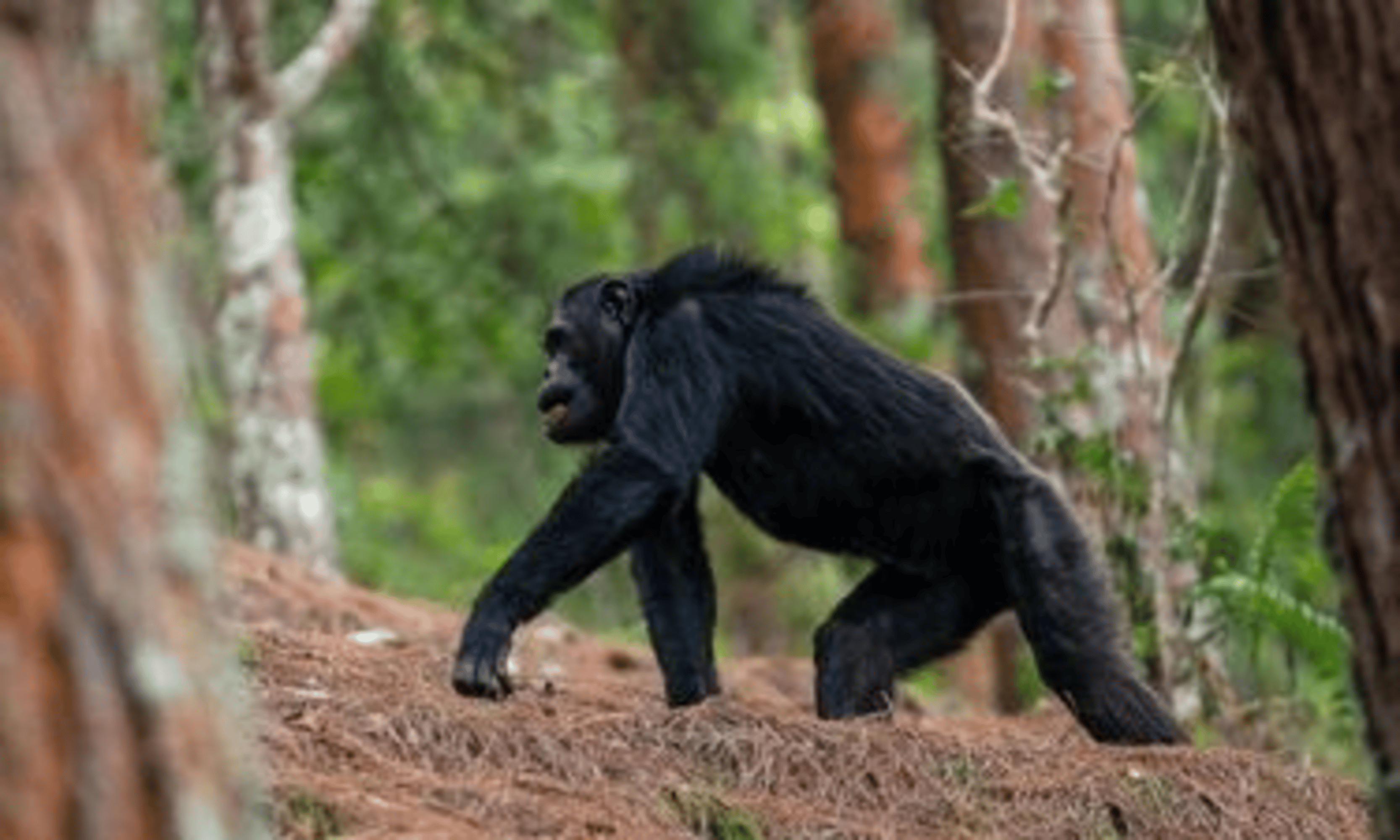
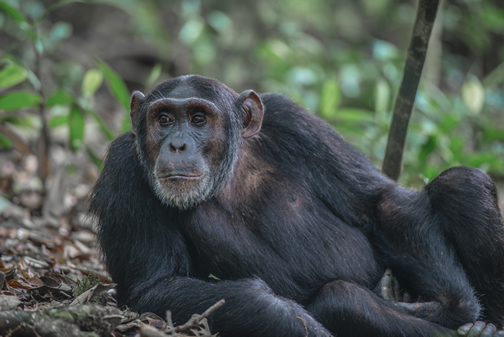
Nyungwe’s chimpanzee habituation programme is ongoing. The Cyamudongo chimp group is the most habituated and provides the most reliable sightings — though chimpanzee trekking in dense rainforest is inherently less predictable than at western Tanzania’s Mahale or Gombe. Treks can last 2–6 hours in steep, dense forest. The reward when you do find the chimps — their speed, noise and sheer exuberant energy compared to the placid mountain gorilla — is an entirely different primate encounter.
The canopy walkway
East Africa’s only forest canopy walkway stretches 200 metres between platforms at 50–70 metres above the forest floor. From the walkway, the forest canopy unfolds below in every direction — a different kingdom from the dark forest floor, populated by sunbirds, hornbills and the colobus troops that spend their lives in the upper branches. The walk is accessible to non-trekkers and is one of Nyungwe’s most rewarding half-day activities.
Birdwatching
Nyungwe is Rwanda’s premier birding destination and one of the finest in East Africa. The 27 Albertine Rift endemics include the extraordinarily rare Grauer’s rush warbler, the African green broadbill and the Rwenzori turaco. The list of endemics makes the forest a genuine target site for serious listers visiting East Africa. Specialist birding guides are available from the park authority.
The Congo-Nile Trail
A multi-day hiking trail (3–5 days) along the ridge that separates the Congo and Nile drainage systems, with spectacular views of both the forest and, on clear days, Lake Kivu below. The trail passes through communities on the forest edge and can be combined with cultural homestay accommodation.
Combine Nyungwe with…
- Volcanoes National Park — gorilla trekking in the north of Rwanda; the classic Rwanda circuit covers both parks.
- Akagera National Park — Big Five savanna in the east; a complete Rwanda wildlife circuit.
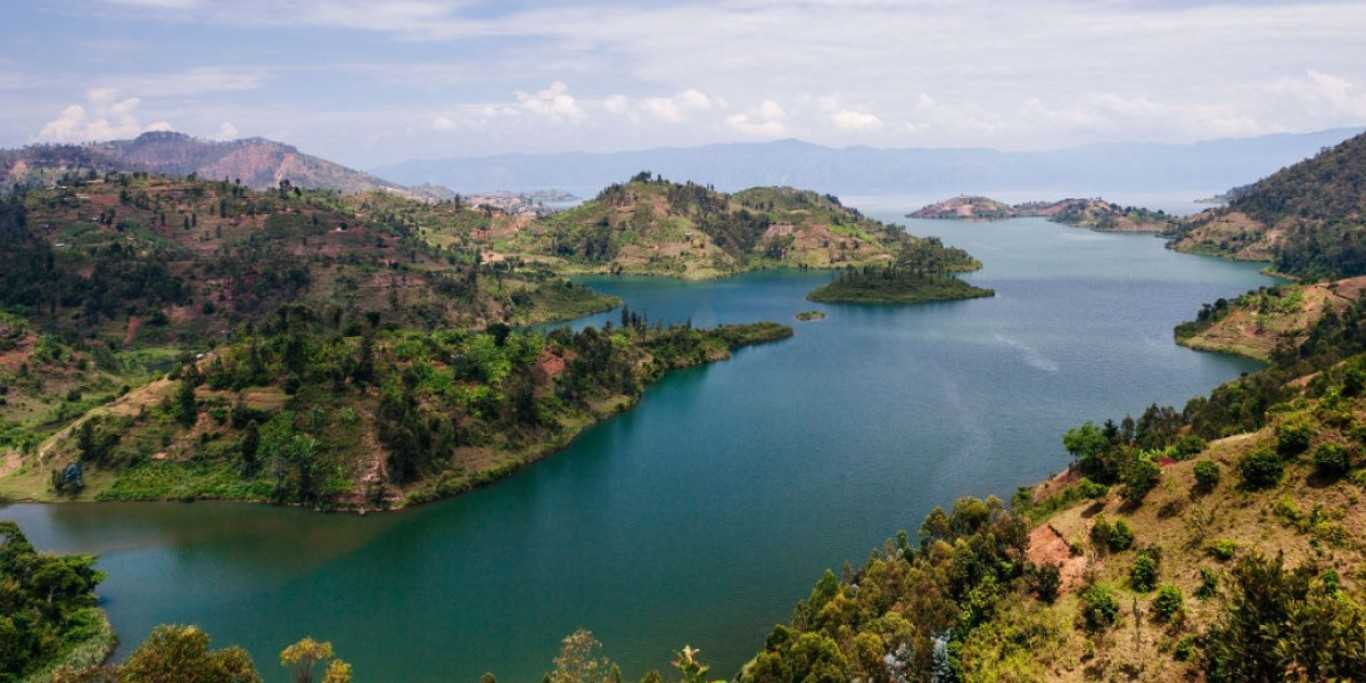
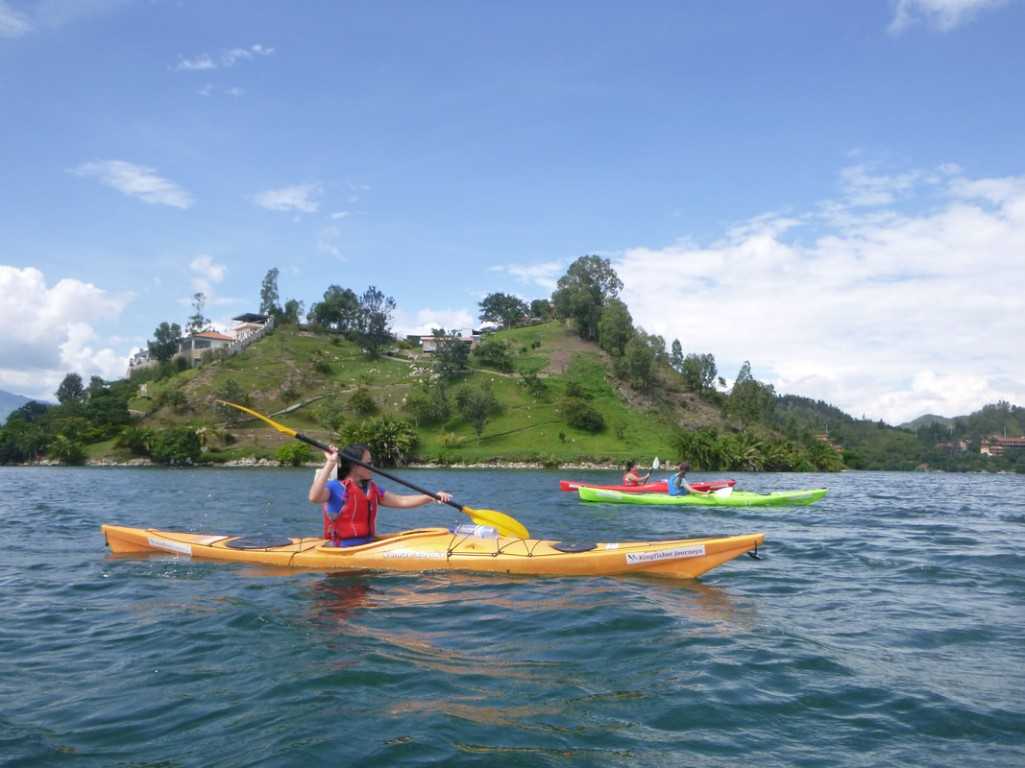
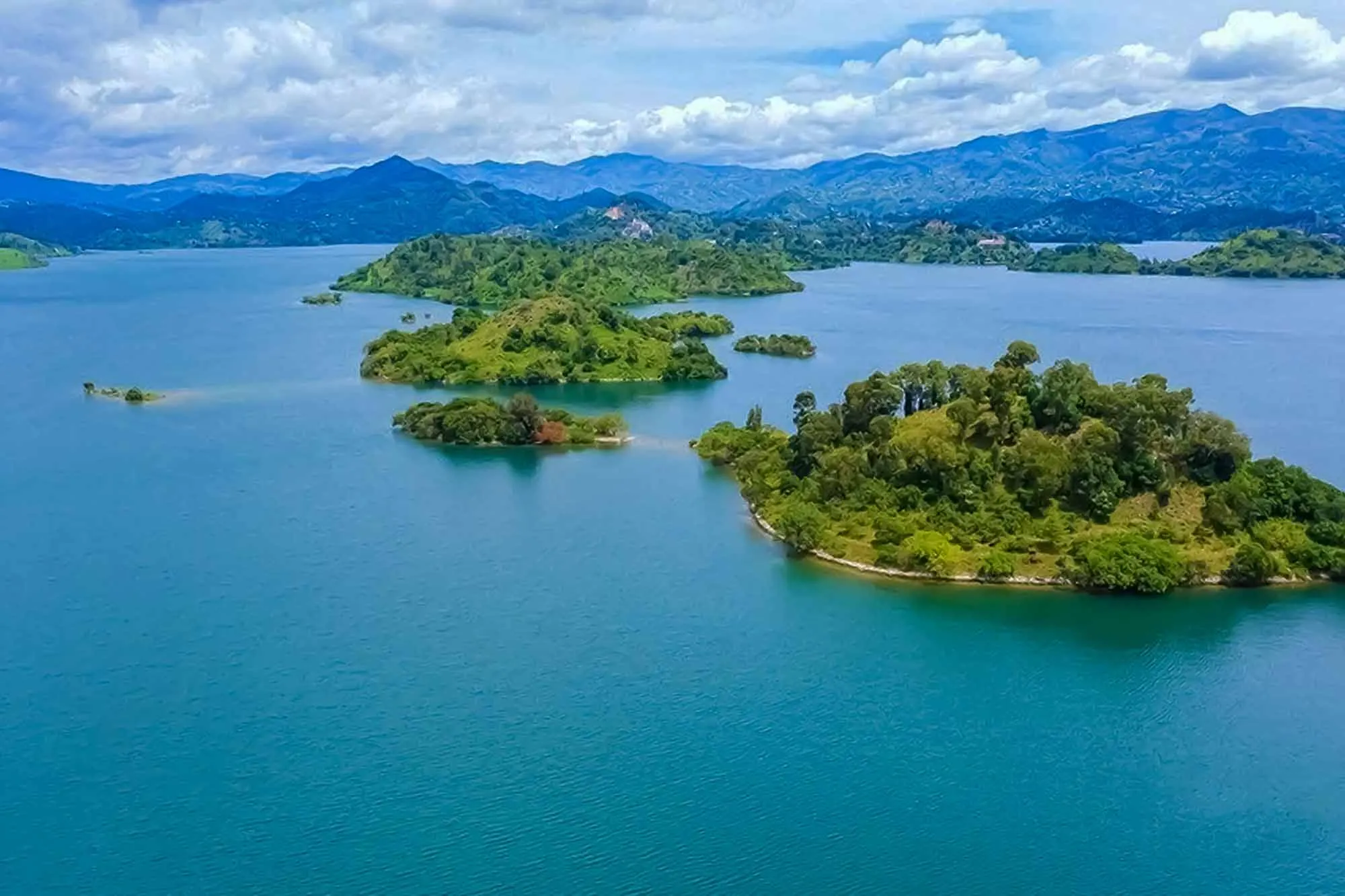
- Lake Kivu — the border lake below the park, accessible from Kibuye or Gisenyi for boat trips and swimming.
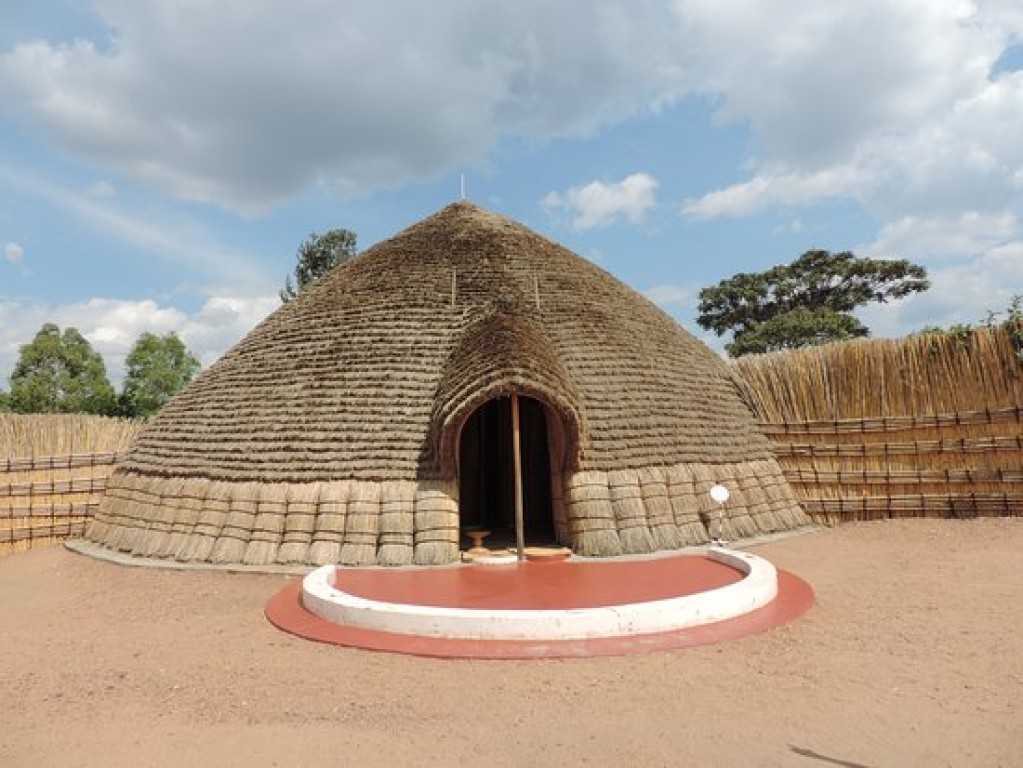
- King’s Palace Museum — 1 hour north of Nyungwe at Nyanza.
Frequently asked questions about Nyungwe
Is Nyungwe good for gorillas?
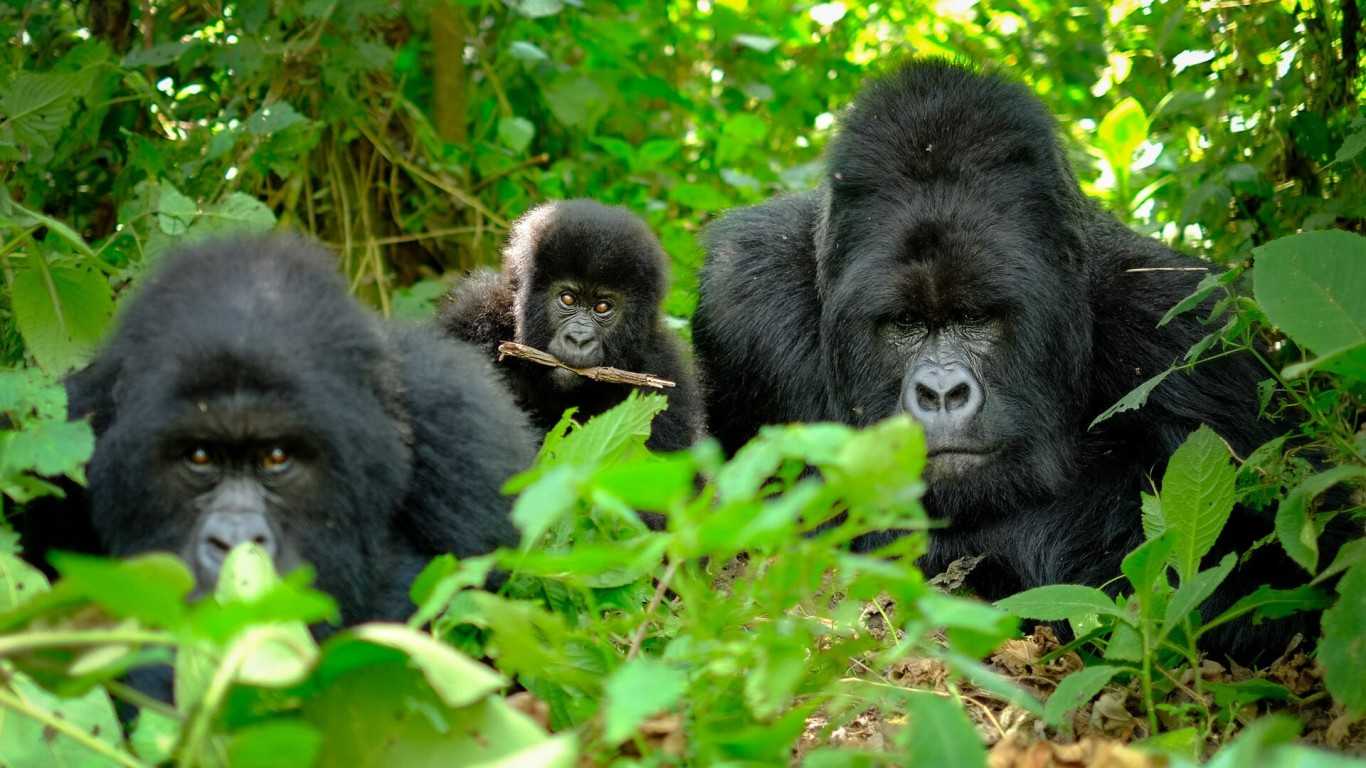
No — Nyungwe does not have mountain gorillas. The gorilla trekking in Rwanda is at Volcanoes National Park in the north.
How does the Nyungwe canopy walkway compare to the Magoroto walkway in Tanzania?
Nyungwe’s is significantly higher (50–70 m vs ~10 m at Magoroto) and longer, with a more dramatic perspective above a primary montane forest rather than a secondary coastal forest.
How far is Nyungwe from Kigali?
Approximately 5 hours by road — a long but scenic drive through Rwanda’s tea-covered hills. Some visitors fly to Kamembe Airport near Cyangugu and transfer; check current flight schedules.
Want to visit Nyungwe Forest National Park?
Get a free custom safari plan within 24 hours.
Nyungwe Forest National Park safari tours
Want to visit Nyungwe Forest National Park?
Get a free custom safari plan within 24 hours.
Best time to visit Nyungwe Forest
June to September — Long dry season (best for trekking and birding)
The dry season offers the most comfortable trekking conditions — trails are less muddy, chimpanzee tracking success rates are higher as chimps concentrate in more predictable areas, and the canopy walkway is accessible without rain gear. Albertine Rift endemic birds are most active in the drier months. This is the peak visitor period.
December to February — Short dry season (excellent birding)
One of the finest birding windows. The forest is at its most productive for Albertine Rift endemics, with some species in breeding plumage. Chimpanzee trekking conditions are good. Fewer visitors than June–September and somewhat lower camp rates.
March to May — Long rains (lush, difficult trails but empty park)
The forest is dramatically lush with the full rains. The colobus troops are highly visible and the forest atmosphere is extraordinary in the mist. Trails are very muddy and steep. The park is almost empty of visitors — an option for hardy birders and adventurous trekkers.
Bottom line: June to September for the most reliable trekking and birding. December to February for a quieter, excellent-value alternative.
Where to stay in Nyungwe Forest National Park
We'll recommend accommodation across all budget levels based on your dates and preferences.
Browse All LodgesWant to visit Nyungwe Forest National Park?
Get a free custom safari plan within 24 hours.