Quick facts
Wildlife
Arusha National Park supports a notable variety of primates including black-and-white colobus, blue and vervet monkeys, and olive baboon. Giraffe, buffalo, zebra, warthog and hippo are common. Leopard and leopard sign are regularly recorded, though sightings are rare. The park holds one of the densest bird species lists for its size in Tanzania, with over 400 species — including both flamingo species on the Momella Lakes.
Top activities
Canoe and kayak safaris on the Momella Lakes — the only water-based game viewing near Arusha. Guided walking safaris with armed rangers, offering up-close encounters with giraffe and buffalo. Game drives through the Ngurdoto Crater rim and Momella grasslands. Mountain biking on designated estate tracks. Acclimatisation hikes on lower Mount Meru slopes. Birdwatching on the alkaline Momella Lakes — excellent for flamingo, pelican and waders.
About Arusha National Park
Tanzania’s most overlooked park is probably its most accessible. Arusha National Park sits just 25 km from Arusha city and wraps around the southern and eastern flanks of Mount Meru — Africa’s fifth-highest peak. In a single morning you can canoe among hippos on alkaline lakes, walk alongside giraffe on open grasslands, and look up through the forest canopy at black-and-white colobus monkeys, all before lunch.
For visitors arriving or departing through Kilimanjaro International Airport, a half-day or full day in Arusha National Park is the most rewarding way to begin or end a Tanzania safari. It also serves as one of the best acclimatisation primers for Kilimanjaro climbers, with altitude zones running from 1,500 m to 4,566 m on the Mount Meru summit.
Where is Arusha National Park?
The park covers 542 square kilometres in the Arusha Region, with two primary entry points: the Ngurdoto Gate (southeast, closest to Arusha town) and the Momella Gate (northeast, closest to the Meru climbing routes). It is 35 km from Kilimanjaro International Airport.
The Momella Lakes
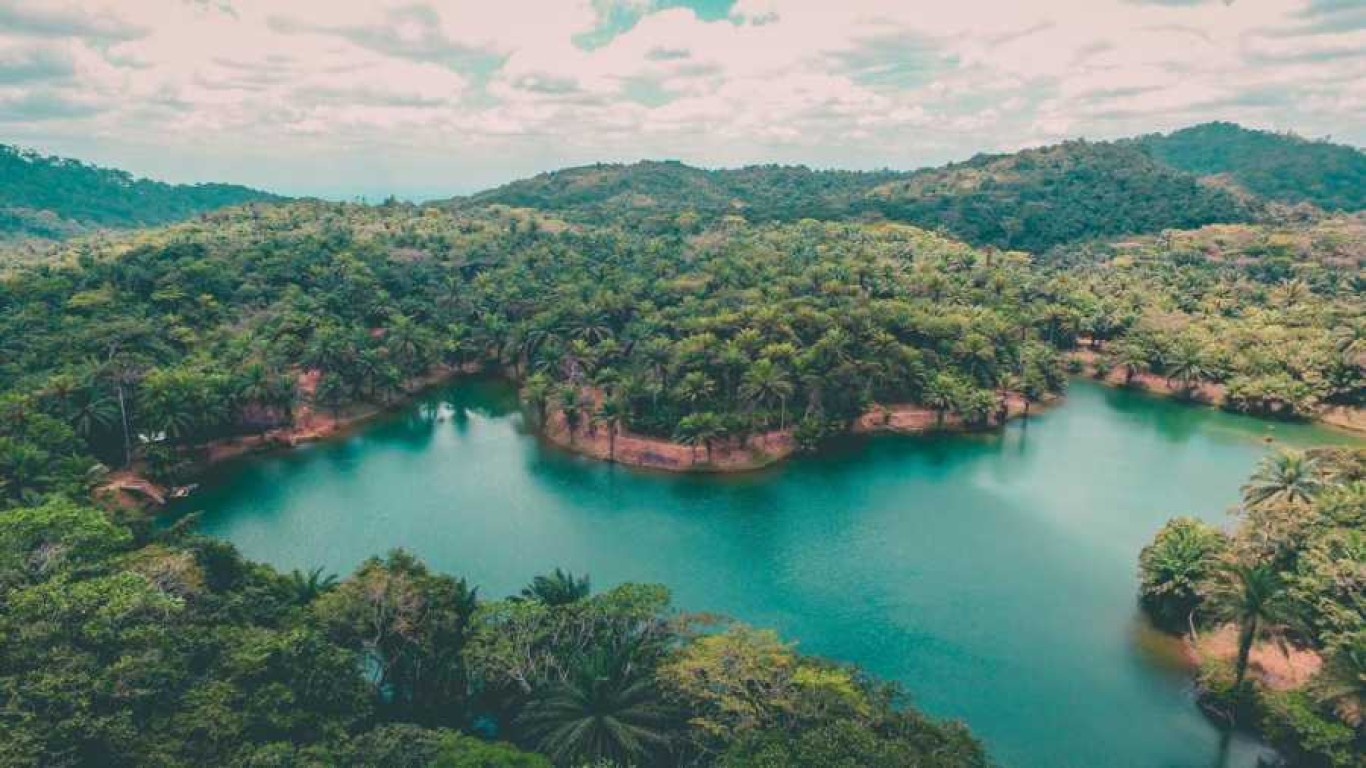
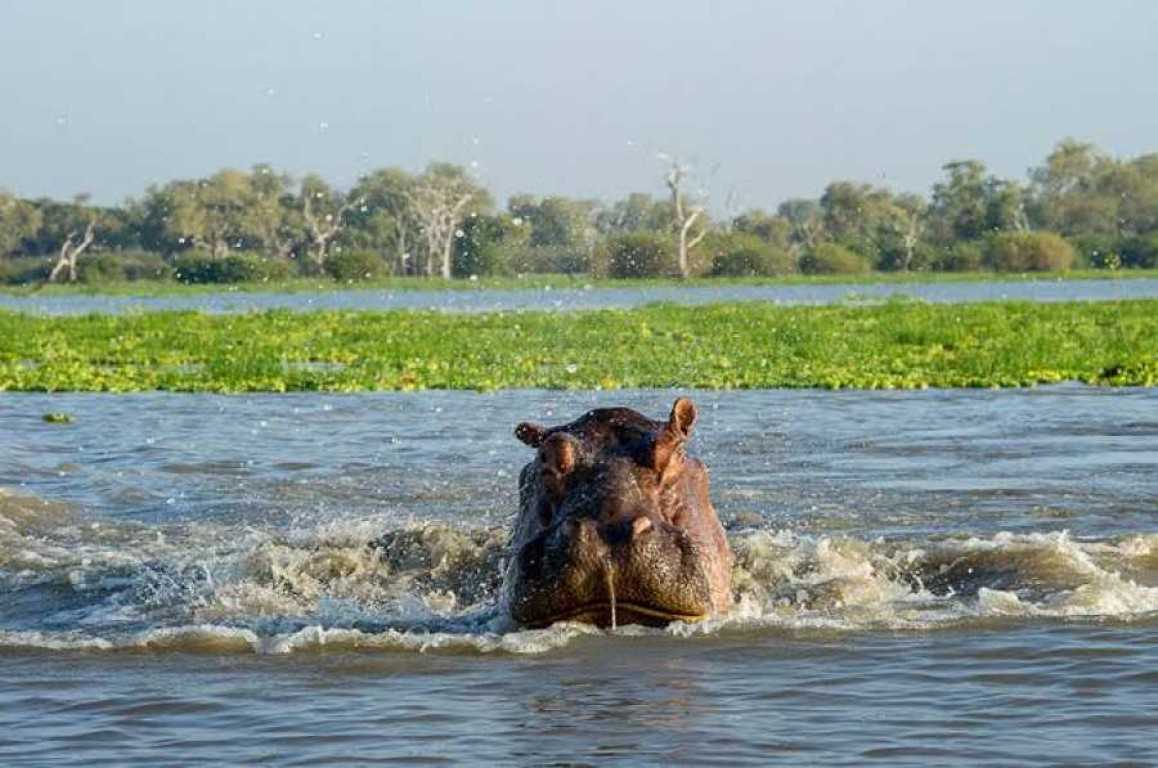
A string of shallow alkaline lakes in the eastern section of the park, the Momella Lakes are one of Arusha National Park’s most distinctive features. Each lake has a slightly different chemistry and colour, ranging from greenish to deep blue. Together they host extraordinary waterbird concentrations: both greater and lesser flamingos are frequently present, alongside pelicans, herons, spoonbills and a long list of waders. Canoe safaris here offer a genuinely unusual game-viewing perspective — launching at dawn, paddling toward a pod of hippos, watching flamingos take flight above your kayak.
The Ngurdoto Crater
Often called “Tanzania’s Little Ngorongoro”, the Ngurdoto Crater is a smaller but similarly enclosed volcanic caldera, its floor a dense green swamp that you look down into from the crater rim road. Entry to the crater floor is prohibited — it is a sanctuary protected from vehicles — which means buffalo, bushbuck and warthog wander across the undisturbed floor while you observe from above. The views from the rim, with the Arusha plains visible through the forest, are beautiful.
Wildlife
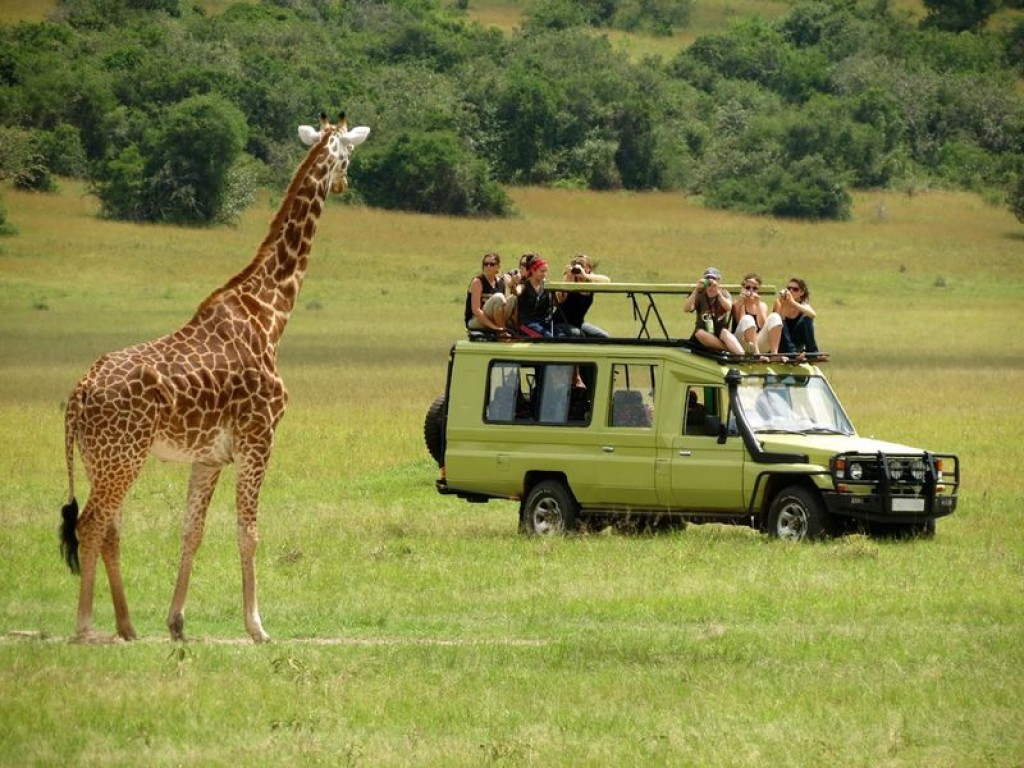
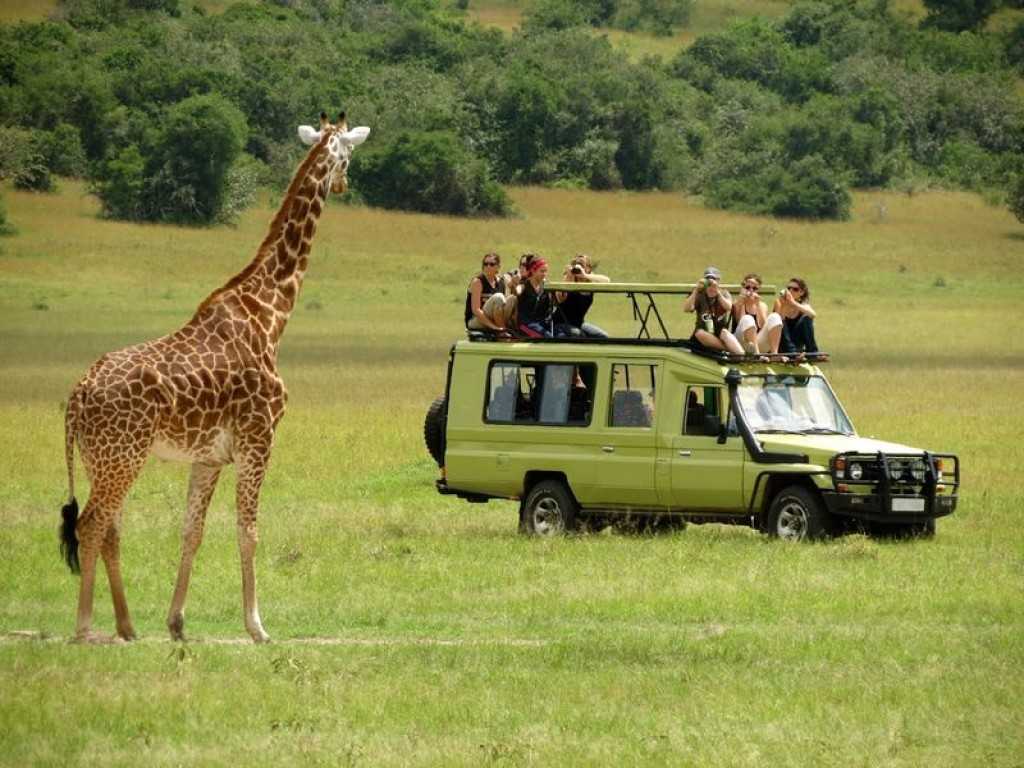
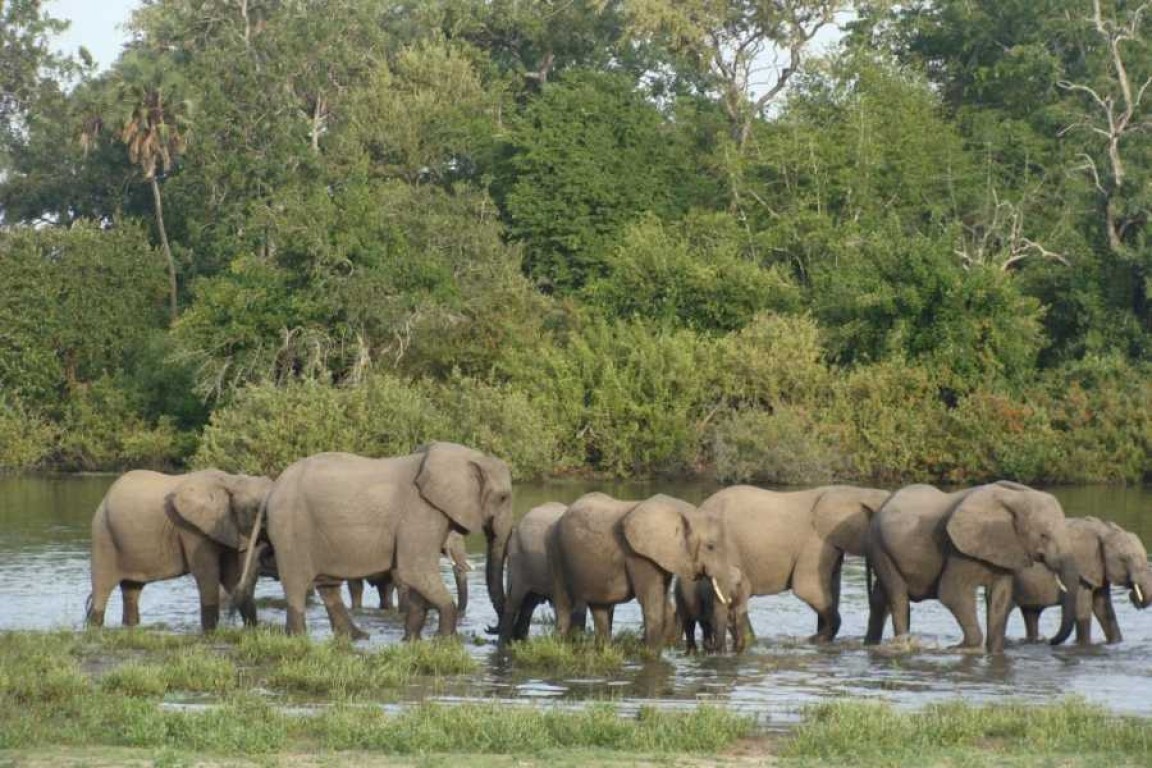
Arusha National Park lacks the Big Five predators (no lion or cheetah, and elephant visited historically but are rare today), but makes up for it with outstanding primates, excellent giraffe and buffalo concentrations, and remarkable bird diversity. Black-and-white colobus monkeys are prolific in the Njeku Forest, while olive baboons are encountered throughout. The giraffe here are particularly approachable on foot — the park is one of the only places in Tanzania where you can do a guided walk among giraffe, getting within a few tens of metres on foot.
Mount Meru
The park contains the entire mountain above the cultivation zone. Mount Meru climbing is one of Tanzania’s finest trekking experiences: a 3–4 day ascent through forest, heath and alpine desert to the dramatic horseshoe crater and 4,566 m summit. Climbers are required to have an armed ranger escort from Momella Gate, due to the elephant and buffalo on the lower slopes — making it the only major Tanzania trek with full-time armed protection.
Combine Arusha National Park with…
- Arusha city — the Cultural Heritage Centre, Maasai market and the National Natural History Museum.
- Mount Meru climb — a 3–4 day trek inside the park.
- Tarangire National Park — 2 hours southwest on the Northern Circuit.
- Kilimanjaro — as a pre-climb acclimatisation day or post-climb recovery.
Frequently asked questions about Arusha National Park
Is Arusha National Park worth visiting?
Absolutely — particularly as a half-day extension on arrival or departure from Kilimanjaro Airport. The canoe safari, walking safari and Ngurdoto Crater rim drive together offer a quality wildlife experience in just 5–6 hours.
Can you walk freely in Arusha National Park?
Guided walking safaris with a ranger are permitted. Unguided walking is not allowed due to the presence of buffalo and, on the Meru slopes, elephant.
How long does Arusha National Park take?
A half-day circuit (3–4 hours) covers the Momella Lakes and Ngurdoto Crater rim. A full day allows a canoe safari, a walking safari and a complete park circuit.
Can you see Kilimanjaro from Arusha National Park?
On clear days — particularly December to February — Kilimanjaro is visible to the east from the Momella Lakes area and the open grasslands. The view of Meru above the forest is even more dramatic.
Are there Big Five in Arusha National Park?
Buffalo and leopard are present (leopard is rarely spotted). There are no lion, cheetah or resident elephant in the main park area. Rhino are absent. The park’s strengths are primates, birds, giraffe and the walking safari experience, not Big Five hunting.
Want to visit Arusha National Park?
Get a free custom safari plan within 24 hours.
Arusha National Park safari tours
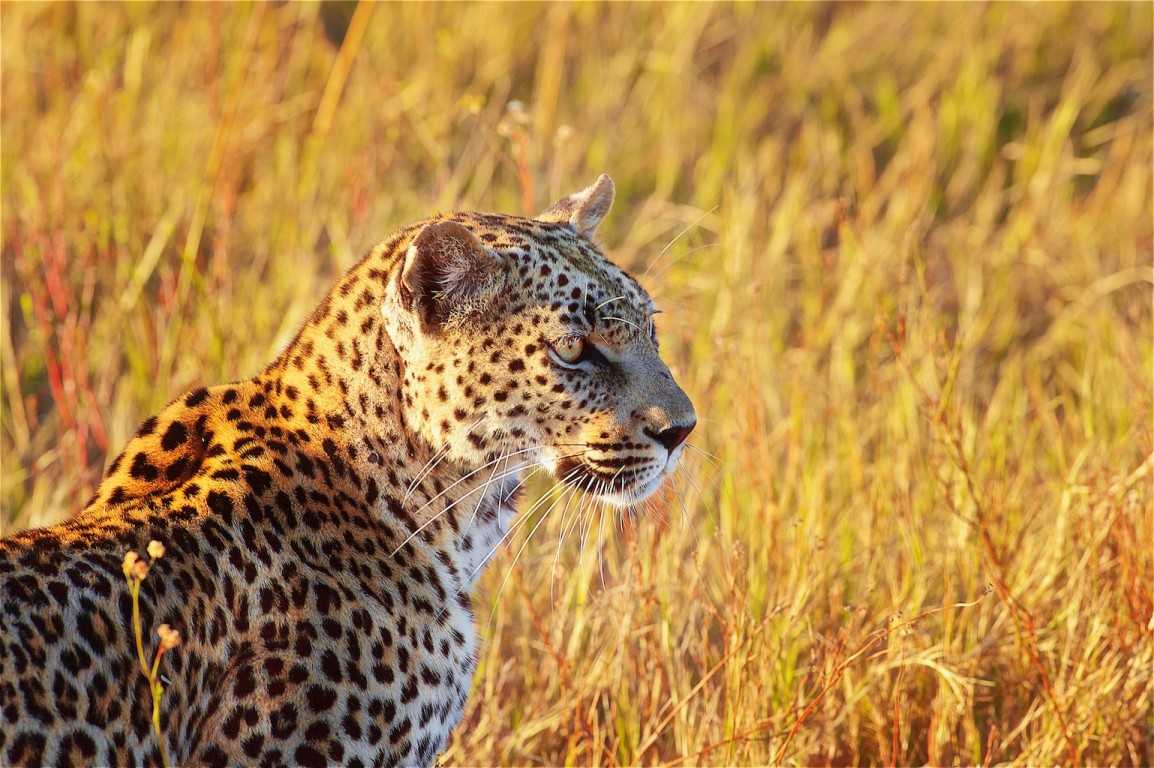

Want to visit Arusha National Park?
Get a free custom safari plan within 24 hours.
Best time to visit Arusha National Park
Arusha National Park is one of Tanzania’s most consistently rewarding parks because it is accessible year-round and the diverse habitats — from montane forest to open alkaline lakes — ensure something is always happening.
June to October — Dry season (best for walking and game viewing)
Clear skies offer spectacular views of Mount Meru and, on exceptionally clear days, Kilimanjaro to the east. The vegetation thins slightly, making wildlife easier to spot in the forest zone. Walking safaris are at their most comfortable in the cooler temperatures. The Momella Lakes remain productive for flamingo and waders throughout this period.
December to February — Short dry season (Kilimanjaro views)
The clearest window for Kilimanjaro views from the eastern sections of the park. Migratory birds are present from November through March. Temperatures are warm but the altitude keeps them comfortable. A popular period given the clear mountain panoramas.
March to May — Long rains (green season)
The park is lush and green. Waterfalls at their best. The forest is dramatically alive with birdsong and amphibian activity. The main access roads remain in good condition year-round, though some lesser tracks can get muddy. A good-value, quiet period.
Bottom line: June to October for the clearest game viewing and walking conditions; December to February for the best Kilimanjaro panoramas. Arusha National Park is genuinely rewarding on any day of the year.
Where to stay in Arusha National Park

Want to visit Arusha National Park?
Get a free custom safari plan within 24 hours.
Nearby destinations
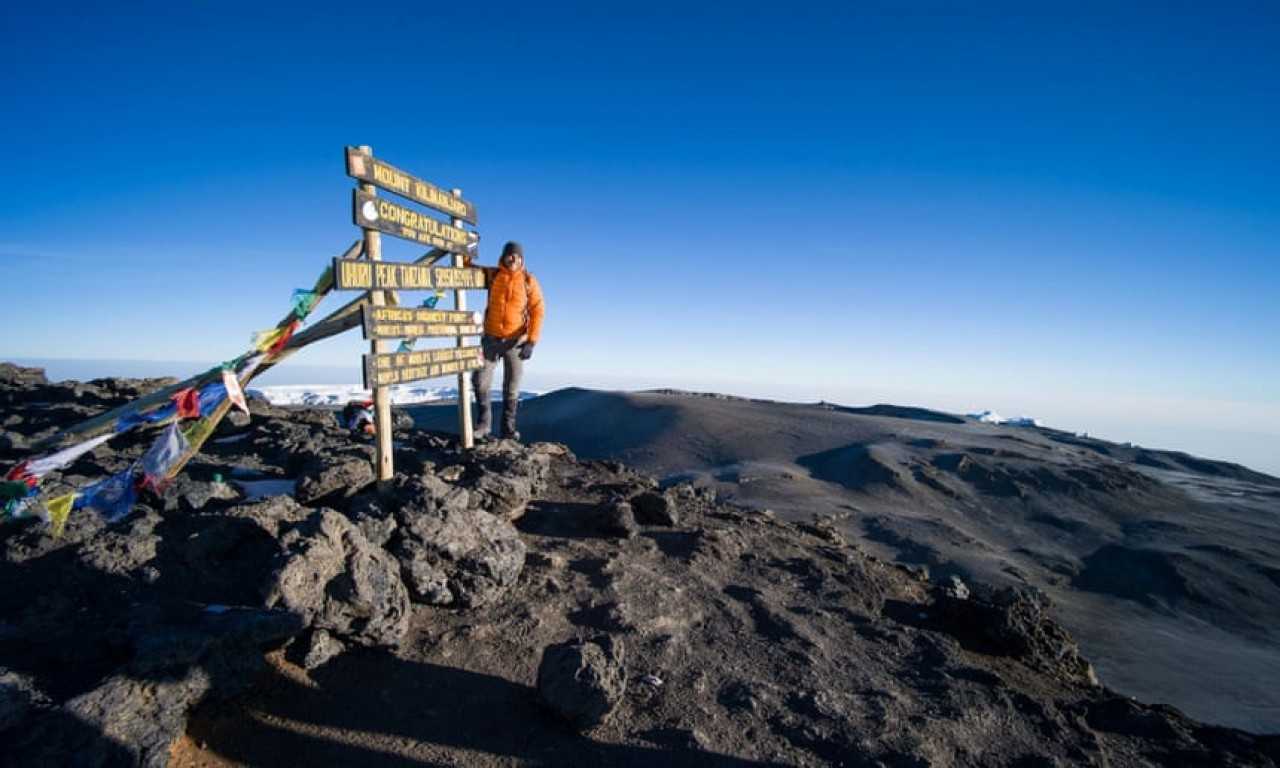 Tanzania
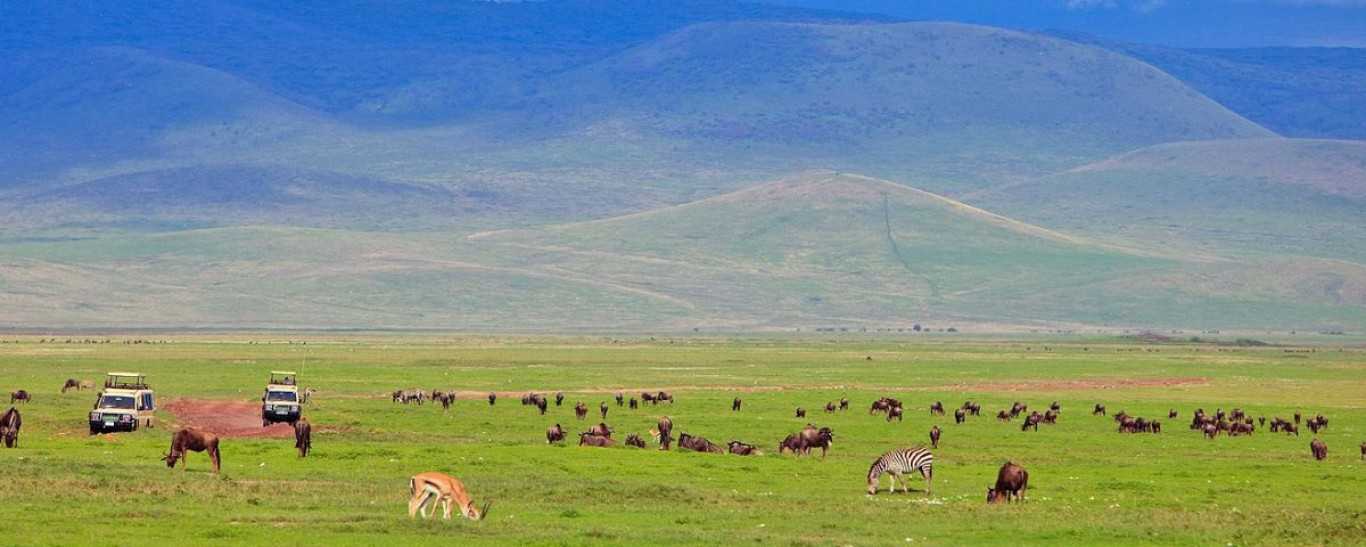 Tanzania
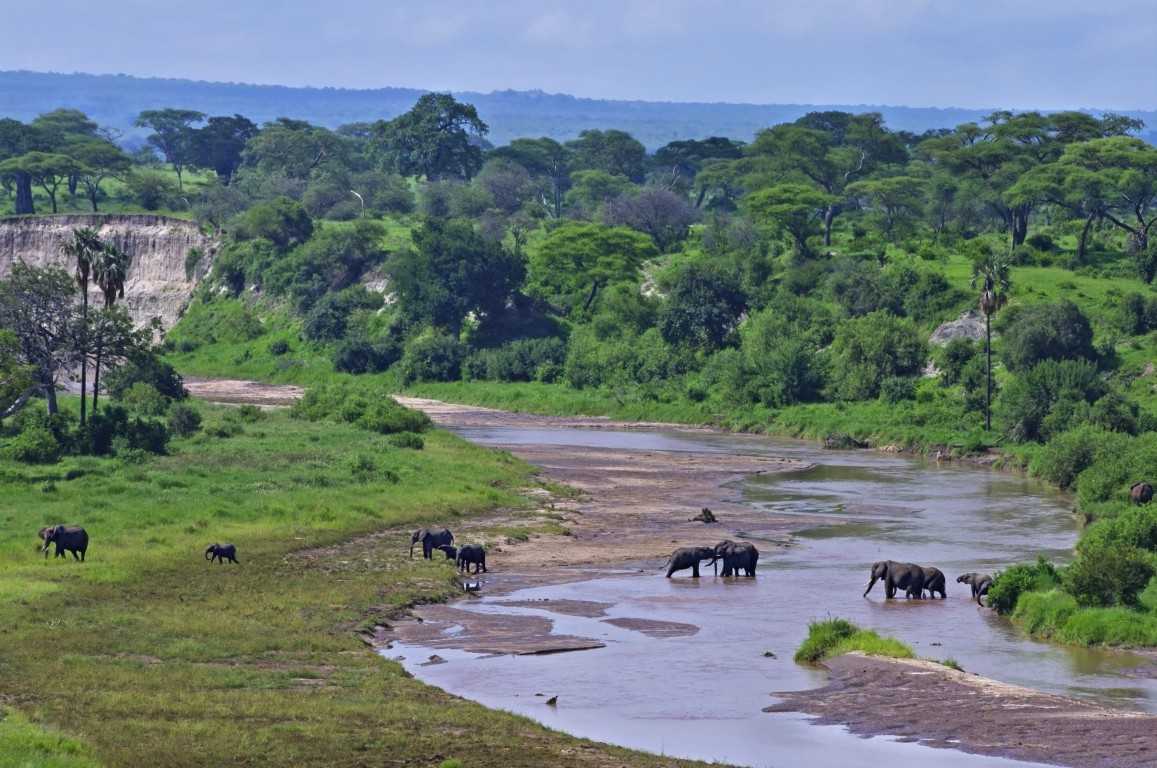
 Tanzania
 Tanzania