Quick facts
Wildlife
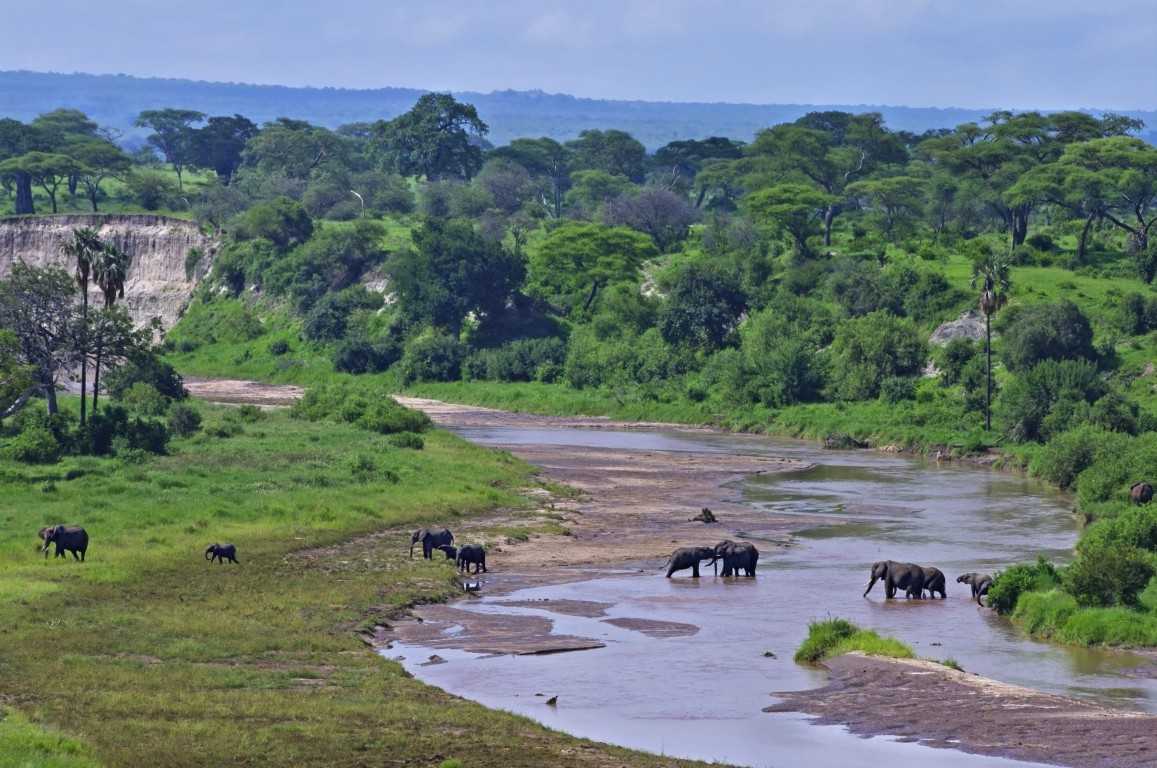
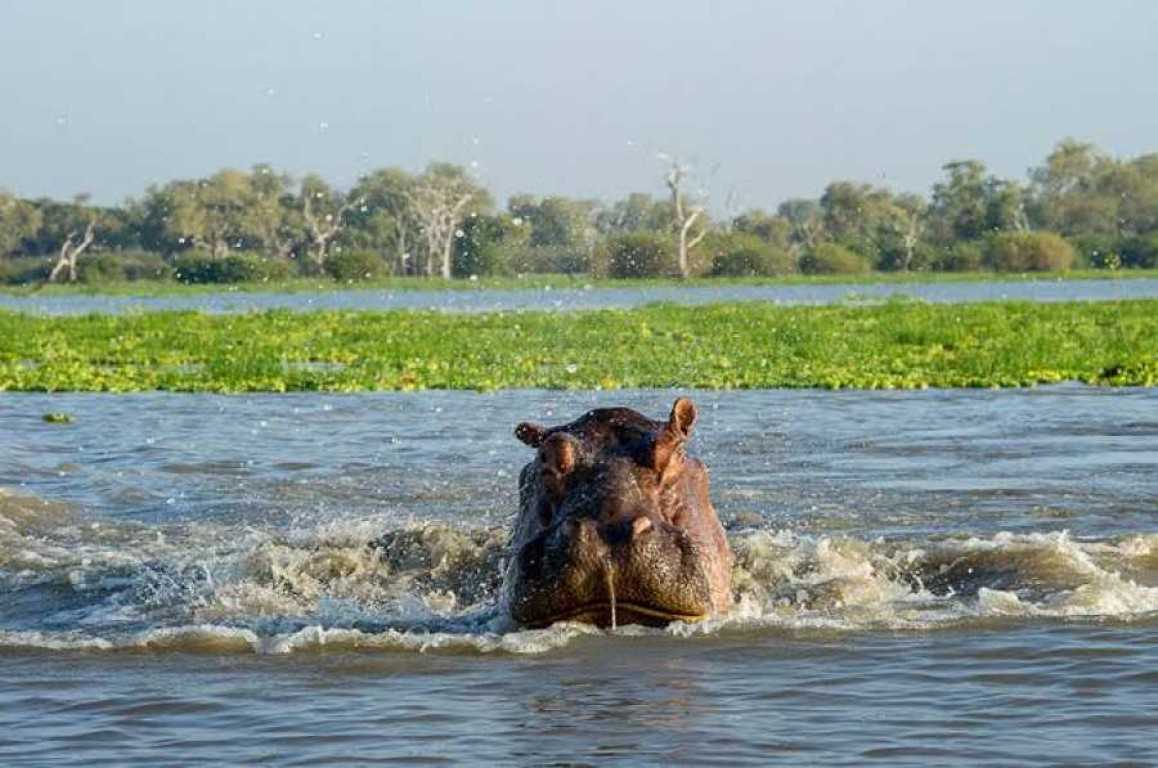
Iringa town itself has no significant wildlife, but its position as gateway to Ruaha National Park (130 km southwest) makes it the base for Tanzania's finest lion country. The Ruaha River gorge below Iringa escarpment has crocodile and hippo visible from viewpoints. The Isimila Stone Age site (20 km from town) has no wildlife but the gullied landscape around it supports monitor lizard, baboon and a range of dry savanna birds. The Iringa region's miombo woodland on the plateau holds impala, bushbuck, vervet monkey and occasional leopard.
Top activities
Isimila Stone Age site tour — a UNESCO-candidate site with 60,000-100,000 year old Acheulean hand axes exposed in eroded gullies, one of the most significant Middle Stone Age sites in East Africa. Gangilonga Rock (Talking Rock) hike — the prominent granite inselberg where Chief Mkwawa's forces made their last stand against the Germans in 1894. Iringa Old Boma — the German administrative fort now serving as a small regional museum covering the Hehe people's resistance to colonialism. Chief Mkwawa's skull at the Kalenga Museum (20 km from town) — returned to Tanzania from Germany in 1954 after the Treaty of Versailles demanded its repatriation. Ruaha National Park fly-in or road transfer.
About Iringa
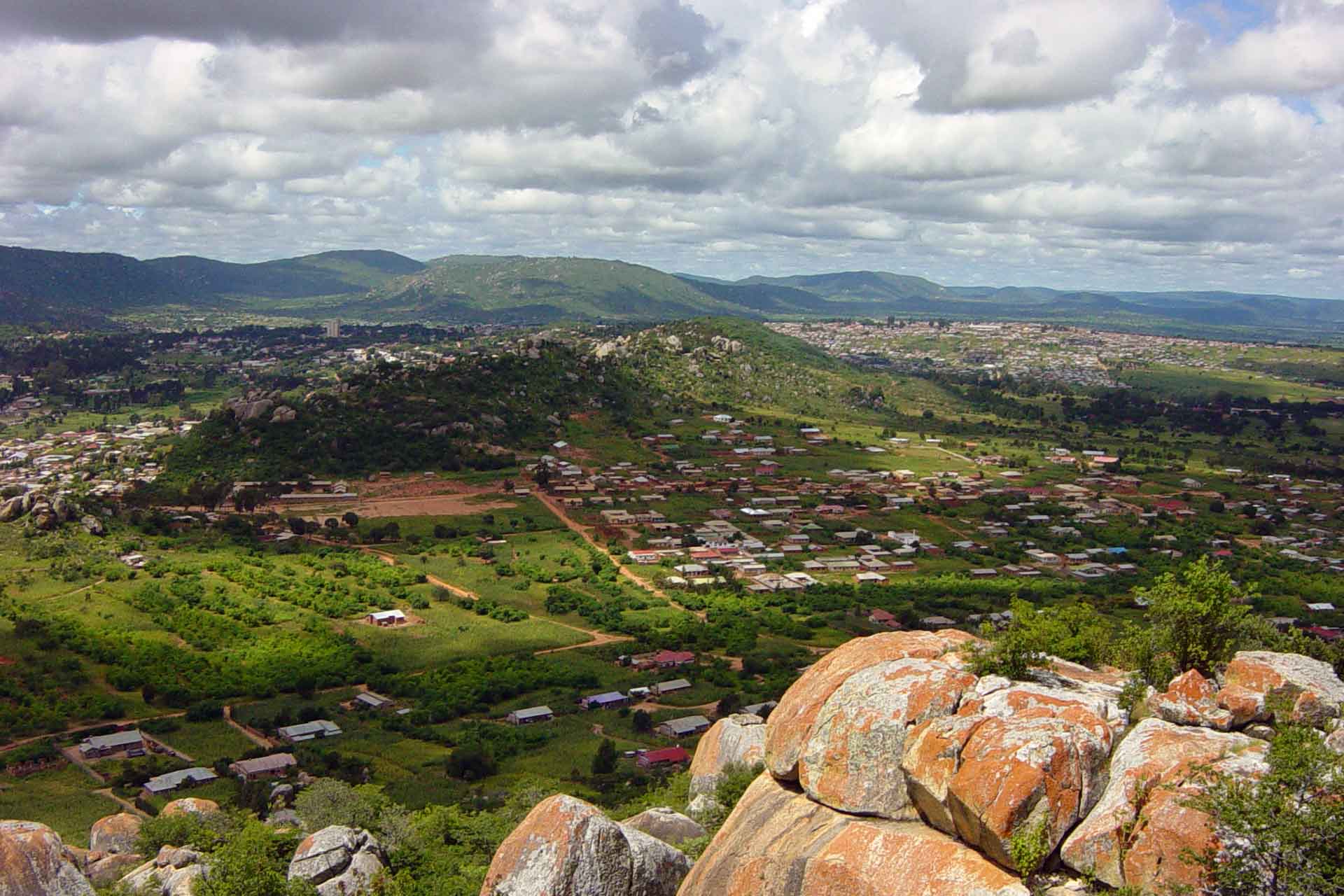
Iringa sits at 1,600 metres on a dramatic escarpment in Tanzania’s Southern Highlands, looking south over the Great Ruaha River valley far below. The town of 150,000 people is the administrative capital of Iringa Region and the primary access base for Ruaha National Park — Tanzania’s largest national park and home to an estimated 10% of the world’s remaining wild lions.
But Iringa has a story independent of its safari gateway role, centred on one of Tanzania’s most compelling historical dramas: the Hehe people’s resistance to German colonialism under their military genius Chief Mkwawa, whose guerrilla warfare kept the Germans at bay for nearly a decade before his final defeat at Kalenga in 1894.
Isimila Stone Age Site
Twenty kilometres southwest of Iringa, the Isimila Stone Age Site is one of the most significant Middle Stone Age archaeological sites in Africa. An ancient lake bed, subsequently eroded by seasonal streams into a landscape of pillars, gullies and exposed sediment layers, has revealed extraordinarily well-preserved Acheulean hand axes, cleavers and other tools estimated at 60,000–100,000 years old. The site has yielded thousands of stone tools and animal bones representing the butchering activities of Homo sapiens ancestors on the shores of a lake that no longer exists.
A small on-site museum displays the most significant finds; a local guide leads a 45-minute trail through the eroded gullies where additional tools are still visible in the sediment layers. The landscape itself — strange hoodoos and pillar formations of red-and-cream sediment — is visually striking beyond the archaeological significance.
Chief Mkwawa and the Hehe resistance
Chief Mkwawa of the Hehe people inflicted one of the most significant defeats on a European colonial force in East African history at the Battle of Lugalo in 1891, killing over 300 German soldiers and the commanding officer. The Germans eventually destroyed his headquarters at Kalenga in 1894, but Mkwawa fought on with guerrilla tactics until 1898, when surrounded, he shot himself rather than surrender. German commanders severed his head and sent it to Germany — where it remained until 1954 when it was returned to Tanzania under the Treaty of Versailles reparations clause (the skull had been specifically cited as war reparation by Tanzania’s colonial predecessors).
The returned skull is preserved at the Kalenga Museum (20 km from Iringa), along with exhibits covering the Hehe-German war. It is one of the most unusual and poignant historical objects in East Africa.
Combine Iringa with…
- Ruaha National Park — 130 km south; the primary reason most visitors come to Iringa.
- Mbeya — 4 hours southwest for the Southern Highlands circuit.
- Udzungwa Mountains — 2 hours east for endemic primates and waterfall hiking.
Frequently asked questions about Iringa
Is Isimila better than Olduvai Gorge for Stone Age history?
They document different periods. Olduvai covers 2 million years of hominid evolution; Isimila focuses on Acheulean stone tool culture from 60,000–100,000 years ago. The Isimila landscape and accessible tools are arguably more visually dramatic; Olduvai has more significance for the deep human story.
How far is Iringa from Ruaha?
Approximately 130 km on a rough road taking 2.5–3 hours. Many visitors fly directly to Ruaha from Dar es Salaam rather than driving via Iringa. The road transfer is practical but the track quality deteriorates inside the park.
Want to visit Iringa?
Get a free custom safari plan within 24 hours.
Iringa safari tours
No fixed packages listed yet — we'll build a custom safari around Iringa for you.
Browse All ToursWant to visit Iringa?
Get a free custom safari plan within 24 hours.
Best time to visit Iringa
June to October — Dry season (best for Ruaha and all outdoor activities)
The dry season is the prime window for everything Iringa offers. The road to Ruaha National Park is in its best condition. Isimila site walks are most comfortable in the dry-season temperatures (20–28°C). The Gangilonga Rock hike is safe without slippery surfaces.
November to March — Rainy season (green, fewer visitors)
The highlands are lush after the rains. The Isimila gullies are dramatically green. The Ruaha road can be challenging in heavy rain. A quieter and cheaper period for accommodation.
Bottom line: June to October for Ruaha and reliable outdoor activities. Year-round for the town cultural sites.
Where to stay in Iringa
Want to visit Iringa?
Get a free custom safari plan within 24 hours.
Nearby destinations
 Tanzania
 Tanzania
 Tanzania
 Tanzania