Quick facts
Wildlife
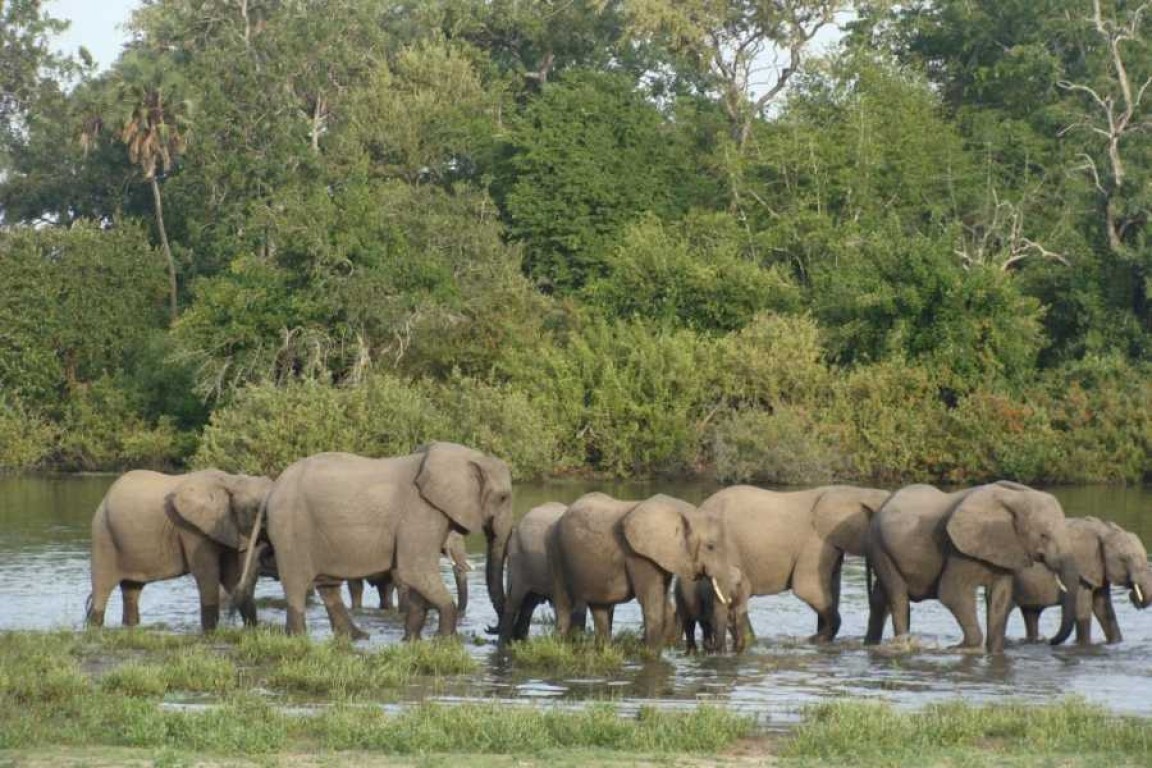
The Pare Mountains form part of the Eastern Arc biodiversity hotspot. The forests hold colobus monkey, blue monkey, bushbuck and a range of Eastern Arc endemic birds. The endemic Kilombero weaver, Rubeho cisticola and Van Someren's black weaver are recorded in the northern Pare uplands. The surrounding lowland bush has dry-country species including dik-dik, lesser kudu and Mkomazi National Park animals are visible from the escarpment edge. Forest elephant have historically been present in the South Pare forest patches.
Top activities
North Pare hiking from Usangi village — forest walks through montane woodland with views toward Kilimanjaro and the Kenyan border. South Pare hiking from Same town — trails through the Chome Forest Reserve, home to endemic plants and birds. Cultural village visits to the Pare (Asu) people — one of Tanzania's most settled highland communities with a distinct ironworking and agricultural tradition. Viewpoint hikes to the escarpment edge with panoramic Rift Valley vistas. Birdwatching for Eastern Arc endemic species in the forest patches. Combination with Mkomazi National Park (40 km south) for a wildlife add-on.
About Pare Mountain
The Pare Mountains are the quiet members of the Eastern Arc family. While the Usambaras attract hikers and birders and Udzungwa has its endemic primates and waterfalls, the Pare range sits between Moshi and Tanga in relative obscurity, visited mainly by the Pare people who have farmed its slopes for centuries and the occasional specialist birder who knows what the forest holds.
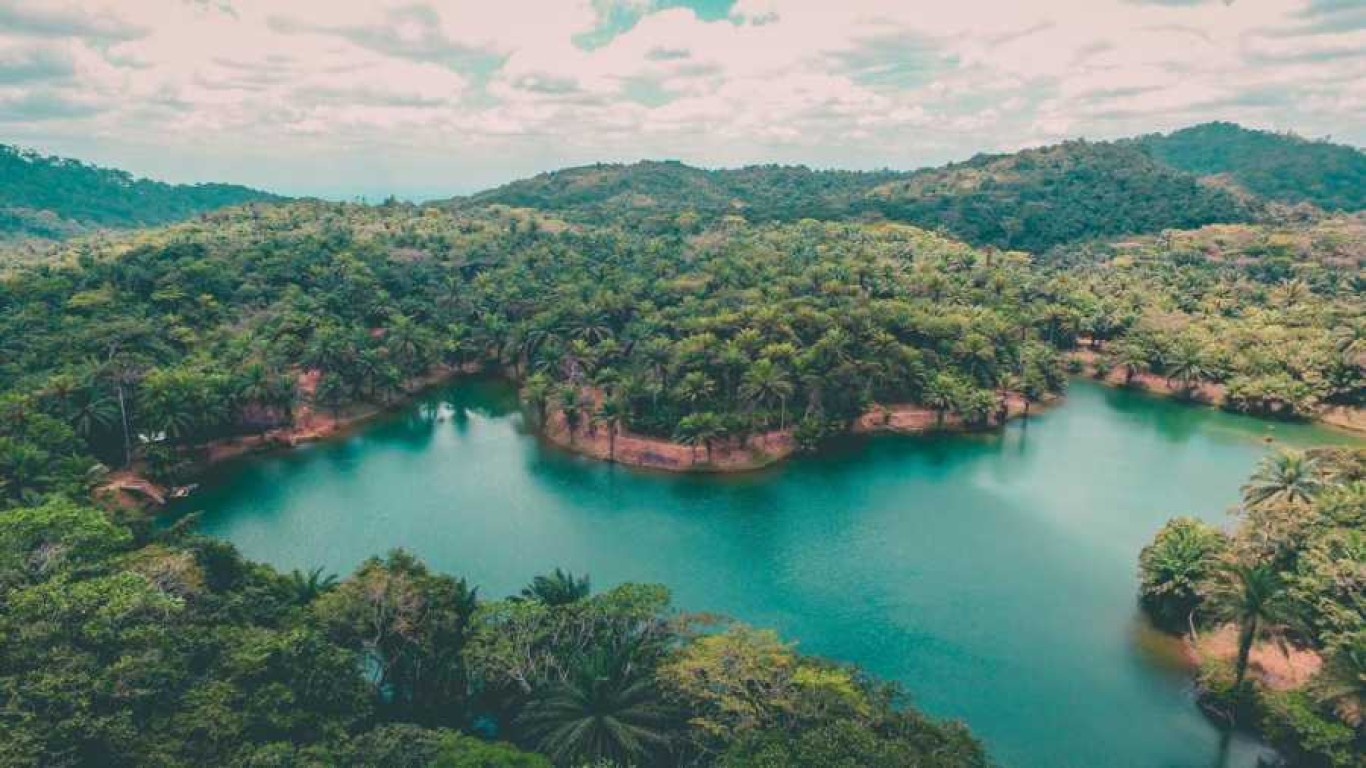
That obscurity is the Pare’s main appeal for the right traveller: genuine off-the-beaten-track hiking through Eastern Arc forest, with no infrastructure pressure, cultural encounters with a community rarely visited by outsiders, and one of the most underrated viewpoints in Tanzania — the North Pare escarpment edge, from which Kilimanjaro fills the northern sky on a clear morning.
Where are the Pare Mountains?
The range divides into North and South Pare, stretching approximately 150 km in a northwest–southeast direction in the Kilimanjaro and Tanga Regions. The North Pare base is Usangi village; the South Pare base is Same town on the A23 highway. Same is 110 km south of Moshi and also the gateway to Mkomazi National Park.
North Pare: the escarpment and the view
From the North Pare escarpment above Usangi, on a clear morning before 09:00, the entire Kilimanjaro massif occupies the northern horizon — a view rarely photographed or publicised, because so few people make the effort to reach it. The hike from Usangi to the escarpment edge takes 2–3 hours through farmland and montane forest. Local guides from the village are the best source of cultural and natural history interpretation.
South Pare: Chome Forest Reserve
The South Pare’s forested highland around Chome is the more biodiverse section — the Chome Forest Reserve protects a significant area of Eastern Arc montane forest with endemic plants, orchids and birds. The reserve requires a permit (arranged through the Tanzania Forest Services agency) and is best explored with a local guide who knows the trail network. The forest bird community includes several Eastern Arc endemics rarely seen elsewhere.
The Pare people
The Pare (or Asu) people have inhabited these mountains for at least 2,000 years, developing a sophisticated agricultural system of irrigated terrace farming that transformed the steep hillsides into productive farmland. They are known historically as skilled ironworkers — the Pare iron trade supplied neighbouring communities including the Maasai — and their cultural traditions, including healing ceremonies and agricultural festivals, remain active. Cultural village visits from Same or Usangi provide a rare encounter with a community that sees very few foreign visitors.
Combine the Pare Mountains with…
- Mkomazi National Park — 40 km south of Same; black rhino and wild dog.
- Moshi and Kilimanjaro — 110 km north.
- Usambara Mountains — continue the Eastern Arc circuit to the Usambaras.
Frequently asked questions about the Pare Mountains
Are the Pare Mountains as good as the Usambaras for hiking?
The Usambaras have better infrastructure and the famous Irente Viewpoint. The Pare Mountains offer a more genuinely off-the-beaten-track experience with fewer other visitors. Both are excellent; the Pare is the right choice for travellers prioritising solitude and cultural depth over convenience.
Do you need a guide in the Pare Mountains?
Not legally required for most trails, but strongly recommended. Local guides from Usangi and Same know the trail network, can introduce you to community hosts and significantly enrich the cultural interpretation.
Want to visit Pare Mountain?
Get a free custom safari plan within 24 hours.
Pare Mountain safari tours
No fixed packages listed yet — we'll build a custom safari around Pare Mountain for you.
Browse All ToursWant to visit Pare Mountain?
Get a free custom safari plan within 24 hours.
Best time to visit the Pare Mountains
June to October — Dry season (best for hiking and views)
The dry season gives the clearest trails and the best panoramic views from the escarpment edges. Kilimanjaro is most frequently cloud-free in June and July, making the North Pare viewpoints particularly rewarding. The forest is slightly less dense, improving bird and wildlife visibility. This is the recommended hiking window.
December to February — Short dry season (warm, bird-rich)
A second productive window. Kilimanjaro views are often clearest in January. Migratory birds are present from November through March, enriching the forest bird diversity. Temperatures are warm but the altitude keeps them comfortable.
March to May — Long rains (lush, trails slippery)
The forest is lush and the waterfalls run at full volume. Forest bird activity peaks. Trails can be very slippery on the steep forest sections. Not recommended as a primary hiking destination in the long rains.
Bottom line: June to October for the best overall experience. December to February for warm, bird-rich conditions with Kilimanjaro views.
Where to stay in Pare Mountain
We'll recommend accommodation across all budget levels based on your dates and preferences.
Browse All LodgesWant to visit Pare Mountain?
Get a free custom safari plan within 24 hours.