All Northern Tanzania Safaris
10-Day Tanzania Safari Beach Holiday to Tarangire, Serengeti, Ngorongoro & Zanzibar
9-Day Tanzania Safari Beach Holiday to Tarangire, Serengeti, Ngorongoro & Zanzibar
7-Day Wildebeest Migration Safari Tarangire, Ndutu, Serengeti & Ngorongoro Crater
8-Day Wildebeest Migration Safari Tarangire, Ndutu, Serengeti & Ngorongoro Crater
The Northern Tanzania Safari Circuit: An Overview
Tanzania's northern circuit is the most visited safari region in Africa. Its combination of world-class wildlife, diverse ecosystems and accessible logistics makes it the natural choice for first-time Tanzania safari travellers and the benchmark against which every other African safari destination is measured. The four anchor parks — Serengeti, Ngorongoro, Tarangire and Lake Manyara — are all within road range of Arusha, making the circuit logistically straightforward: drive out, drive between parks, drive home.
The circuit also connects naturally with side destinations: the Lake Natron flamingo lake and Ol Doinyo Lengai active volcano for the adventurous, the Olduvai Gorge (the cradle of humanity) adjacent to Ngorongoro, and Lake Eyasi for a Hadzabe hunter-gatherer cultural visit. The northern circuit has more to offer than the four main parks alone.
The Four Main Northern Circuit Parks
Serengeti National Park — the centrepiece
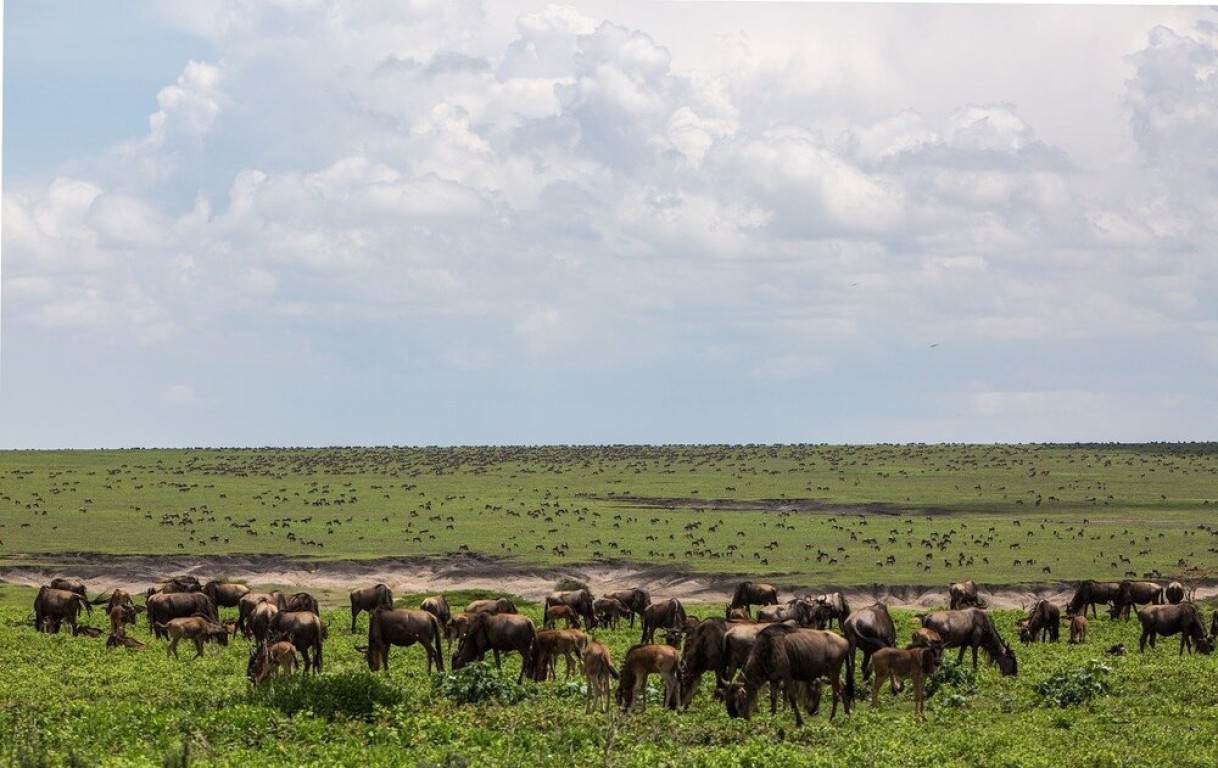
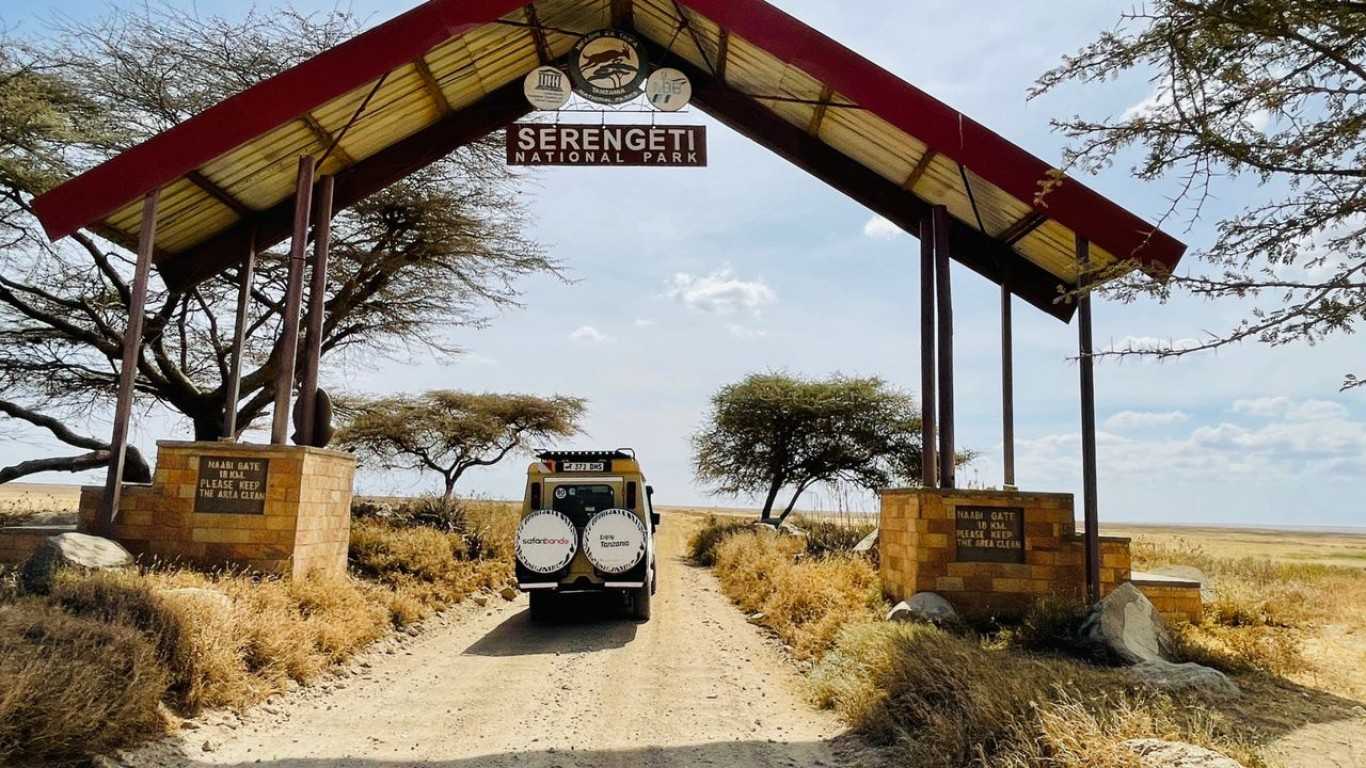
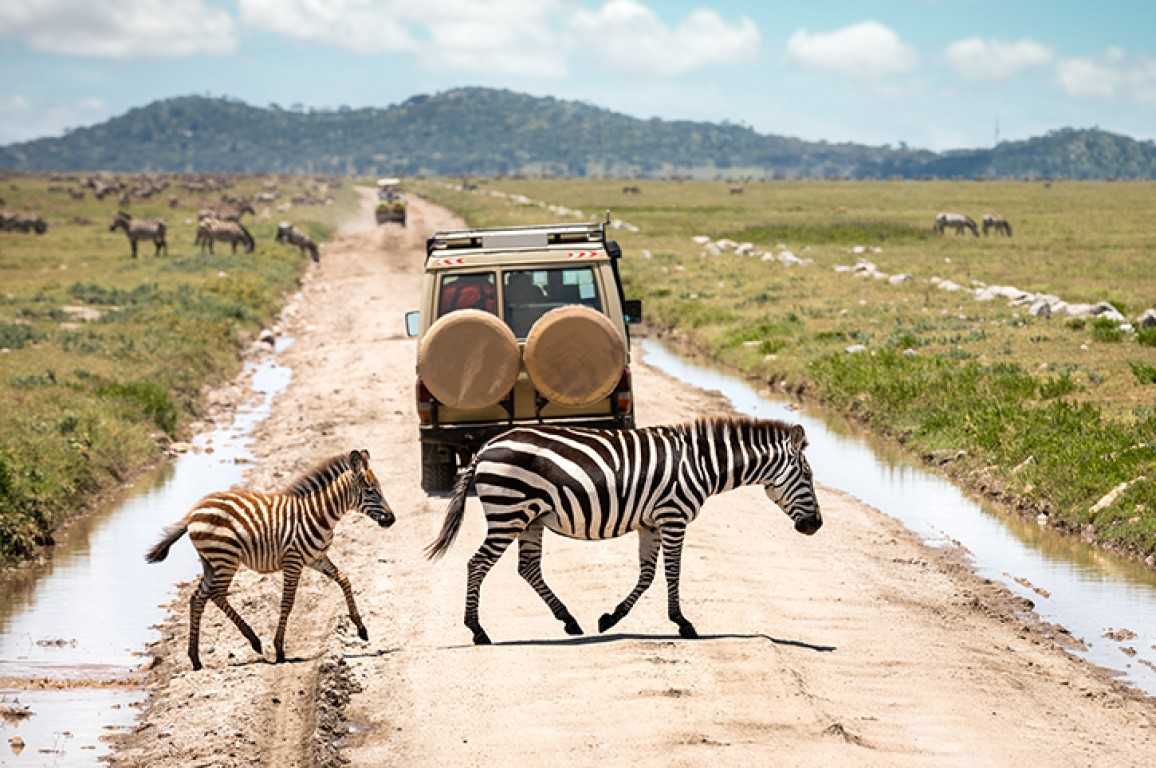
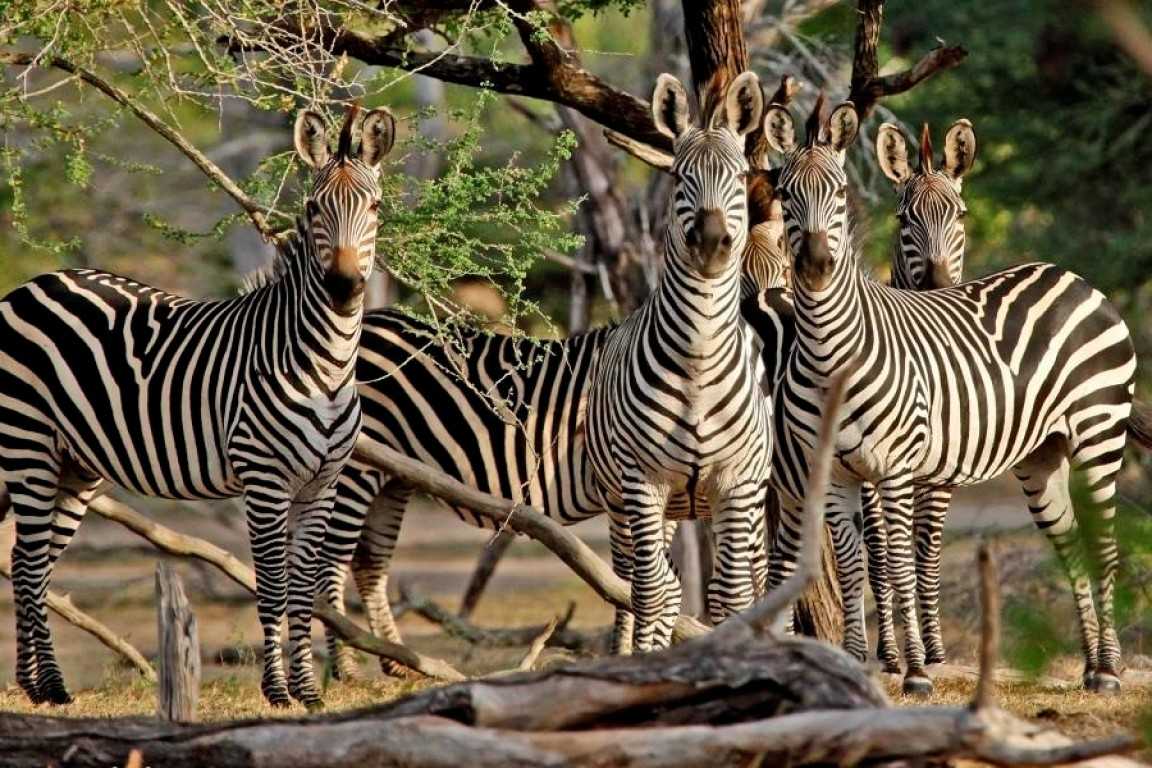
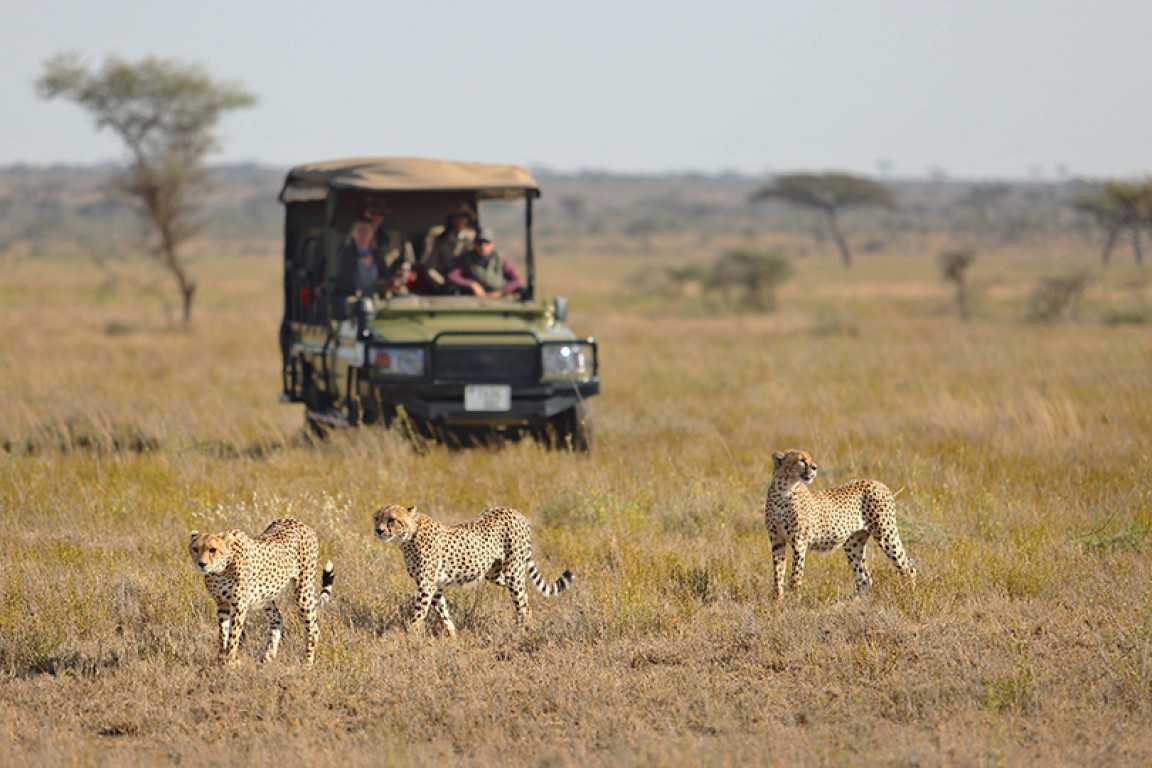
14,763 sq km of savanna, woodland and riverine forest supporting the world's largest lion population, 1.5 million wildebeest in the annual Great Migration, resident cheetah, leopard in the Seronera Valley fever tree forests and the highest predator biomass of any ecosystem in Africa. The Serengeti is the park that most northern circuit safari travellers structure their entire trip around. Every itinerary of 4 days or more includes at least 2 Serengeti nights.
Ngorongoro Conservation Area — the crater
The Ngorongoro Crater is a 260 sq km volcanic caldera containing 30,000 large mammals — lions, elephant, buffalo, hippo, spotted hyena and approximately 20 to 30 black rhinoceros, the densest concentration of the species anywhere in Tanzania. The steep caldera walls act as a natural fence: the animals cannot disperse, which produces a wildlife density on the crater floor that delivers consistent sightings year-round regardless of season. The rim drive at dawn, before the crater descent, with the entire basin visible below, is one of the finest single views in Africa.
Tarangire National Park — the elephant park
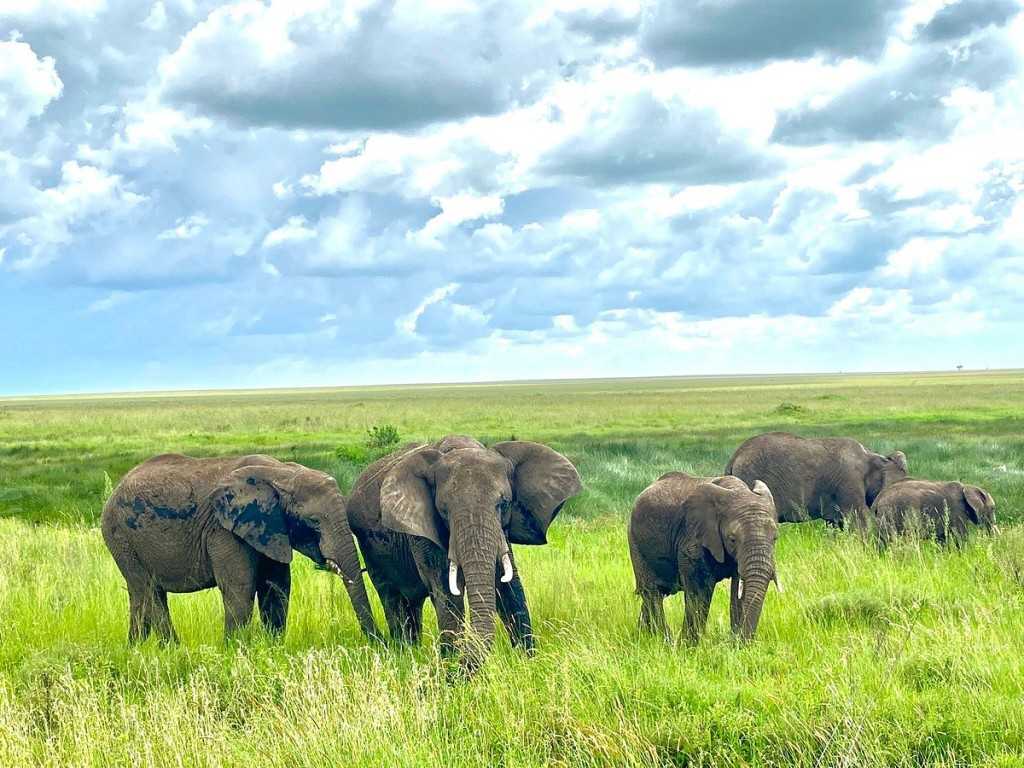
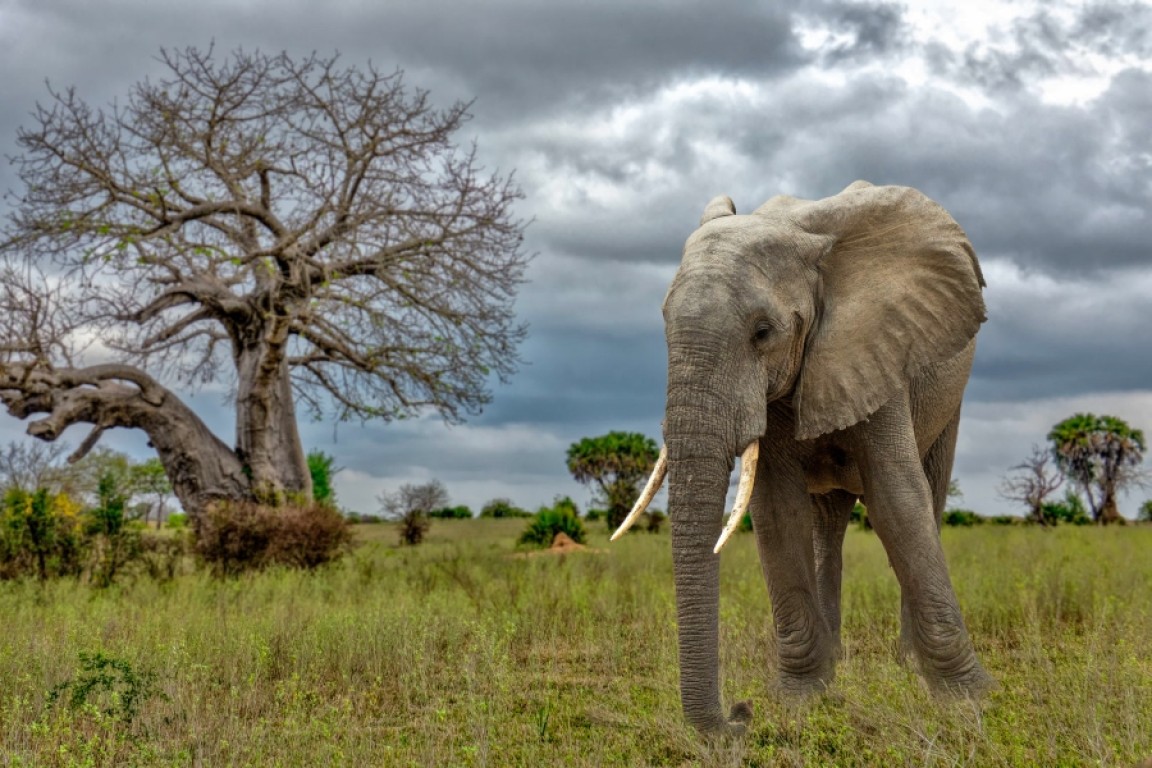
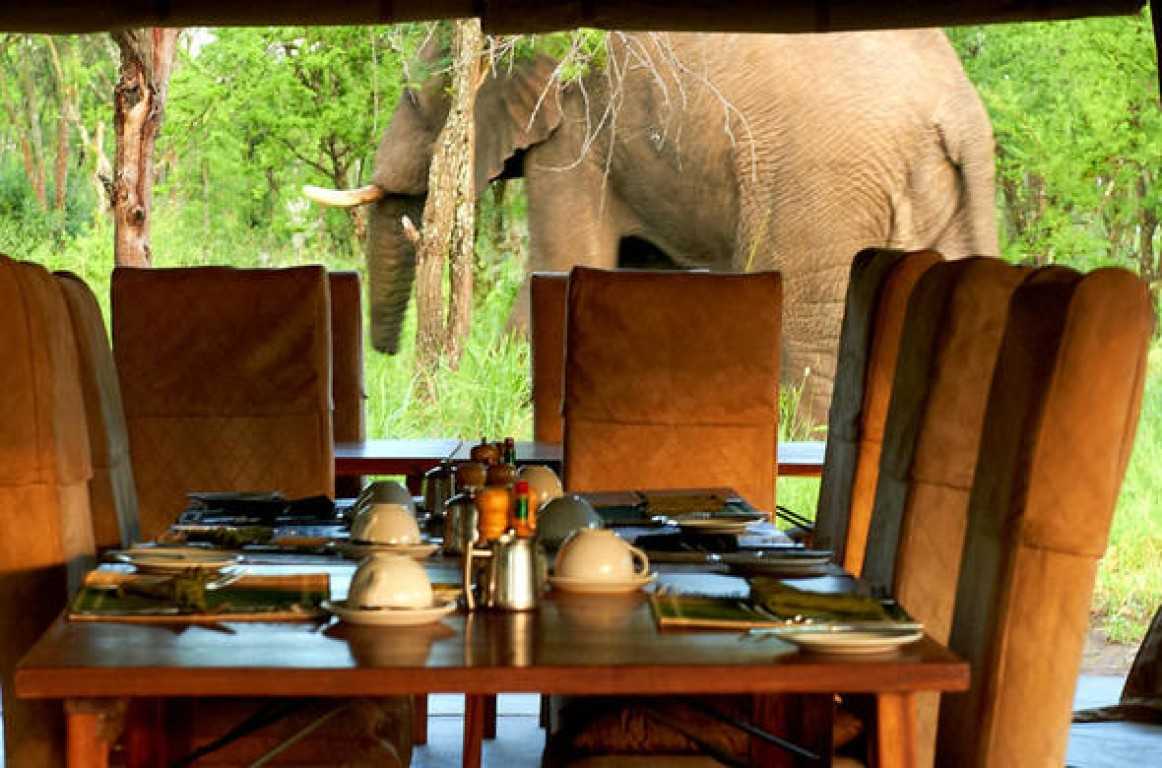
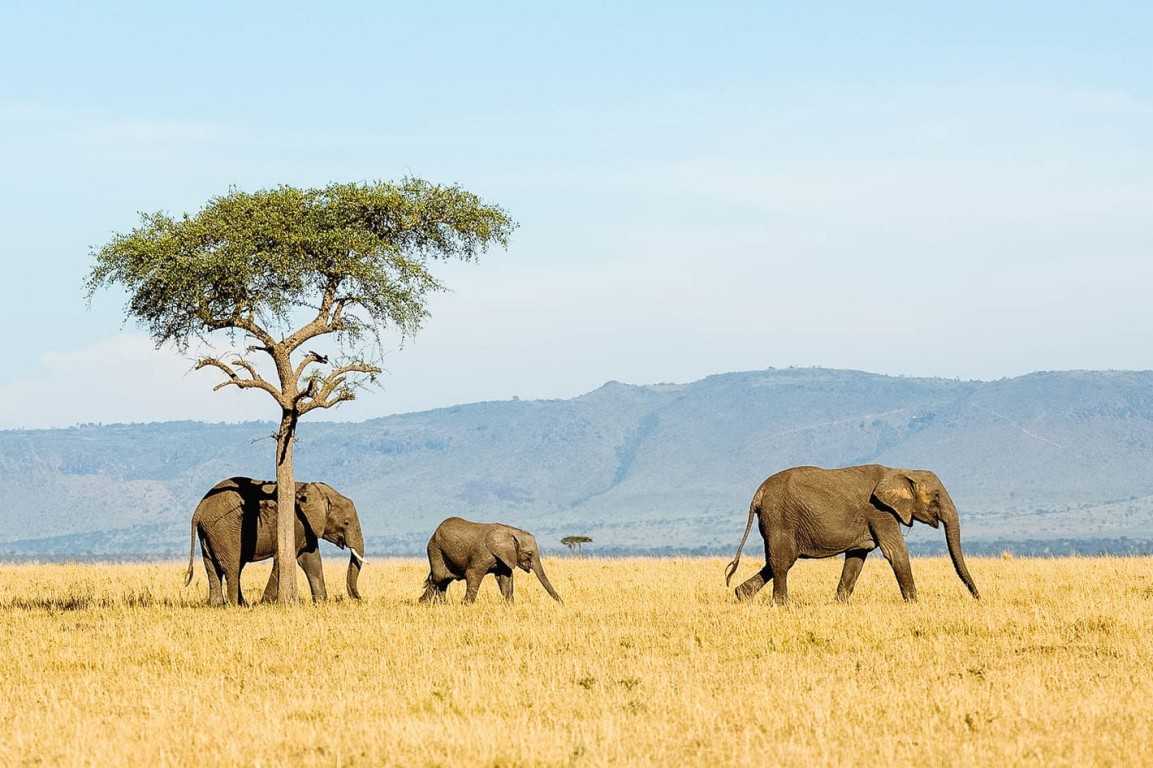
Tarangire is the Northern Circuit's most underappreciated park — quieter than the Serengeti and Ngorongoro, significantly less crowded, and home to the largest elephant herds in northern Tanzania. The ancient baobab trees here are among the oldest living organisms in East Africa. In the July to October dry season, as temporary water sources dry out across northern Tanzania, animals converge on the Tarangire River in concentrations that rival the Serengeti's resident game. Lion, leopard, wild dog, eland, oryx and an exceptional diversity of bird species (over 550 recorded) add to what is genuinely one of Tanzania's finest parks.
Lake Manyara National Park — the forest park
Compact (325 sq km) and diverse, Lake Manyara packs an unusual wildlife range into a park most vehicles traverse in 3 to 4 hours. The groundwater forest at the park entrance has baboon, blue monkey and the occasional elephant moving silently through the canopy. Open grassland holds large buffalo herds and zebra. The shallow alkaline lake turns pink with flamingo when conditions are right. The park is most famous for its tree-climbing lions — prides habitually rest in the branches of large fig and acacia trees, a behaviour documented here for decades.
Northern Tanzania Safari Seasonal Calendar
January to March — calving season in the southern Serengeti and Ndutu. 500,000 wildebeest calves born in 6 weeks. Intense predator activity. Fewer tourists, lower rates than peak season.
April to May — long rains. Green and beautiful but some tracks muddy. The herds are moving through the central and western Serengeti. Quietest and cheapest window; lodge rates at their lowest.
June to October — dry season, peak wildlife. The Migration herds are in the northern Serengeti by July with Mara River crossings from July to October. Short grass, excellent visibility, animals concentrated at water. The most popular and most expensive window — book 4 to 6 months ahead.
November to December — short rains. The Migration moves south. Vivid green landscapes, dramatic light, good resident game in Seronera. Far fewer tourists than July to October with excellent wildlife.
How to Plan a Northern Tanzania Safari
The minimum meaningful northern circuit safari is 4 days covering Tarangire, Ngorongoro and the central Serengeti. The classic 5-day circuit adds Lake Manyara. Seven days allows proper Serengeti time including a second game drive zone. Ten or more days opens the southern Serengeti and Ndutu, the Olduvai Gorge and a Zanzibar extension.
We also design northern circuit safaris that combine with Kilimanjaro climbing packages — the mountain and the northern circuit share Arusha as a base, making 7 days on Kilimanjaro followed by 5 days on safari a natural single Tanzania trip.
Frequently Asked Questions
How many days do I need for the Northern Tanzania Safari Circuit?
Four days covers the essential parks. Five to seven days is the sweet spot for most travellers, giving proper game drive time in both Serengeti and Ngorongoro. Ten or more days allows a Zanzibar extension, a southern Serengeti calving season visit or a side trip to Lake Natron and Ol Doinyo Lengai.
Is the northern circuit good for first-time safari travellers?
It is the standard choice for first-time Tanzania safari visitors precisely because it is: well-organised logistics from Arusha, established infrastructure with good lodges and campsites at every price point, year-round access by road, and wildlife density that makes Big Five sightings reliable rather than lucky. First-timers consistently describe the northern circuit as exceeding their expectations.
What is the difference between northern and southern Tanzania safari?
The Northern Circuit is more accessible (road-based from Arusha), more visited and has the Great Migration. The Southern Circuit (Nyerere, Ruaha, Katavi) requires flying in, has far fewer visitors, different species (wild dog, greater kudu, sable antelope are more reliable in the south) and the unique Nyerere boat safari on the Rufiji River. Both are exceptional. First trip: Northern Circuit. Second trip: Southern Circuit or a combination of both.
Not sure which Northern Tanzania Safaris is right for you?
Our team designs custom itineraries — no fee, no obligation.