Quick facts
Wildlife
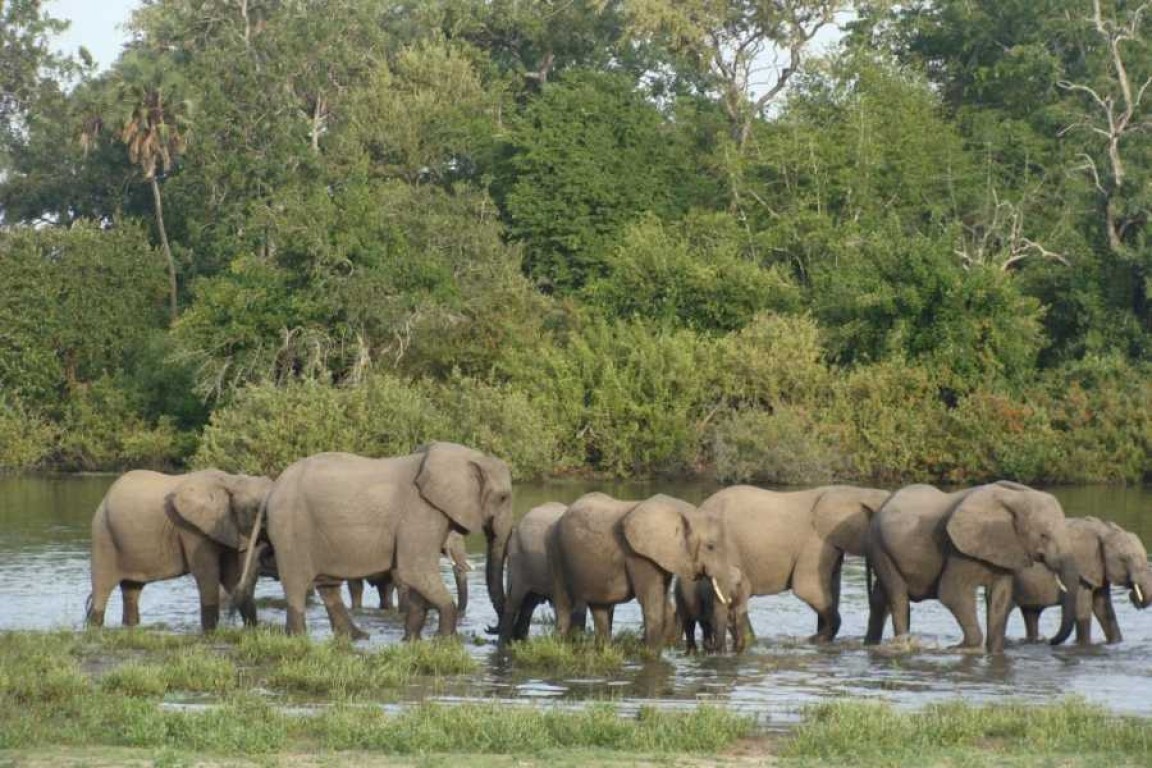
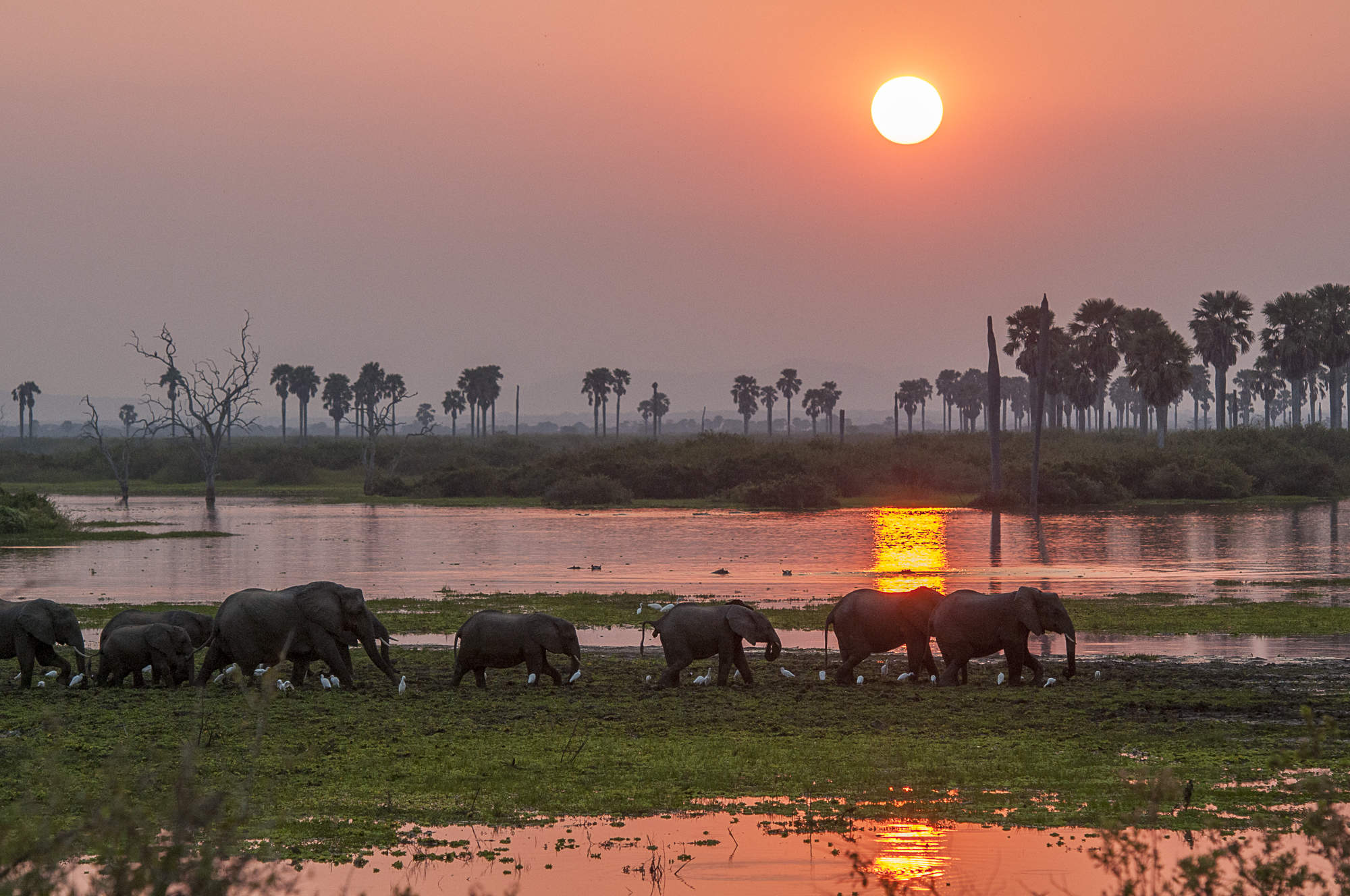
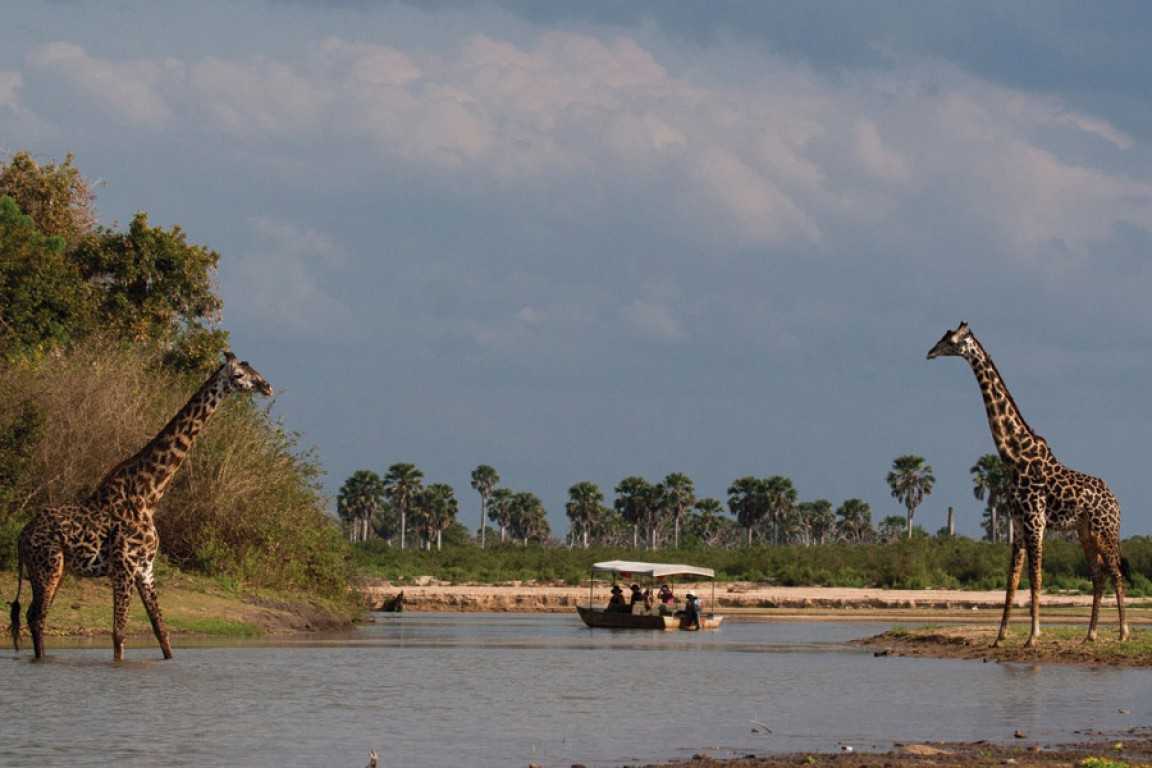
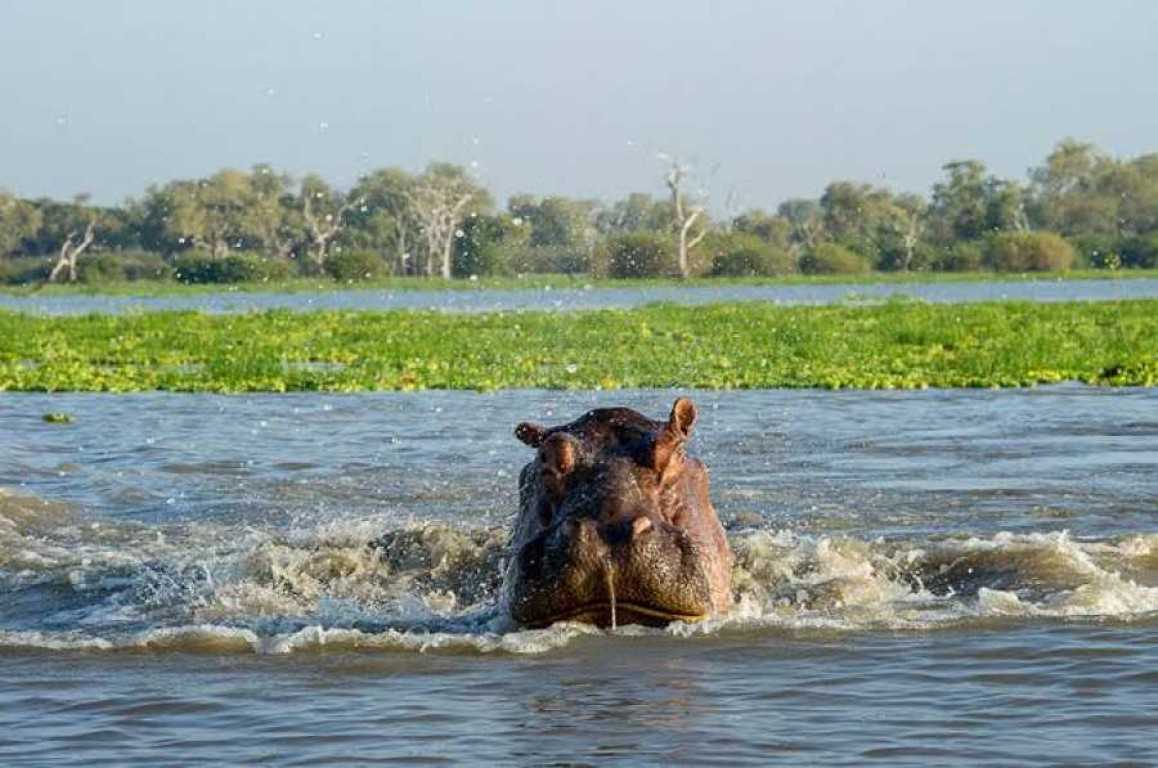
Nyerere (formerly Selous Game Reserve) holds Africa's largest elephant population (estimated 50,000+), the continent's greatest concentration of hippo and Nile crocodile along the Rufiji River system, and a significant African wild dog population — one of Tanzania's most reliable parks for this endangered species. Lion, leopard, cheetah, sable antelope, greater kudu, eland, buffalo and giraffe are all resident. The park holds 440+ bird species including the rare Pel's fishing owl, African skimmer on the sandbars and the yellow-throated sandgrouse in the northern miombo.
Top activities
Rufiji River boat safari — hippo, crocodile, elephant and waterbirds at close range from a motorboat on one of Africa's great wild rivers. Walking safari with armed rangers through the miombo and along the river banks — one of Tanzania's finest. Game drives in the northern wilderness blocks for lion, wild dog and elephant. Fly-camping along the Rufiji for multi-day wilderness immersion. Fishing for tiger fish and vundu catfish on the Rufiji. Fly-in access from Dar es Salaam (45-minute charter) making Nyerere an ideal add-on to a Zanzibar beach stay.
About Selous Game Reserve
The name Selous Game Reserve still appears on most maps, but the political geography of southern Tanzania’s wilderness shifted in 2019. The northern photographic section — the part travellers actually visit — was upgraded to Nyerere National Park, named after Tanzania’s founding president Julius Kambarage Nyerere. The remaining southern portion is still gazetted as a game reserve and is primarily used for regulated hunting and resource extraction.
What matters for visitors is that the celebrated wildlife corridor along the Rufiji River — the boat safaris, the elephant herds, the walking safaris that built Selous’ reputation — is now all inside Nyerere National Park. The experience hasn’t changed; just the signage and the fee structure.
Where is Selous / Nyerere?
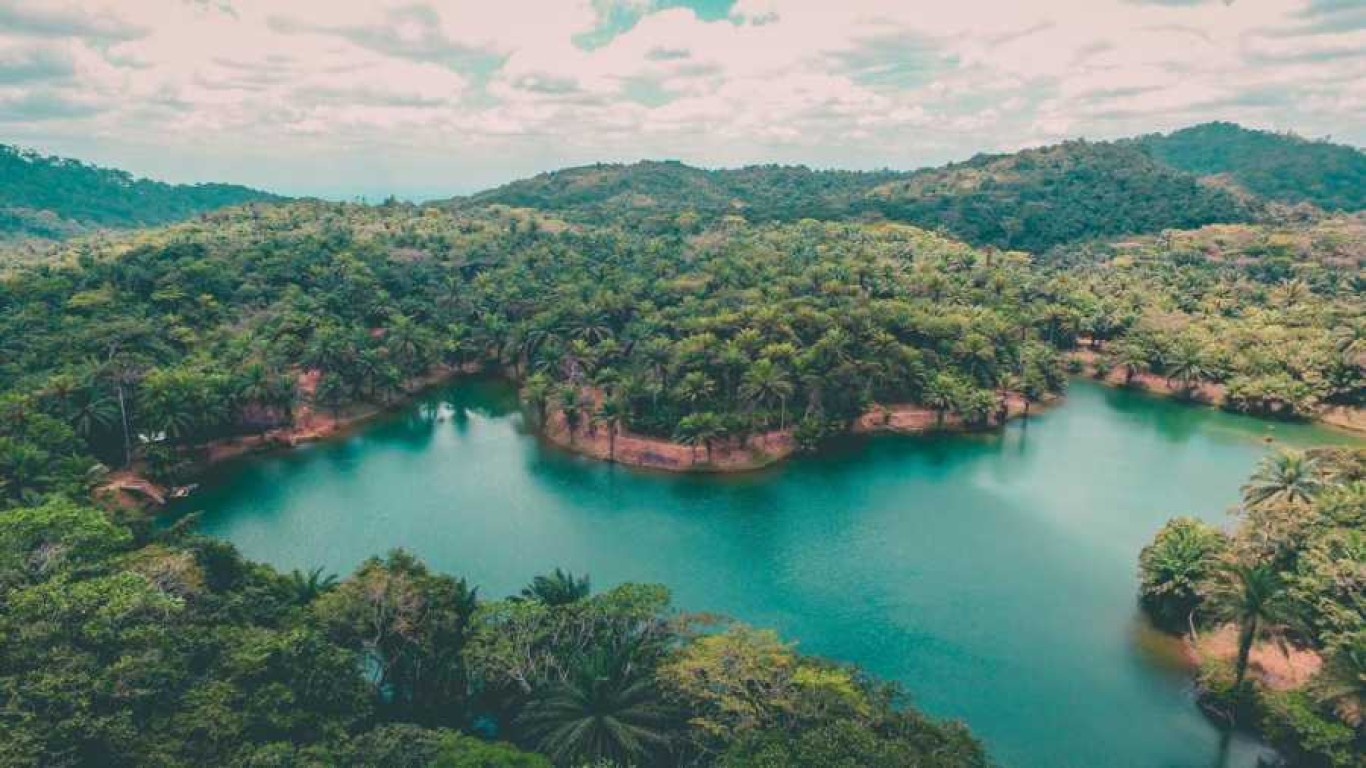
The Selous/Nyerere ecosystem covers a vast 50,000+ square kilometres of southern Tanzania, stretching from the Indian Ocean coast inland to the Mozambique border. The visitor area sits roughly 230 km southwest of Dar es Salaam, with the main camps clustered along the northern bank of the Rufiji River.
Why visit Selous / Nyerere?
The Northern Circuit (Serengeti, Ngorongoro, Tarangire) gets most of the attention, but Tanzania’s southern parks offer something the north can’t: scale, solitude and a wider range of safari activities. A Selous safari gives you:
- Boat safaris on the Rufiji — one of only two places in Tanzania where this is permitted (the other is Saadani).
- Walking safaris with armed rangers, available in almost every camp.
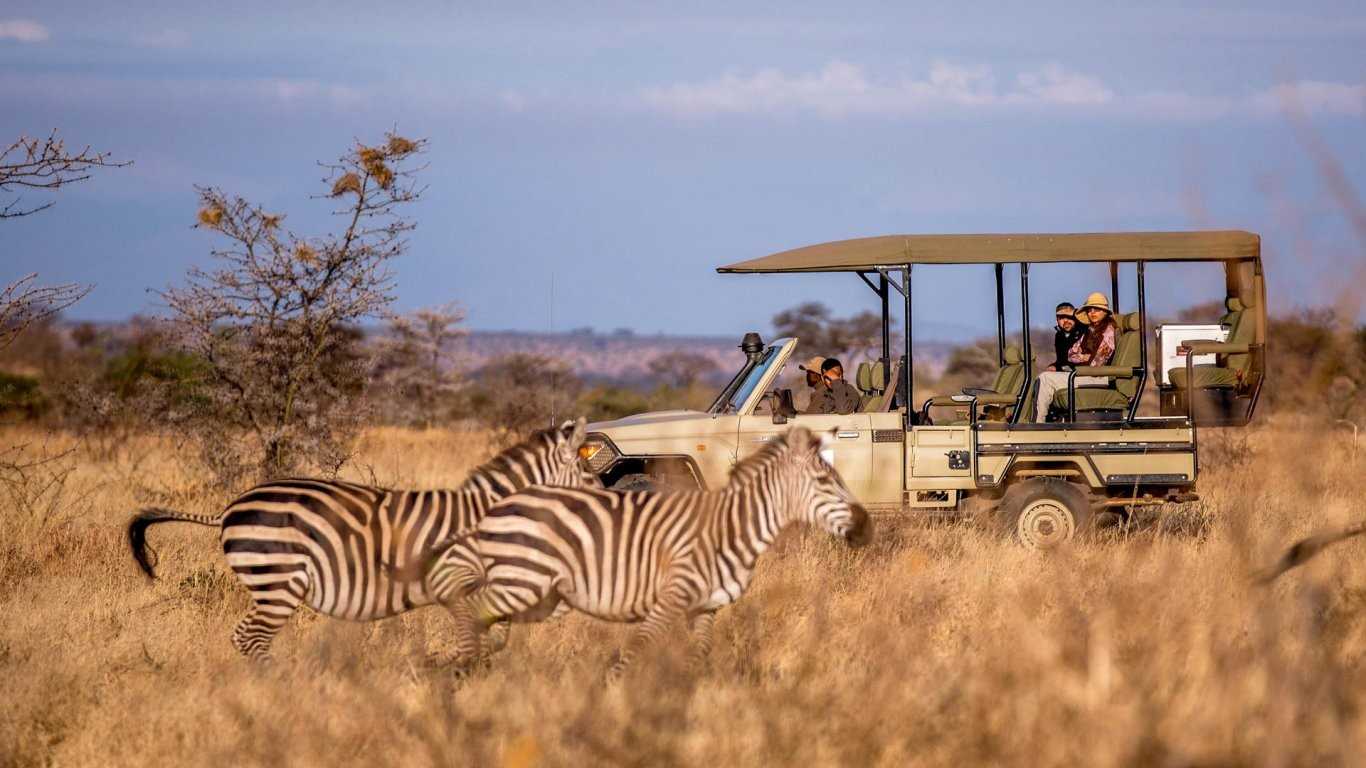
- Classic game drives through miombo woodland, palm forests and along seasonal floodplains.
- Fly-camping — two-night excursions sleeping under mosquito-net domes in the bush.
- Remarkable solitude — visitor numbers are a fraction of those in the Serengeti.
Wildlife in Selous / Nyerere
This is the last great stronghold of the African wild dog — the entire Selous-Nyerere ecosystem holds an estimated 1,300 individuals, the largest single population on the continent. You can also expect:
- Large elephant herds (recovering after heavy poaching pressure last decade)
- Lion prides, including specialised hippo hunters
- Leopard, common in the riverine forest
- Africa’s densest hippo and crocodile populations along the Rufiji
- Buffalo herds of several hundred animals
- Sable and roan antelope (best in the southern sectors)
- Over 440 bird species, including the African skimmer and Pel’s fishing owl
The rhino population was effectively wiped out by poaching in the 1980s and has not yet been reintroduced.
Safari activities
Boat safaris on the Rufiji
Two to three hours on the river, drifting past hippo pods, basking crocodiles, drinking elephant herds and waterbirds in extraordinary numbers. Sunset boat safaris with sundowners are the signature Selous experience.
Walking safaris
Two to three-hour guided walks with an armed ranger and a walking guide. You move slowly, focus on the small details — tracks, dung, plants, birds — and occasionally encounter big game on foot. This is the most immersive way to experience the African bush.
Game drives
Half-day or full-day drives through the lake system south of the Rufiji and into the miombo. Roads are quieter than the Serengeti and off-road driving is permitted in some sectors.
Fly-camping
An optional one or two-night extension where you walk to a temporary camp set up in advance, sleep under mosquito-net domes, and walk back to your main camp the next day. Magical for the right traveller; not for the faint-hearted.
Best time to visit
- June to October — the prime dry season. Game concentrates along the Rufiji and the lakes, the bush thins, walking is easier.
- November to early December — short rains, lush green landscapes, fewer visitors.
- January to March — warm, fertile, excellent birding.
- April and May — long rains. Most camps close completely.
How to get to Selous / Nyerere
- By scheduled flight (recommended) — daily flights from Dar es Salaam to one of several airstrips (Mtemere, Siwandu, Beho Beho), roughly 45 minutes.
- By road — a 6–7 hour transfer from Dar es Salaam, often combined with a stop at Mikumi National Park.
Where to stay
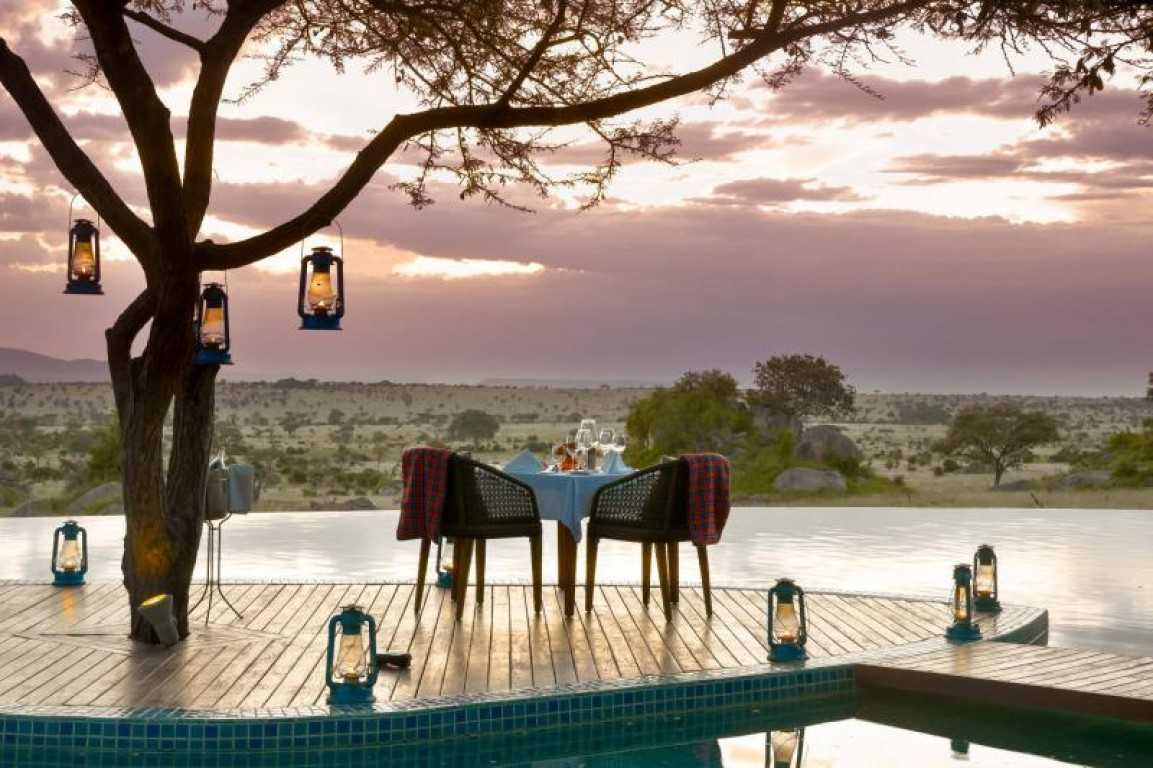
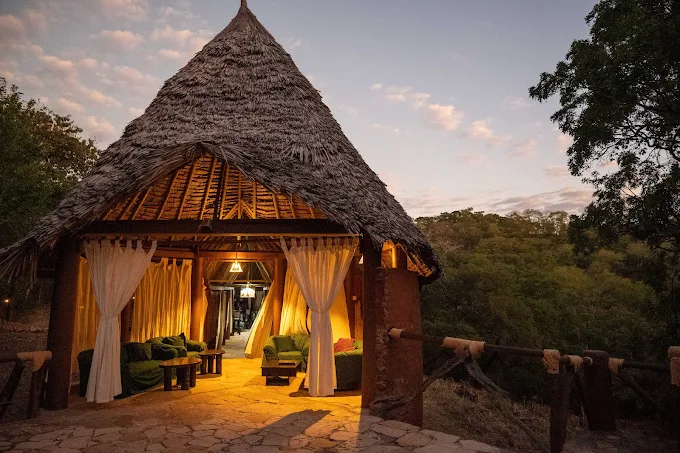
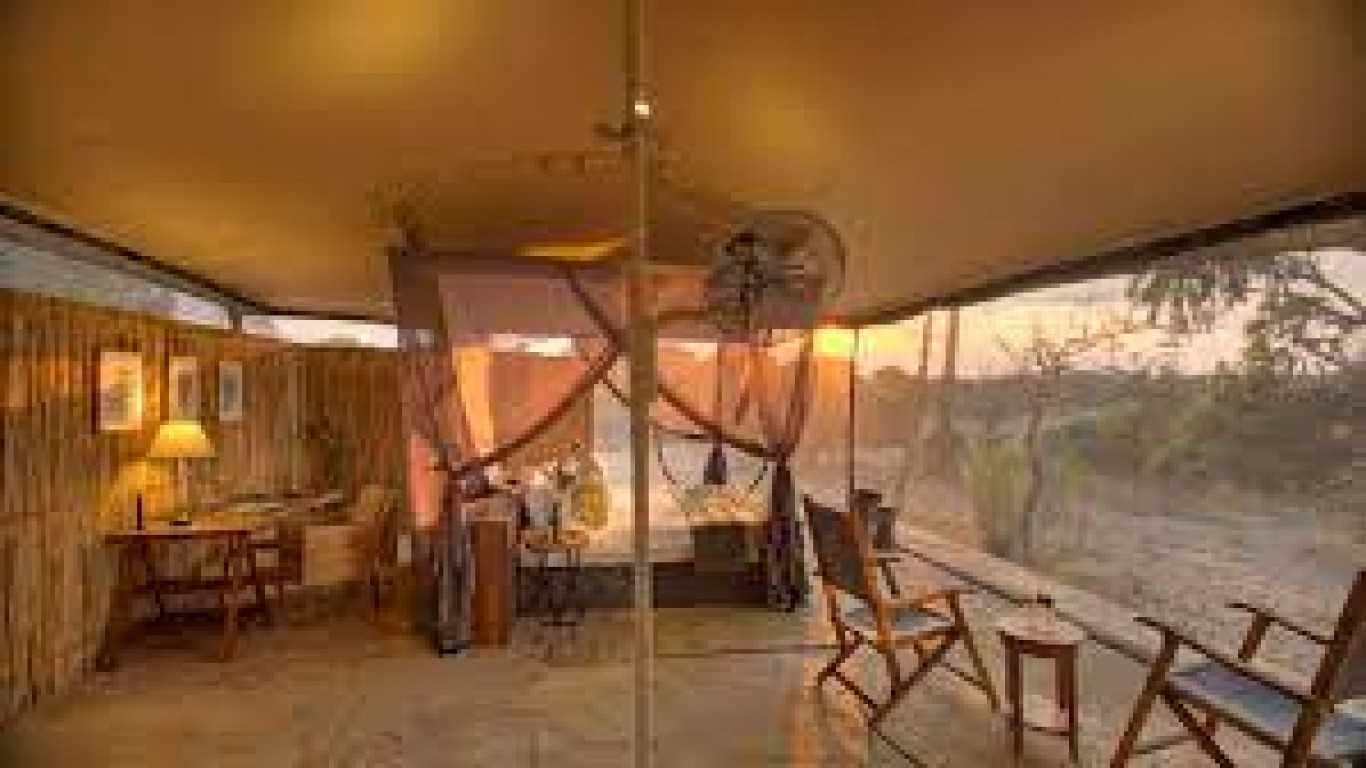
The camps in Selous/Nyerere range from intimate tented camps along the Rufiji to high-end safari lodges. Most have only 8–14 tents, keeping the experience exclusive. Choose based on river frontage (essential for the boat safari atmosphere) and the activity mix on offer.
Combine Selous / Nyerere with…
- Ruaha National Park — the natural pairing for a full Southern Circuit safari.
- Mikumi National Park — en route by road from Dar.
- Zanzibar beach extension — a short hop from Dar es Salaam.
- Saadani National Park — the only park where the beach meets the bush.
Frequently asked questions about Selous and Nyerere
Is Selous the same as Nyerere National Park?
Not quite. In 2019, the northern photographic section of the Selous Game Reserve was upgraded and renamed Nyerere National Park. The southern section retains its game reserve status. For travellers, every photographic camp is now in Nyerere; the “Selous” brand is still widely used out of habit.
How many days do you need in Selous?
Three nights is the minimum to enjoy the activity variety (a boat day, a walking day, a game-drive day). Four nights is ideal.
Is Selous worth visiting compared to the Serengeti?
Different products for different travellers. Choose Selous/Nyerere for solitude, boat safaris, walking safaris and a wilder vibe; choose Serengeti for the migration, bigger predator densities and the open-plains landscape.
Can you see wild dogs in Selous?
Yes — this is the single best park in Africa for African wild dog. Sightings are most reliable from June through October when packs den in fixed locations.
Are walking safaris dangerous?
They are conducted under strict TANAPA protocols with an armed ranger, an experienced walking guide and small group sizes. Incidents involving tourists are very rare. Children under 12 are not normally permitted on walking safaris.
Is Selous good for first-time safari travellers?
It can be, but most first-timers start with the Northern Circuit because game viewing is more immediately spectacular. Selous/Nyerere shines on a second safari, when travellers want depth and activity variety rather than just “the Big Five at a roadside”.
Want to visit Selous Game Reserve?
Get a free custom safari plan within 24 hours.
Selous Game Reserve safari tours
Want to visit Selous Game Reserve?
Get a free custom safari plan within 24 hours.
Best time to visit Nyerere National Park
June to October — Dry season (best game viewing, boat safaris at peak)
The long dry season is unambiguously the best window for Nyerere. As the Rufiji River drops and the surrounding bush dries out, wildlife concentrates in extraordinary numbers along the river banks and the remaining lake channels. Elephant herds of 50–100 animals drink at the Rufiji daily; hippo pods stack into the shrinking pools; Nile crocodile bask on every exposed sandbank. The boat safari becomes a parade of animals at close range. African wild dog dens from June to August, making the early dry season the most reliable window for dog sightings. Walking safaris are most productive with shorter, drier vegetation. Most camps offer their best game driving and walking in August, September and October.
November to January — Green season (birding, lush, fewer visitors)
The short rains bring the bush back to vivid green and trigger the arrival of Palaearctic migratory birds from November. Wildlife disperses from the river but the boat safari remains excellent — hippo, crocodile and waterbirds are year-round features of the Rufiji. Wildebeest and impala drop calves between November and January, bringing intense predator activity. Lodge rates drop and the park is quiet. Most camps remain open through November and December.
February to March — Late rains (some camps close, walking limited)
Increasingly wet conditions toward the long rains. Some walking safari tracks become impassable. The boat safari is still excellent; the game drives are more challenging in tall grass. Several camps close for the wet season in this window.
April to May — Long rains (most camps closed, avoid)
The majority of Nyerere’s camps close between late March and May as the Rufiji floods its banks, interior tracks become impassable and rainfall is at its heaviest. A small number of camps on elevated ground remain open for specialist visitors; contact directly.
Bottom line: June to October for the definitive Nyerere experience. Wild dog June–August. Elephant and croc year-round on the Rufiji. Avoid April and May when most camps are closed.
Where to stay in Selous Game Reserve
Want to visit Selous Game Reserve?
Get a free custom safari plan within 24 hours.
Nearby destinations
 Tanzania
 Tanzania
 Tanzania
Tanzania
Tanzania