
Quick facts
Wildlife
Magoroto is prime birdwatching territory with over 300 species recorded, including several Eastern Arc endemics such as the Usambara akalat, long-billed tailorbird and Usambara double-collared sunbird. Colobus monkeys, blue duikers and bushbuck are regularly spotted on forest trails. The estate also harbours chameleons, bush babies and diverse butterfly communities.
Top activities
Guided forest walks and self-guided trail hiking through montane rainforest. Canopy walkway experience. Birdwatching with specialist guides. Cultural village visits to local Sambaa communities. Swimming in natural rock pools. Mountain biking on estate tracks. Overnight camping under forest canopy. Sunset viewpoints overlooking the Indian Ocean coastline.
About Magoroto Forest Estate
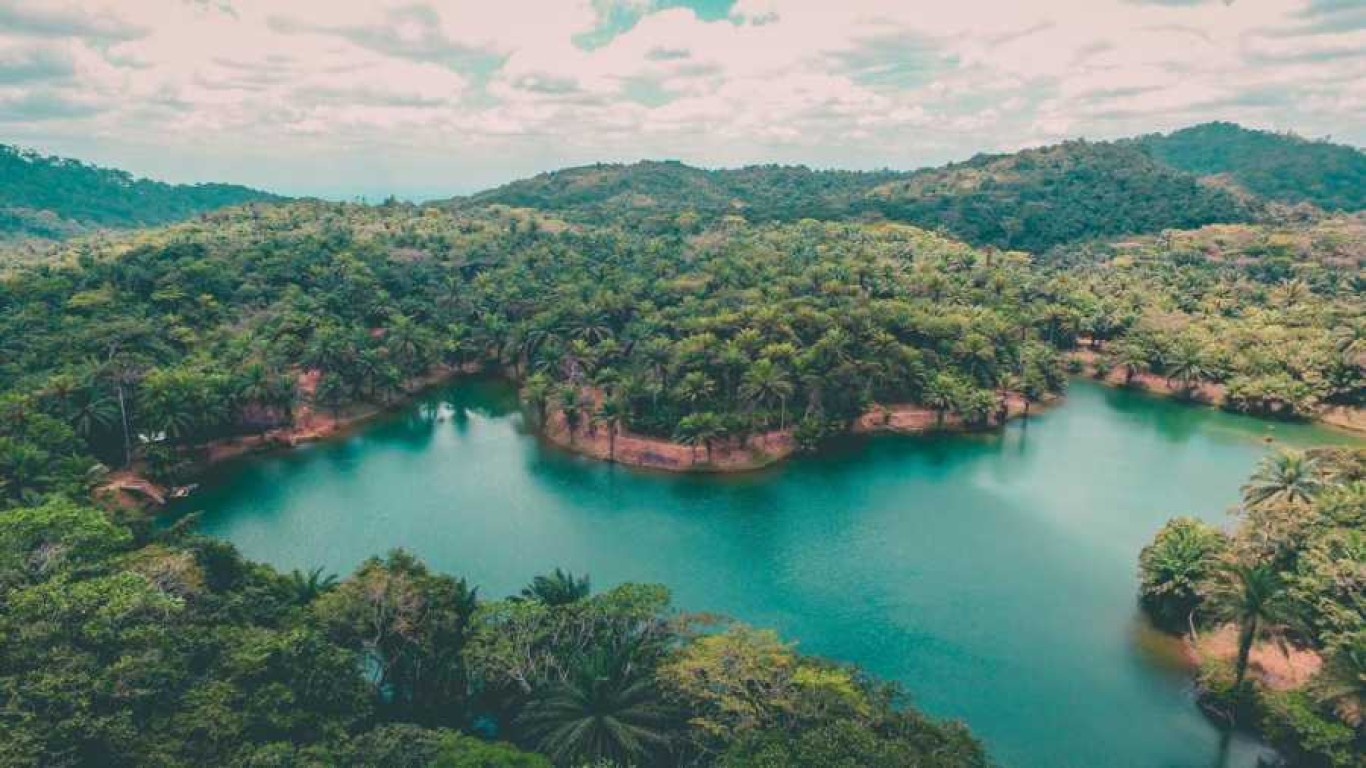
Magoroto Forest Estate is one of Tanzania’s best-kept secrets: a privately managed forest property tucked into the cloud-draped slopes of the East Usambara Mountains, with hiking trails that wind through ancient rainforest canopy and viewpoints that stretch all the way to the Indian Ocean on a clear day.
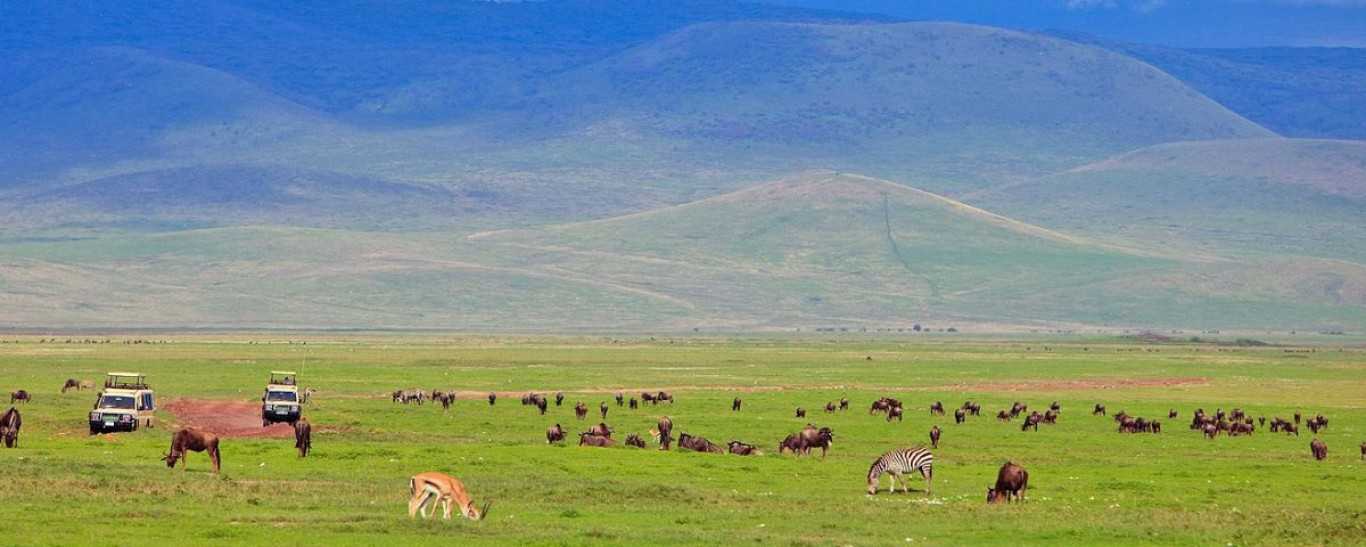
Unlike the major northern circuit parks, Magoroto is about slow travel. There are no game drives, no migration calendars, no crowds. Instead, you walk. The forest rewards patience: an endemic chameleon on a fern, a colobus monkey feeding in the canopy, a long-billed tailorbird singing from the undergrowth. It is the kind of place serious naturalists return to every year.
Where is Magoroto?
The estate sits in the East Usambara Mountains in the Tanga Region of northeastern Tanzania, roughly 380 km northeast of Dar es Salaam and about 110 km from Tanga town. The nearest town with facilities is Muheza, around 30 km away on the Tanga–Moshi road. Access from Dar es Salaam is a 5–6 hour drive or a short flight to Tanga, followed by a 45-minute road transfer.
The East Usambaras: a biodiversity hotspot
The East Usambara Mountains are part of the Eastern Arc Mountains — one of the world’s 36 biodiversity hotspots, older than the Himalayas and hosting a higher density of endemic species per square kilometre than almost anywhere else on Earth. The mountains have been isolated long enough for evolution to run its own course: around 25% of plant species here are found nowhere else on the planet.
Magoroto protects a significant section of this forest under private management, supplementing government-protected Amani Nature Reserve nearby.
Things to do at Magoroto
Forest hiking
The estate has a network of trails ranging from a gentle 90-minute loop to a full-day ridge walk. The signature route climbs to the Magoroto Ridge, emerging from forest onto open grassland with panoramic views down to the coast. On a clear morning you can see Pemba Island offshore.
Birdwatching
Over 300 species have been recorded on the estate. The East Usambara endemics are the prize: Usambara akalat, long-billed tailorbird, Usambara double-collared sunbird, spotted ground-thrush and Fischer’s turaco. Early morning is the peak activity window; the estate can arrange specialist birding guides.
Canopy walkway
A series of rope bridges and platforms that lifts you into the mid-canopy layer — where the light changes, the temperature drops and the bird perspective flips. Unlike ground-level forest viewing, the canopy walk puts you at eye level with hornbills and sunbirds going about their morning routine.
Village and cultural visits
The estate sits inside Sambaa traditional territory. Community-managed village walks can be arranged to visit cardamom and tea farmers, traditional herbalists and local craftspeople. Proceeds support community development funds.
Swimming and relaxation
Natural rock pools fed by mountain streams offer freshwater swimming after a long trail day. The estate lodge terrace is the place to be at sunset — cold Kilimanjaro beer, a distant ocean glimmer and forest sounds wrapping around you.
Wildlife at Magoroto
The forest mammals tend to be heard before they are seen. Angola black-and-white colobus are the most visible, crashing through the canopy in raucous morning troops. Blue duikers pick silently through the undergrowth, and bushbuck emerge at forest edges in the early evening. At night, small-eared galagos (bush babies) and several chameleon species become active — night walks with a torch are one of the estate’s underrated offerings.
Where to stay
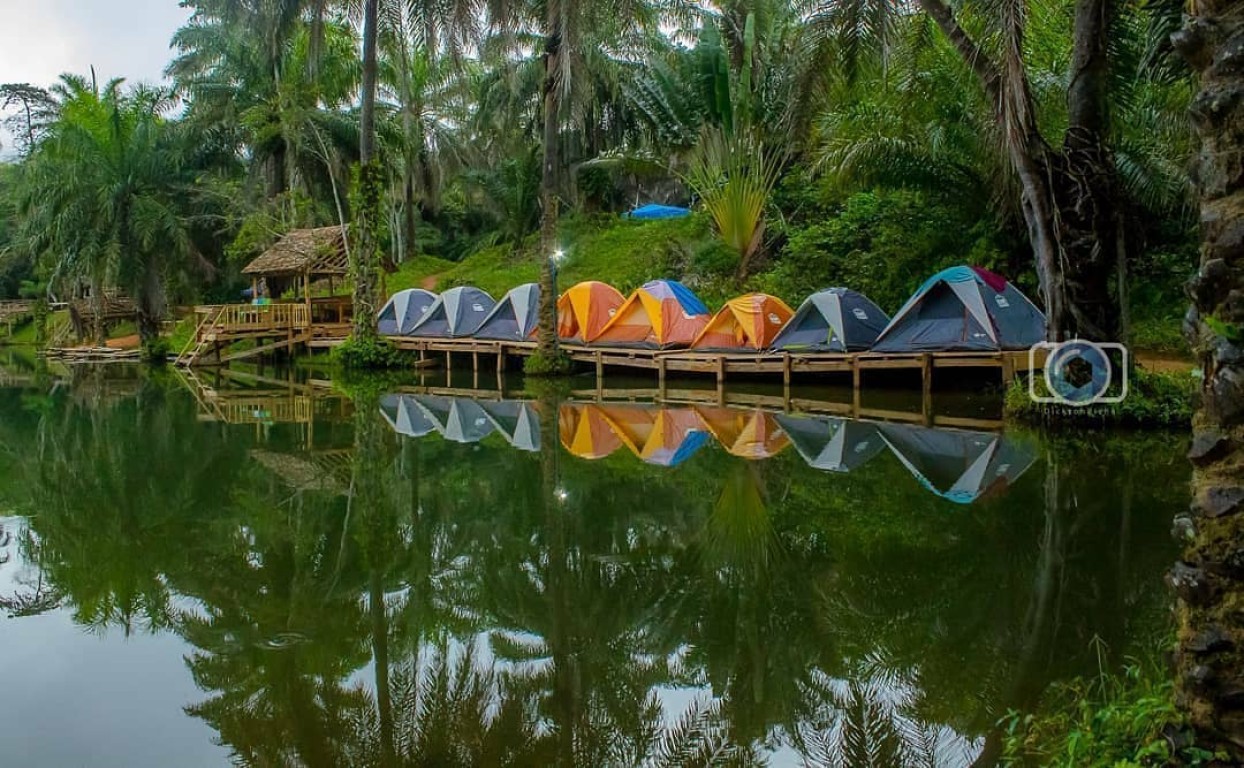
The estate has a small lodge with en-suite bandas and a main house that can be taken exclusively. It is boutique by design — maximum 16 guests at any time — which keeps the trails quiet and the atmosphere genuinely exclusive. Meals are cooked fresh using estate-grown produce and local ingredients.
How to combine Magoroto
- West Usambara Mountains / Lushoto — the wider Usambara hiking circuit.
- Pangani — a historic Swahili coast town an hour’s drive away; combine forest and beach.
- Tanga — the nearest city, with good seafood and the Amboni Caves.
- Mkomazi National Park — a 2-hour drive south for a wildlife game drive contrast.
Frequently asked questions
Is Magoroto suitable for children?
Yes — the shorter trail loop is manageable for children aged 6 and above. The canopy walk has a minimum age of 8 and a maximum weight limit.
Do I need a guide at Magoroto?
The main trails are marked and can be done independently, but a local guide dramatically improves the wildlife and plant interpretation experience, particularly for birding.
Is Magoroto good for birdwatching beginners?
Yes — the colourful and vocal nature of East African forest birds makes them accessible even for first-timers. The guides are patient and knowledgeable.
How long should I stay at Magoroto?
Two nights is the sweet spot: one day for the ridge hike and canopy walk, one day for a village visit, birdwatching and relaxed forest ambling.
Is Magoroto close to Zanzibar?
Relatively. Tanga has direct ferry links to Pemba Island, and flights connect Tanga to Zanzibar in under an hour. It makes an unusual and rewarding add-on before a Zanzibar beach stay.
Want to visit Magoroto Forest Estate?
Get a free custom safari plan within 24 hours.
Magoroto Forest Estate safari tours
Want to visit Magoroto Forest Estate?
Get a free custom safari plan within 24 hours.
Best time to visit Magoroto Forest Estate
Magoroto is one of Tanzania’s most forgiving destinations for timing — the forest is rewarding in every season, and the estate’s relative elevation (around 900–1,200 m) keeps temperatures pleasantly cool year-round.
June to October — Dry season (best overall)
The clearest skies and driest trails make June to October the top window for hiking and birdwatching. Indian Ocean views from the ridge are at their sharpest in July and August. Canopy birds are easier to spot once the heavy mist burns off by mid-morning.
December to February — Short dry season
Hot on the coast but mild in the mountains. Migratory birds arrive in November and swell the species count significantly through January, making this one of the best windows for birdwatchers. Trails are dry and in good condition.
March to May — Long rains
The forest is at its most lush and dramatically green. Waterfalls run at full force and amphibian activity peaks. Trails can be muddy and some paths slippery — waterproof boots are essential. A quieter period with lower rates at the estate lodge.
November — Short rains
Brief afternoon showers, typically clearing by late morning. The forest feels freshest, and migrant arrivals make November a surprisingly productive birdwatching month despite occasional rain.
Bottom line: June to October for hiking and views; November to January for peak birdwatching; any month for a genuine forest retreat.
Where to stay in Magoroto Forest Estate
We'll recommend accommodation across all budget levels based on your dates and preferences.
Browse All LodgesWant to visit Magoroto Forest Estate?
Get a free custom safari plan within 24 hours.
Nearby destinations
 Tanzania
 Tanzania
 Tanzania
 Tanzania