

Quick facts
Wildlife
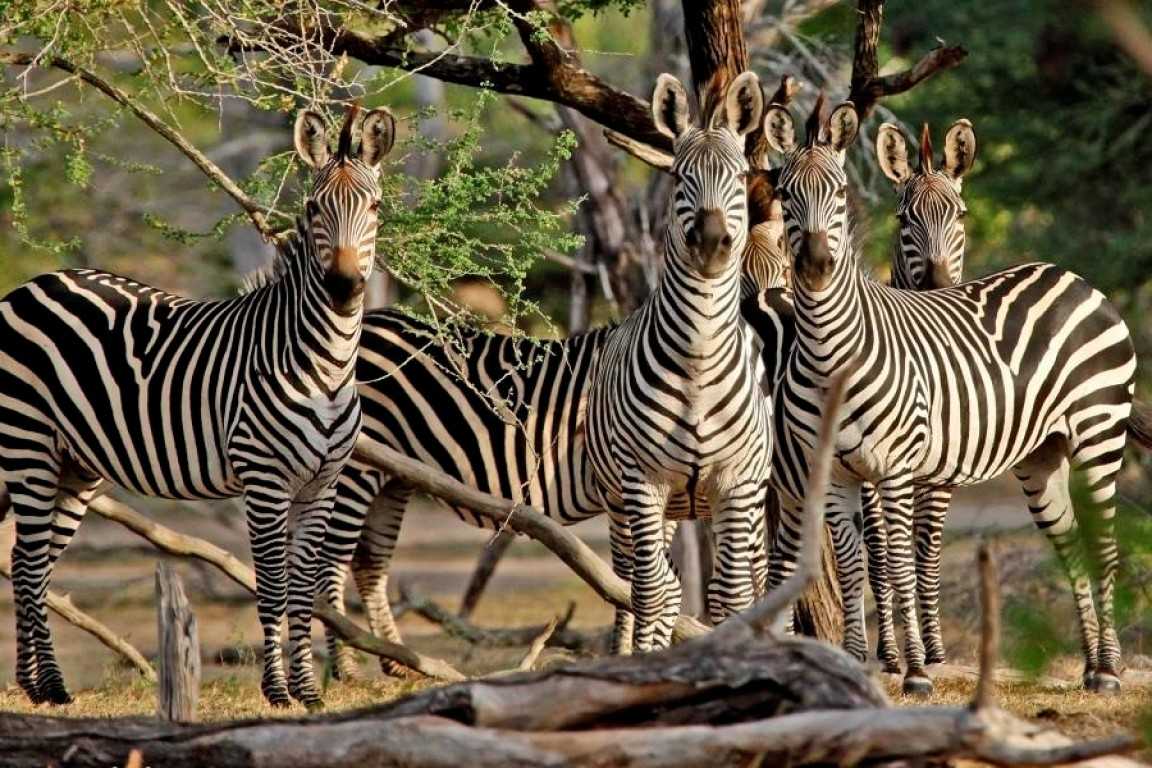
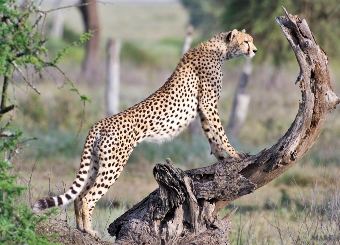
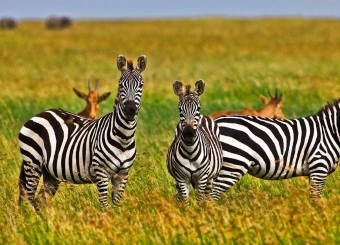
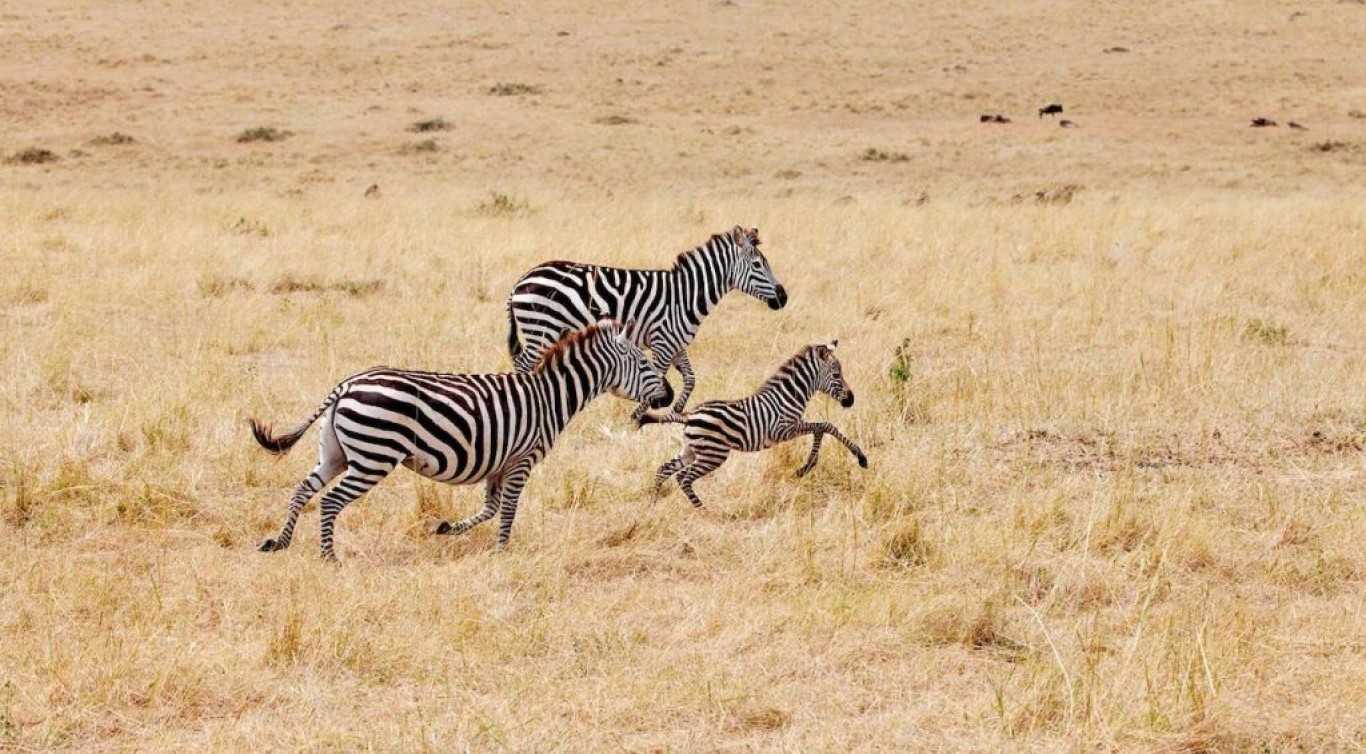
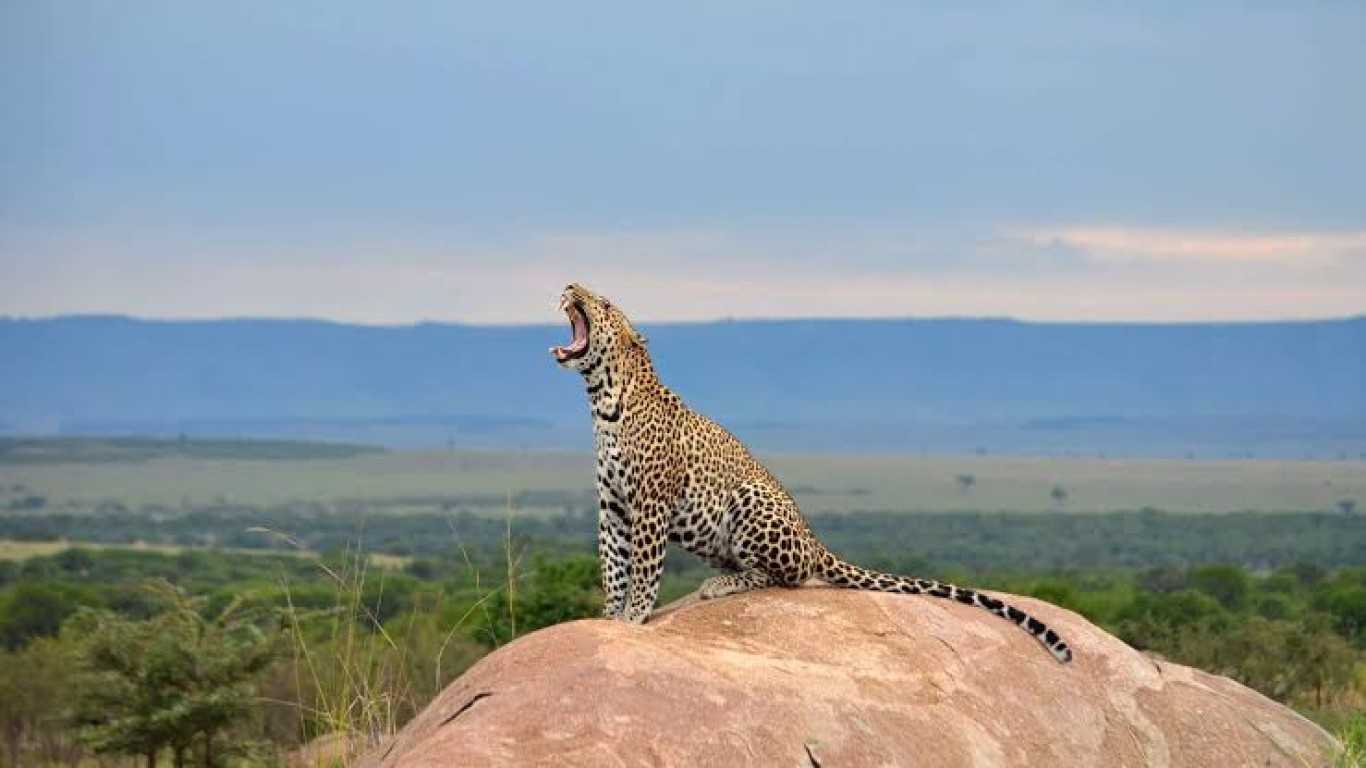
The Serengeti supports Africa's greatest mammal diversity: 1.5 million wildebeest, 400,000 zebra and 300,000 Thomson's gazelle in the annual Great Migration circuit. Resident predators include lion (the densest population in Africa), leopard, cheetah, spotted hyena and African wild dog. Elephant, buffalo, giraffe, eland, topi, impala, Grant's gazelle and hippo are all common. Over 500 bird species recorded, including the secretary bird, kori bustard, lilac-breasted roller and various raptors. The Grumeti and Mara rivers hold Nile crocodile and hippo pods.
Top activities
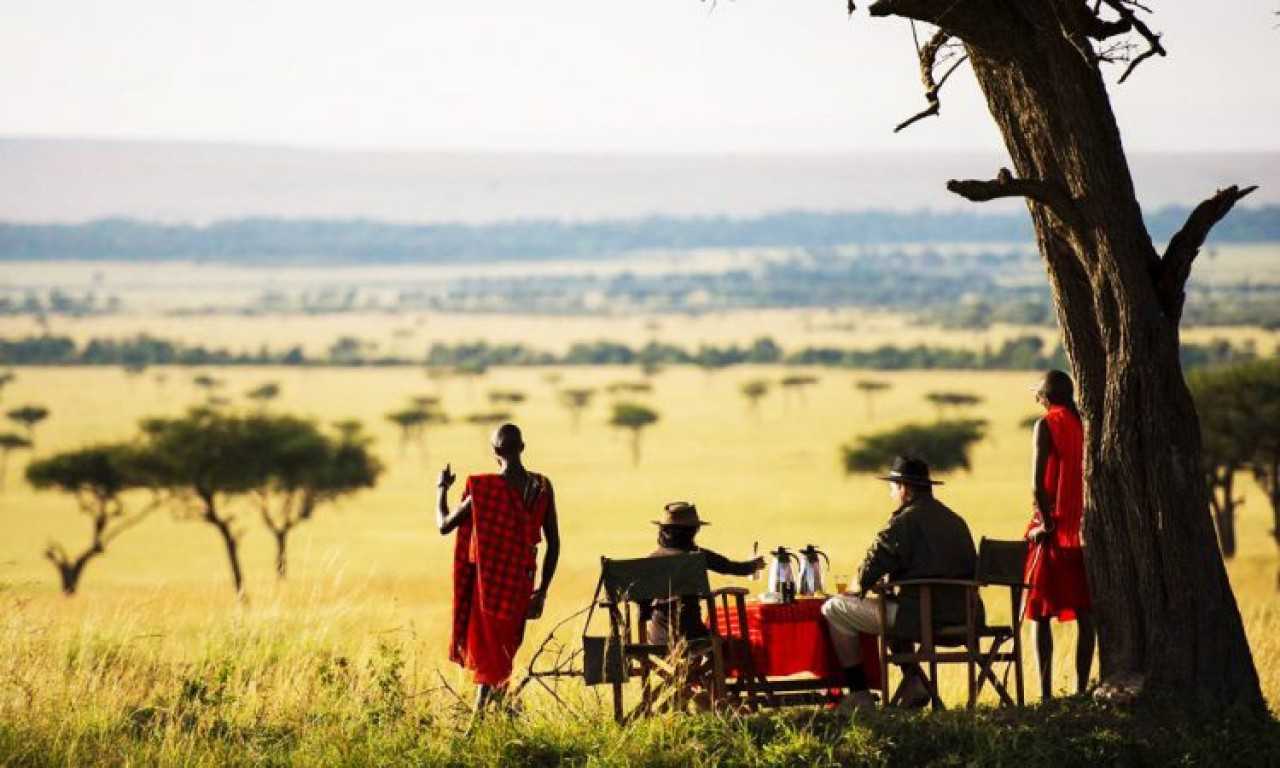
Great Migration game drives — following the wildebeest and zebra herds north (July–October) for Mara River crossings, or south (December–March) for calving. Hot air balloon safari at dawn over the central Serengeti plains — one of Africa's most celebrated wildlife experiences, landing for a champagne bush breakfast. Walking safari in the Western Corridor with armed rangers. Night drives in private concessions outside the park boundary for leopard, hyena and nocturnal species. Photography workshops at the kopjes of the Moru and Lobo areas. Cultural visits to Maasai villages on the park's borders.
About Serengeti National Park
Few names in African travel carry the weight of the Serengeti. Stretching across 14,750 square kilometres of northern Tanzania and bordering Kenya’s Masai Mara, Serengeti National Park is the beating heart of East Africa’s wildlife story. The name comes from the Maasai Siringet, meaning “the place where the land runs on forever” — and standing on the open plains at dawn, with a thousand wildebeest grazing toward the horizon, you understand exactly why.
A UNESCO World Heritage Site and Biosphere Reserve, the Serengeti is the only place on Earth where you can witness the full Great Migration cycle — nearly two million wildebeest, zebra and gazelle moving through a single ecosystem in a year-round circle driven by rainfall. Beyond the migration, the park sustains one of Africa’s densest concentrations of lion, leopard, cheetah, elephant and buffalo, making every game drive a near-certain encounter with the Big Five.
Where is the Serengeti and how big is it?
The Serengeti sits in northern Tanzania, roughly 335 kilometres northwest of Arusha and contiguous with Kenya’s Masai Mara National Reserve to the north. The park is divided into four distinct ecological zones, and choosing the right one for your travel dates is the single most important decision in planning a Serengeti safari:
- Seronera (Central Serengeti) — the wildlife-rich core, famous for big cats and resident game year-round.
- Southern Serengeti (Ndutu region) — the calving grounds, peaking December to March.
- Western Corridor (Grumeti) — Grumeti River crossings, May to July.
- Northern Serengeti (Kogatende, Lobo) — Mara River crossings, July to October.
The Great Migration: a month-by-month guide
The Great Migration is not a single event but a continuous, year-round movement. Knowing where the herds are likely to be helps you choose both the right month and the right region to base your camps.
December to March — Calving season in the south
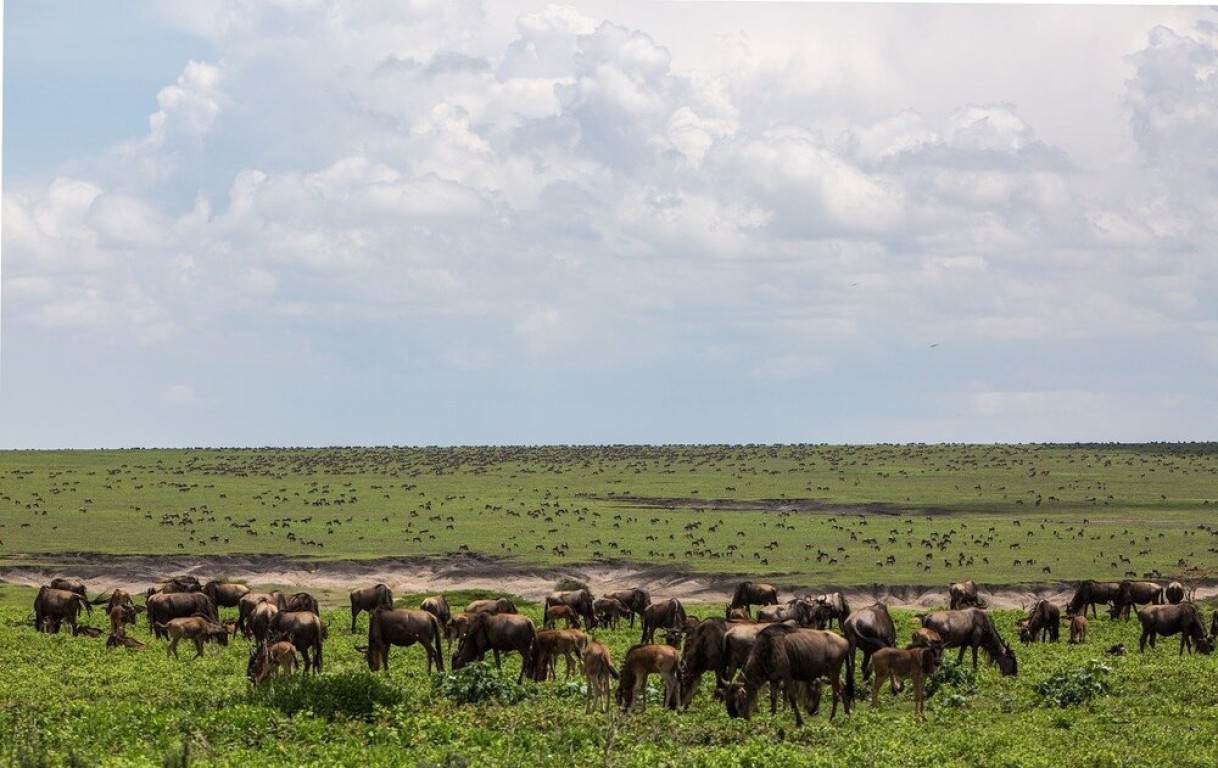
The wildebeest gather on the short-grass plains of southern Serengeti and the Ngorongoro Conservation Area (Ndutu). Around 8,000 calves are born every day for roughly three weeks in February, drawing extraordinary predator concentrations. This is the best time for cheetah sightings on open plains.
April to June — The herds move north and west
Following the rains, the columns push through central Serengeti and into the Western Corridor. The Grumeti River presents the first major crossing challenge. April’s long rains keep tourist numbers low — an excellent value window for travellers prioritising big skies and exclusivity over guaranteed crossings.
July to October — Mara River crossings in the north
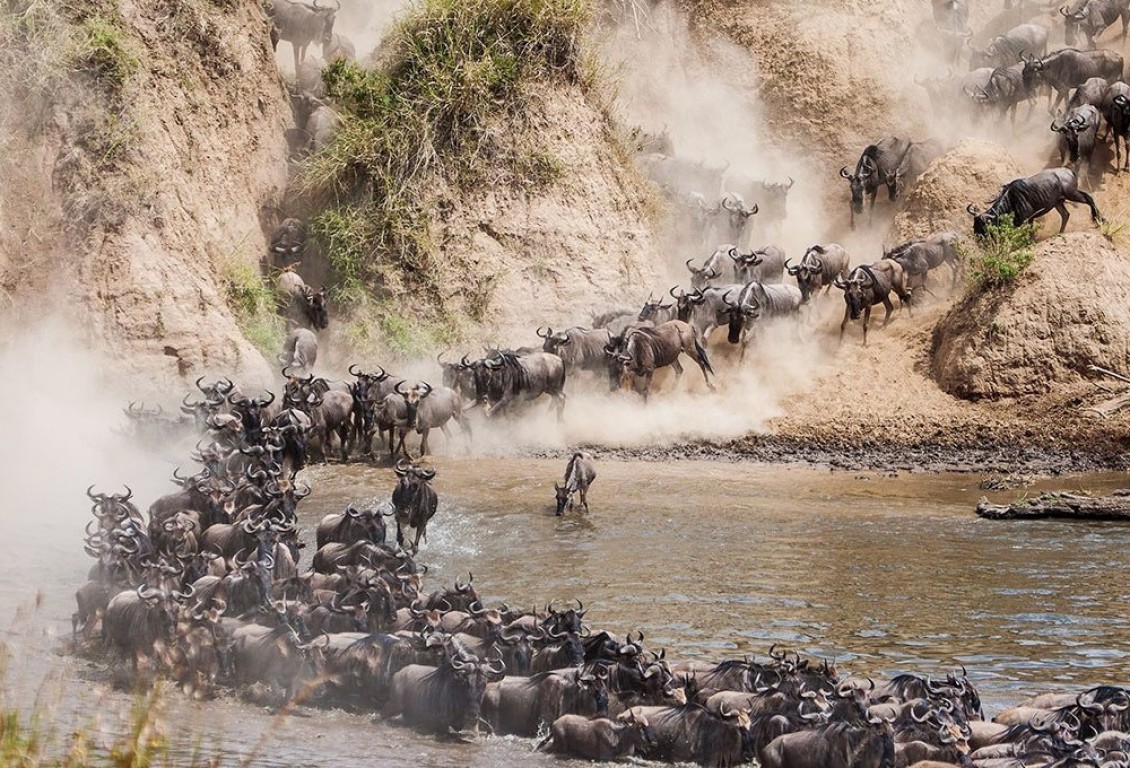
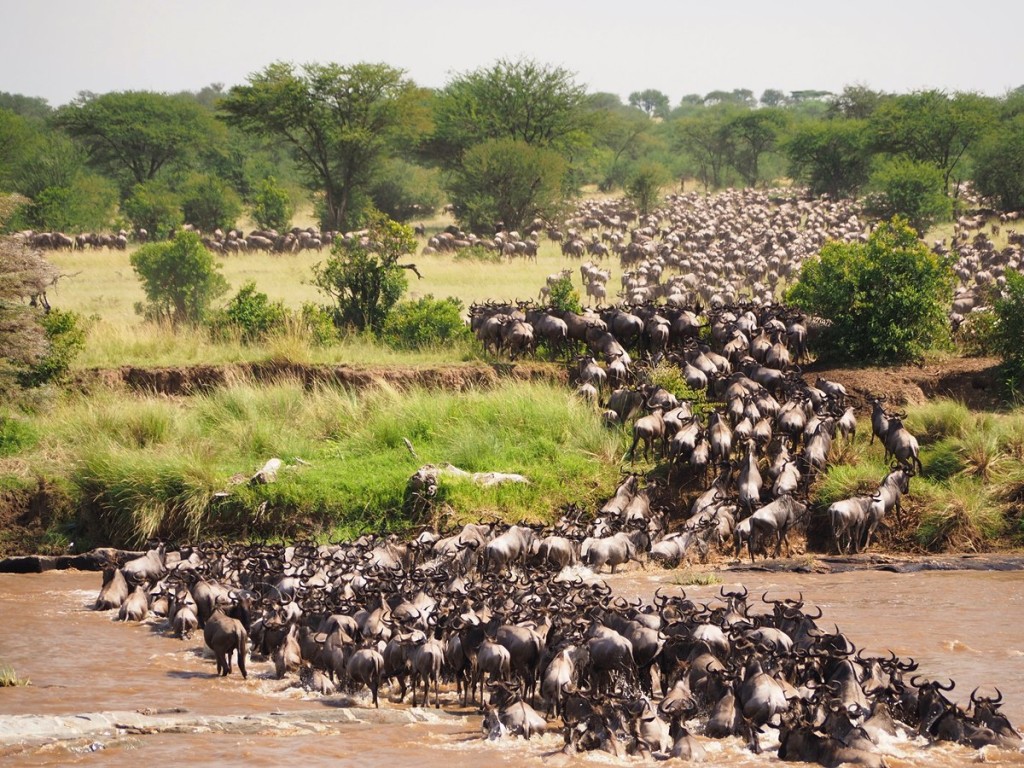
This is the headline season. Herds reach the Mara River around Kogatende and attempt heart-stopping crossings under the watchful eyes of giant Nile crocodiles. Northern Serengeti camps fill up a year in advance — book early.
November — The short rains and the southern return
Triggered by the short rains, the herds turn south again, sweeping back through eastern and central Serengeti to begin the cycle anew.
Wildlife beyond the migration
Even outside migration moments, Serengeti remains arguably the world’s finest year-round game viewing destination. The park is home to an estimated 3,000 lions — the largest population of any protected area in Africa — alongside roughly 1,000 leopards and 500 cheetahs. Other regulars include:
- Elephant, buffalo and the endangered eastern black rhino (best seen in the Moru Kopjes area)
- Spotted hyena, the park’s most successful predator by biomass
- Giraffe, eland, topi, hartebeest, impala and Thomson’s gazelle
- Over 500 bird species, including the lilac-breasted roller, secretary bird, kori bustard and martial eagle
Things to do in the Serengeti
Game drives
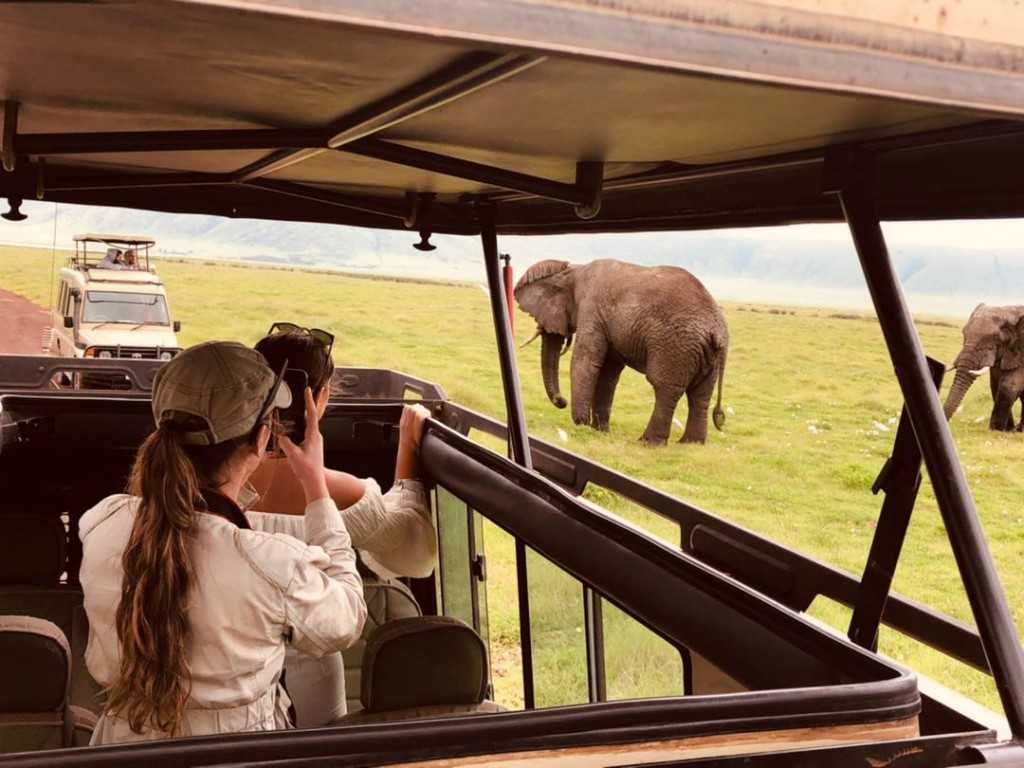
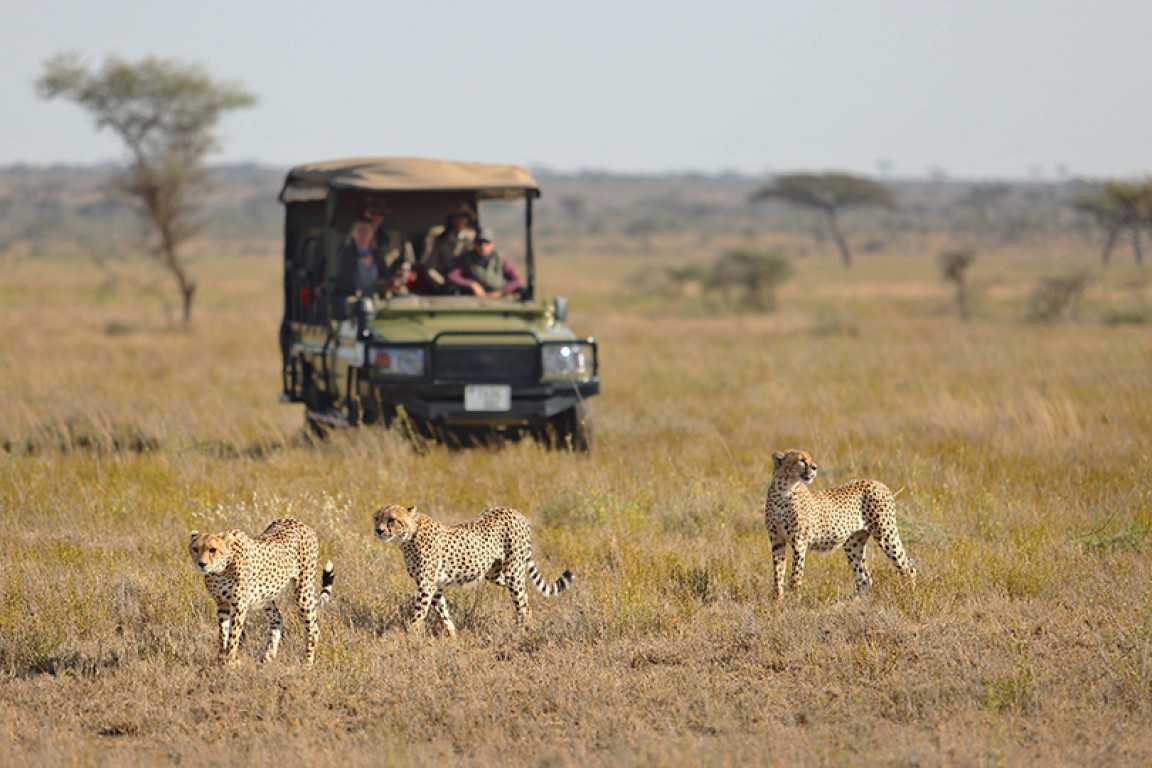
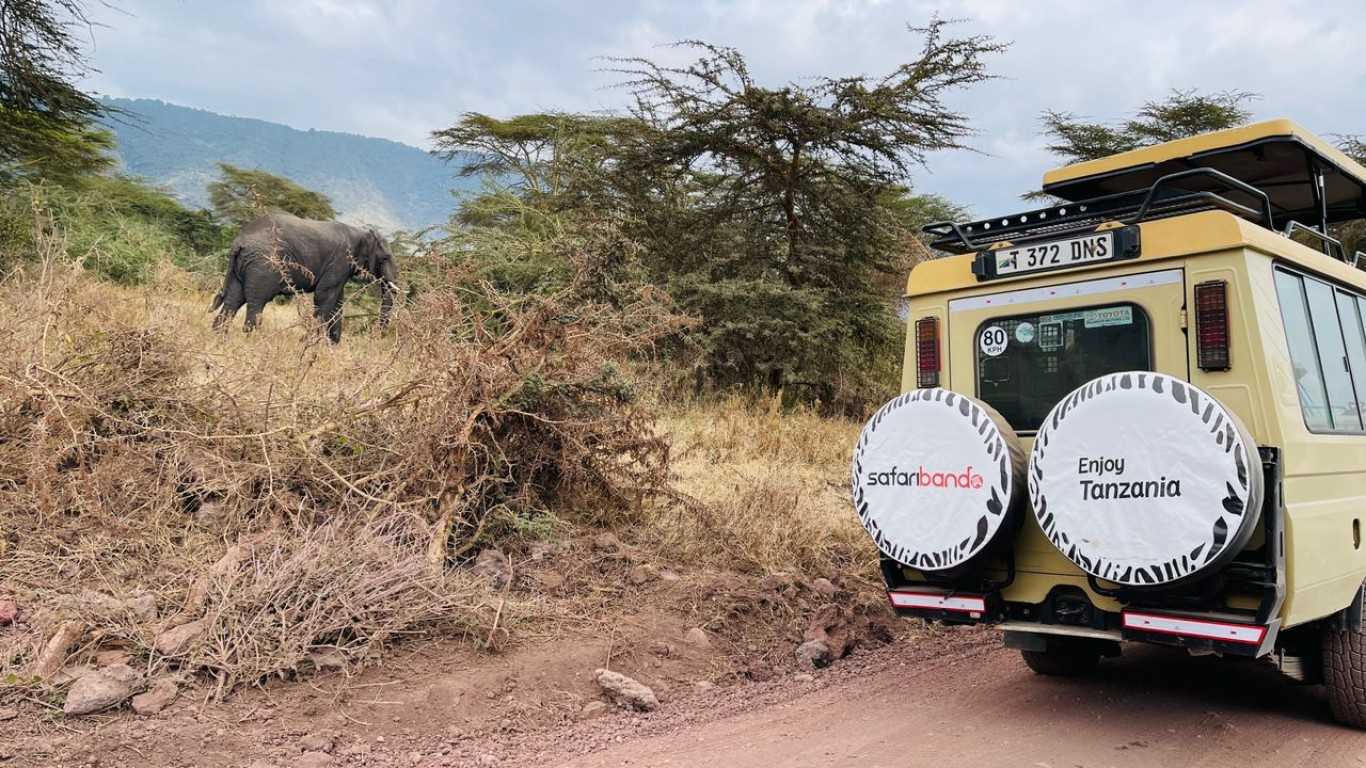
The core Serengeti experience: half-day or full-day drives in a 4x4 with a pop-top roof, led by a registered Tanzanian guide. Sunrise and late-afternoon drives offer the best light and the most active predators.
Hot-air balloon safaris
A pre-dawn lift-off and an hour of floating silently above the plains, followed by a champagne bush breakfast. Available year-round but at its most dramatic over the migration corridors.
Walking safaris and night drives
Permitted only in designated private concessions bordering the park (such as those west of the Western Corridor and around Loliondo). These bring a different rhythm — tracks, scat, birds and the small details game-drive guests usually miss.
Cultural visits
Maasai and Datoga community visits can be arranged from camps near Ndutu and Loliondo — we partner only with community-managed bomas where fees go directly to households rather than middlemen.
How to get to the Serengeti
There are two practical ways in:
- By road from Arusha — a 7–8 hour drive via the Ngorongoro Crater rim. Slow but scenic, and the cheapest option. Most classic Northern Circuit itineraries combine the drive with stops in Tarangire, Lake Manyara and Ngorongoro.
- By scheduled flight — daily flights from Arusha Airport (ARK) and Kilimanjaro International Airport (JRO) land at one of seven airstrips inside the park (Seronera, Kogatende, Kusini, Ndutu, Lobo, Grumeti, Kirawira). Flight time is roughly 1–1.5 hours and is the recommended option for short itineraries.
Where to stay in the Serengeti
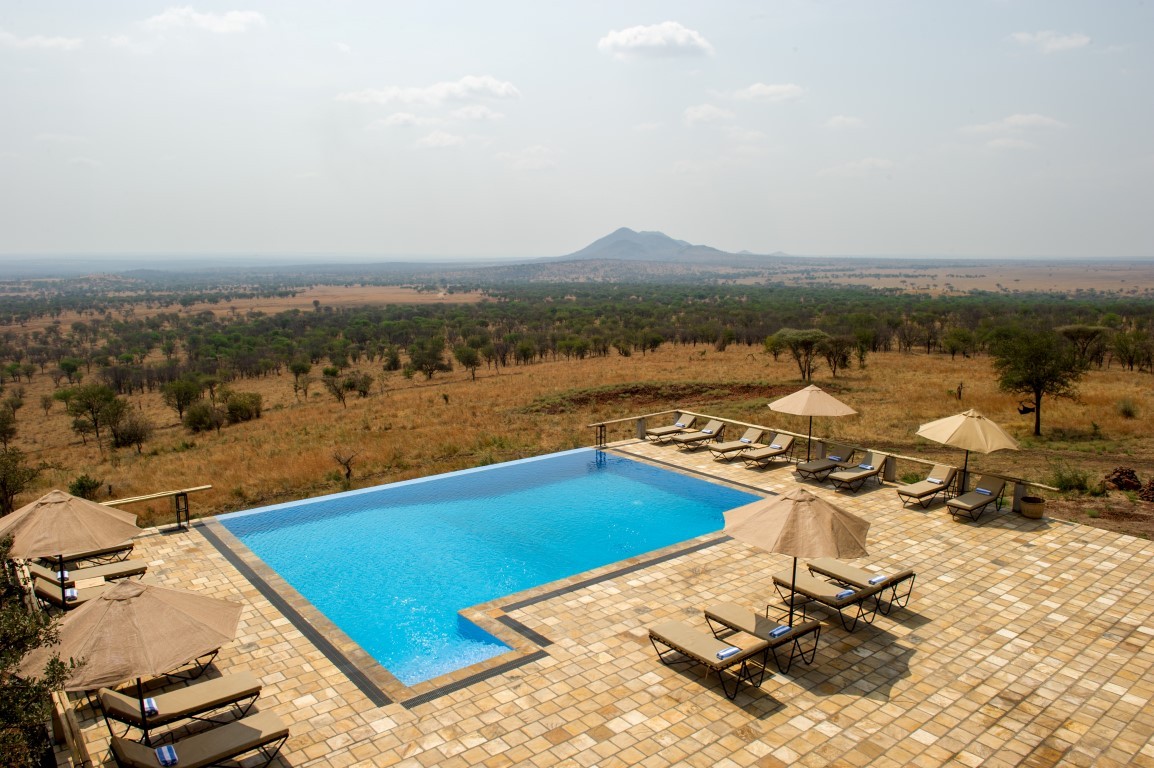
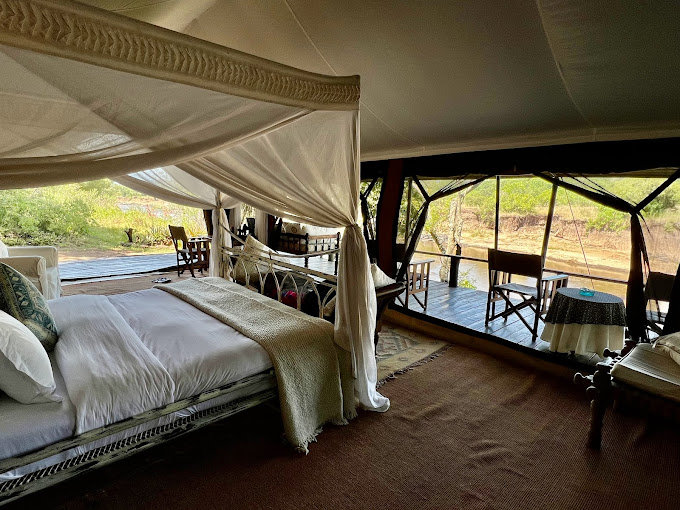
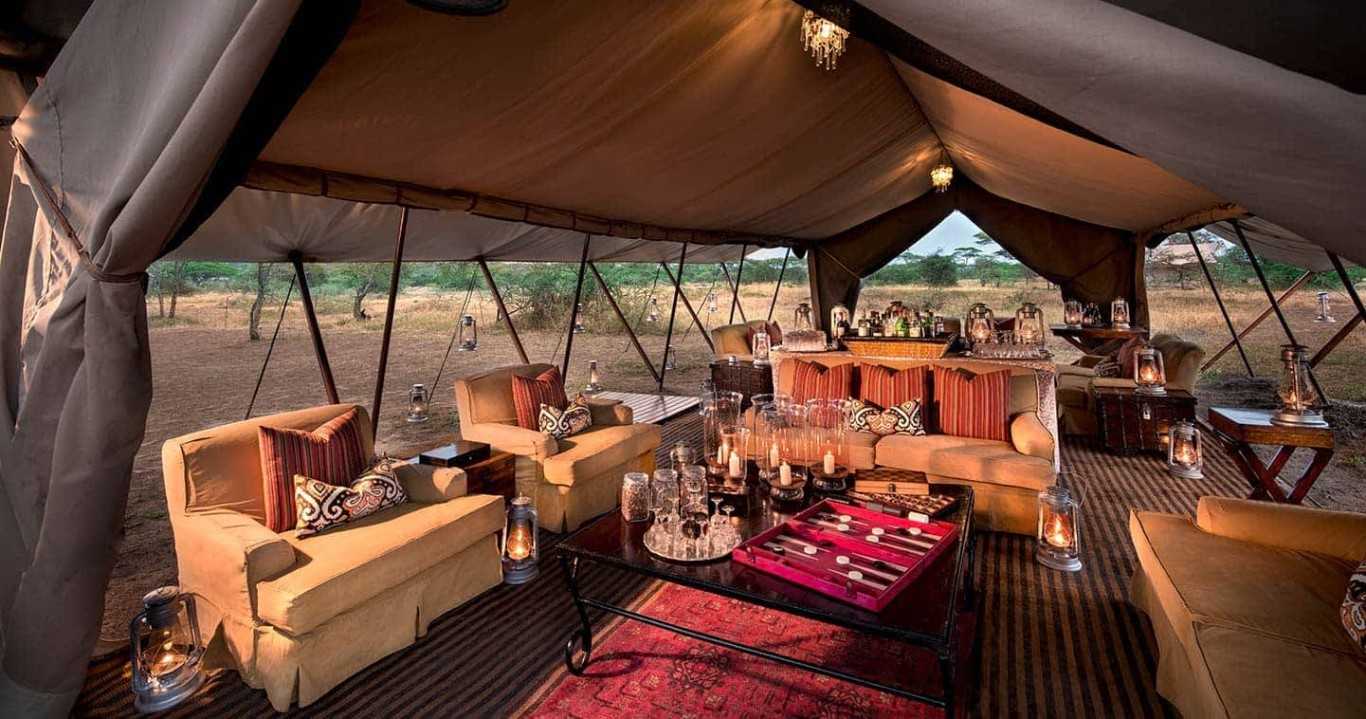
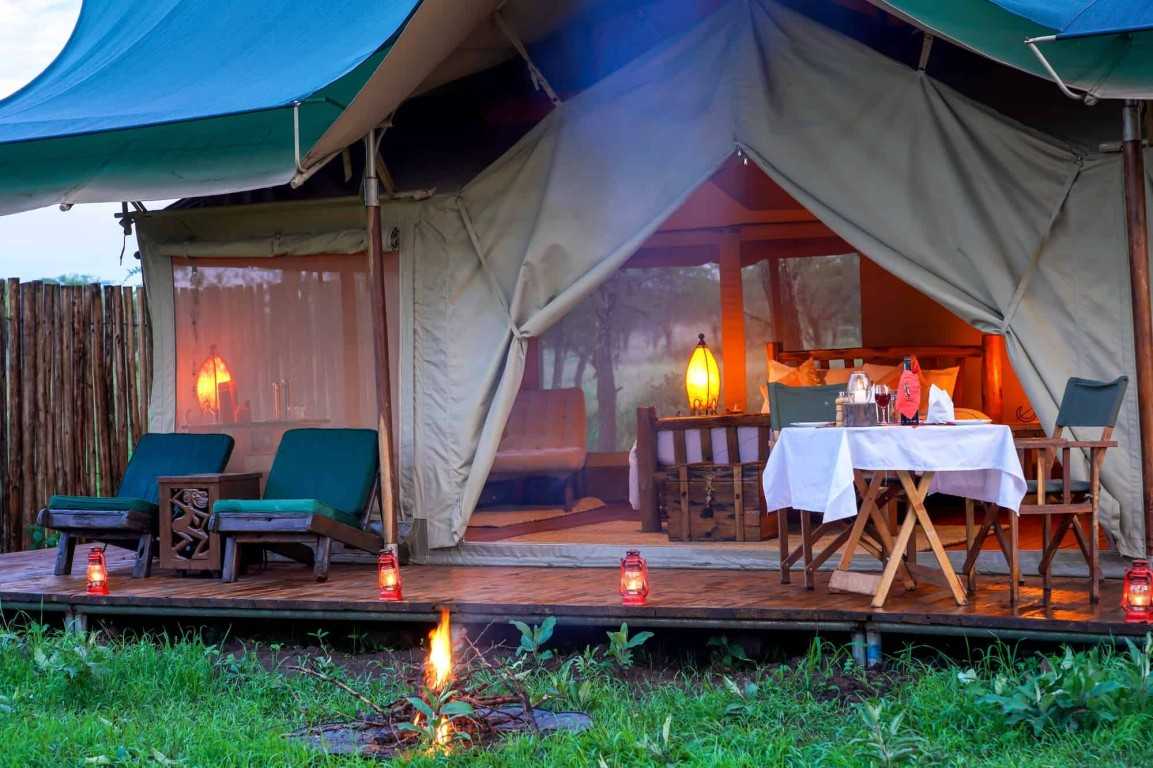
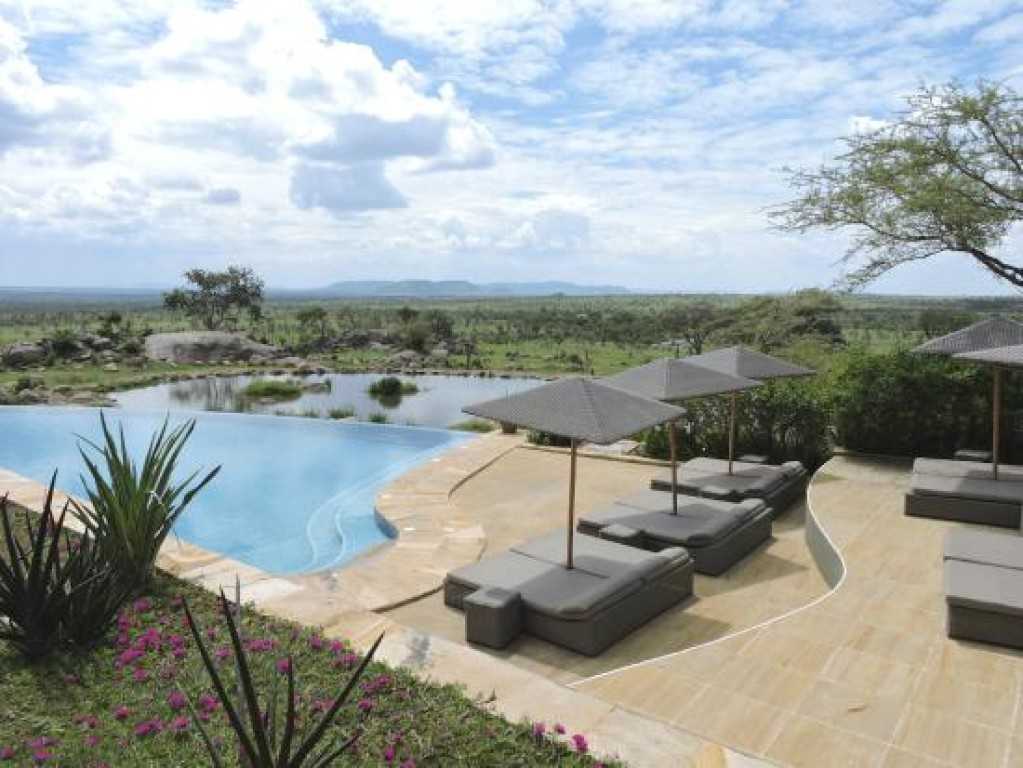
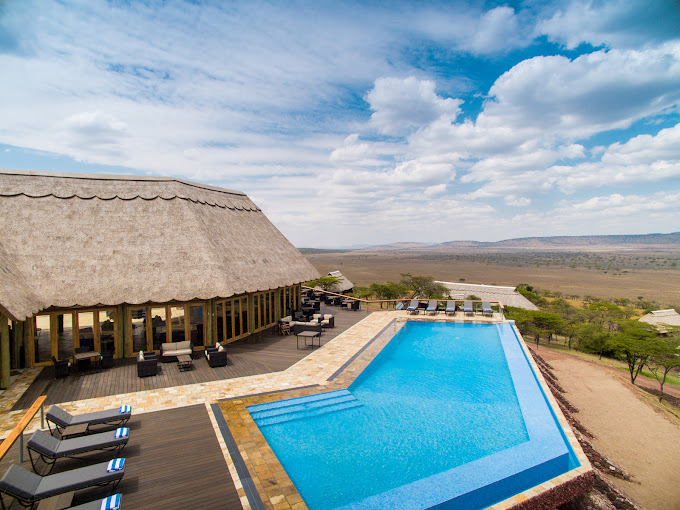
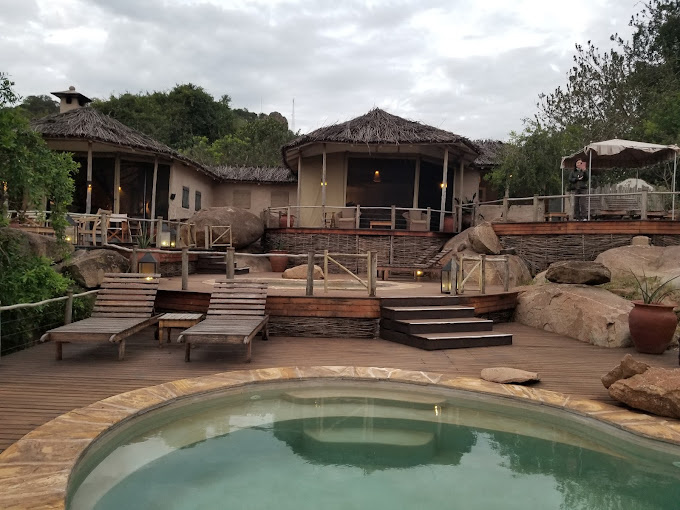
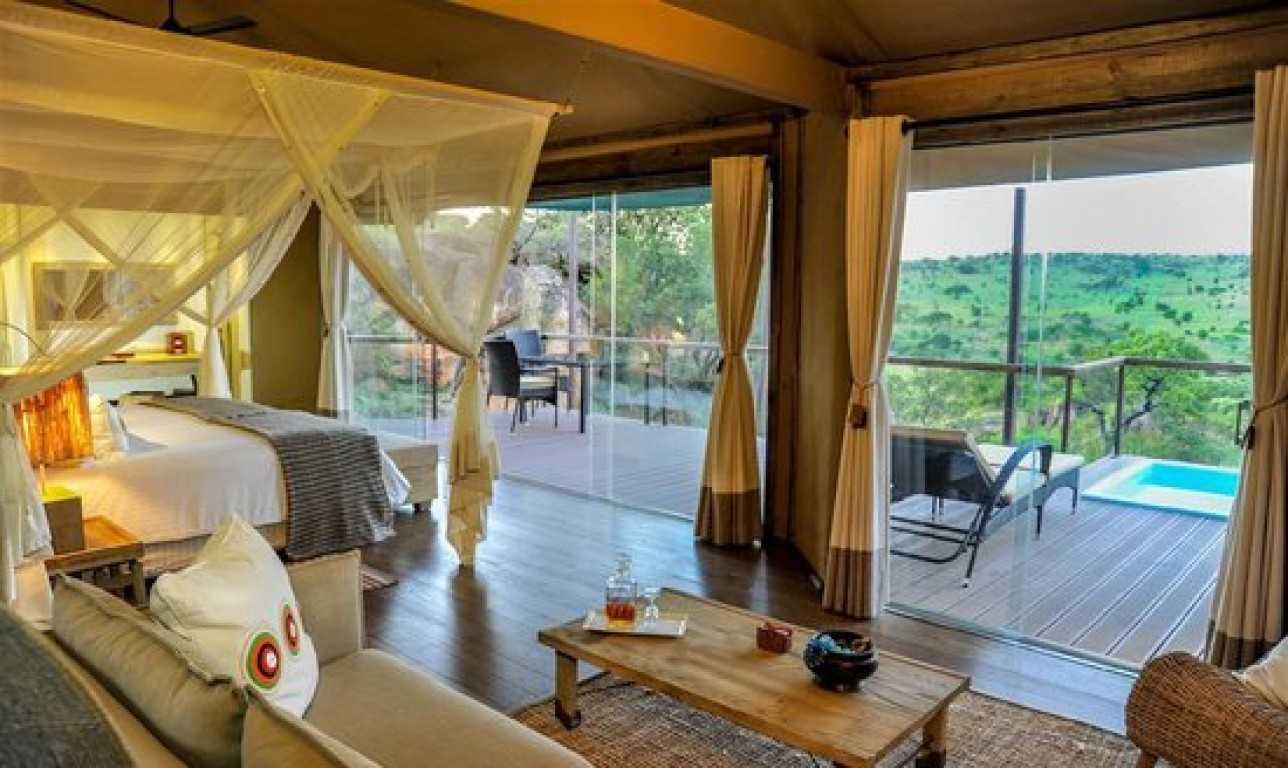
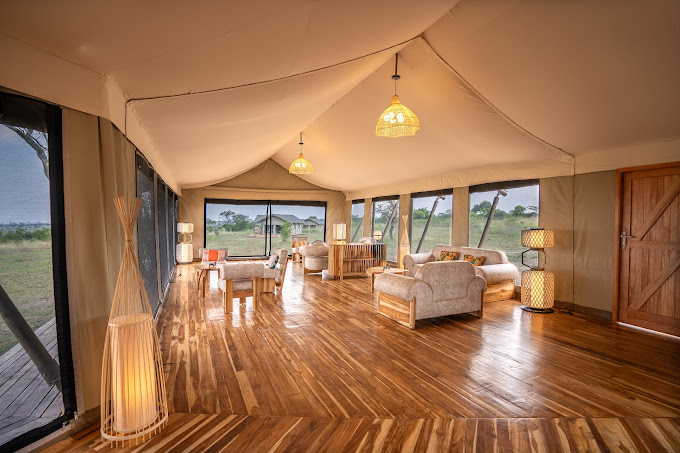
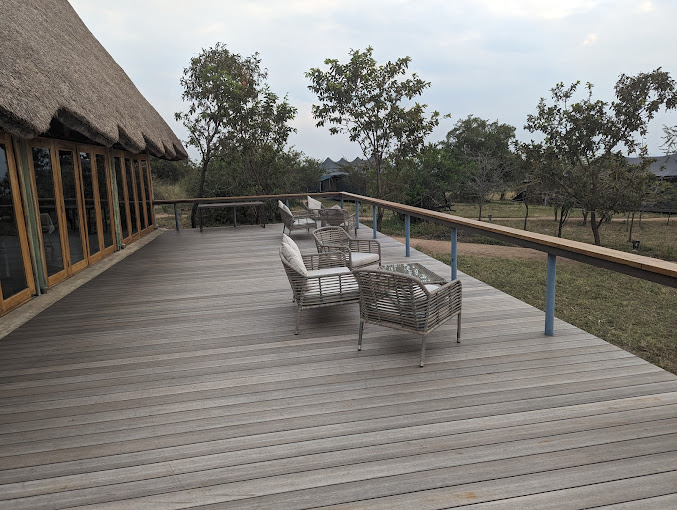
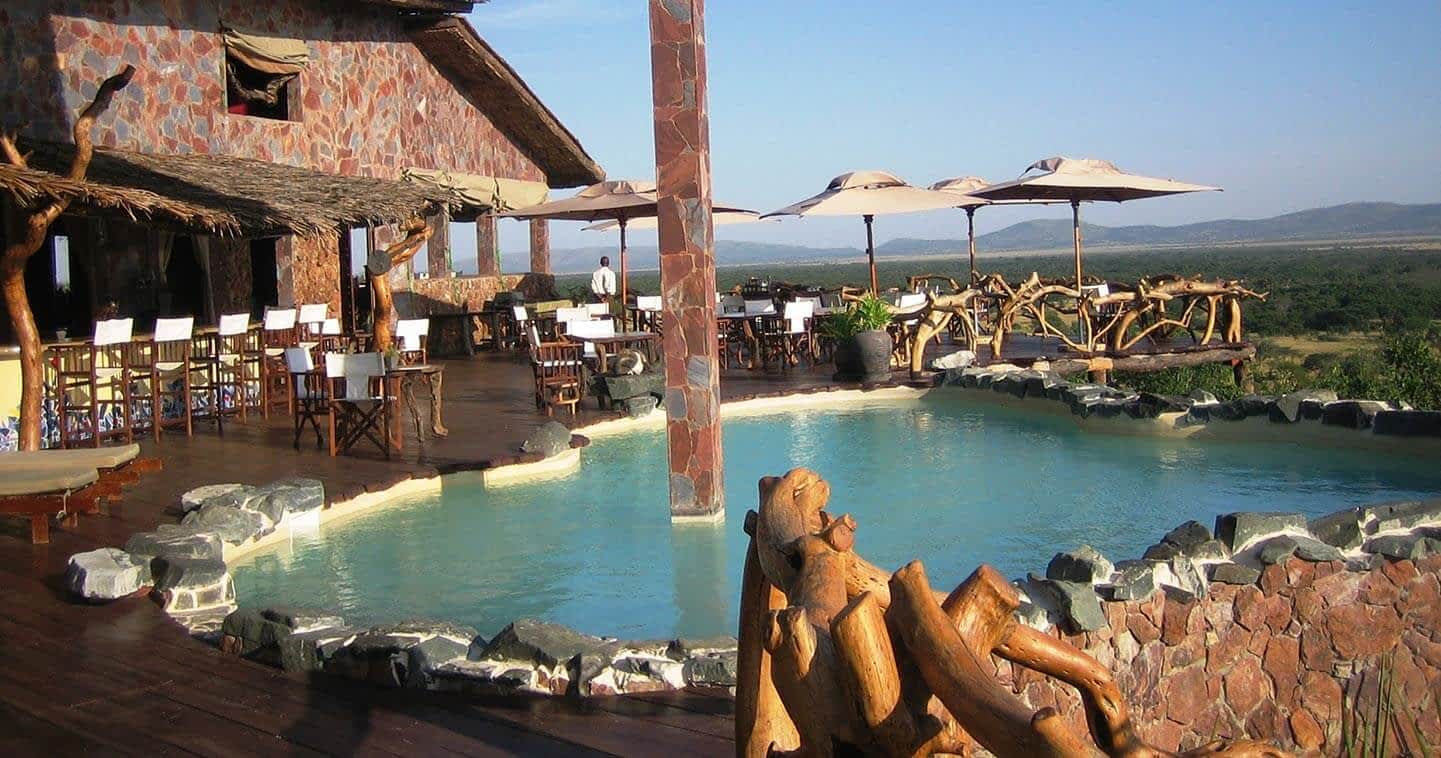
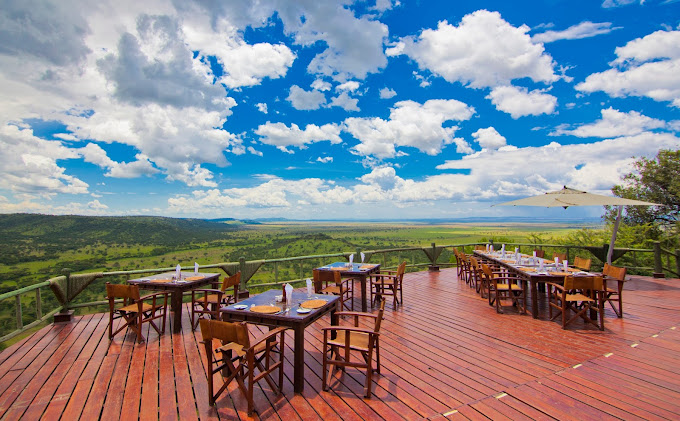
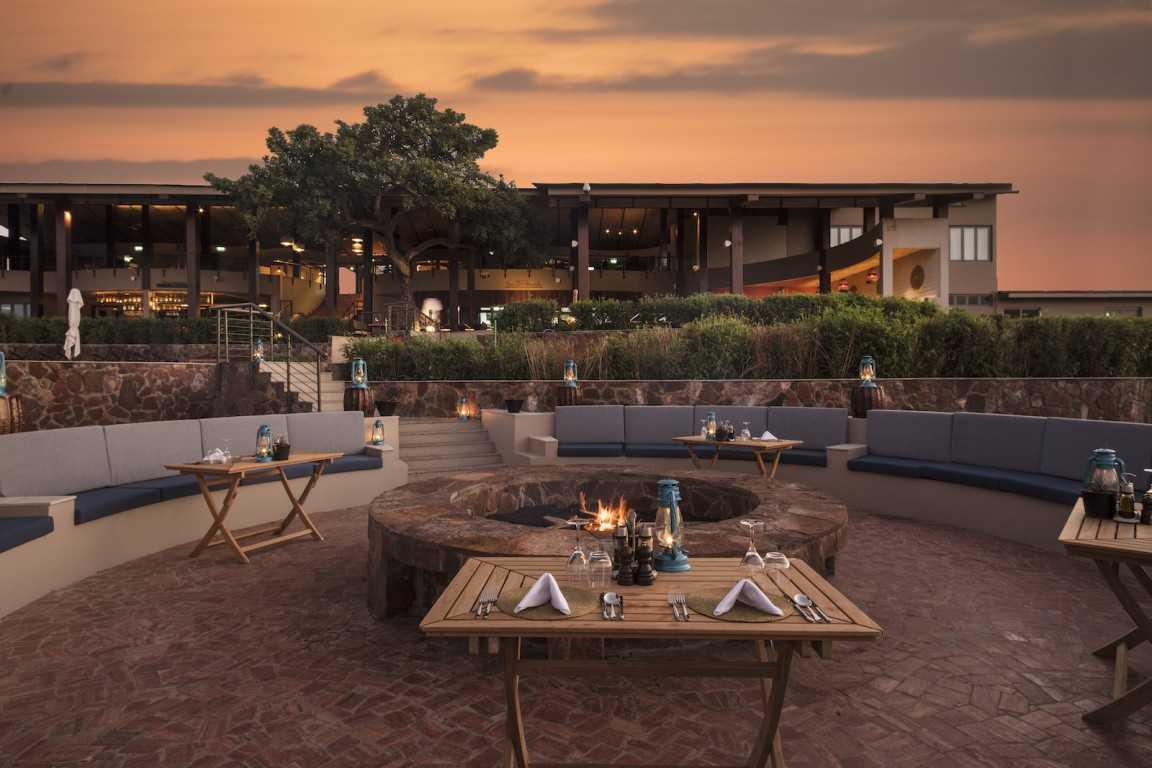
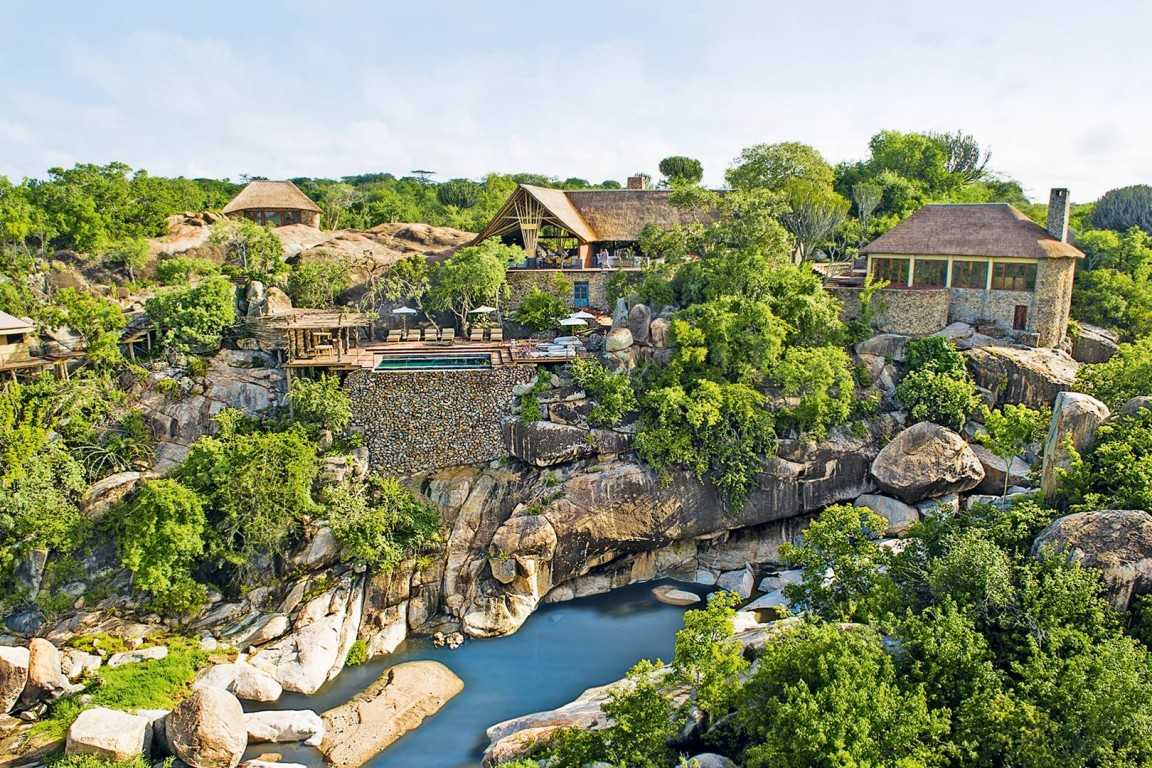
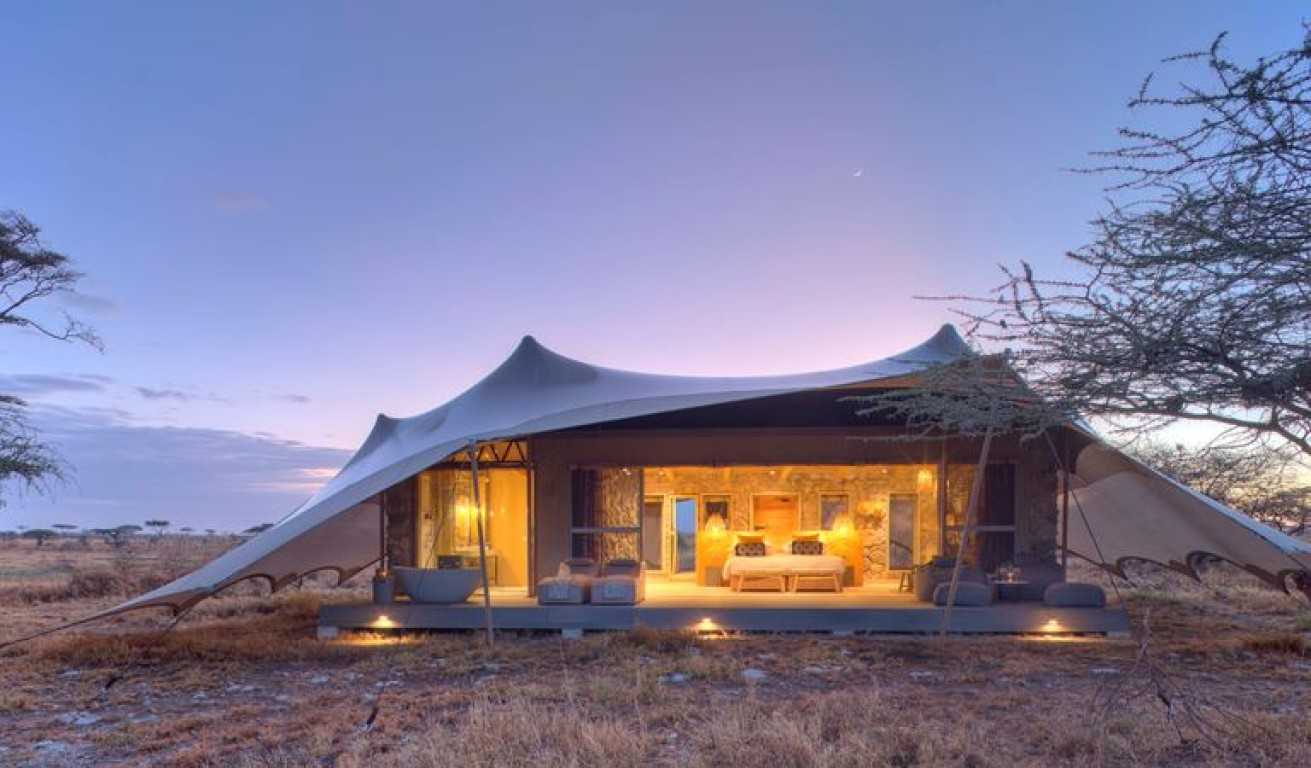
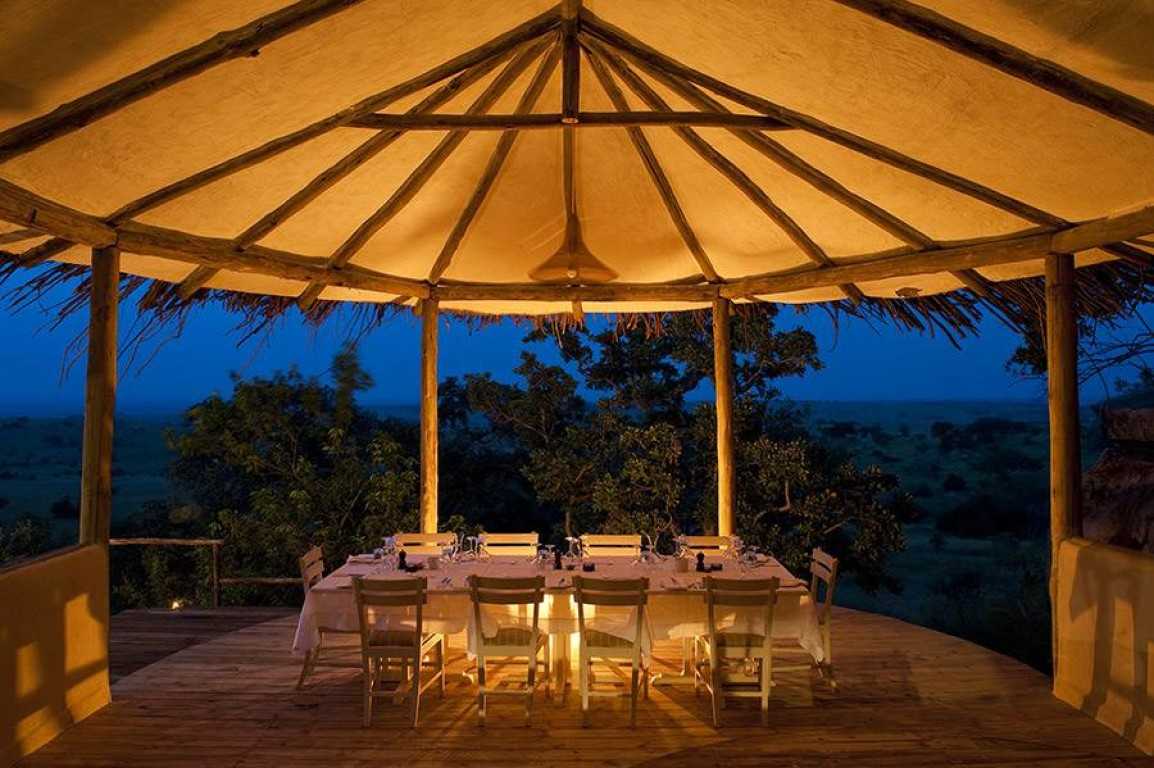
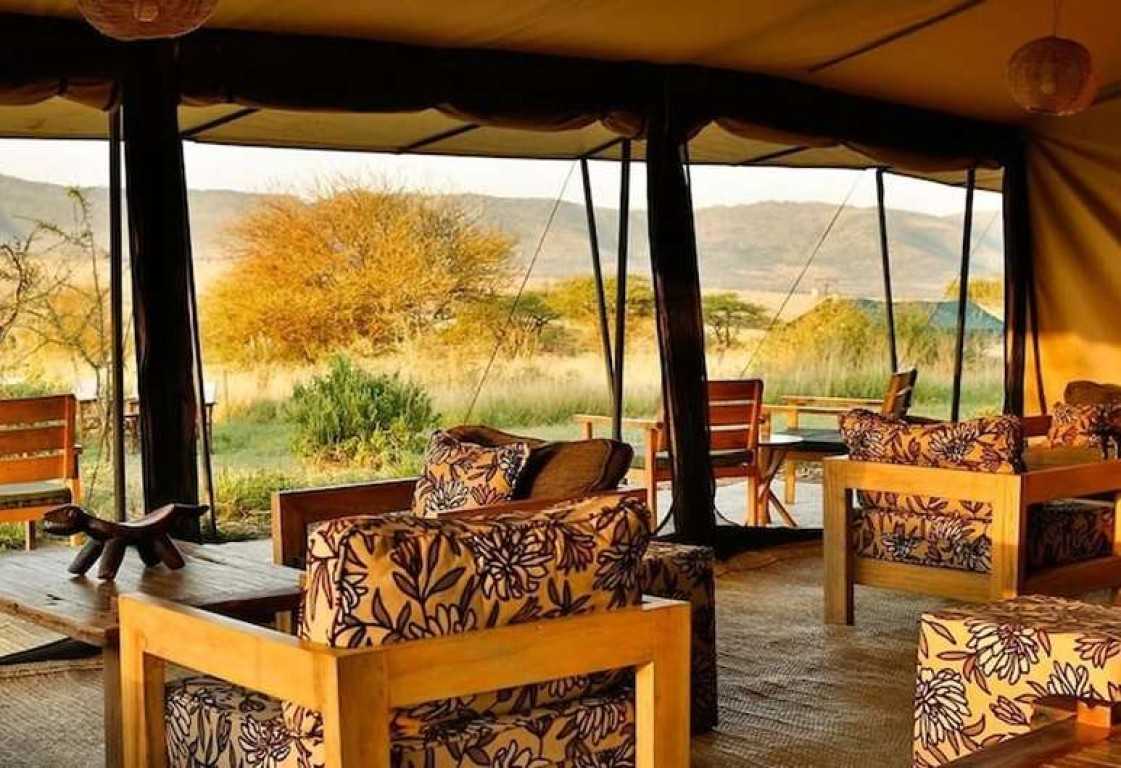
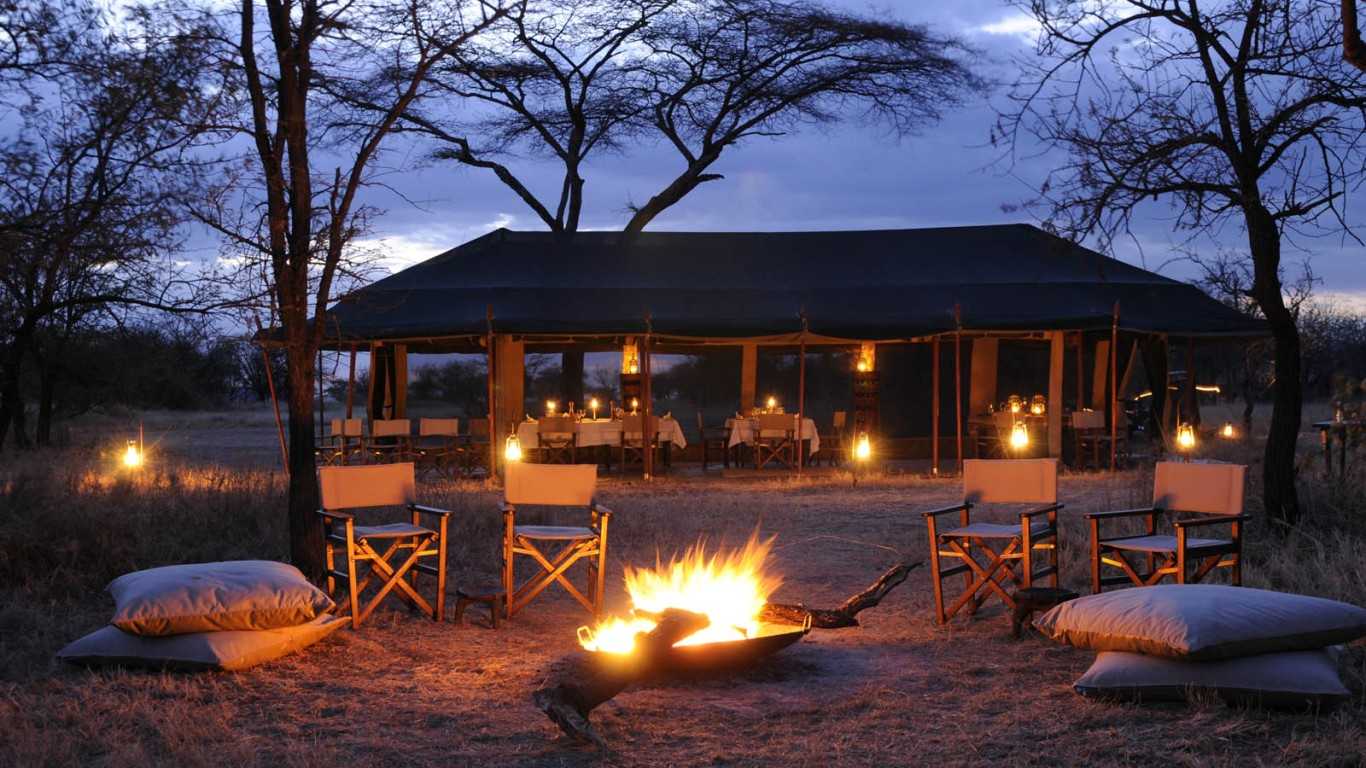
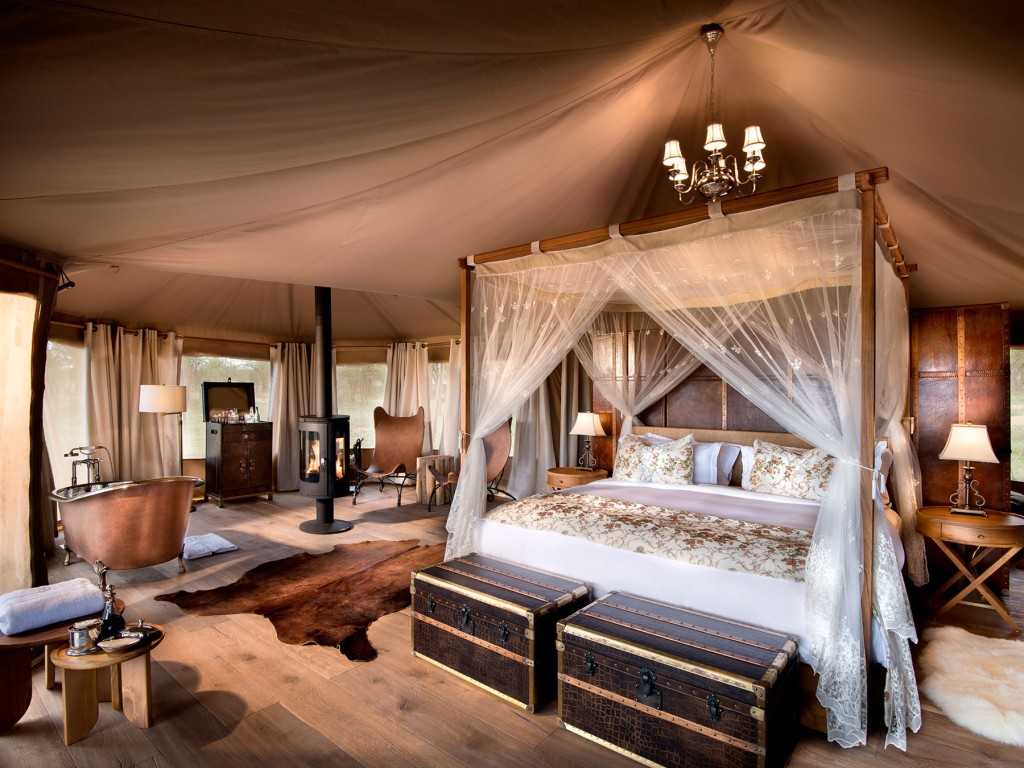
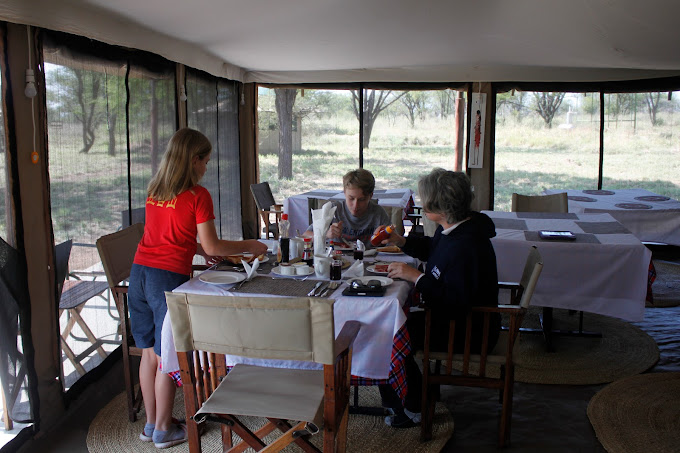
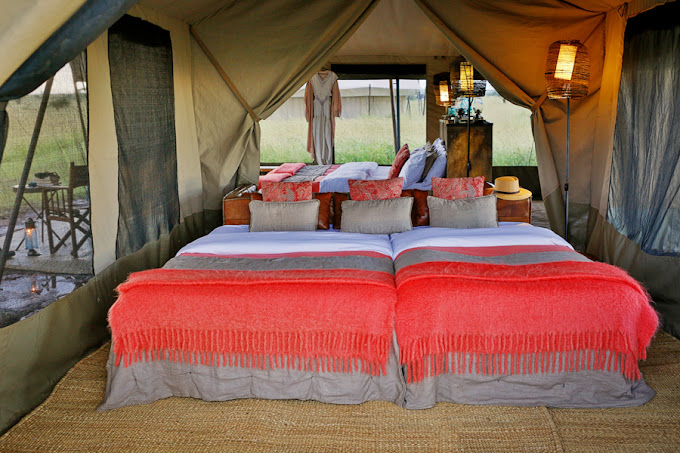
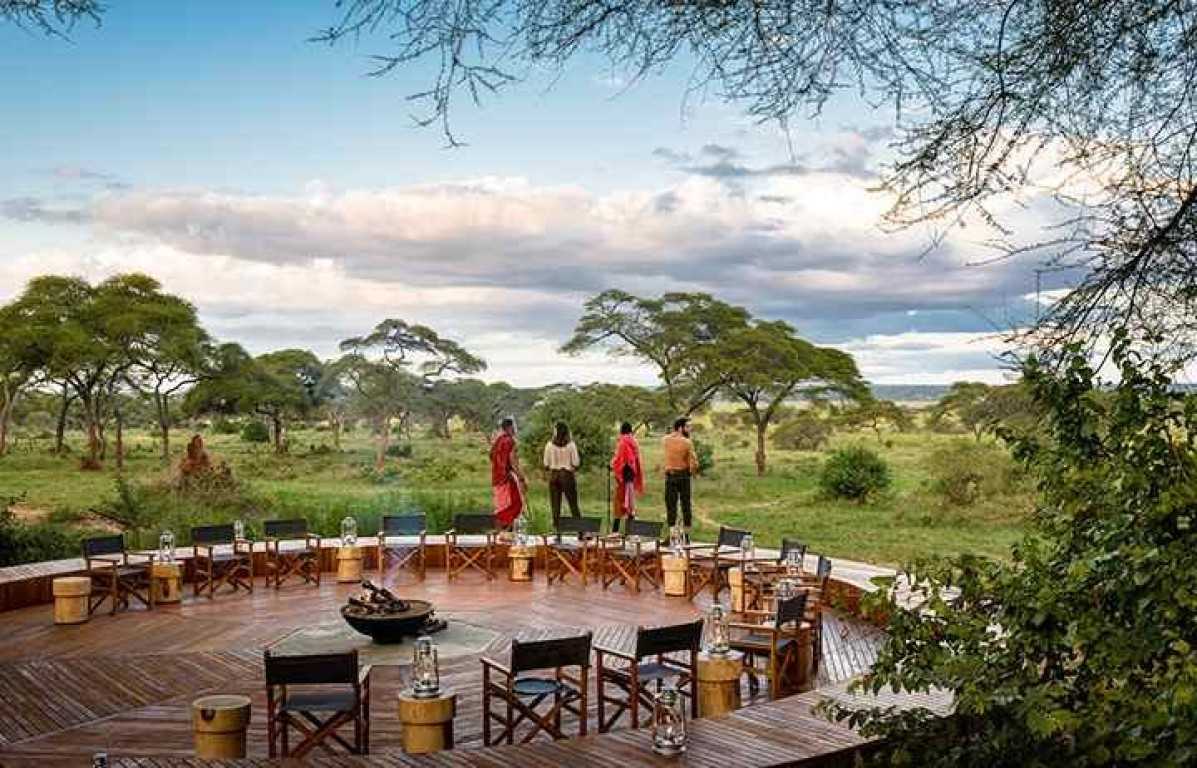
Accommodation ranges from mobile tented camps that follow the migration to permanent luxury lodges with infinity pools. We typically group camps into four tiers:
- Budget public campsites — basic shared facilities, suited to fully-equipped overland trips.
- Mid-range tented lodges — comfortable en-suite tents, good food, fixed location.
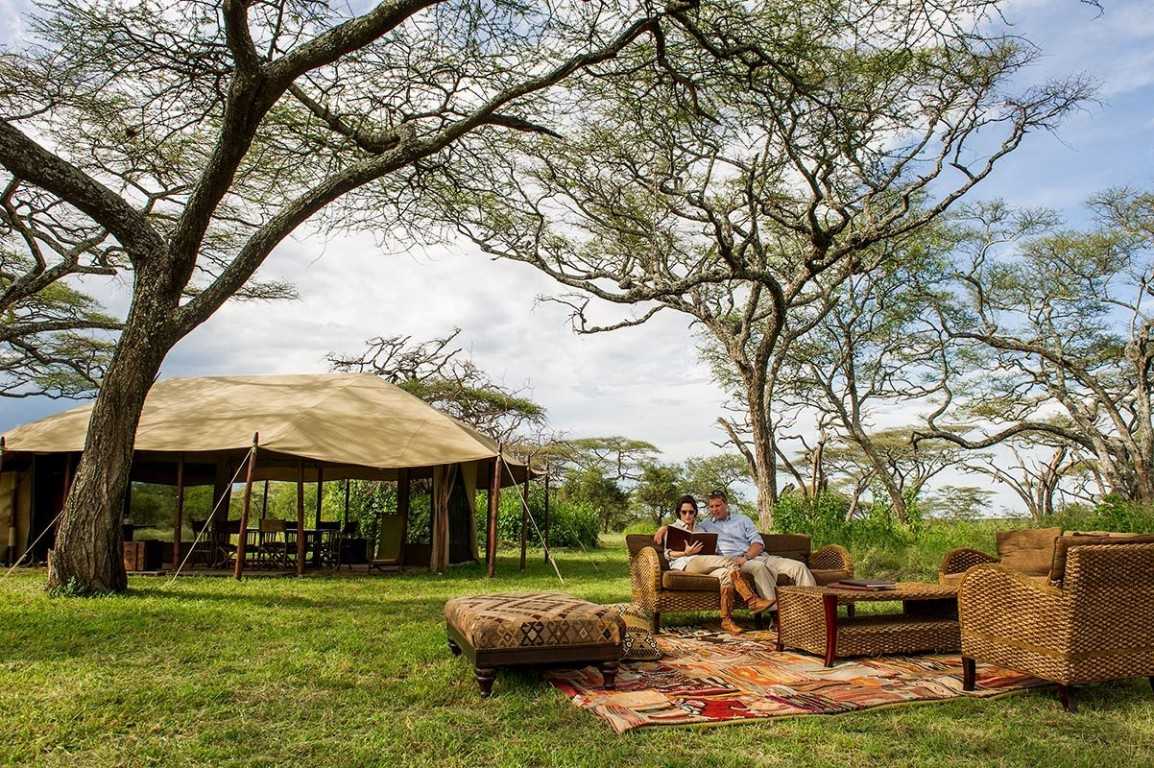
- Mobile migration camps — the smart choice for serious migration travellers; camps relocate seasonally to stay close to the herds.
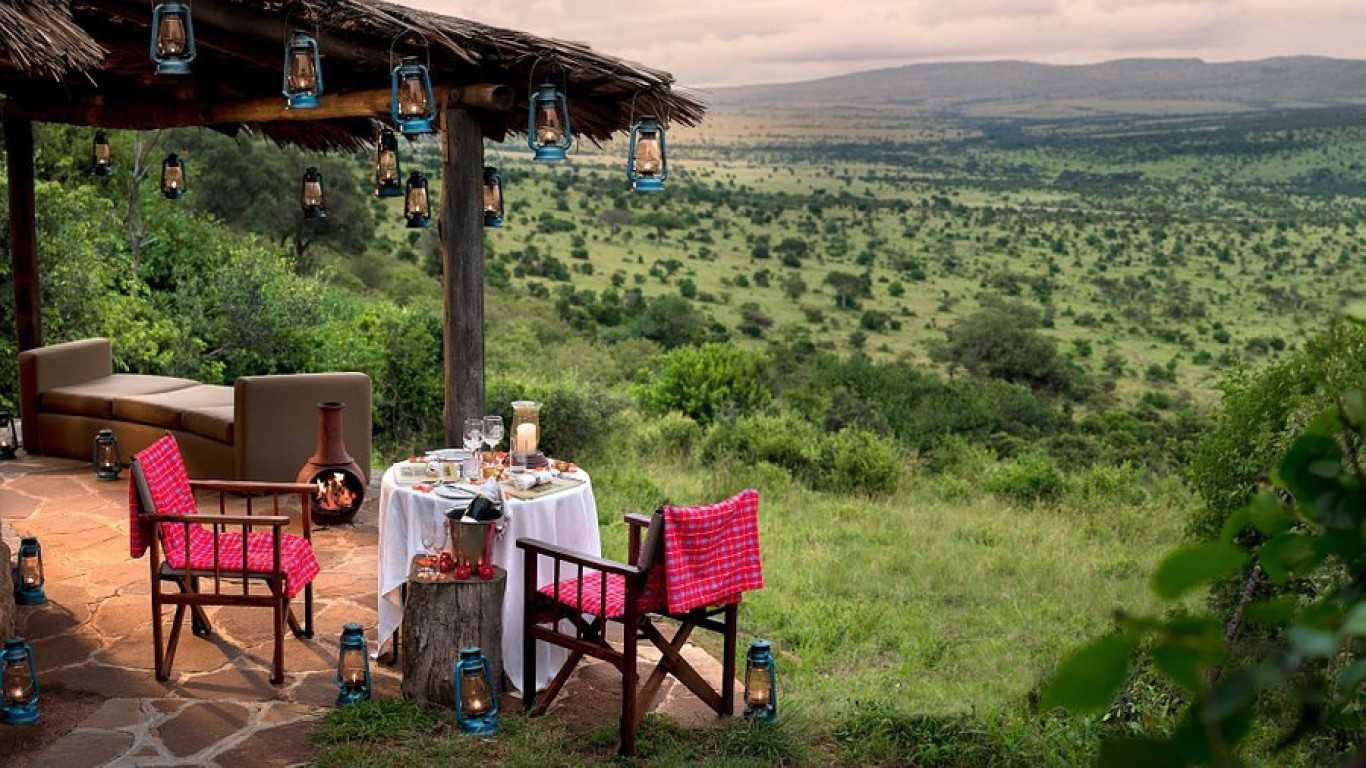
- Luxury lodges and private concessions — the high end, with private vehicles, off-road game viewing and walking safari options.
Park fees and practical info
Serengeti entry fees, concession fees and crater service charges are revised annually by TANAPA, usually in July. Rather than quoting figures that go out of date, we keep our Tanzania park fees page updated with the current rates. A few practical points:
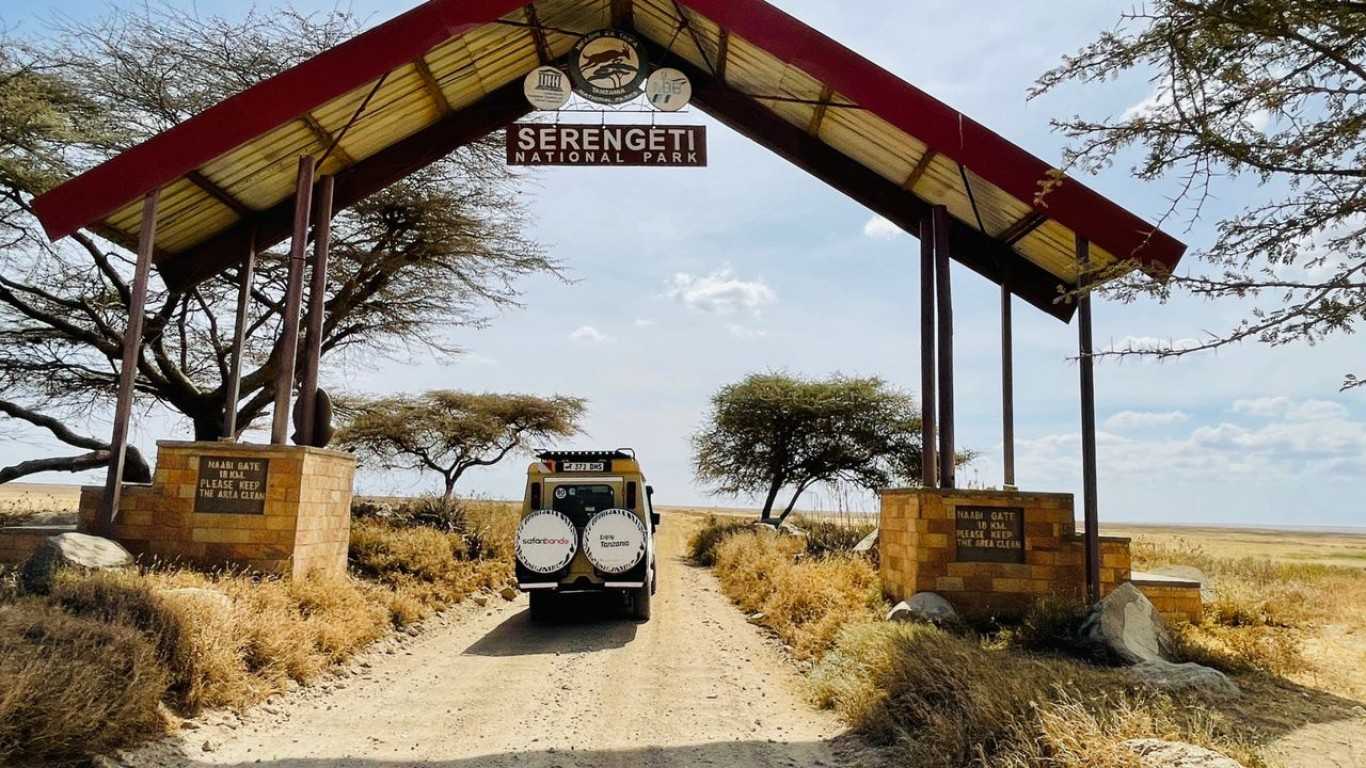
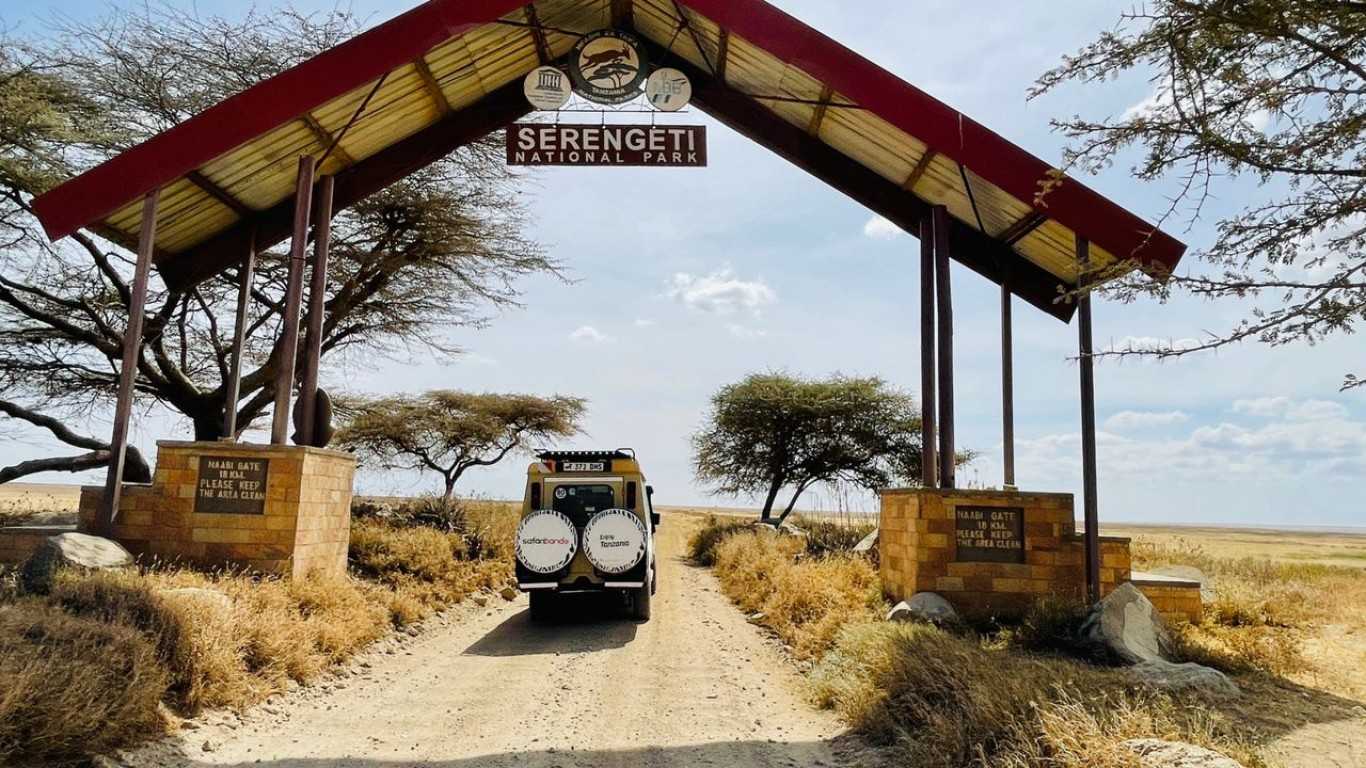
- Park gates open daily from 06:00 to 18:00. No night drives are allowed inside the park boundary.
- Payments are cashless — Visa and Mastercard only, or via your tour operator’s pre-paid permits.
- All quoted park fees attract 18% VAT in Tanzania.
- Children under 5 enter free; ages 5–15 pay a reduced rate.
Combine your Serengeti safari with…
The Serengeti pairs naturally with other Northern Circuit highlights. Our most-booked combinations are:
- Ngorongoro Crater — the world’s largest intact caldera, 3 hours’ drive away.
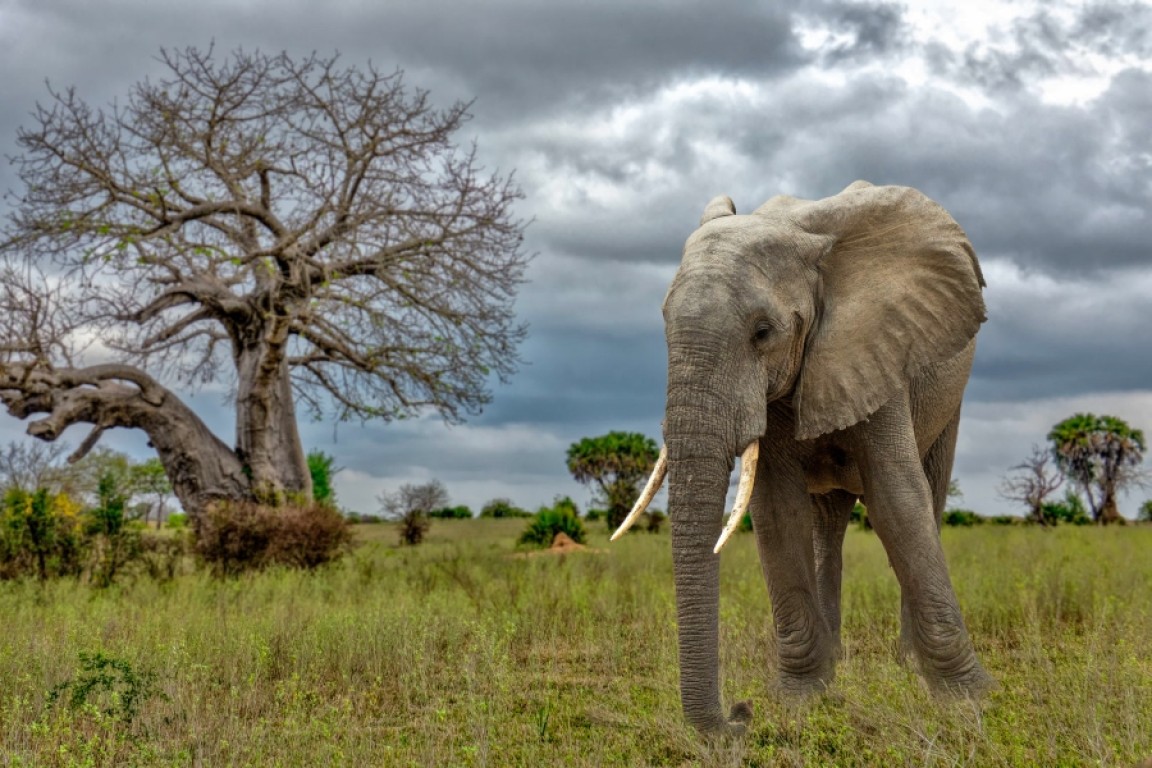
- Tarangire National Park — famous for elephant herds and baobabs.
- Lake Manyara — flamingos, tree-climbing lions and Rift Valley views.
- Zanzibar beach extension — the classic safari-and-sand finale.
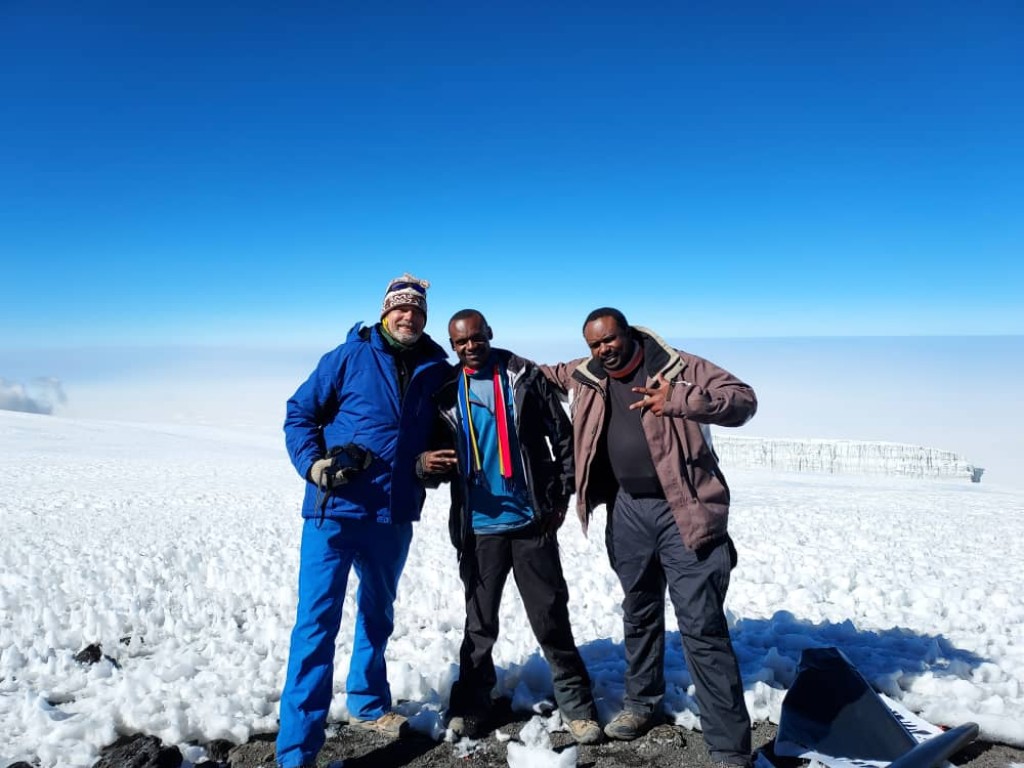
- Mount Kilimanjaro climb — for adventure travellers extending their trip.
Frequently asked questions about the Serengeti
How many days do you need in the Serengeti?
Three nights is the realistic minimum to enjoy the park properly. Four to five nights lets you split between two regions (for example Seronera and Kogatende during migration season) without rushed transfers.
Is the Serengeti or Masai Mara better?
They are the same ecosystem — the Serengeti is 14 times the size of the Mara and hosts the herds for around nine months of the year, while the Mara hosts them roughly July to October. For longer migration access and more wilderness feel, choose the Serengeti.
Can you self-drive in the Serengeti?
Self-drive is technically permitted but rarely recommended. Roads are unsigned, distances are vast, fuel stations are limited and a foreign-registered vehicle attracts higher fees. Almost all visitors travel with a licensed Tanzanian operator and guide.
What is the best month to visit the Serengeti?
If forced to pick one month, August or September — for Mara River crossings and dry-season game viewing across the wider park. February is the runner-up for calving season and big-cat action.
Is the Serengeti safe?
Yes. The park is well-patrolled, guides are highly trained and incidents involving tourists are extremely rare. Standard precautions — stay in your vehicle on game drives, follow your camp’s after-dark escort rule — are all that is required.
Do I need vaccinations to visit the Serengeti?
Yellow fever proof is required if you are arriving from a country with risk of transmission. Malaria prophylaxis is strongly recommended. Always consult a travel clinic 6–8 weeks before departure.
Want to visit Serengeti National Park?
Get a free custom safari plan within 24 hours.
Serengeti National Park safari tours


10-Day Tanzania Safari Beach Holiday to Tarangire, Serengeti, Ngorongoro & Zanzibar


4-Day Tanzania Safari from Zanzibar to Tarangire, Serengeti & Ngorongoro Crater
5-Day Tanzania Safari from Zanzibar to Tarangire, Serengeti & Ngorongoro Crater


Want to visit Serengeti National Park?
Get a free custom safari plan within 24 hours.
Best time to visit the Serengeti
July to October — Dry season (Mara River crossings, peak wildlife)
The most dramatic window. The 1.5-million-strong wildebeest and zebra migration reaches the northern Serengeti by July, and the Mara River crossings — thousands of wildebeest plunging through Nile crocodile-patrolled water in panicked surges — are among the greatest wildlife spectacles on Earth. The dry conditions concentrate wildlife at permanent water sources, making lion, cheetah, leopard and hyena encounters highly reliable. Vegetation is short, giving long sightlines across the plains. This is the busiest and most expensive season; book camps 6–12 months ahead for July and August.
Late January to March — Calving season (southern Serengeti and Ndutu)
Between late January and March, up to 500,000 wildebeest calves are born across the short-grass plains of the southern Serengeti and the Ndutu area of the Ngorongoro Conservation Area. The calving draws the most intense predator concentration of the year: lion prides, cheetah mothers teaching their young to hunt, and hyena clans in constant proximity to vulnerable newborns. The Ndutu area in particular offers extraordinarily dense predator sightings in this window. A quieter and cheaper alternative to the July–October peak.
November to December — Short rains (migration moves south, green and beautiful)
The short rains bring the migration south from the Mara River back toward the central Serengeti. The landscape is vividly green, the lighting is dramatic with storm clouds, and the park is significantly less busy than the dry-season peak. Excellent for resident game in Seronera and for photography in the moody green-season light. The migration’s location varies and can be harder to track than in the dry season.
April to May — Long rains (quietest, cheapest, some camps close)
The long rains bring heavy daily downpours and the migration has dispersed across the Western Corridor and Grumeti area. Some access tracks become muddy. Many camps close or reduce operations. However, resident predators are still present and active, prices drop significantly, and the Serengeti is at its least crowded. A rewarding window for budget-conscious travellers comfortable with wet conditions.
Bottom line: July to October for the Mara River crossings. January to March for calving and the finest predator action. November to December for green beauty and good value. The Serengeti rewards a visit in any season.
Where to stay in Serengeti National Park


Want to visit Serengeti National Park?
Get a free custom safari plan within 24 hours.
Nearby destinations
Tanzania  Tanzania


 Tanzania Tanzania