Quick facts
Wildlife
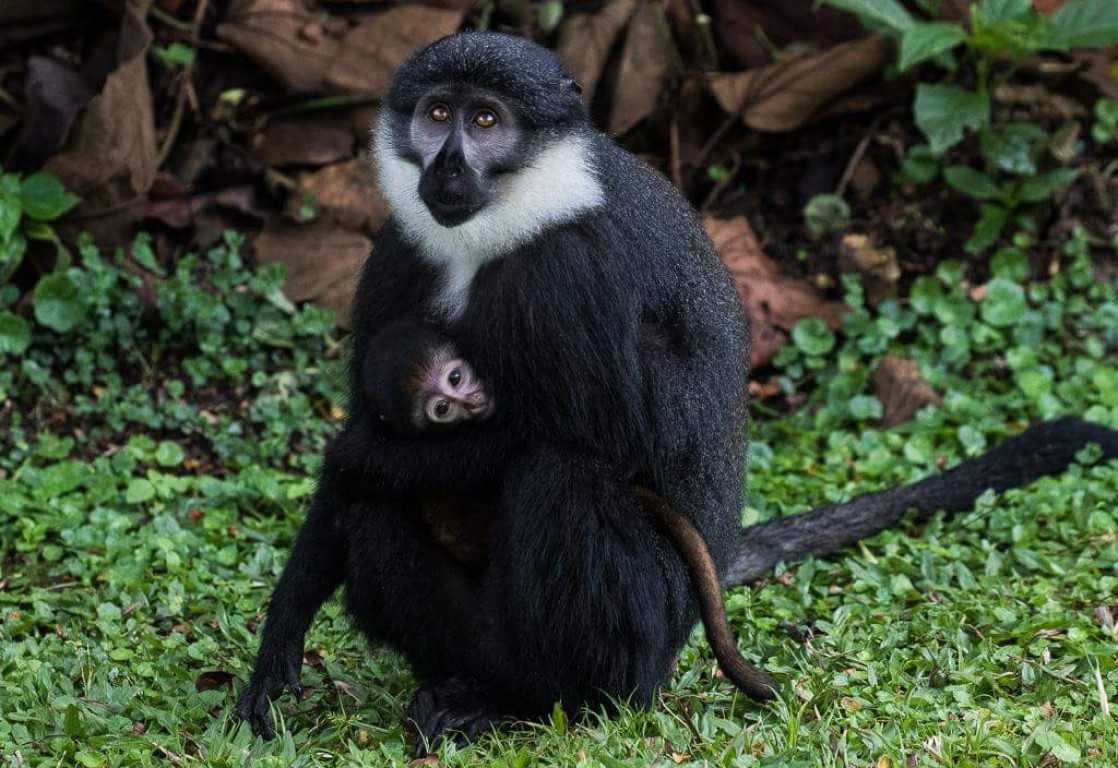
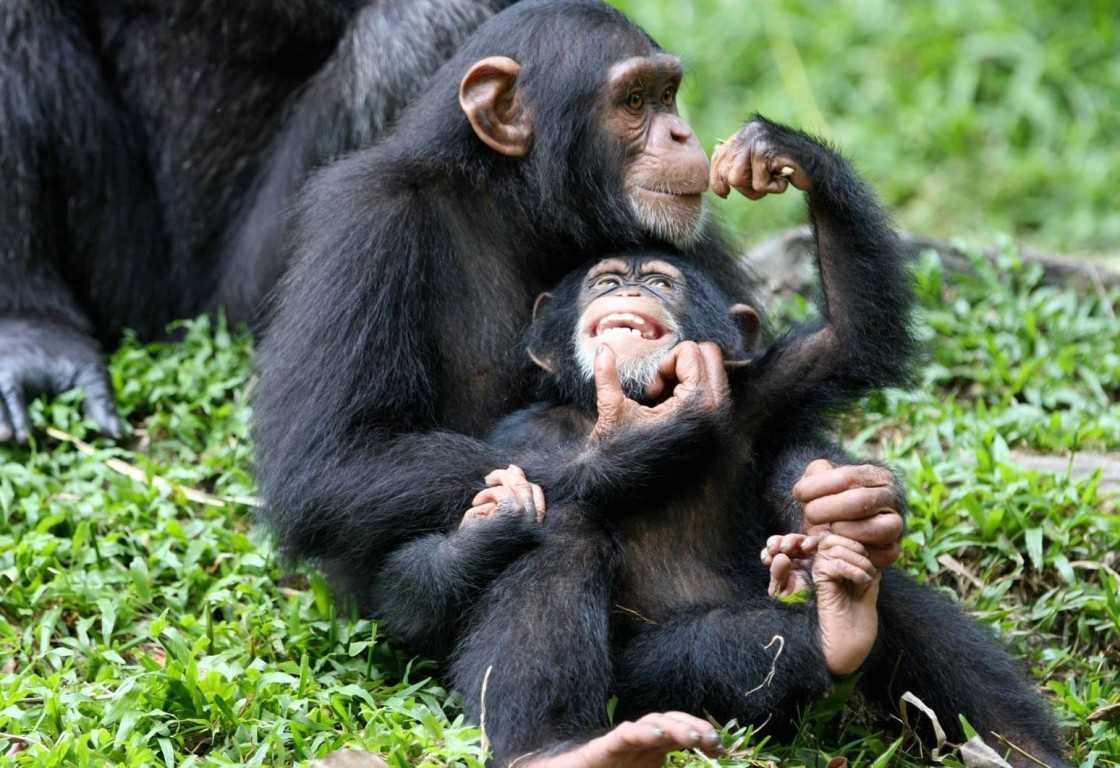
Kibale holds approximately 1,500 chimpanzees — the highest density in East Africa — across a 795 sq km forest. 12 additional primate species share the forest: red colobus, black-and-white colobus, red-tailed monkey, grey-cheeked mangabey, blue monkey, L'Hoest's monkey, olive baboon, Demidoff's galago and others. Four habituated chimp communities are available for trekking. The adjacent Bigodi Wetland Sanctuary holds papyrus gonolek, white-winged warbler, and other wetland specials. Forest elephant, leopard and giant forest hog are present but rarely seen.
Top activities
Chimpanzee trekking — four habituated communities available; the Kanyanchu community is the most reliably encountered. Chimpanzee habituation experience (CHEX) — 4 hours with a semi-habituated community, available in Kibale. Primate walk — a guided walk combining multiple primate species in a single morning without chimp trekking focus. Bigodi Wetland Sanctuary guided walk — a community-run birding trail through papyrus wetland rich in Albertine Rift endemics and wetland specials. Night forest walk for bushbaby, potto and nocturnal species. Guided forest hike to Ndali-Kasenda crater lakes north of the park.
About Kibale forest national park
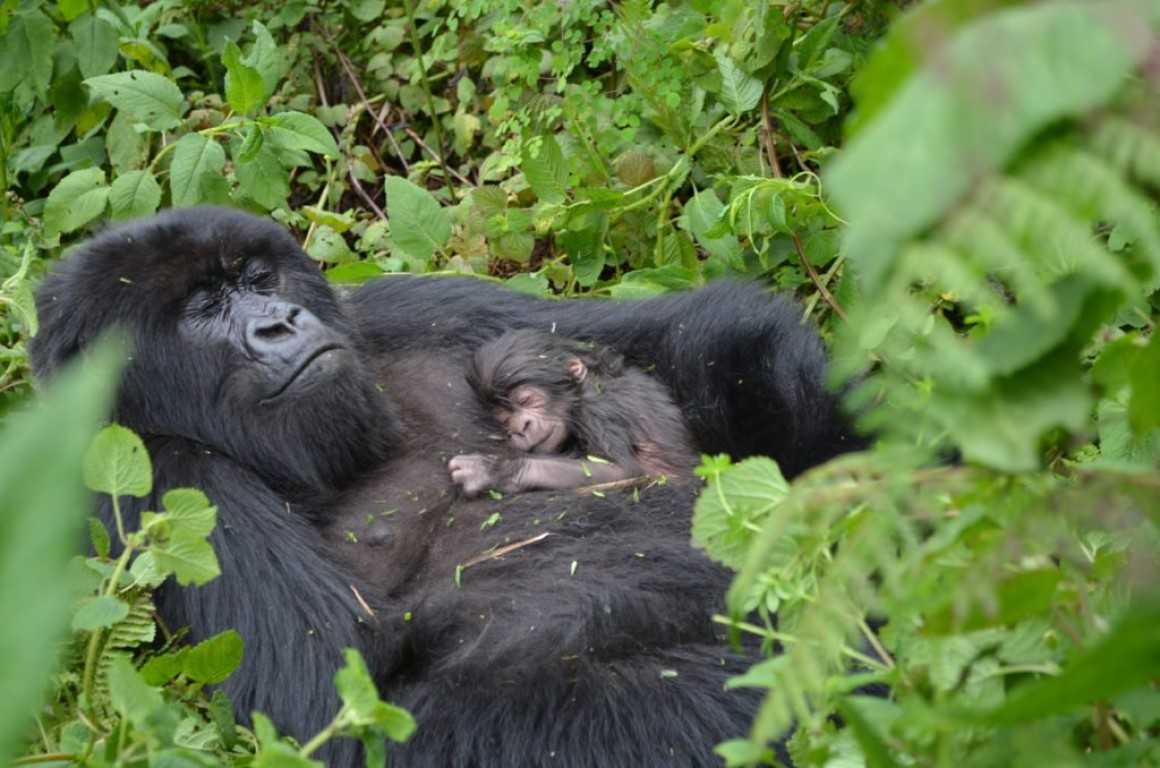
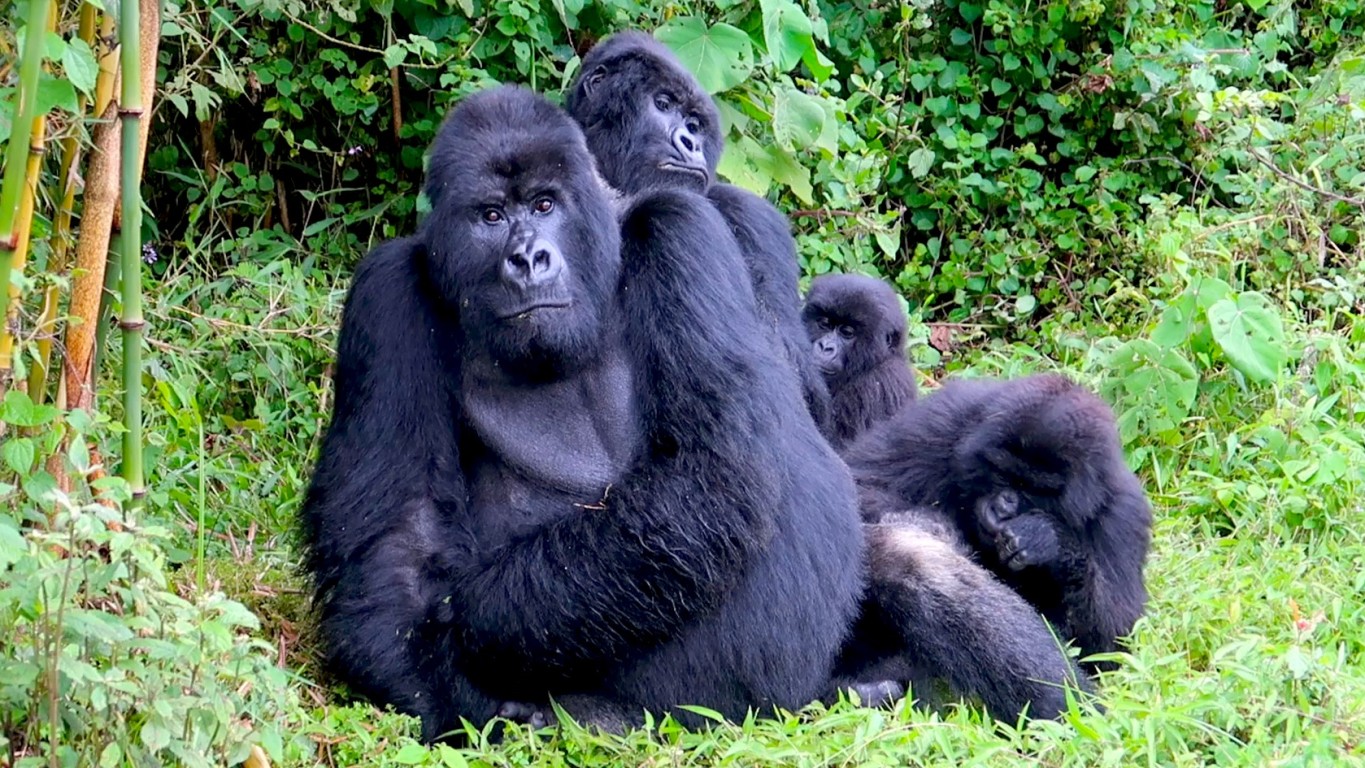
If mountain gorillas are the summit of primate trekking in East Africa — rare, expensive, one hour, profoundly moving — then Kibale Forest National Park is where you go to understand what primates actually do when they’re living their lives. The forest holds approximately 1,500 chimpanzees and 12 other primate species — the highest primate diversity and the highest chimpanzee density of any protected area in East Africa. A single morning walk here can produce sightings of 5–8 different primate species before breakfast.
Kibale covers 795 square kilometres of moist evergreen forest in western Uganda, at an elevation of 1,100–1,590 metres. It is the centrepiece of a wildlife corridor that connects to Queen Elizabeth National Park to the south — allowing elephant, buffalo and lion to move between the two parks across a 180-km forested and savanna corridor.
Where is Kibale?
The park is in western Uganda, 22 km south of Fort Portal town in Kabarole District. From Kampala: 5 hours by road or 1 hour by charter flight to Fort Portal. From Queen Elizabeth NP: 2 hours north. The main trekking hub is Kanyanchu Visitor Centre, 36 km from Fort Portal.
Chimpanzee trekking
Kibale has four habituated chimpanzee communities, with the Kanyanchu community being the most established and most frequently encountered. Permits are issued for morning (07:00) and afternoon (14:00) treks, each limited to a small group, with one hour of observation time once the chimps are located.
Unlike gorilla trekking in the mountains, chimp tracking in Kibale involves the chimps’ natural speed and energy — they move fast, climb constantly, call loudly and behave with a frenetic confidence that is entirely different from the mountain gorilla’s studied calm. Being charged by a large male, then watching him vanish into the canopy in seconds, is unforgettable.
The 13-primate experience
Kibale’s 13 primate species make a multi-species walk genuinely possible on a single morning. The guides know where each species is most likely to be and route the walk accordingly. Common sightings in a single morning: red colobus, black-and-white colobus, red-tailed monkey, grey-cheeked mangabey, blue monkey and L’Hoest’s monkey — sometimes all in the same tree, behaving as a mixed-species foraging flock.
Bigodi Wetland Sanctuary
Adjacent to the park, the Bigodi Wetland Sanctuary is managed by a community women’s group and is one of Uganda’s finest birding sites. The 4 km guided walk through papyrus swamp and forest edge produces extraordinary waterbird diversity including papyrus gonolek, white-winged warbler and a range of Albertine Rift endemics not easily seen in the forest interior. Sitatunga occasionally emerge from the papyrus edges.
Combine Kibale with…
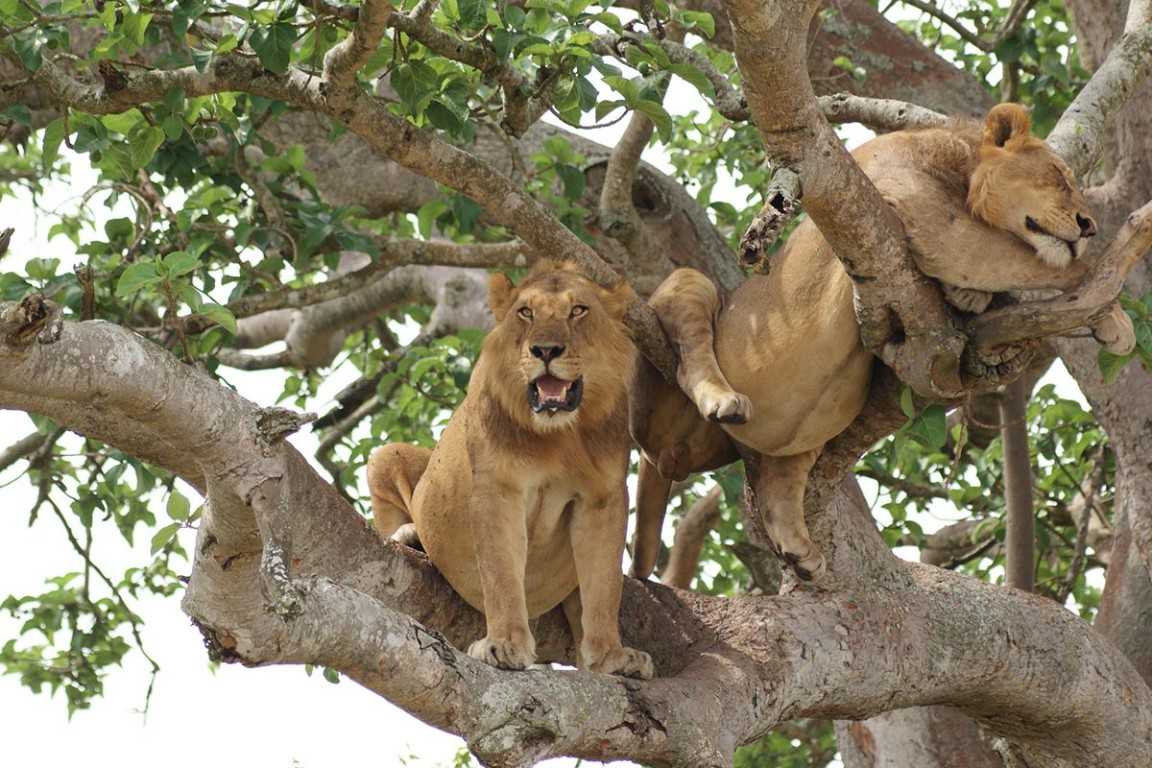
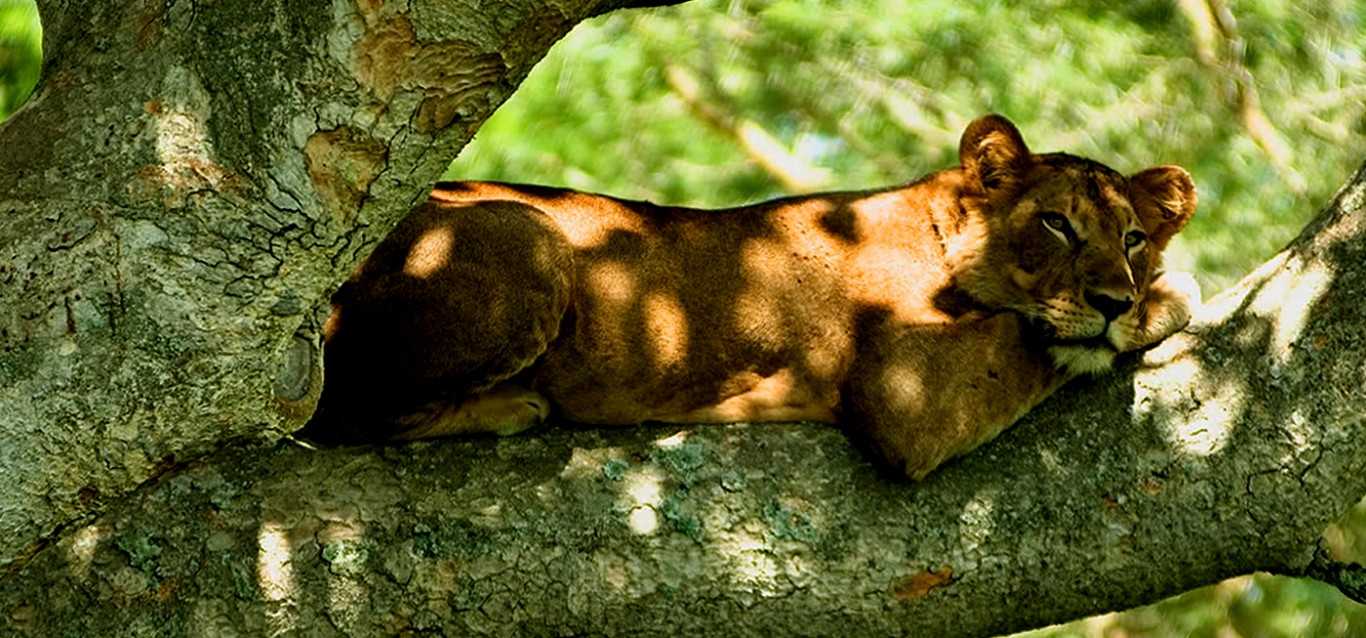
- Queen Elizabeth NP — 2 hours south for tree-climbing lions and the Kazinga Channel.
- Bwindi — the classic Great Apes circuit: chimps then gorillas.
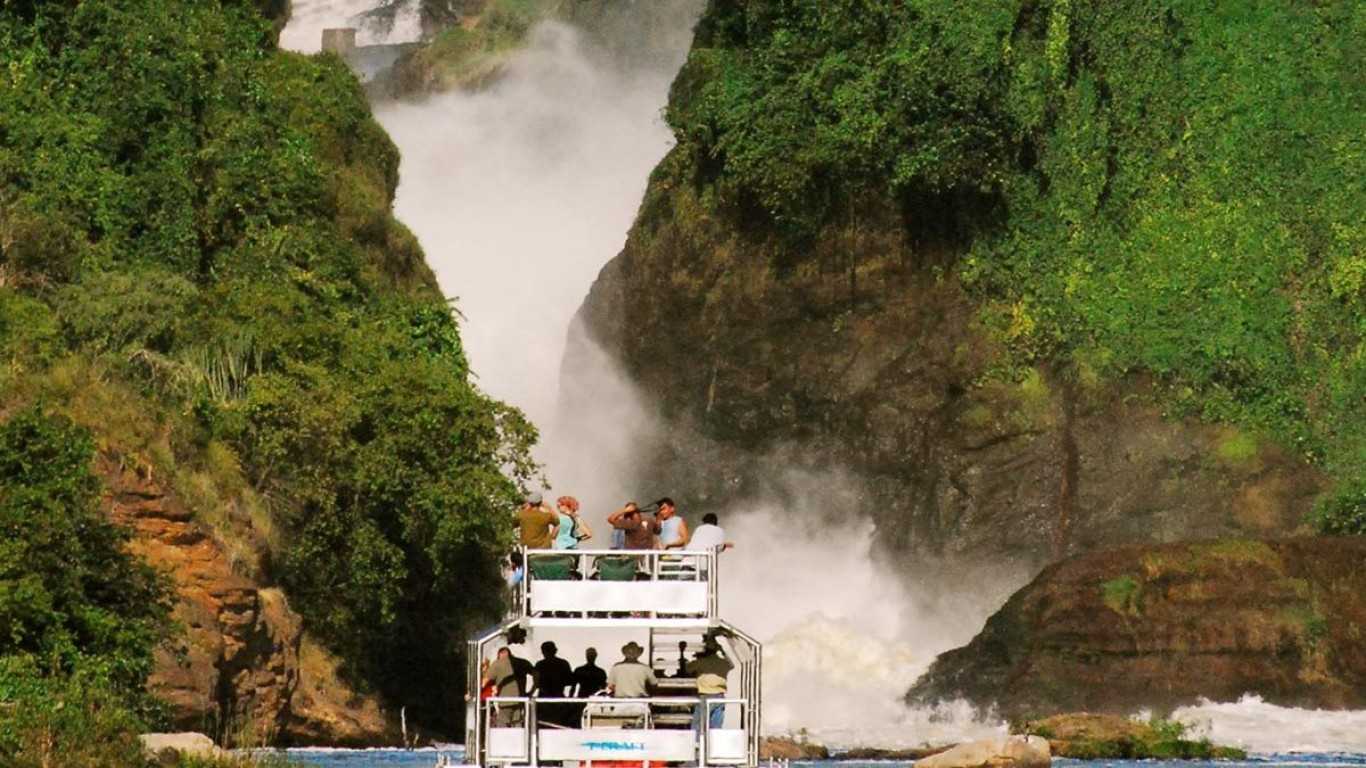
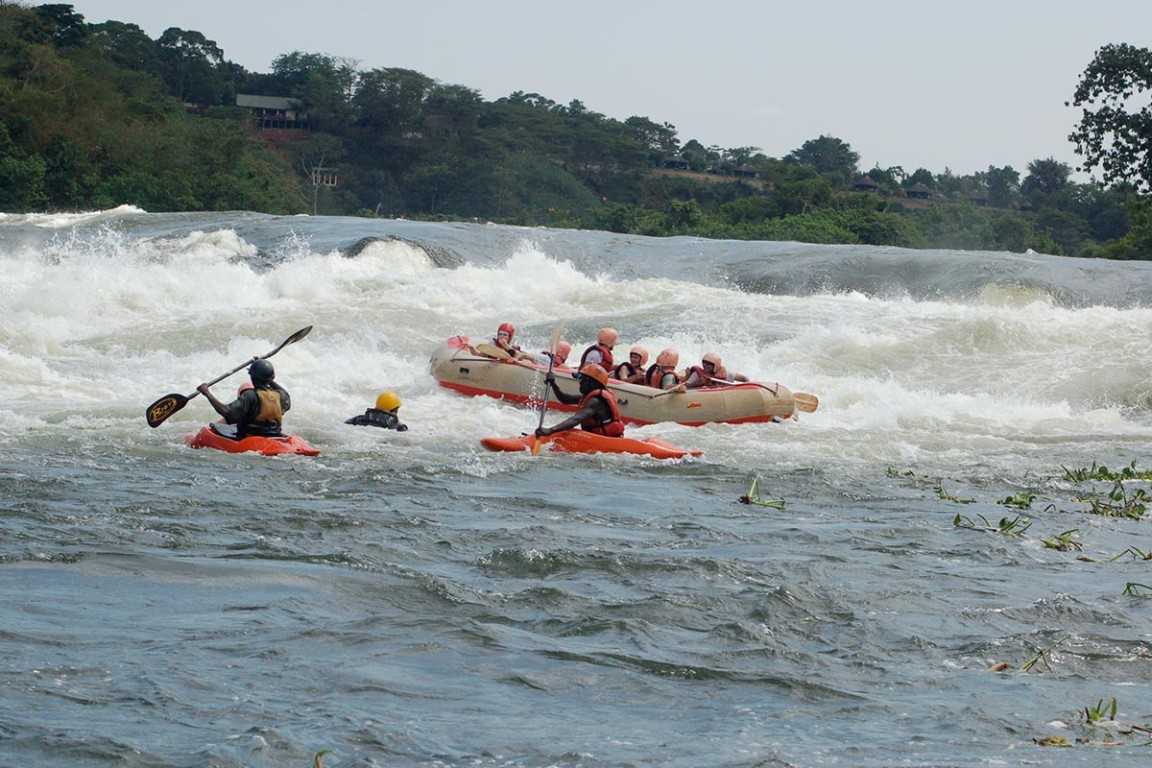
- Murchison Falls — 4 hours north for the Nile boat safari.
Frequently asked questions about Kibale
Is Kibale better for chimp trekking than Gombe or Mahale?
Gombe and Mahale have the Lake Tanganyika beach setting; Kibale has the highest density and most habituated communities. Kibale is widely considered the most reliably productive chimp trekking destination in East Africa. All three are extraordinary experiences.
Do you need a permit in advance?
Yes — chimp trekking permits should be booked through a licensed Uganda operator or Uganda Wildlife Authority well ahead. Peak season (July, August, December) permits sell out.
Can you do Kibale as a day trip from Fort Portal?
Yes — the 36 km drive takes 45 minutes. A morning chimp trek and a Bigodi Wetland afternoon walk make a full day from Fort Portal. Staying inside the park gives early morning access and evening wildlife walks that day-trippers miss.
Want to visit Kibale forest national park?
Get a free custom safari plan within 24 hours.
Kibale forest national park safari tours

Want to visit Kibale forest national park?
Get a free custom safari plan within 24 hours.
Best time to visit Kibale Forest
June to August and December to February — Dry seasons (best for trekking)
Both dry-season windows give the most comfortable trekking conditions. The forest floor is drier, chimp tracking is easier as the animals move more predictably, and the trail through the dense forest is navigable without wading through mud. August in particular is very popular — book permits well ahead. December and January are quieter with similar trail quality.
September to November — Short rains (manageable, good birding)
Brief rains, moderate trail conditions. Bigodi Wetland is excellent in this transitional period as migratory birds begin arriving. A workable window for both chimps and birding.
March to May — Long rains (lush but muddy)
The forest is extraordinarily lush. Chimp sightings remain good — chimps are rain forest animals and don’t migrate. The trail is muddy and steep sections become challenging. Gaiters are essential. Significant rate reductions at lodges. Permits are easiest to obtain.
Bottom line: June–August and December–February for the best trekking conditions. Chimp encounters are reliable in any season.
Where to stay in Kibale forest national park
We'll recommend accommodation across all budget levels based on your dates and preferences.
Plan My Trip Browse All LodgesWant to visit Kibale forest national park?
Get a free custom safari plan within 24 hours.