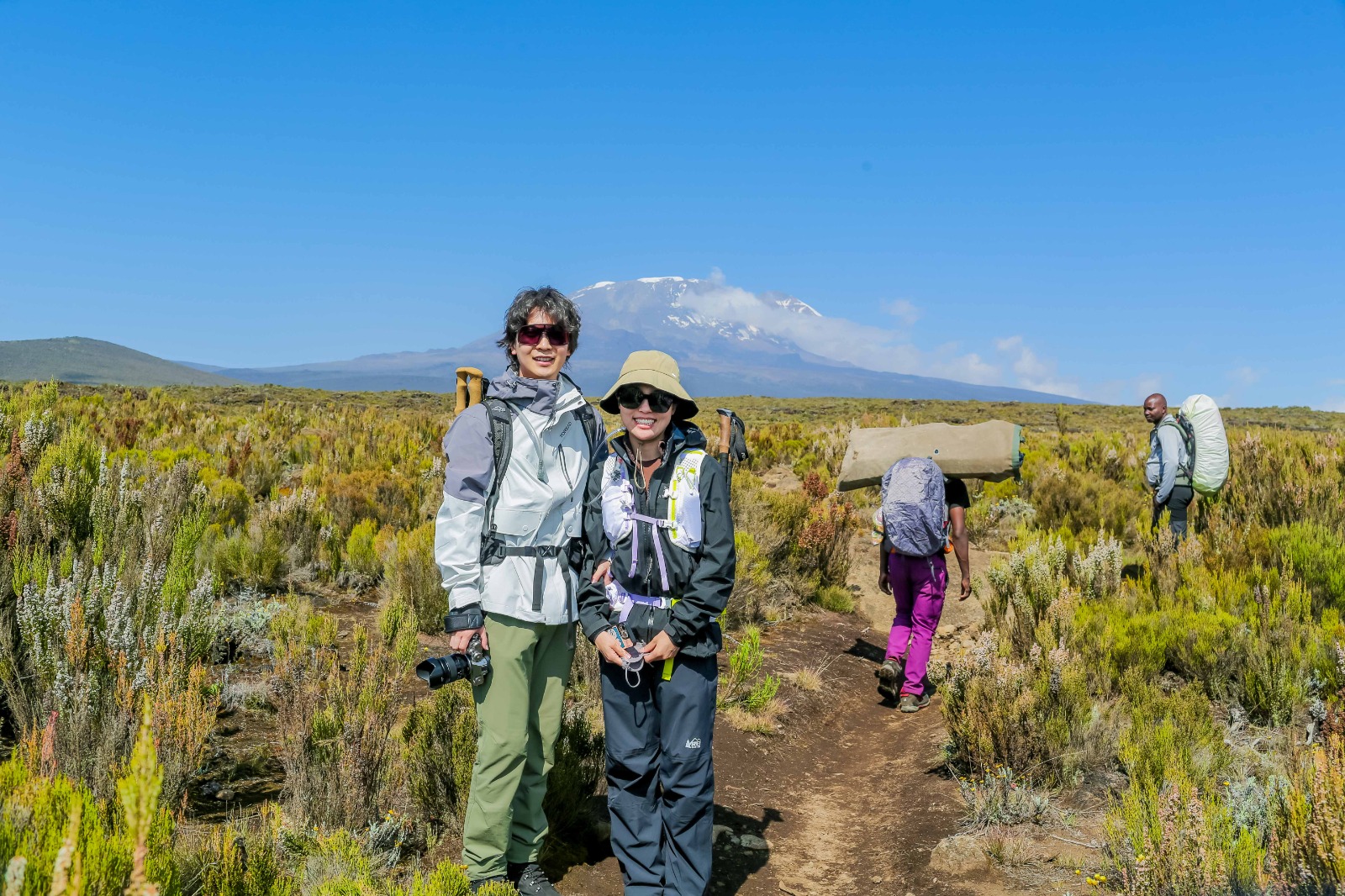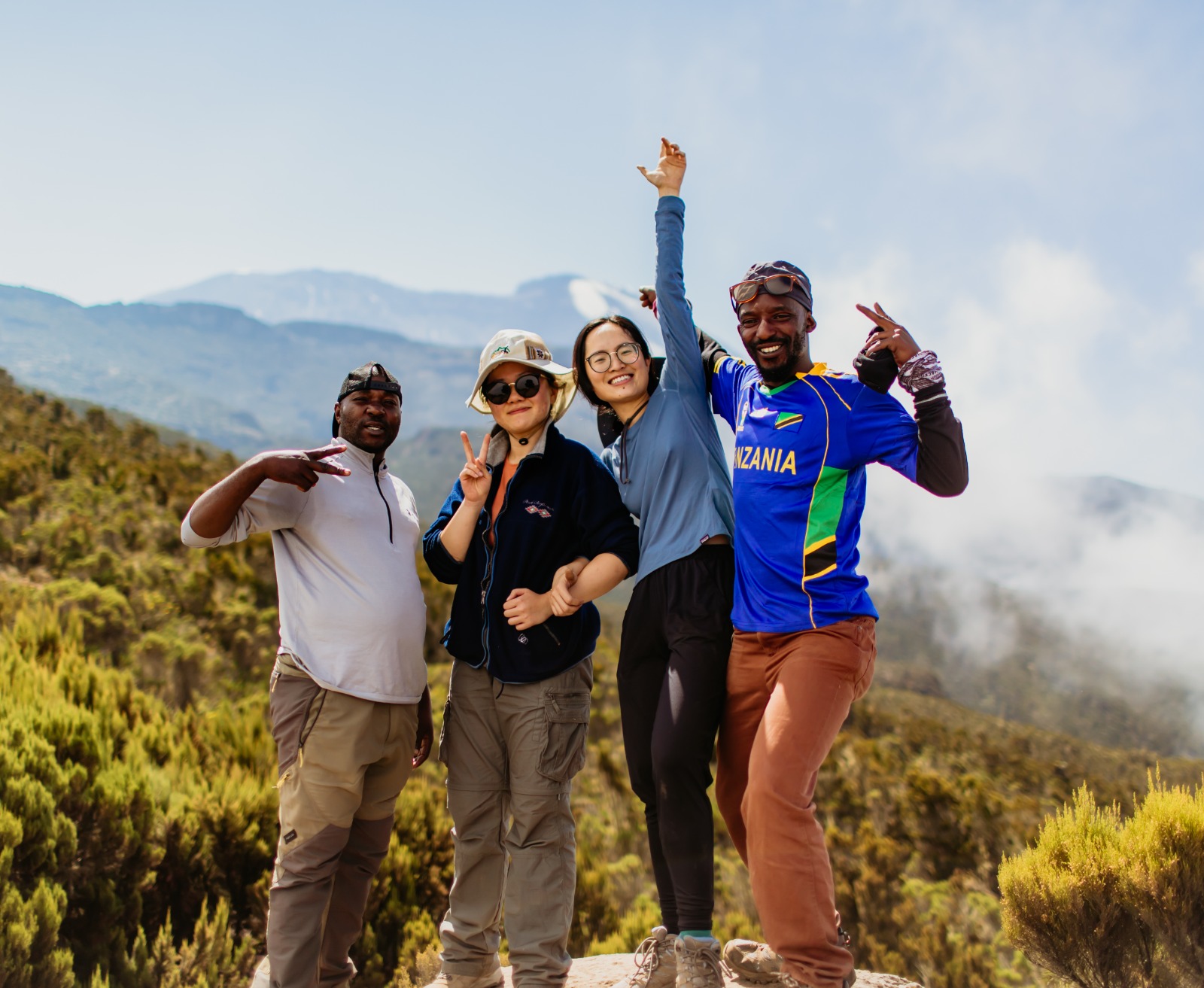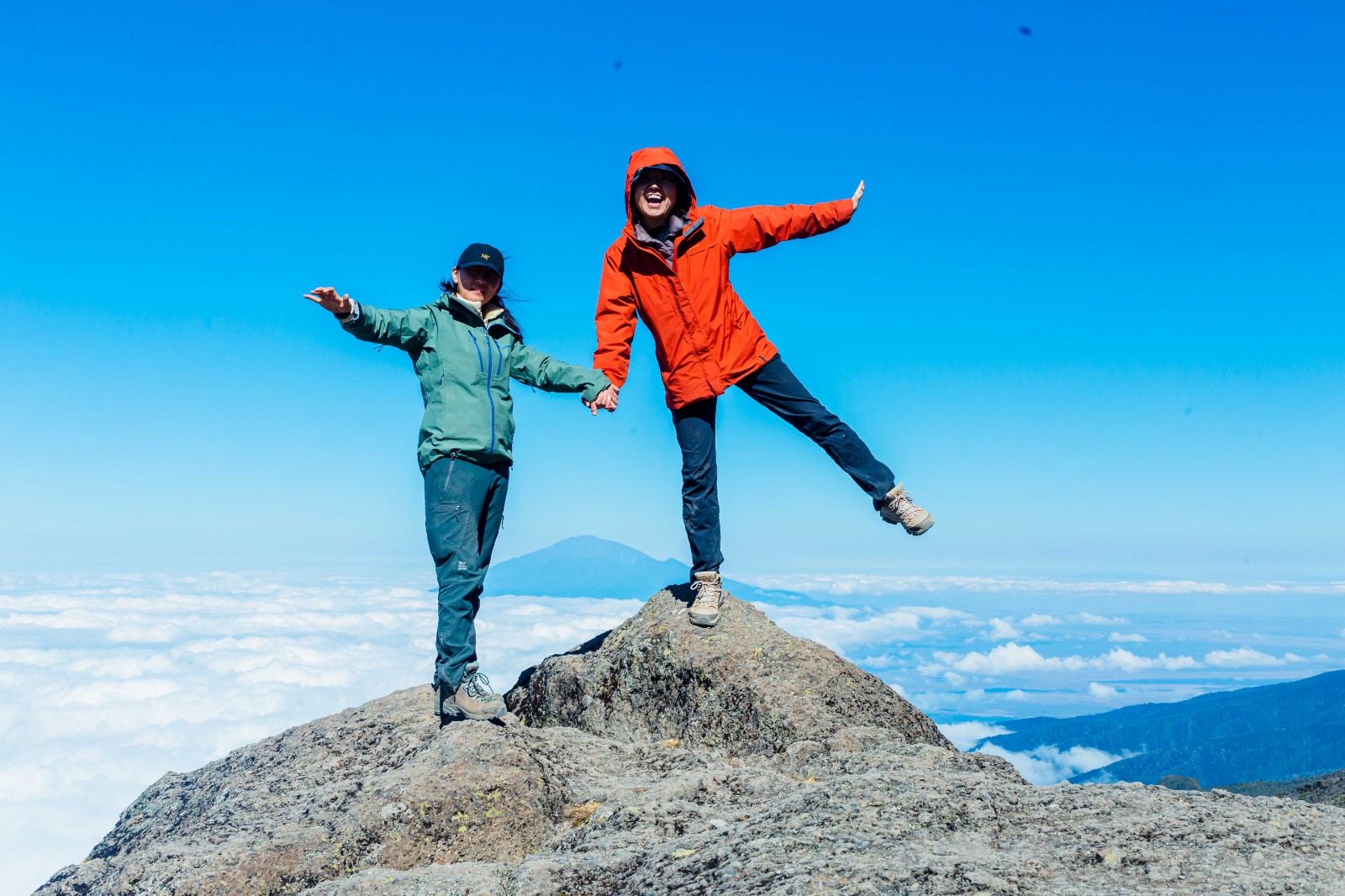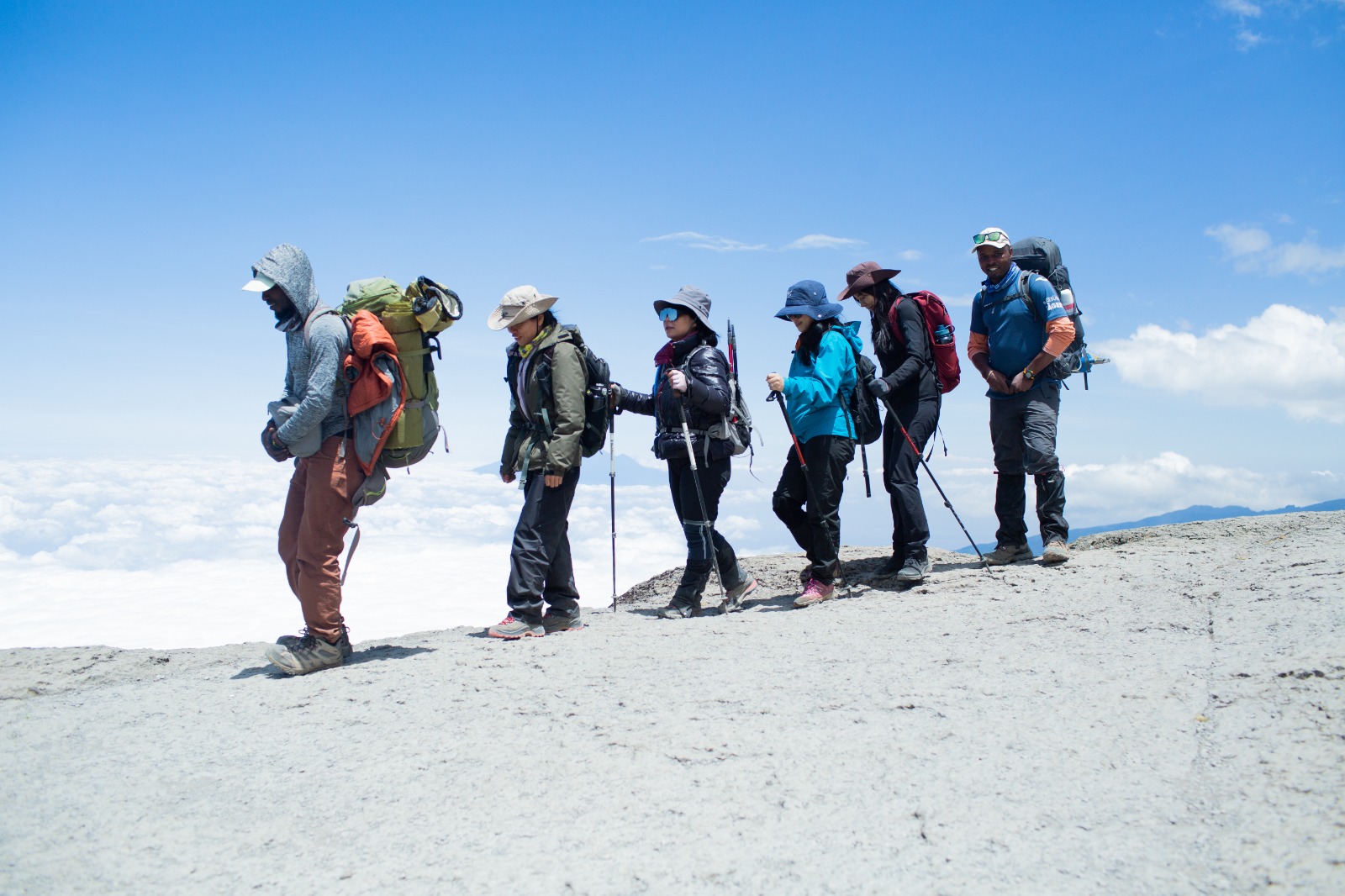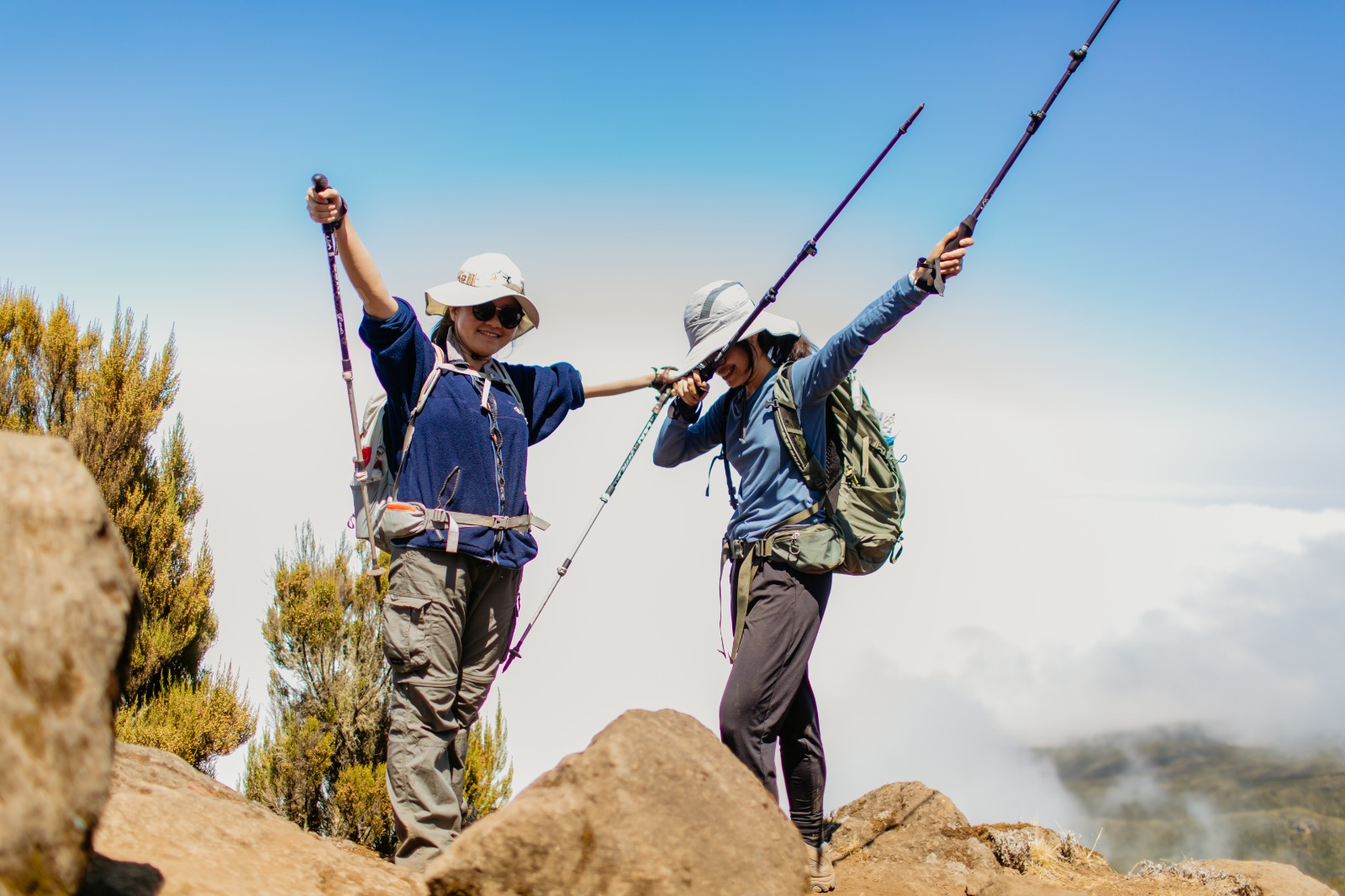
Climbing Mount Kilimanjaro is physically demanding, and proper nutrition plays a critical role in helping climbers reach the summit. During the trek, your guides and mountain crew prepare fresh meals every day to keep you energized, hydrated, and ready for the next stage of the climb.
Most Kilimanjaro trekking tours include a professional mountain cook who prepares nutritious meals using fresh ingredients carried up the mountain by porters. The food is designed to provide high energy, maintain hydration, and help your body adapt to altitude.
If you are planning your trek, it is helpful to read the full Kilimanjaro Climbing Guide and understand the preparation tips in How to Prepare for a Kilimanjaro Trek.
What Type of Food Is Served on Kilimanjaro?
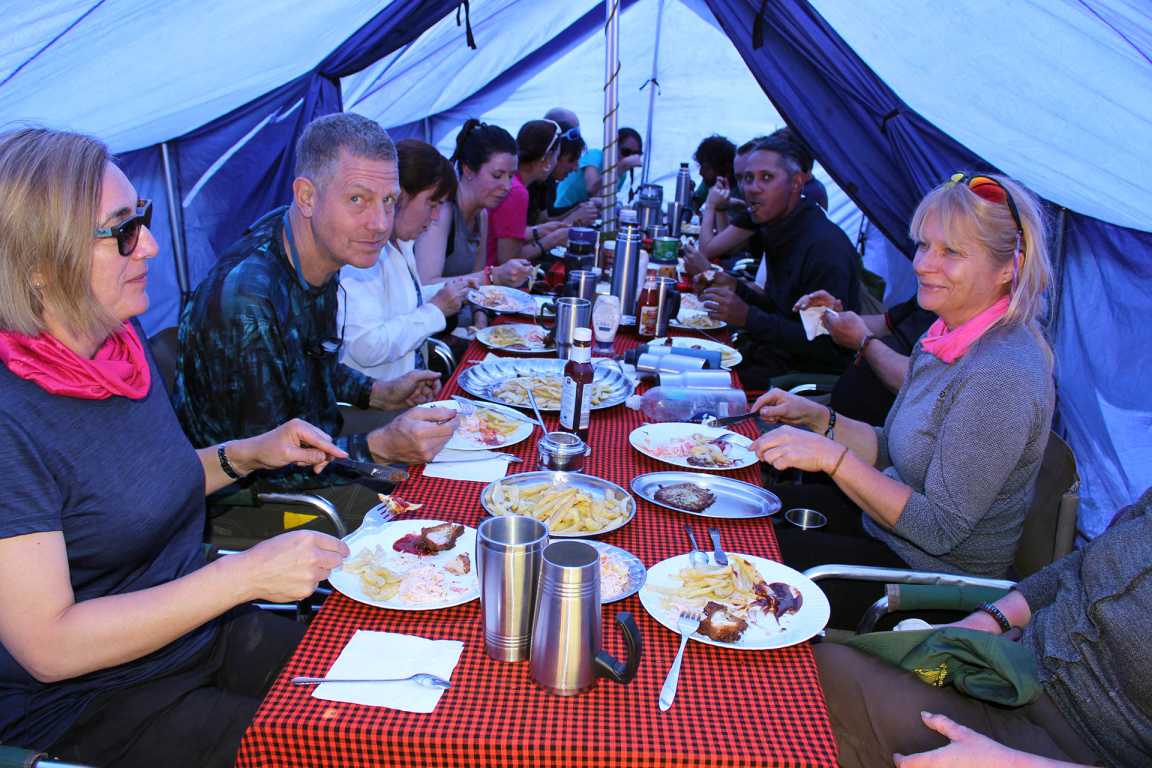
Food on Kilimanjaro is usually a mix of international and local dishes designed to be filling, nutritious, and easy to digest at altitude. Meals are cooked fresh and served in the dining tent.
The menu generally includes:
-
Soups
-
Rice and pasta
-
Vegetables
-
Potatoes
-
Chicken or beef
-
Eggs
-
Fresh fruits
-
Bread or pancakes
-
Tea, coffee, and hot chocolate
These foods provide carbohydrates for energy, protein for recovery, and vitamins to help your body cope with altitude.
Altitude can sometimes reduce appetite, so meals are designed to be light but energy-rich. Hydration is also very important during the climb.
To learn more about altitude effects, read the Kilimanjaro Altitude Sickness Guide.
Typical Daily Meal Plan on Kilimanjaro
A normal day on the mountain usually includes three main meals and snacks.
Breakfast
Breakfast is usually served early in the morning before you start hiking. It provides energy for several hours of trekking.
Typical breakfast foods include:
-
Porridge
-
Eggs
-
Sausages
-
Toast or pancakes
-
Fresh fruit
-
Tea or coffee
-
Peanut butter or jam
Breakfast is often one of the most important meals of the day because the morning hike can be several hours long.
Lunch
Depending on the route and hiking schedule, lunch may be served as a packed lunch on the trail or as a hot meal at the next camp.
Packed lunches may include:
-
Sandwiches
-
Boiled eggs
-
Fruit
-
Chicken
-
Juice
-
Cookies or snacks
On shorter hiking days, the crew may prepare a hot lunch with rice, vegetables, and soup.
The amount of hiking per day varies depending on the route. You can learn more in How Long Does It Take to Climb Kilimanjaro.
Dinner
Dinner is the largest meal of the day and is served in the evening after you arrive at camp.
A typical dinner includes:
-
Soup starter
-
Main meal with rice, pasta, potatoes, or vegetables
-
Meat such as chicken or beef
-
Dessert such as fruit or pancakes
Dinner is also the time when guides review the next day’s itinerary and check on climbers’ health and hydration.
Snacks During the Trek
Snacks are important because you burn thousands of calories every day while climbing. Many climbers bring personal snacks to supplement the meals provided.
Popular trekking snacks include:
-
Energy bars
-
Chocolate
-
Nuts
-
Dried fruit
-
Electrolyte drinks
-
Biscuits
These snacks help maintain energy levels between meals and during long hiking sections.
Packing the right snacks is also part of good preparation. See the complete Kilimanjaro Packing List for recommendations.
Special Diets on Kilimanjaro
Most trekking companies can accommodate dietary requirements if you inform them before the climb.
Special meal options can include:
-
Vegetarian meals
-
Vegan meals
-
Gluten-free options
-
Allergy-friendly meals
Professional mountain cooks are experienced in preparing meals that suit different dietary needs while still providing enough energy for the climb.
Hydration on Kilimanjaro
Drinking enough water is just as important as eating well. Climbers are usually advised to drink 3–4 liters of water per day.
Water is collected from mountain streams and purified by the crew before drinking. Hot drinks such as tea, coffee, and soup also help maintain hydration.
Proper hydration helps prevent altitude sickness and improves your chances of reaching the summit.
To understand how nutrition and hydration affect success rates, read Kilimanjaro Success Rate.
Food on Summit Night
Summit night is the most challenging part of the climb. It usually begins around midnight and can take 6–8 hours to reach the summit.
Before starting the ascent, climbers usually have:
-
Tea or hot chocolate
-
Biscuits or snacks
-
Light carbohydrates
Because appetite is often low at extreme altitude, climbers typically rely more on snacks and hot drinks during this stage.
You can learn more about summit conditions in Kilimanjaro Summit Temperature.
Why Good Food Matters on Kilimanjaro
Nutrition is a key factor in a successful Kilimanjaro climb. Proper meals help maintain energy levels, support recovery, and assist the body in adapting to altitude.
High-quality trekking companies invest in experienced mountain cooks and well-planned menus to ensure climbers stay healthy throughout the expedition.
For route comparisons and planning advice, see Kilimanjaro Routes Guide and Machame vs Lemosho vs Marangu Route.
Final Thoughts
Food on Mount Kilimanjaro is far better than most climbers expect. With professional cooks preparing fresh meals every day, climbers receive nutritious food that supports energy, hydration, and recovery during the trek.
Combined with good preparation, proper pacing, and the right route choice, a balanced diet on the mountain greatly improves your chances of reaching the summit.
If you are planning your adventure, explore more resources like the Best Time to Climb Kilimanjaro and the full Kilimanjaro Climbing Guide to start preparing for your journey to the Roof of Africa.