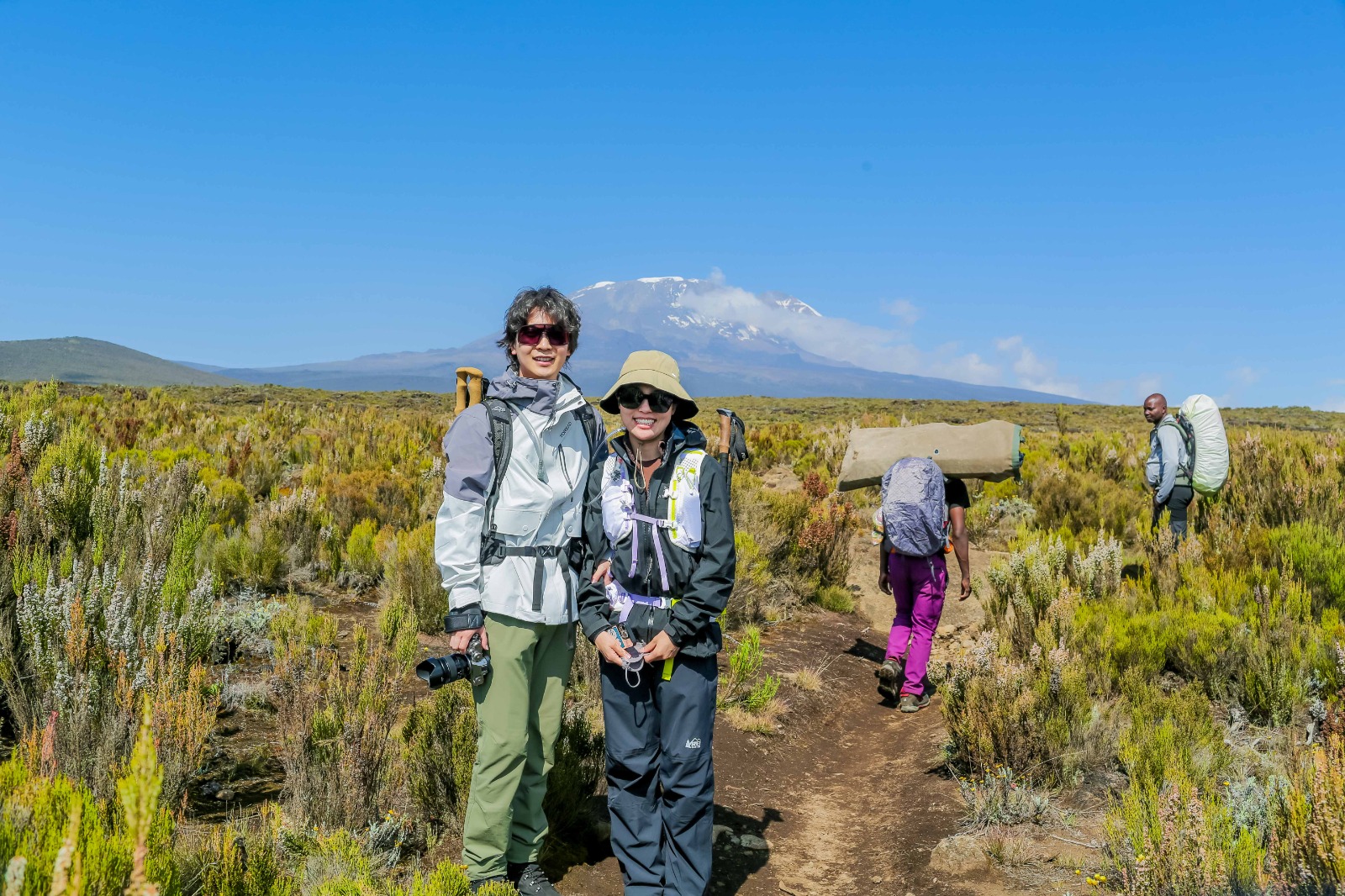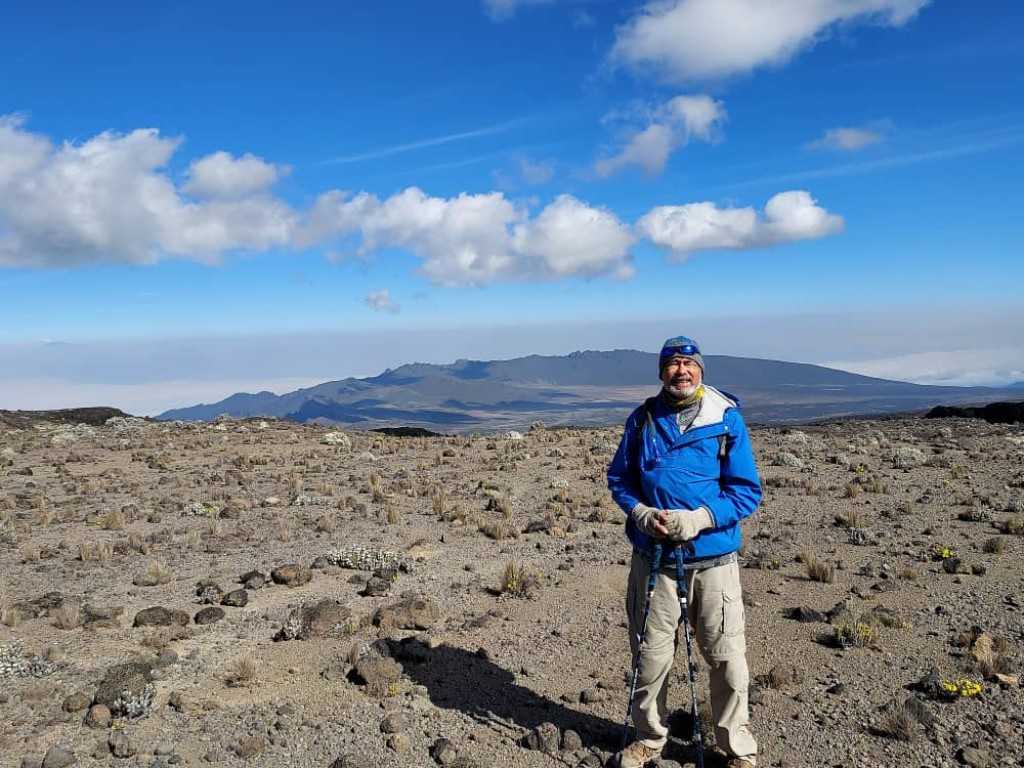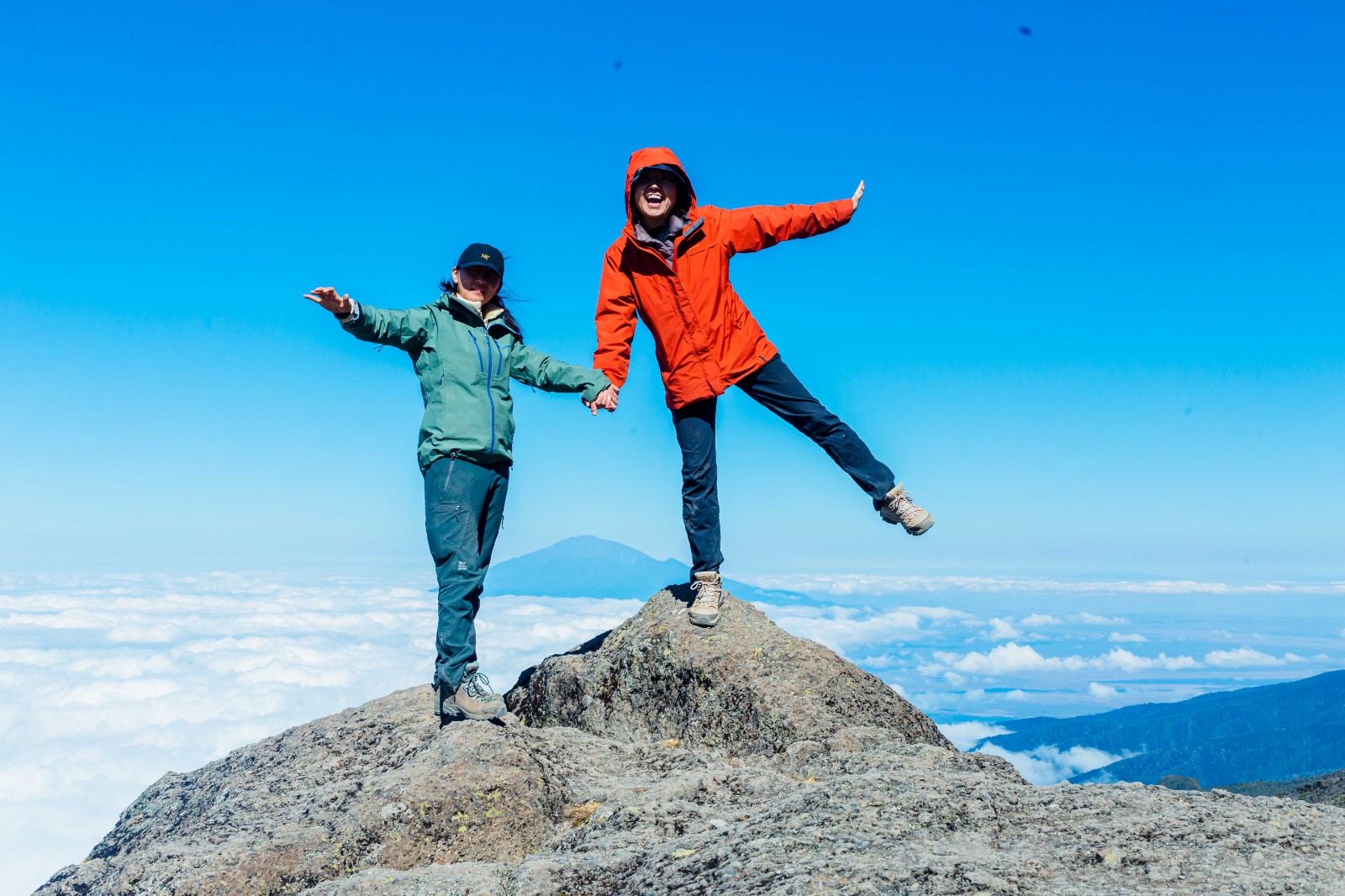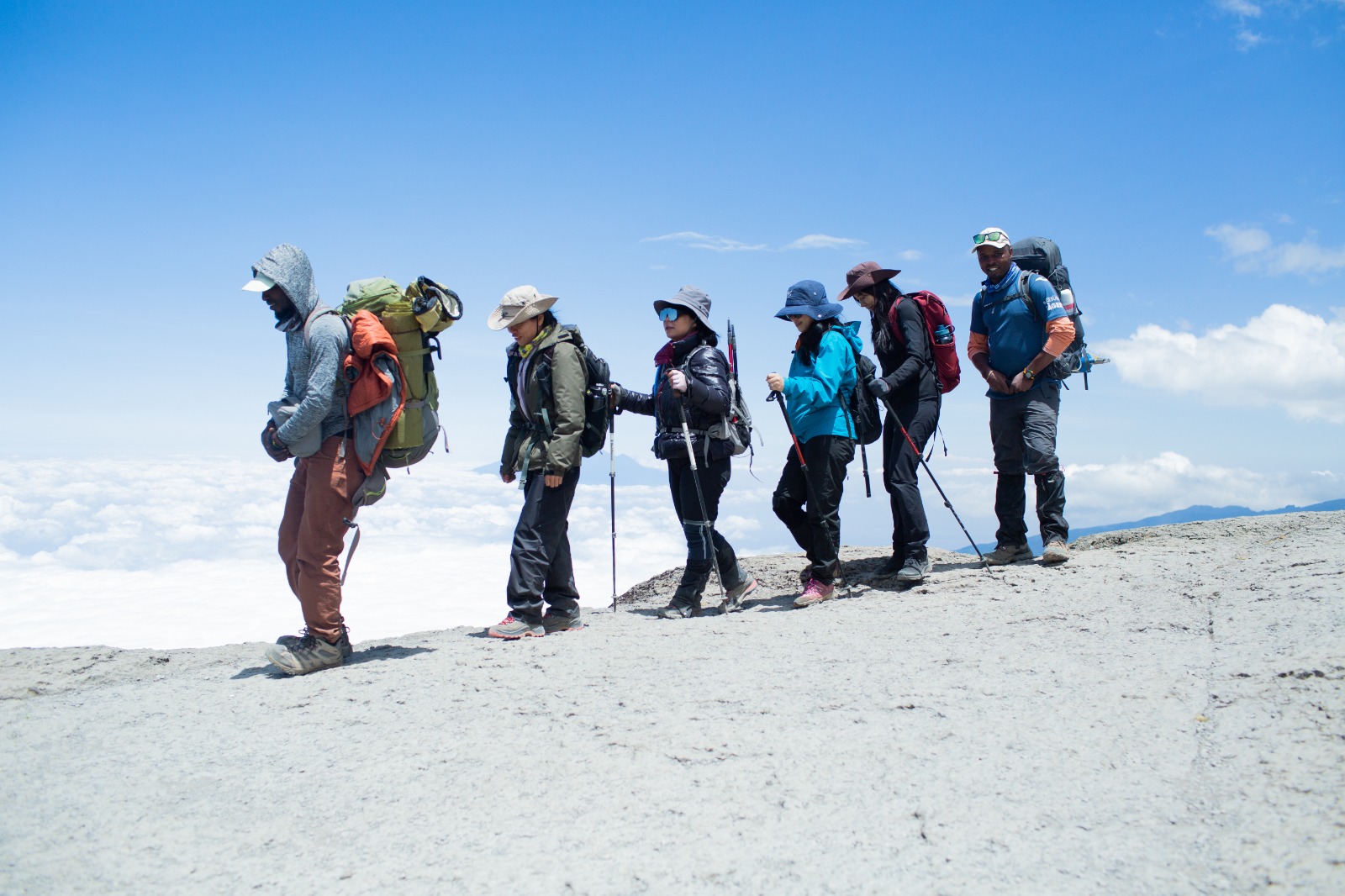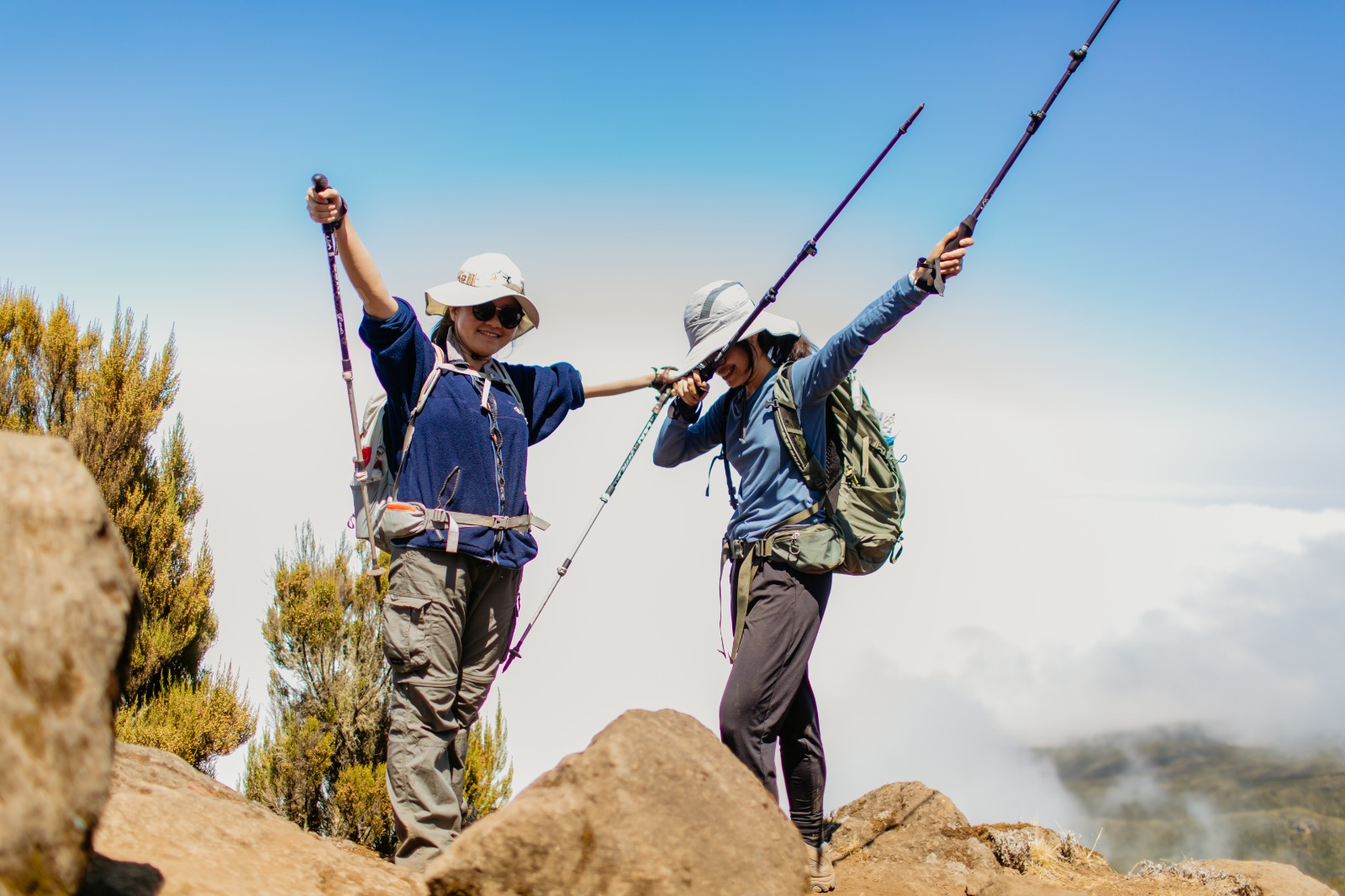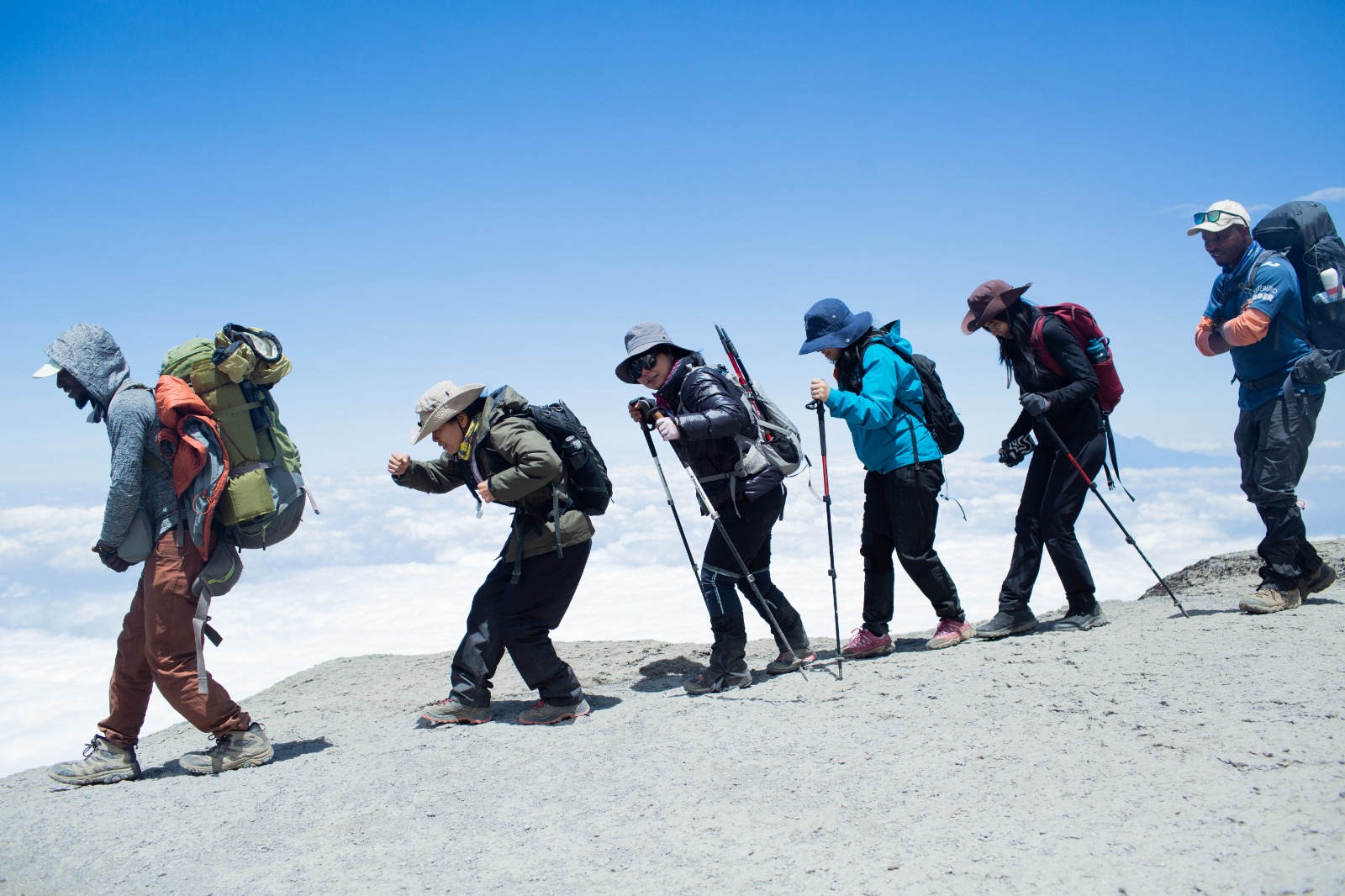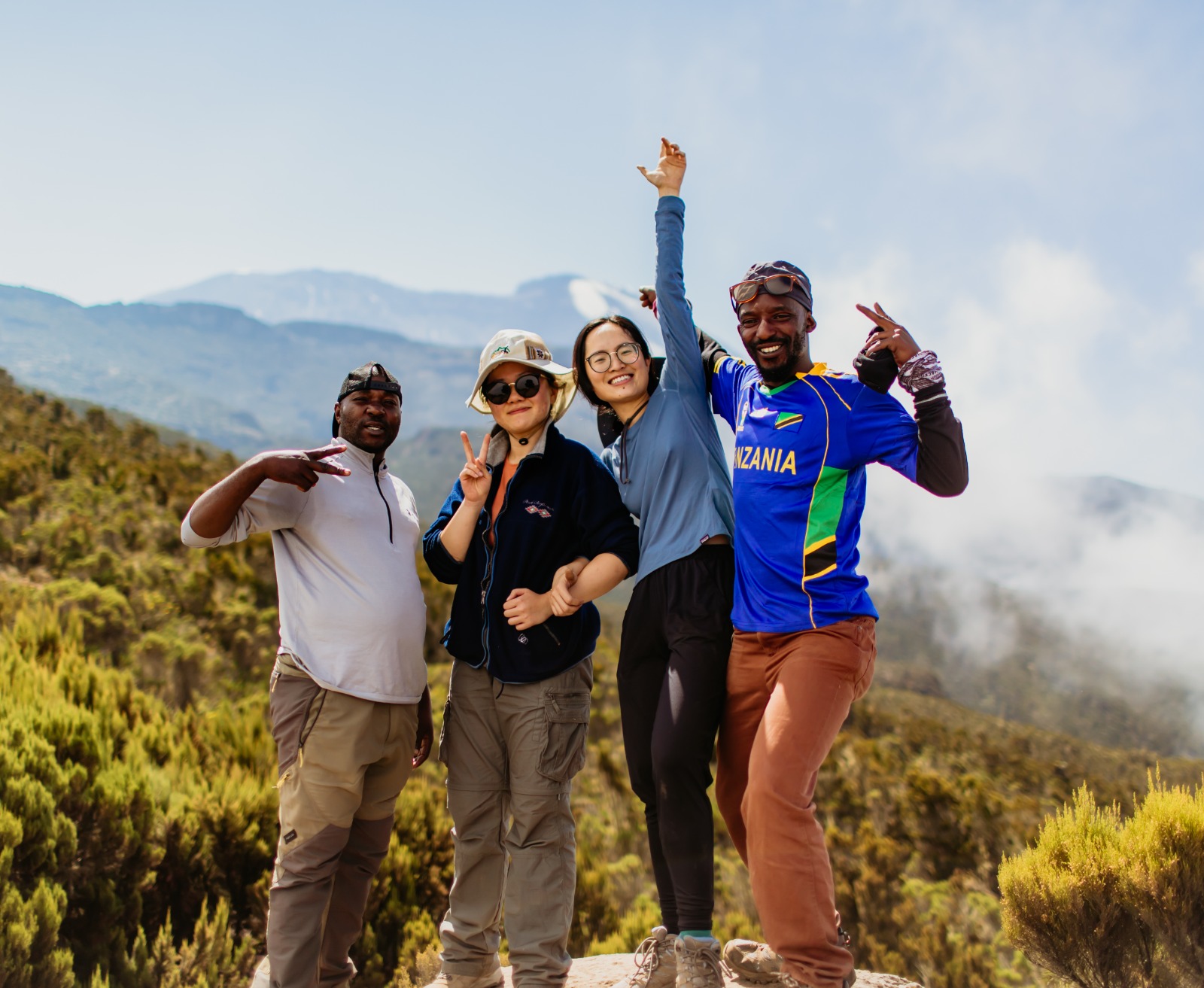
Climbing Mount Kilimanjaro is one of the most rewarding adventures in the world. Rising 5,895 meters (19,341 ft) above sea level, Mount Kilimanjaro is the highest mountain in Africa and the tallest free-standing mountain on Earth. Every year thousands of travelers come to Tanzania to attempt the summit of Uhuru Peak, experiencing diverse landscapes, wildlife, and breathtaking views along the way.
This Kilimanjaro Climbing Guide covers everything you need to know before attempting the climb — including routes, costs, preparation, success rates, and safety tips.
For those planning their adventure, explore available Kilimanjaro Trekking Tours that include professional guides, porters, and full expedition support.
Where is Mount Kilimanjaro?
Mount Kilimanjaro is located in northern Tanzania, near the border with Kenya. The mountain sits inside Kilimanjaro National Park, a UNESCO World Heritage Site known for its unique ecosystems and stunning volcanic landscape.
Most climbers begin their journey from the town of Moshi, which serves as the main trekking base for expeditions. Learn more about the trekking hub in this guide to Moshi Kilimanjaro Trekking Base.
How Difficult is Climbing Kilimanjaro?
Climbing Kilimanjaro is challenging but achievable for many people with proper preparation. Unlike technical mountains, Kilimanjaro does not require mountaineering experience or climbing equipment. However, the biggest challenge is altitude.
Most trekkers spend 5 to 9 days on the mountain depending on the route chosen.
You can read a full explanation about the challenge level in How Difficult is the Kilimanjaro Climb.
The key factors that affect difficulty include:
- Altitude acclimatization
- Route length
- Physical fitness
- Weather conditions
- Proper pacing
Understanding the risk of altitude illness is critical, so make sure to read the Kilimanjaro Altitude Sickness Guide before planning your trek.
Kilimanjaro Climbing Routes
Mount Kilimanjaro has several official trekking routes. Each route offers different scenery, acclimatization profiles, and success rates.
The most popular routes include:
Machame Route
Known as the “Whiskey Route,” Machame is one of the most scenic routes with a high summit success rate.
Popular itinerary:
6 Day Machame Route Kilimanjaro Climb
Marangu Route
The only route with hut accommodation instead of tents.
Popular itinerary:
6 Day Marangu Route Kilimanjaro Climb
Lemosho Route
One of the best routes for acclimatization and scenic beauty.
Popular itineraries:
6 Day Lemosho Route Kilimanjaro Climb
7 Day Lemosho Route Kilimanjaro Climb
Rongai Route
Approaches the mountain from the northern side near Kenya.
Popular itinerary:
7 Day Rongai Route Kilimanjaro Climb
Umbwe Route
A steep and direct route recommended only for experienced hikers.
Popular itinerary:
6 Day Umbwe Route Kilimanjaro Climb
For a detailed comparison between routes, read Kilimanjaro Routes Guide.
Best Time to Climb Kilimanjaro
Kilimanjaro can be climbed year-round, but certain months offer better weather conditions.
Best months
- January – March
- June – October
These months typically have clear skies and lower rainfall, making them ideal for trekking.
Learn more about seasonal conditions in Best Time to Climb Kilimanjaro and the detailed breakdown of Kilimanjaro Weather by Month.
Many climbers also choose dates based on the Kilimanjaro Full Moon Dates to enjoy stunning night views during the summit attempt.
How Much Does It Cost to Climb Kilimanjaro?
The cost of climbing Kilimanjaro usually ranges between $2,000 and $6,000 per person, depending on the route, duration, and operator.
The cost typically includes:
- Park fees
- Professional mountain guides
- Porters and cooks
- Camping equipment
- Food and drinking water
- Rescue fees
For a full breakdown of expenses, see Kilimanjaro Climbing Cost and the detailed explanation of Kilimanjaro Park Fees.
How Long Does It Take to Climb Kilimanjaro?
Most climbers reach the summit within 6 to 8 days.
Shorter routes exist but have lower success rates because the body has less time to acclimatize.
The typical duration includes:
- 5–7 days ascent
- Summit night
- 1–2 days descent
You can read a full breakdown in How Long Does It Take to Climb Kilimanjaro.
Kilimanjaro Summit Success Rate
Success rates vary depending on the route and number of days spent on the mountain.
Average success rates:
- 5 day climbs: 50–60%
- 6–7 day climbs: 65–80%
- 8+ day climbs: over 85%
Routes with longer acclimatization generally produce better results.
For more details, read Kilimanjaro Summit Success Rate by Route and the full overview in Kilimanjaro Success Rate.
Kilimanjaro Packing List
Packing the right gear is essential for a successful climb. Temperatures vary dramatically from tropical forest to freezing alpine conditions.
Essential items include:
- Insulated jacket
- Waterproof clothing
- Thermal base layers
- Hiking boots
- Warm gloves and hat
- Sleeping bag
- Trekking poles
You can find the complete list in the Kilimanjaro Packing Checklist.
Food and meals on the mountain are also carefully prepared to support climbers — learn more in Kilimanjaro Food on the Mountain.
Safety on Mount Kilimanjaro
Safety is a top priority on every Kilimanjaro expedition. Professional guides monitor climbers daily to detect signs of altitude sickness and ensure a safe climb.
Important safety practices include:
- Climbing slowly
- Drinking plenty of water
- Following guide instructions
- Allowing proper acclimatization
Read the complete Kilimanjaro Safety Guide for more information.
You should also understand tipping expectations for the mountain crew by reading Tipping Guidelines for Mount Kilimanjaro Trekking.
Can You Climb Kilimanjaro Without a Guide?
No. Tanzanian law requires all climbers to be accompanied by a licensed guide when climbing Mount Kilimanjaro.
Guides, porters, and cooks are essential for safety, navigation, logistics, and carrying equipment during the expedition.
Learn more in Can You Do Kilimanjaro Without a Guide.
Combining Kilimanjaro With a Safari
Many travelers combine a Kilimanjaro climb with a wildlife safari or beach holiday.
Popular options include:
After the climb, you can explore Tanzania’s incredible wildlife with a Tanzania Safari Guide or relax on the beaches of Zanzibar with Zanzibar Holiday Packages.
Final Thoughts
Climbing Mount Kilimanjaro is one of the most incredible travel experiences in Africa. With proper preparation, the right route, and experienced guides, thousands of climbers successfully reach the summit each year.
If you are planning your adventure, explore available Kilimanjaro Trekking Tours and start preparing for the journey to the Roof of Africa.
Standing on Uhuru Peak at sunrise is a moment that will stay with you for a lifetime.