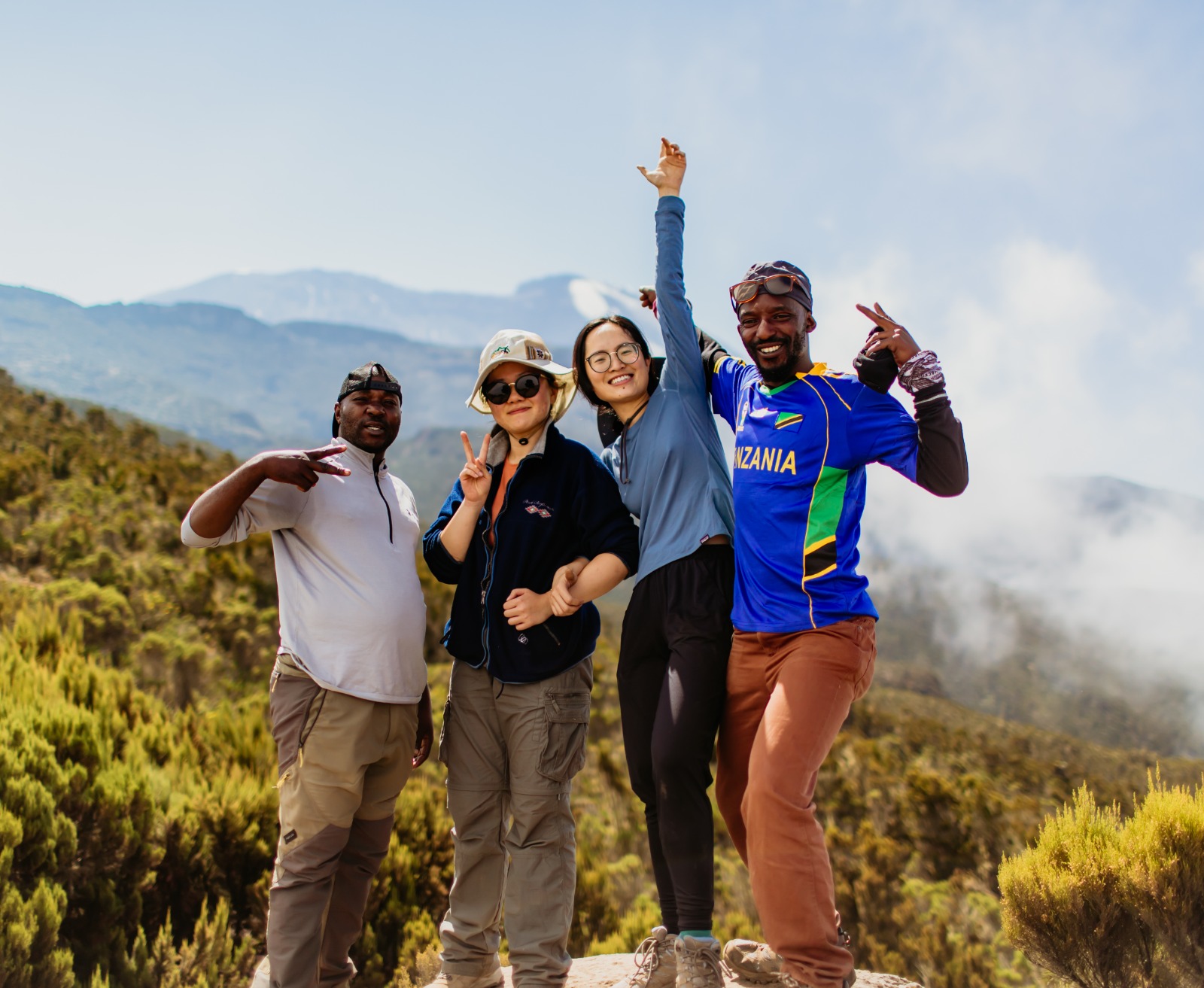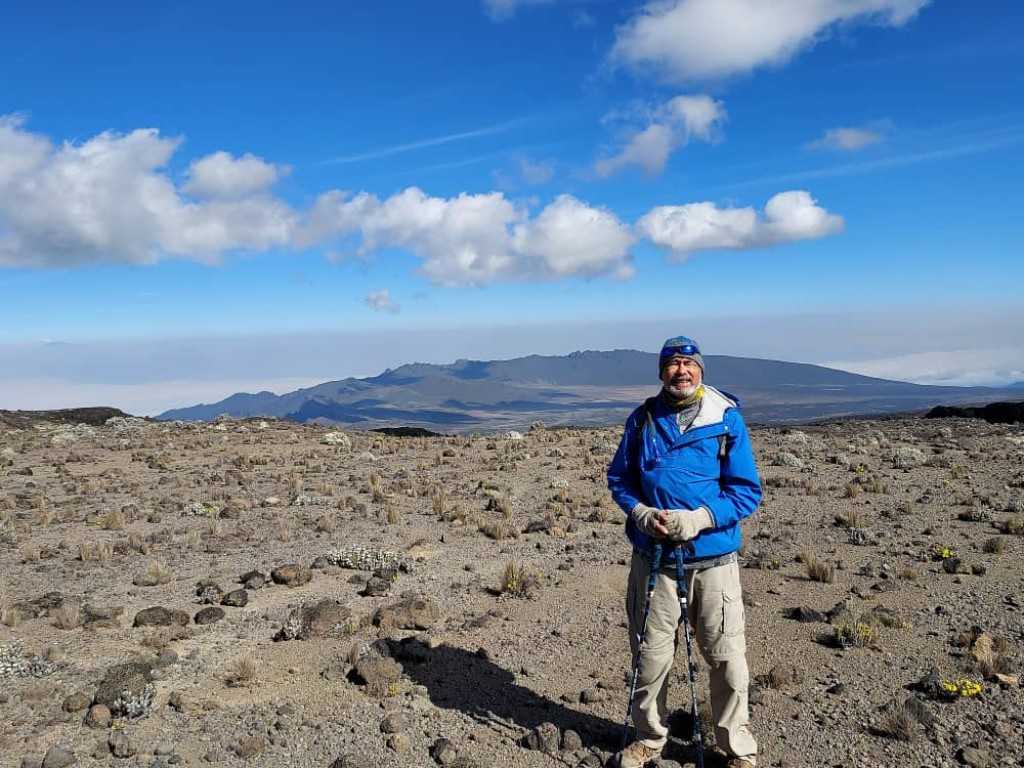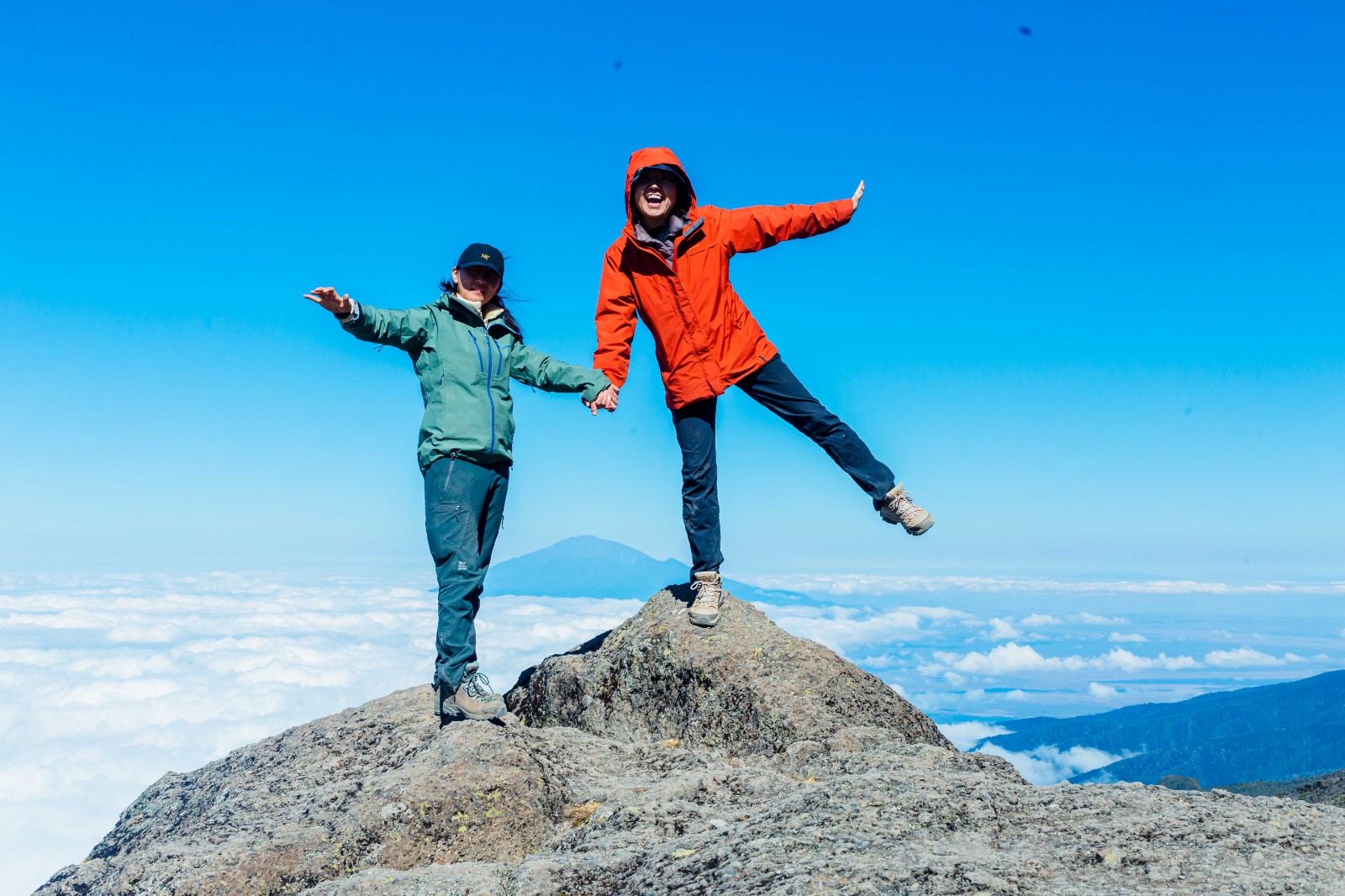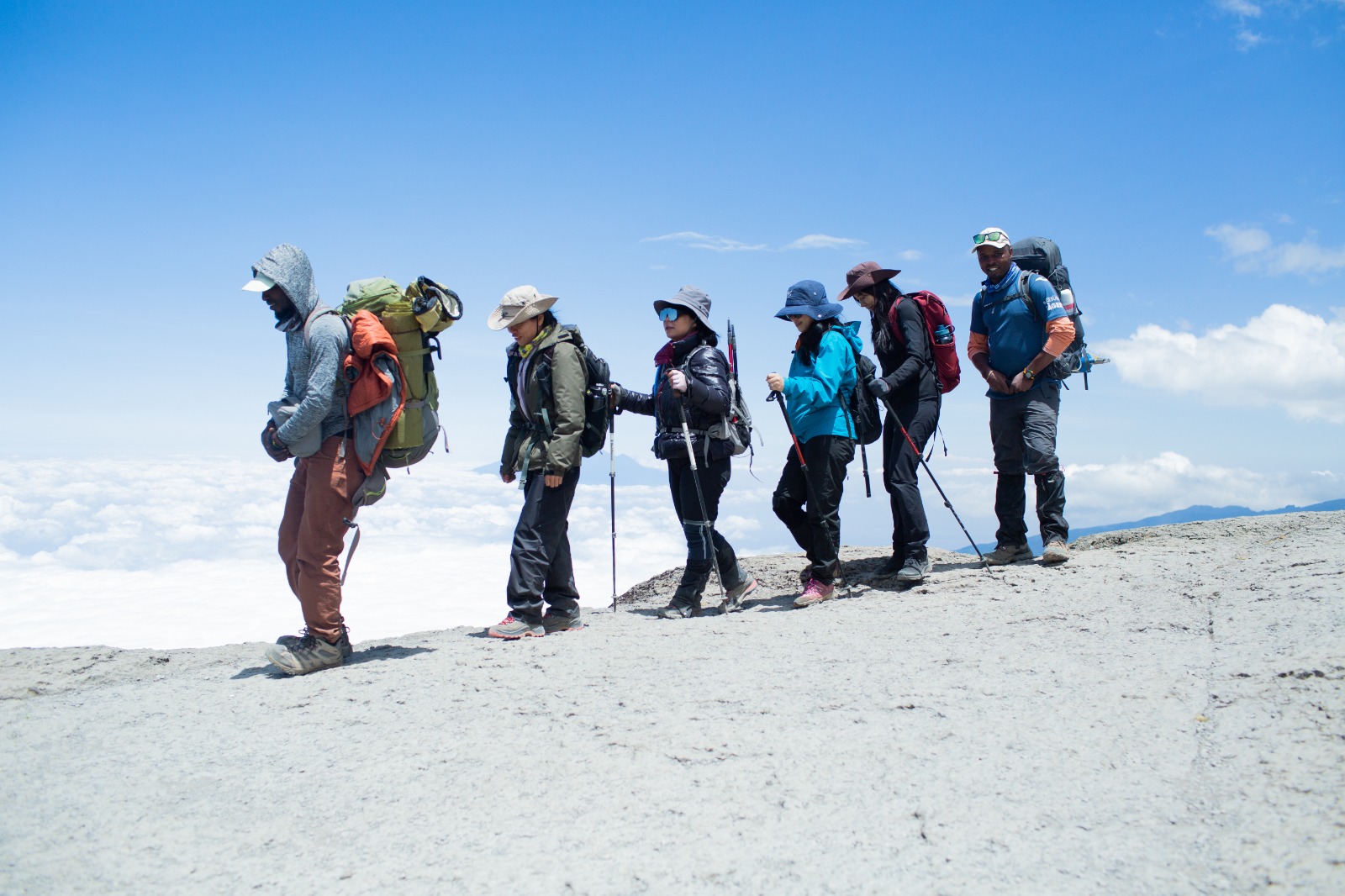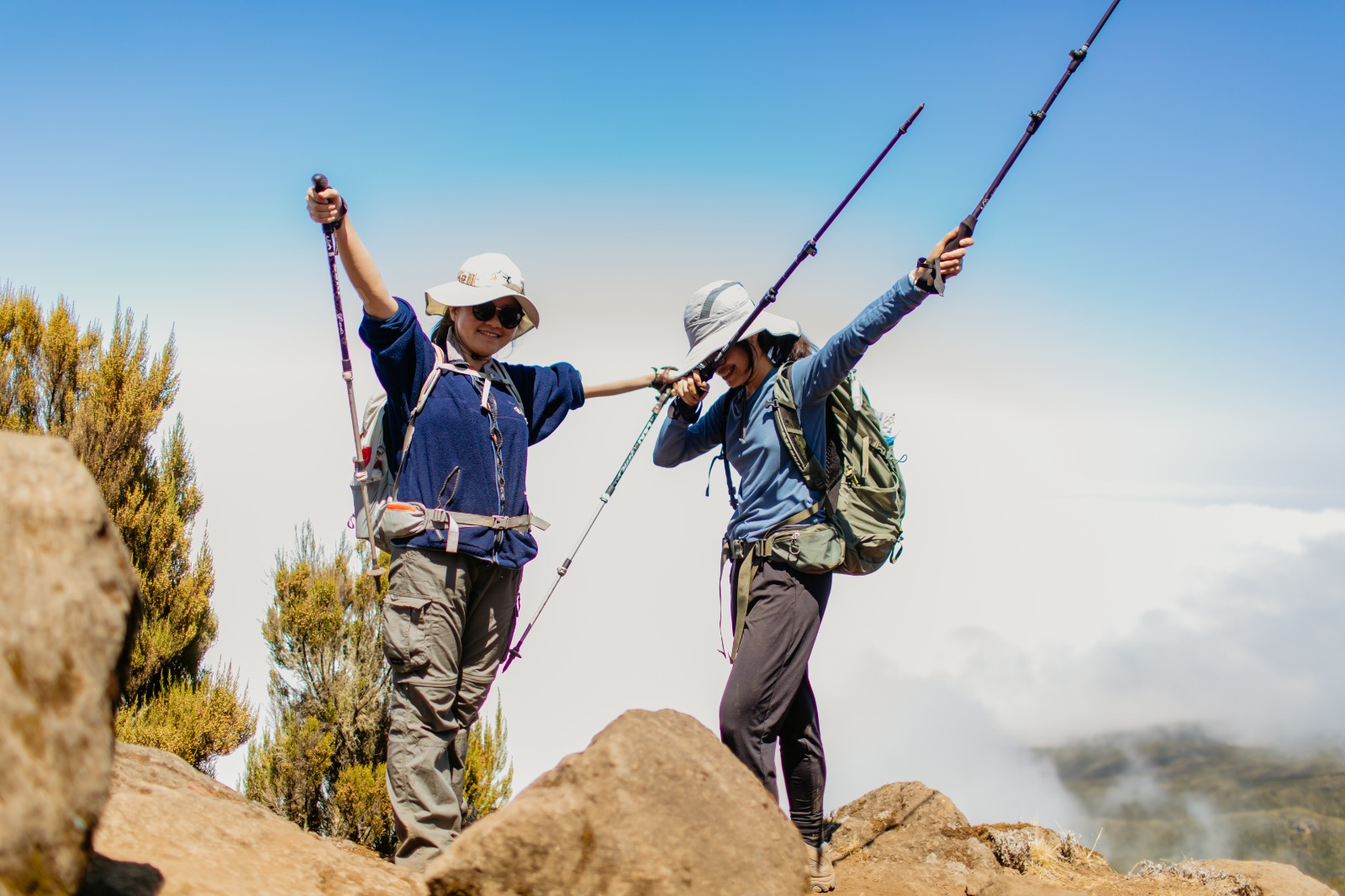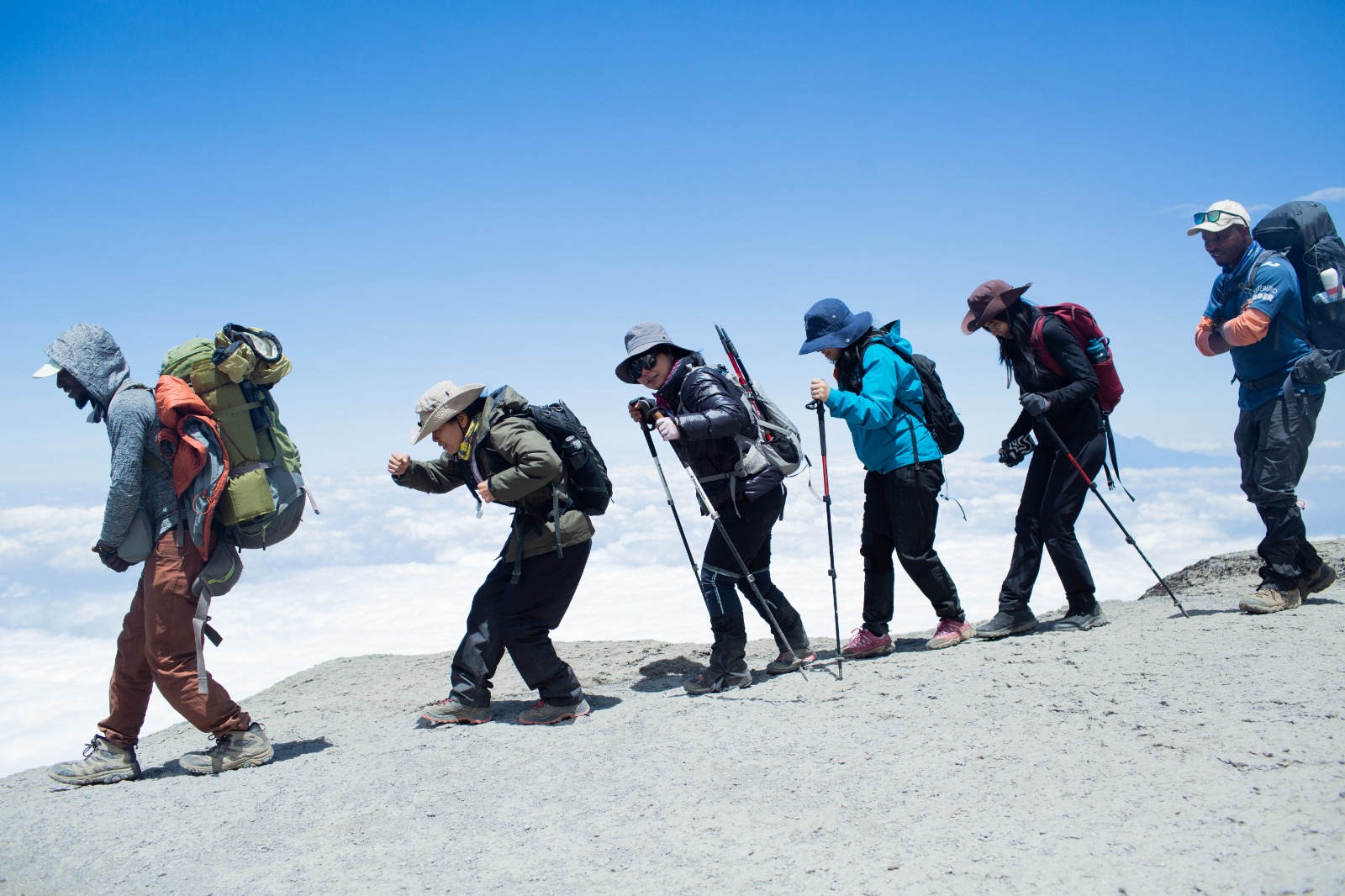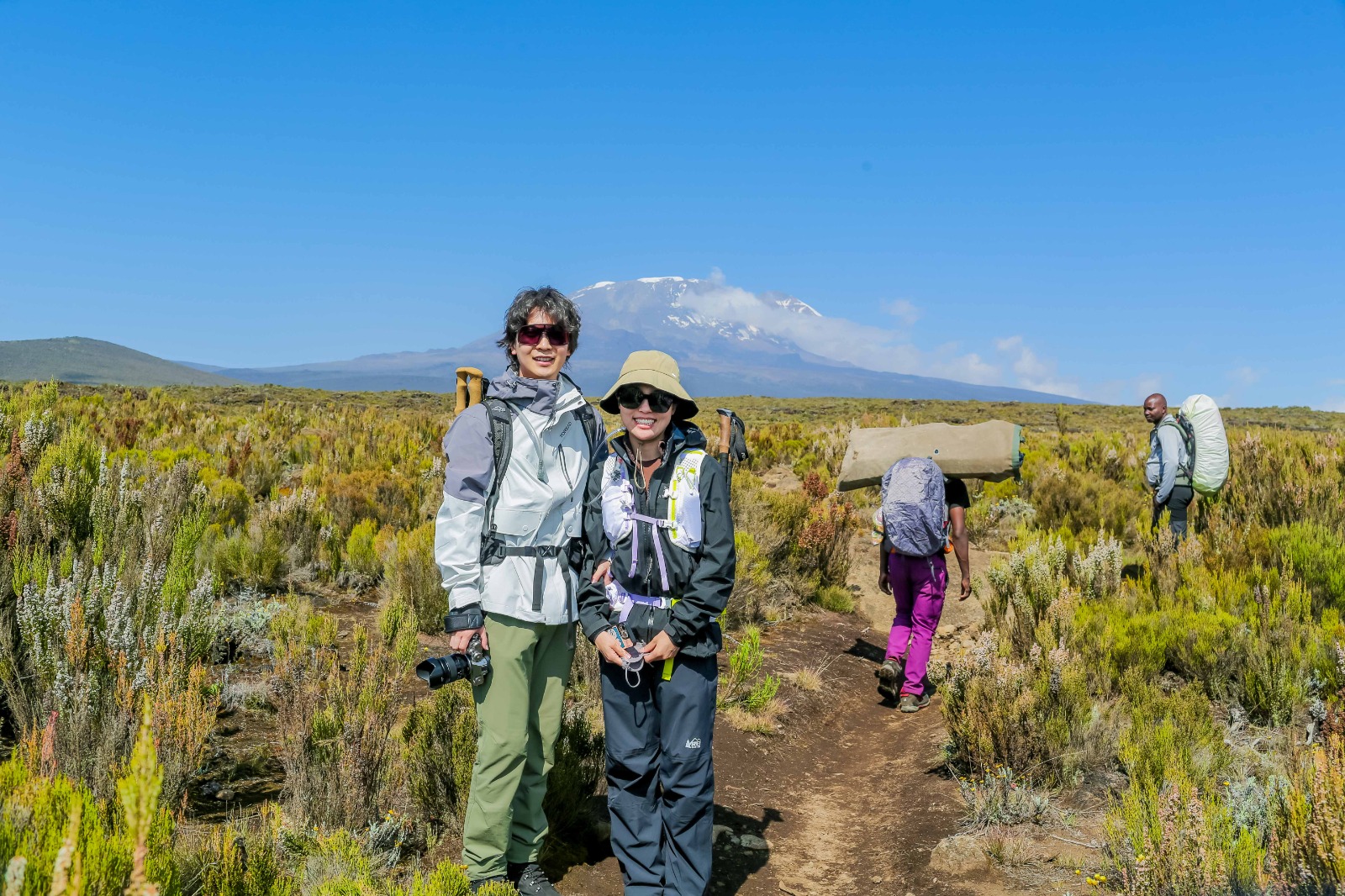
Climbing Mount Kilimanjaro is one of the most popular trekking adventures in the world. Every year, thousands of climbers travel to Tanzania to attempt reaching Uhuru Peak at 5,895 meters, the highest point in Africa.
However, not everyone who starts the climb successfully reaches the summit. Understanding the Kilimanjaro success rate helps climbers prepare properly and choose the right route and itinerary.
If you are planning your climb, start with the complete Kilimanjaro Climbing Guide.
What Is the Kilimanjaro Success Rate?
The overall Kilimanjaro summit success rate is estimated to be around 60% to 70% for all climbers.
However, success rates vary significantly depending on several factors, including:
-
Route choice
-
Number of days on the mountain
-
Acclimatization time
-
Physical preparation
-
Weather conditions
Shorter itineraries tend to have lower success rates, while longer climbs improve the chances of reaching the summit.
Success Rate by Climb Duration
The number of days spent on the mountain is one of the biggest factors affecting summit success.
| Climb Duration | Average Success Rate |
|---|---|
| 5 Days | 50% – 60% |
| 6 Days | 60% – 70% |
| 7 Days | 75% – 85% |
| 8 Days | 85% – 90% |
Longer itineraries allow climbers to acclimatize better to altitude, reducing the risk of altitude sickness.
You can see detailed route statistics in Kilimanjaro Summit Success Rate by Route.
Success Rate by Route
Different Kilimanjaro routes have different summit success rates.
| Route | Typical Success Rate |
|---|---|
| Lemosho Route | 85–90% |
| Machame Route | 80–85% |
| Rongai Route | 70–80% |
| Marangu Route | 60–70% |
| Umbwe Route | 50–60% |
Routes with better acclimatization profiles generally have higher success rates.
You can compare routes in the guide Machame vs Lemosho vs Marangu Route.
Why Many Climbers Do Not Reach the Summit
Most climbers who fail to reach the summit turn back because of altitude sickness rather than physical exhaustion.
At high altitudes, oxygen levels decrease significantly, making it harder for the body to function normally.
Common reasons climbers turn back include:
-
Altitude sickness
-
Choosing short itineraries
-
Poor acclimatization
-
Lack of preparation
-
Severe weather conditions
To learn how to manage altitude risks, read Kilimanjaro Altitude Sickness Guide.
How to Increase Your Kilimanjaro Summit Success Rate
There are several strategies that can significantly increase your chances of reaching the summit.
Choose a Longer Route
Routes with 7 or 8 days provide better acclimatization and much higher success rates.
Popular options include:
Train Before the Climb
Preparation should include:
-
Hiking practice
-
Cardiovascular training
-
Strength and endurance workouts
You can learn more in How to Prepare for a Kilimanjaro Trek.
Follow the “Pole Pole” Rule
On Kilimanjaro, climbers follow the Swahili phrase “pole pole”, which means slowly, slowly. Moving slowly helps your body adapt to altitude.
Choose the Right Season
Climbing during the dry seasons improves comfort and safety.
The best months are explained in Kilimanjaro Weather by Month.
Does Everyone Need a Guide?
Yes. Tanzania regulations require all Kilimanjaro climbers to climb with a licensed guide.
Guides monitor climbers’ health, manage altitude issues, and improve safety throughout the expedition.
Learn more in Can You Do Kilimanjaro Without a Guide.
Is Kilimanjaro Hard to Climb?
Technically, Kilimanjaro is considered a trekking peak, meaning no ropes or technical climbing skills are required.
However, altitude and long trekking days make the climb physically demanding.
To understand the challenge, read How Difficult Is the Kilimanjaro Climb.
Final Thoughts
The overall Kilimanjaro success rate is around 60–70%, but climbers who choose longer routes and prepare properly often achieve success rates above 85%.
The key to reaching Uhuru Peak is proper acclimatization, preparation, and choosing the right itinerary.
If you want to maximize your chances of reaching the summit, explore the available options in Kilimanjaro Trekking Tours.