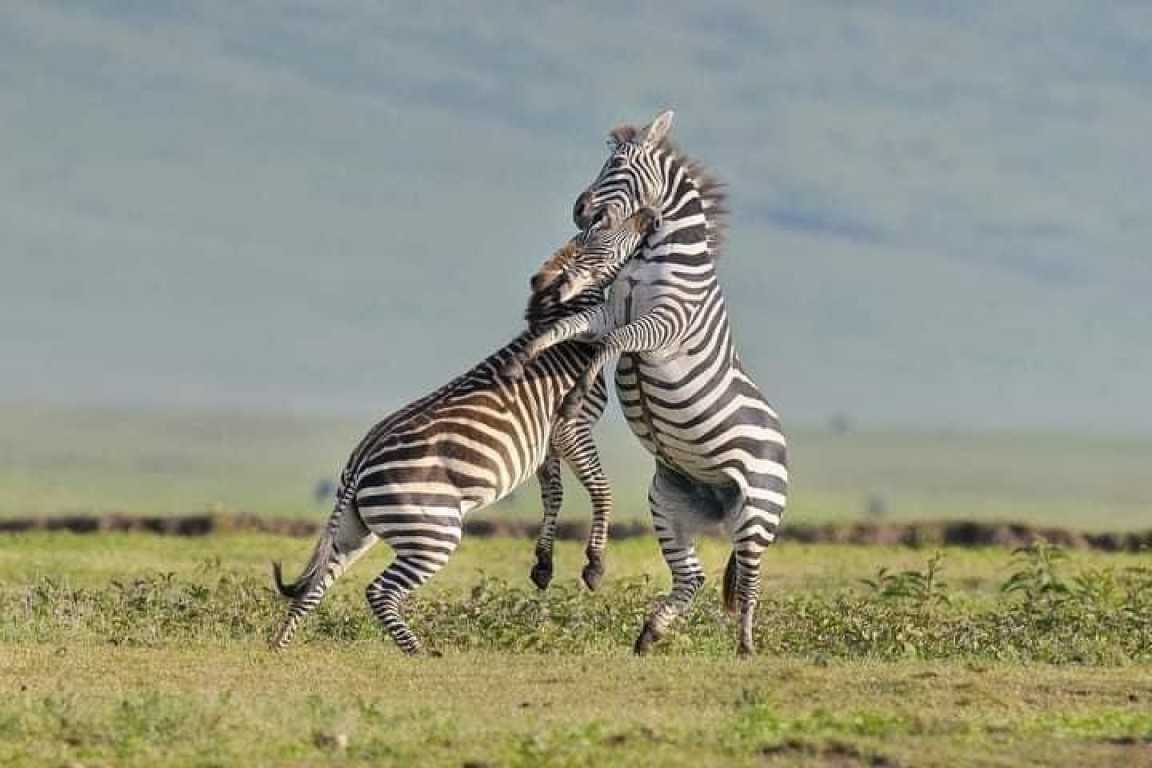
Ngorongoro Crater is one of the most extraordinary wildlife destinations in Africa and one of the most iconic places to visit on a Tanzania safari. Located in northern Tanzania, this massive volcanic caldera is home to an incredible concentration of animals and breathtaking landscapes.
Often called Africa’s Garden of Eden, the crater offers some of the best wildlife viewing in the world within a relatively small area. Visitors can see lions, elephants, rhinos, hippos, and thousands of grazing animals in just one day of game driving.
This guide covers everything you need to know about visiting Ngorongoro Crater, including wildlife, safari tips, best time to visit, and what to expect during your trip.
For a complete overview of planning your safari in the country, start with the full Tanzania Safari Guide.
What Is Ngorongoro Crater
Ngorongoro Crater is the world’s largest intact volcanic caldera. It formed about two to three million years ago when a massive volcano collapsed after a huge eruption.
The crater measures approximately:
-
19 kilometers (12 miles) wide
-
600 meters (2,000 feet) deep
-
260 square kilometers in area
The surrounding rim sits at around 2,200 meters above sea level, offering stunning views of the crater floor below.
Because the crater walls form a natural enclosure, animals remain inside the crater throughout the year, creating one of the densest wildlife populations in Africa.
Learn more about Tanzania’s wildlife in the guide to Best National Parks in Tanzania.
Why Ngorongoro Crater Is Famous
Ngorongoro Crater is famous for its extraordinary wildlife density and scenic beauty. The crater contains multiple ecosystems including grasslands, wetlands, forests, and a soda lake.
These habitats support a large variety of animals living within a compact area.
Key reasons travelers visit Ngorongoro include:
-
excellent chances of seeing the Big Five
-
breathtaking crater landscapes
-
large predator populations
-
high concentration of wildlife
-
UNESCO World Heritage Site status
You can learn more about iconic safari animals in Big Five Animals in Tanzania.
Animals Found in Ngorongoro Crater
Ngorongoro Crater supports more than 25,000 large animals, making it one of the best wildlife viewing areas in Africa.
Common animals seen in the crater include:
-
lions
-
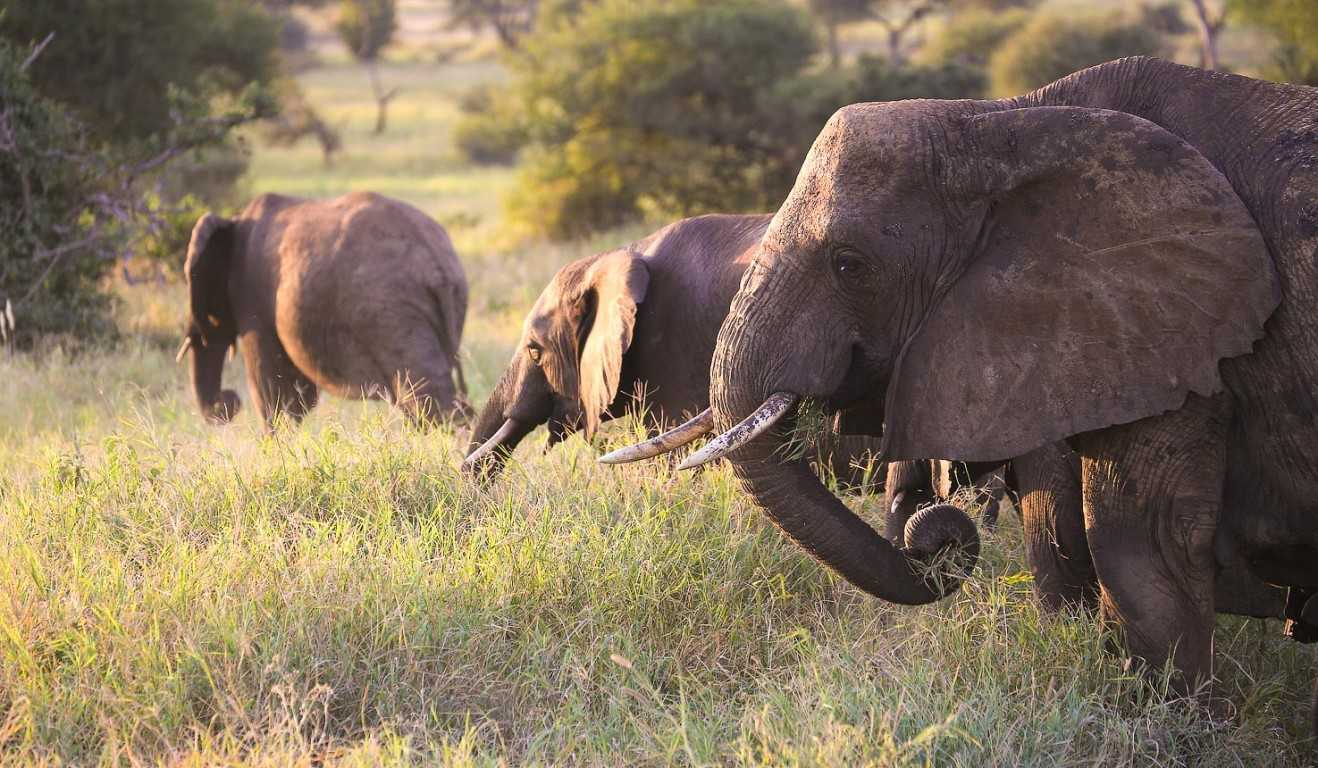
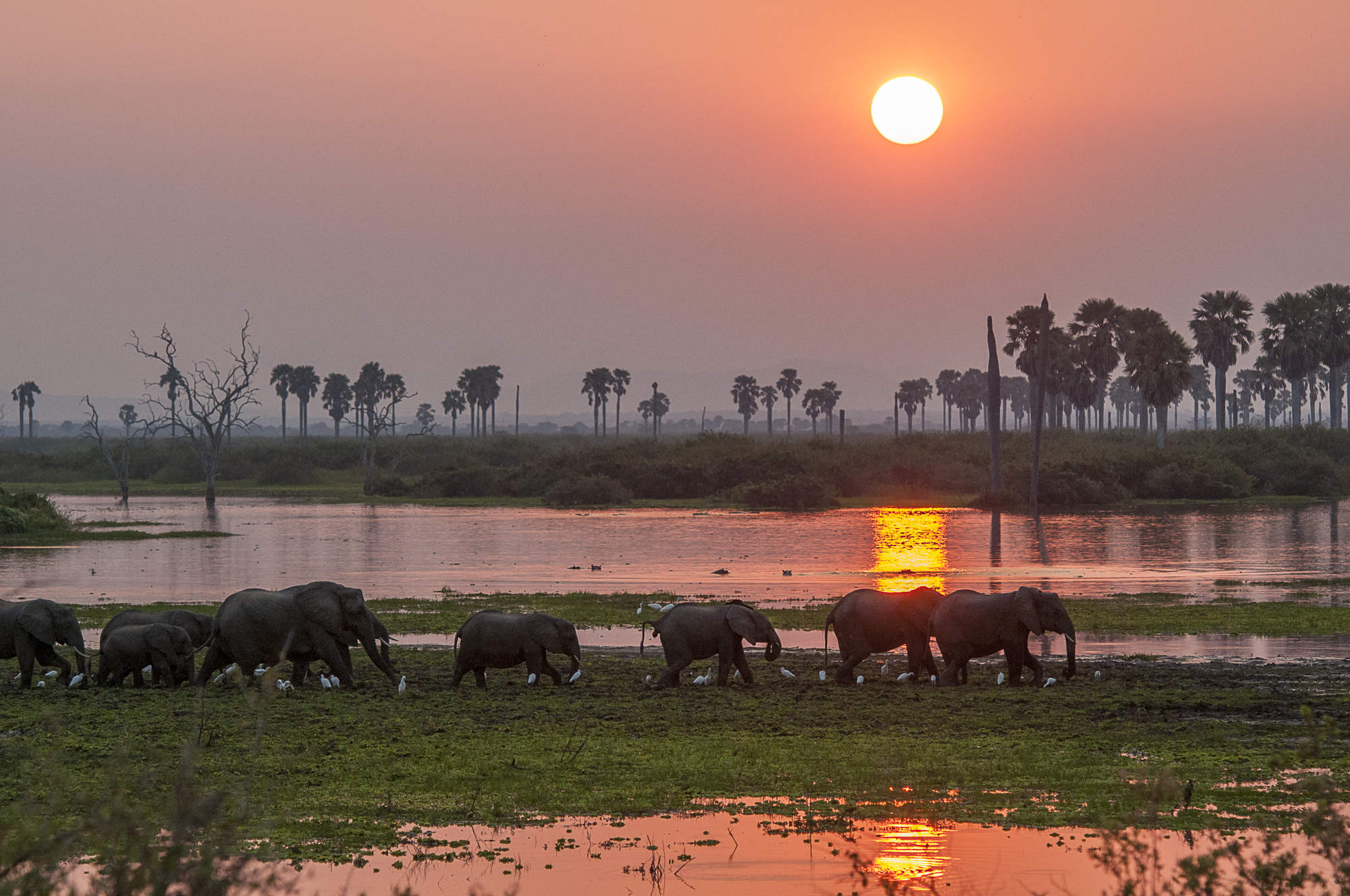
elephants
-
buffalo
-
black rhinos
-
zebras
-
wildebeest
-
hyenas
-
hippos
-
jackals
-
flamingos
The crater is also one of the few places in Tanzania where visitors have a realistic chance of seeing the endangered black rhinoceros.
To understand what animals you may encounter, read What Animals Can I See on a Tanzania Safari.
Lion Population in Ngorongoro
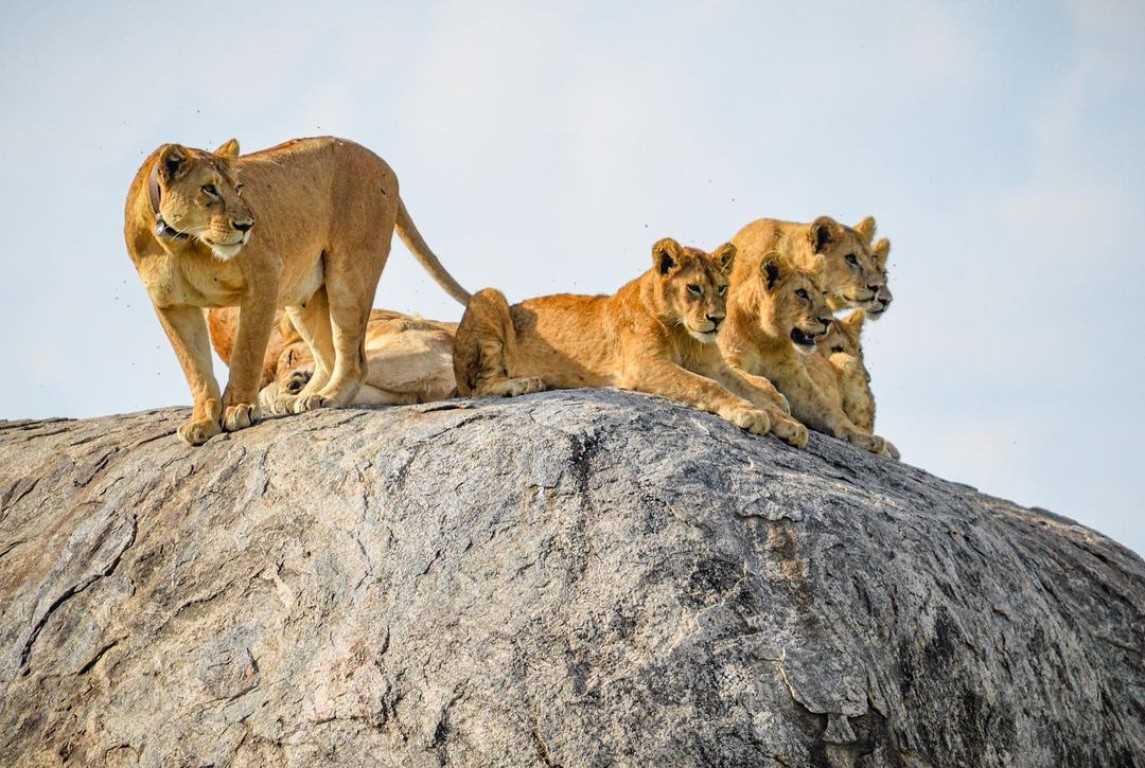
Ngorongoro Crater has one of the highest densities of lions in Africa. Several prides live within the crater and are often seen resting on the open grasslands or hunting grazing animals.
Because the crater ecosystem is enclosed, the lion population here is relatively stable and easy to observe compared to other parks.
Predator sightings frequently include:
-
lions
-
spotted hyenas
-
jackals
Leopards occasionally appear along the crater walls and forested areas.
Ngorongoro Crater Lake and Flamingos
Lake Magadi is a shallow soda lake located in the center of the crater. This lake attracts thousands of flamingos, particularly during certain seasons.
The lake also supports many other bird species including:
-
pelicans
-
storks
-
herons
-
ibis
Bird lovers will find Ngorongoro an excellent location for birdwatching as well as wildlife photography.
Best Time to Visit Ngorongoro Crater
Ngorongoro Crater offers excellent wildlife viewing throughout the year, but certain seasons provide different experiences.
Dry Season (June – October)
This is generally the best time for wildlife viewing.
Advantages include:
-
easier animal spotting
-
less vegetation
-
cooler temperatures
-
excellent photography conditions
Green Season (November – May)
The rainy season brings lush landscapes and fewer tourists.
Benefits include:
-
beautiful scenery
-
fewer vehicles in the park
-
great birdwatching opportunities
For broader safari timing advice, read Best Time to Visit Tanzania.
What a Safari in Ngorongoro Crater Is Like
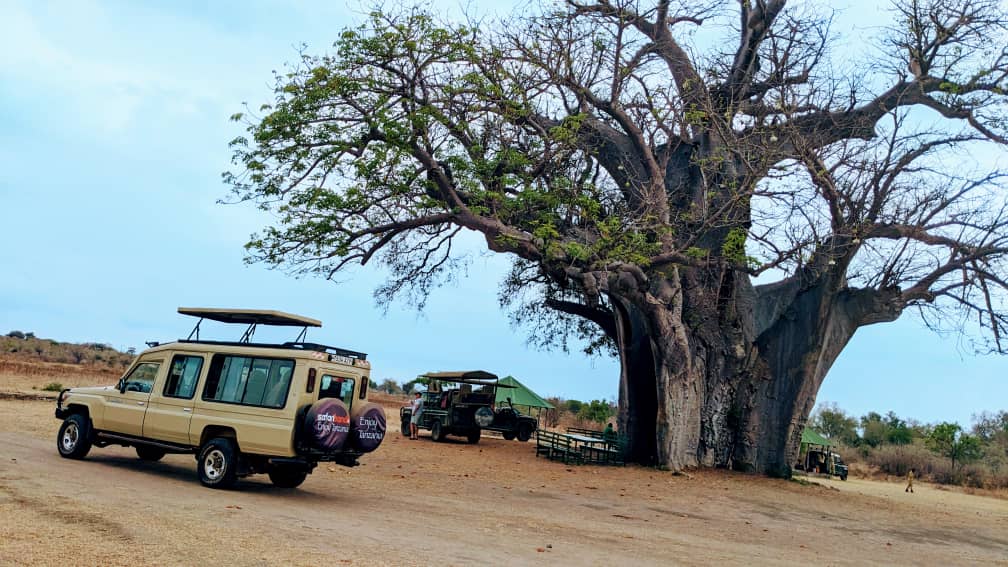
A typical Ngorongoro safari begins early in the morning when vehicles descend from the crater rim to the crater floor.
Game drives usually last 4 to 6 hours, allowing visitors to explore different parts of the ecosystem.
Typical safari highlights include:
-
lions resting in the grasslands
-
elephants walking near the forest areas
-
hippos bathing in pools
-
flamingos along the lake
-
large herds of zebras and wildebeest
Because wildlife density is so high, it is common to see many animals in a short period of time.
Ngorongoro Crater Entrance Fees
Ngorongoro is part of the Ngorongoro Conservation Area, which has its own entrance fees separate from Tanzania national parks.
Typical visitor costs include:
-
conservation area entry fee
-
crater descent vehicle fee
-
guide and vehicle fees
-
accommodation costs
These fees help support wildlife conservation and the local Maasai communities living in the area.
You can learn about safari costs in the guide to How Much Does a Safari Cost in Tanzania.
Ngorongoro Crater and the Great Migration
Although Ngorongoro itself is not part of the main migration route, it sits close to the Serengeti ecosystem.
Many safari itineraries combine:
-
Serengeti National Park
-
Ngorongoro Crater
-
Tarangire National Park
This combination allows visitors to see both the Great Migration and the incredible wildlife density of the crater.
You can explore migration details in the Serengeti Great Migration Guide.
Where to Stay Near Ngorongoro Crater
There are several accommodation options around Ngorongoro ranging from luxury lodges to more affordable camps.
Many lodges are located along the crater rim, offering spectacular views of the caldera.
Popular accommodation styles include:
-
luxury crater rim lodges
-
mid-range safari lodges
-
tented camps
-
budget safari camps
Staying on the crater rim allows travelers to enter the crater early in the morning for the best wildlife viewing.
Ngorongoro vs Serengeti
Many travelers wonder whether Ngorongoro or Serengeti is the better safari destination. The truth is that both parks offer different experiences and complement each other perfectly.
Ngorongoro Crater
-
extremely high wildlife density
-
smaller area
-
excellent for short safaris
-
good chances of seeing rhinos
Serengeti National Park
-
vast landscapes
-
famous Great Migration
-
exceptional predator sightings
-
longer safari experience
For more details about Serengeti, see the Serengeti National Park Guide.
How to Include Ngorongoro in a Safari Itinerary
Ngorongoro is usually included in a Northern Tanzania safari itinerary.
A common route might include:
Day 1: Arusha arrival
Day 2: Tarangire National Park
Day 3: Ngorongoro Crater safari
Day 4–5: Serengeti National Park
Day 6: Return to Arusha
You can explore more safari routes in the guide to Tanzania Safari Itinerary.
Travel Tips for Visiting Ngorongoro Crater
Here are a few useful tips to make your visit more enjoyable.
Start early in the morning to maximize wildlife viewing.
Bring warm clothing because the crater rim can be cold, especially in the early morning.
Carry binoculars and a camera with zoom for wildlife photography.
Follow your guide’s instructions and remain inside the safari vehicle unless permitted.
Final Thoughts
Ngorongoro Crater is one of the most remarkable wildlife destinations on Earth. With its breathtaking volcanic landscape and dense animal populations, the crater offers one of the most rewarding safari experiences in Africa.
Whether you are visiting Tanzania for the first time or returning for another safari adventure, Ngorongoro Crater is a must-see destination that delivers unforgettable wildlife encounters.
To continue planning your safari adventure, explore the complete Tanzania Safari Guide and discover the best ways to experience Tanzania’s incredible wildlife.