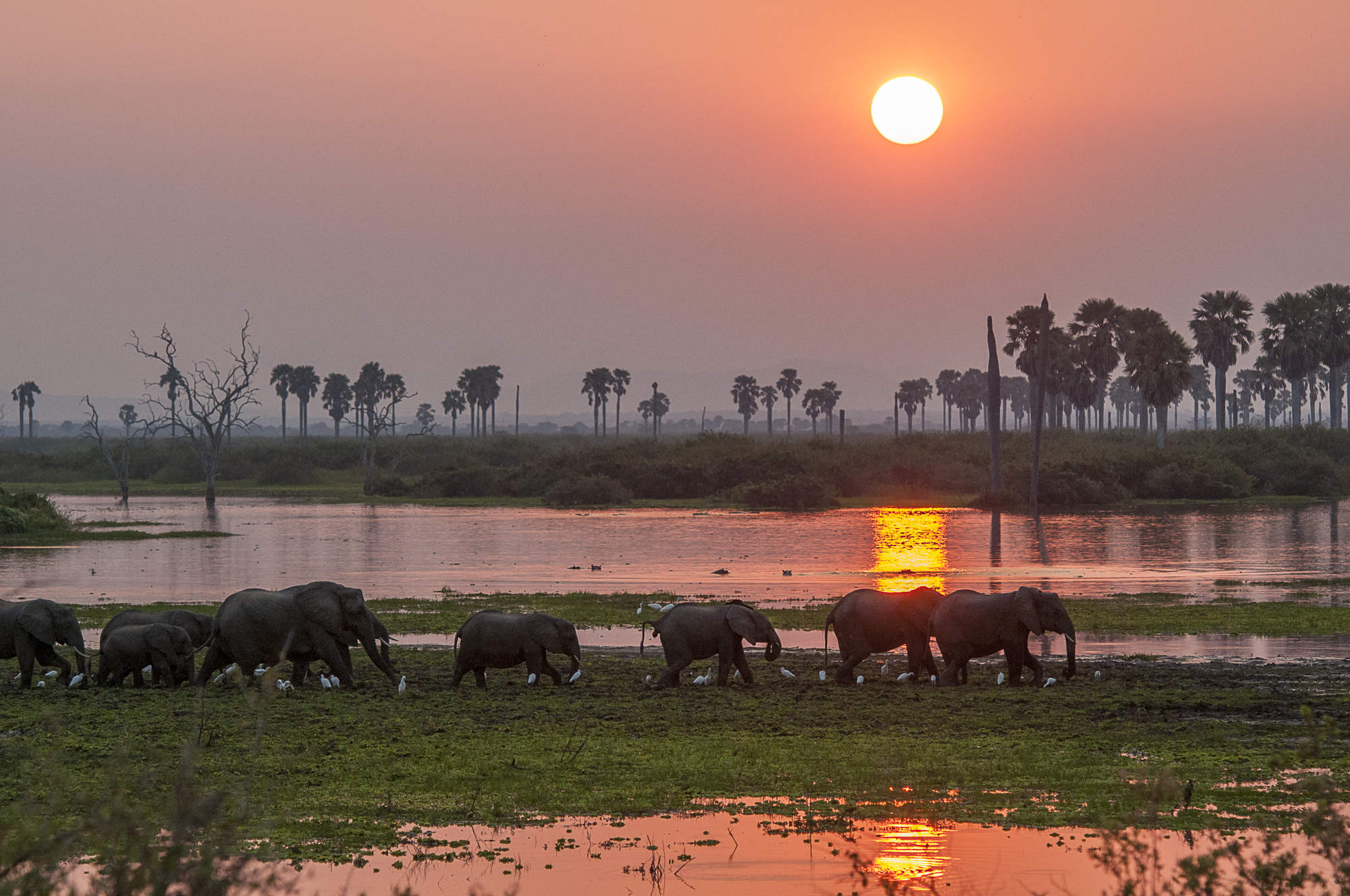
Nyerere National Park is one of Africa’s largest wildlife protected areas and one of Tanzania’s most spectacular safari destinations. Formerly part of the famous Selous Game Reserve, the park was officially established as Nyerere National Park in 2019 and now protects a vast wilderness ecosystem in southern Tanzania.
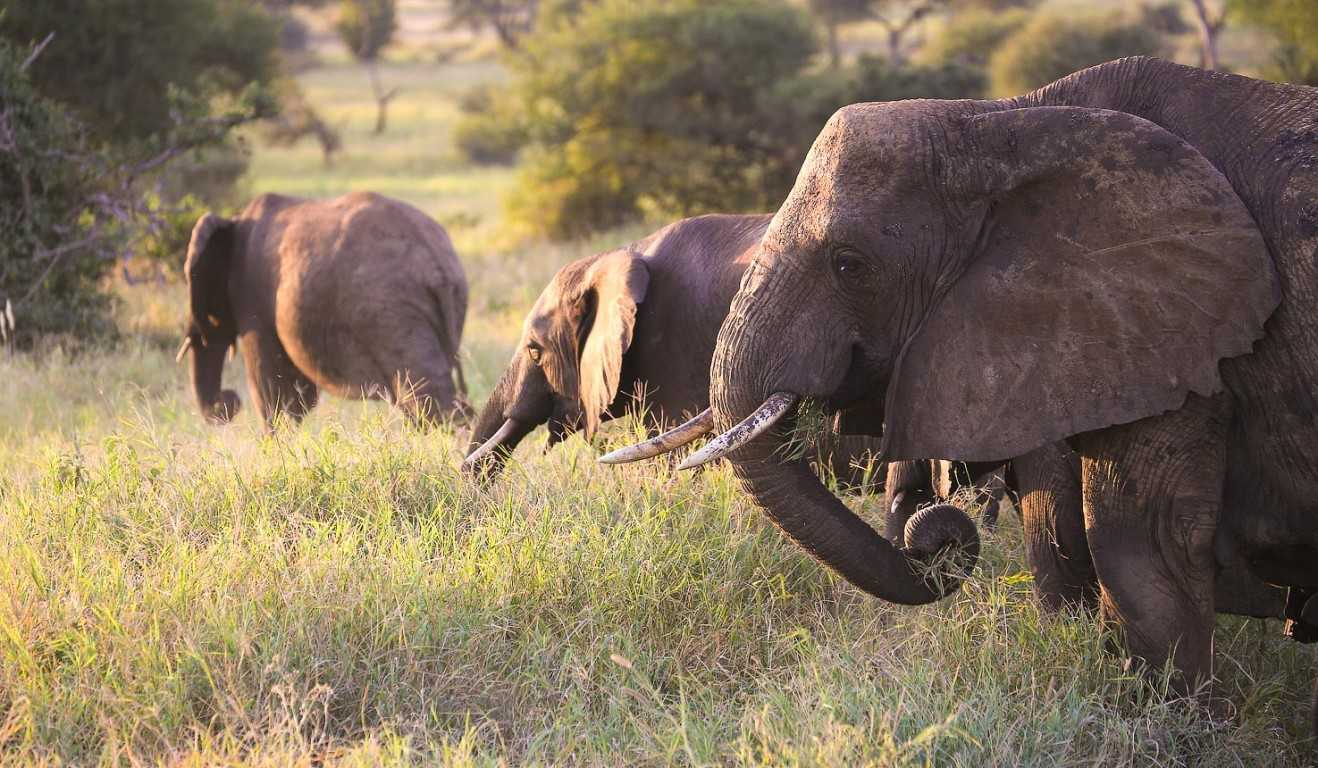
The park is known for its huge elephant population, African wild dogs, and the Rufiji River, which creates one of the most unique safari environments in East Africa.
If you are planning a safari, you can also explore the complete Tanzania Safari Guide.
Where Is Nyerere National Park?
Nyerere National Park is located in southern Tanzania, about 230 kilometers southwest of Dar es Salaam.
Covering more than 30,000 square kilometers, it is one of the largest national parks in Africa.
The park forms the core of the Selous ecosystem, one of the most important wildlife areas on the continent.
Travelers visiting from the coast often combine it with trips explained in the Tanzania Safari from Dar es Salaam Guide.
Wildlife in Nyerere National Park
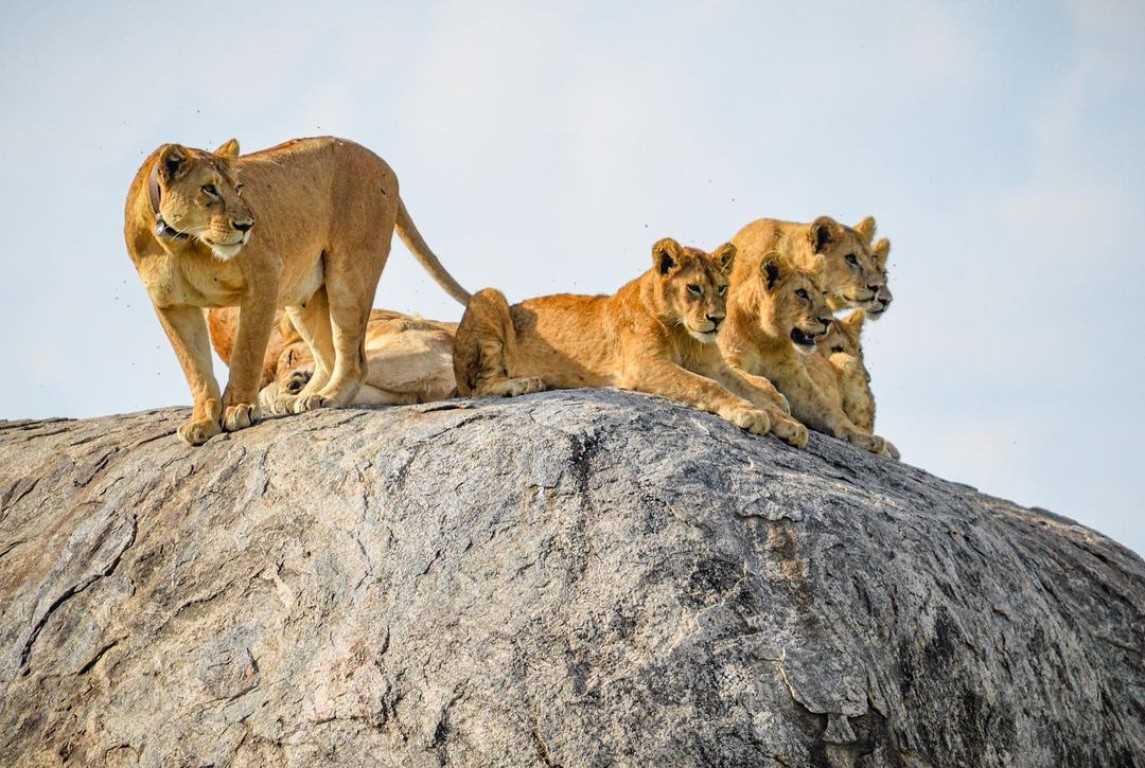
Nyerere National Park is home to an incredible diversity of wildlife.
Animals commonly seen include:
-
Elephants
-
Lions
-
Leopards
-
African wild dogs
-
Buffalo
-
Giraffes
-
Zebras
-
Hippos
-
Crocodiles
The park is particularly famous for its large populations of African wild dogs, one of the rarest predators in Africa.
To learn more about safari wildlife, read What Animals Can I See on a Tanzania Safari.
Rufiji River – The Heart of the Park
The Rufiji River is the lifeline of Nyerere National Park and one of the most spectacular river systems in Africa.
The river forms an extensive network of channels, lagoons, and lakes that attract large numbers of animals.
Hippos, crocodiles, elephants, and many bird species are commonly seen along the riverbanks.
Unique Safari Activities in Nyerere
One of the things that makes Nyerere National Park special is the variety of safari activities available.
Boat Safaris
Boat safaris on the Rufiji River allow visitors to observe wildlife from the water, including hippos, crocodiles, elephants, and birds.
Walking Safaris
Guided walking safaris give visitors the opportunity to explore the African wilderness on foot with experienced guides.
Game Drives
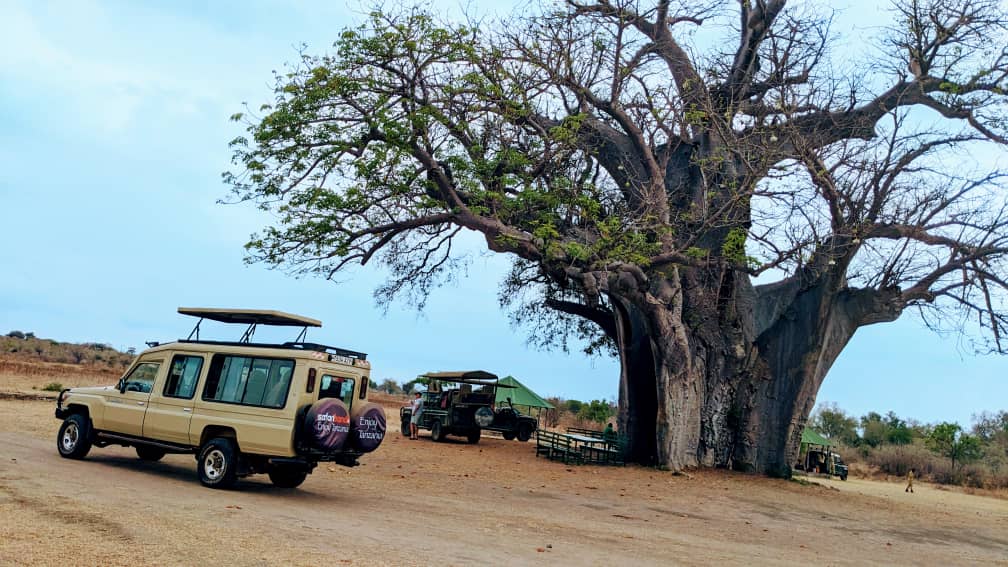
Traditional game drives are also available, allowing visitors to explore the park’s vast landscapes and spot wildlife.
Best Time to Visit Nyerere National Park
Nyerere can be visited year-round, but wildlife viewing is best during the dry season from June to October.
During this period animals gather around rivers and water sources, making wildlife easier to spot.
The green season from November to May offers beautiful landscapes and excellent birdwatching opportunities.
For broader travel planning, see Best Time to Visit Tanzania.
How to Get to Nyerere National Park
Visitors can reach Nyerere National Park in two main ways:
By road:
About 6–7 hours drive from Dar es Salaam
By air:
Short flights from Dar es Salaam, Zanzibar, or Arusha to small airstrips inside the park.
Combining Nyerere With Other Parks
Many travelers combine Nyerere with other southern Tanzania destinations such as:
-
Ruaha National Park
-
Mikumi National Park
These parks together form the Southern Tanzania safari circuit.
You can explore more destinations in the Southern Tanzania Safari Guide.
Tips for Visiting Nyerere National Park
To enjoy your safari experience:
-
Visit during the dry season for better wildlife viewing
-
Bring binoculars for birdwatching
-
Pack neutral-colored safari clothing
-
Carry a camera with a good zoom lens
You may also want to review the complete Tanzania Safari Packing List.
Final Thoughts
Nyerere National Park offers one of the most authentic safari experiences in Africa. With its vast wilderness, abundant wildlife, and unique boat and walking safaris, it provides a completely different experience from the more crowded northern safari circuit.
For travelers looking for adventure and remote wilderness, Nyerere National Park is one of Tanzania’s greatest hidden safari treasures.
To continue planning your safari, explore the Best National Parks in Tanzania and the full Tanzania Safari Guide.