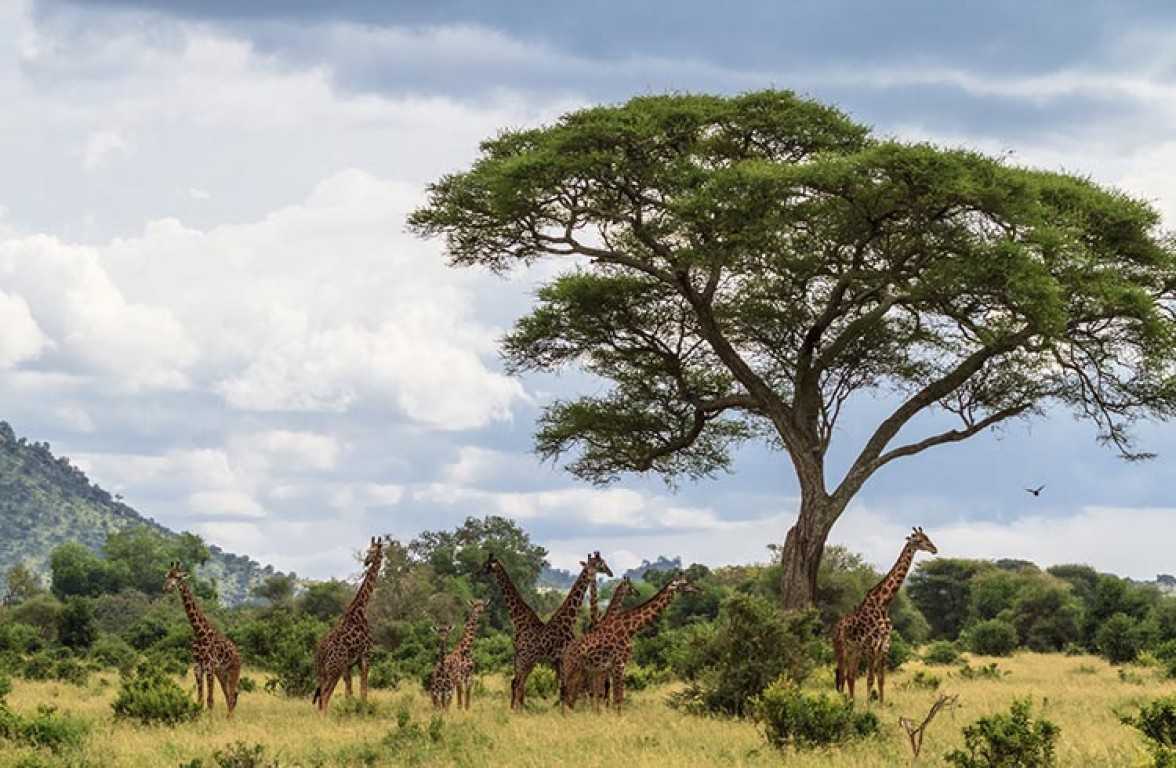
Tanzania is one of the most spectacular wildlife destinations in the world. With more than 20 national parks, vast protected ecosystems, and some of the largest animal populations in Africa, the country offers unforgettable safari experiences for nature lovers and adventure travelers.
From the legendary Serengeti plains to the wildlife-rich Ngorongoro Crater and the remote wilderness of southern Tanzania, each national park offers unique landscapes, ecosystems, and animal encounters.
If you are planning a safari, understanding which parks to visit is one of the most important decisions you will make. This guide explores the best national parks in Tanzania and what makes each one special.
For a complete overview of safari planning, start with the main Tanzania Safari Guide.
Why Tanzania Has Some of the Best Safari Parks in Africa
Tanzania protects nearly one-third of its land as wildlife reserves, national parks, and conservation areas. This commitment to conservation has helped preserve some of the most diverse ecosystems on the continent.
Visitors to Tanzania can experience:
-
vast savannah plains
-
volcanic craters filled with wildlife
-
dense forests and mountains
-
rivers and wetlands
-
remote wilderness areas
The country's parks are also home to the famous Big Five animals—lion, elephant, leopard, buffalo, and rhino.
You can learn more about these animals in the guide to Big Five Animals in Tanzania.
Serengeti National Park
Serengeti National Park is the most famous wildlife park in Africa and one of the best safari destinations in the world. The park is known for its endless plains, high predator populations, and the spectacular Great Wildebeest Migration.
Every year, more than two million wildebeest, zebras, and gazelles move across the Serengeti ecosystem in search of fresh grass. This migration creates dramatic river crossings and intense predator-prey encounters.
Wildlife commonly seen in Serengeti includes:
-
lions
-
cheetahs
-
leopards
-
elephants
-
giraffes
-
hyenas
-
wildebeest and zebras
The Serengeti is also one of the best places in Africa to see large predators.
To learn more about this iconic destination, read the complete Serengeti National Park Guide.
Ngorongoro Crater
Ngorongoro Crater is one of the most unique wildlife destinations on Earth. It is the world’s largest intact volcanic caldera and contains an extraordinary concentration of wildlife inside its natural walls.
The crater floor is home to thousands of animals living within a relatively small area, making wildlife viewing exceptionally rewarding.
Visitors often see:
-
black rhinos
-
lions
-
elephants
-
buffalo
-
hippos
-
flamingos
Because of the dense wildlife population, Ngorongoro is often considered one of the best places in Africa to see the Big Five in a single day.
Learn more in the Ngorongoro Crater Guide.
Tarangire National Park
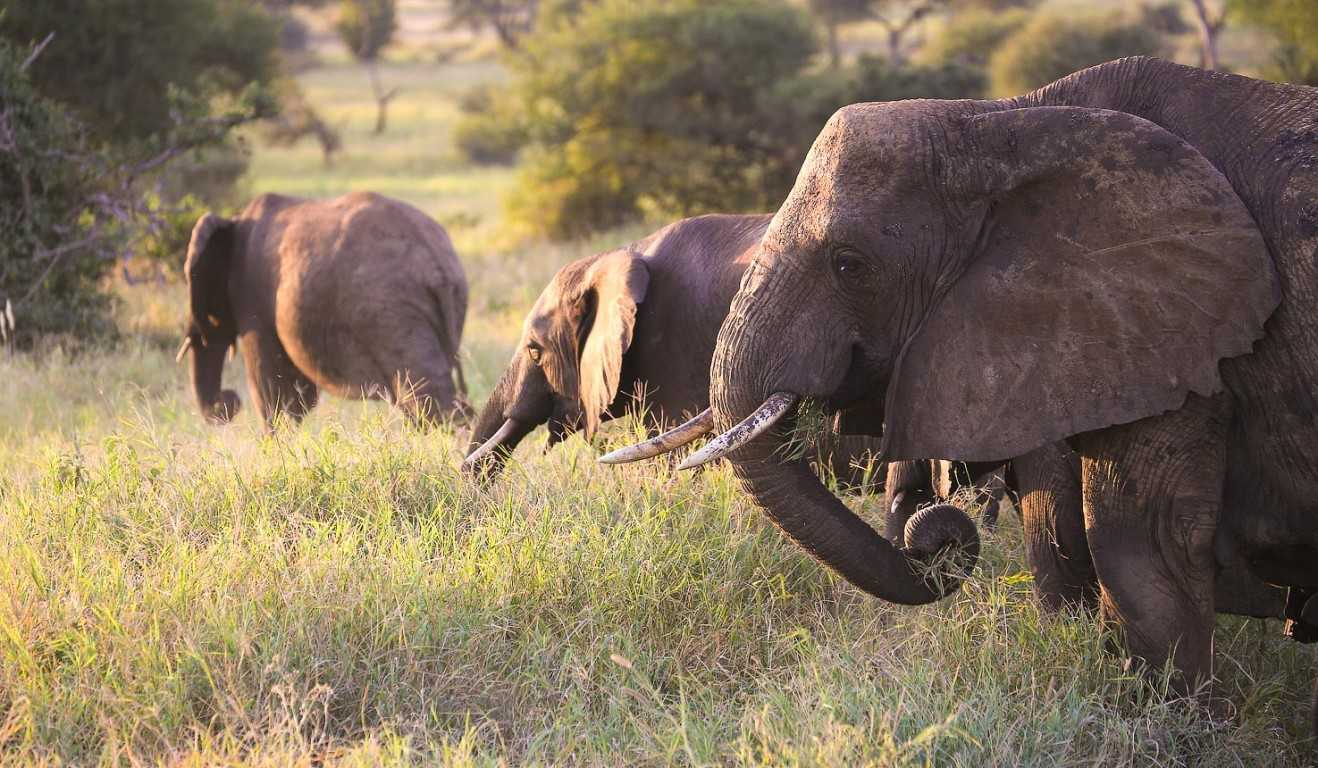
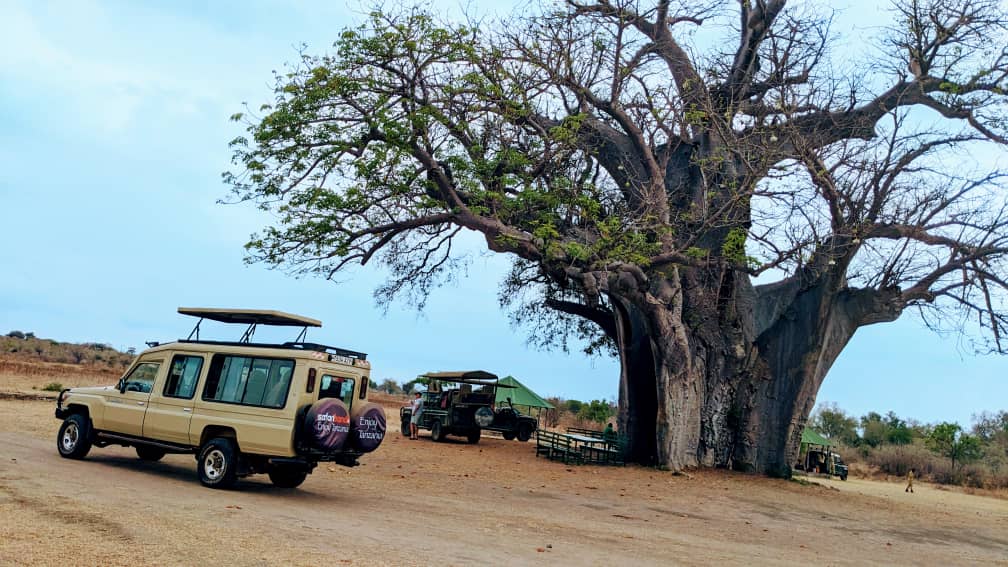
Tarangire National Park is famous for its massive elephant herds and iconic baobab trees. During the dry season, animals migrate to the Tarangire River, which becomes one of the few reliable water sources in the region.
This seasonal movement attracts large concentrations of wildlife, including predators.
Common animals seen in Tarangire include:
-
elephants
-
lions
-
leopards
-
giraffes
-
zebras
-
wildebeest
-
antelopes
Tarangire is also an excellent park for birdwatching, with more than 500 bird species recorded.
Explore more in the Tarangire National Park Guide.
Lake Manyara National Park
Lake Manyara National Park is a compact but scenic park located at the base of the Great Rift Valley escarpment. It offers diverse habitats including forest, wetlands, and lake shoreline.
The park is well known for its tree-climbing lions and large flocks of flamingos that gather along the lake.
Visitors may see:
-
elephants
-
hippos
-
baboons
-
giraffes
-
flamingos
Lake Manyara is often included in Northern Circuit safaris and is a great introduction to Tanzania’s wildlife.
Ruaha National Park
Ruaha National Park is the largest national park in Tanzania and one of the most remote wildlife areas in East Africa. Located in southern Tanzania, the park offers a more secluded safari experience compared to the northern parks.
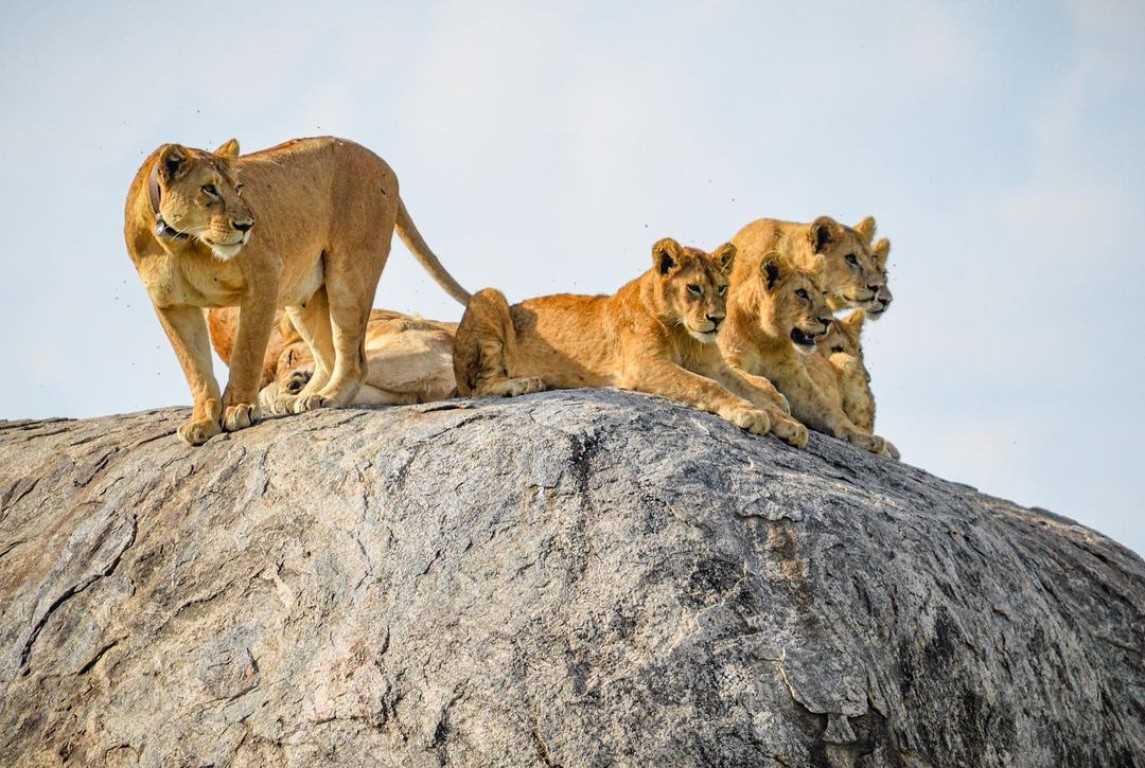
Ruaha is especially famous for its large lion population and excellent predator sightings.
Wildlife found in Ruaha includes:
-
lions
-
leopards
-
elephants
-
wild dogs
-
giraffes
-
kudu and other antelope species
The park’s remote location means fewer crowds and a true wilderness atmosphere.
You can learn more in the detailed Ruaha National Park Guide.
Nyerere National Park
Nyerere National Park, formerly part of Selous Game Reserve, is one of the largest protected wildlife areas in Africa. The park covers vast wilderness landscapes including rivers, lakes, and woodlands.
One of the highlights of Nyerere is the opportunity to experience different types of safaris, including:
-
boat safaris on the Rufiji River
-
walking safaris
-
traditional game drives
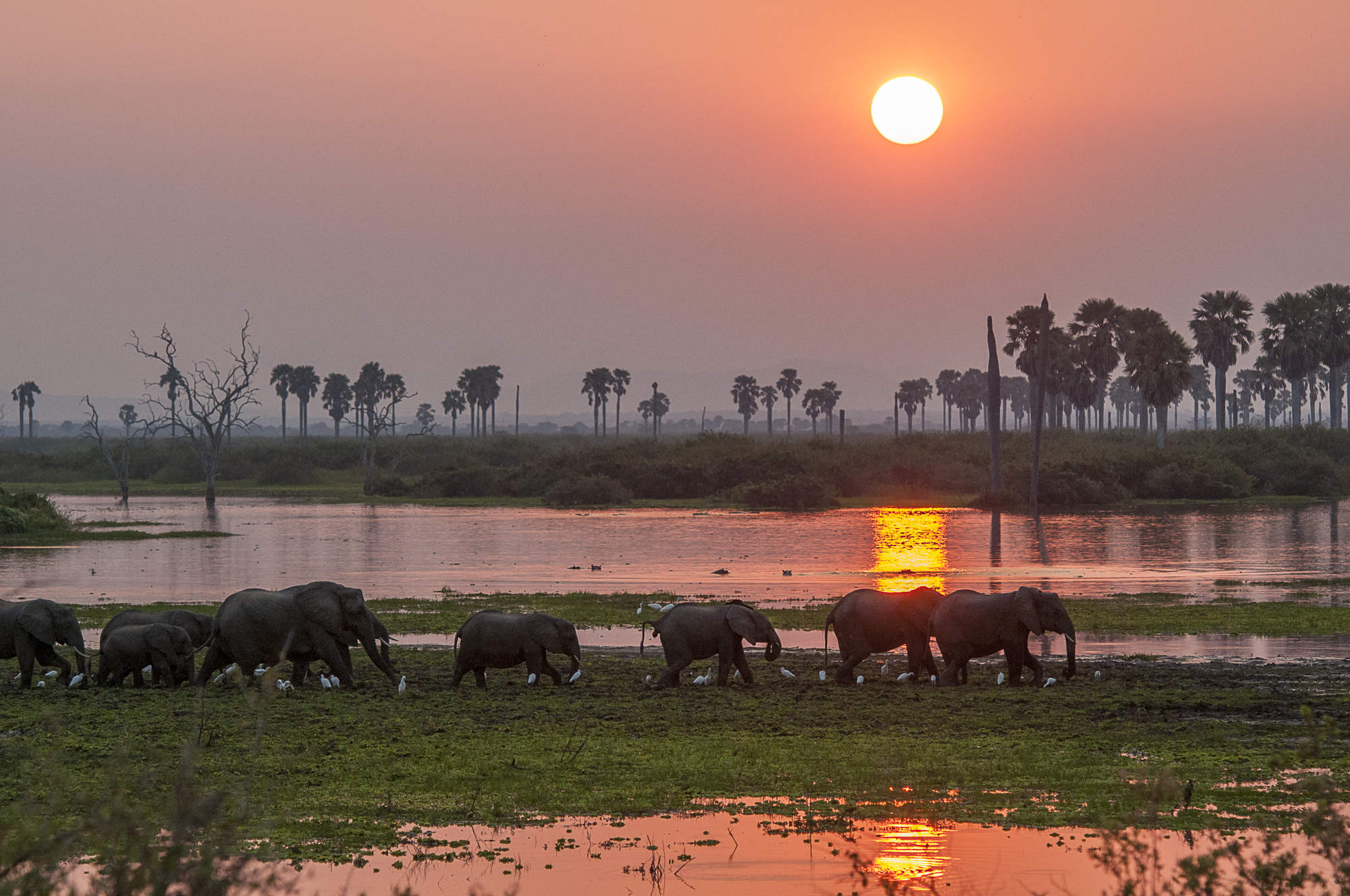
Animals commonly seen include elephants, lions, hippos, crocodiles, and African wild dogs.
For a detailed overview, read the Nyerere National Park Guide.
Mikumi National Park
Mikumi National Park is one of the most accessible safari parks in Tanzania, especially for travelers starting from Dar es Salaam. The park shares its ecosystem with the larger Selous and Udzungwa regions.
Mikumi’s open plains make wildlife viewing relatively easy, and visitors often see:
-
lions
-
zebras
-
giraffes
-
buffalo
-
elephants
The park is an excellent option for shorter safaris or weekend trips.
Learn more in the Mikumi National Park Guide.
Katavi National Park
Katavi National Park is one of Tanzania’s most remote and untouched wildlife areas. Located in western Tanzania, the park receives far fewer visitors than the northern safari circuit.
However, those who make the journey are rewarded with spectacular wildlife sightings and a truly wild atmosphere.
Katavi is famous for large herds of buffalo and dramatic dry-season gatherings of hippos and crocodiles.
Explore more in the Katavi National Park Guide.
Gombe and Mahale Mountains National Parks
Gombe and Mahale Mountains National Parks are famous for chimpanzee trekking experiences along the shores of Lake Tanganyika.
These parks offer a completely different wildlife experience compared to traditional safaris.
Visitors hike through forest trails to observe wild chimpanzee communities in their natural habitat.
You can learn more about this experience in the guide to Chimpanzee Trekking Tanzania.
How to Choose the Right Parks for Your Safari
The best parks for your safari depend on your interests, travel time, and budget.
Many first-time visitors choose the Northern Safari Circuit, which includes:
-
Serengeti National Park
-
Ngorongoro Crater
-
Tarangire National Park
-
Lake Manyara National Park
This route offers exceptional wildlife viewing within a relatively short travel distance.
If you want a more remote experience, southern Tanzania parks like Ruaha and Nyerere provide excellent wildlife with fewer crowds.
To help plan your trip, read the guide to Tanzania Safari Itinerary.
Best Time to Visit Tanzania’s National Parks
Wildlife viewing in Tanzania is good throughout the year, but the dry season from June to October is generally considered the best time for safaris.
During this period:
-
animals gather around water sources
-
vegetation is thinner
-
wildlife is easier to spot
The green season from November to May offers beautiful landscapes, fewer tourists, and excellent birdwatching.
Learn more in the guide to Best Time to Visit Tanzania.
Final Thoughts
Tanzania is home to some of the most incredible national parks in the world. From the endless plains of Serengeti to the wildlife-rich Ngorongoro Crater and the remote wilderness of Ruaha and Nyerere, the country offers an extraordinary variety of safari experiences.
Each park has its own character, landscapes, and wildlife encounters. Whether you are visiting Africa for the first time or returning for another adventure, Tanzania’s national parks promise unforgettable moments in nature.
If you are planning a safari, explore the complete Tanzania Safari Guide to start designing your perfect wildlife adventure.