Quick facts
Wildlife
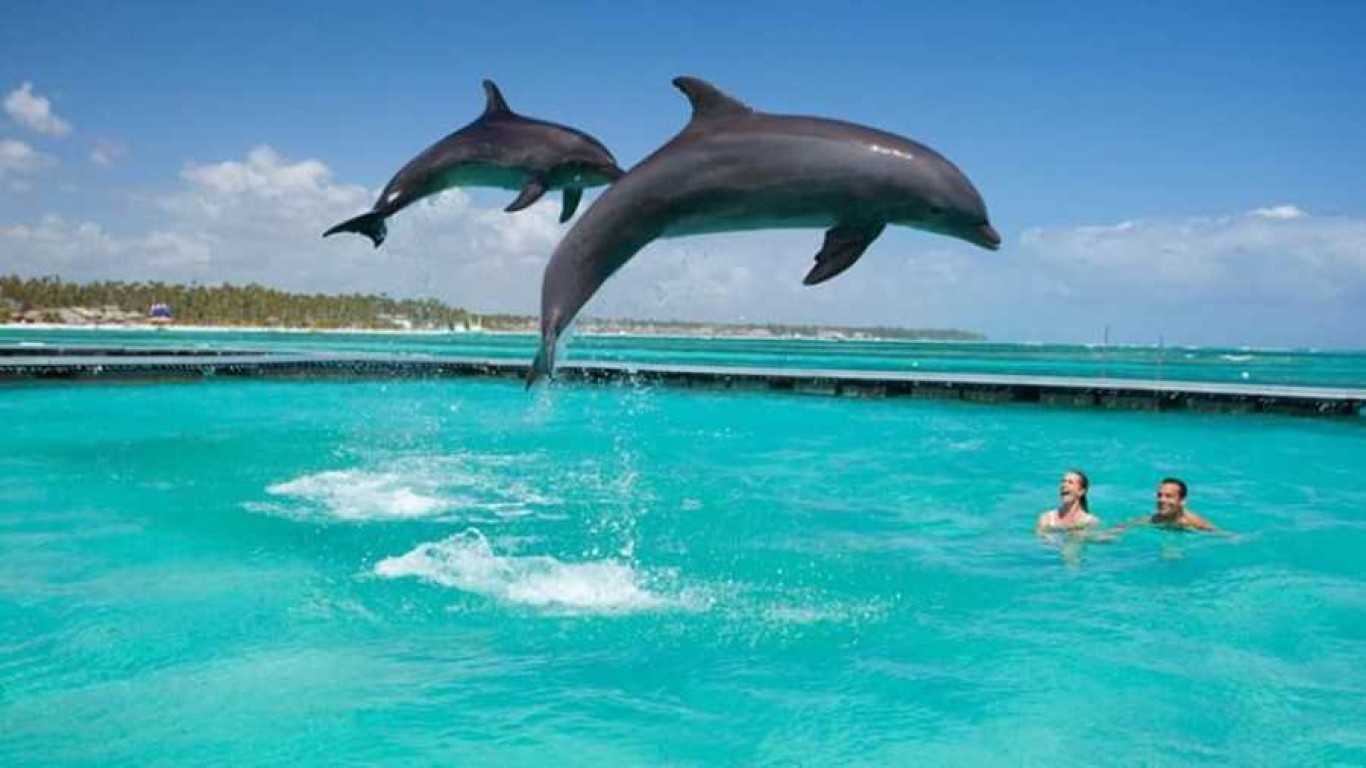
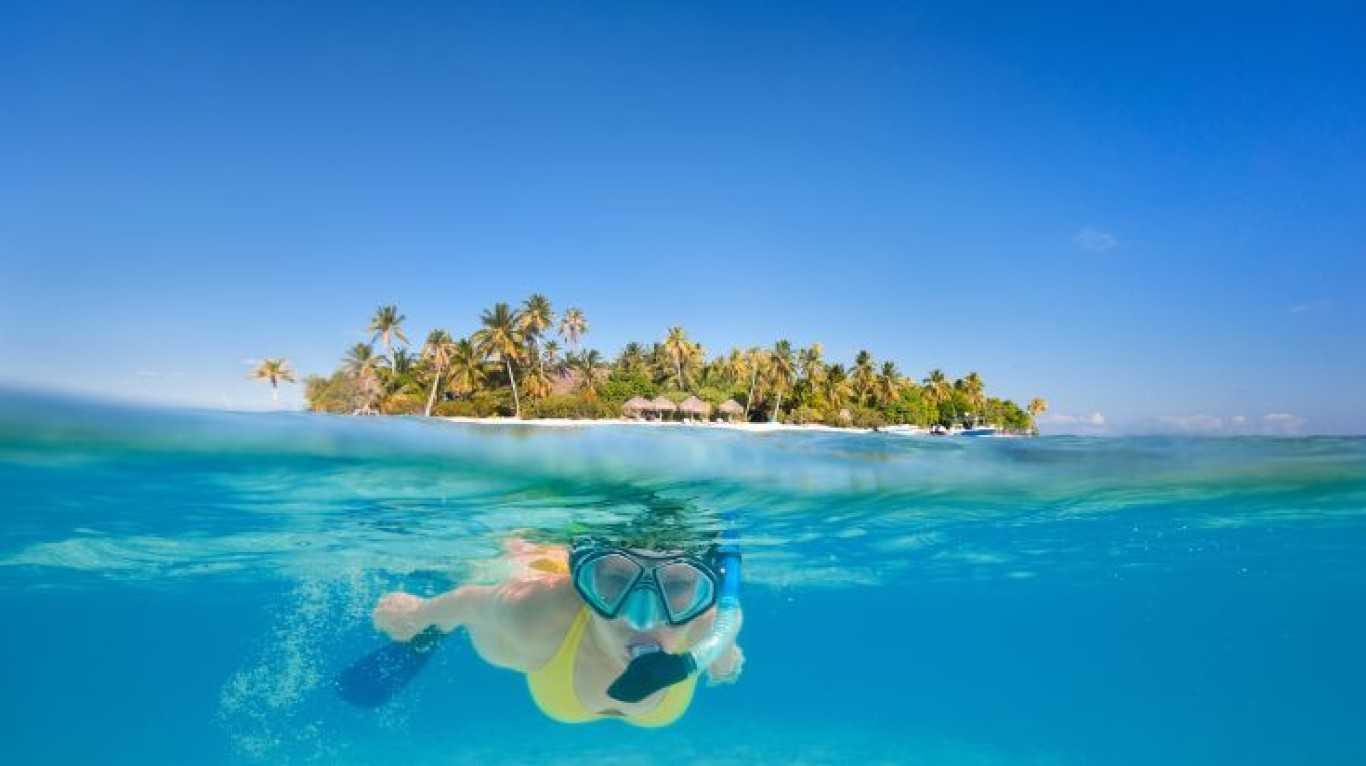
Stone Town is an urban environment on Zanzibar's western shore. The Indian Ocean immediately offshore supports spinner dolphin (resident), green and hawksbill sea turtle, and seasonal humpback whale (June–October). Prison Island (30-minute boat ride) has a colony of Aldabra giant tortoises aged over 150 years and a snorkelling reef. Nakupenda sandbank (10 minutes by boat) offers sea turtle snorkelling in a marine nature reserve. The Chwaka Bay mangroves north of town are excellent for mangrove kingfisher, heron and wader species.
Top activities
Stone Town walking tour — the 23 mosques, the Anglican Cathedral on the slave market site, the Old Fort, the House of Wonders, and carved teak doors that tell each family's trade history in their brass symbols. Forodhani Night Market — fresh seafood, Zanzibar pizza, urojo soup and coconut juice on the seafront from 18:00. Zanzibar spice farm tour — visiting clove, vanilla, cinnamon, cardamom and black pepper farms inland from Stone Town. Prison Island tortoise colony half-day trip. Nakupenda Beach sandbank picnic and snorkel. Sunset dhow cruise off the Stone Town waterfront. Freddie Mercury's birthplace visit.
About Stone Town
On the western coast of Zanzibar’s main island (Unguja), Stone Town rises from the turquoise water as a labyrinth of coral-stone buildings, minarets and church spires. A UNESCO World Heritage Site since 2000, it is one of the last surviving Swahili coastal trading towns and one of the most atmospheric urban experiences in East Africa.
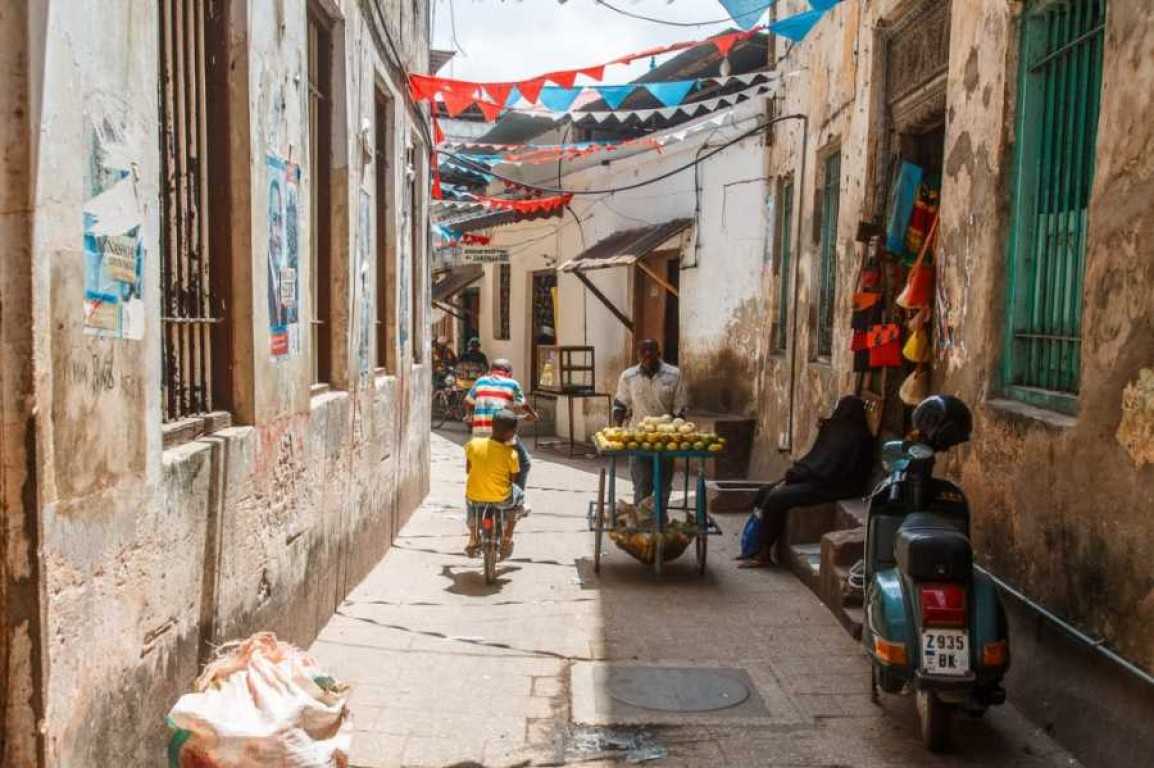
Walk its alleyways and you encounter the full layered history of the Indian Ocean: Omani palaces, Indian merchant houses with carved teak balconies, an Anglican cathedral built on the site of the former slave market, and Portuguese-era fort walls. The town remains a working, lived-in city — not a museum — with markets, mosques, schools and dhow yards all crammed into one square kilometre.
Where is Stone Town?
Stone Town occupies the western promontory of Zanzibar City, the capital of the Zanzibar archipelago. It is roughly 15 minutes by taxi from Abeid Amani Karume International Airport (ZNZ) and serves as the arrival hub for all visitors to Unguja and Pemba islands.
A short history of Stone Town
Stone Town grew up on the spice and slave trades. Settled by Persian merchants in the 10th century and absorbed by the Sultanate of Oman in the 1690s, by the early 19th century it had become the wealthiest city in East Africa. Sultan Said bin Sultan moved his capital from Muscat to Zanzibar in 1840, drawn by the fortune that came with cloves — for a brief period Zanzibar produced 90% of the world’s supply. The same wealth, however, was built in part on one of the largest slave markets in East Africa, finally closed under British pressure in 1873. Today the cathedral and museum that stand on its site offer a sobering and essential perspective on that history.
Top things to do in Stone Town
Guided walking tour
A 2–3 hour walking tour with a local guide is the single best introduction. Standard itineraries cover the Old Fort, the House of Wonders (currently undergoing major restoration), Forodhani Gardens, the Anglican Cathedral, Freddie Mercury’s birthplace, the Hamamni Persian Baths and the spice market.
Forodhani Night Market
Every evening at sunset, Forodhani Gardens transforms into Stone Town’s open-air food market. Grilled seafood skewers, Zanzibari pizza, sugar cane juice and urojo (Zanzibar mix soup) draw locals and travellers alike. Negotiate prices upfront and watch for the freshest stalls.
Spice tour
A half-day visit to one of the spice farms outside town, where guides demonstrate how cloves, vanilla, cinnamon, nutmeg, cardamom and turmeric are grown and processed. Lunch is usually a Zanzibari biryani cooked over an open fire.
Sunset dhow cruise
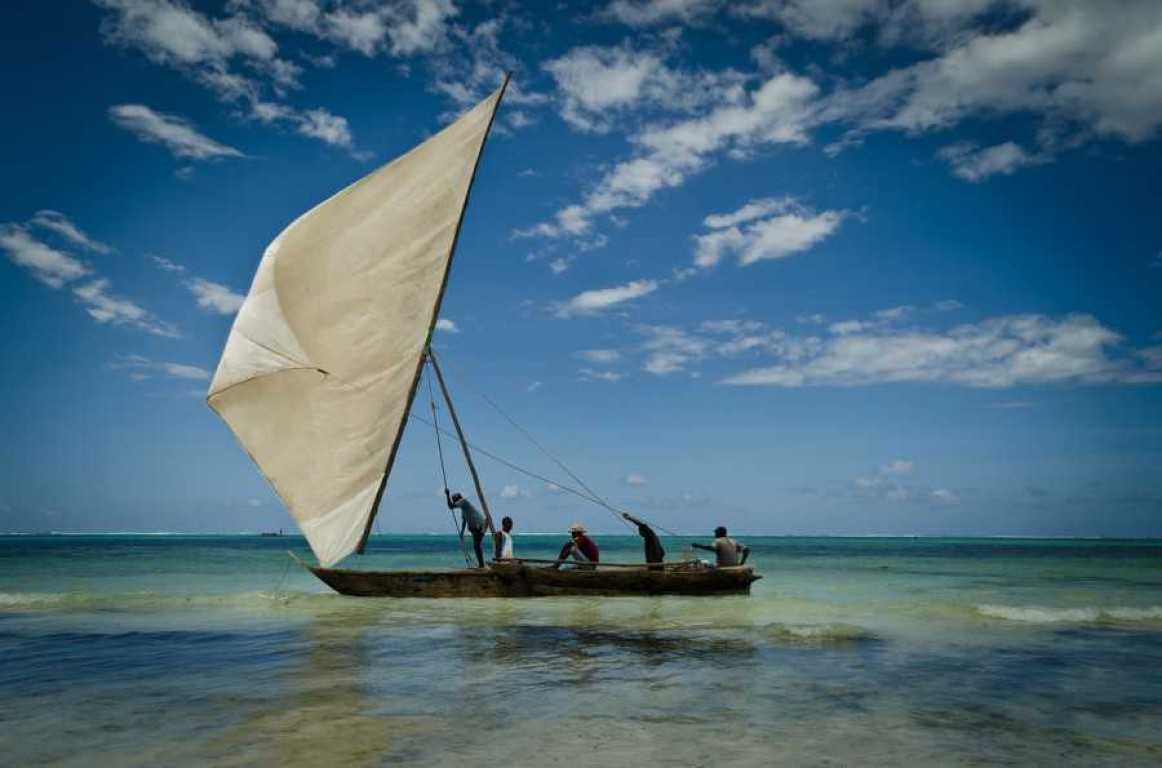
Two to three hours on a traditional wooden dhow off Stone Town’s western shoreline — the iconic Zanzibar postcard, especially in October when the wind drops and the sea turns to copper.
Prison Island (Changuu)
A 30-minute boat ride from Stone Town to Prison Island, home to a colony of Aldabra giant tortoises (some over 150 years old) and good snorkelling on the surrounding reef.
What to eat in Stone Town
Zanzibari cuisine is Swahili at its core, with strong Arab, Indian and Portuguese influences. Don’t leave town without trying:
- Zanzibar mix (urojo) — a tangy yellow soup with bhajia, cassava and coconut chutney.
- Pweza wa nazi — octopus slow-cooked in coconut and turmeric.
- Biryani and pilau — fragrant rice dishes that reflect the Omani legacy.
- Mishkaki — grilled beef or chicken skewers, best from Forodhani at dusk.
- Mandazi and chai — the local breakfast, cardamom-spiced tea and sweet fried dough.
Where to stay in Stone Town
Most accommodation occupies restored historic mansions: think rooftop terraces, internal courtyards and the occasional creaky four-poster. The choice typically comes down to atmosphere versus comfort:
- Boutique heritage hotels — Emerson on Hurumzi, Park Hyatt Zanzibar, Tembo House.
- Mid-range heritage guesthouses — Maru Maru, Zanzibar Palace Hotel, Dhow Palace.
- Budget — backpackers and family-run lodgings around the eastern edge of the historic centre.
Most travellers stay in Stone Town for 1–2 nights before moving to a beach hotel on the north, east or southeast coasts.
How to get to Stone Town
- By air — Zanzibar International Airport (ZNZ) serves direct flights from Dar es Salaam (20 minutes), Arusha and Kilimanjaro (~1 hour), Nairobi, Doha, Addis Ababa and Istanbul, plus seasonal European charters.
- By ferry — high-speed ferries from Dar es Salaam take roughly 2 hours and dock at Stone Town port.
Practical tips for Stone Town
- Zanzibar is conservative. Cover shoulders and knees in town, especially around mosques and during Ramadan.
- Power cuts are not unusual — choose hotels with generators if reliability matters to you.
- Tap water is not safe to drink; bottled or filtered only.
- Negotiate taxi fares before getting in. Stone Town to ZNZ airport should be around USD 15.
- During Ramadan, daytime restaurant options shrink considerably — check ahead.
Combine Stone Town with…
- Nungwi Beach — the most developed beach destination on the north coast.
- Paje Beach — the kitesurfing capital of the southeast.
- Mnemba Island — the archipelago’s top snorkelling and diving spot.
- A pre-beach Serengeti safari or Kilimanjaro climb.
Frequently asked questions about Stone Town
How many days do you need in Stone Town?
One full day covers the historical core; two nights lets you add a spice tour, Prison Island and a sunset dhow cruise without rushing.
Is Stone Town safe for tourists?
Yes, generally very safe by day. Petty theft does happen at night in quieter alleys — stick to main streets after dark, leave valuables at the hotel and use registered taxis.
Do I need a visa for Zanzibar?
Zanzibar is part of Tanzania, so a standard Tanzania tourist visa (e-visa or visa-on-arrival for most nationalities) is what you need. There is no separate Zanzibar visa.
Is Stone Town walkable?
Entirely. The historic core is too narrow for cars in most places. Sturdy shoes are a good idea — cobbles and uneven steps everywhere.
Can I drink alcohol in Stone Town?
Yes — in licensed hotel bars and restaurants. Public drinking is not appropriate in a predominantly Muslim city.
When is the Zanzibar International Film Festival?
Usually held in late June or early July at the Old Fort — East Africa’s largest cultural festival and a wonderful time to be in town if you can get accommodation.
Want to visit Stone Town?
Get a free custom safari plan within 24 hours.
Stone Town safari tours