Packing correctly for a Tanzania safari can make a huge difference in your comfort and overall experience. Safaris usually involve early morning game drives, dusty roads, changing temperatures, and long hours in the wilderness, so having the right gear is essential.
The good news is that you don’t need to overpack. A well-planned packing list with practical clothing and travel essentials will help you stay comfortable while exploring Tanzania’s national parks.
If this is your first safari, you may also want to read the full Tanzania Safari Guide and helpful planning advice in Tanzania Safari for First Timers.
Essential Clothing for a Tanzania Safari
Comfortable and neutral-colored clothing works best on safari. Avoid bright colors and camouflage patterns.
Recommended clothing includes:
-
Lightweight long-sleeve shirts
-
Comfortable T-shirts
-
Lightweight safari pants
-
Shorts for warm afternoons
-
Fleece jacket or warm sweater
-
Waterproof jacket
-
Comfortable walking shoes or hiking boots
-
Sandals for relaxing at camp
-
Hat or cap for sun protection
Neutral colors such as khaki, beige, olive, and brown are ideal because they blend well with the natural environment.
Safari mornings can be surprisingly cold, especially during early game drives, so layering is important.
To plan the best time for weather conditions, see Best Time to Visit Tanzania.
Important Travel Documents
Make sure you bring all required travel documents.
Essential documents include:
-
Passport (valid for at least 6 months)
-
Tanzania visa
-
Travel insurance
-
Flight tickets
-
Safari booking confirmations
-
Vaccination certificates if required
Travel requirements may vary depending on your country of origin, so always check official travel advice before your trip.
You can learn more in the guides on Tanzania Visa Requirements and Tanzania Travel Vaccinations.
Safari Gear and Equipment
Certain gear can greatly improve your safari experience.
Recommended items include:
-
Binoculars for wildlife viewing
-
Camera with extra memory cards
-
Spare batteries or power bank
-
Sunglasses
-
Small backpack for day trips
-
Reusable water bottle
-
Flashlight or headlamp
A camera with a zoom lens is particularly helpful for photographing wildlife from a distance.
If you want to see the most iconic animals during your safari, read Big Five Animals Tanzania and What Animals Can I See on a Tanzania Safari.
Health and Personal Items
Health and hygiene items are essential when traveling in remote areas.
Pack items such as:
-
Sunscreen
-
Lip balm with SPF
-
Insect repellent
-
Personal medications
-
Hand sanitizer
-
Wet wipes
-
Basic first aid kit
Insect repellent is especially important in some safari regions, particularly near rivers and lakes.
You may also want to read the safety tips in Is Tanzania Safe for Tourists.
Luggage Tips for Safari Travel
Most safari vehicles and small bush flights have luggage restrictions, so soft duffel bags are recommended instead of hard suitcases.
A typical luggage limit for safari flights is around 15 kg (33 lbs) including carry-on baggage.
Soft bags are easier to store in safari vehicles and aircraft compartments.
Optional Items That Can Improve Your Safari
While not essential, some items can enhance your safari experience.
Optional items include:
-
Travel pillow for long drives
-
Notebook for travel journaling
-
Field guide for African wildlife
-
Extra camera lens
-
Lightweight scarf or buff
These items can add convenience and help you fully enjoy your wildlife adventure.
Packing for Different Safari Regions
Packing needs may vary slightly depending on where you plan to go in Tanzania.
For example:
-
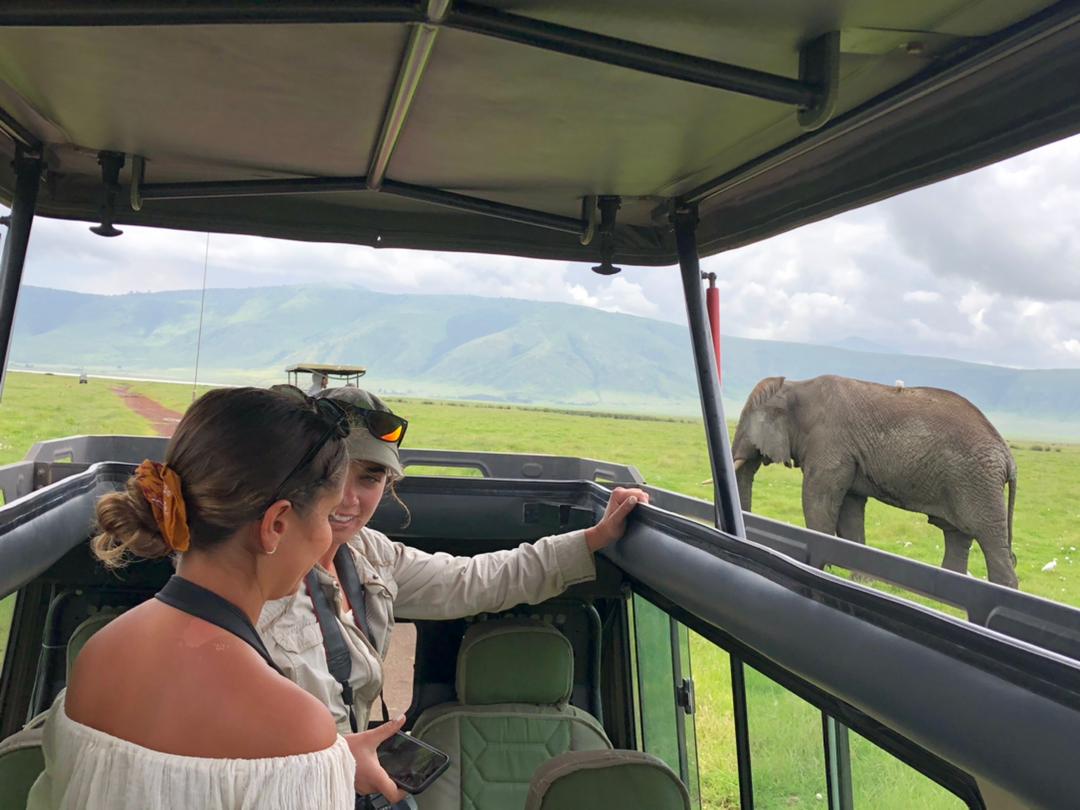
Northern circuit safaris like Serengeti and Ngorongoro may require warmer clothing due to cooler mornings.
-
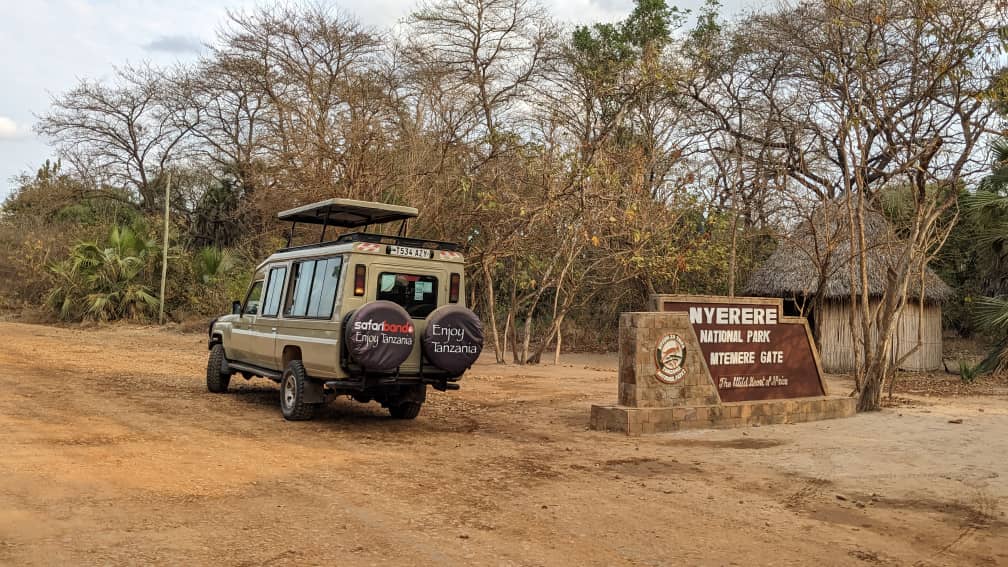
Southern parks like Nyerere and Ruaha can be hotter and more humid.
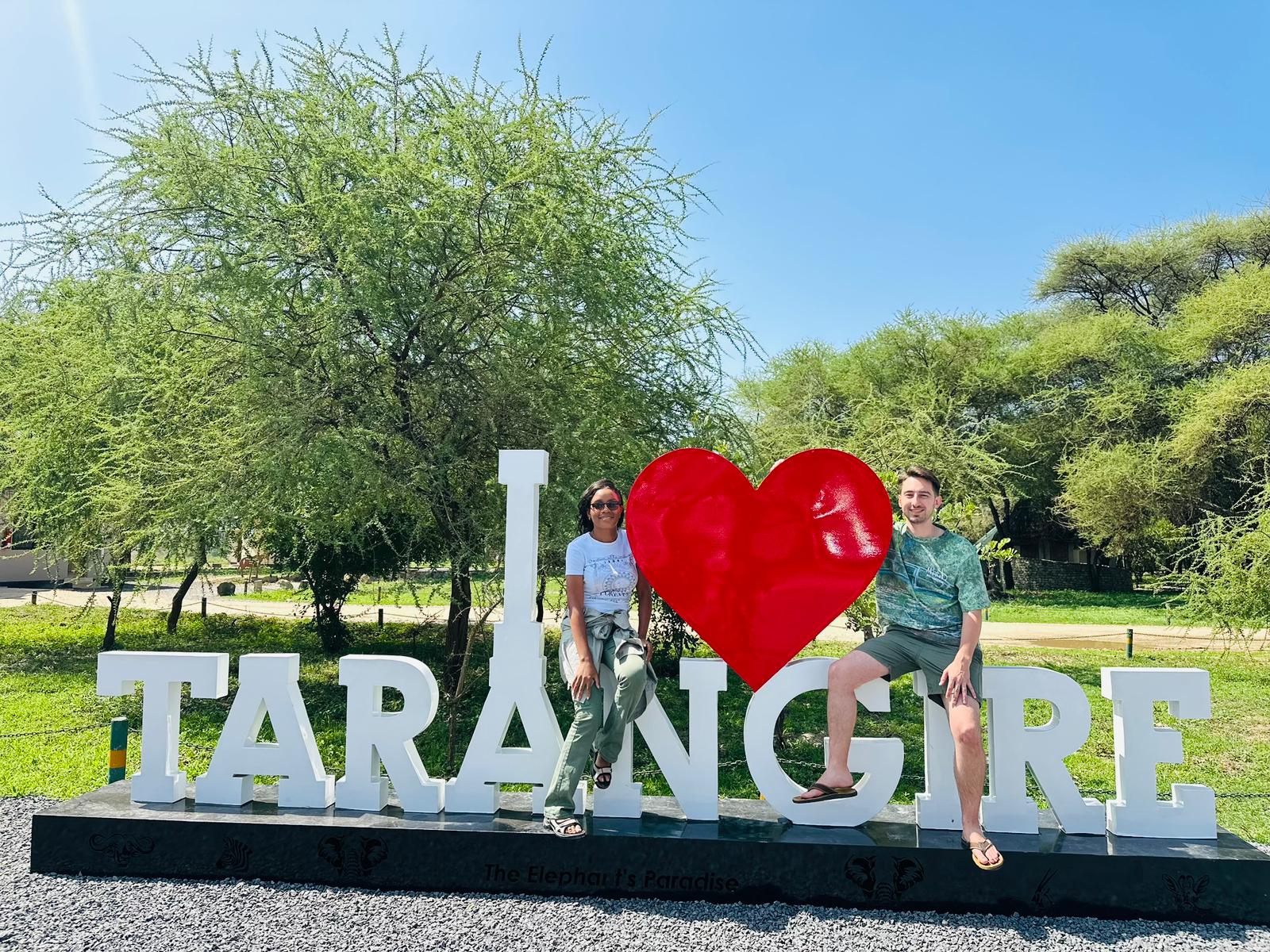
You can explore specific parks in the guides for Serengeti National Park Guide, Ngorongoro Crater Guide, and Tarangire National Park Guide.
Final Safari Packing Tips
Packing smart will help you stay comfortable and focused on enjoying Tanzania’s incredible wildlife and landscapes.
Remember these key tips:
-
Pack light and practical clothing
-
Choose neutral colors
-
Bring essential travel documents
-
Use a soft duffel bag
-
Carry a good camera and binoculars
With the right packing strategy, you will be ready to fully enjoy the adventure of a lifetime exploring Tanzania’s national parks.
To start planning your trip, read the full Best National Parks in Tanzania and the comprehensive Tanzania Safari Guide.