
Quick facts
Destinations
11 parks & reserves
Tour categories
0 safari styles
Tours available
0 packages
Climate
About Zanzibar
Zanzibar is a name that carries a weight of association beyond its geography — a word that conjures spice, dhow sails, coral-stone architecture, the Indian Ocean and a trading history stretching back two millennia. The Zanzibar Archipelago comprises the main island of Unguja (commonly called Zanzibar Island), the smaller Pemba Island to the north and several smaller islets. Its 1.7 million inhabitants speak Swahili as their first language in the dialect that linguists consider the most standard form of the language — the tongue that spread along the East African coast as far as the Congo basin, carried by the same trading dhows that brought Arab, Persian and Indian culture to these shores.
Stone Town
Stone Town — the old quarter of Zanzibar City and a UNESCO World Heritage Site since 2000 — is one of the finest small cities in the world. Its narrow alleys (too narrow for cars in most of the old town), coral-stone buildings with their Indian-influenced carved wooden balconies, 23 mosques, the Anglican Cathedral built on the site of the last open slave market in East Africa, the Old Fort of 1700 and the House of Wonders (the first building in East Africa to have electric lights) all exist within 15 minutes walk of each other. The Forodhani Night Market on the seafront — open from 6pm daily — is the finest street food experience on the East African coast: fresh grilled seafood, Zanzibar pizza (a stuffed flatbread cooked on a griddle), urojo soup, sugar cane juice and coconut bread at tables set up on the waterfront beside ancient cannon.
The beaches
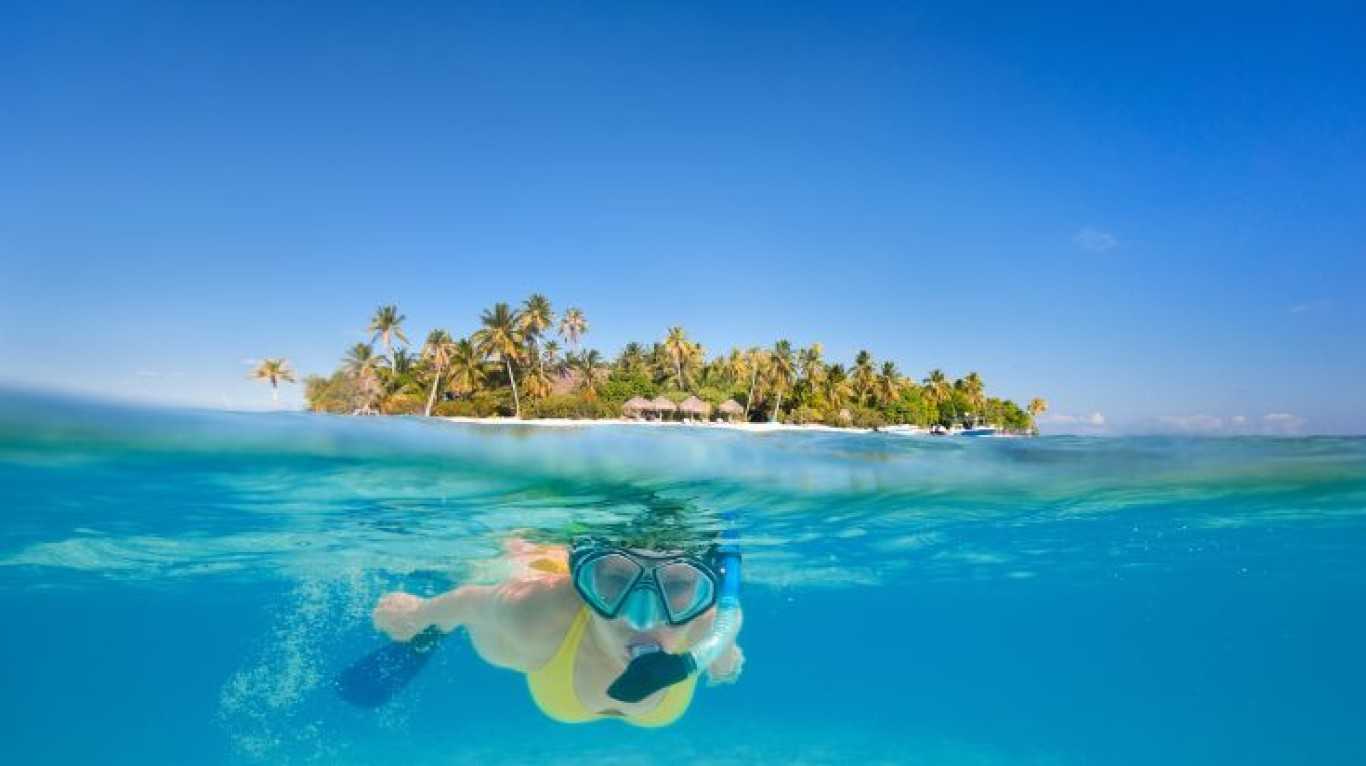
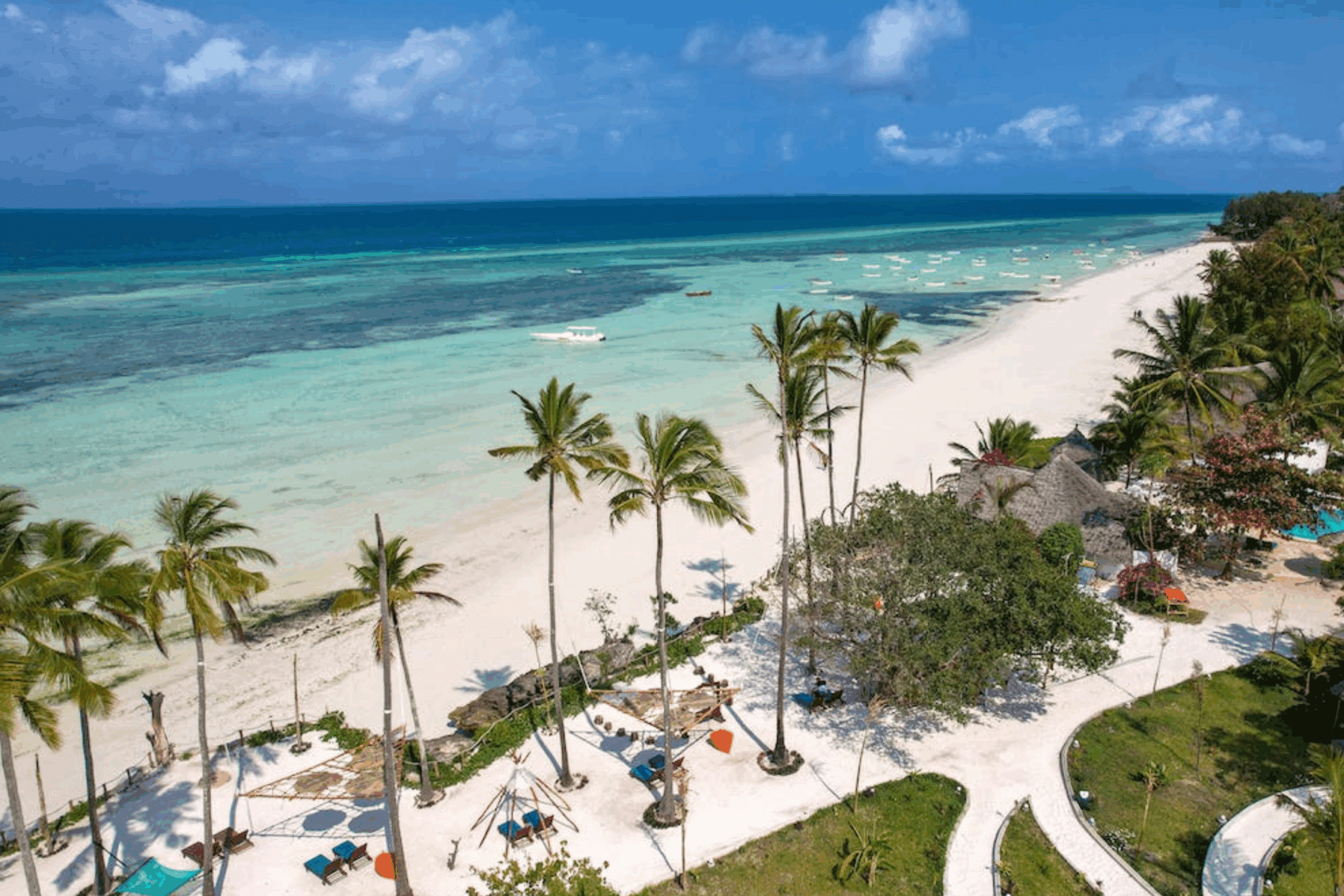
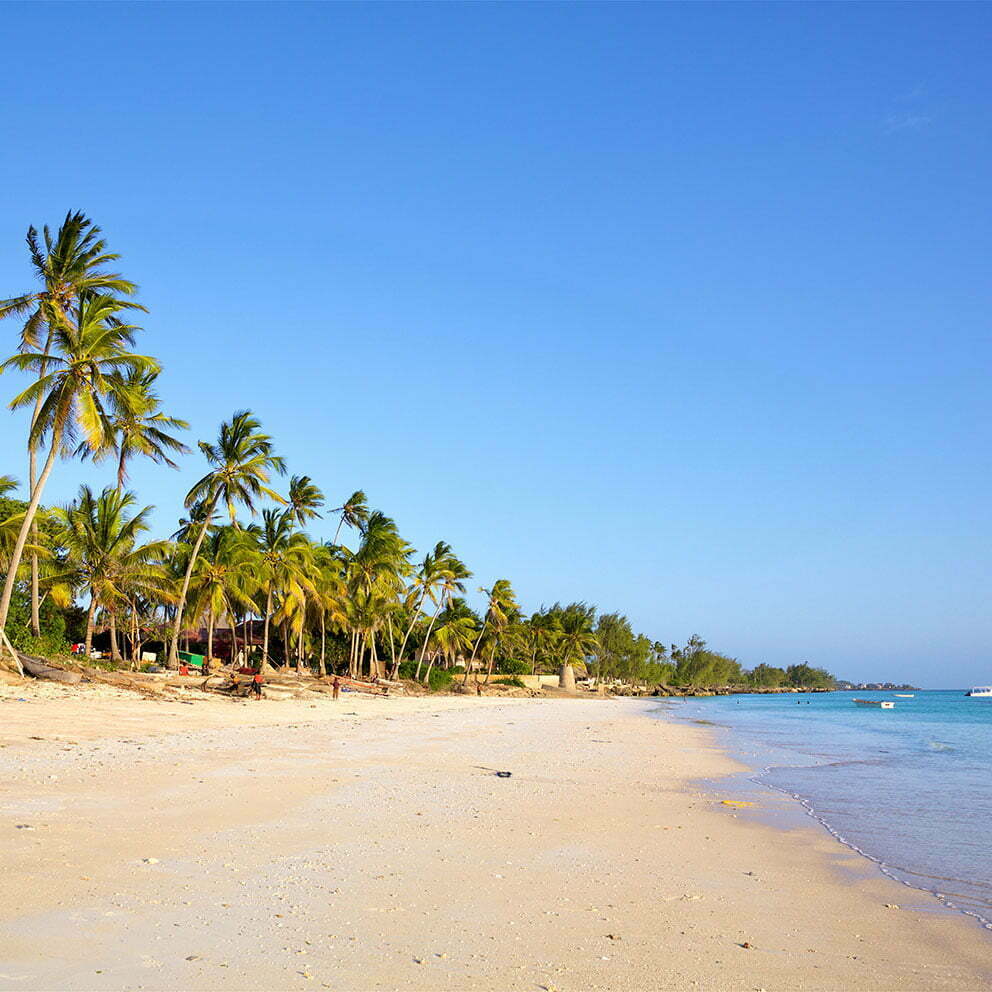
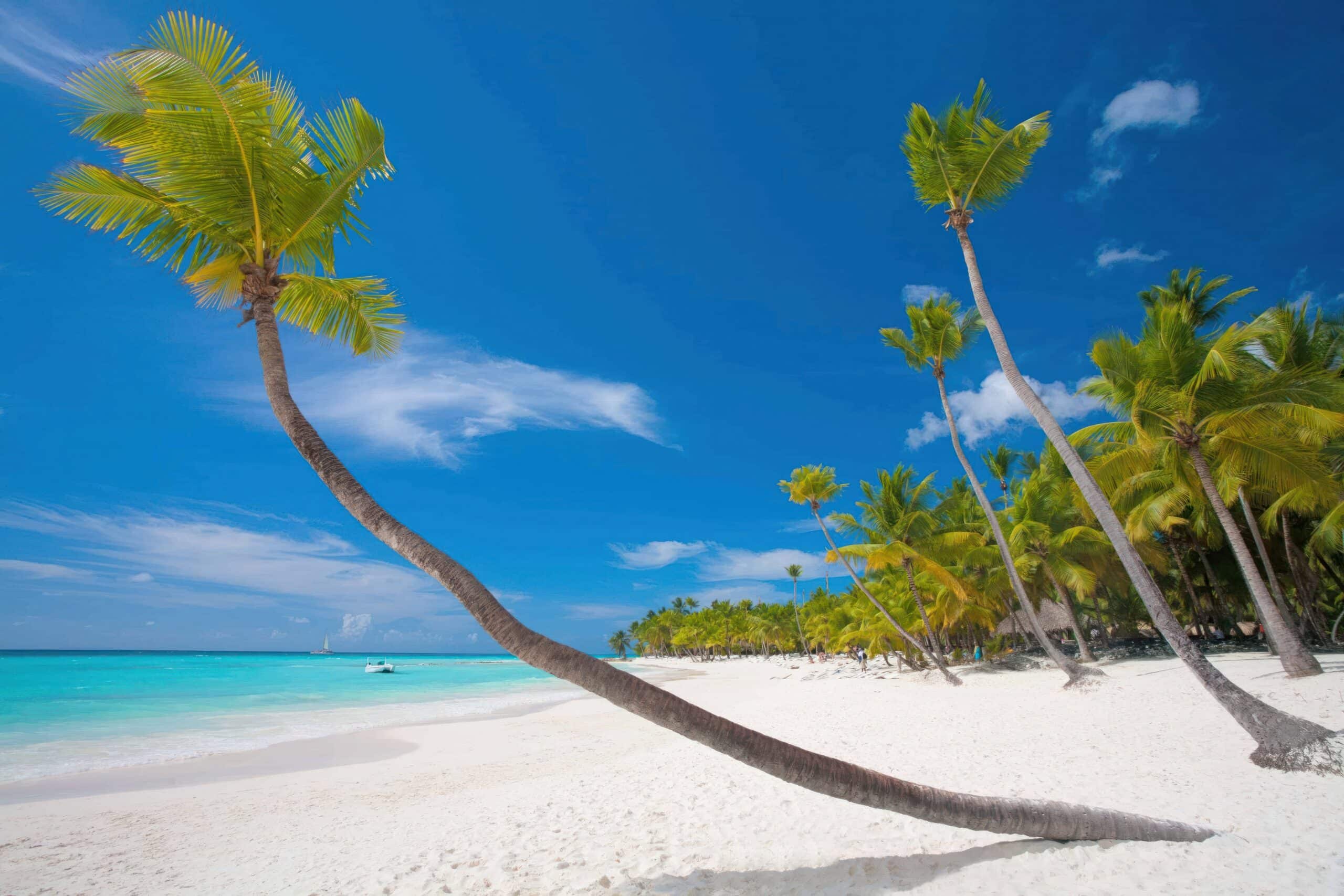
Zanzibar's beaches divide clearly between north and east. The northern beaches — Nungwi and Kendwa — face west and benefit from minimal tidal variation: the beach is swimmable all day, which the east coast cannot offer. Nungwi has the widest range of accommodation and the most social atmosphere; Kendwa is quieter and hosts the famous monthly full-moon beach party at Kendwa Rocks. Both face the Zanzibar Channel for Indian Ocean sunsets.
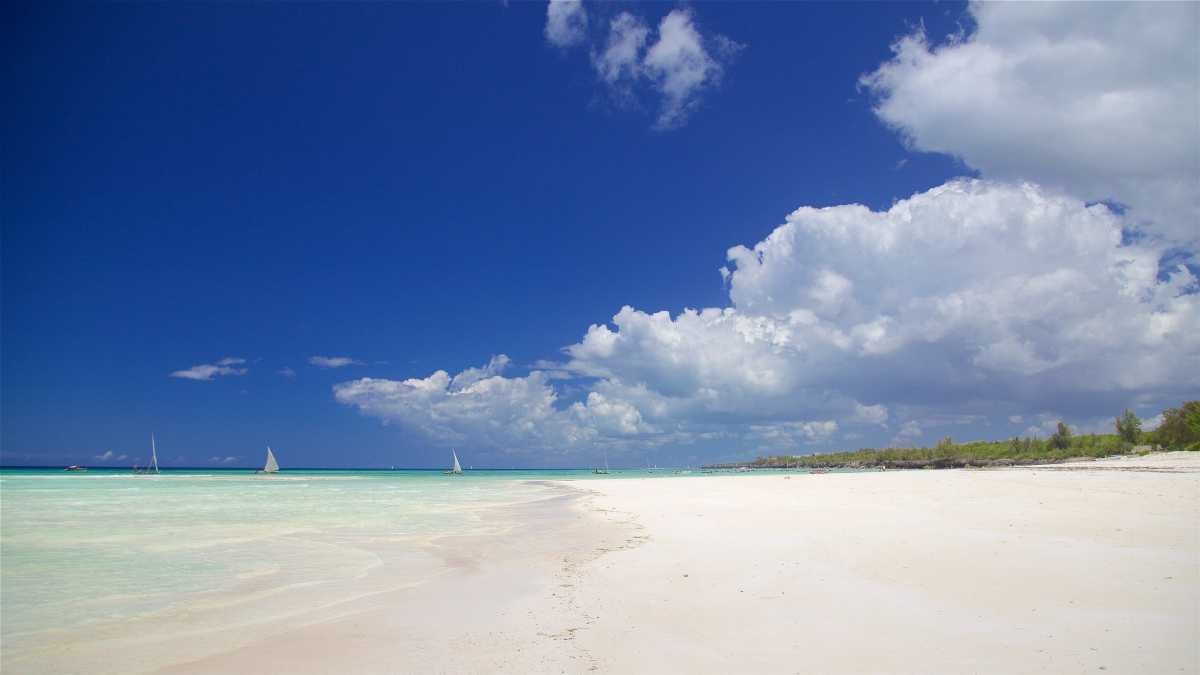
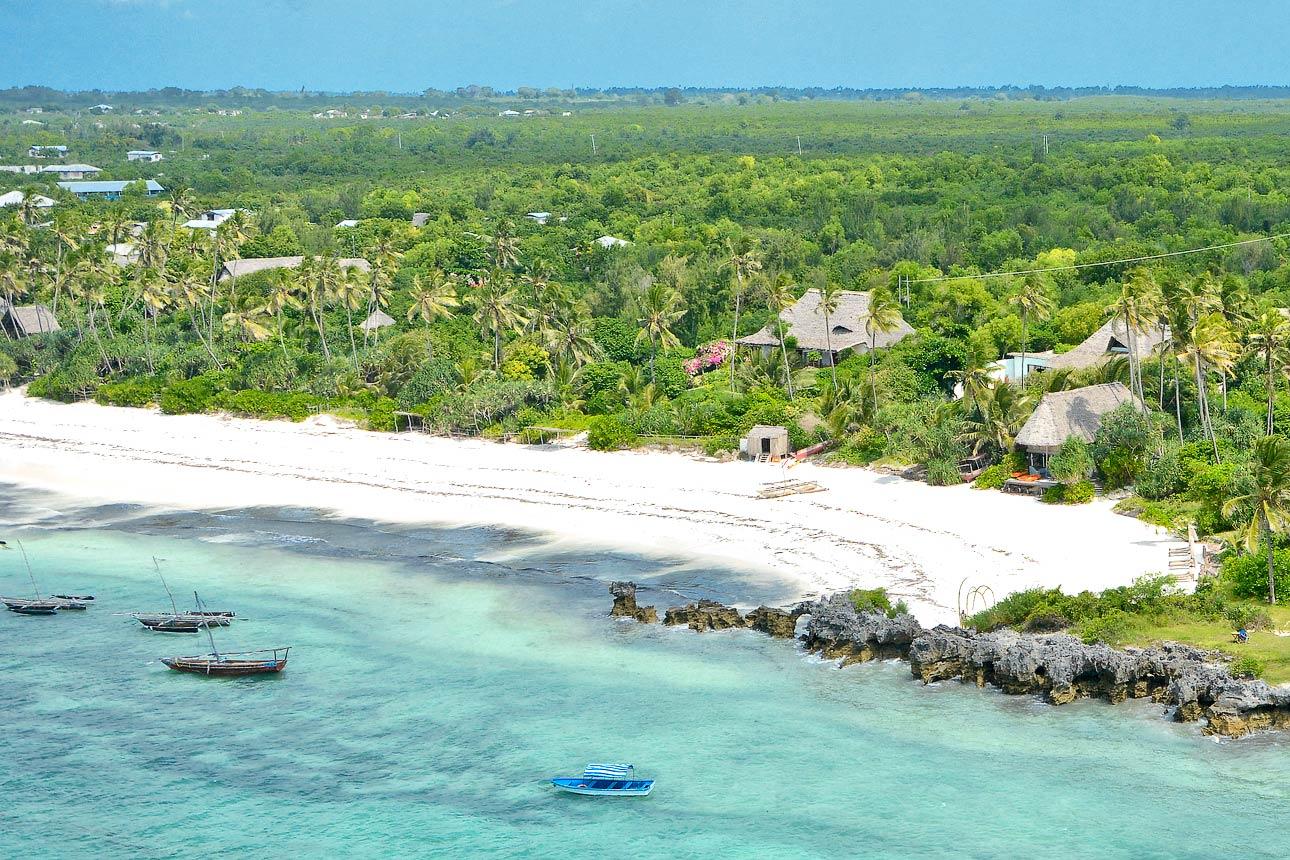
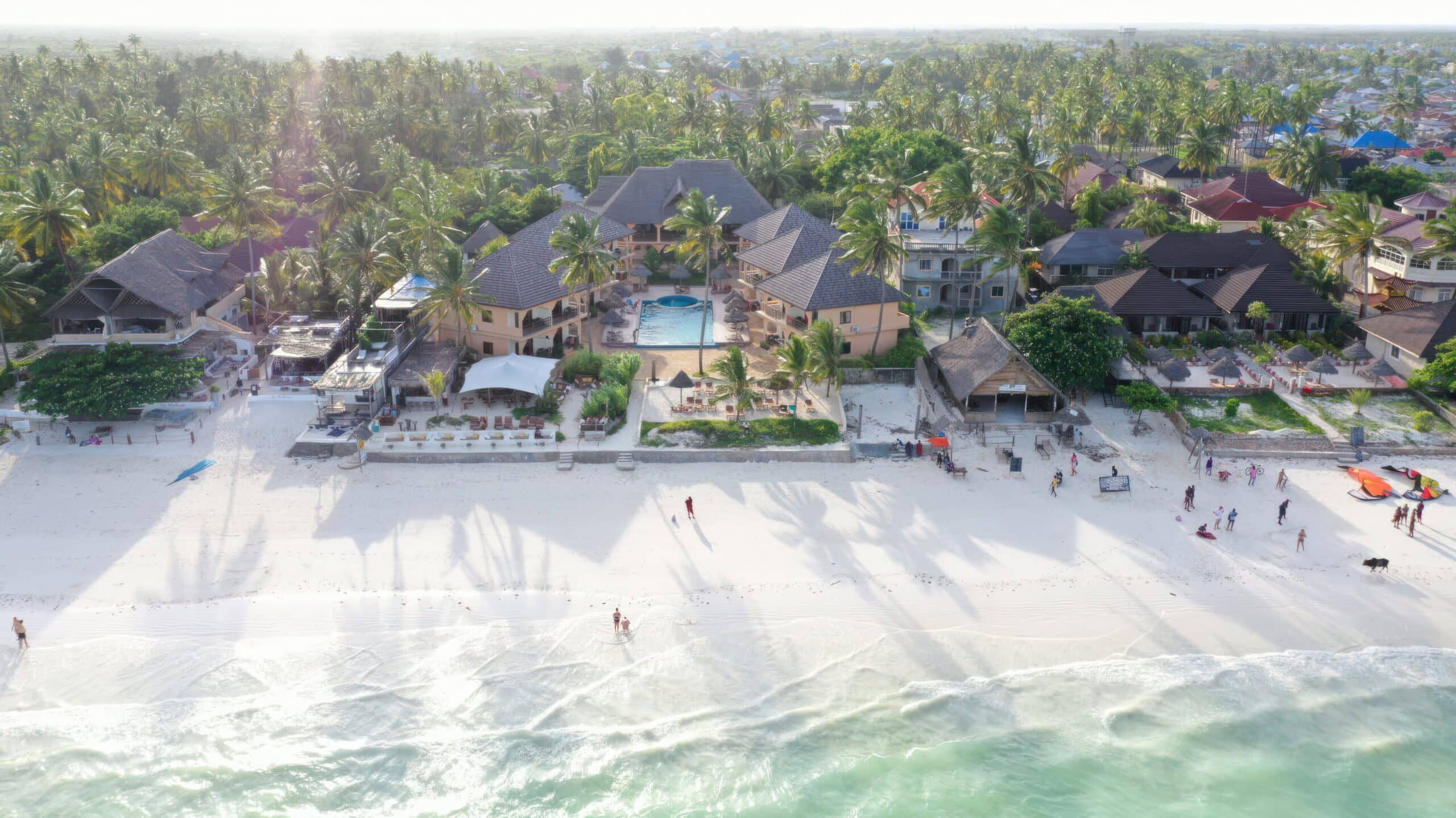
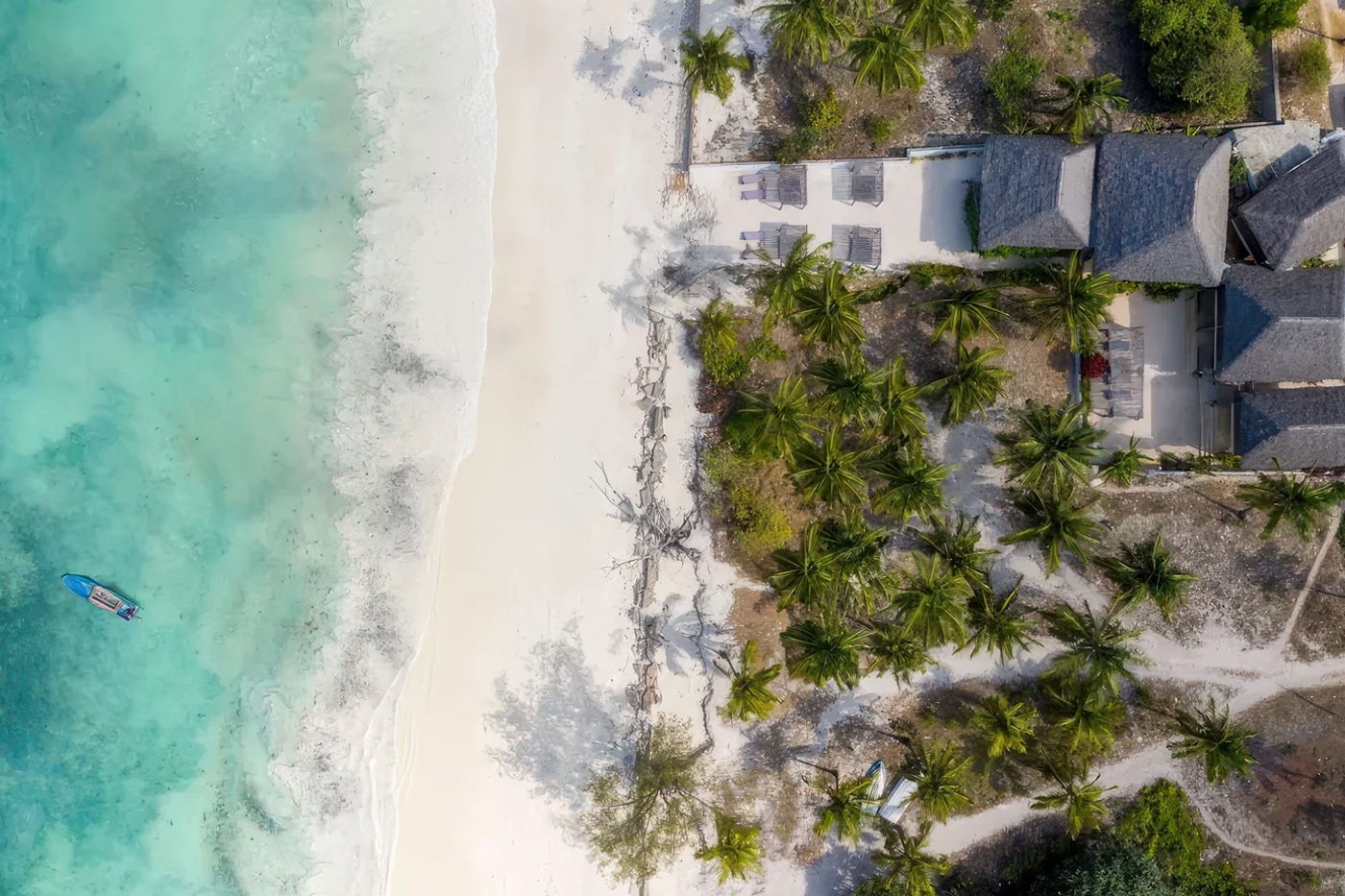
The east coast — Paje, Jambiani, Bwejuu, Matemwe — has a significant tidal range but compensates with a different character: working fishing and seaweed-farming communities, kitesurfing at Paje (East Africa's kitesurfing capital) and the closest mainland access to Mnemba Island at Matemwe. The east coast beaches are quieter, more affordable and more culturally textured than the developed north.
Mnemba Island diving
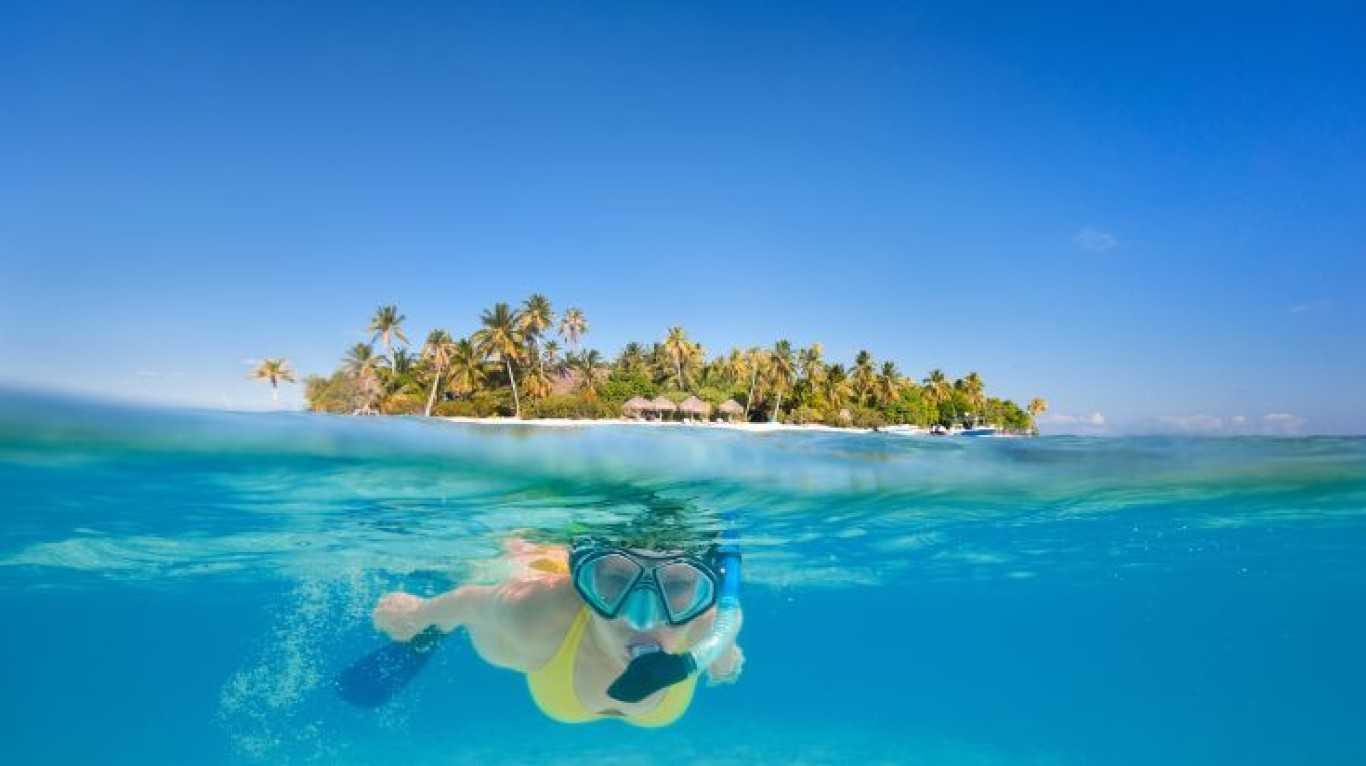
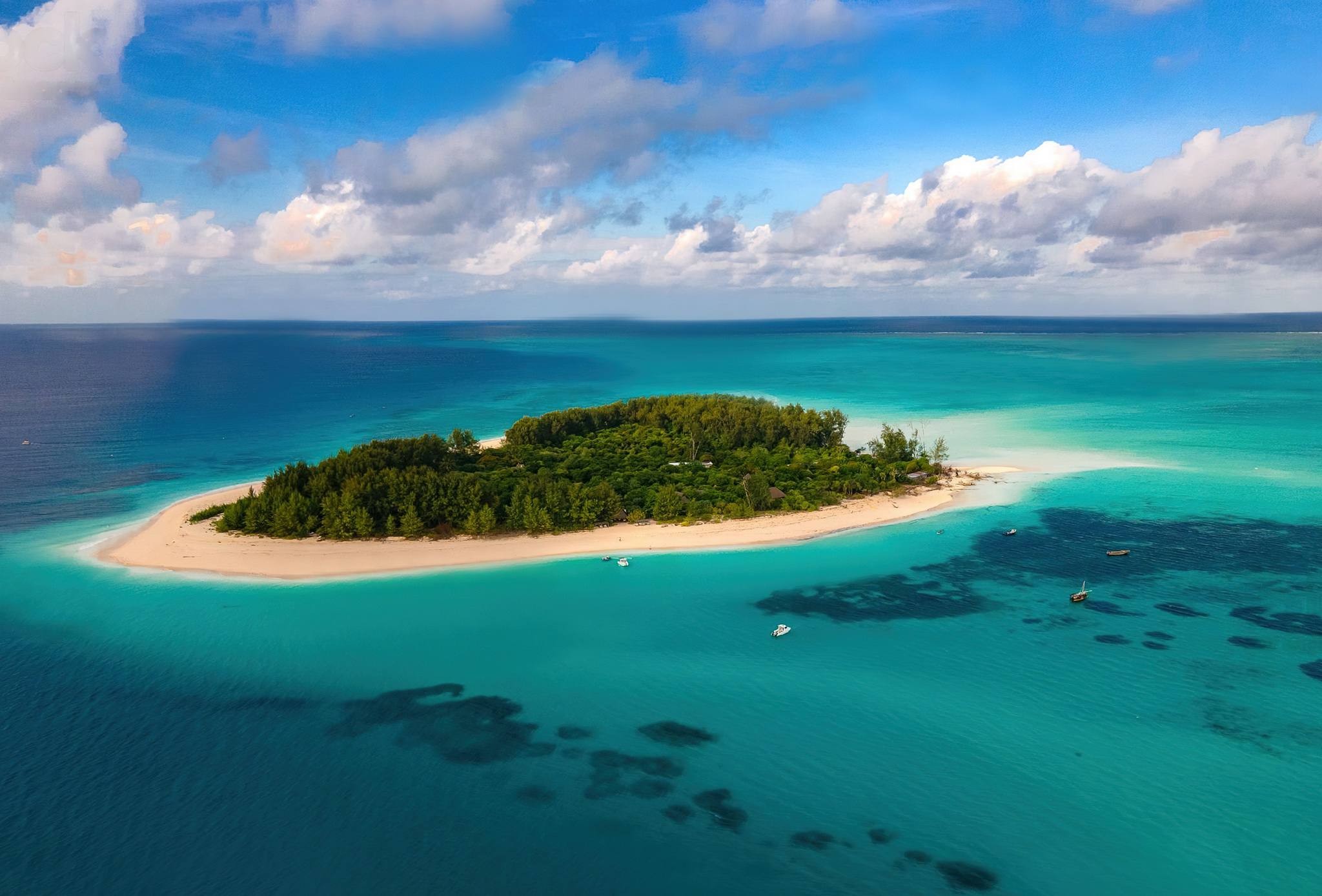
Mnemba Island — 3 km off the northeast coast — is surrounded by one of the finest coral reef systems in the western Indian Ocean. Over 200 coral species and 400 fish species in a fully protected marine conservation area make the Mnemba Atoll the best diving destination in the Zanzibar Archipelago. Green sea turtles rest and nest on the island beach (hatchlings November to March). Spinner dolphins inhabit the surrounding channel. Whale sharks pass seasonally. The reef is accessible to day visitors from all northeast coast beaches; the island itself is a private lodge with 12 bandas.
Cultural experiences
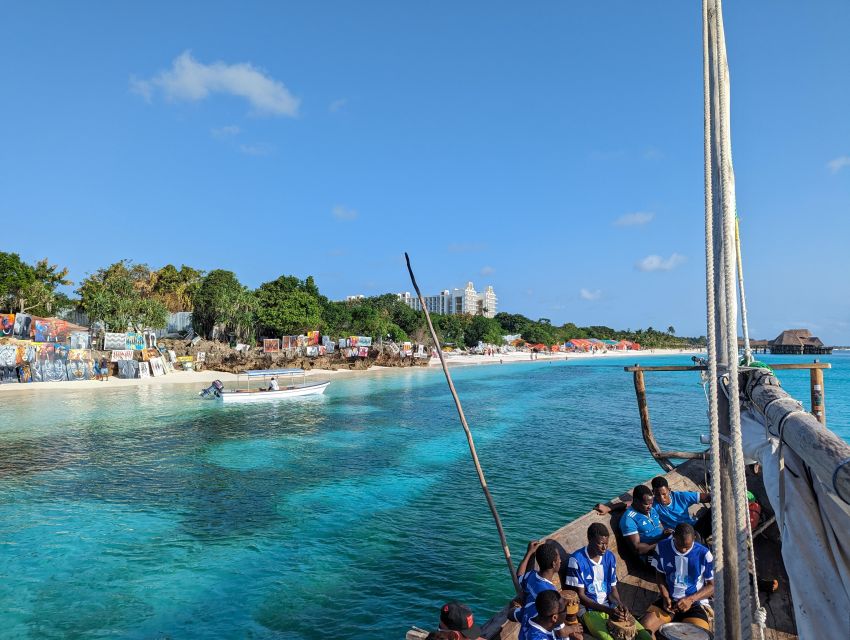
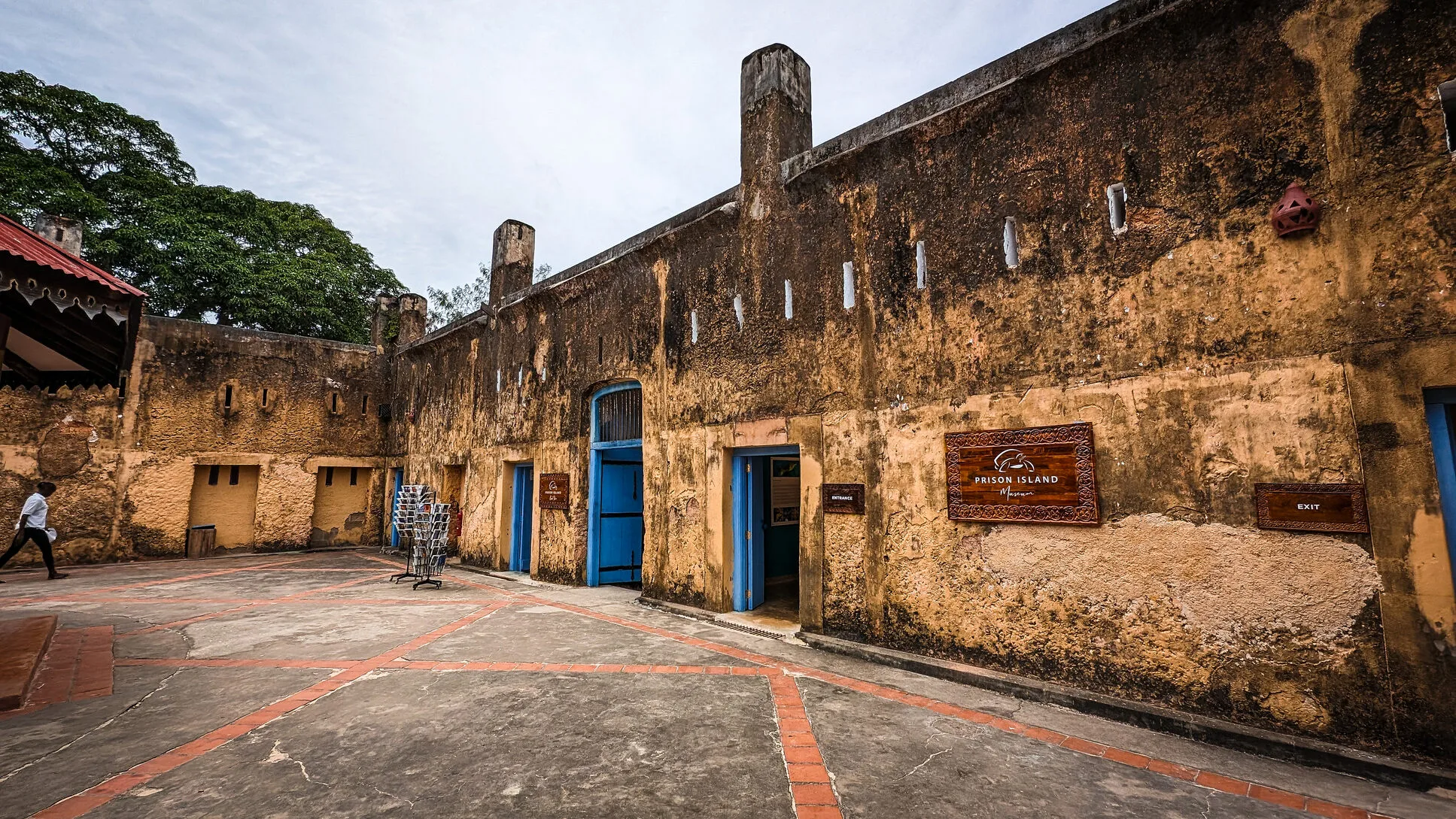
Zanzibar's cultural offer extends beyond the beach. The Zanzibar Spice Tour visits working farms producing cloves (Zanzibar was the world's largest clove producer in the 19th century), vanilla, cinnamon, cardamom, black pepper and dozens of other spices within 20 km of Stone Town. Prison Island (Changuu, 25 minutes by boat from Stone Town) has a colony of Aldabra giant tortoises estimated at over 150 years old and a snorkelling reef. The Nakupenda sandbank — a tidal sand spit that emerges from the ocean 10 minutes by boat from Stone Town — offers fresh seafood grilled on the sand, snorkelling and the most photogenic beach experience in the Zanzibar Channel. Kizimkazi village on the southern tip has morning spinner dolphin snorkelling trips and the 12th-century Shirazi Mosque — the oldest mosque in East Africa.
Want to visit Zanzibar?
Get a free custom safari plan within 24 hours.
All Zanzibar destinations
 Zanzibar
 Zanzibar
 Zanzibar
 Zanzibar
 Zanzibar
 Zanzibar
 Zanzibar
 Zanzibar
 Zanzibar
 Zanzibar
Zanzibar tour packages
Browse our full tour catalog, or let us tailor a safari to your dates and budget.
Browse All ToursWant to visit Zanzibar?
Get a free custom safari plan within 24 hours.
Best time to visit Zanzibar
Best time to visit Zanzibar
June to October — Kusi season (best for beach comfort and Stone Town)
The south-east trade wind (Kusi) keeps Zanzibar at a comfortable 24 to 27°C with lower humidity than the Kaskazi season. The sea is lively (particularly on the north and west coasts) but the northern beaches at Nungwi and Kendwa remain swimmable due to their minimal tidal variation. June to September is East Africa's kitesurfing season at Paje — consistent 15 to 25 knot winds over the wide lagoon. Stone Town is most pleasant for walking in the Kusi breeze. Good overall diving visibility at Mnemba Island.
December to February — Kaskazi season (warmest and calmest)
The north-east monsoon (Kaskazi) brings the warmest temperatures (28 to 32°C) and the calmest Indian Ocean conditions of the year. The finest diving visibility at Mnemba Island (exceeding 20 metres in good conditions). Dhow sunset cruises and boat trips to Prison Island and Nakupenda sandbank are most comfortable in the flat Kaskazi sea. Green turtle nesting at Mnemba peaks November to January. The busiest and most expensive tourist season — book accommodation and dive boats ahead.
March to May — Long rains (avoid for beach and marine activities)
Significant rainfall and rough Indian Ocean seas. Marine activities are curtailed and the beach experience is limited. Stone Town's cultural sites are accessible year-round but the overall Zanzibar beach experience is significantly diminished. Not recommended for a beach-focused trip.
November — Short rains (transitional, good value)
Brief daily showers, generally manageable for beach activities. Lower accommodation rates than the Kaskazi peak. Green turtle nesting at Mnemba begins in November. A reasonable window for travellers prioritising value over perfect weather.
Zanzibar weather & climate
Zanzibar weather
Zanzibar's climate is tropical maritime — warm and humid year-round, moderated by the monsoon winds that shift direction twice a year. The island experiences two distinct monsoon seasons and two intervening dry periods.
Annual temperature range
Sea temperature: 24 to 29°C year-round, warmest February to April, coolest July to August. Air temperature: 24 to 32°C year-round, with the Kusi season (June to October) notably more comfortable due to the south-east trade wind reducing humidity. Night temperatures rarely drop below 22°C even in the coolest months.
Monsoon seasons
Kusi (south-east monsoon, June to October): The dominant wind season for most of Zanzibar's tourism. Temperatures 24 to 27°C, moderate humidity, seas lively on northern and western coasts, Paje lagoon perfect for kitesurfing. The Kusi wind is the welcome relief from equatorial humidity. Kaskazi (north-east monsoon, December to February): Warm, calm and humid. Seas at their flattest, diving visibility at maximum, ideal for boat trips. The busiest tourist season.
Rainfall
Long rains: March to May (heaviest, 200 to 350mm per month). Short rains: October to November (lighter, 50 to 150mm per month). Dry periods: June to September and December to February. Zanzibar is not a year-round beach destination — the long rains (April to May in particular) are genuinely wet with rough seas. The best beach weather falls in the two dry periods, with June to October offering cooler comfort and December to February offering warmth and calm seas.
Getting to Zanzibar
Abeid Amani Karume International Airport (ZNZ) in Zanzibar Town receives direct international flights from Nairobi (Kenya Airways, Air Tanzania, multiple daily), Dar es Salaam (multiple daily, 30 minutes), Doha (Qatar Airways), Dubai (Fly Dubai), Addis Ababa (Ethiopian Airlines) and Johannesburg (Air Tanzania, seasonal). Flying time from Nairobi is 1 hour; from Doha approximately 5 hours.
From Dar es Salaam, the fast ferry (MV Kilimanjaro or Azam Marine) crosses to Zanzibar's Stone Town waterfront in 1.5 to 2 hours — a popular option for mainland Tanzania travellers combining Zanzibar with a safari. Ferry tickets should be booked in advance, especially in peak season. The ferry experience (crossing the Indian Ocean channel with the Stone Town waterfront appearing ahead) is a fine arrival in its own right.
For travellers combining mainland Tanzania safari with Zanzibar, charter aircraft fly directly from Serengeti airstrips, Arusha and Nyerere National Park to Zanzibar in 30 to 60 minutes — eliminating any need to return to Dar es Salaam. This is the standard routing for safari-and-beach combination itineraries.
Zanzibar travel tips
Entry requirements
Zanzibar is part of Tanzania — your Tanzania tourist visa covers entry to both the mainland and Zanzibar. No separate Zanzibar visa is required. International visitors arriving directly to Zanzibar airport obtain their Tanzania visa or eTA on arrival (eligible nationalities) or must have it in advance. The Tanzania eTA is available online before travel at eservices.immigration.go.tz.
Currency
Tanzanian Shilling (TZS). Most tourist establishments in Zanzibar also accept USD. ATMs in Stone Town dispense TZS; some also dispense USD. Carry TZS cash for local markets, dalla-dalla minibuses and smaller restaurants in Stone Town's medina. Card payment is accepted at hotels and larger restaurants.
Dress code in Stone Town
Stone Town is a predominantly Muslim community. Away from the beach, dress modestly — cover shoulders and knees in the old town, the markets and the mosques' surroundings. Swimwear is strictly for the beach only. This is both a sign of respect for the local community and a practical consideration — you will be more welcome in the medina alleys and markets dressed appropriately. Lightweight linen trousers and a t-shirt are comfortable in the heat and appropriate for Stone Town.
Tides on the east coast
Zanzibar's east coast beaches (Paje, Jambiani, Bwejuu) have a significant tidal range — at low tide the reef flat can extend 300 to 400 metres, leaving ankle-deep water over exposed rock. Plan beach days around the tide table; your accommodation will provide it. The north coast beaches (Nungwi, Kendwa) have minimal tidal variation and are swimmable all day — the primary practical advantage of choosing a northern beach for a beach-focused stay.
Health
Zanzibar carries malaria risk year-round (reduced but not eliminated). Malaria prophylactics are recommended. Use DEET-based insect repellent at dawn and dusk. Standard sun protection is essential — the equatorial sun and reflected sea light are intense. Tap water in Zanzibar is not reliably safe — drink bottled or filtered water throughout your stay.
Want to visit Zanzibar?
Get a free custom safari plan within 24 hours.
