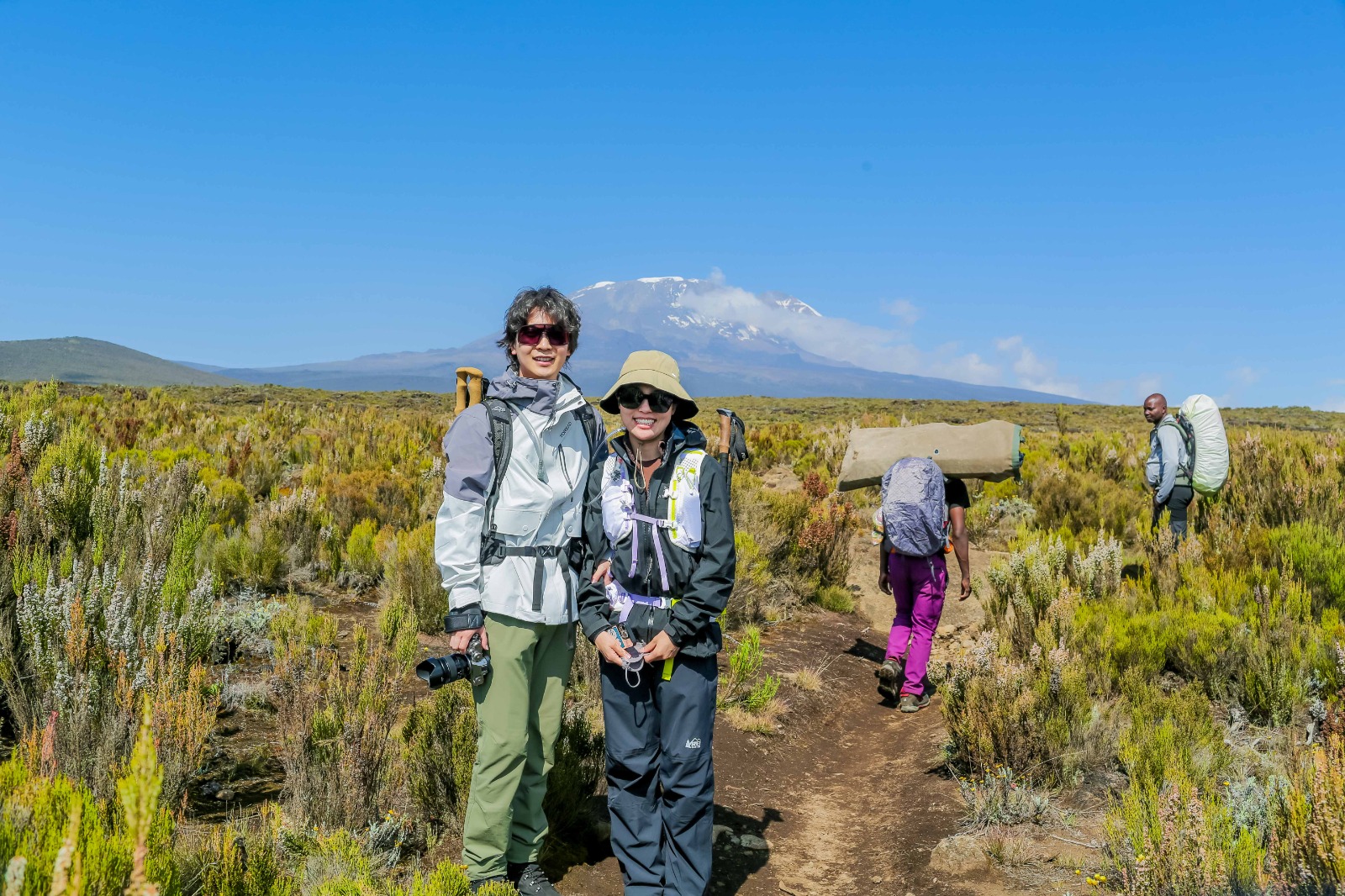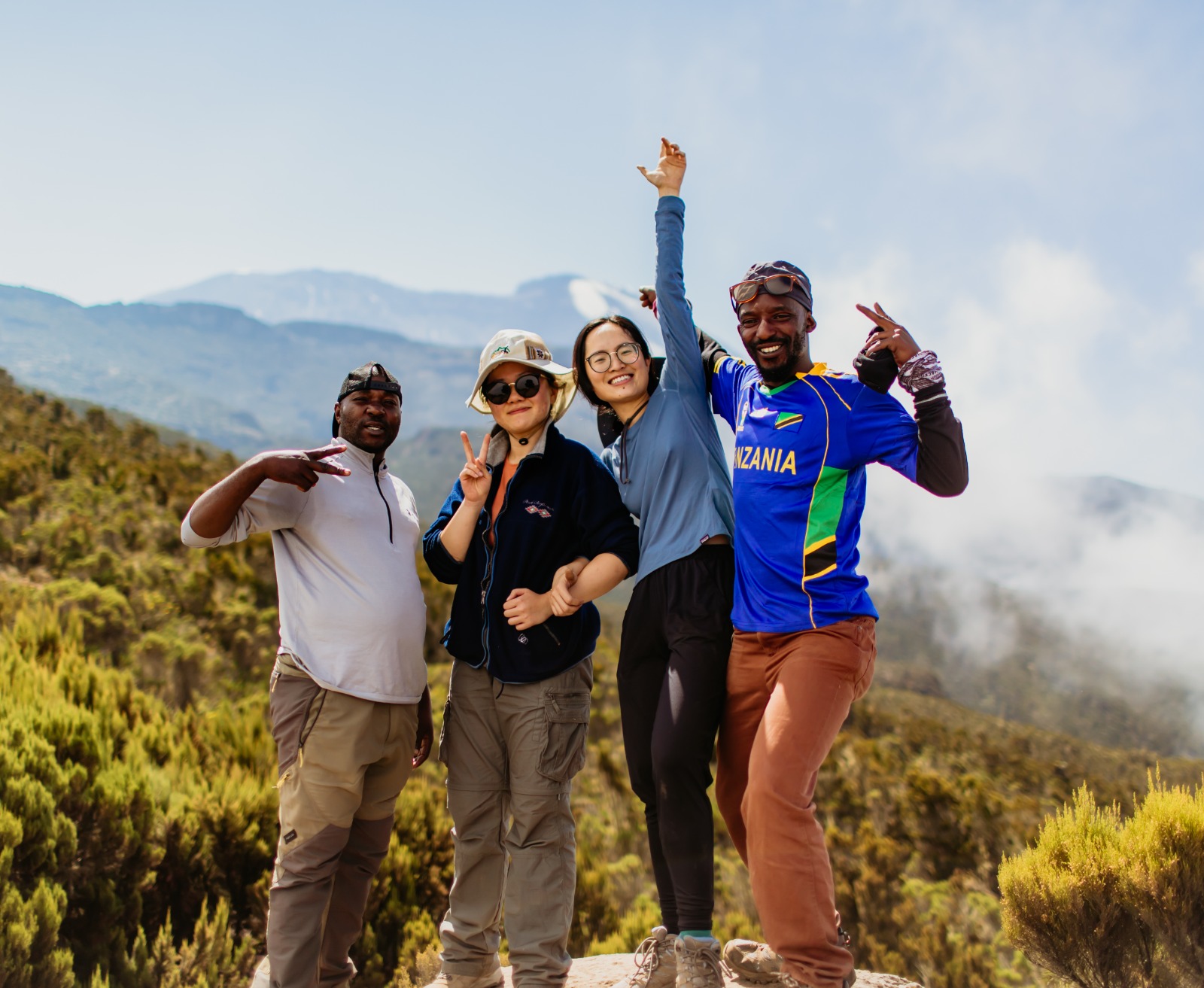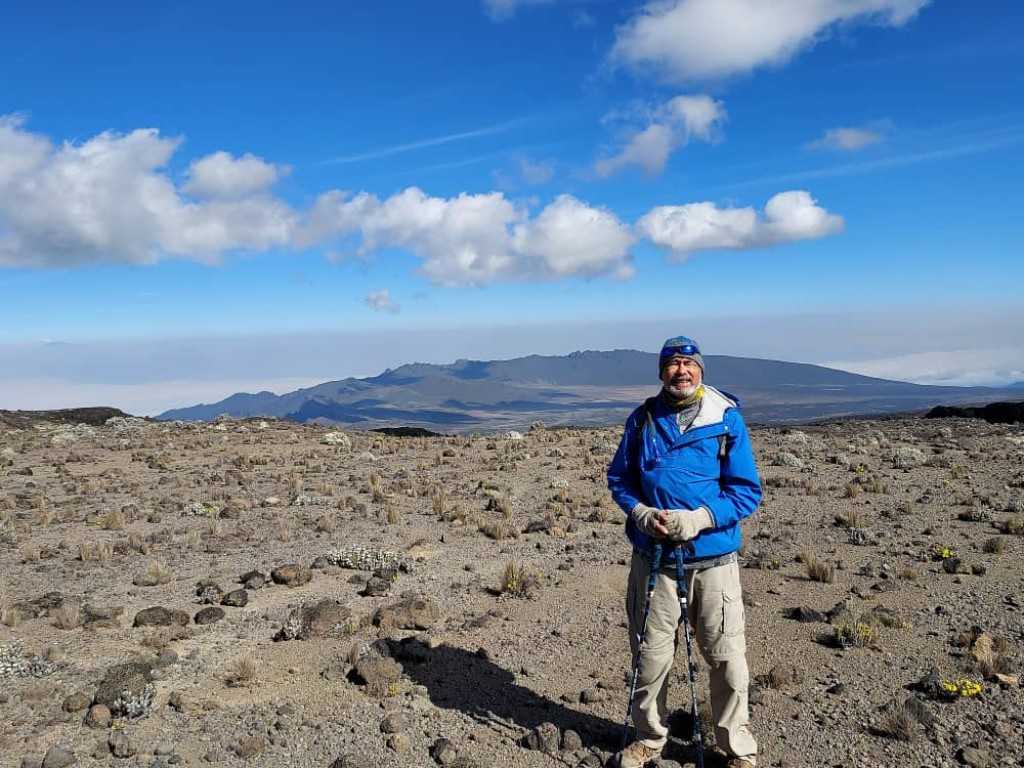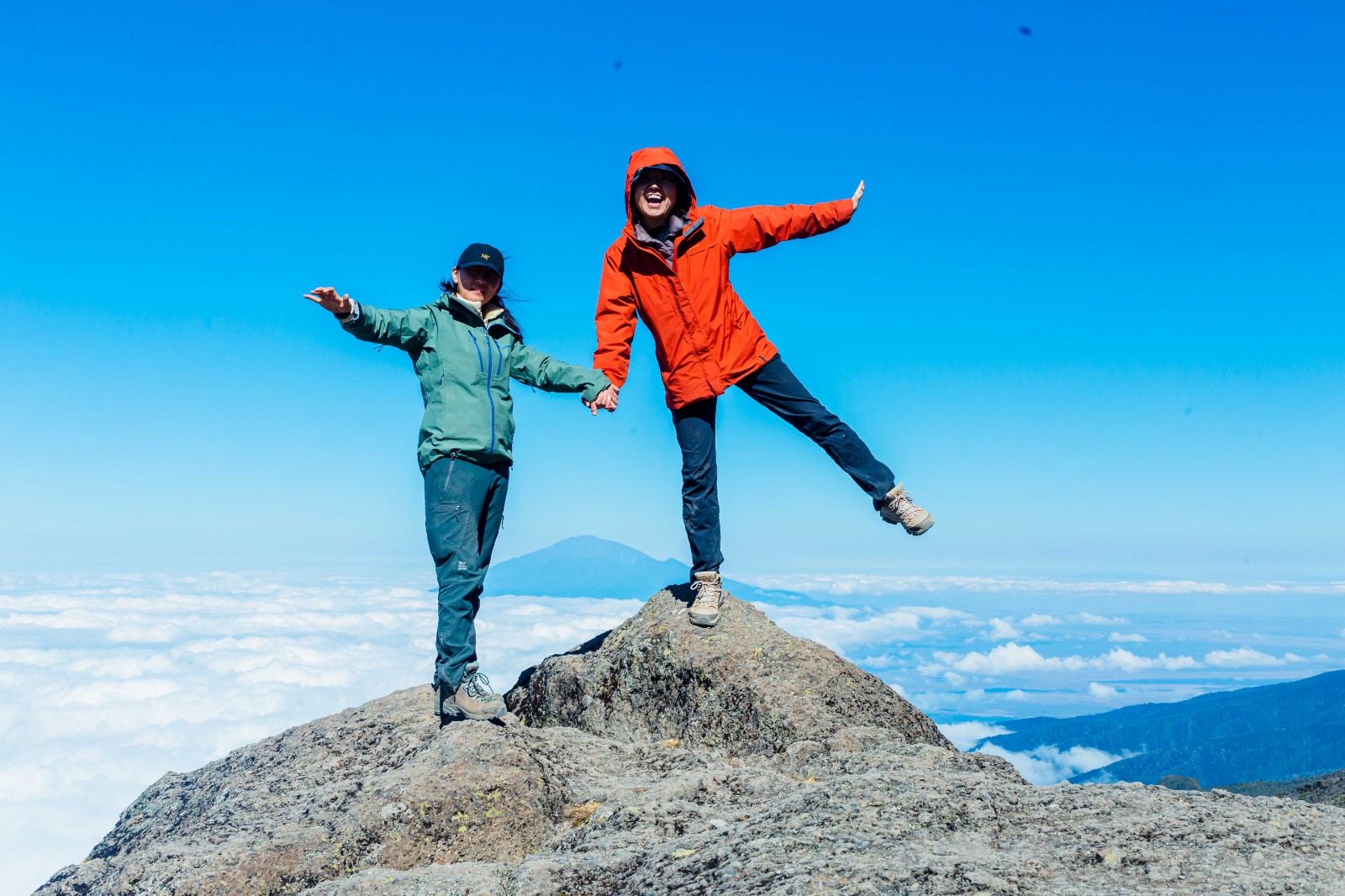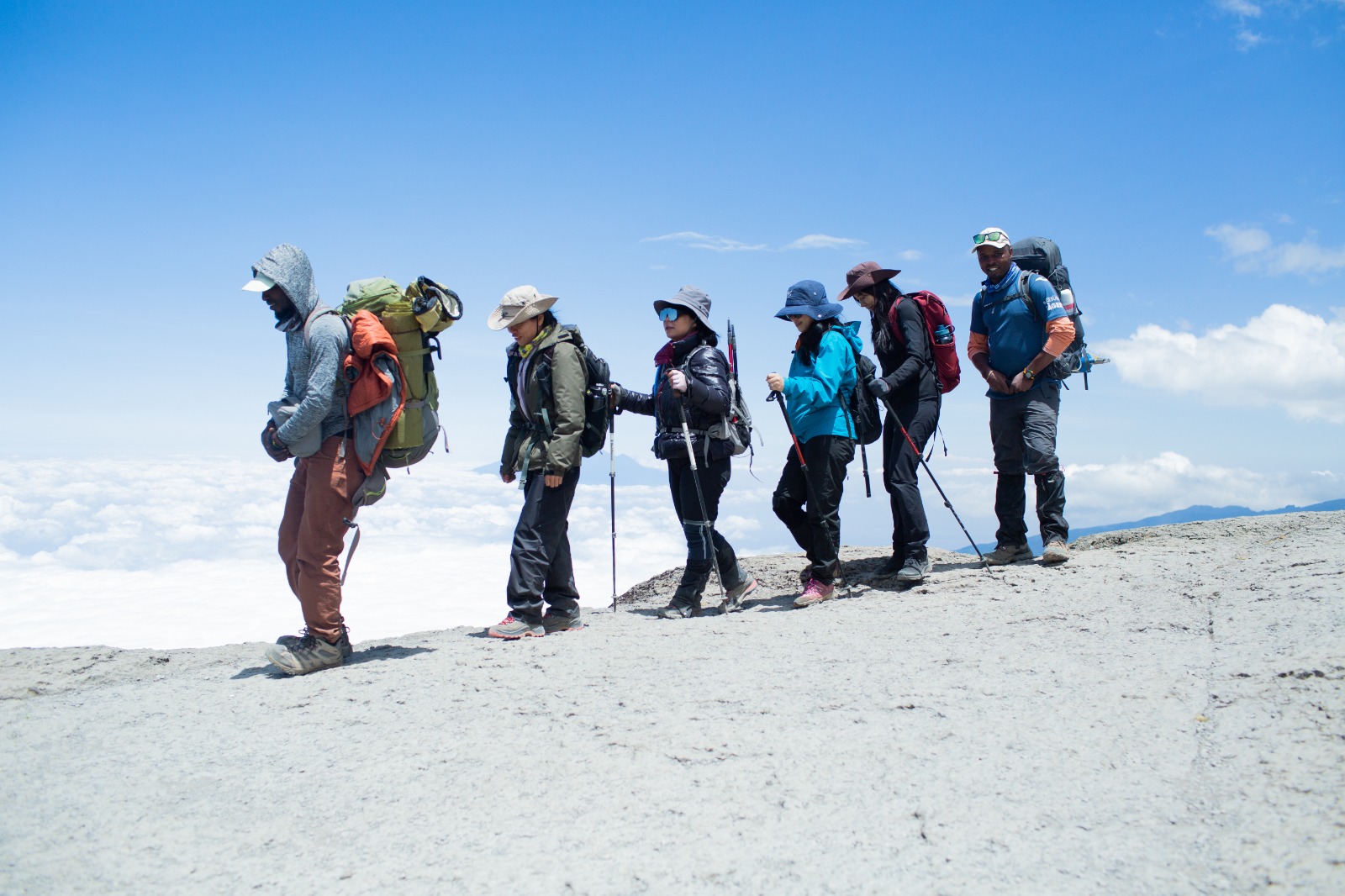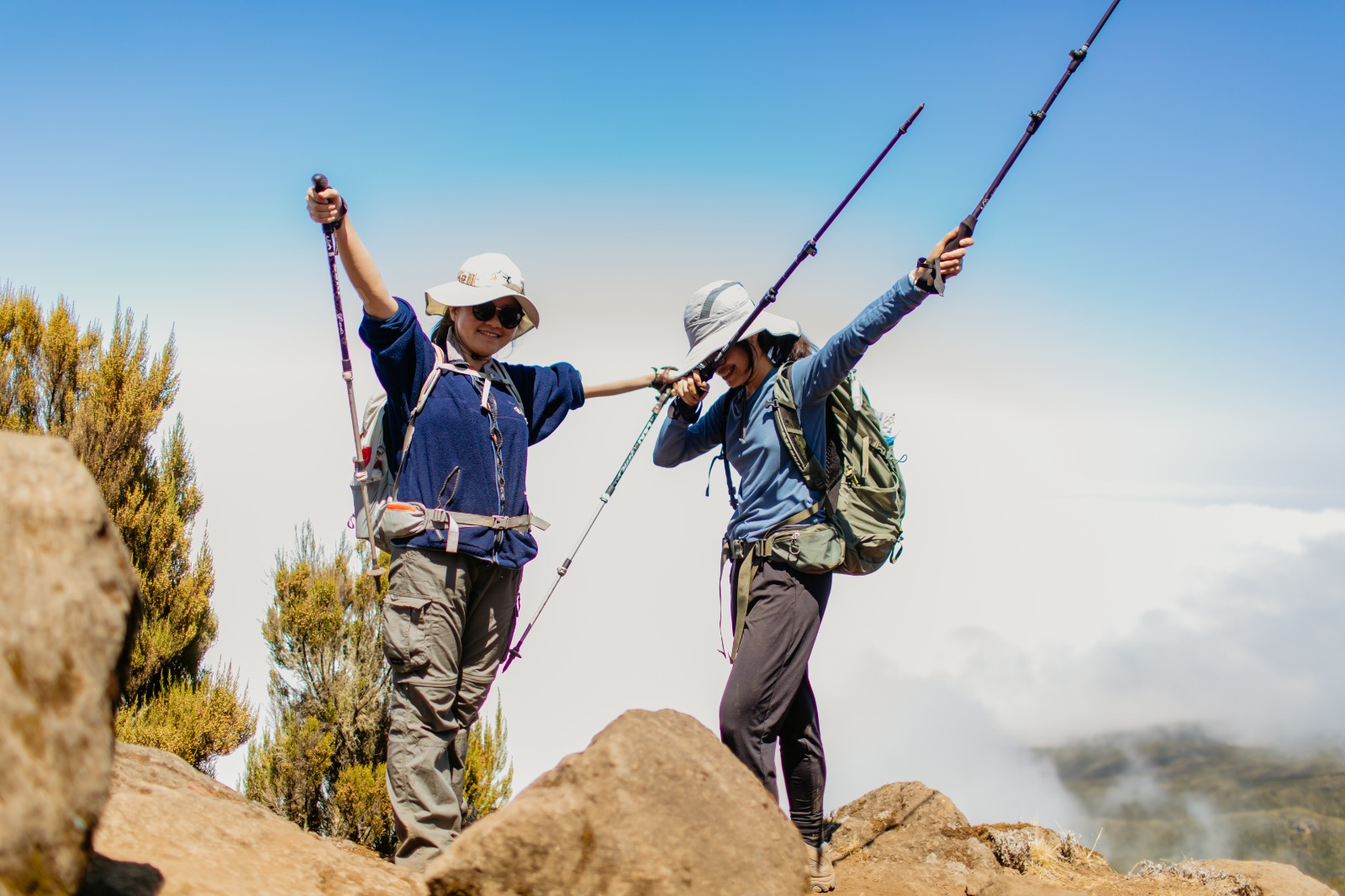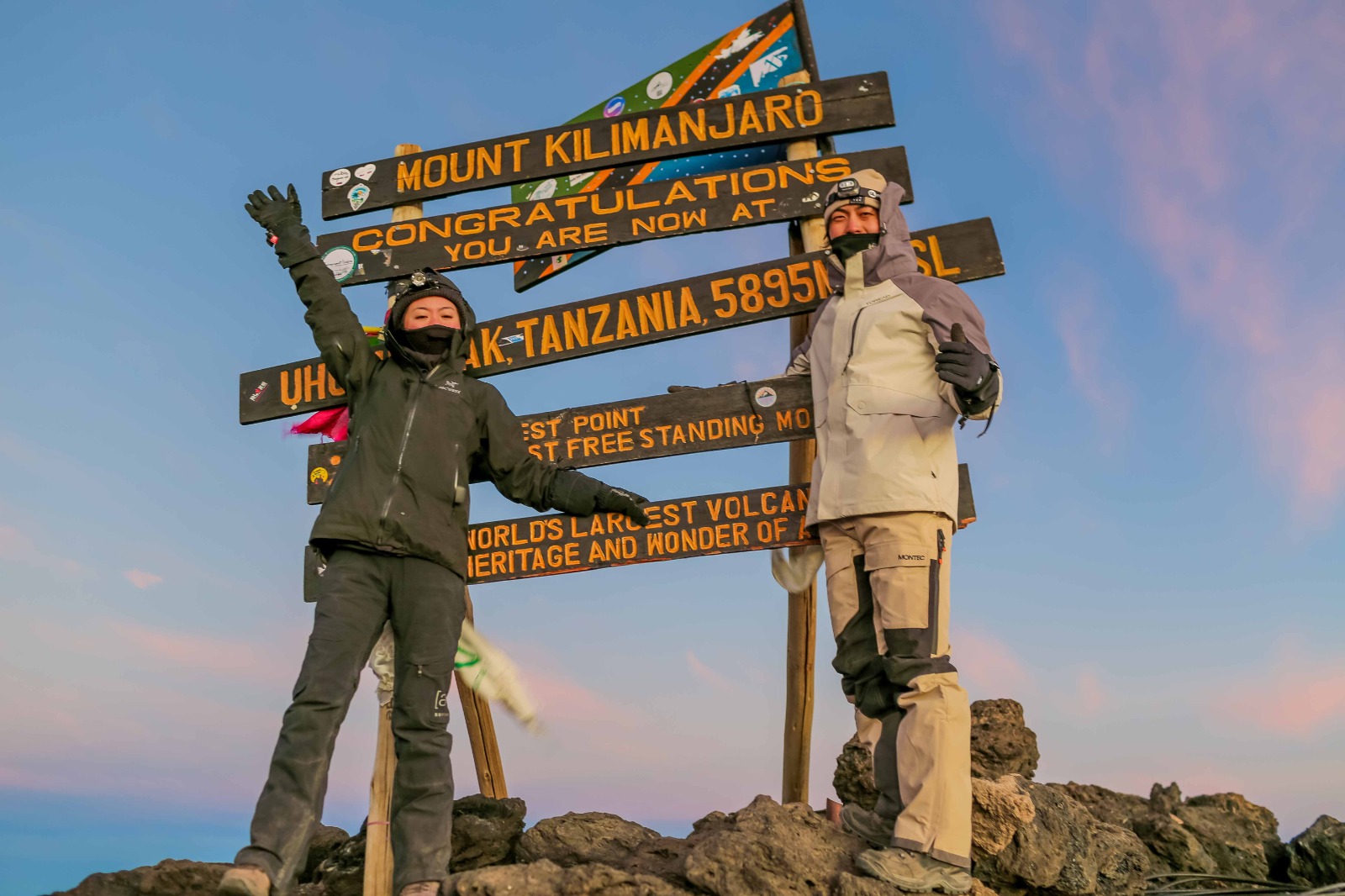
Mount Kilimanjaro has unique weather conditions that change throughout the year and across different altitude zones. Because the mountain rises to 5,895 meters, climbers pass through several climate zones ranging from tropical rainforest to arctic summit conditions.
Understanding the weather by month helps climbers choose the best time to climb and prepare for the different conditions they will face during the trek. For a complete overview of the mountain and climbing routes, read the Kilimanjaro Climbing Guide.
Kilimanjaro Climate Zones
Before looking at the monthly weather, it is important to understand that Kilimanjaro has five ecological zones.
-
Rainforest Zone (800–3,000 m) – warm, humid, and often rainy
-
Moorland Zone (3,000–4,000 m) – cooler with shrubs and open landscapes
-
Alpine Desert (4,000–5,000 m) – dry, windy, and cold
-
Arctic Zone (above 5,000 m) – freezing temperatures and strong winds
-
Summit Zone (Uhuru Peak) – extremely cold with thin air
Temperatures at the summit can drop to -20°C or lower, especially at night. To understand summit conditions in detail, see Kilimanjaro Summit Temperature.
Kilimanjaro Weather in January
January is one of the best months to climb Kilimanjaro. The weather is generally dry, with clear skies and excellent visibility.
Conditions:
-
Warm temperatures at lower elevations
-
Cold but stable conditions near the summit
-
Good trail conditions
January is a popular month, so some routes can be busy. Climbers should plan ahead and choose the right route, such as the 7 Day Machame Route Kilimanjaro Climb.
Kilimanjaro Weather in February
February offers some of the best climbing conditions of the year. Rainfall is low, and temperatures are relatively stable.
Advantages of climbing in February:
-
Dry weather
-
Clear views of the mountain
-
High summit success rates
Many climbers consider February one of the ideal months for the 7 Day Lemosho Route Kilimanjaro Climb.
Kilimanjaro Weather in March
March marks the beginning of the long rainy season. Weather becomes less predictable, and rain is more frequent in the rainforest zone.
Conditions:
-
Increased rainfall
-
Cloudy skies
-
Fewer climbers on the mountain
Despite the rain, some climbers still attempt the climb during early March before the heavy rains begin.
Kilimanjaro Weather in April
April is usually the wettest month on Mount Kilimanjaro. Heavy rainfall makes trails muddy and slippery, especially in the rainforest zone.
Challenges in April:
-
Heavy rain
-
Poor visibility
-
Difficult trekking conditions
Because of these conditions, April is generally not recommended for climbing.
Kilimanjaro Weather in May
May is still part of the rainy season, although rainfall gradually begins to decrease toward the end of the month.
Conditions:
-
Wet trails
-
Cloudy weather
-
Lower number of climbers
Some experienced climbers choose May for quieter trails, but weather conditions remain challenging.
Kilimanjaro Weather in June
June marks the beginning of the dry season, making it one of the best times to climb Kilimanjaro.
Advantages:
-
Cooler temperatures
-
Clear skies
-
Excellent trekking conditions
June also sees fewer crowds than the peak months of July and August.
Kilimanjaro Weather in July
July is one of the most popular months for climbing. The weather is dry and stable, although temperatures at higher altitudes can be very cold.
Conditions:
-
Dry weather
-
Clear mountain views
-
High number of climbers
Routes like the 6 Day Machame Route Kilimanjaro Climb are very popular during this month.
Kilimanjaro Weather in August
August offers similar conditions to July. It is still part of the dry season, making it a very good month for climbing.
Advantages:
-
Stable weather
-
Good summit success rates
-
Excellent visibility
However, because August is a peak travel season, the mountain can be crowded.
Kilimanjaro Weather in September
September is another excellent month for climbing Kilimanjaro. Weather remains dry, and crowds begin to decrease slightly after the busy summer months.
Benefits:
-
Dry trails
-
Comfortable temperatures
-
Slightly fewer climbers
Kilimanjaro Weather in October
October is a transitional month between the dry season and the short rainy season.
Conditions:
-
Mixed weather patterns
-
Occasional rain
-
Moderate crowds
Climbers may still enjoy good conditions during early October.
Kilimanjaro Weather in November
November is part of the short rainy season. Rainfall is usually lighter than during the long rainy season but still frequent.
Conditions:
-
Occasional showers
-
Cloudy skies
-
Fewer climbers
Some climbers enjoy November because trails are quieter.
Kilimanjaro Weather in December
December marks the return of better climbing conditions. Early December may still experience some rain, but conditions improve toward the end of the month.
Advantages:
-
Improving weather conditions
-
Beautiful views after rain clears
-
Popular holiday climbing season
For planning tips, read Best Time to Climb Kilimanjaro.
Best Months to Climb Kilimanjaro
The best months for climbing Kilimanjaro are generally:
January – February
June – October
These months provide the most stable weather and the best chances of reaching the summit. For more statistics about successful climbs, see Kilimanjaro Success Rate.
Final Thoughts
Kilimanjaro can be climbed throughout the year, but weather conditions vary significantly depending on the season. Choosing the right month can greatly improve your experience and increase your chances of reaching the summit.
Dry seasons generally provide the best climbing conditions, while rainy months bring fewer crowds but more challenging trails.
To start planning your climb and explore route options, visit Kilimanjaro Trekking Tours.