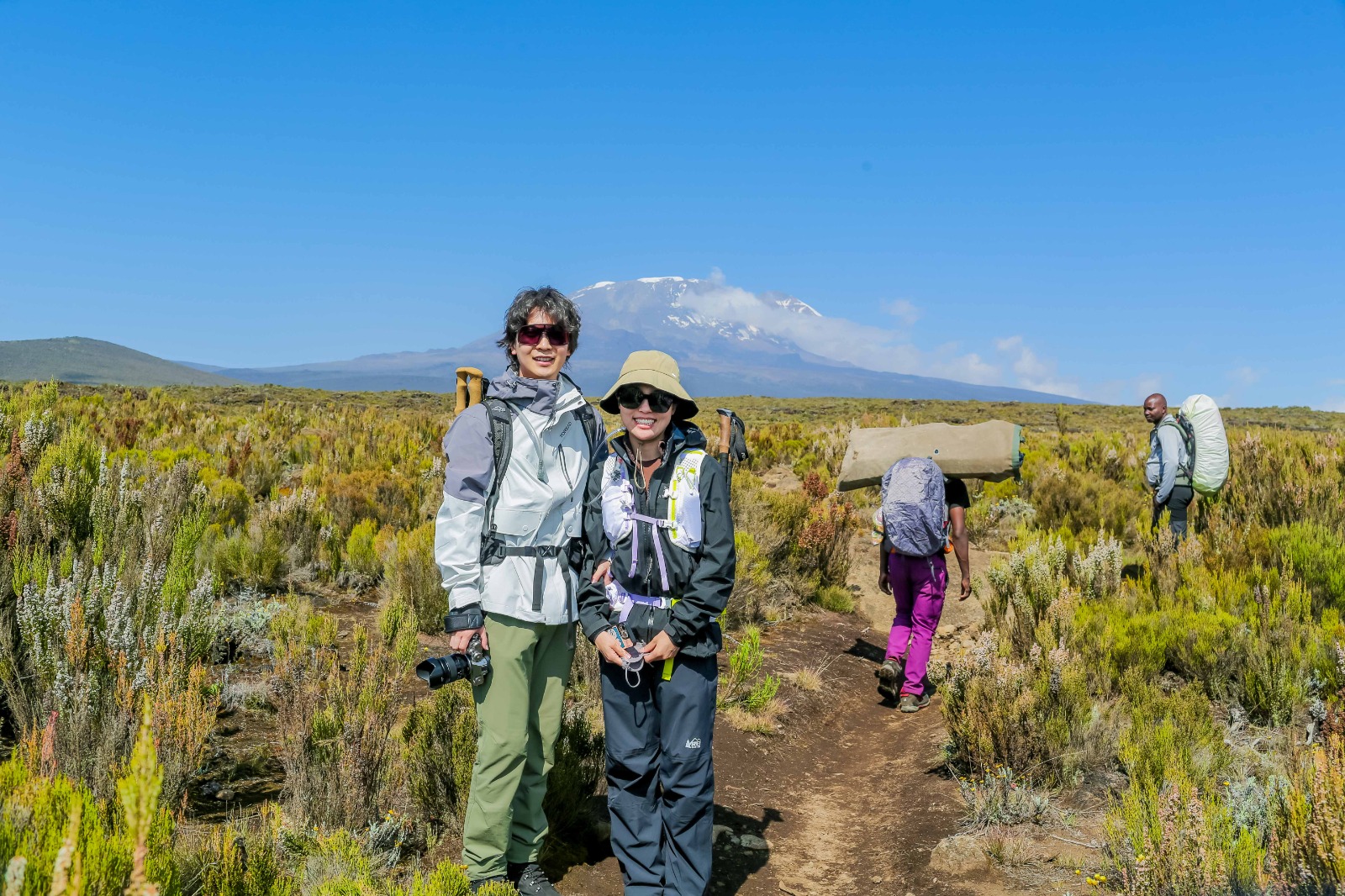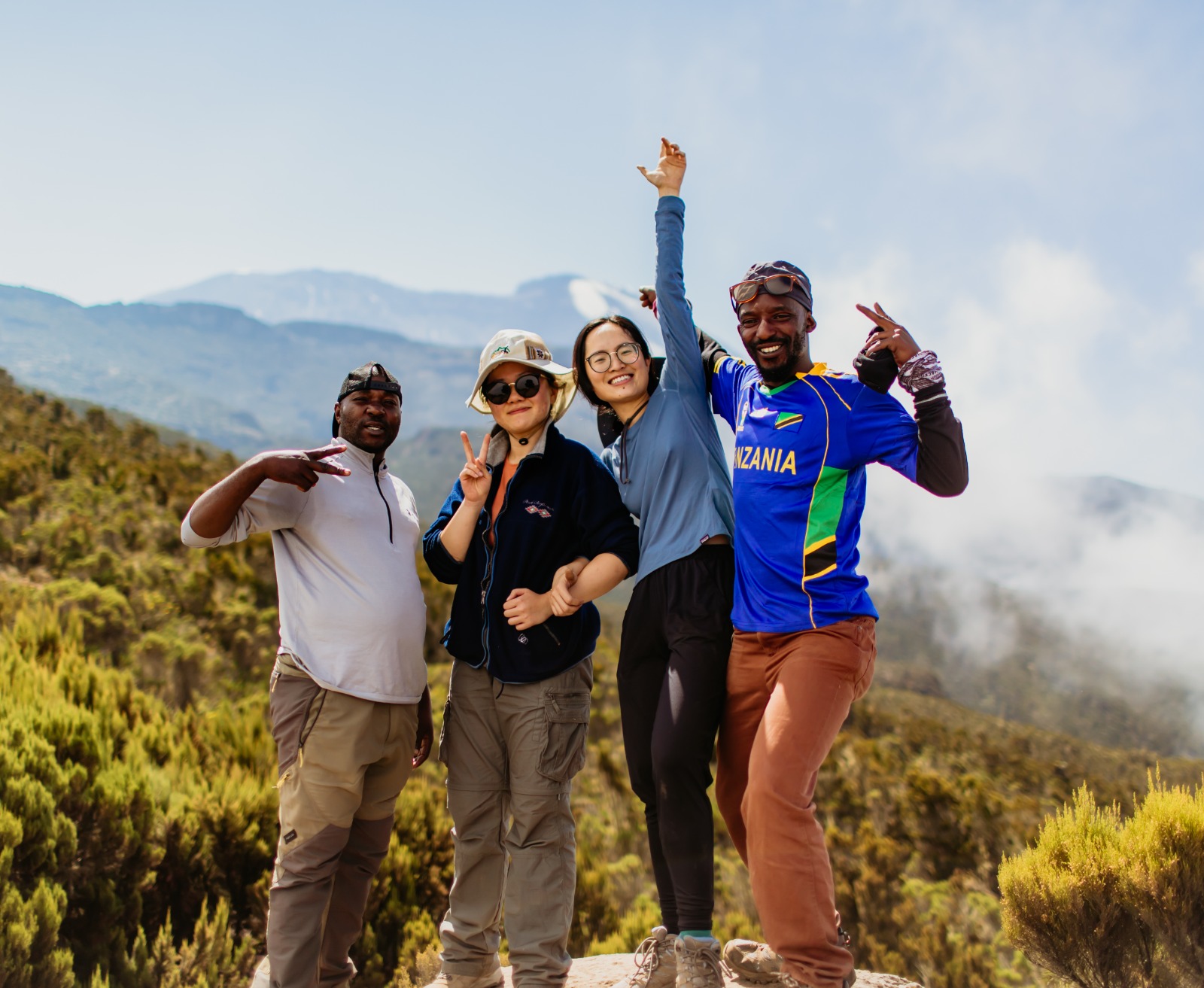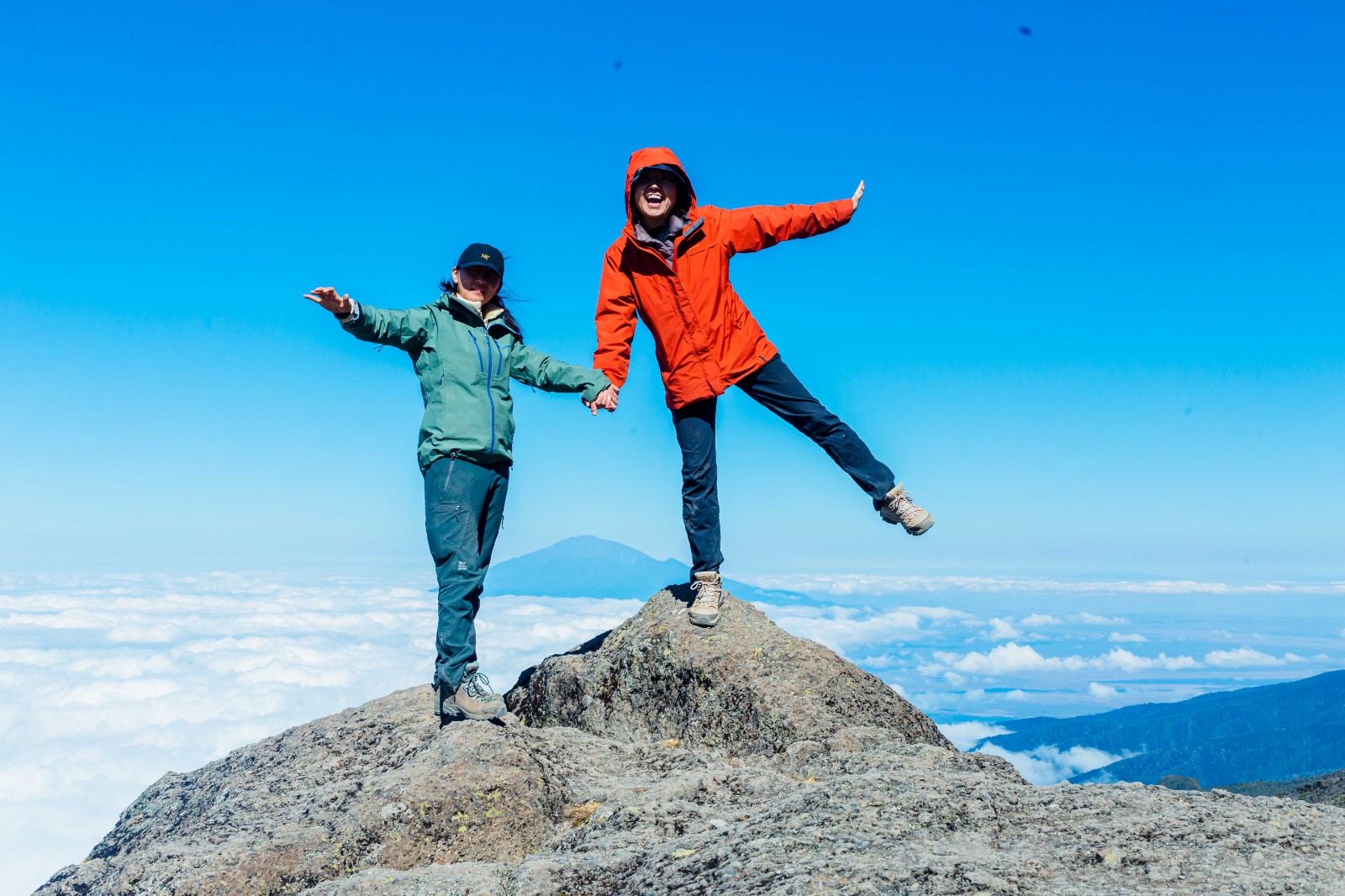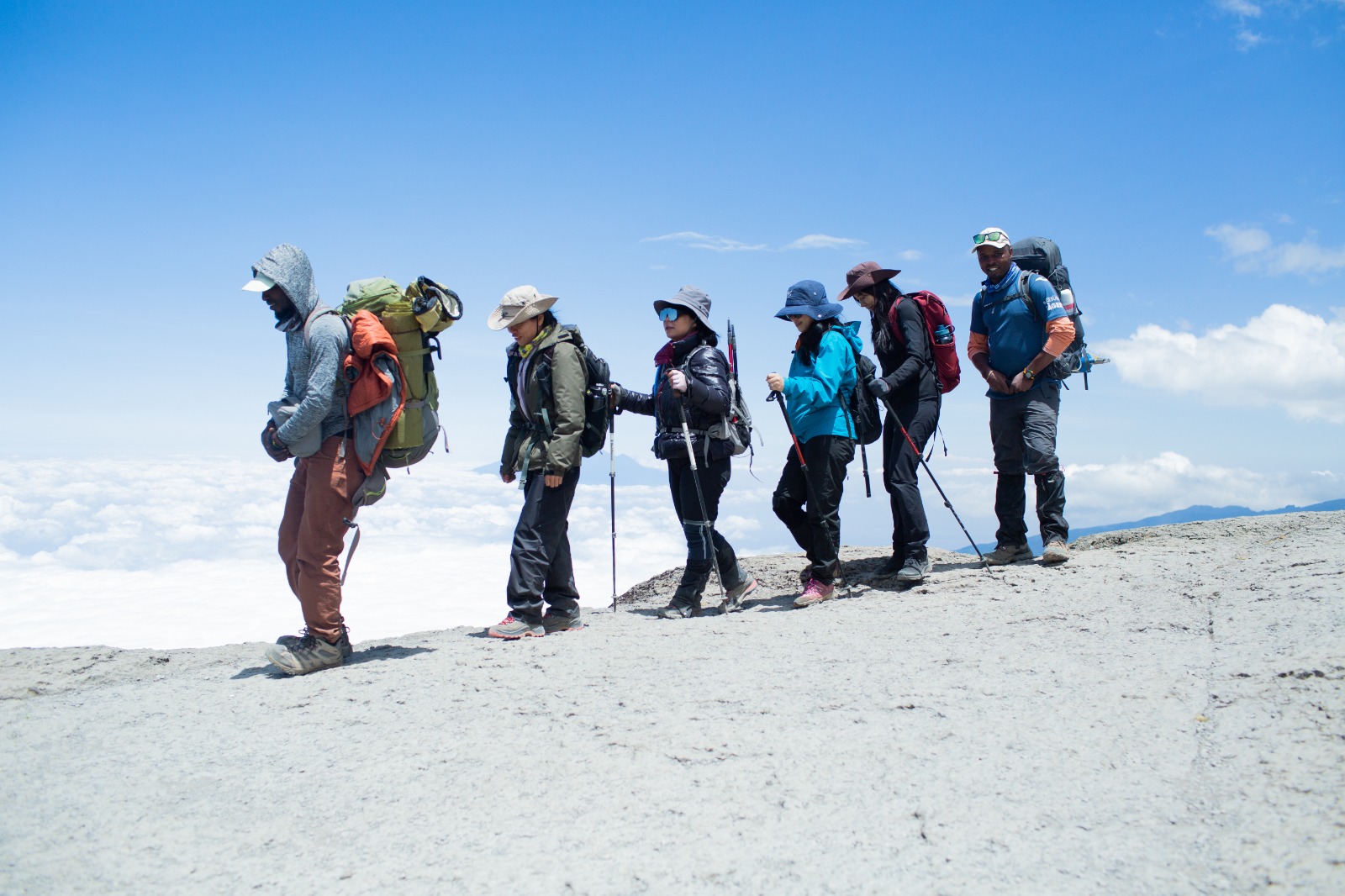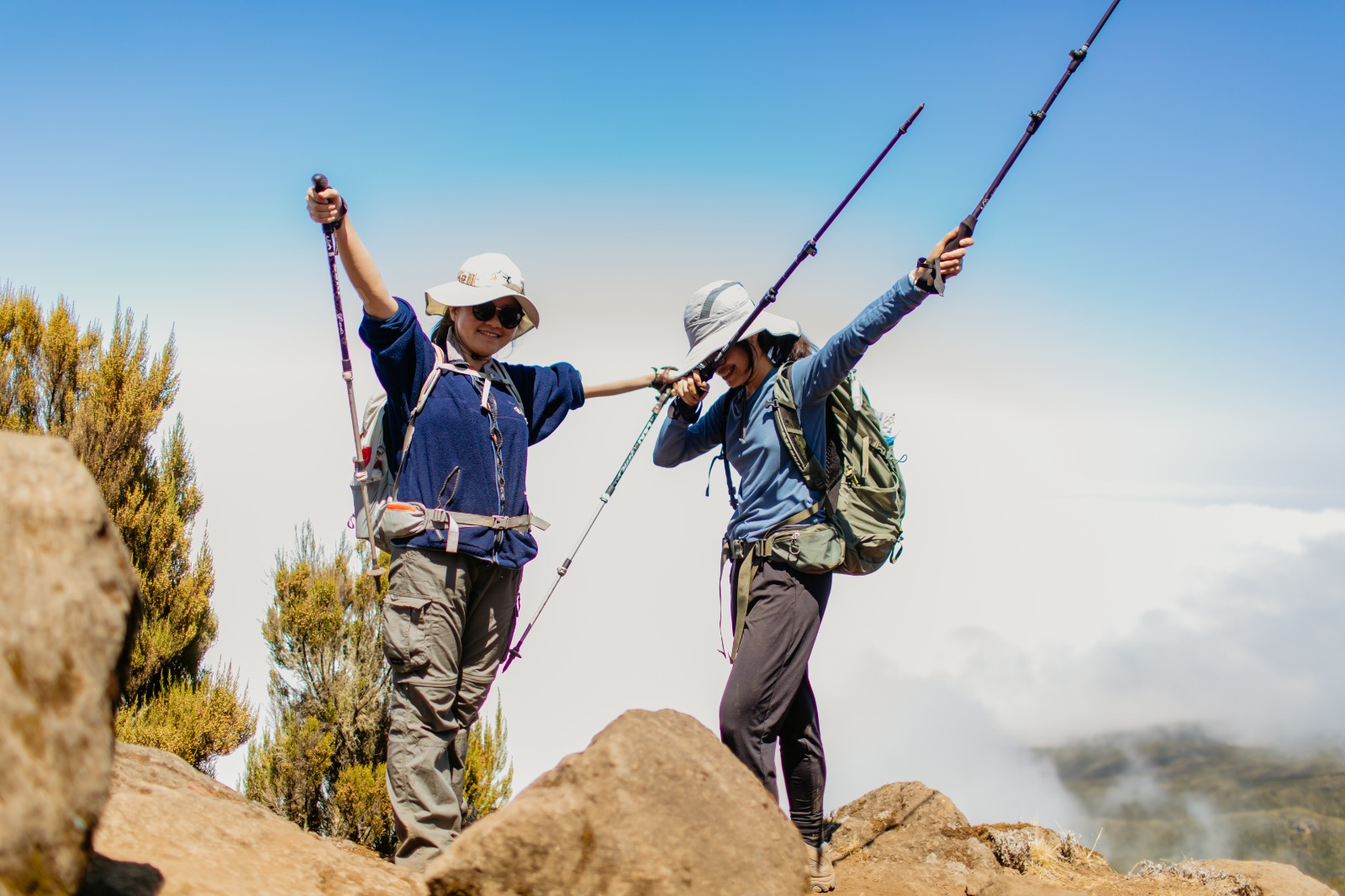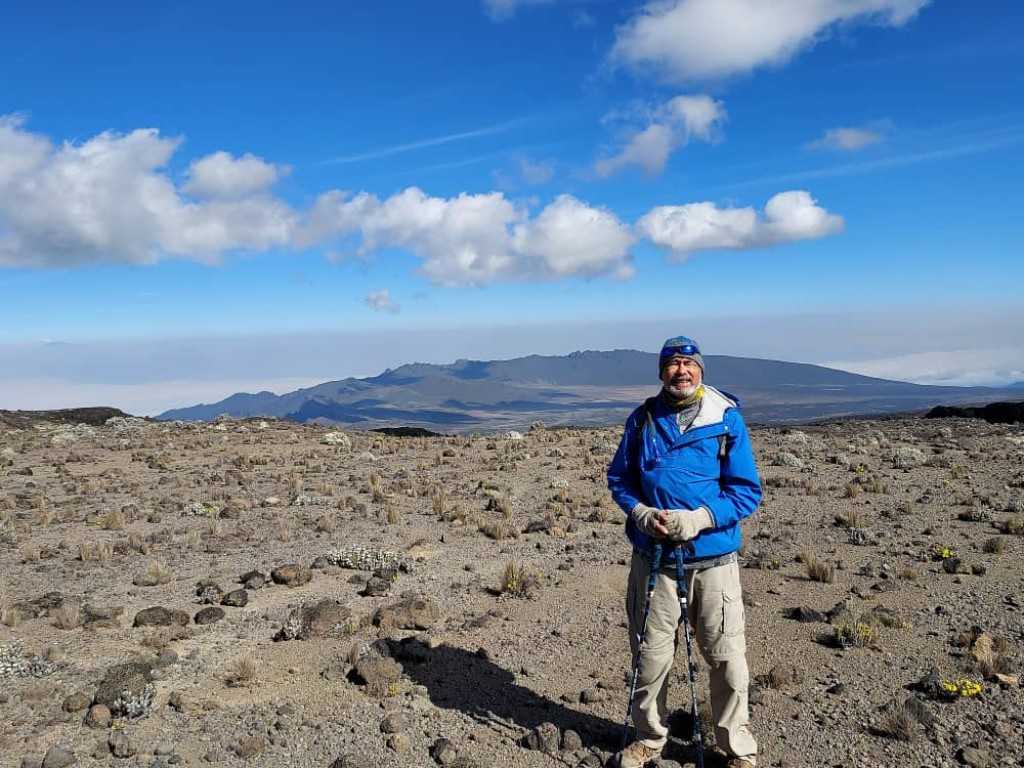
Mount Kilimanjaro is the highest mountain in Africa, rising 5,895 meters (19,341 feet) above sea level. Every year thousands of trekkers travel to Tanzania hoping to reach the summit of this famous mountain.
One of the most common questions people ask before booking their trek is: How difficult is climbing Kilimanjaro?
The good news is that Kilimanjaro is considered a non-technical climb, meaning it does not require ropes, climbing equipment, or mountaineering experience. However, this does not mean the trek is easy. The main challenges come from altitude, endurance, and multi-day hiking.
Before planning your climb, it is helpful to read the complete Kilimanjaro Climbing Guide.
Is Kilimanjaro Hard to Climb?
Kilimanjaro is often described as a physically demanding trek rather than a technical climb. Most people with good fitness and proper preparation can reach the summit, but the altitude and long trekking days make it challenging.
The difficulty of Kilimanjaro mainly comes from:
-
High altitude
-
Long hiking days
-
Summit night conditions
-
Weather changes
-
Physical endurance
Despite these challenges, thousands of people successfully reach the summit every year.
You can learn more about summit success statistics in Kilimanjaro Success Rate.
The Biggest Challenge: Altitude
The biggest factor that makes Kilimanjaro difficult is altitude. As you climb higher, the air becomes thinner and contains less oxygen.
This can lead to altitude sickness, which may cause symptoms such as:
-
headaches
-
nausea
-
dizziness
-
fatigue
-
shortness of breath
Even very fit climbers can struggle with altitude, which is why choosing the right route and allowing enough acclimatization time is extremely important.
You can learn more about this in the Kilimanjaro Altitude Sickness Guide.
Physical Fitness Required for Kilimanjaro
Although Kilimanjaro does not require technical climbing skills, you should still be in good physical condition before attempting the trek.
Climbers typically hike 5 to 8 hours per day for several consecutive days.
Good preparation includes:
-
cardio training
-
hiking practice
-
leg strength exercises
-
endurance training
If you want to prepare properly, read How to Prepare for a Kilimanjaro Trek.
Summit Night: The Hardest Part
The most difficult part of the Kilimanjaro climb is summit night.
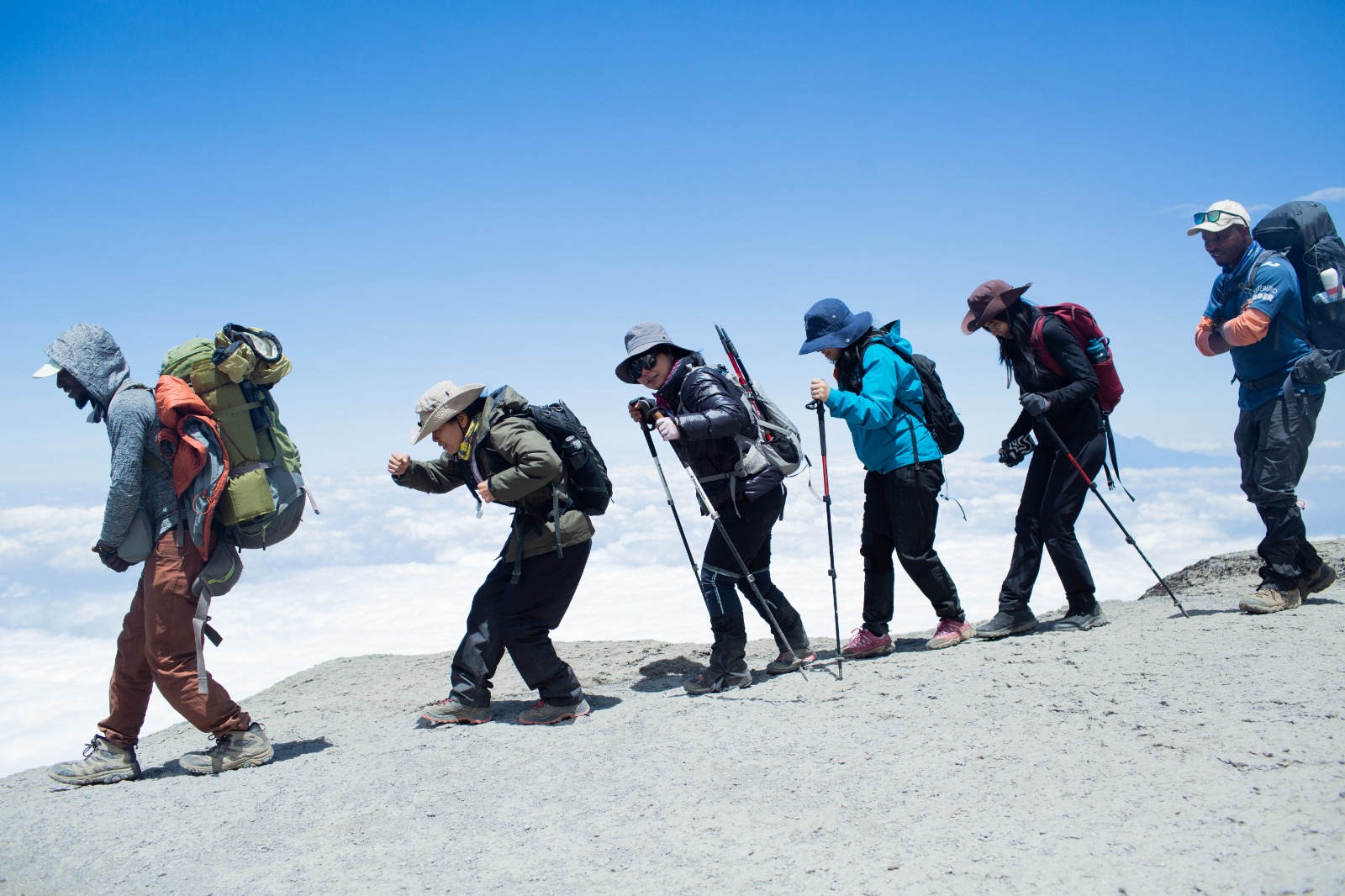
Summit attempts usually start around midnight, and climbers hike in darkness for several hours in very cold temperatures.
During summit night you may experience:
-
extreme cold
-
steep uphill trekking
-
fatigue from previous days
-
high altitude conditions
Despite these challenges, reaching Uhuru Peak, the highest point in Africa, is one of the most rewarding moments of the entire journey.
To understand summit conditions, see Kilimanjaro Summit Temperature.
How Route Choice Affects Difficulty
Different Kilimanjaro routes have different difficulty levels. Some routes are shorter and steeper, while others allow more time for acclimatization.
Popular routes include:
-
Machame Route
-
Lemosho Route
-
Marangu Route
-
Rongai Route
-
Umbwe Route
Routes with more days generally have higher success rates because they allow better acclimatization.
You can compare routes in the Kilimanjaro Routes Guide.
Weather Conditions on Kilimanjaro
Weather on Kilimanjaro varies greatly depending on altitude.
Climbers pass through several climate zones during the trek:
-
rainforest
-
moorland
-
alpine desert
-
arctic summit zone
Temperatures at the summit can drop well below freezing, especially during the night.
To understand seasonal weather patterns, read Kilimanjaro Weather by Month.
How Long the Climb Takes
Most Kilimanjaro climbs take 5 to 9 days, depending on the route.
Longer climbs allow for better acclimatization and usually provide a more comfortable experience.
You can explore typical trek durations in How Long Does It Take to Climb Kilimanjaro.
Who Can Climb Kilimanjaro?
One of the most remarkable things about Kilimanjaro is that people from many different backgrounds and ages attempt the climb.
Many climbers include:
-
experienced hikers
-
adventure travelers
-
first-time trekkers
-
charity groups
-
families
With proper preparation and guidance, even beginners can reach the summit.
Tips to Make the Climb Easier
Although Kilimanjaro is challenging, several strategies can improve your chances of success.
Choose a Longer Route
More days on the mountain allow better acclimatization.
Walk Slowly
Guides often repeat the phrase “pole pole”, meaning “slowly slowly.”
Stay Hydrated
Drinking plenty of water helps reduce altitude problems.
Pack the Right Gear
Proper clothing and equipment make a huge difference.
You can find a full gear list in the Kilimanjaro Packing List.
Is Kilimanjaro Harder Than Everest Base Camp?
Many travelers compare Kilimanjaro with other famous treks such as Everest Base Camp.
While Everest Base Camp is longer, Kilimanjaro is more challenging in terms of altitude gain over a shorter time period.
You can explore the comparison in Kilimanjaro vs Everest Base Camp.
Is Climbing Kilimanjaro Worth It?
Despite the difficulty, climbing Kilimanjaro is considered one of the most rewarding trekking experiences in the world.
The journey takes you through diverse ecosystems, stunning landscapes, and unforgettable views.
Reaching the summit of Africa’s highest mountain is a moment many climbers remember for the rest of their lives.
Final Thoughts
Climbing Kilimanjaro is challenging but achievable for many people with the right preparation, mindset, and support from experienced guides.
The trek does not require technical climbing skills, but altitude, endurance, and summit night conditions make it a serious adventure.
With proper training and planning, the climb becomes an incredible journey through one of the most iconic mountains in the world.
If you are planning your adventure, explore the full Kilimanjaro Climbing Guide and begin preparing for the summit of Mount Kilimanjaro.