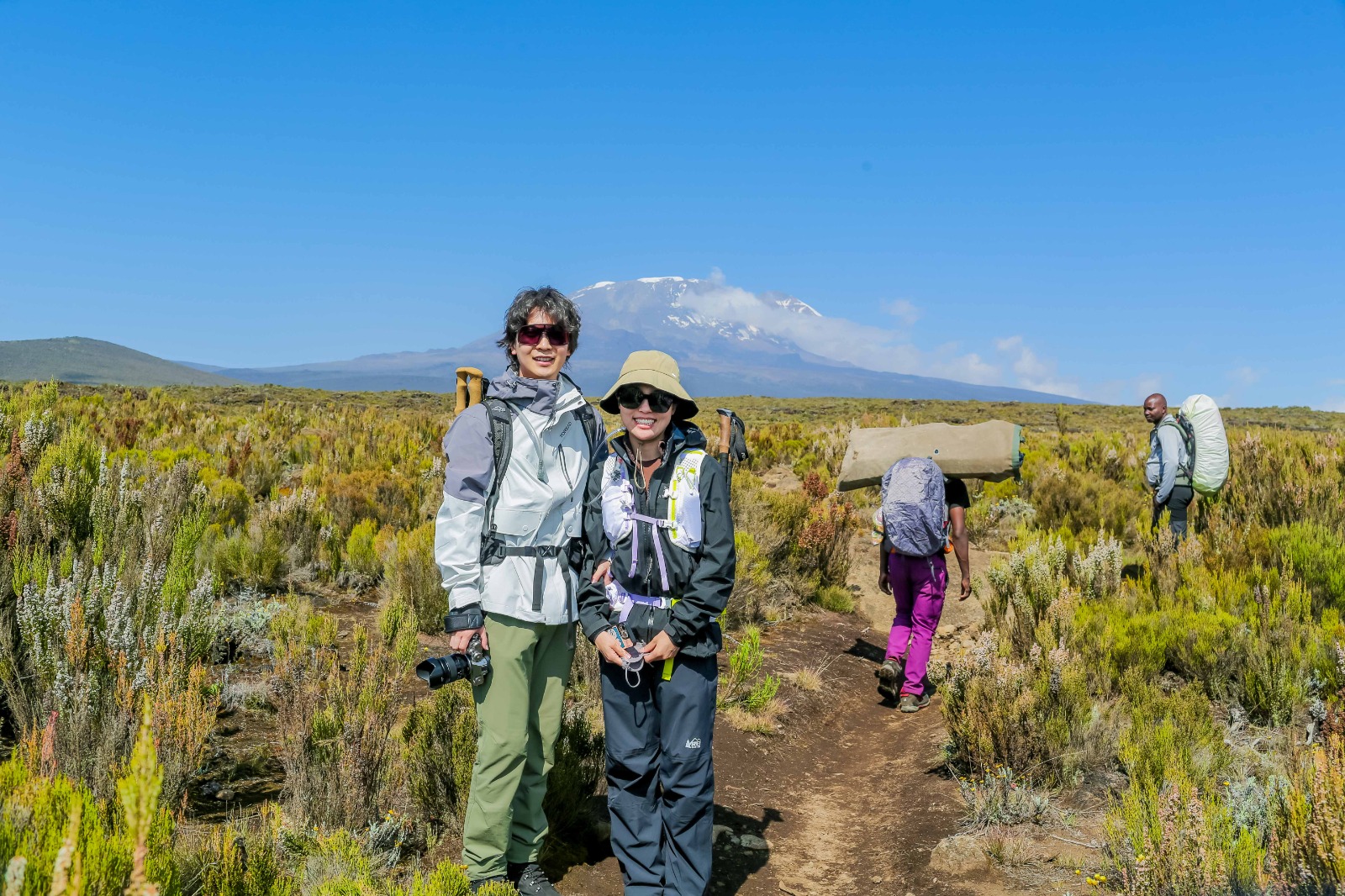
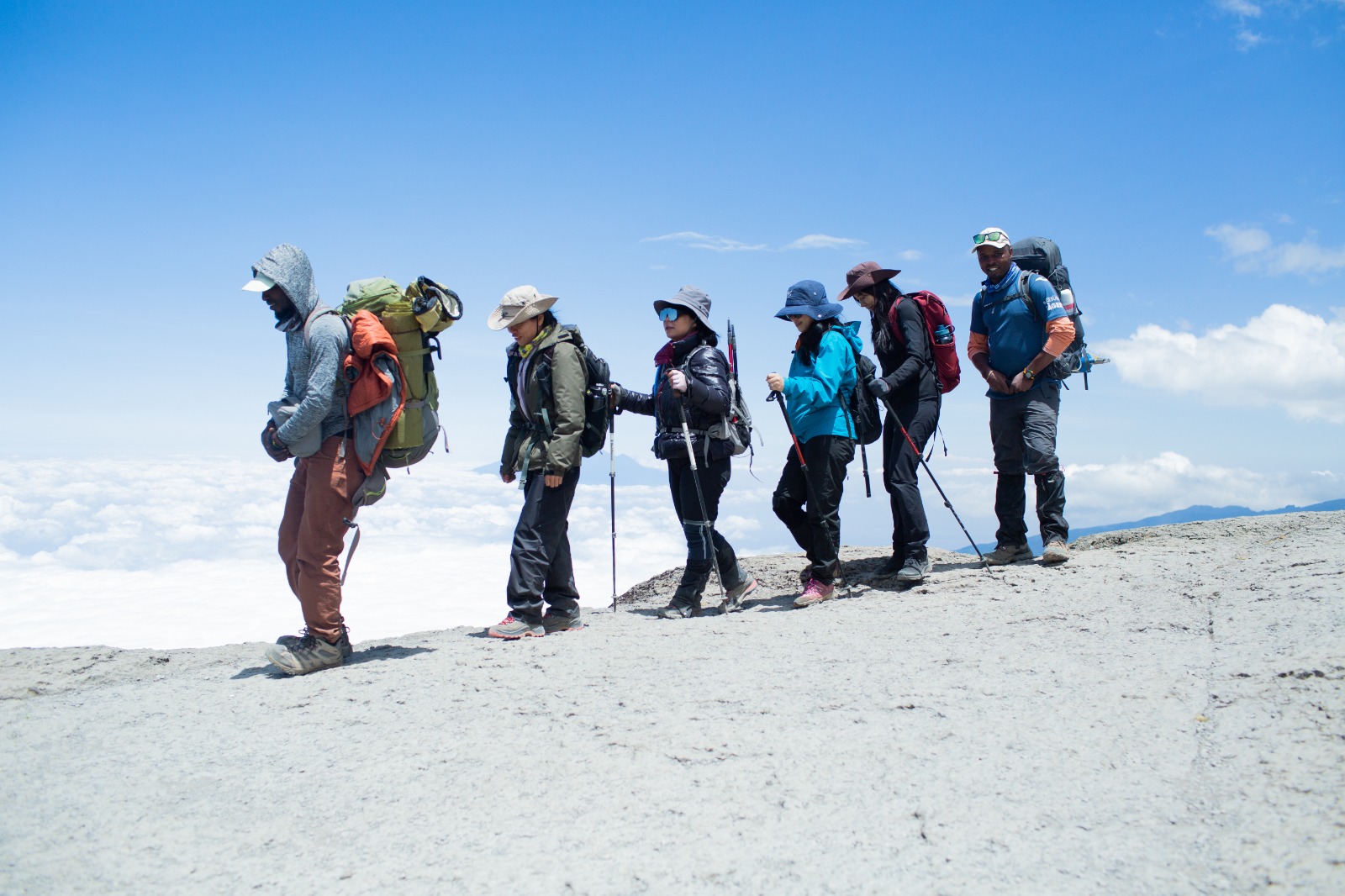
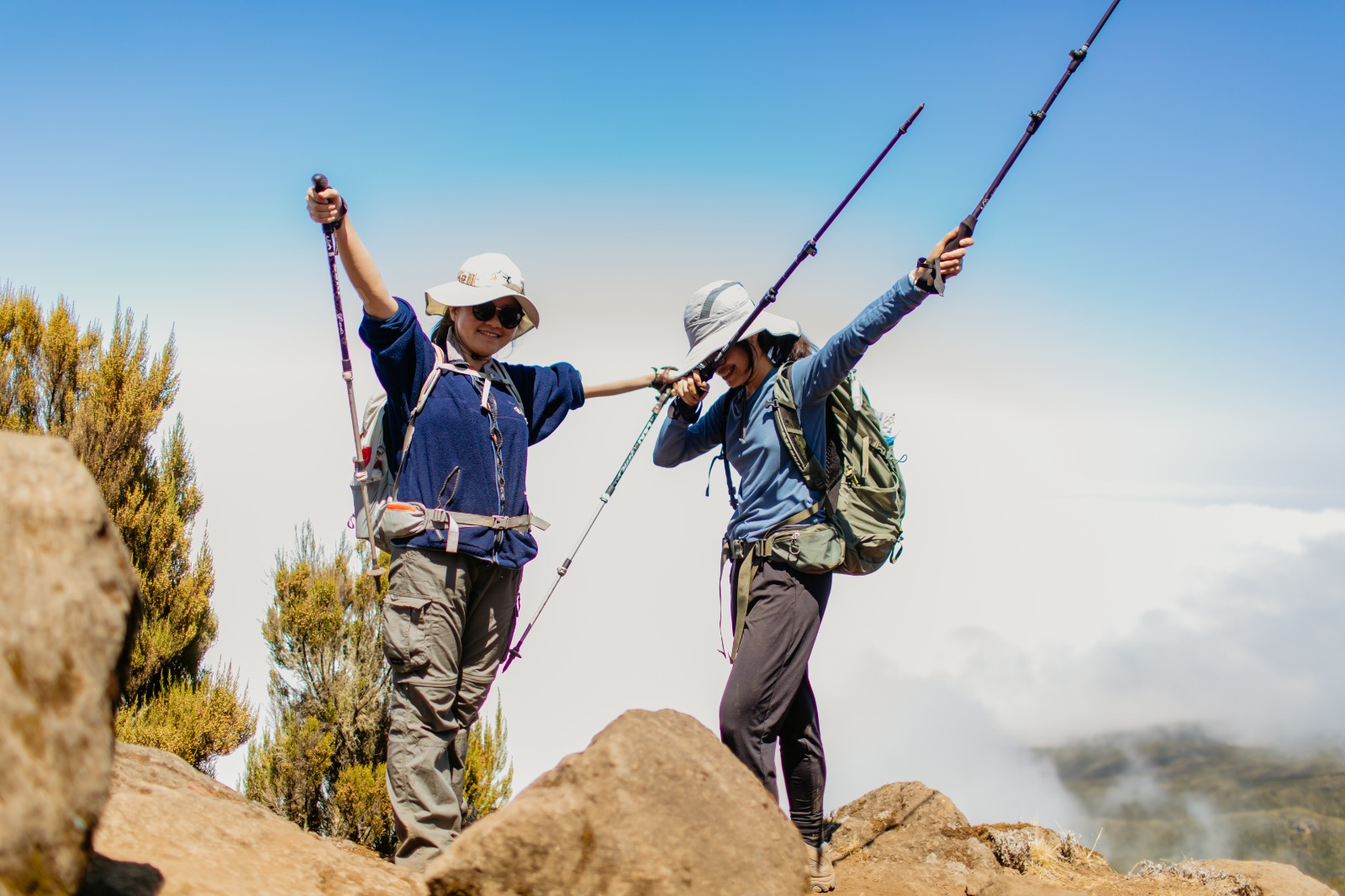
Tipping is an important part of Mount Kilimanjaro trekking culture. The mountain crew—guides, assistant guides, cooks, and porters—work extremely hard to ensure climbers have a safe and successful expedition.
These teams carry equipment, prepare meals, set up camps, and provide support throughout the climb. Because their base wages are relatively low, tips form a significant part of their income.
Understanding how tipping works helps climbers show appreciation for the crew’s efforts while also following fair trekking practices on the mountain.
If you are planning your climb, it is helpful to read the full Kilimanjaro Climbing Guide to understand how expeditions are organized.
Why Tipping Is Important on Kilimanjaro
Climbing Kilimanjaro requires a large support team. A typical climbing group may include:
-
Lead guide
-
Assistant guides
-
Mountain cook
-
Several porters
For each climber, there are usually 3–5 crew members supporting the expedition.
These teams carry tents, food supplies, cooking equipment, and climbers’ duffel bags while ensuring camps are ready when trekkers arrive.
The tipping system helps ensure fair compensation for the crew’s hard work.
You can also learn more about how these teams support climbers in the Kilimanjaro Group Climbing Guide.
Recommended Kilimanjaro Tipping Amounts
Tipping guidelines are usually calculated per climber per day.
Typical recommended tips are:
Lead Guide
-
$20 – $25 per day per group
Assistant Guide
-
$15 – $20 per day per group
Cook
-
$10 – $15 per day per group
Porters
-
$6 – $10 per porter per day
These amounts are general recommendations used by many Kilimanjaro operators and trekking associations.
The total tip pool is usually collected from the group and distributed among the crew.
Example Tip Calculation
For a 7-day Kilimanjaro climb, a typical tip budget per climber might look like this:
-
Lead guide: $20/day
-
Assistant guides: $15/day each
-
Cook: $12/day
-
Porters: $7/day each
The total tip contribution usually ranges between $250 and $350 per climber, depending on the group size and number of crew members.
Understanding overall costs can also help when planning your trip. See the Kilimanjaro Climbing Cost guide.
When Are Tips Given?
Tips are normally given at the end of the trek, usually on the last evening at the base camp or at the park gate after descending.
The tipping process often includes a small ceremony where the group thanks the crew for their support during the expedition.
The lead guide or company representative usually organizes the distribution of tips among the crew members.
How to Prepare Your Tips
To make tipping easier during the trek:
-
Bring cash in US dollars
-
Use small denominations if possible
-
Keep the money in a sealed envelope
Many climbers prefer to prepare the tip envelopes before the climb to avoid confusion at the end of the trek.
Kilimanjaro Crew Welfare
Responsible trekking companies follow fair porter treatment guidelines such as those promoted by the Kilimanjaro Porters Assistance Project (KPAP).
These guidelines ensure:
-
Fair wages for porters
-
Proper food and equipment
-
Ethical treatment of the mountain crew
Choosing a responsible operator helps support the people who make Kilimanjaro climbs possible.
Safety and crew support are also explained in the Kilimanjaro Safety Guide.
Other Ways to Show Appreciation
While tips are the main way climbers thank the crew, many trekkers also express appreciation through:
-
Thank-you speeches at the end of the climb
-
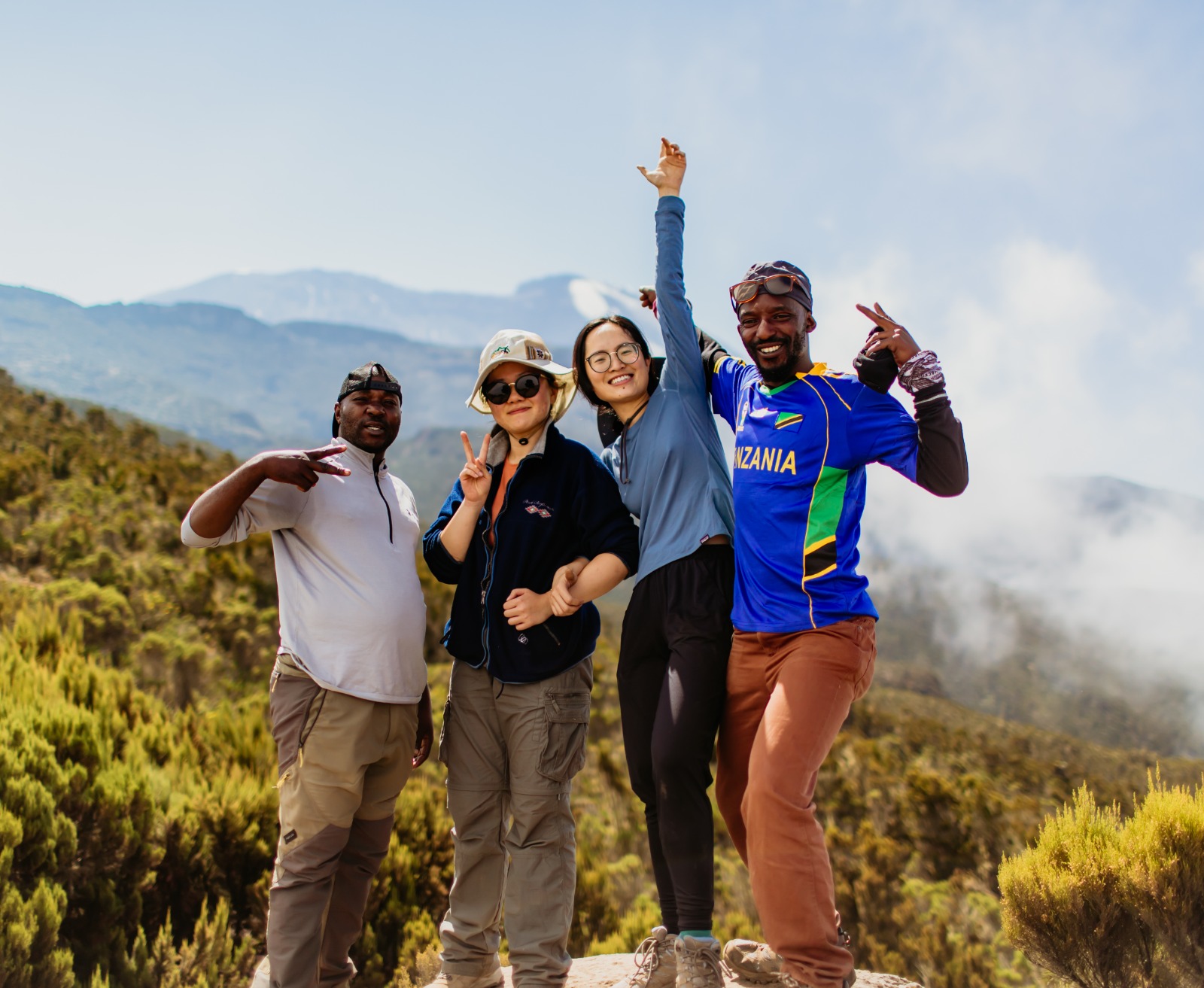
Group photos with the team
-
Sharing snacks or small gifts
The relationships formed between climbers and crew often become one of the most memorable parts of the Kilimanjaro experience.
Final Thoughts
Tipping is an important tradition on Mount Kilimanjaro and a meaningful way to recognize the dedication of the mountain crew who help climbers reach the summit.
By following recommended tipping guidelines, climbers can contribute to fair compensation for guides, cooks, and porters who work tirelessly to support every expedition.
Before your climb, make sure to review preparation resources such as the Kilimanjaro Packing List and How to Prepare for a Kilimanjaro Trek to ensure a successful journey to the Roof of Africa.