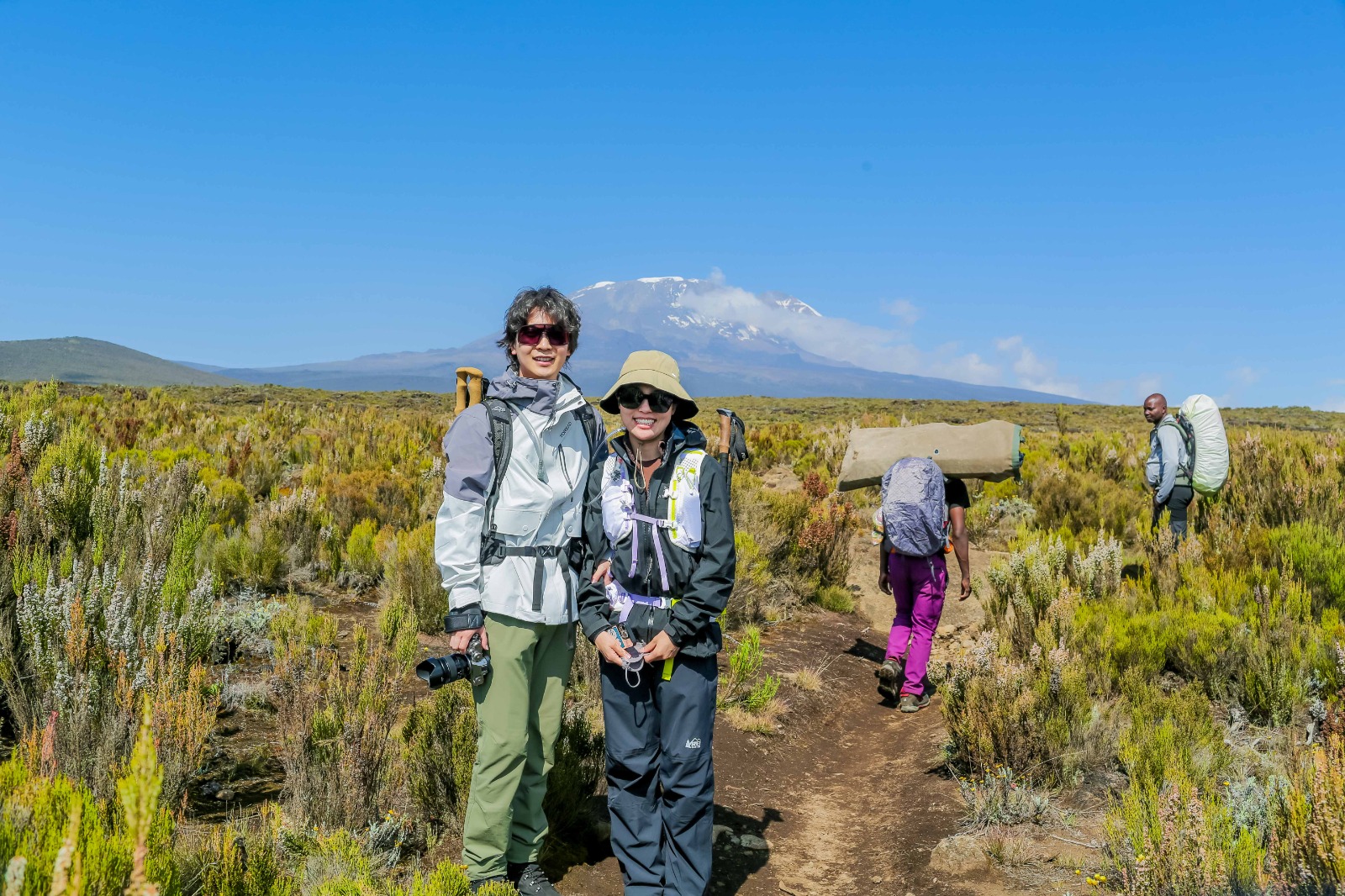
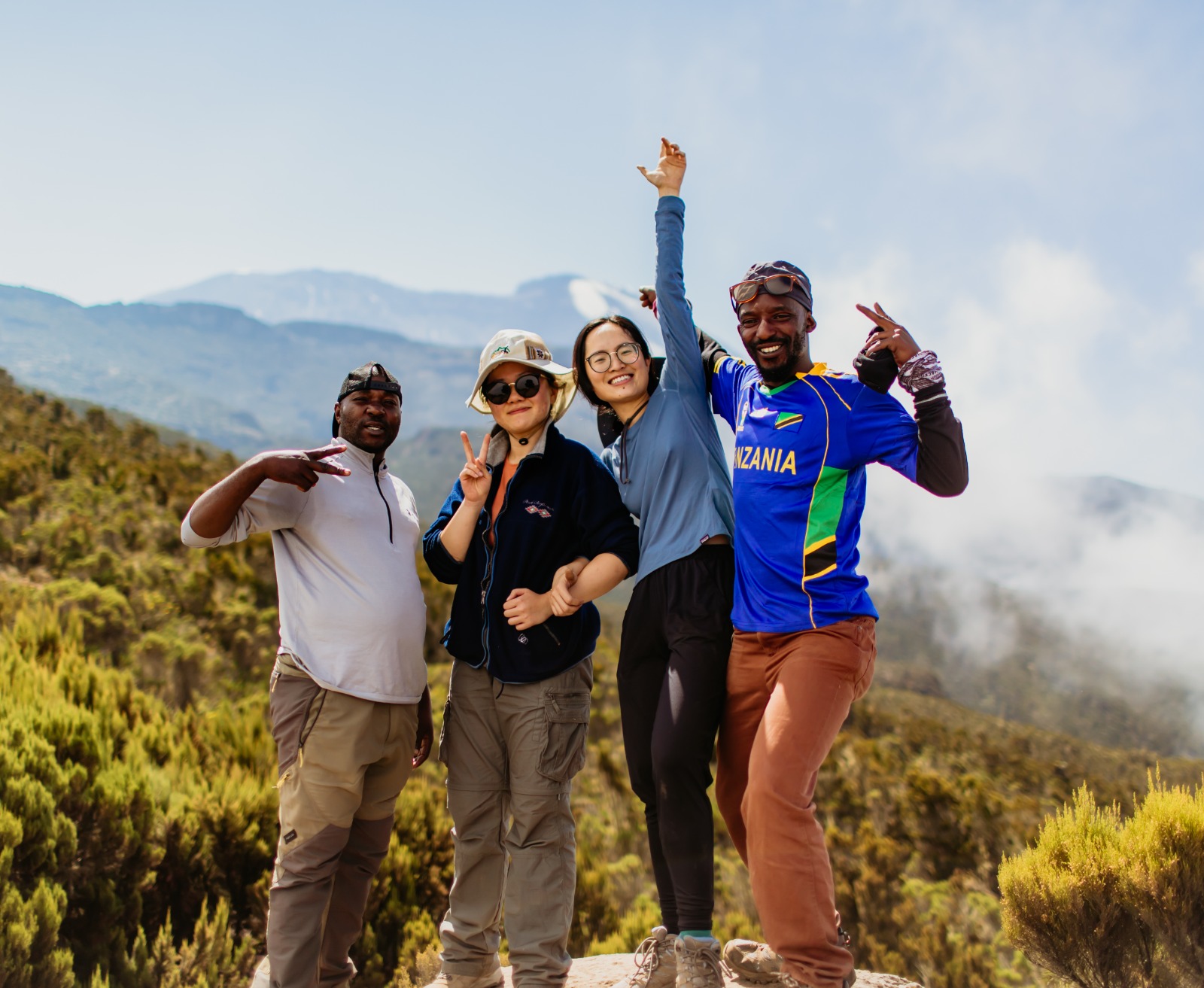
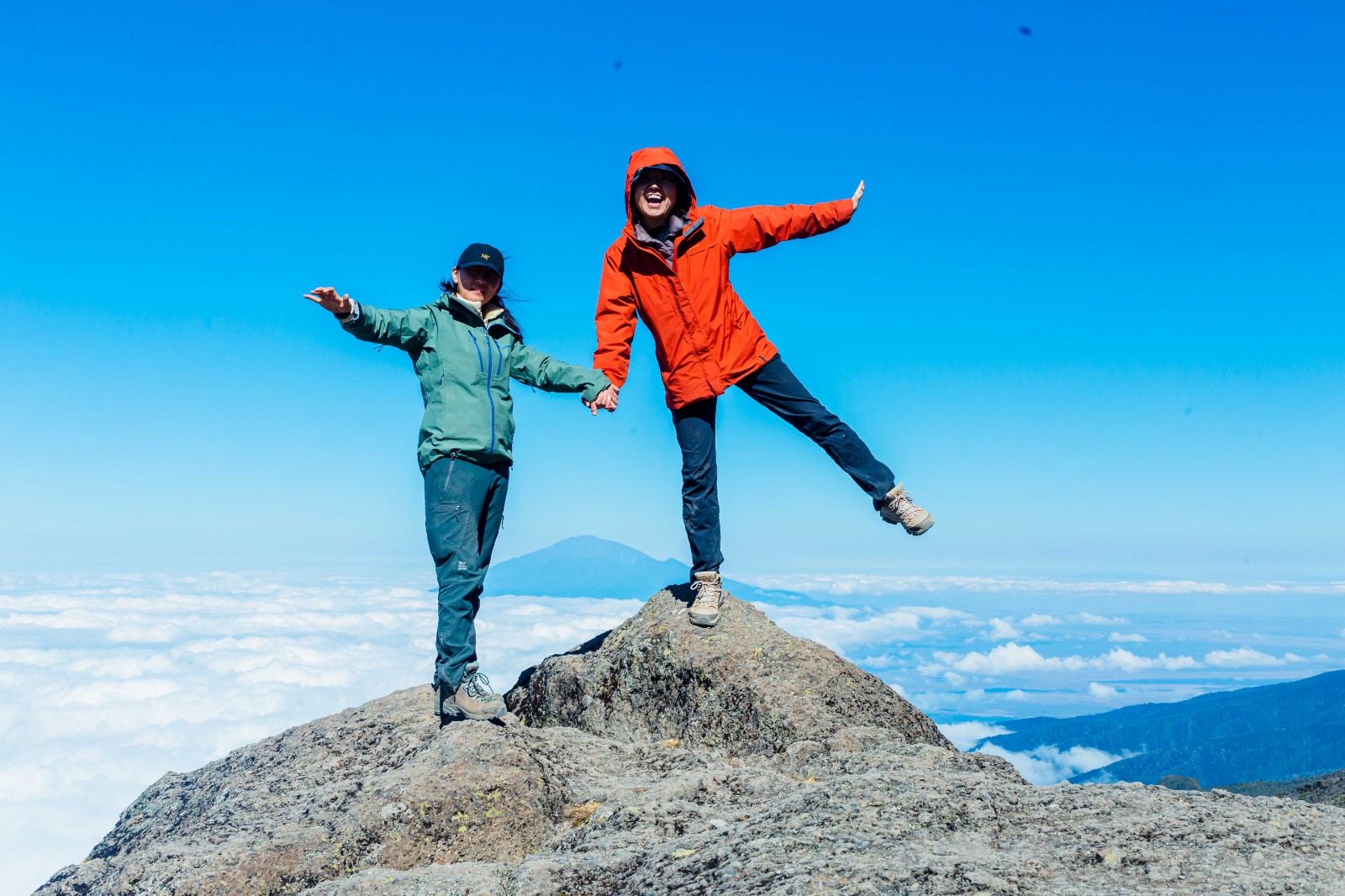
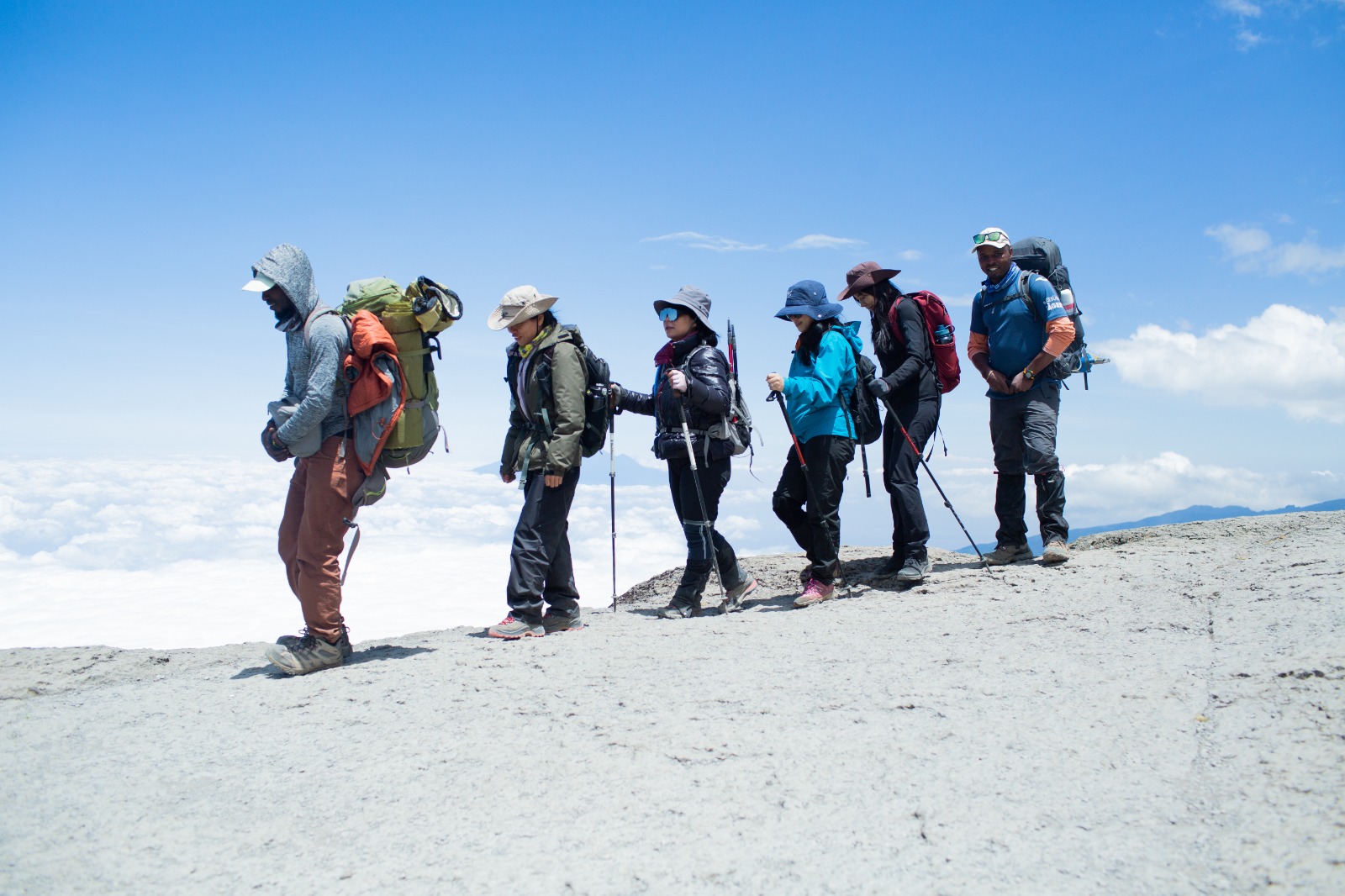
Climbing Mount Kilimanjaro is one of the most famous trekking adventures in the world. Standing at 5,895 meters (19,341 feet), Kilimanjaro is the highest mountain in Africa and attracts thousands of climbers each year.
One of the most common questions travelers ask when planning their trek is: How much does it cost to climb Kilimanjaro?
The answer depends on several factors such as route length, number of days, type of operator, group size, and services included in the climb. While Kilimanjaro does not require technical mountaineering skills, it is not a cheap adventure because the climb requires a professional support team, national park fees, equipment, and logistics.
This guide explains the full Kilimanjaro climbing cost, including park fees, guide services, gear, and travel expenses.
Before planning your climb, you may want to start with the full Kilimanjaro Climbing Guide.
Average Cost to Climb Kilimanjaro
The average cost to climb Mount Kilimanjaro ranges between $1,800 and $6,000 per person, depending on the quality of the tour operator and the route you choose.
Typical price ranges include:
-
Budget climbs: $1,800 – $2,500
-
Mid-range climbs: $2,500 – $4,000
-
Luxury climbs: $4,000 – $6,500+
Budget climbs usually include basic camping services, while luxury climbs may include premium equipment, larger support teams, better food, and more comfortable camps.
Your final cost will also depend on the number of days you spend on the mountain. Longer itineraries often have higher prices but offer better acclimatization and higher summit success rates.
You can explore route options in the Kilimanjaro Routes Guide.
Kilimanjaro National Park Fees
A large portion of the Kilimanjaro climbing cost comes from Kilimanjaro National Park fees, which are set by the Tanzania National Parks Authority (TANAPA).
These fees are mandatory and must be paid for every climber entering the park.
Typical park fees include:
-
Conservation fee
-
Camping or hut fee
-
Rescue fee
-
Crew entry fees
-
VAT tax
Depending on the route and number of days, park fees alone usually range from $700 to $1,200 per person.
To see the detailed fee structure, read the guide to Kilimanjaro Park Fees.
Guide and Porter Costs
Climbing Kilimanjaro without a licensed guide is not allowed. All climbers must be accompanied by a certified guide and a support team.
A typical Kilimanjaro team includes:
-
lead guide
-
assistant guides
-
porters
-
cook
Porters carry equipment, tents, food supplies, and duffel bags while climbers carry only a small daypack.
The size of the crew depends on the group size and route length, but many climbers are supported by a team of 10 to 15 people.
These staff wages are included in most tour packages, but climbers are also expected to provide tips at the end of the trek.
Learn more about tipping expectations in Tipping Guidelines for Mount Kilimanjaro Trekking.
Kilimanjaro Route Prices
Different routes have different costs mainly because of the number of days on the mountain and logistics involved.
Here are typical route price ranges:
Marangu Route (5–6 days)
Often considered one of the more affordable routes because it uses hut accommodation.
Machame Route (6–7 days)
One of the most popular routes with great scenery and good acclimatization.
Lemosho Route (7–8 days)
A longer route with excellent acclimatization and fewer crowds.
Rongai Route (6–7 days)
Approaches the mountain from the northern side.
Umbwe Route (6 days)
A steeper route recommended for experienced trekkers.
If you want to compare routes in detail, see Machame vs Lemosho vs Marangu Route.
What Is Included in Kilimanjaro Climb Packages
Most Kilimanjaro tour packages include many essential services needed for the climb.
Typical inclusions are:
-
national park fees
-
professional guides
-
porters and cook
-
camping equipment
-
tents and sleeping tents
-
meals during the trek
-
drinking water
-
transportation from Moshi or Arusha
-
airport transfers
-
pre-climb briefing
You can learn more about the climbing process in How Long Does It Take to Climb Kilimanjaro.
What Is Usually Not Included
Some important expenses are usually not included in the climbing package price.
Common additional costs include:
-
international flights
-
travel insurance
-
visas
-
tips for guides and porters
-
personal trekking gear
-
hotel accommodation before and after the climb
-
snacks and drinks
These extra costs can add several hundred dollars to your overall travel budget.
Equipment and Gear Costs
If you already own trekking equipment, your gear cost may be minimal. However, many climbers need to purchase or rent specialized gear.
Essential items include:
-
trekking boots
-
down jacket
-
thermal clothing
-
waterproof layers
-
trekking poles
-
sleeping bag
-
headlamp
-
gloves and hats
Buying all gear new can cost $500 to $1,500, but many operators offer gear rental options to reduce costs.
For a full checklist, read the Kilimanjaro Packing List.
Travel and Accommodation Costs
Most Kilimanjaro climbs start in Moshi or Arusha, the two main trekking bases near the mountain.
Travel costs may include:
-
flights to Kilimanjaro International Airport
-
hotel stays before and after the trek
-
airport transfers
-
meals outside the climb package
You can learn more about arrival logistics in the Kilimanjaro Airport Guide and Moshi Kilimanjaro Trekking Base.
Why Cheap Kilimanjaro Climbs Can Be Risky
While budget options exist, extremely cheap Kilimanjaro climbs should be approached carefully.
Very low prices can sometimes indicate:
-
poor treatment of porters
-
inadequate safety equipment
-
inexperienced guides
-
low-quality food and gear
-
insufficient acclimatization days
Climbing Kilimanjaro safely requires a professional support team and proper equipment.
It is usually better to choose a reputable operator with fair pricing rather than the cheapest option available.
You can also learn about safety considerations in the Kilimanjaro Safety Guide.
Ways to Reduce Kilimanjaro Climbing Costs
There are several ways to make your Kilimanjaro climb more affordable without sacrificing safety.
Join a group climb
Sharing costs with other climbers reduces the price.
Travel during shoulder seasons
Some operators offer discounts outside peak months.
Rent gear instead of buying
This can save hundreds of dollars.
Choose a standard route
Routes like Machame or Marangu often have more competitive prices.
For preparation tips before booking, read How to Prepare for a Kilimanjaro Trek.
Kilimanjaro Climbing Cost Example Budget
Here is a rough estimate for a typical mid-range climb:
Kilimanjaro climb package: $2,800
Tips for crew: $250–$350
Flights: $700–$1,200
Visa: $50–$100
Gear and equipment: $300–$800
Estimated total trip cost: $4,100 – $5,200
These numbers vary depending on travel location and personal preferences.
Is Climbing Kilimanjaro Worth the Cost?
For many travelers, climbing Kilimanjaro is a once-in-a-lifetime adventure. The journey takes you through multiple ecosystems—from rainforest to alpine desert to the snow-covered summit.
Few experiences match the feeling of reaching Uhuru Peak, the highest point in Africa.
The climb also offers breathtaking landscapes, incredible sunrises, and a strong sense of personal achievement.
If you want to understand the challenge and success rates, see Kilimanjaro Success Rate.
Final Thoughts
The cost of climbing Kilimanjaro varies depending on route, duration, and operator quality, but most climbers spend between $2,000 and $6,000 for the trek itself.
When planning your budget, it is important to include park fees, guides, tipping, travel costs, and gear expenses.
Choosing the right operator and preparing properly will ensure a safe and enjoyable journey to the summit of Africa’s highest mountain.
To continue planning your adventure, explore the complete Kilimanjaro Climbing Guide and start preparing for one of the world’s most unforgettable trekking experiences.