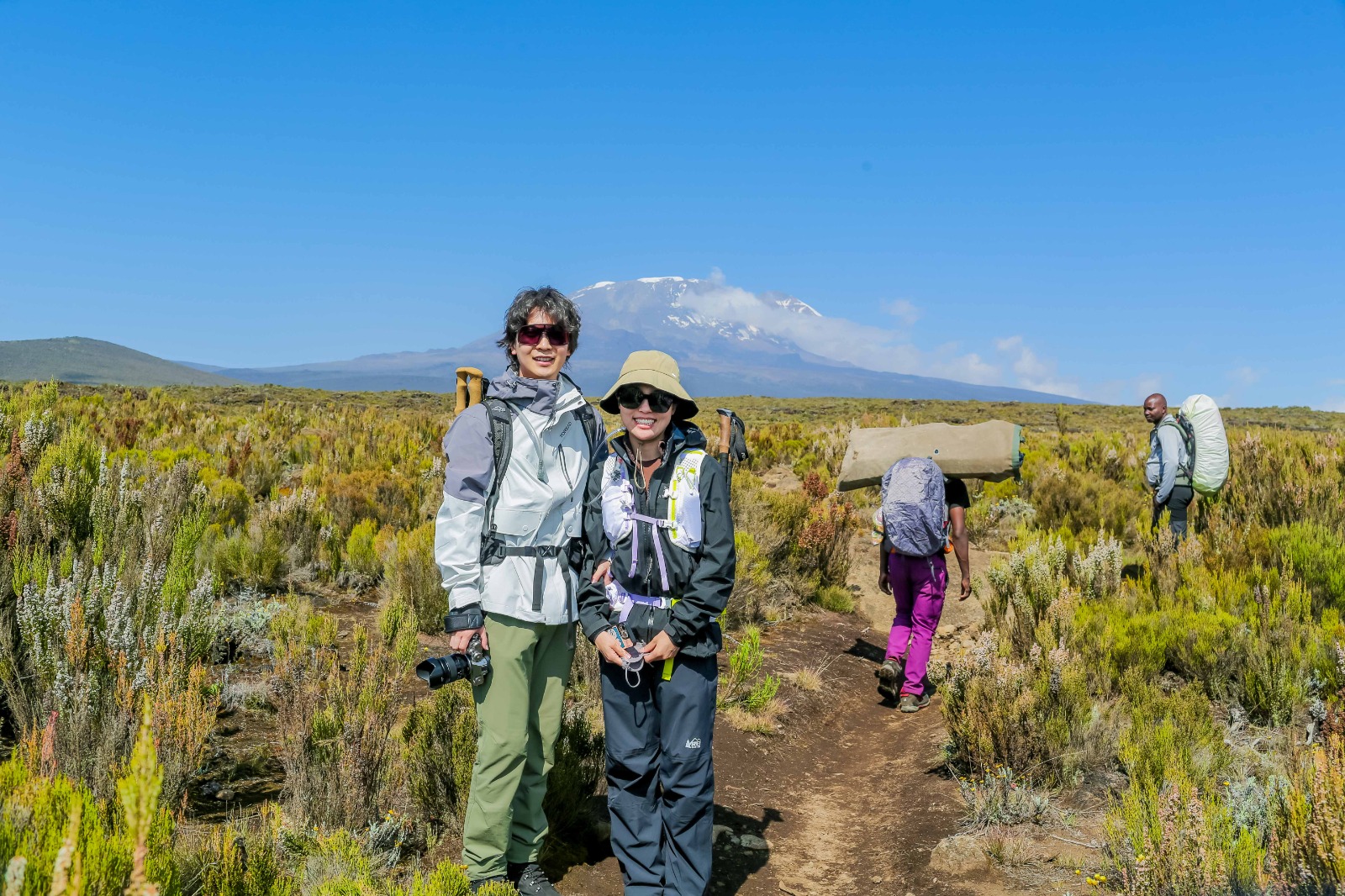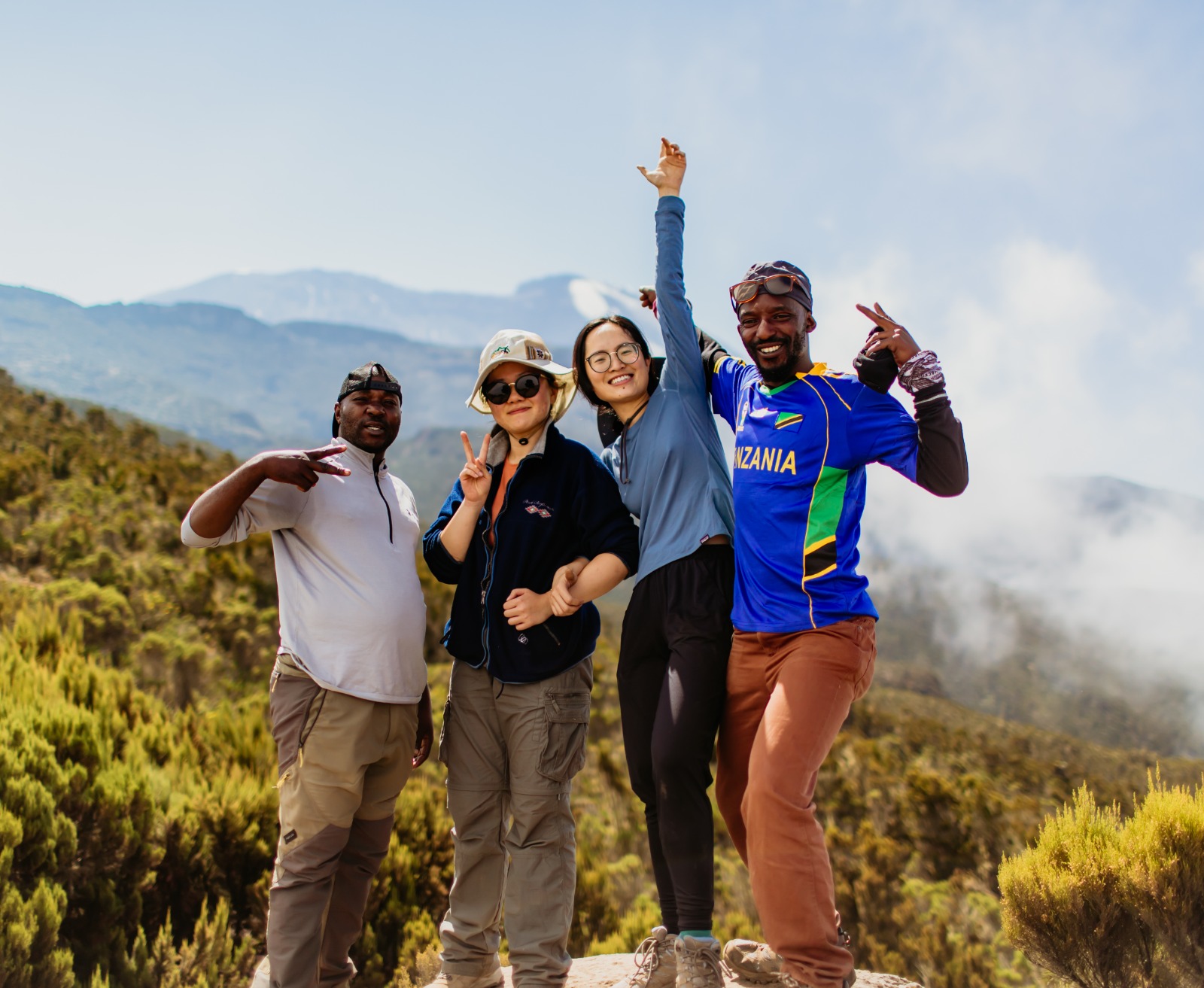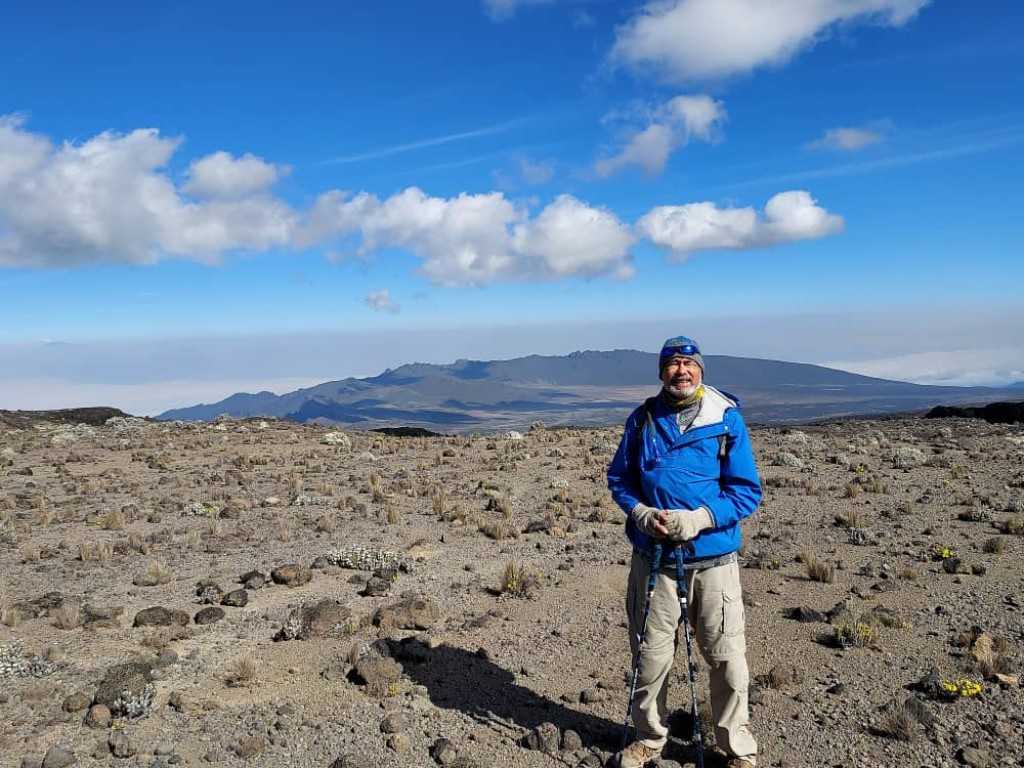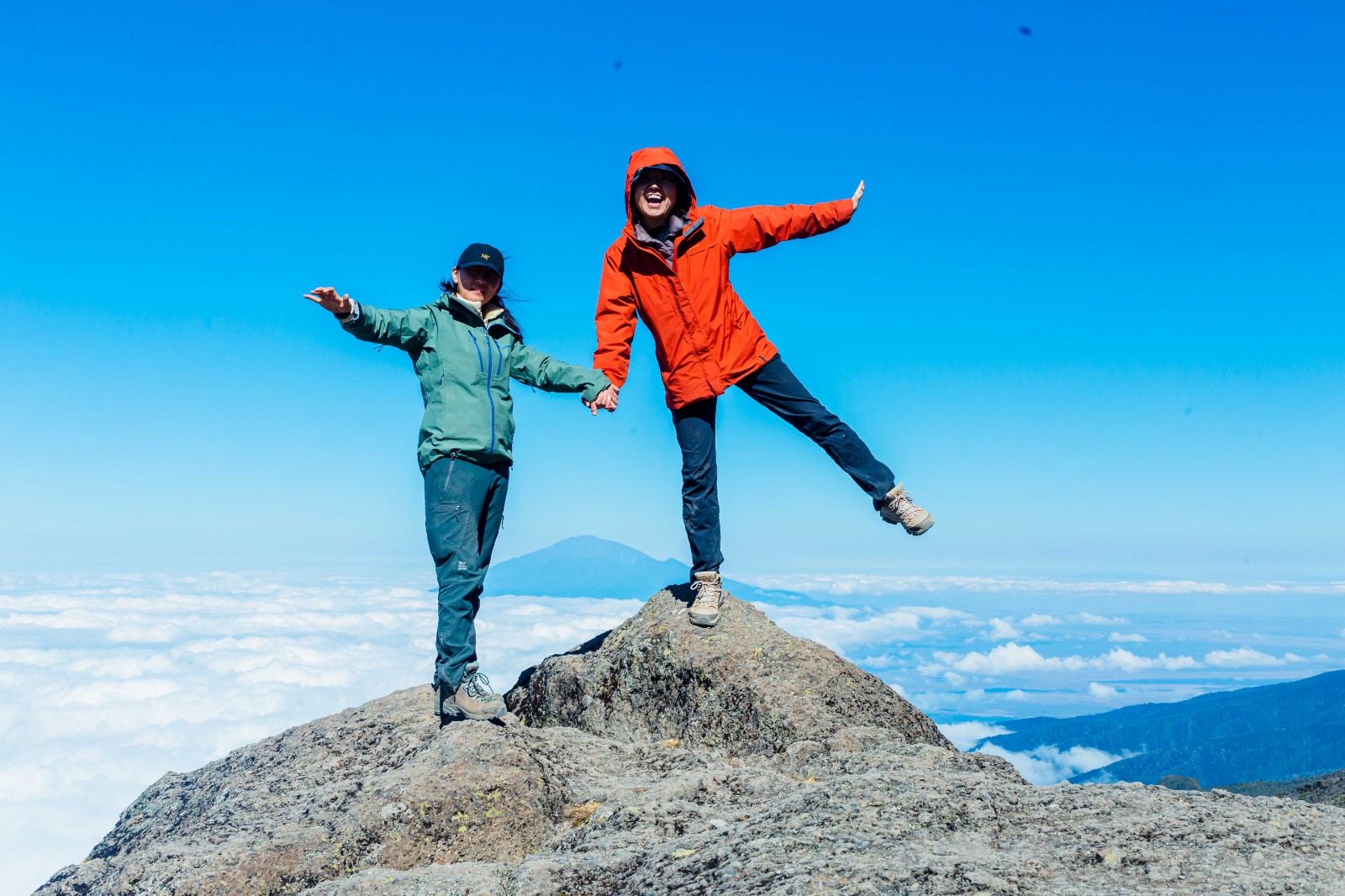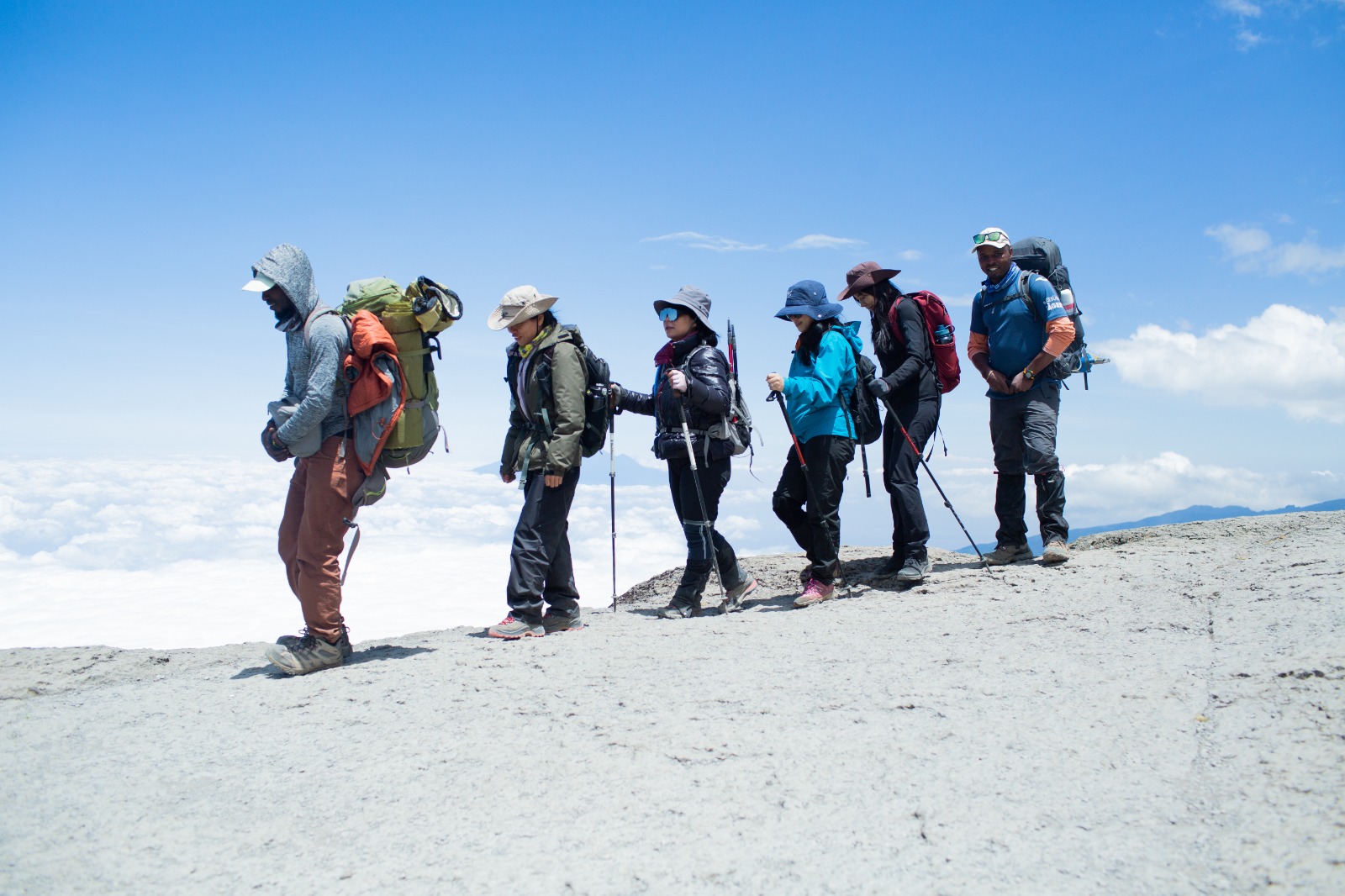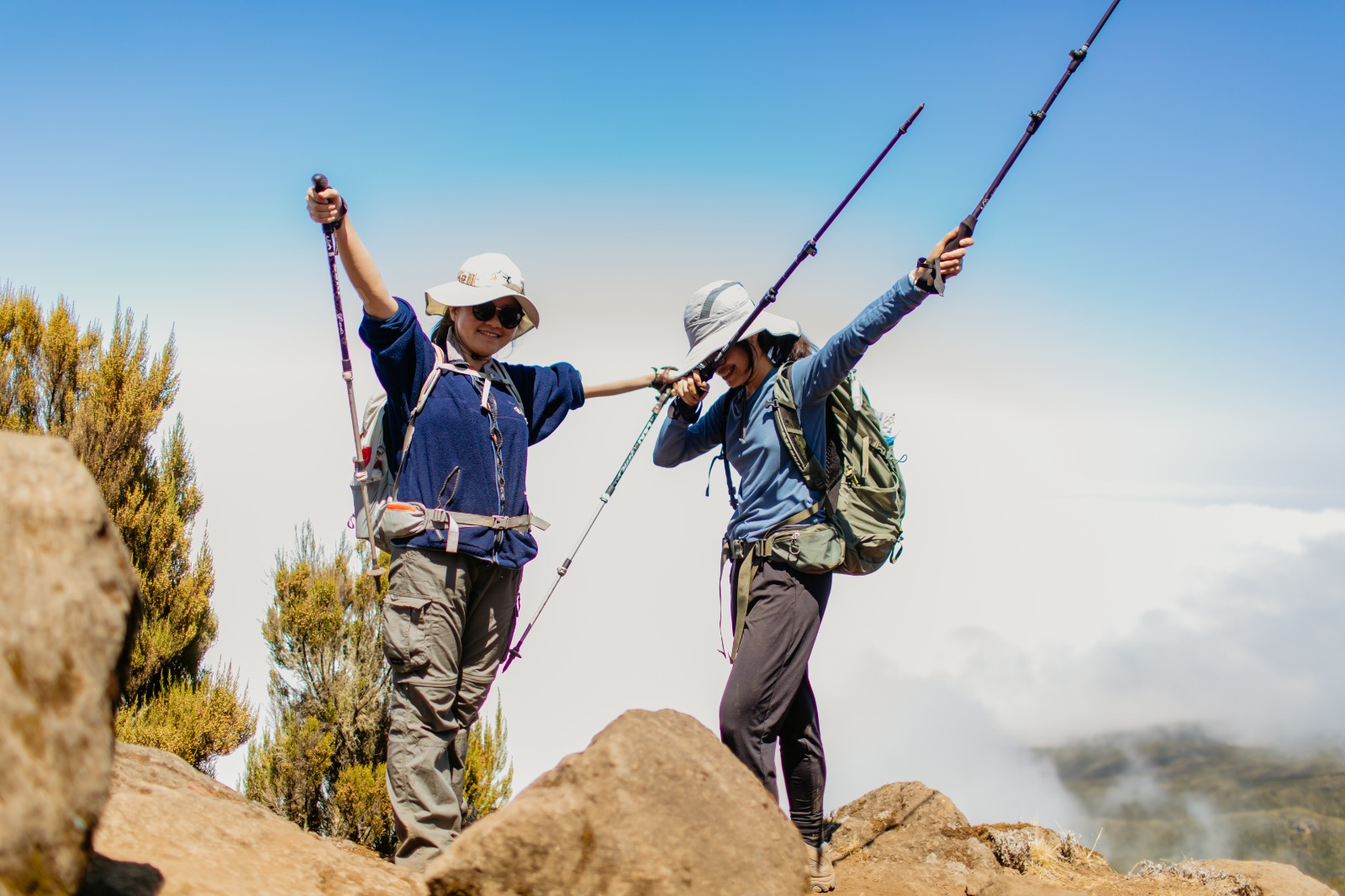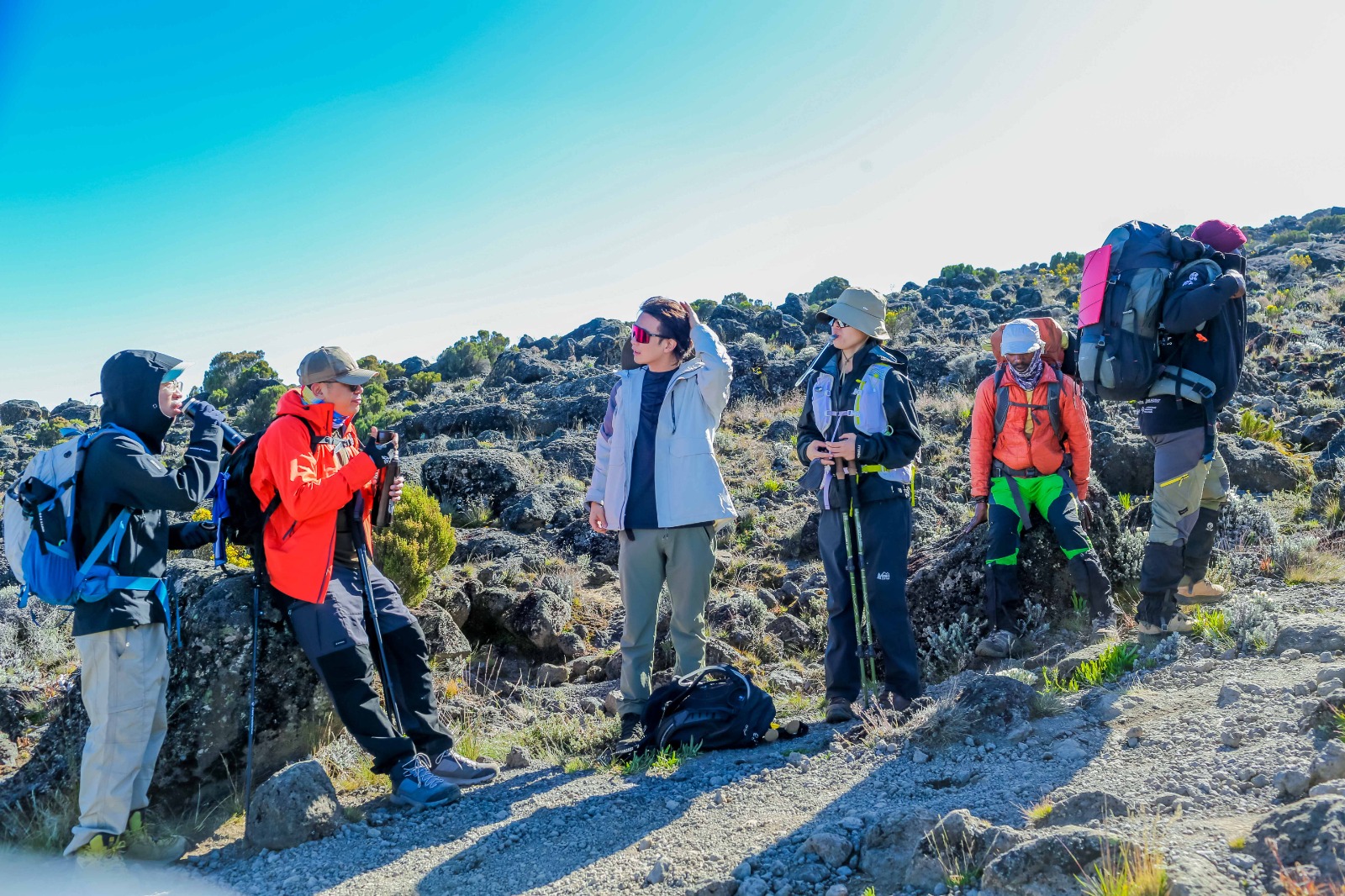
Climbing Mount Kilimanjaro is a remarkable adventure, but safety should always be the top priority. Standing at 5,895 meters (19,341 feet), Kilimanjaro is the highest mountain in Africa, and reaching the summit requires proper preparation, acclimatization, and awareness of potential risks.
The good news is that Kilimanjaro is considered a non-technical climb, meaning no mountaineering skills or ropes are required. However, altitude, weather, and physical endurance still present real challenges.
If you are planning your trek, begin with the complete Kilimanjaro Climbing Guide.
Is Kilimanjaro Safe to Climb?
Yes, Kilimanjaro is generally safe when climbed with licensed guides and proper preparation. Tanzania regulations require all climbers to climb with a registered guide and trekking company, which greatly improves safety.
Most climbers reach high altitude without serious problems, but some may experience symptoms related to altitude sickness or exhaustion.
Understanding the risks and preparing correctly is the best way to ensure a safe climb.
The Biggest Safety Risk: Altitude Sickness
The most common risk on Kilimanjaro is Altitude Sickness, also known as Acute Mountain Sickness (AMS). As climbers ascend higher, oxygen levels decrease, making it harder for the body to function normally.
Common symptoms include:
-
Headache
-
Nausea
-
Dizziness
-
Fatigue
-
Shortness of breath
Most cases are mild and improve with rest, but severe symptoms require immediate descent.
To understand this condition in detail, read the Kilimanjaro Altitude Sickness Guide.
How to Prevent Altitude Sickness
Preventing altitude sickness is one of the most important safety measures during a Kilimanjaro climb.
Key strategies include:
Climb slowly – The famous Kilimanjaro rule is “pole pole”, meaning slow pace.
Choose a longer route – 7 or 8 day climbs allow better acclimatization.
Stay hydrated – Drink plenty of water during the trek.
Listen to your guide – Guides monitor health and oxygen levels.
Routes with longer itineraries such as the 7 Day Lemosho Route Kilimanjaro Climb and the 7 Day Machame Route Kilimanjaro Climb typically have higher success and safety rates.
Kilimanjaro Weather Safety
Weather on Kilimanjaro can change rapidly, especially at higher elevations. Climbers pass through several climate zones, from rainforest to arctic summit conditions.
Possible weather challenges include:
-
Cold temperatures
-
Strong winds
-
Snow near the summit
-
Heavy rain in lower zones
Summit temperatures can drop to -20°C (-4°F) at night.
To understand seasonal conditions, see Kilimanjaro Weather by Month.
Essential Safety Equipment
Having the right equipment significantly improves safety and comfort on the mountain.
Important gear includes:
-
Waterproof hiking boots
-
Warm thermal layers
-
Down jacket
-
Sleeping bag for cold temperatures
-
Headlamp for summit night
-
Trekking poles
-
Gloves and warm hat
For a complete gear list, read Kilimanjaro Packing List.
Medical Monitoring on the Mountain
Professional Kilimanjaro guides regularly check climbers' health during the trek.
Common monitoring methods include:
-
Pulse oximeter checks for oxygen saturation
-
Daily health assessments
-
Monitoring altitude sickness symptoms
If a climber develops severe altitude symptoms, guides will organize a descent to a lower altitude, which is the most effective treatment.
Choosing a Safe Route
Some Kilimanjaro routes are safer because they provide better acclimatization.
Routes with higher safety and success rates include:
-
Lemosho Route
-
Machame Route
Routes with shorter itineraries can increase the risk of altitude sickness.
For a detailed comparison, see Machame vs Lemosho vs Marangu Route.
Training Before the Climb
Physical preparation plays an important role in staying safe during the trek.
Recommended training includes:
-
Hiking with a backpack
-
Cardiovascular exercise such as running or cycling
-
Strength training for legs and core
-
Long endurance walks
You can learn more preparation tips in How to Prepare for a Kilimanjaro Trek.
Travel Insurance and Emergency Support
Climbers should always travel with comprehensive travel insurance that covers high-altitude trekking.
Important coverage should include:
-
Emergency evacuation
-
Medical treatment
-
Trip cancellation
Helicopter evacuation services are available on Kilimanjaro for serious medical emergencies.
Kilimanjaro Summit Night Safety
Summit night is the most challenging part of the climb. Climbers usually start around midnight and trek for several hours in darkness and freezing temperatures.
Safety tips for summit night:
-
Dress in multiple warm layers
-
Use a reliable headlamp
-
Move slowly and conserve energy
-
Follow your guide’s instructions
Summit success also depends on choosing the right itinerary. Learn more in Kilimanjaro Success Rate.
Final Thoughts
Climbing Kilimanjaro is a safe and achievable adventure when proper precautions are taken. With experienced guides, good preparation, and a well-planned itinerary, thousands of climbers successfully reach the summit every year.
The most important safety factors include slow acclimatization, proper gear, physical preparation, and choosing the right route.
If you are ready to start planning your climb, explore available itineraries in Kilimanjaro Trekking Tours.