Quick facts
Wildlife
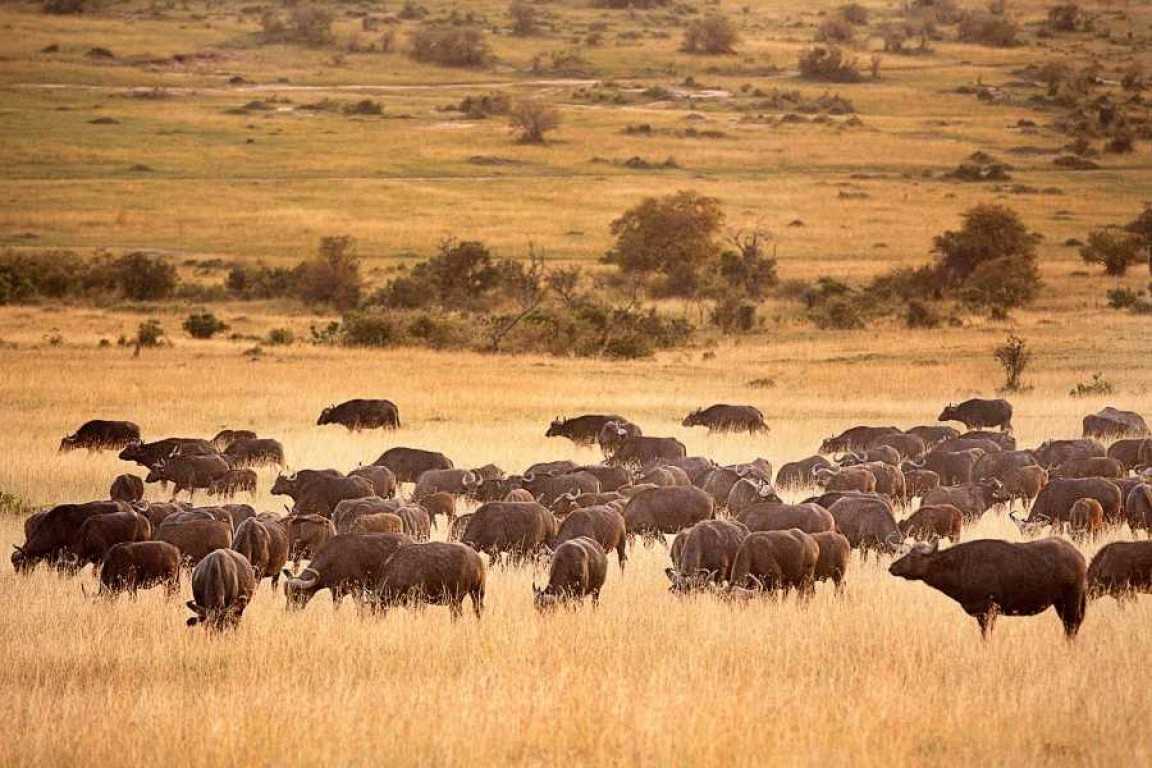
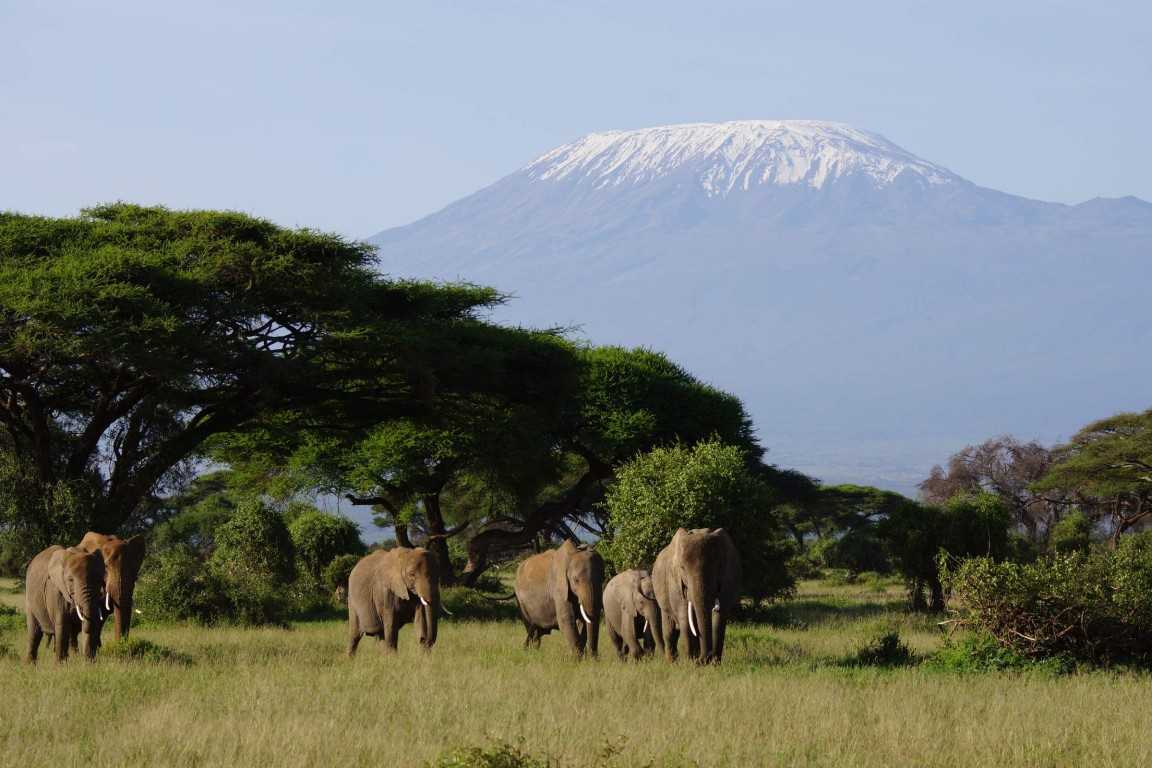
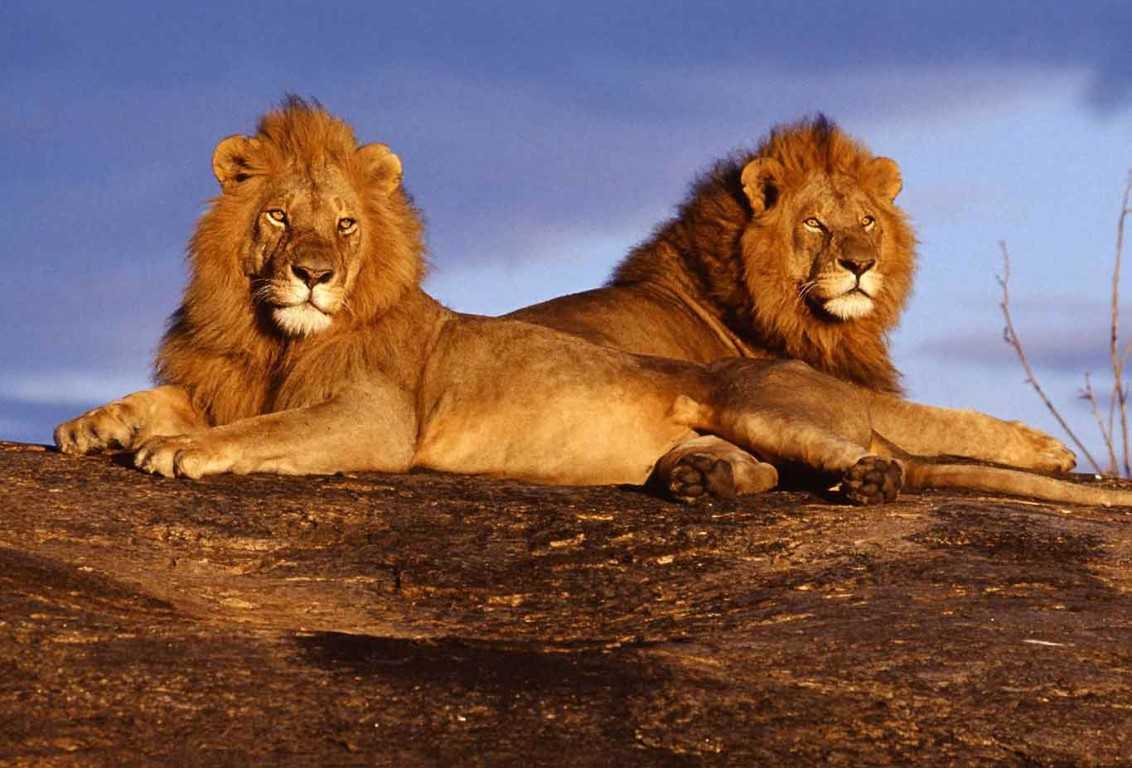
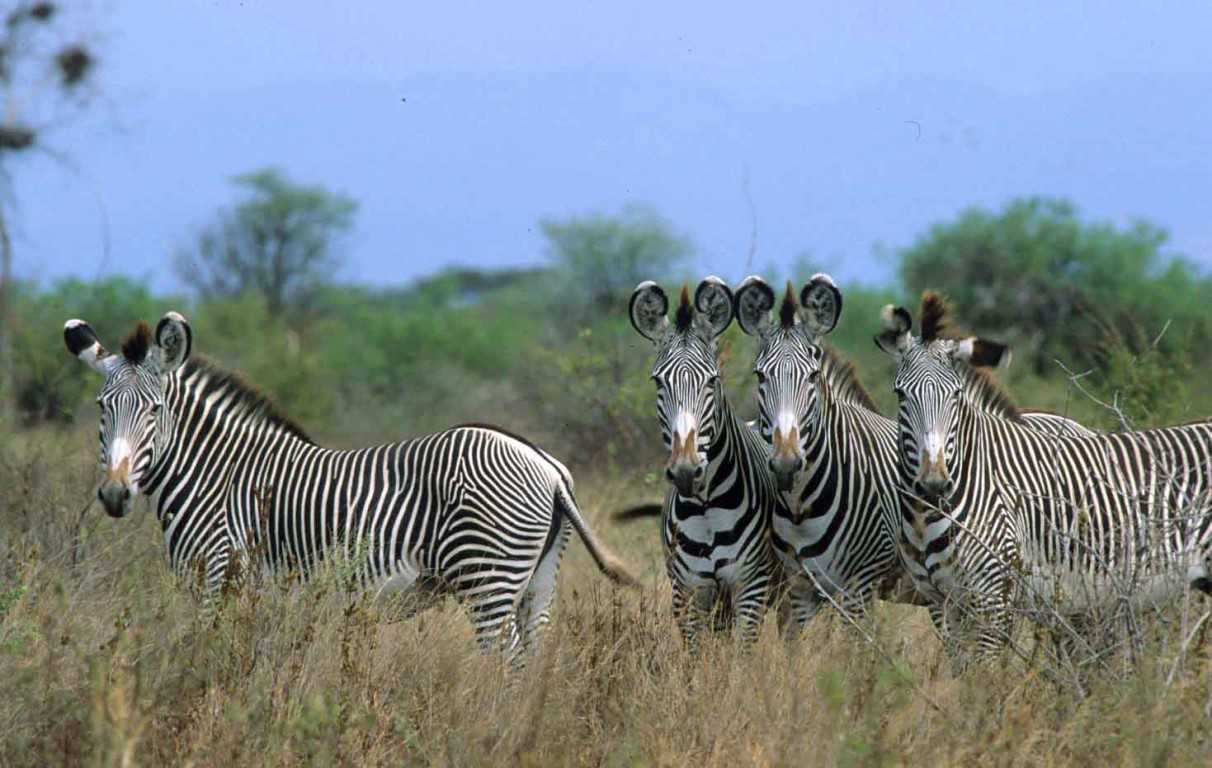
Ol Pejeta holds the largest black rhino population in East Africa (over 130 individuals), the last two northern white rhinos alive (Najin and Fatu, both female), Big Five with excellent lion and leopard sightings, cheetah, African wild dog and spotted hyena. The conservancy also runs East Africa's only sanctuary for chimpanzees rescued from the illegal pet trade. Grevy's zebra, Jackson's hartebeest, eland, beisa oryx, reticulated giraffe and over 300 bird species are all resident.
Top activities
Black rhino game drive — one of Africa's most reliable rhino viewing experiences, with over 130 black rhino spread across the 90,000-acre conservancy. Northern white rhino enclosure visit — meet Najin and Fatu, the last two northern white rhinos on Earth, with a keeper talk on the conservation effort. Sweetwaters Chimpanzee Sanctuary — East Africa's only chimp sanctuary, for primates rescued from illegal wildlife trade. Night game drives — available at Ol Pejeta, one of the few Kenya conservancies allowing night drives. Walking safaris with armed rangers. Lion and cheetah tracking on the open plains.
About Ol Pejeta Conservancy
On the Laikipia Plateau northwest of Mount Kenya, a 90,000-acre fenced conservancy holds a fact that is simultaneously awe-inspiring and deeply melancholy: the last two northern white rhinos on Earth. Najin and Fatu are female, elderly, and cannot carry pregnancies to term. The northern white rhino subspecies is functionally extinct — and yet it is not entirely gone, because scientists at Ol Pejeta Conservancy are working against extraordinary odds to use preserved genetic material and southern white rhino surrogate mothers to produce viable embryos.
That story — one of conservation’s most ambitious and heartbreaking — is reason enough to visit Ol Pejeta. But the conservancy is also one of Kenya’s finest all-round safari destinations: the largest black rhino sanctuary in East Africa, a Big Five reserve with excellent predator sightings, night game drives and East Africa’s only chimpanzee sanctuary.
Where is Ol Pejeta?
The conservancy is on the Laikipia Plateau in Kenya’s Laikipia County, roughly 200 km north of Nairobi and 15 km west of Nanyuki town. It is bounded to the south by the Ewaso Ngiro River and backed by the Mount Kenya massif to the southeast. The main gate is 20 minutes from Nanyuki Airport (daily scheduled flights from Nairobi Wilson Airport, 50 minutes).
The northern white rhinos
Najin (born 1989) and Fatu (born 2000) are the last surviving members of the northern white rhino subspecies Ceratotherium simum cottoni. Their father, Sudan, died at Ol Pejeta in 2018 at the age of 45. They live in a dedicated, intensively monitored enclosure within the conservancy, cared for by a team of dedicated rangers around the clock. Guided visits to the enclosure include a keeper talk that explains the BioRescue programme — a consortium of scientists attempting to produce northern white rhino embryos using harvested eggs and frozen sperm.
Standing at the fence looking at Najin or Fatu is not a straightforward wildlife moment. It is a confrontation with what we have lost and what extraordinary effort is being made to recover it.
Black rhino
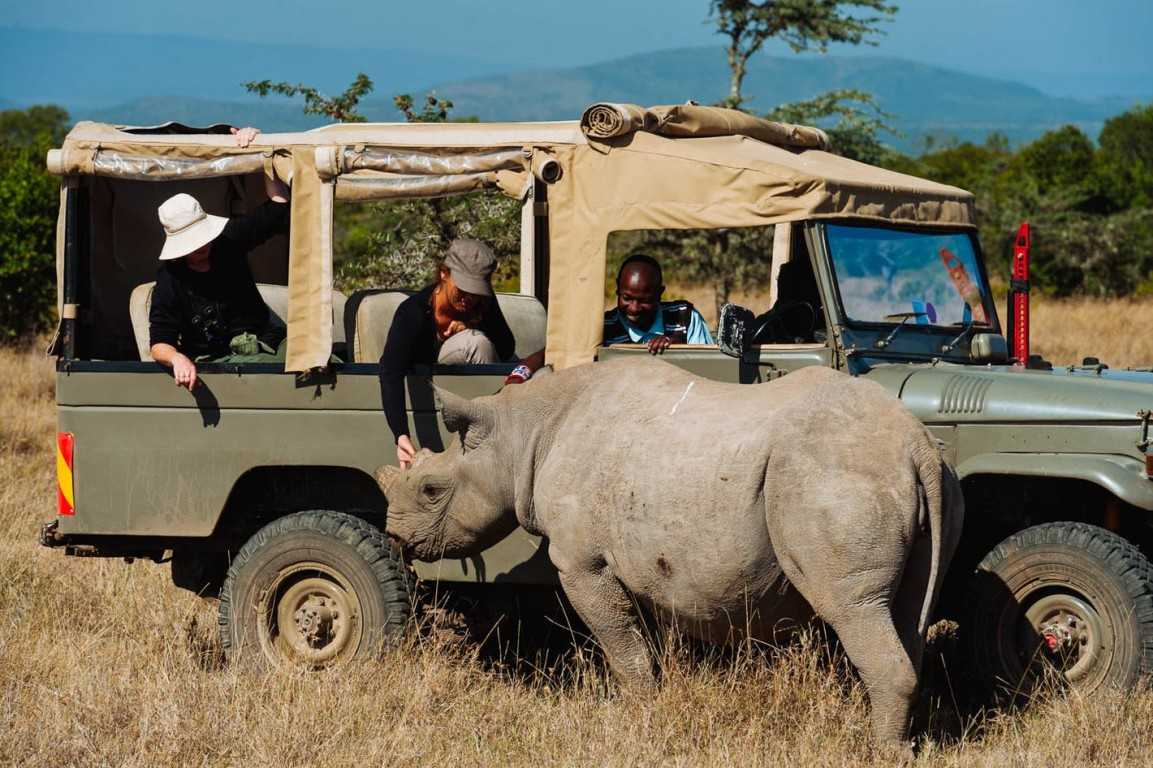
Ol Pejeta holds over 130 eastern black rhino — the largest single population in East Africa. Unlike the critically small numbers in most other Kenya protected areas, Ol Pejeta’s population is large enough that rhino sightings are consistently reliable. The conservancy’s intensive ranger presence (partly funded by the rhino programme) ensures good population health and visitor access.
Sweetwaters Chimpanzee Sanctuary
East Africa’s only chimpanzee sanctuary, operating within the Ol Pejeta conservancy boundary, houses primates rescued from the illegal pet trade and human-wildlife conflict situations in Central and West Africa. These chimps cannot be returned to the wild but live in a large, forest-enriched sanctuary with expert care. Guided visits include a keeper talk on the chimps’ individual histories and the wider illegal pet trade problem.
Night drives
Available nightly from the camps, Ol Pejeta’s night drives are among the best in Kenya — not a common offering in most Kenyan reserves. Aardvark, honey badger, serval, African wild cat, spring hare, porcupine and nocturnal raptors are among the regularly encountered species.
Combine Ol Pejeta with…
- Mount Kenya National Park — 15 km southeast; the mountain trek immediately after the conservancy.
- Samburu — 2 hours north for the Special Five.
- Lake Nakuru — add more rhino viewing in a very different landscape.
- Masai Mara — fly south from Nanyuki for the migration season.
Frequently asked questions about Ol Pejeta
Can you see the northern white rhinos at Ol Pejeta?
Yes — guided visits to the northern white rhino enclosure are available daily through Ol Pejeta’s visitor programme. Najin and Fatu are in a large, semi-wild enclosure with keeper oversight. Always confirm current access arrangements when booking.
Is Ol Pejeta part of the Big Five circuit?
Yes — the conservancy offers all Big Five (lion, leopard, elephant, buffalo and both black and white rhino). It is one of the most complete Big Five destinations in Kenya outside the Masai Mara.
Can children visit Ol Pejeta?
Yes — all ages are welcome on game drives. The northern white rhino and chimpanzee visits have particular educational value for children.
Want to visit Ol Pejeta Conservancy?
Get a free custom safari plan within 24 hours.
Ol Pejeta Conservancy safari tours

Want to visit Ol Pejeta Conservancy?
Get a free custom safari plan within 24 hours.
Best time to visit Ol Pejeta
June to October — Dry season (best game viewing)
The long dry season is the best overall window. The vegetation is shorter, making rhino, lion and cheetah easier to spot. Night drives in this period produce the most reliable hyena, genet and small cat sightings. Mount Kenya is most visible as a backdrop to game drives in June and July before afternoon cloud typically builds. The conservancy is at its most productive for Big Five sightings.
January to February — Short dry season (excellent, quieter)
A strong alternative with good game viewing and considerably fewer visitors than the July–October peak. Mount Kenya views are clearest in January. Rhino sightings are reliable year-round and the dry season only improves them slightly.
November to December — Short rains (lush, calving)
The conservancy greens and antelope begin dropping calves. Cheetah and lion predation around new calves creates dramatic sightings. Slightly lower rates than peak season.
March to May — Long rains (quieter, tracks muddy)
The long rains make some tracks difficult. Rhino sightings are unaffected but lion and cheetah are harder to spot in taller grass. The conservancy remains open and operational but at a lower intensity.
Bottom line: June to October for the fullest experience. January and February for the same quality with smaller crowds. Rhino are reliable year-round.
Where to stay in Ol Pejeta Conservancy
We'll recommend accommodation across all budget levels based on your dates and preferences.
Browse All LodgesWant to visit Ol Pejeta Conservancy?
Get a free custom safari plan within 24 hours.