Quick facts
Wildlife
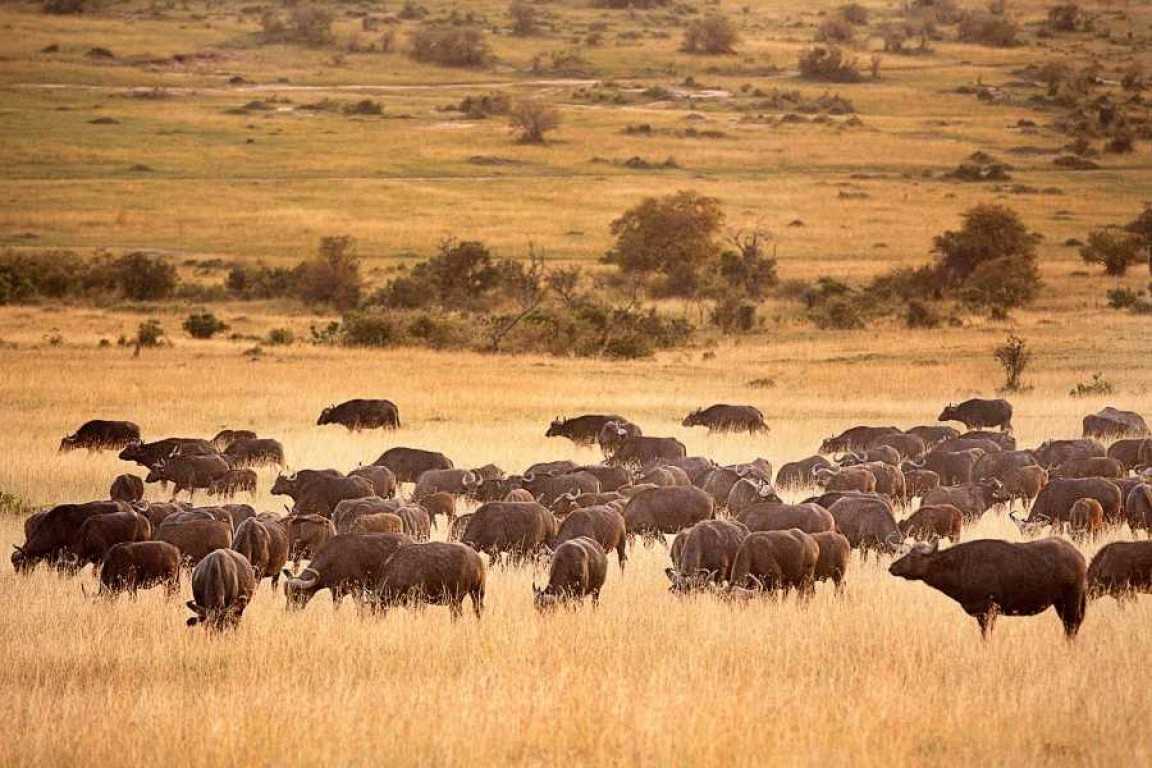
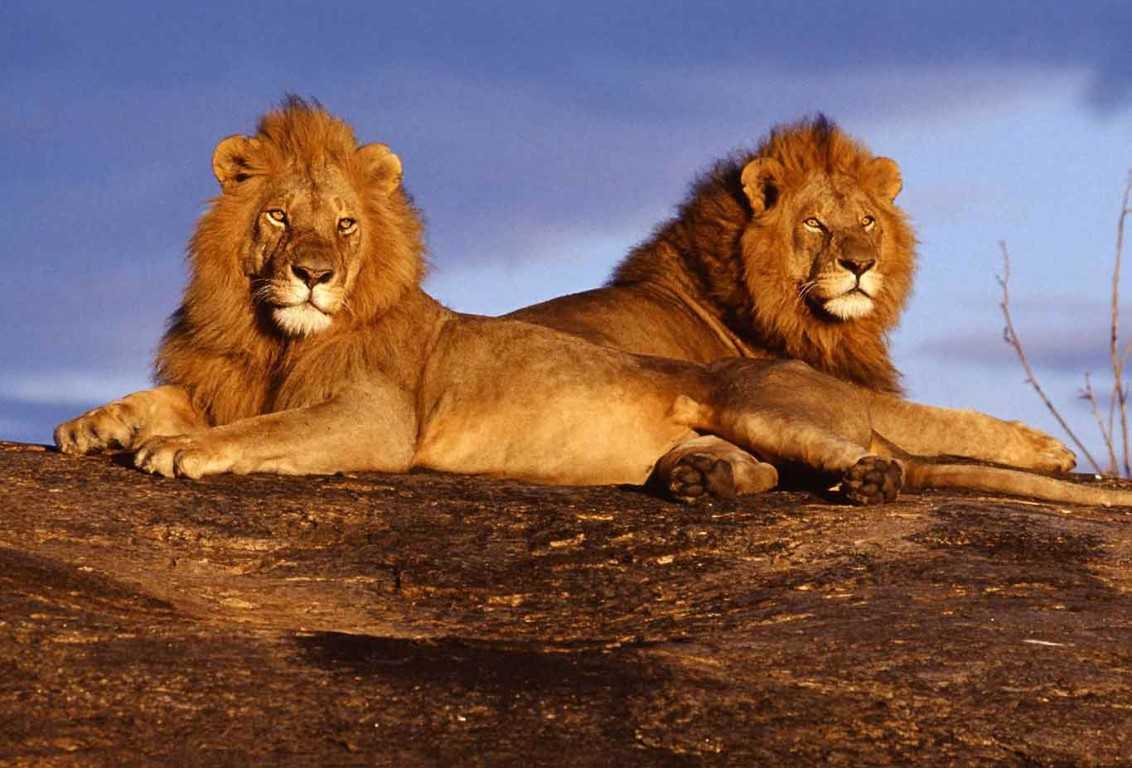
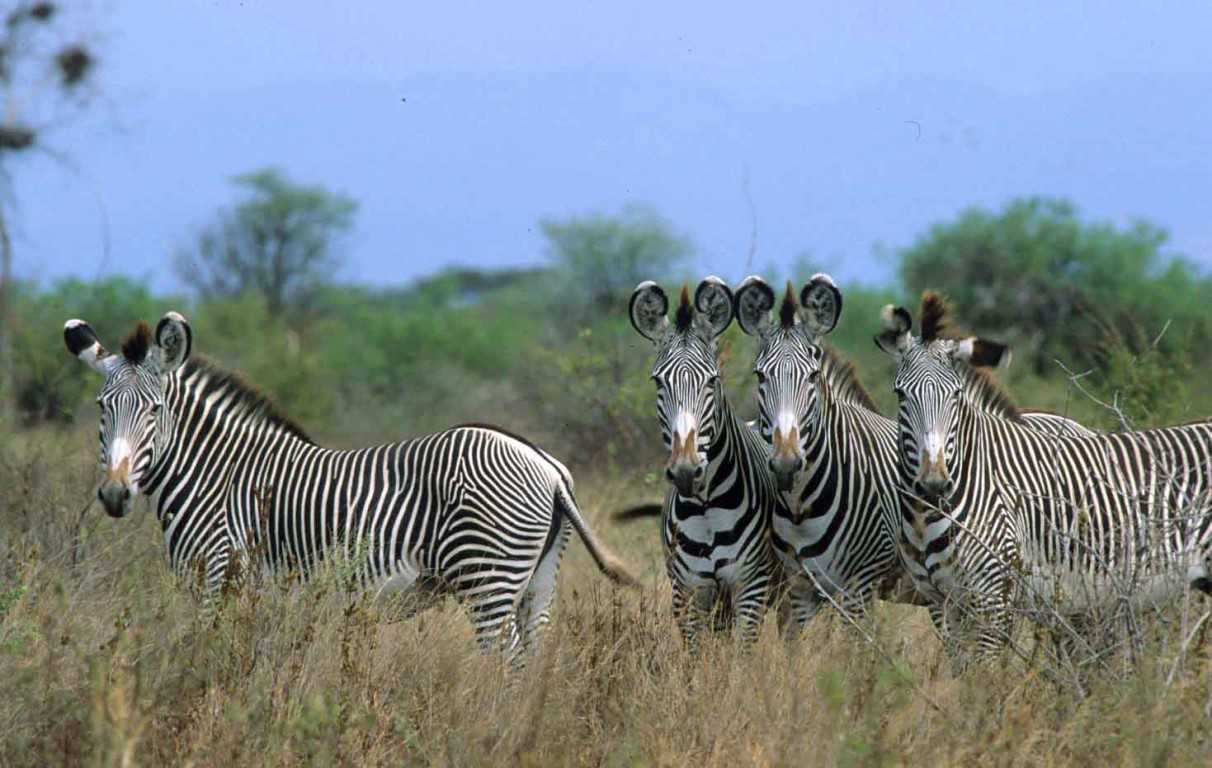
Lake Nakuru is one of Kenya's most important rhino sanctuaries, holding both white and black rhino within a fenced perimeter. Lion, leopard, cheetah and hyena make it a reliable Big Cat destination alongside the rhino. Rothschild's giraffe — one of Africa's most endangered giraffe subspecies — was introduced and now thrives. Baboon, waterbuck, reedbuck, zebra and buffalo are all present. The alkaline lake attracts flamingo in variable numbers depending on algae levels, alongside pelican, cormorant, heron and over 450 recorded bird species.
Top activities
Game drives for rhino, lion, leopard and Rothschild's giraffe. Flamingo and waterbird viewing from the lake shore — the Baboon Cliff viewpoint offers panoramic lake vistas. Walking safari to the lake shore with an armed ranger. Hippo and Nile crocodile viewing at the Hippo Pool. Makalia Falls walk in the southern section of the park. Birdwatching at the lake margins with 450+ species. Night drives in private conservancies adjacent to the park boundary.
About Lake Nakuru National Park
Lake Nakuru National Park has two identities in the safari world: it is known globally for the spectacle of a million flamingos coating its alkaline surface pink, and it is known by safari operators for something more consistently reliable — being one of Kenya’s best parks for rhino. The flamingo numbers have fluctuated significantly in recent decades; the rhino are there every day.
Located in Kenya’s Rift Valley Province around the town of Nakuru, 160 km northwest of Nairobi, the park covers 188 square kilometres centred on an alkaline soda lake — one of several in the chain of Rift Valley lakes that stretches from Ethiopia to Mozambique. It is one of Kenya’s oldest parks (established 1961) and, at its compact size, one of the most rewarding for short stays.
The rhino sanctuary
Lake Nakuru was gazetted as a rhino sanctuary in 1984, enclosed by a predator-proof fence that protects both white rhino and the more endangered black rhino. Today the sanctuary holds approximately 25 black rhino and over 70 white rhino — one of the highest densities of both species in Kenya. Rhino sightings are the most reliable in any Kenyan park outside of the specialised private rhino conservancies like Ol Pejeta.
Rothschild’s giraffe
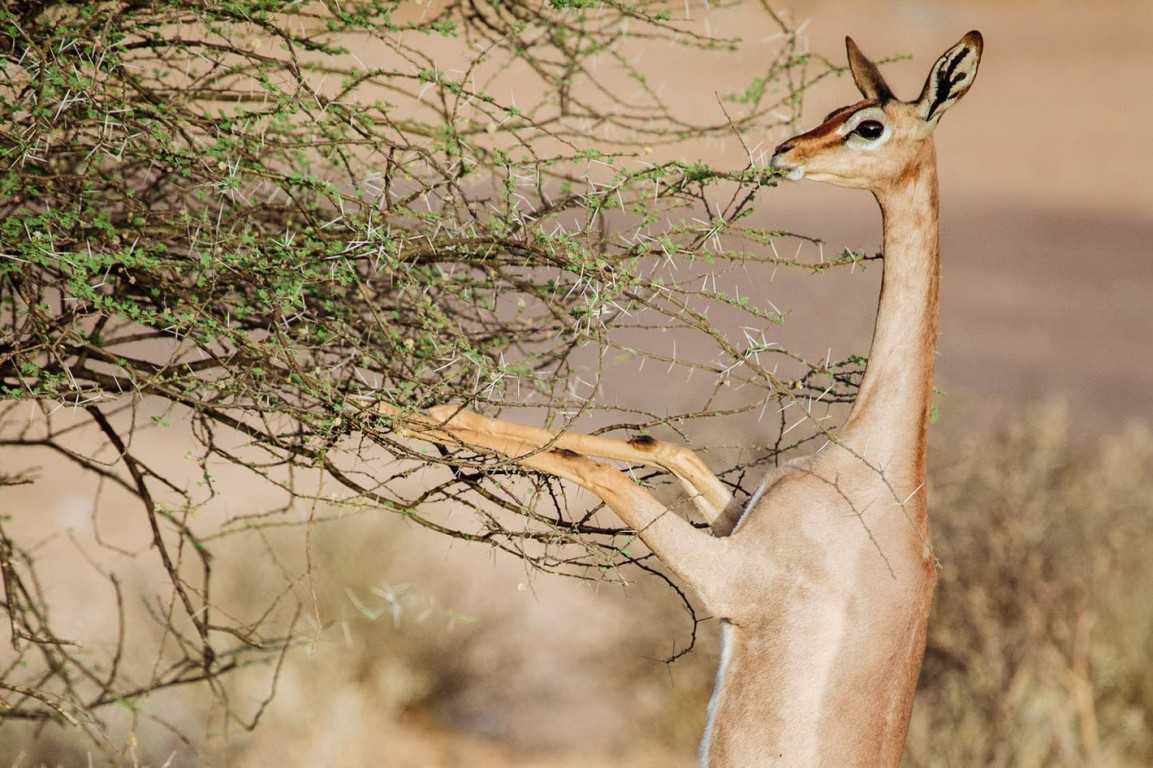
One of Africa’s rarest giraffe subspecies, the Rothschild’s giraffe has been reintroduced to Nakuru as part of Kenya Wildlife Service conservation efforts. Distinguished by the absence of markings below the knee (appearing to wear white stockings) and five ossicones (most giraffe have two), the Nakuru population now numbers around 50 animals and is reliably seen on game drives through the park’s acacia woodland.
The flamingos: an honest assessment
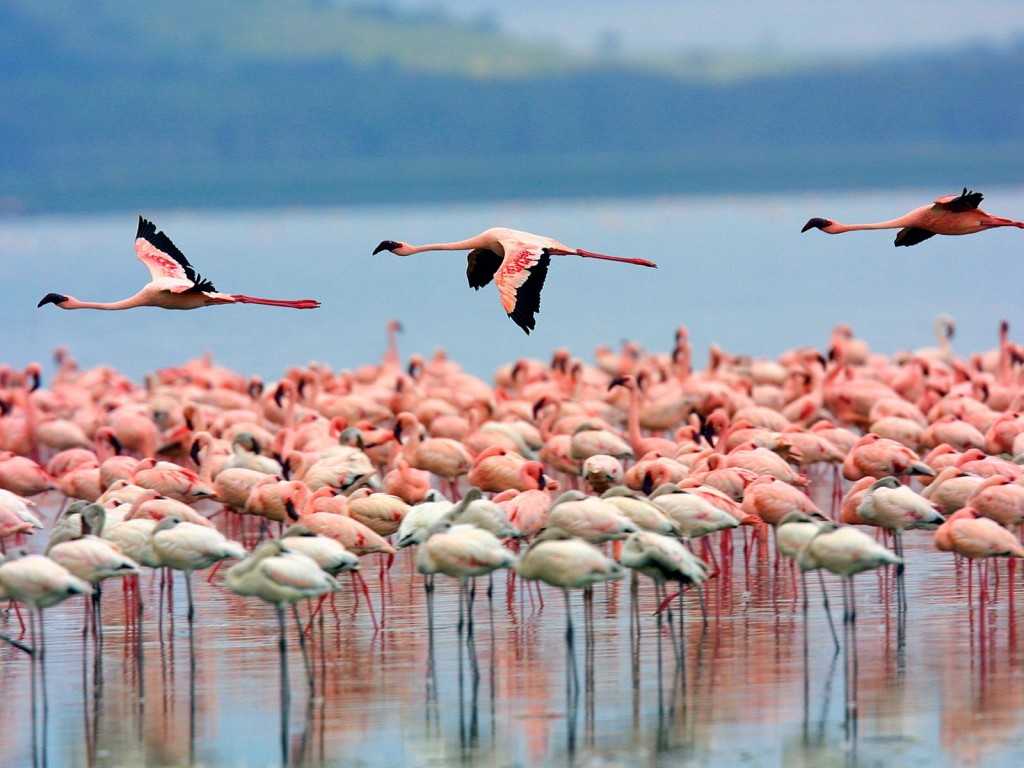
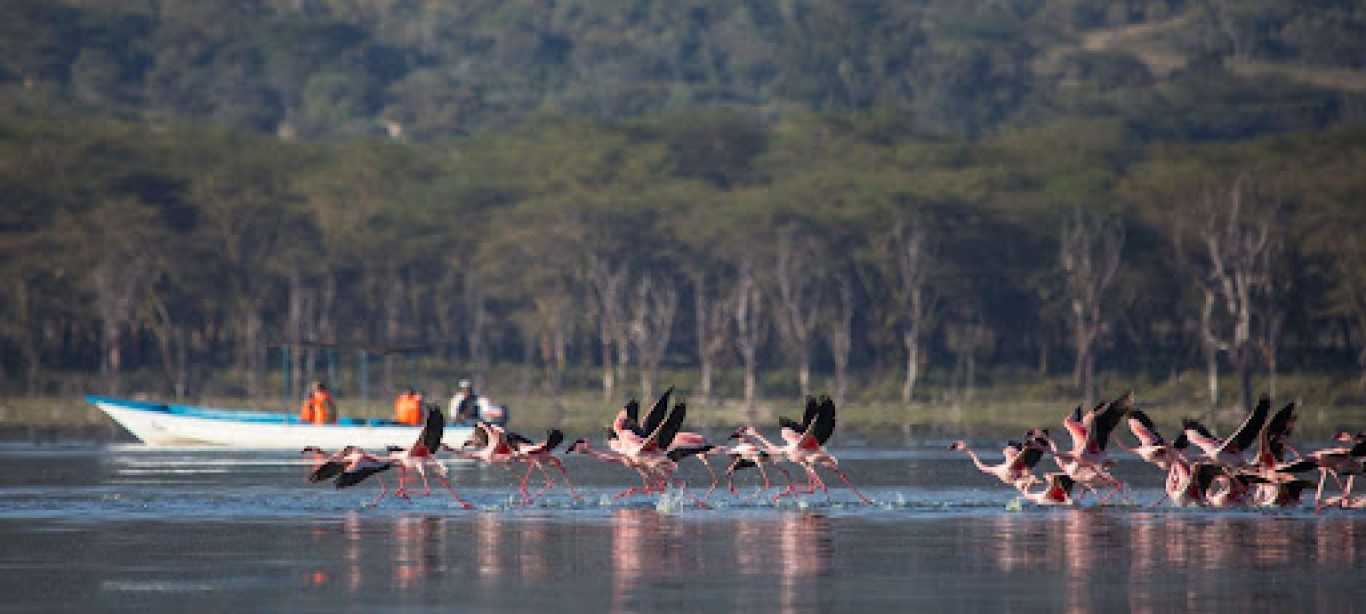
Nakuru was once called the “greatest bird spectacle on Earth” when over 1.5 million lesser and greater flamingos turned the lake surface pink from shore to shore. The situation in 2026 is more complex: rising lake levels (Nakuru has expanded significantly due to increased rainfall), changing algae conditions, and the flamingos’ dynamic movement between East African soda lakes mean that the historic million-bird concentrations are no longer predictable at Nakuru.
Flamingos are still present — often in tens of thousands — and the lake is still beautiful. But travellers planning specifically for the classic pink-lake photograph should check current conditions with their operator and consider visiting Lake Bogoria (further north, currently more reliable for flamingo) as well.
Other wildlife
Beyond the headline species, Nakuru offers lion (the fenced park concentrates both prey and predators), leopard in the fever tree forest, cheetah on the open southern grasslands, large baboon troops, waterbuck, reedbuck and zebra in abundance, and the excellent Hippo Pool on the lake’s western shore where large pods rest and spar.
Combine Lake Nakuru with…
- Masai Mara — 3 hours southwest; the classic Kenya double.
- Lake Naivasha — 1 hour south; boat safaris among hippos and birding.
- Ol Pejeta Conservancy — 2 hours north for the Northern White Rhino and chimp sanctuary.
- Nairobi — 2.5 hours on a good road; an easy day trip.
Frequently asked questions about Lake Nakuru
Are there still flamingos at Lake Nakuru?
Yes, but the numbers are highly variable and the million-bird concentrations of the 1970s–1990s are not reliably replicated. In 2026 the flamingos move dynamically between Nakuru, Bogoria and Elementaita — check current lake conditions before visit.
What is the difference between white and black rhino?
White rhino are larger, have a wide square lip (grazers), and are more docile. Black rhino are smaller, have a pointed hooked lip (browsers), and are more aggressive. The names do not refer to colour — both are grey.
Can you walk in Lake Nakuru National Park?
Yes — a guided walk to the lake shore is possible with an armed ranger. The park’s fenced perimeter makes lion, leopard and rhino encounters on foot a genuine possibility, hence the mandatory ranger escort.
Want to visit Lake Nakuru National Park?
Get a free custom safari plan within 24 hours.
Lake Nakuru National Park safari tours

Want to visit Lake Nakuru National Park?
Get a free custom safari plan within 24 hours.
Best time to visit Lake Nakuru
June to September and January to February — Dry seasons (best game viewing)
The two dry season windows are the best for game viewing. Vegetation is shorter, rhino are more visible in the open areas, and lion sightings are most reliable. The park’s compact size (188 sq km) means the dry-season concentration effect is very pronounced.
Flamingo timing — variable and unpredictable
The lake’s famous flamingo concentrations have diminished significantly since the late 1990s as the lake’s level and chemistry have changed. The flamingos now move dynamically between Nakuru, Lake Manyara, Lake Elementaita and Lake Bogoria depending on conditions. Large flocks are still possible but cannot be guaranteed on any specific visit. Check current lake conditions with your operator before planning a flamingo-focused trip.
Year-round rhino and mammal viewing
Unlike the flamingo, the rhino, lion, giraffe and other mammals are resident year-round and reliably seen in any season.
March to May and October to November — Rainy seasons (lush but wetter)
Game viewing is harder in taller vegetation, but the park is uncrowded and rates are lower. Birding is excellent year-round.
Bottom line: June to September and January to February for the best mammal game viewing. Flamingos are a wonderful bonus rather than a guaranteed feature in 2026.
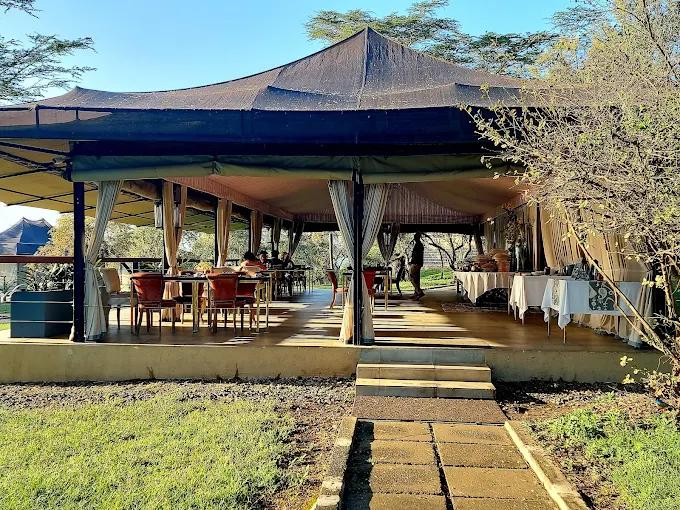
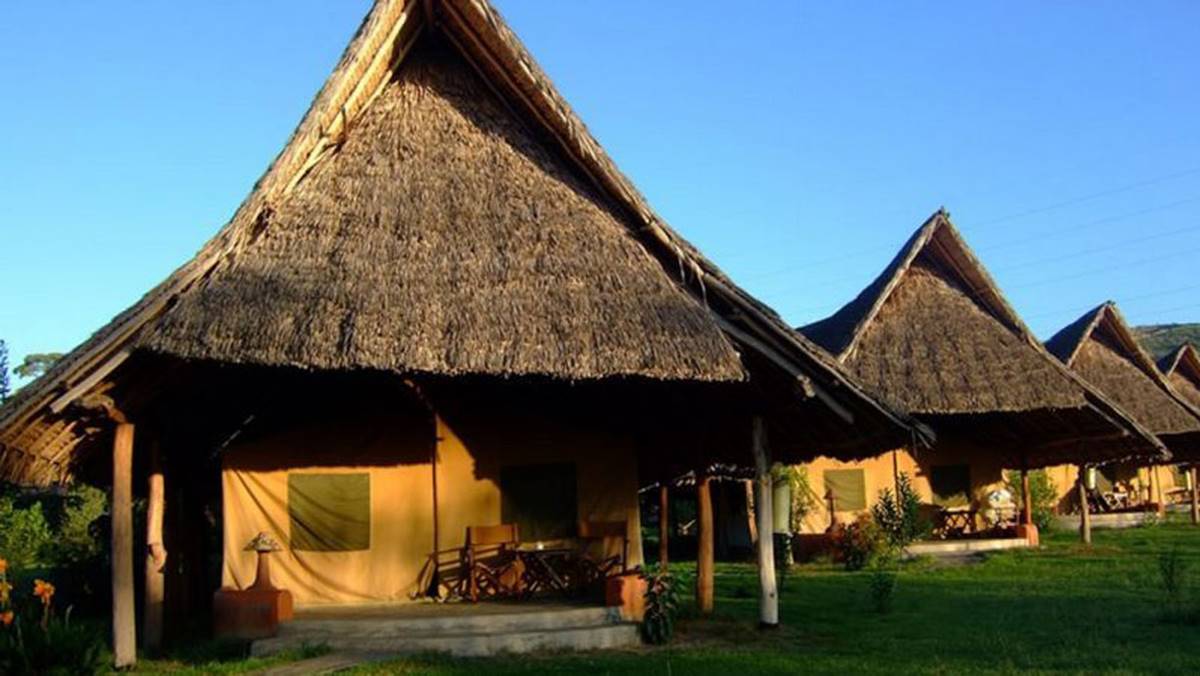
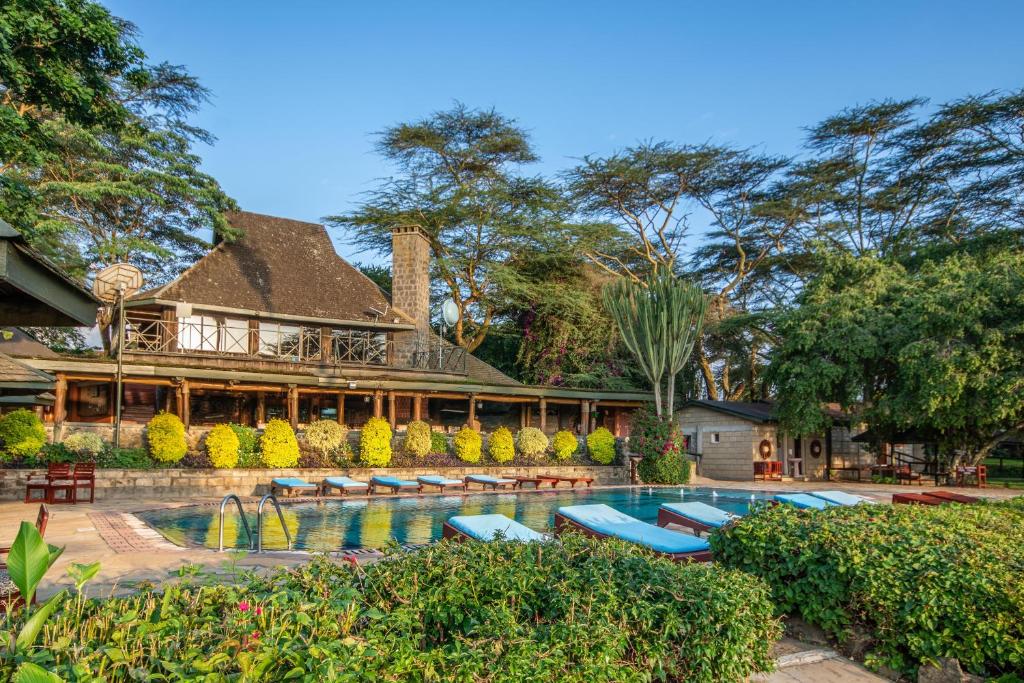
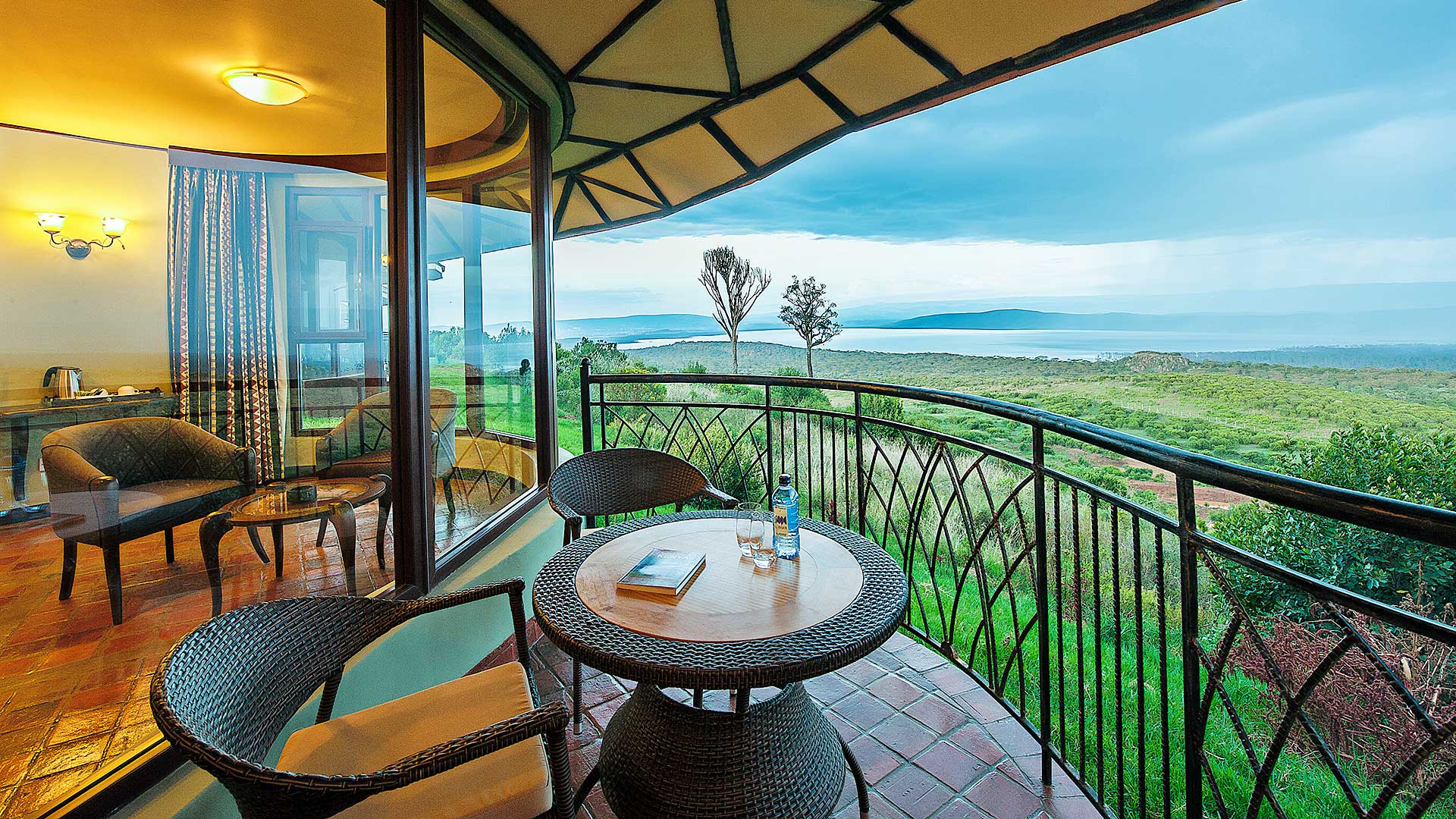
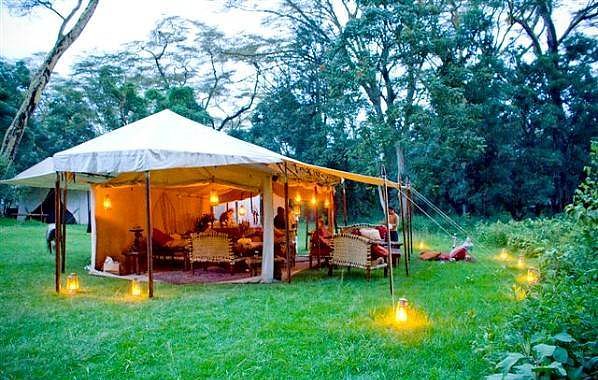
Where to stay in Lake Nakuru National Park

Want to visit Lake Nakuru National Park?
Get a free custom safari plan within 24 hours.