Quick facts
Wildlife
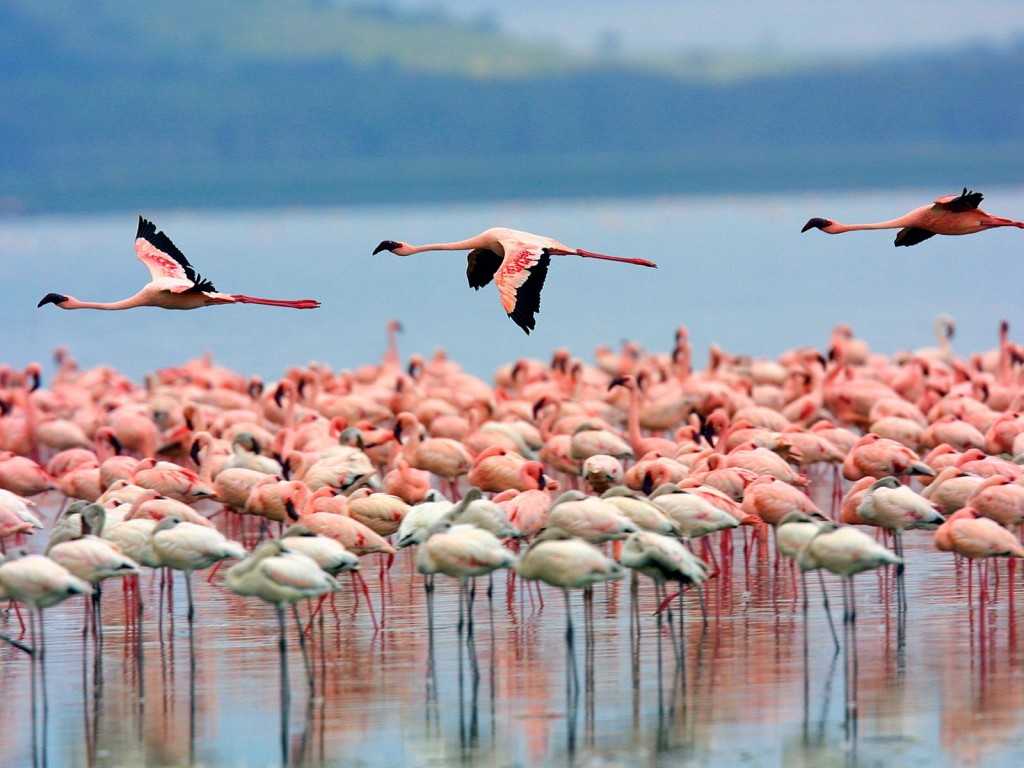
Lamu is a cultural and beach destination rather than a wildlife one. The island waters support sea turtle, dolphin and seasonal whale shark. The Lamu archipelago mangrove channels are rich in waterbirds including heron, kingfisher, fish eagle and crab plover. The island itself has no large terrestrial wildlife — donkeys are the primary mode of transport. The nearby Dodori and Boni National Reserves on the mainland hold elephant, hippo and coastal forest birds, accessible on day boat trips from Lamu town.
Top activities
Walking tour of Lamu Old Town — UNESCO-listed Swahili architecture with 23 mosques, the 19th-century Lamu Fort museum and carved doorways that document centuries of trade. Dhow sailing and sunset boat trips on the Lamu channel. Shela Beach — 12 km of pristine, largely deserted beach accessible by a 45-minute walk or boat from town. Mangrove channel boat tour for birding and traditional fishing experience. Cultural visits to the Swahili House Museum and donkey sanctuary. Day trip to Manda Island ruins. Deep-sea fishing for marlin and sailfish.
About Lamu Island
There are no cars in Lamu Old Town. The streets are too narrow, the buildings too close together, the community too attached to a pace of life that motorised transport would destroy. The sounds of Lamu are donkey hooves on stone, the call to prayer from 23 mosques, the creak of dhow rigging on the channel and the muffled conversation of neighbours through carved wooden screens. This is Kenya’s oldest continuously inhabited town, a UNESCO World Heritage Site since 2001, and easily the most atmospheric destination on the entire East African coast.
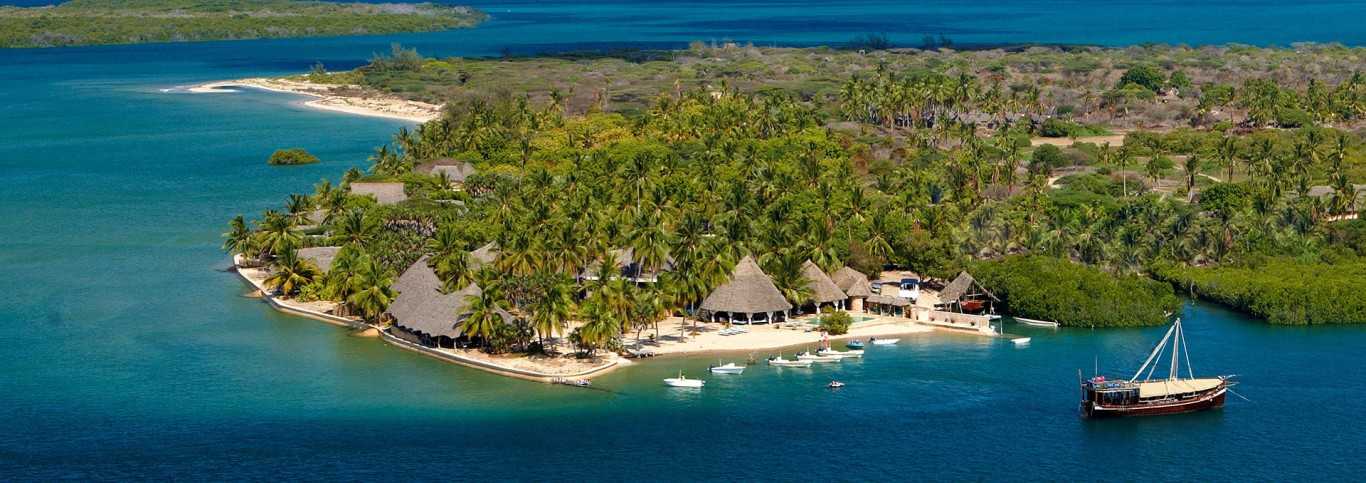
Lamu Island sits in the Lamu Archipelago off Kenya’s northeastern coast, 341 km north of Mombasa, close enough to the Somali border that the cultural influences — Arabic, Persian, Indian, Portuguese, Swahili — have layered here more densely than anywhere else on the Kenya coast. The town’s 12th-century origins are visible in its architecture: coral-stone houses with plaster facades, intricately carved teak doors, internal courtyards with cool stone seats and rooftop terraces for evening gatherings.
Getting to Lamu
Daily flights from Nairobi and Mombasa to Manda Island Airport (5 minutes by water taxi to Lamu town). The flight from Nairobi takes 1.5 hours. Road access from Mombasa exists (8+ hours) but the route passes through a region with occasional security advisories — flying is the standard and recommended approach for international visitors.
Lamu Old Town
The UNESCO-listed core is compact — perhaps a square kilometre of lanes, alleys and dead ends — but dense with detail. Essential stops include:
- Lamu Fort (1813) — built by the Omanis, now a museum covering the island’s history, marine life and conservation. The roof terrace has the best view over the town.
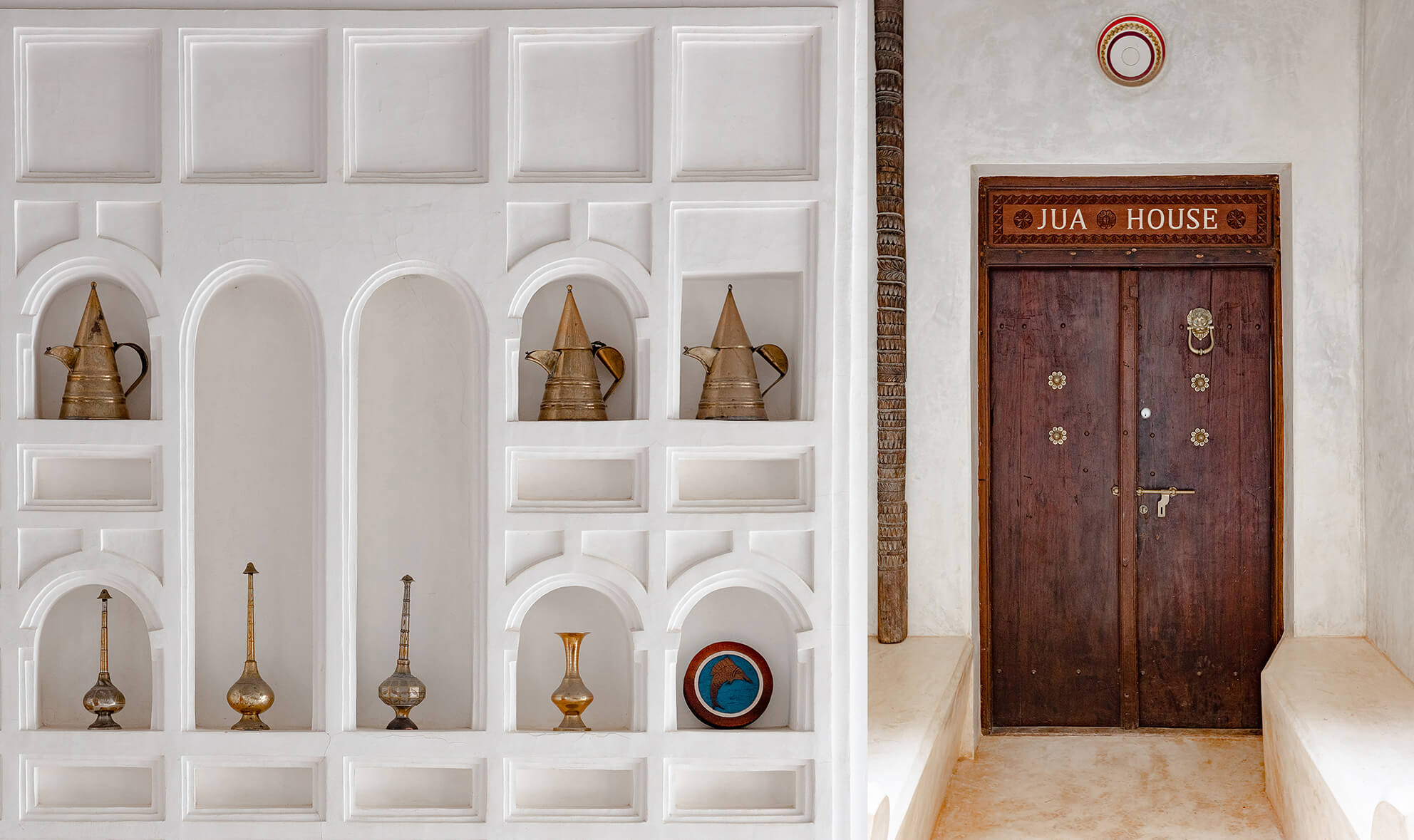
- The carved doors — Lamu’s most photographed feature. Each door is unique, its motifs indicating the owner’s religion, origin and status. Arab chains, Indian lotus flowers and Swahili geometric patterns all appear.
- Lamu Museum — covering the town’s trading history, traditional dhow craftsmanship and Swahili material culture.
- Riyadha Mosque and the Maulidi Festival — the mosque is the centre of Lamu’s famous annual Maulidi celebration (Prophet Mohammed’s birthday), which draws thousands of Swahili Muslims from across East Africa in a week of dhow races, prayers and music.
Shela Beach
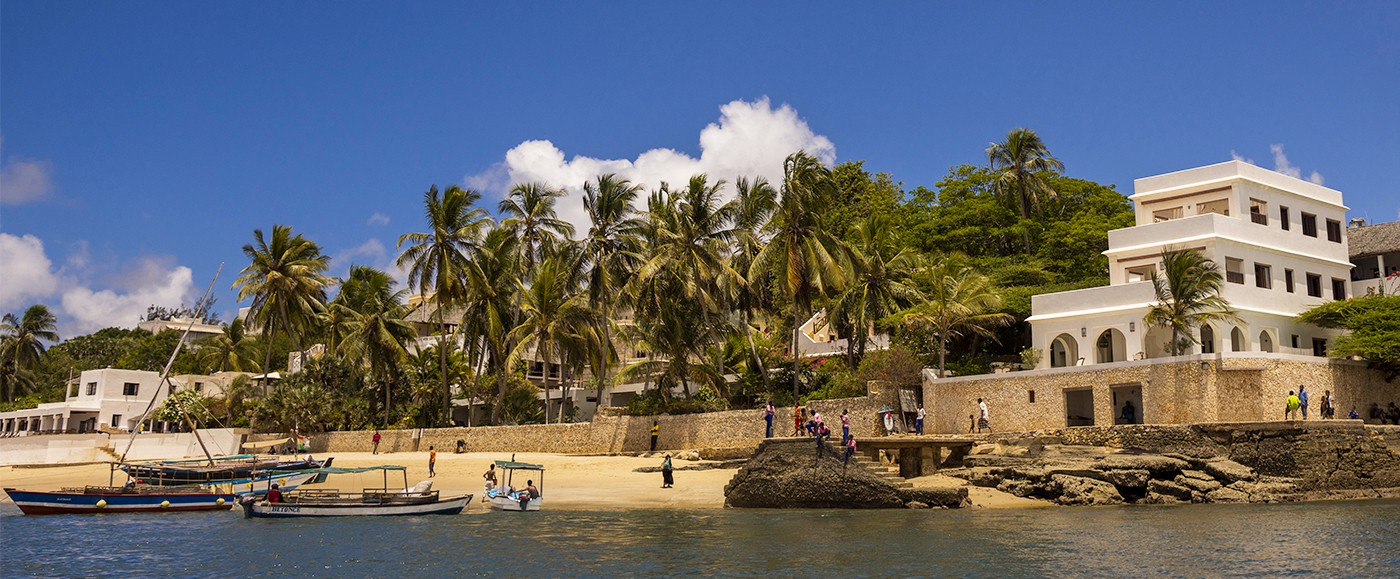
A 45-minute walk or 10-minute boat ride from Lamu town, Shela Beach is 12 kilometres of white sand backed by shifting sand dunes, with the Lamu Channel at one end and open Indian Ocean at the other. It is one of Kenya’s finest beaches by any measure — and in the low season, effectively deserted.
Dhow sailing
The traditional Swahili dhow — a hand-built wooden sailing vessel with a distinctive lateen sail — is the soul of Lamu. Dozens of working dhows still ply the channel daily, carrying goods between the island and mainland. Sunset and full-day dhow charters are available from the waterfront and are the best way to experience the channel, the mangroves and the surrounding islands.
Combine Lamu with…
- Mombasa — the major coastal city a 1.5-hour flight south.
- Masai Mara or Samburu — fly Nairobi–Lamu as a coast extension after a Kenya safari.
- Stone Town Zanzibar — the natural Swahili coast comparison: two UNESCO Indian Ocean heritage towns.
Frequently asked questions about Lamu
Is Lamu safe to visit?
Lamu town and Shela Beach are generally considered safe for tourists. The island has had past security incidents related to its proximity to the Somali border — check current UK FCDO or US State Department advisories before travel and follow your operator’s guidance.
Are there ATMs on Lamu Island?
Yes — in Lamu town. Carry some cash as connectivity can be intermittent and not all guesthouses accept cards.
How many days should I spend in Lamu?
Three nights is ideal: a day exploring the old town in depth, a day at Shela Beach, and a day for a dhow trip or Manda Island visit. Two nights is manageable for a short beach and culture fix.
Want to visit Lamu Island?
Get a free custom safari plan within 24 hours.
Lamu Island safari tours
No fixed packages listed yet — we'll build a custom safari around Lamu Island for you.
Browse All ToursWant to visit Lamu Island?
Get a free custom safari plan within 24 hours.
Best time to visit Lamu Island
July to September — Dry season (best for sailing, beach and cultural visits)
The south-east Kusi trade winds make sailing conditions on Lamu Channel superb in July and August — traditional dhows at full sail are at their most spectacular. Temperatures are cooled by the wind (25–28°C), making walking the old town comfortable. Shela Beach is at its most beautiful. This is the most popular period; book accommodation ahead.
December to March — North-east monsoon (Kaskazi, calm seas, warm)
The Kaskazi reverses the wind direction, bringing calmer water and warm, sunny weather. Excellent for swimming, snorkelling and dhow sailing. The period around Christmas and New Year is Lamu’s peak season with correspondingly higher rates and more visitors.
October to November — Short rains (transitional, quiet)
Brief afternoon showers. The island is quiet and good value. Sailing is less predictable in the transition between monsoons but the old town cultural experience is unaffected by rain.
April to May — Long rains (rougher seas, but authentic Lamu)
The heaviest rains. Seas are rough and unreliable for boat activities. The town itself is fully functional and fascinating — Ramadan often falls in this period, giving a unique cultural dimension for the right visitor.
Bottom line: July to September for sailing and beach; December to February for warm calm seas and snorkelling. Avoid April–May for boat activities.
Where to stay in Lamu Island

Want to visit Lamu Island?
Get a free custom safari plan within 24 hours.