Quick facts
Wildlife
Amboseli is famous for its large-tusked elephant population — one of the most studied wild elephant communities in the world, documented continuously since the 1970s by the Amboseli Elephant Research Project. Lion, cheetah, leopard, buffalo, Maasai giraffe, zebra, wildebeest and hyena are all resident. The swamps fed by Kilimanjaro's underground water draw wildlife year-round. Over 600 bird species recorded, including African fish eagle, saddle-billed stork, pelican and flamingo.
Top activities
Dawn and dusk game drives for elephant and big cat sightings with Kilimanjaro backdrop. Swamp-edge game drives during the dry season when wildlife concentrates around Enkiama and Longinye swamps. Hot-air balloon safaris over the open plains at dawn. Guided Maasai village cultural visits with authentic boma experiences. Walking with a Maasai guide in the buffer zones. Bird watching at the lake and swamp margins. Sundowner drives on the open plains. Photography with specialist wildlife photography camps.
About Amboseli National Reserve
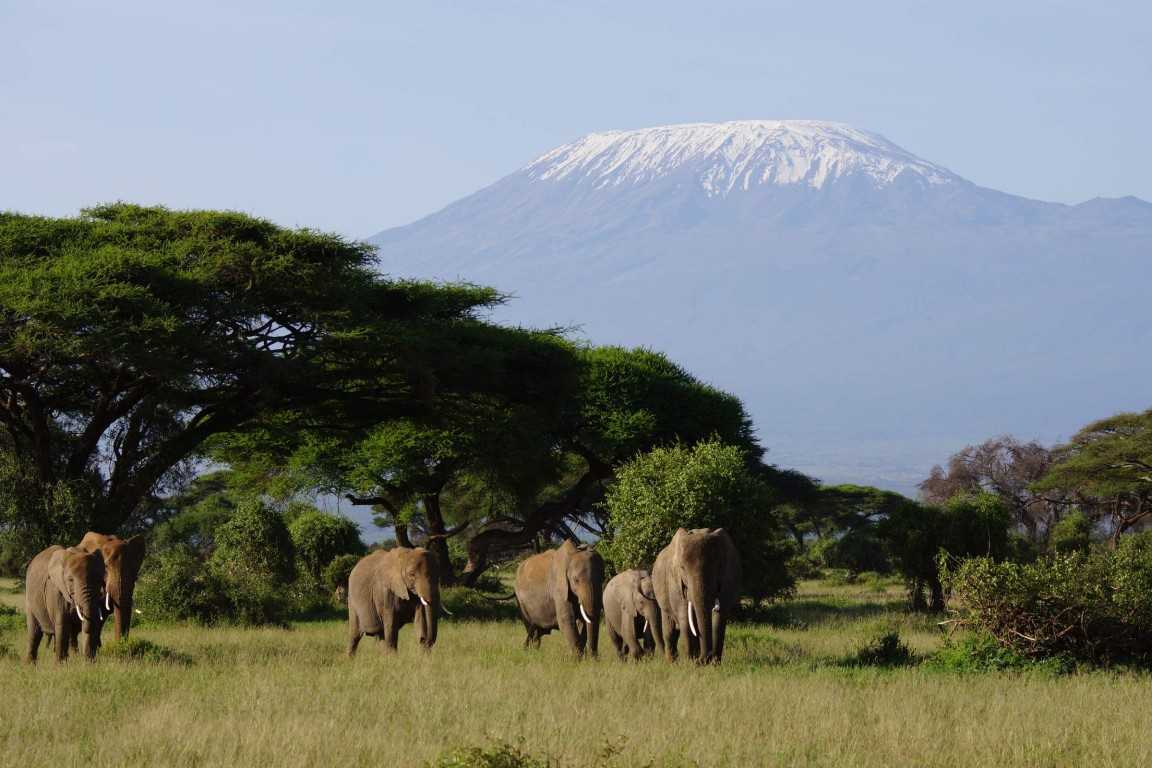
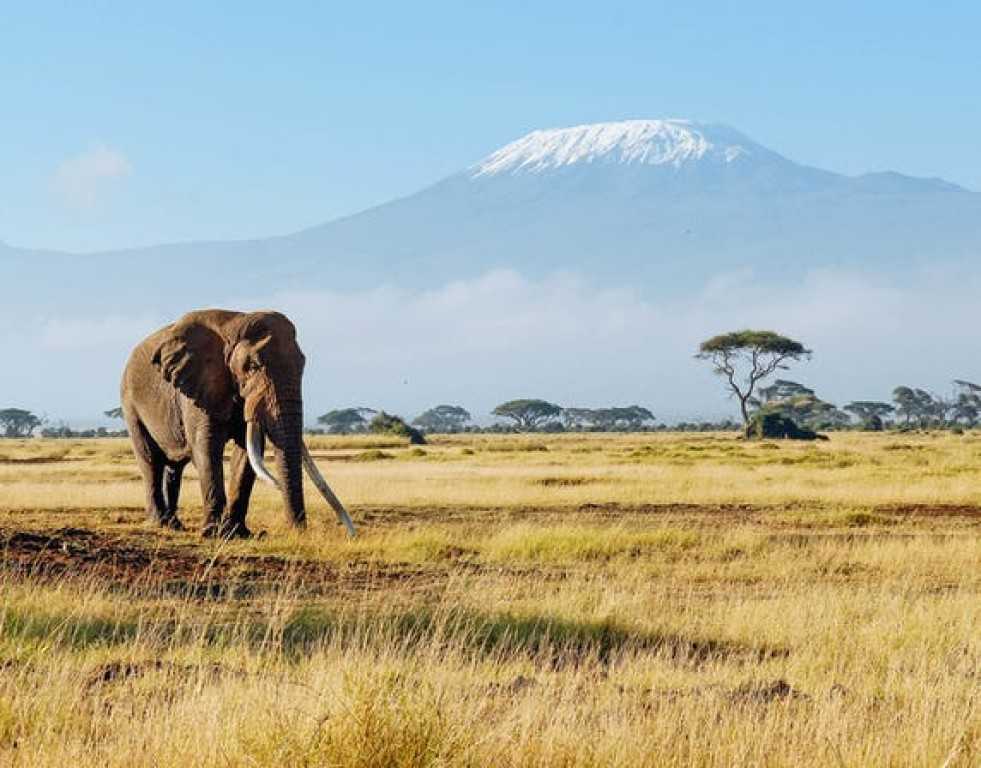
There is one image from Kenya that appears on more safari brochures, more magazine covers and more living-room walls than any other: a herd of large-tusked elephants crossing the Amboseli plains, with the cloud-free summit of Kilimanjaro rising white above them. That image is real, not composite. It is taken at Amboseli National Reserve — 392 square kilometres of southern Kenya swamp, grassland and lava field at the foot of Africa’s highest mountain — almost every clear morning in the right season.
Amboseli’s elephants are the centrepiece. The reserve holds one of the most intensively studied wild elephant populations on Earth — the Amboseli Elephant Research Project, founded by Cynthia Moss in 1972, has tracked individual animals and their family histories for over 50 years, producing datasets that have reshaped our understanding of elephant cognition, social structure and communication. The elephants here are individually known, multigenerationally documented and, as a result, extraordinarily relaxed around vehicles.
Where is Amboseli?
Amboseli sits in Kenya’s Kajiado County, hard against the Tanzania border, 240 km southeast of Nairobi. The reserve is 4–5 hours from Nairobi by road, or 45 minutes by scheduled flight from Wilson Airport. The closest Tanzanian town is Moshi, 80 km across the border — making Amboseli an excellent addition to a Tanzania–Kenya combined itinerary.
The Kilimanjaro backdrop
Kilimanjaro sits 40 km south of the reserve, across the Kenya–Tanzania border, and dominates the sky above Amboseli in a way that is genuinely breathtaking at close range. The mountain is at its clearest in the early morning — cloud begins building on the upper slopes by 09:00–10:00 on most days — and in January and February when the summit is freshly snow-capped. Positioning your vehicle in the right light for elephant-and-Kilimanjaro images requires knowing the exact spot and the exact hour: your guide will.
The elephants
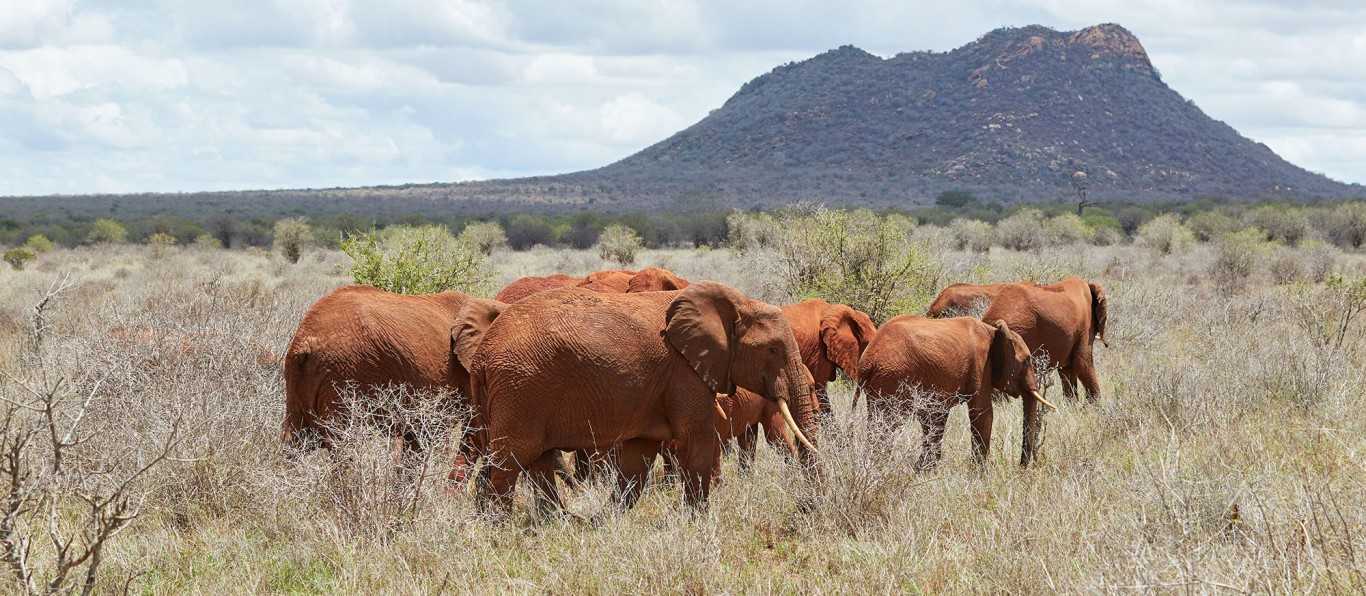
Amboseli’s elephant population numbers around 1,700 individuals across multiple family groups, many of which are named and documented by the research project. The big-tusked matriarchs are particularly impressive — Amboseli is one of the last places in East Africa where you can regularly see bulls carrying tusks that reach near the ground, a characteristic increasingly rare due to poaching pressure that selected against large tusks in other populations.
The underground water flowing from Kilimanjaro’s snowfields feeds the Enkiama and Longinye swamps at Amboseli’s core. In the dry season, every animal within range converges on these water sources — creating extraordinary scenes of elephant, hippo, buffalo, zebra and warthog using the same water simultaneously, while predators cruise the edges.
Other wildlife
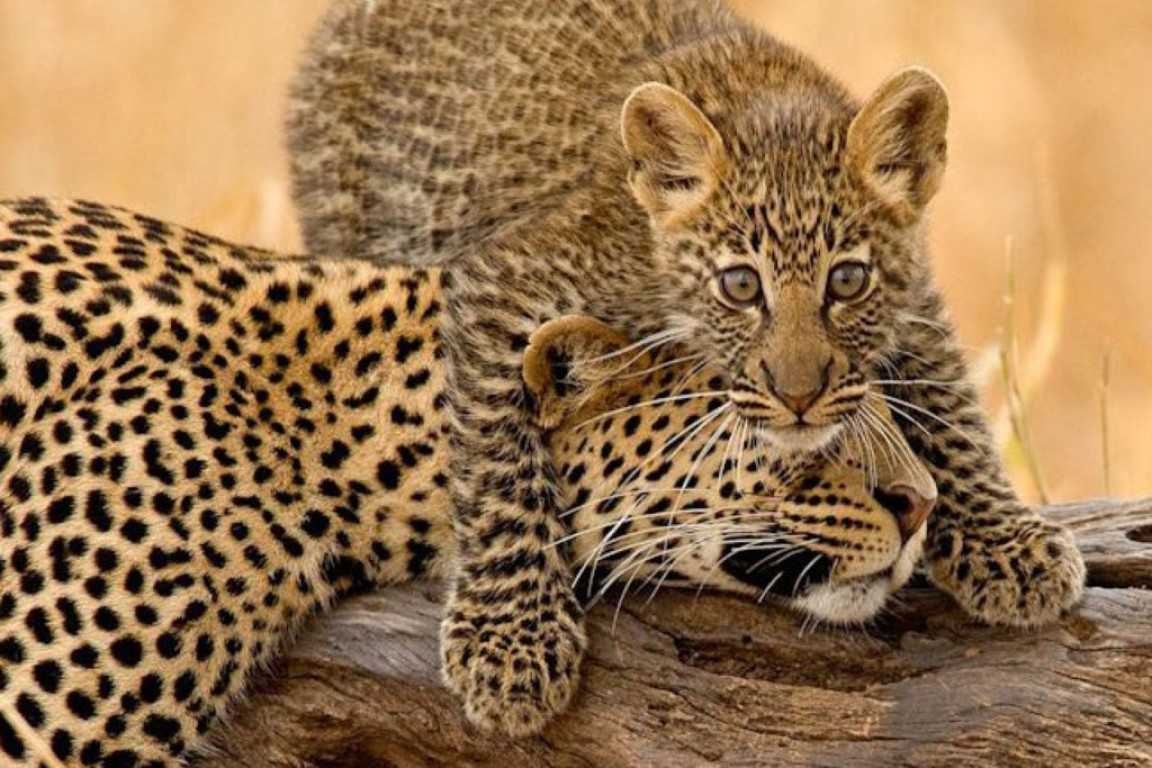
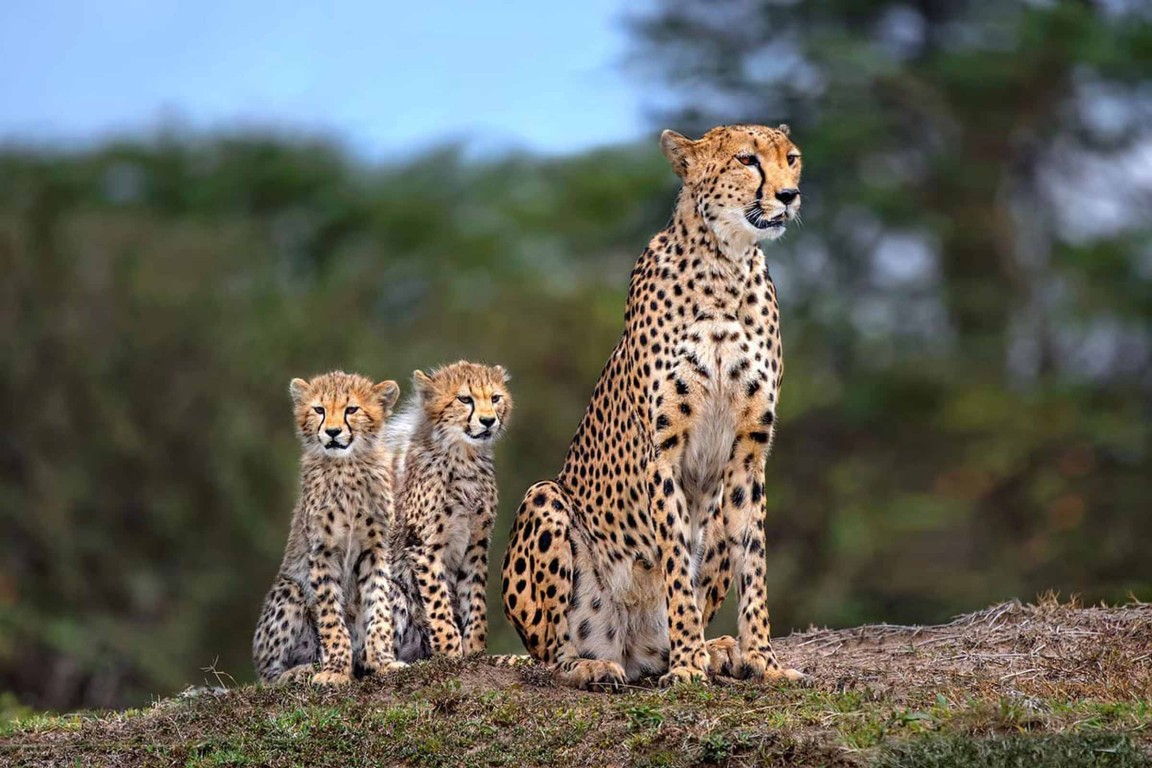
Amboseli’s wildlife roster beyond the elephants is substantial: lion prides use the Maasai mixed-use areas and the open plains; cheetah are reliably seen on the short-grass flats; leopard hunt the acacia-dotted edges at dawn. Maasai giraffe and common zebra range widely across the reserve. The birding is excellent — over 600 species, with the swamp margins hosting saddle-billed stork, pelican, African spoonbill and various kingfishers year-round.
The Maasai dimension
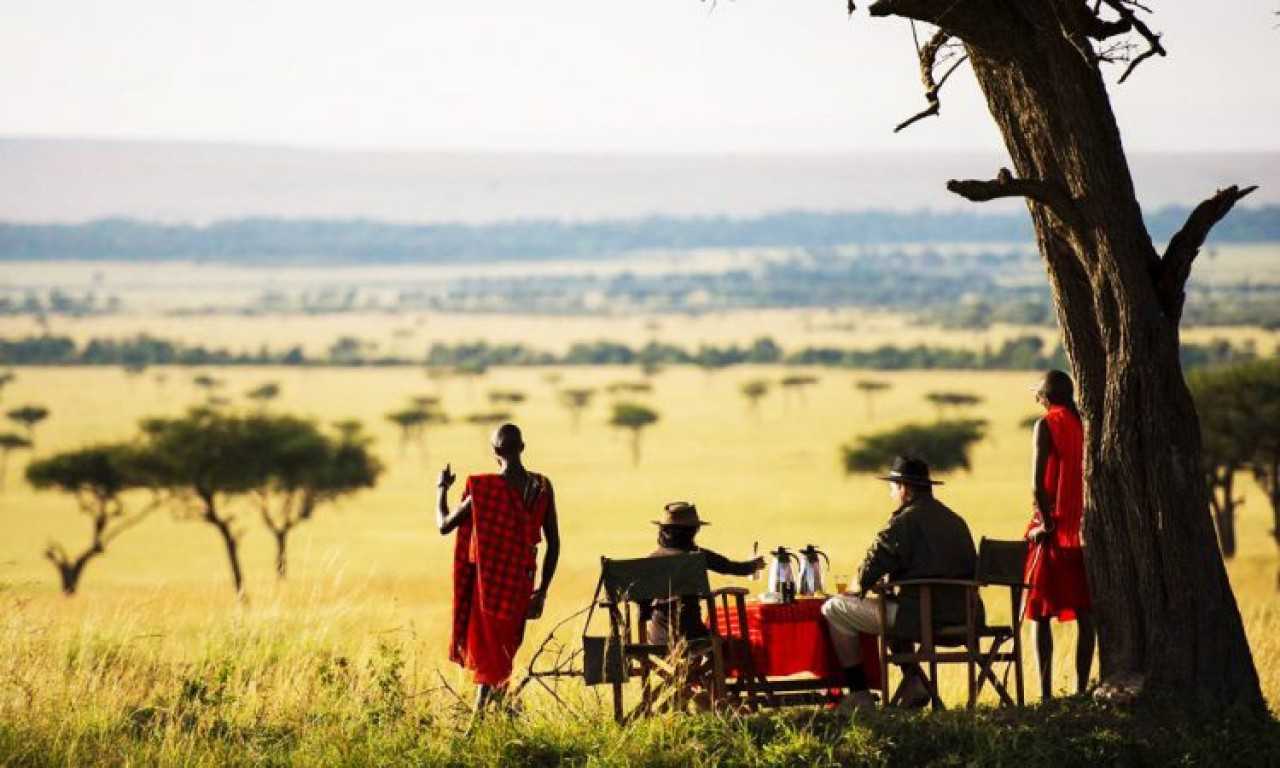
Amboseli sits at the heart of Maasai territory, and the coexistence between the reserve, the wildlife and the pastoralist Maasai community is a dynamic and sometimes tense story. Community conservancies bordering the reserve have created an important buffer that keeps wildlife corridors open and provides Maasai landowners with tourism income. Cultural visits to Maasai bomas adjacent to the reserve are offered by most camps — choose operators where fees go directly to the host community.
Combine Amboseli with…
- Masai Mara — the classic Kenya double: elephant under Kili, then migration in the Mara.
- Kilimanjaro climb — cross the border to Moshi and climb the mountain you photographed from the plains.
- Tsavo National Park — the natural road-trip extension east.
- Nairobi — 4 hours north by road or 45 minutes by air.
Frequently asked questions about Amboseli
How many days do you need in Amboseli?
Two nights and three game drives is the ideal minimum — one evening drive, one full dawn drive for the Kilimanjaro light, and a morning drive before departure. One night is doable but rushed.
Is Amboseli a national park or reserve?
Amboseli’s core area is a national park, but the wider Amboseli ecosystem includes group ranches and conservancies managed by the Maasai community. The terms “national park” and “national reserve” are sometimes used interchangeably in tourism contexts.
What is the best time to photograph Kilimanjaro from Amboseli?
Dawn on a clear morning in January or February, from the eastern side of the reserve facing north-northwest. Cloud builds on the summit by 09:00–10:00 most days; the golden hour after sunrise is the critical window.
Want to visit Amboseli National Reserve?
Get a free custom safari plan within 24 hours.
Amboseli National Reserve safari tours

Want to visit Amboseli National Reserve?
Get a free custom safari plan within 24 hours.
Best time to visit Amboseli
January to February — Short dry season (best Kilimanjaro views and elephant action)
The most spectacular window for the defining Amboseli image: clear blue skies, Kilimanjaro snow-capped and cloud-free at dawn, and elephant herds moving across the dry plains below. The short grass of this dry period maximises wildlife visibility and concentrates animals around the permanent swamps. January and February are when the Kilimanjaro backdrop is most reliably snow-covered and cloud-free — critical for the classic photograph. Quieter than the long dry season peak.
June to October — Long dry season (peak game viewing, busiest)
The main tourist season. Wildlife is highly concentrated around the swamps as surrounding areas dry out. Kilimanjaro views are reliable in the morning hours but cloud typically builds by mid-morning. August and September see the most visitors — reserve early for the best-positioned camps around Enkiama and Longinye.
November to December — Short rains (calving season, fewer tourists)
The short rains green the plains dramatically. Wildebeest and zebra drop calves, attracting predator attention. Kilimanjaro acquires fresh snow on its upper slopes, sometimes producing dramatic stormy-sky photography. Significantly fewer tourists and lower rates.
March to May — Long rains (difficult access, some camps close)
The black cotton soil tracks become deeply muddy. Some areas of the reserve are inaccessible. Wildlife disperses across a wider area. Not recommended unless you specifically want the lush green landscape and near-total solitude.
Bottom line: January–February for the iconic Kili-and-elephant photograph. June–October for the most reliable overall game viewing.