Kilimanjaro Facts
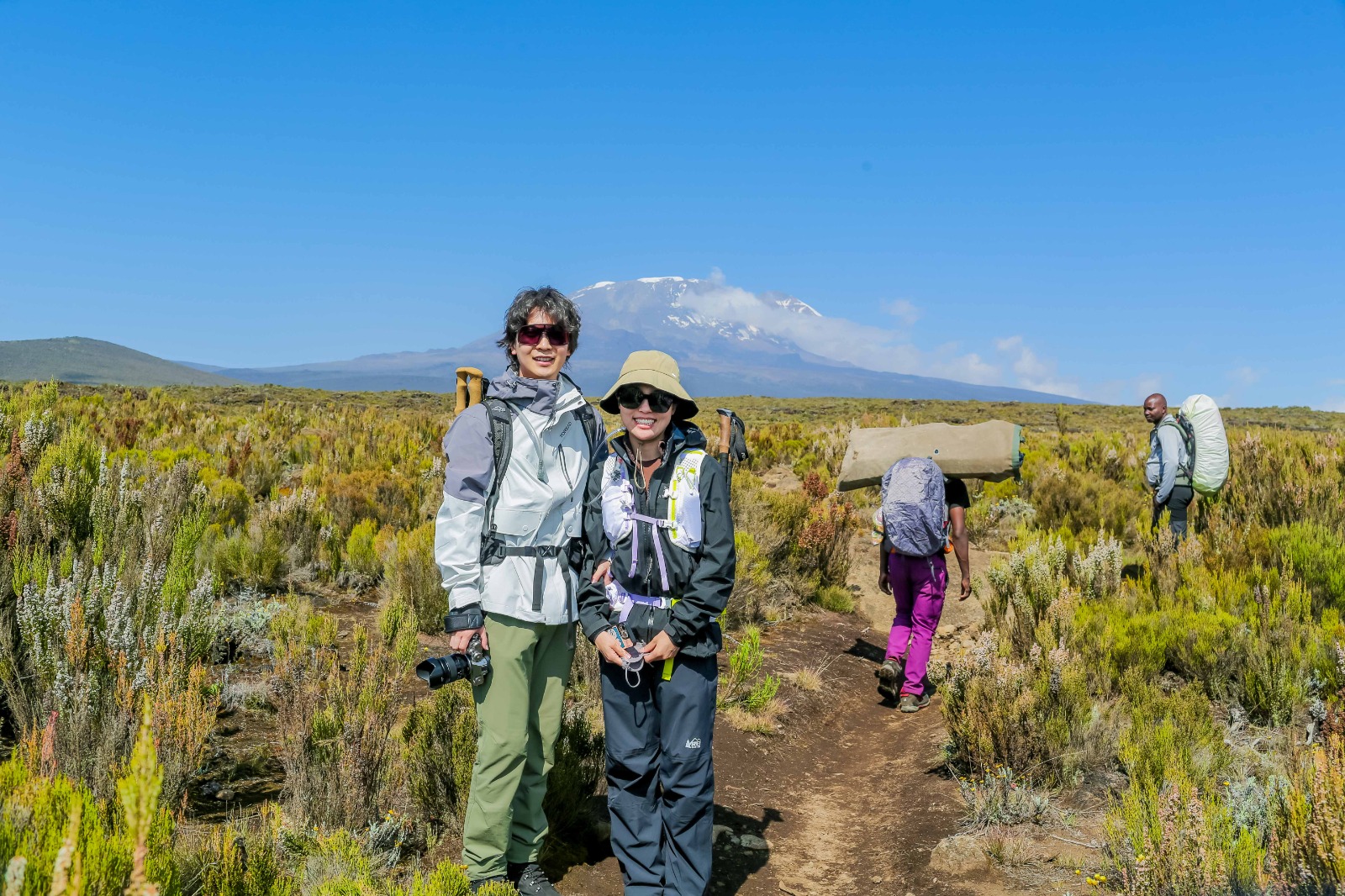
Mount Kilimanjaro is one of the most famous mountains in the world. Located in northern Tanzania near the Kenyan border, it is the tallest mountain in Africa and one of the most sought-after trekking destinations on the planet.
Standing at 5,895 meters (19,341 feet) above sea level, Kilimanjaro attracts tens of thousands of climbers every year who attempt to reach its iconic summit, Uhuru Peak.
If you are planning to climb the mountain, start with the full Kilimanjaro Climbing Guide.
1. Kilimanjaro Is the Tallest Mountain in Africa
Mount Kilimanjaro rises 5,895 meters (19,341 feet) above sea level, making it the highest mountain on the African continent.
It is also the fourth most topographically prominent mountain in the world.
Learn more in the guide How Tall Is Mount Kilimanjaro.
2. It Is the Tallest Free-Standing Mountain in the World
Unlike most of the world’s tallest mountains, Kilimanjaro is not part of a mountain range.
It rises independently from the surrounding plains, making it the tallest free-standing mountain on Earth.
3. Kilimanjaro Is a Dormant Volcano
Mount Kilimanjaro is a massive stratovolcano made up of three volcanic cones.
These cones are:
-
Kibo – the highest and dormant cone
-
Mawenzi – a rugged and extinct cone
-
Shira – the oldest collapsed cone
Most climbers reach the summit on Kibo.
4. The Summit Is Called Uhuru Peak
The highest point on Mount Kilimanjaro is Uhuru Peak, located on the rim of the Kibo crater.
“Uhuru” means freedom in Swahili, symbolizing Tanzania’s independence.
5. Kilimanjaro Is One of the Seven Summits
Mount Kilimanjaro is part of the Seven Summits, the highest mountains on each continent.
Many climbers attempt to climb all seven peaks as part of the Seven Summits challenge.
6. Kilimanjaro Can Be Climbed Without Technical Skills
Unlike mountains such as Everest, Kilimanjaro is considered a trekking peak.
This means climbers do not need ropes or technical climbing equipment.
However, altitude makes the climb challenging. Learn more in How Difficult Is the Kilimanjaro Climb.
7. The Mountain Has Five Climate Zones
Climbing Kilimanjaro means passing through several ecological zones.
These include:
-
Rainforest
-
Moorland
-
Alpine desert
-
Arctic summit zone
This makes Kilimanjaro one of the most diverse mountain environments in the world.
8. Kilimanjaro Glaciers Are Disappearing
Kilimanjaro is famous for its glaciers and ice fields near the summit.
However, scientists have reported that these glaciers have been shrinking rapidly over the past century due to climate change.
9. Thousands of Climbers Attempt the Summit Each Year
Mount Kilimanjaro attracts over 30,000 climbers annually, making it one of the most climbed mountains in the world.
The most popular routes include:
-
Machame Route
-
Lemosho Route
-
Marangu Route
Explore route options in Kilimanjaro Routes Guide.
10. Summit Night Is the Hardest Part of the Climb
Most climbers attempt the summit starting around midnight.
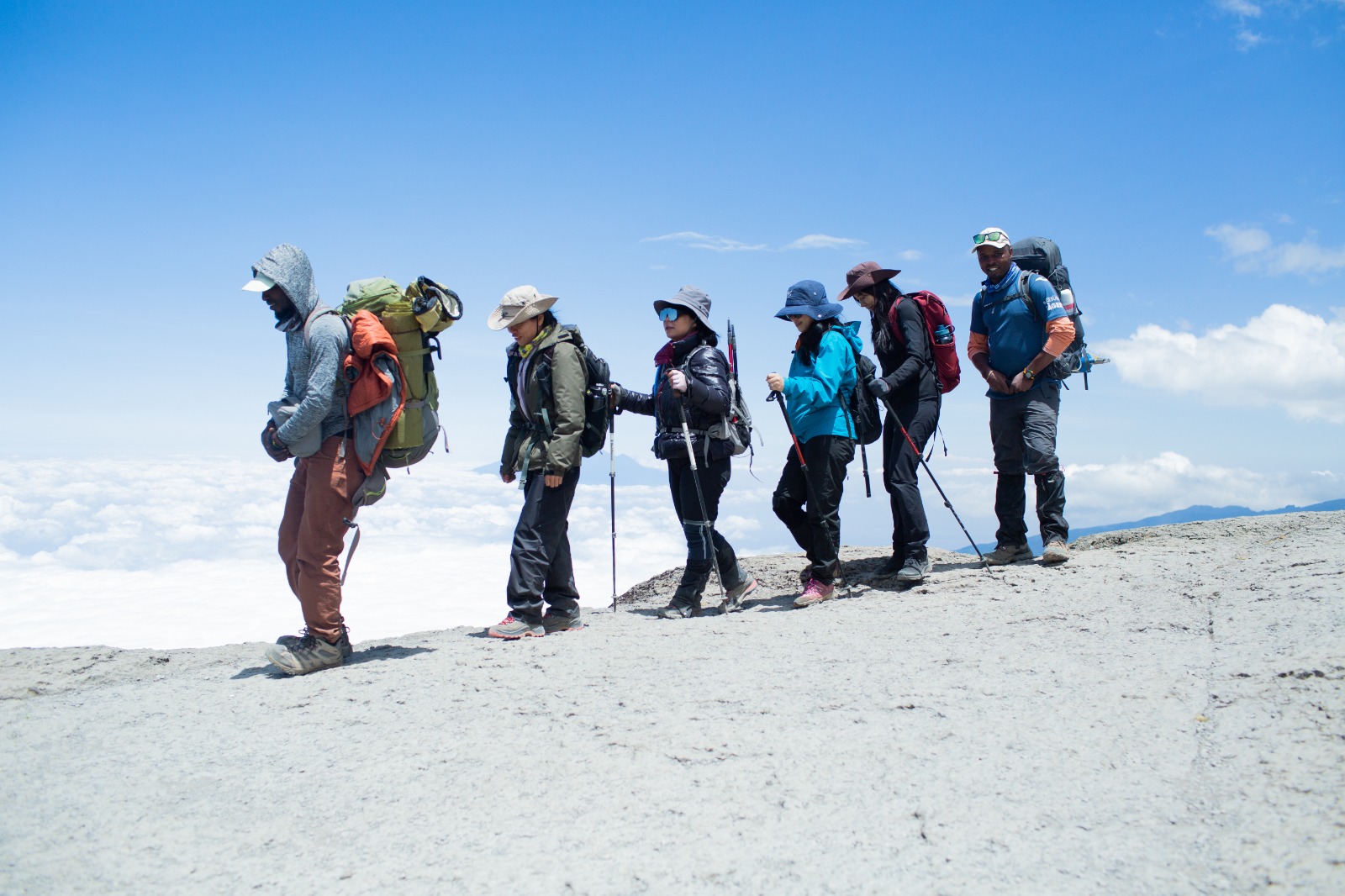
They hike for 6–8 hours in darkness and freezing temperatures before reaching Uhuru Peak at sunrise.
11. Altitude Is the Biggest Challenge
The biggest challenge on Kilimanjaro is altitude rather than technical climbing.
Lower oxygen levels make breathing difficult at higher elevations.
Learn more in Kilimanjaro Altitude Sickness Guide.
12. Longer Routes Have Higher Success Rates
Climbs lasting 7–8 days have significantly higher summit success rates because they allow better acclimatization.
See the detailed statistics in Kilimanjaro Success Rate.
13. Kilimanjaro Was First Climbed in 1889
The first recorded successful ascent of Kilimanjaro was in 1889 by Hans Meyer and Ludwig Purtscheller.
They reached the summit after several earlier attempts.
14. Kilimanjaro Is Located in a National Park
Mount Kilimanjaro is protected within Kilimanjaro National Park, a UNESCO World Heritage Site.
The park protects unique ecosystems and wildlife found on the mountain.
15. Wildlife Lives on the Lower Slopes
While the summit is icy and barren, the lower slopes of Kilimanjaro are home to wildlife including:
-
Blue monkeys
-
Colobus monkeys
-
Bushbucks
-
Various bird species
16. Kilimanjaro Is Near the Equator
Even though Kilimanjaro is close to the equator, the summit is extremely cold due to its high altitude.
Summit temperatures can drop to -20°C.
You can learn more in Kilimanjaro Summit Temperature.
17. Weather on the Mountain Changes Quickly
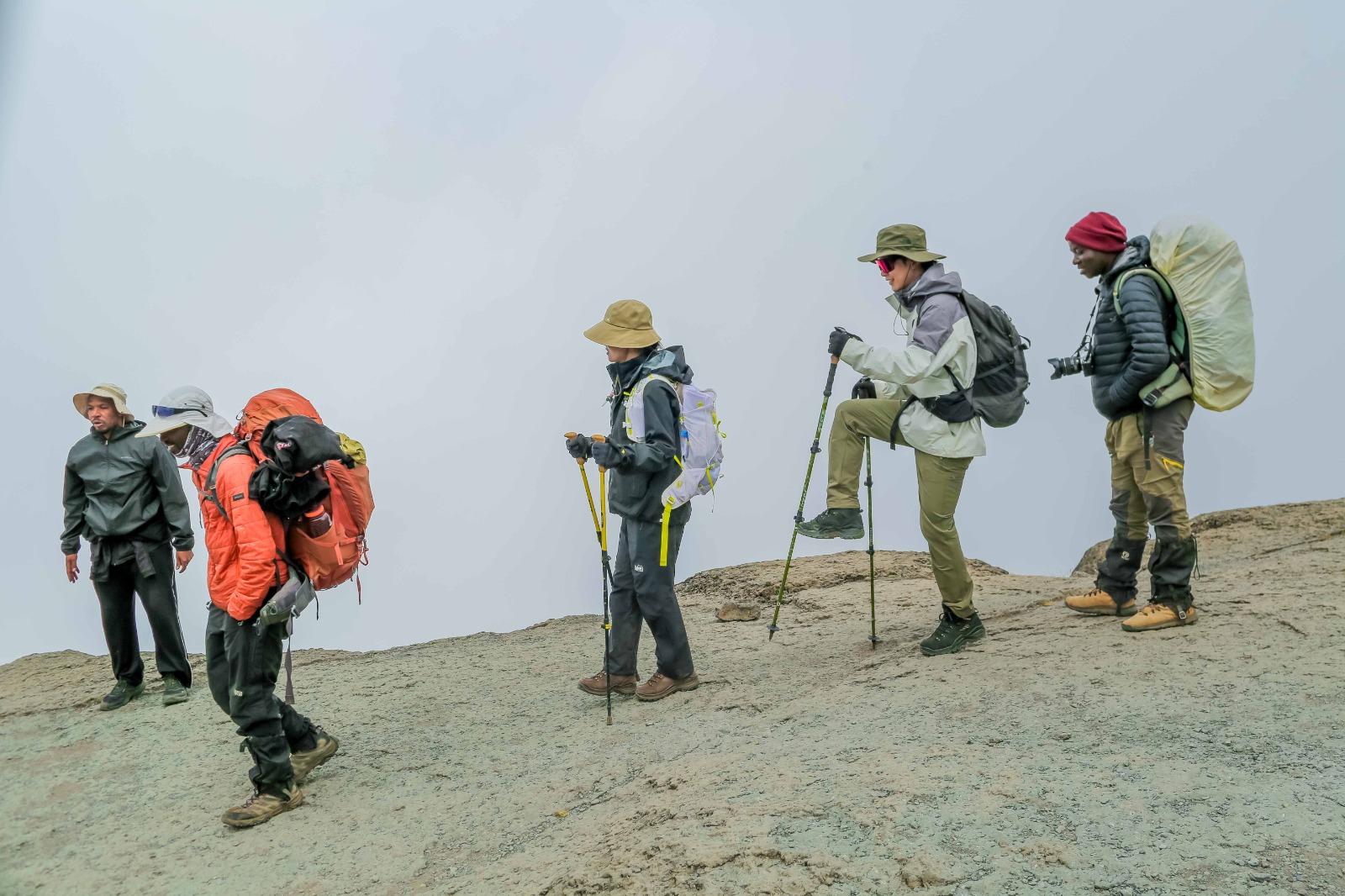
Weather conditions on Kilimanjaro can change rapidly throughout the year.
Dry seasons generally provide the best climbing conditions.
Read more in Kilimanjaro Weather by Month.
18. Tanzania Requires Climbers to Use Guides
All climbers on Kilimanjaro must climb with licensed guides.
This rule helps ensure safety and supports local employment.
Learn more in Can You Do Kilimanjaro Without a Guide.
19. Kilimanjaro Offers Incredible Sunrise Views
One of the most memorable moments of the climb is watching sunrise from the summit.
As the sun rises, climbers can see glaciers, clouds below the mountain, and vast African landscapes.
20. Reaching the Summit Is Life-Changing
Standing on the roof of Africa at 5,895 meters is an unforgettable experience.
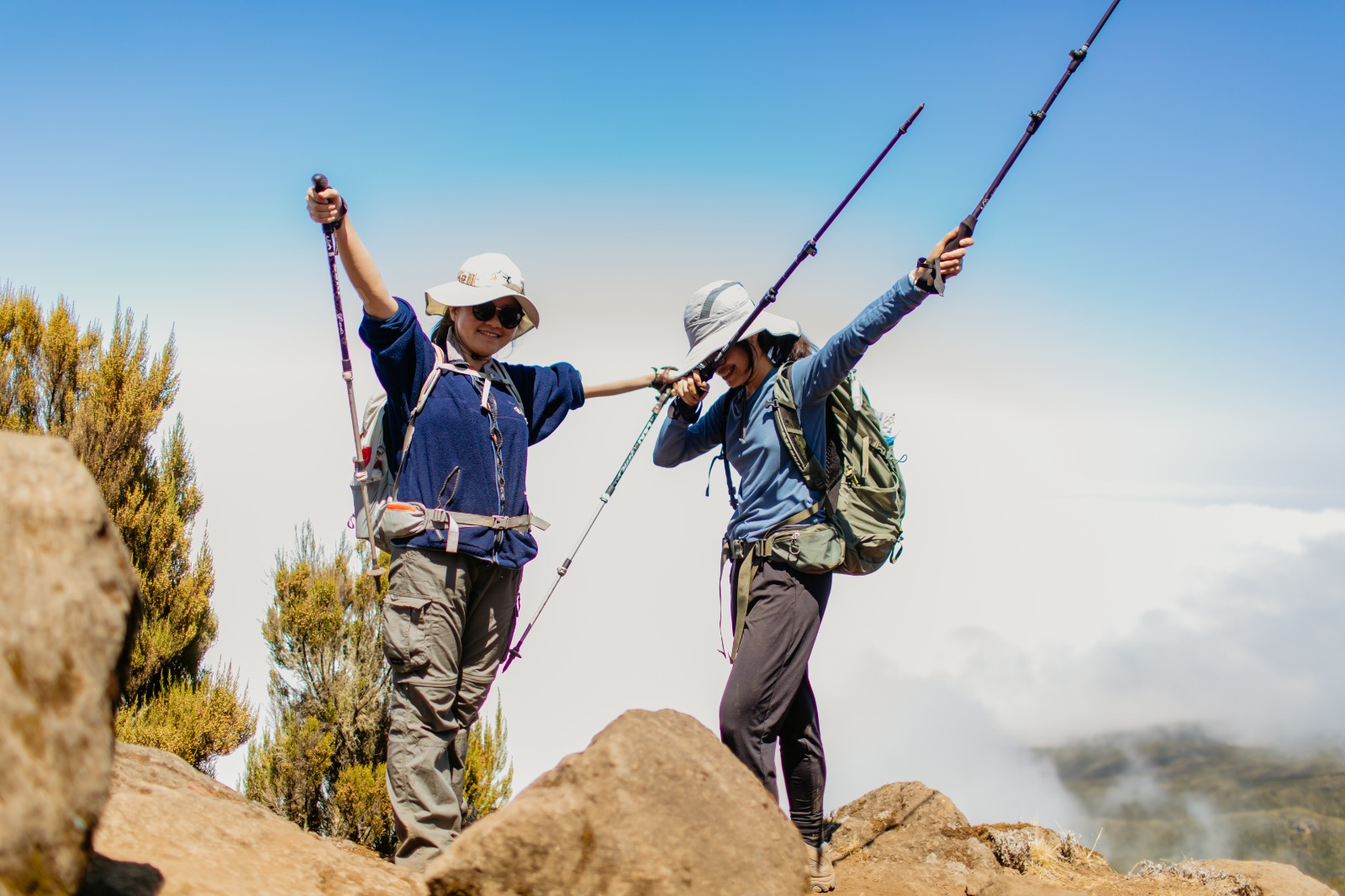
For many climbers, reaching Uhuru Peak is a once-in-a-lifetime achievement.
Final Thoughts
Mount Kilimanjaro is not only Africa’s highest mountain but also one of the most fascinating natural landmarks on Earth. From its volcanic origins and disappearing glaciers to its unique climate zones and incredible trekking routes, Kilimanjaro offers an unforgettable adventure.
If you are considering climbing this legendary mountain, explore available itineraries in Kilimanjaro Trekking Tours.