
Quick facts
Wildlife
Cape Town's wildlife is coastal and marine rather than savanna-based. African penguin colonies at Boulders Beach (Simon's Town) are the most accessible in Africa. Southern right whales visit False Bay and Walker Bay from June to December. Cape fur seal colonies thrive on the rocks at Duiker Island. The Cape Peninsula's fynbos habitat supports sugarbirds, Cape siskins, rock kestrel and numerous endemic plants. Great white sharks are seasonally present at Seal Island.
Top activities
Table Mountain cable car or hike to the summit plateau. Cape Peninsula day trip: Chapman's Peak, Cape Point, Boulders penguin colony, Cape of Good Hope. Robben Island boat trip and guided prison tour. V&A Waterfront dining, shopping and Two Oceans Aquarium. Cape Winelands day trip to Stellenbosch, Franschhoek and Paarl. Whale watching from Hermanus (June–December). Cage diving with great white sharks at Gansbaai. Surfing at Muizenberg. Bo-Kaap neighbourhood walk.
About Cape Town
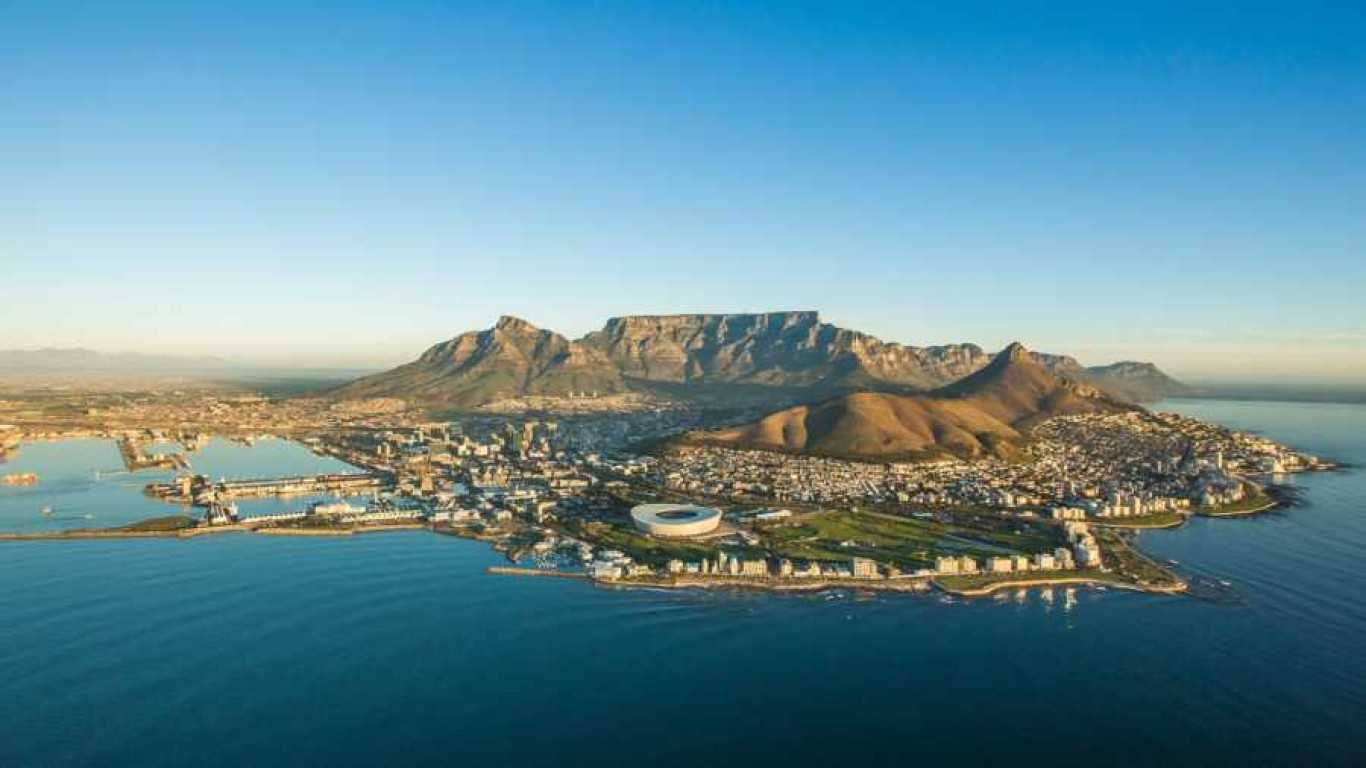
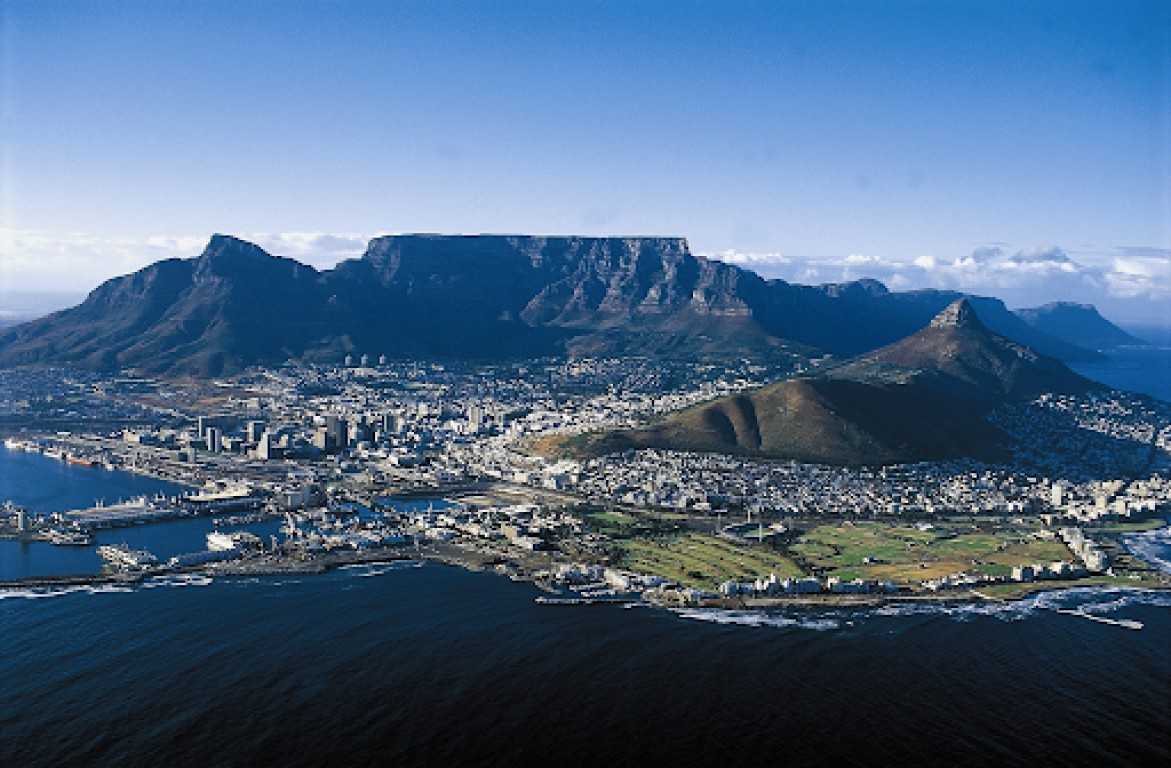
Of all the cities in Africa, Cape Town is the one that travellers most consistently struggle to leave. Hemmed between the Atlantic Ocean, False Bay and the flat-topped drama of Table Mountain, the city is visually unlike anywhere else on the continent — and the range of experiences it offers, from beach culture and world-class restaurants to one of Africa's darkest historical chapters and some of its finest wine, is extraordinary within a city of its size.
At the southern tip of Africa, where the cold Benguela Current meets the warmer Agulhas, Cape Town has been a waypoint for travellers since the 17th century. The Dutch East India Company established a supply station here in 1652; the British took it in 1806; the apartheid government made Robben Island, visible from the foreshore, its most notorious political prison. What the city has built from that history — a proudly multicultural, creative, sometimes troubled, always beautiful place — is one of the most compelling urban stories in Africa.
Where is Cape Town?
Cape Town is the legislative capital of South Africa and the capital of the Western Cape Province, situated at 33.9°S — well into the southern temperate zone. Cape Town International Airport (CPT) is served by direct flights from Europe (London, Amsterdam, Frankfurt, Zürich, Dubai) and domestic connections from Johannesburg (OR Tambo) and Durban. The drive from the airport to the city centre takes 20–35 minutes.
Table Mountain
The flat-topped massif that defines Cape Towa's skyline is a UNESCO World Heritage Site and one of the New Seven Wonders of Nature. The Table Mountain Aerial Cableway rotates as it climbs, giving 360° views, and runs daily weather permitting. The summit plateau is a 3 sq km world of indigenous fynbos, dassies (rock hyrax) and staggering views in every direction. On a clear day you can see Robben Island, the Cape Peninsula spine all the way to Cape Point, and the Hottentots Holland Mountains inland.
Hikers have more than 300 trails to choose from — the classic Platteklip Gorge route (2.5 hours up, suitable for most fitness levels) is the most direct. Book a guide if attempting less-known routes, as several disappear into dense fynbos and rescues are not uncommon.
Cape Peninsula
A full-day circuit of the Cape Peninsula is the most rewarding day trip from Cape Town:
- Chapmaa's Peak Drive — a toll road cut into the cliff face with extraordinary Atlantic views, best in the morning light.
- Cape of Good Hope — the southwestern corner of the African continent and the meeting of two ocean systems, within the Table Mountain National Park. Baboons, ostriches and bontebok roam the fynbos here.
- Boulders Beach — a sheltered beach in Simoa's Town colonised by a breeding colony of over 3,000 African penguins. The closest you can get to these endangered birds outside a zoo.
- Simoa's Town — a Victorian naval town with good seafood and a charming harbour.
Robben Island
A 30-minute ferry from the V&A Waterfront, Robben Island is the UNESCO-listed former maximum-security prison where Nelson Mandela spent 18 of his 27 years of imprisonment. Tours are led by former political prisoners — the experience carries a moral weight unlike any conventional museum. Book ahead; ferries run several times daily and sell out weeks in advance in peak season.
The Cape Winelands
Stellenbosch (45 minutes from Cape Town) and Franschhoek (1 hour) are the twin anchors of one of the worla 't wine regions. The Capa's signature varieties — Chenin Blanc, Pinotage, Cabernet Sauvignon — can be tasted at estates dating to the 1680s. Franschhoek is additionally notable for its Huguenot heritage and its extraordinary restaurant scene. February to April is harvest season, the finest time to be here.
Bo-Kaap and the cita's cultural fabric
The Bo-Kaap neighbourhood on Signal Hill — brightly painted houses, cobblestone streets, the oldest mosque in South Africa — is the historic heart of Cape Malay culture, descended from slaves brought from South and Southeast Asia in the 17th and 18th centuries. A walking tour here is a necessary counterpoint to the Table Mountain and wine experiences.
Whale watching
Southern right whales visit False Bay between June and December, often visible from the shore road at Fish Hoek and Kalk Bay. The dedicated whale-watching town of Hermanus (2 hours east) is one of the worla's best land-based whale-watching sites, with a cliff path above the bay used by whales to nurse calves inshore. Peak season is August to October.
Combine Cape Town with…
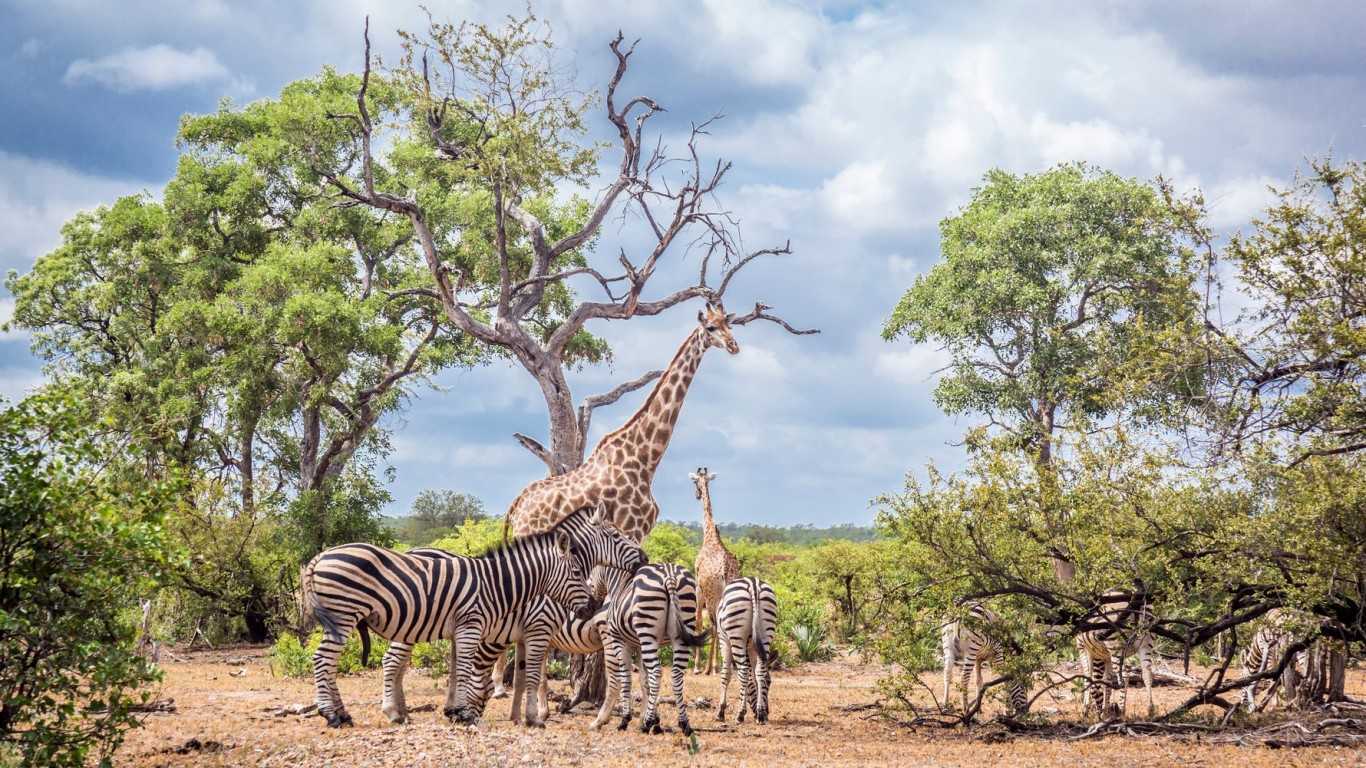
- Kruger National Park — a 2-hour domestic flight to South Africa's Big Five heartland.
- The Garden Route — a classic self-drive east along the coast through Mossel Bay, Knysna and Plettenberg Bay.
- Stellenbosch — wine and Cape Dutch architecture within an hour.
- Tanzania safari — a natural combination for travellers doing a Southern and East Africa circuit.
Frequently asked questions about Cape Town
Is Cape Town safe for tourists?
The tourist zones — Waterfront, City Bowl, Gardens, Atlantic Seaboard, Winelands — are generally safe by day. As in any major city, awareness and basic precautions are essential. Avoid the CBD at night without local guidance, don't display valuables, and use trusted transport. Crime rates in South Africa are high by international standards but tourist incidents in the main visitor areas are much lower than headline figures suggest.
Do I need a visa for South Africa?
Visa requirements depend on your nationality. Citizens of the UK, USA, EU, Australia, Canada and most African Union countries can enter visa-free for up to 90 days. Check current requirements with the South African embassy or www.dha.gov.za.
How many days do you need in Cape Town?
A minimum of 4 full days covers Table Mountain, the Cape Peninsula, Robben Island and a Winelands day. Six to seven days lets you add Hermanus whale watching, the West Coast and a more relaxed pace. Many travellers return and still feel they haven't finished.
Is Cape Town good for a safari?
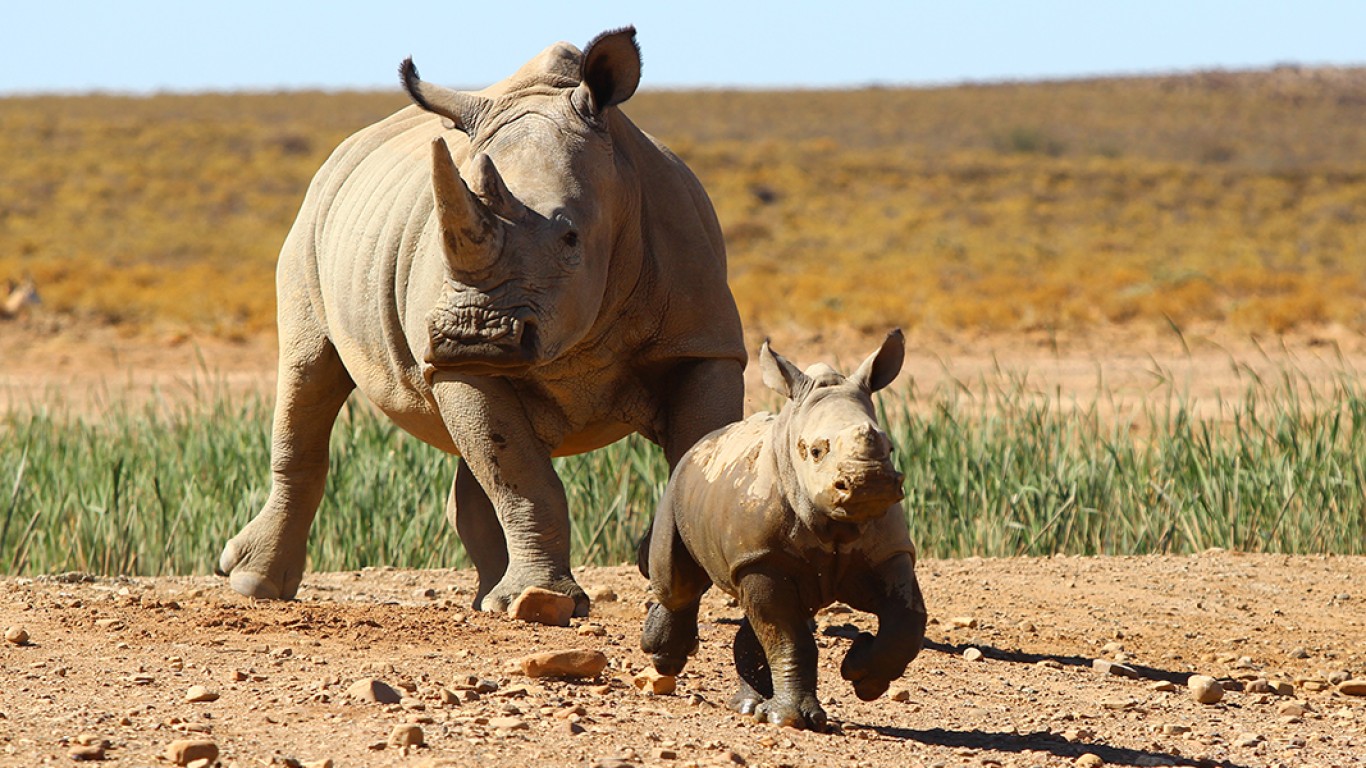
The city itself is not a Big Five safari destination — but Aquila Private Game Reserve (3 hours north) offers a day-trip Big Five experience. For serious game viewing, combine Cape Town with Kruger or the Sabi Sand Reserves on a domestic flight.
What language is spoken in Cape Town?
South Africa has 11 official languages. In Cape Town, English, Afrikaans and Xhosa are most commonly encountered. English is universally understood in tourist and business contexts.
Want to visit Cape Town?
Get a free custom safari plan within 24 hours.
Cape Town safari tours
Want to visit Cape Town?
Get a free custom safari plan within 24 hours.
Best time to visit Cape Town
Cape Towa's Mediterranean climate gives it two distinct characters: a warm, dry summer beloved by beach-goers, and a cool, rainy winter that the locals quietly enjoy for its dramatic skies, fewer tourists and outstanding whale watching.
November to March — Summer (peak season, best for beaches and outdoor activities)
The Cape summer is warm (22–28°C), dry and reliably sunny. This is the best window for hiking Table Mountain, swimming at Clifton and Camps Bay, and the full Cape Peninsula day trip. December and January are the most crowded and most expensive months — book accommodation 6–12 months ahead if visiting over the Christmas and New Year period. The Southeaster (Cape Doctor) wind picks up strongly in January and February; a nuisance on exposed beaches but a boon for kiteboarders at Langebaan.
December to February — Summer peak (hot, busy, festive)
School holidays and the Southern Hemisphere summer peak. Cape Point, the Winelands and the Waterfront are at their most vibrant — and most crowded. Prices are at their annual highest.
March to May — Shoulder season (excellent value, still warm)
Late summer and early autumn are arguably Cape Towa's finest weeks. The heat softens, the Southeaster calms, the crowds thin and the fynbos begins changing colour on the mountain slopes. Wine harvest runs February to April — an outstanding time for Winelands visits.
June to August — Winter (whale watching, drama, low season rates)
Rain, big Atlantic swells and occasional howling gales — but also southern right whales in False Bay, dramatic mountain light, deserted beaches and some of the cita's best restaurant bookings (locals reclaim their city in winter). The Cape Doctor rests. If you are combining Cape Town with a safari in Kruger or Botswana (where winter is dry season), this is a natural pairing.
September to October — Spring (wildflowers, warming up)
The Namaqualand wildflower bloom peaks in August–September, easily combined from Cape Town. The West Coast National Park near Langebaan becomes a carpet of orange and white flowers. Mountain hiking is excellent before the summer heat arrives.
Bottom line: November to April for summer activities and beaches; June to August for whale watching, wine and dramatic weather; March to May for the best balance of warmth, value and manageable crowds.
Where to stay in Cape Town
We'll recommend accommodation across all budget levels based on your dates and preferences.
Browse All LodgesWant to visit Cape Town?
Get a free custom safari plan within 24 hours.
Nearby destinations
South Africa
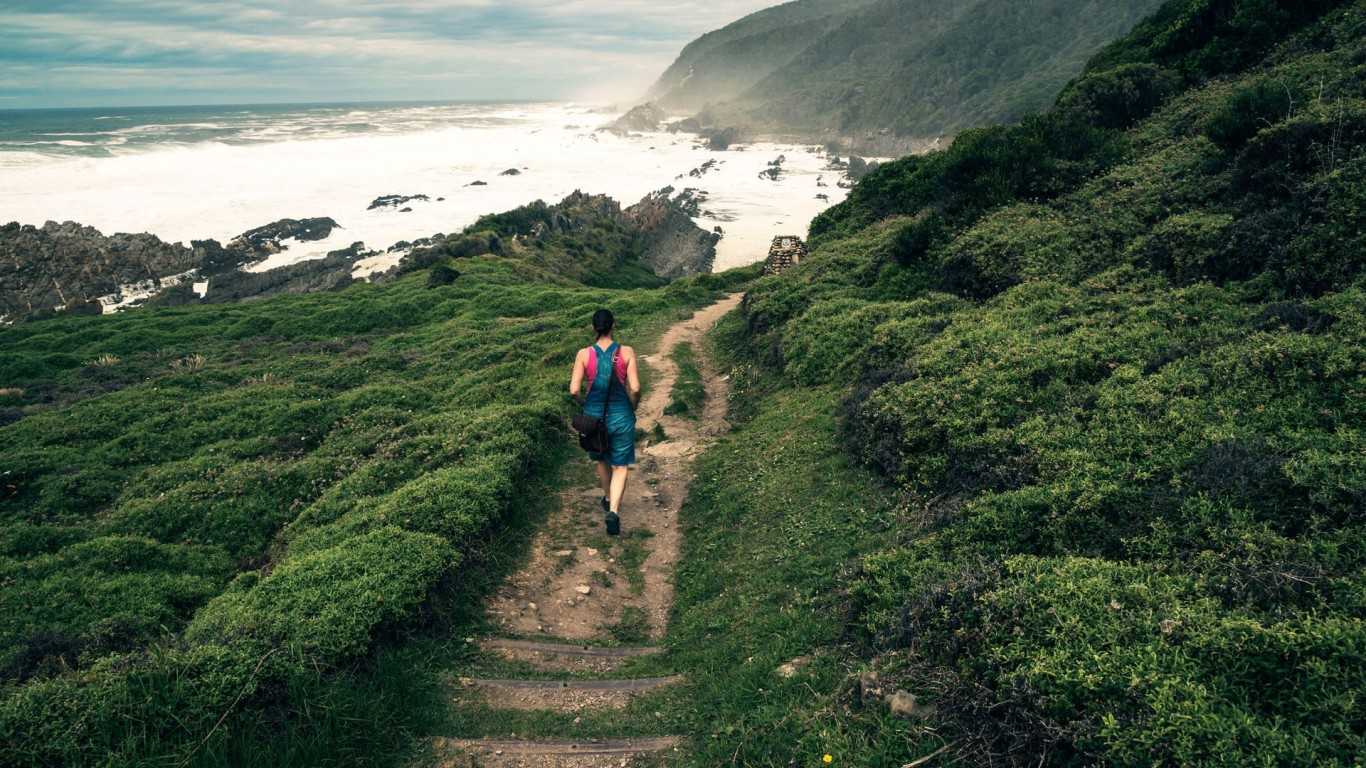 South Africa
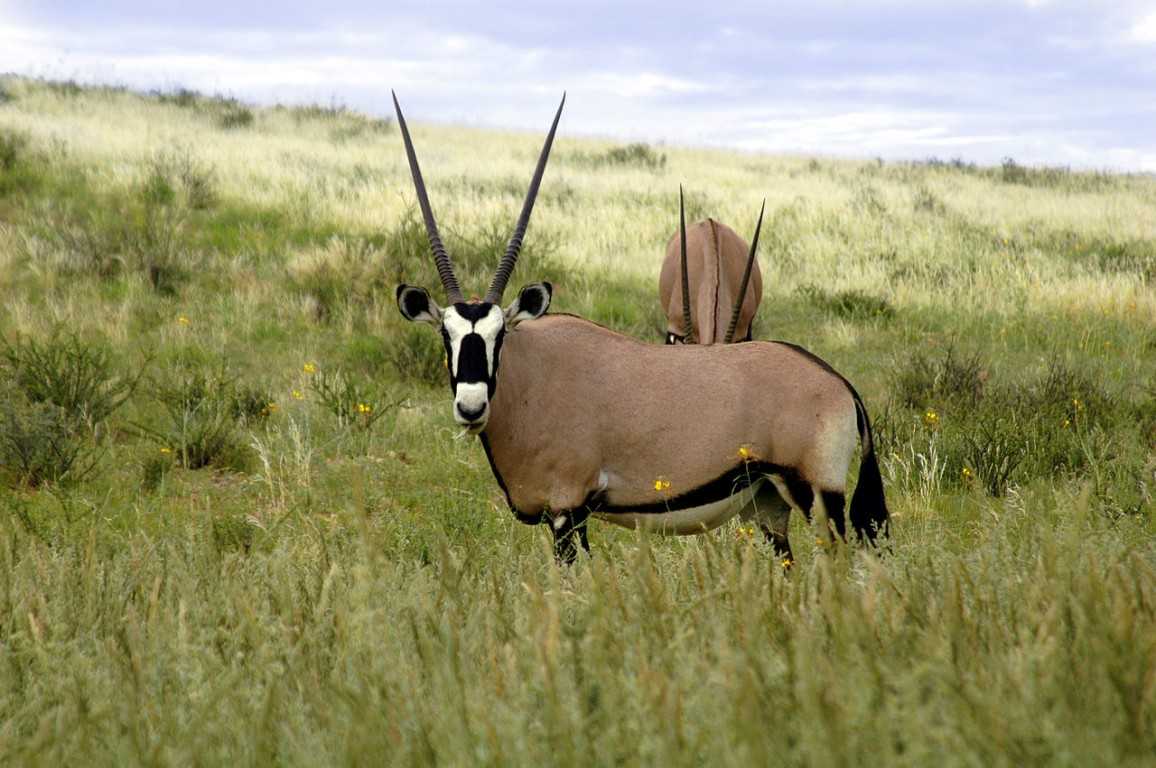
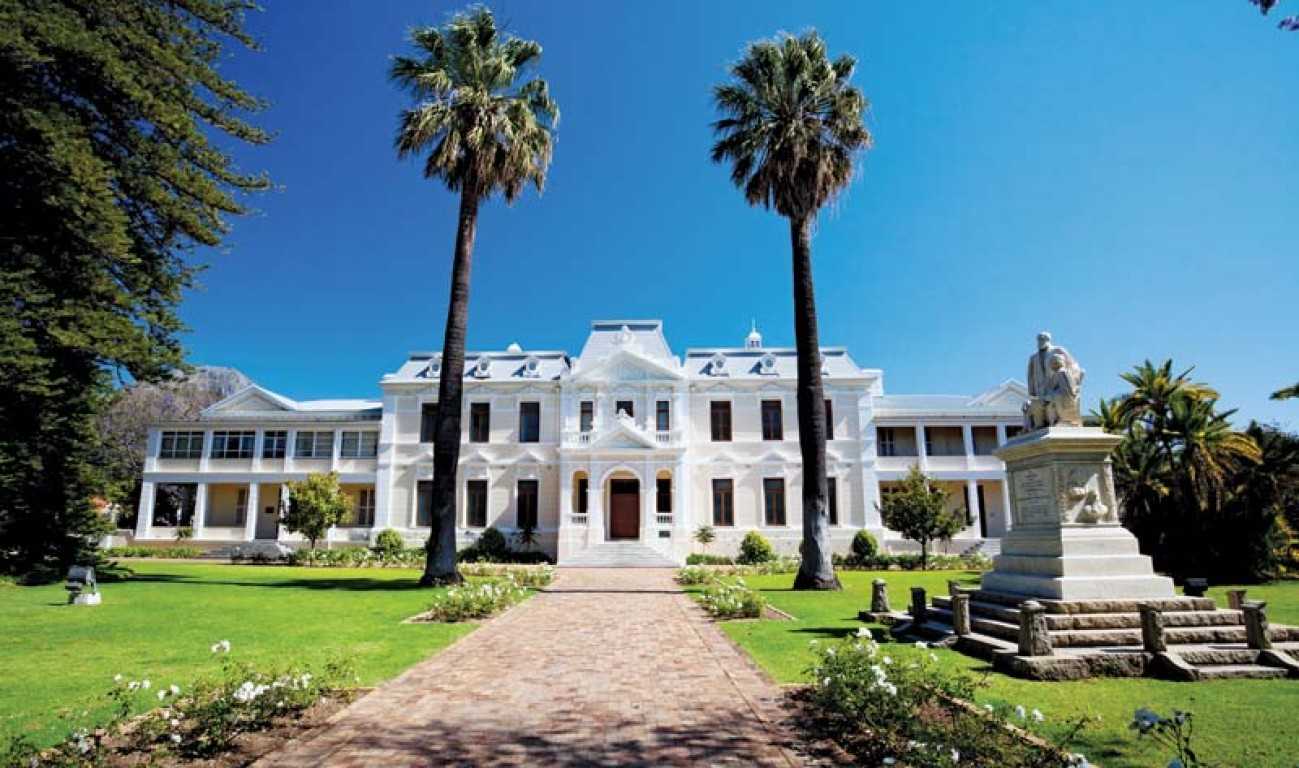 South Africa
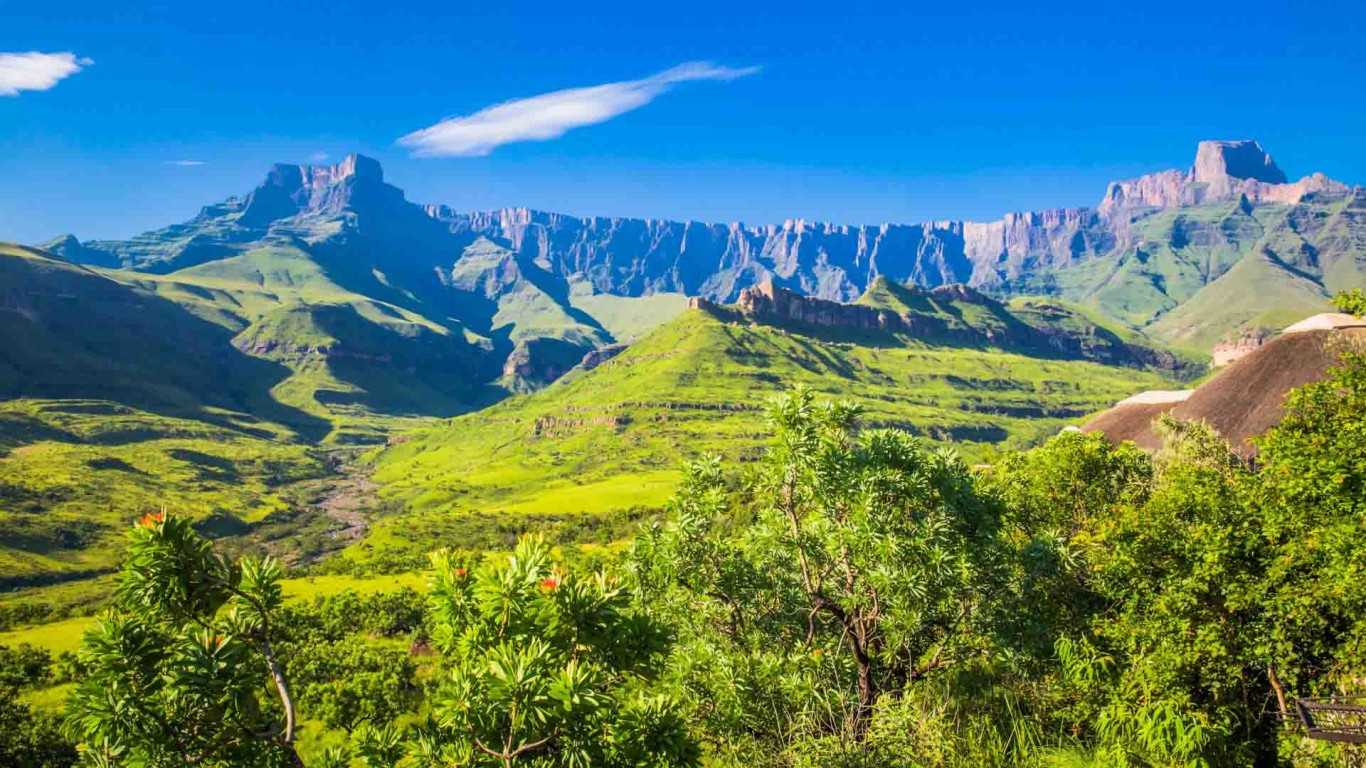 South Africa