Mount Kilimanjaro is famous not only for being the highest mountain in Africa but also for its extreme temperature changes. While the base of the mountain can feel warm and tropical, the summit is often well below freezing.
Understanding Kilimanjaro summit temperature is important for anyone planning to climb the mountain, as proper preparation and clothing are essential for reaching the top safely.
If you are planning an expedition, explore professional Kilimanjaro Trekking Tours led by experienced mountain guides.
How Cold is the Summit of Kilimanjaro?
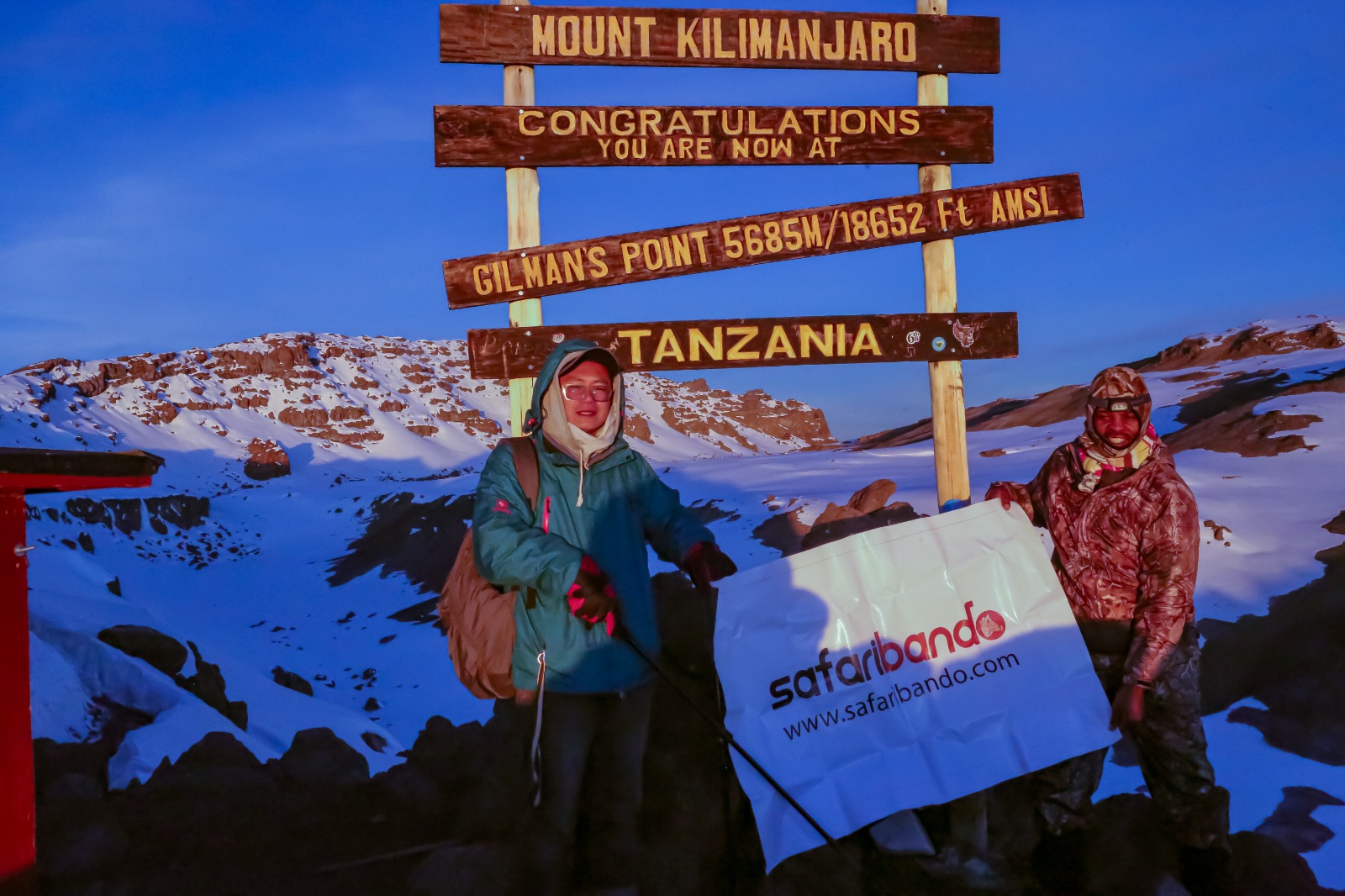
The summit of Mount Kilimanjaro, known as Uhuru Peak, sits at an altitude of 5,895 meters (19,341 feet). At this elevation, temperatures can be extremely cold.
Typical summit temperatures range between:
• -10°C to -20°C (14°F to -4°F) during the day
• -20°C to -30°C (-4°F to -22°F) during summit night
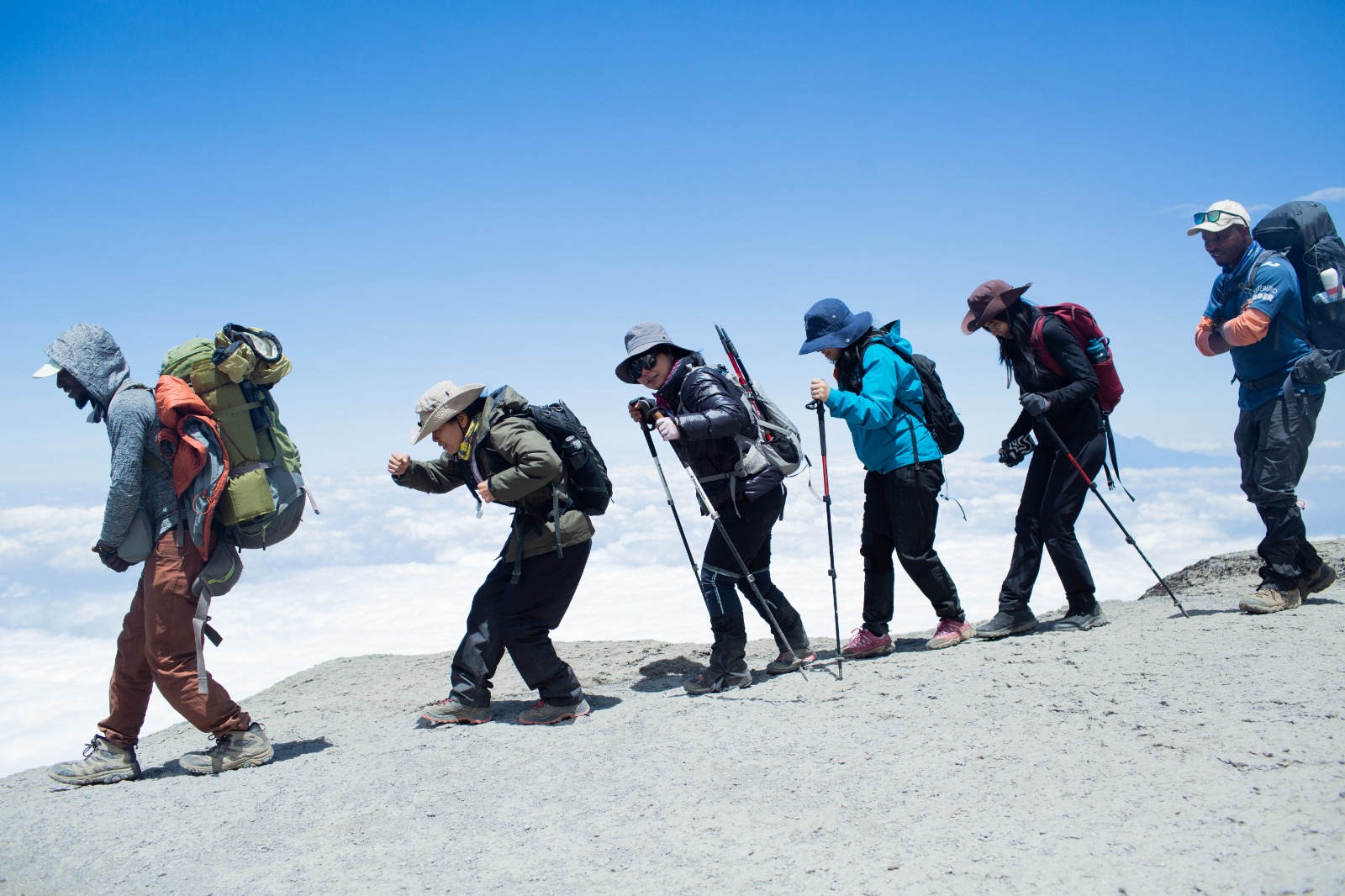
Strong winds and low oxygen levels can make it feel even colder, especially during the final ascent to the summit.
You can learn more about the mountain’s altitude and geography in How Tall is Mount Kilimanjaro.
Why Kilimanjaro Gets So Cold
Despite being located near the equator, Kilimanjaro is extremely cold at the summit because of its high elevation.
Temperature drops roughly 6.5°C for every 1,000 meters gained in altitude. As climbers move from the base to the summit, they pass through several different climate zones.
These zones include:
• Tropical rainforest
• Heath and moorland
• Alpine desert
• Arctic summit zone
By the time climbers reach Uhuru Peak, they are essentially trekking in arctic-like conditions.
For a complete overview of the mountain and its routes, read the Kilimanjaro Climbing Guide.
Kilimanjaro Temperature by Altitude
Temperatures vary greatly depending on where you are on the mountain.
Base of the Mountain (800 – 1,800 m)
Temperature range:
20°C – 30°C
The lower slopes are warm and humid with dense rainforest vegetation.
Moorland Zone (2,800 – 4,000 m)
Temperature range:
5°C – 15°C
Temperatures begin to drop and nights become significantly colder.
Alpine Desert Zone (4,000 – 5,000 m)
Temperature range:
0°C – 10°C during the day
Night temperatures often drop below freezing.
Summit Zone (5,000 – 5,895 m)
Temperature range:
-10°C to -30°C
This is where climbers face the coldest conditions on the mountain.
Kilimanjaro Summit Temperature During the Night
The coldest moment of the climb occurs during summit night, when climbers attempt to reach Uhuru Peak.
Most summit attempts begin around midnight, allowing climbers to reach the summit at sunrise.
Because of the altitude and nighttime conditions, temperatures can drop to -20°C or colder.
Proper clothing and equipment are essential, which is why climbers should follow the complete Kilimanjaro Packing Checklist before their expedition.
Does the Temperature Change Throughout the Year?
Yes, temperatures on Kilimanjaro vary slightly depending on the season, although the summit is always cold.
The best months to climb usually have clear skies and stable weather, which improves the overall trekking experience.
Learn more in the guide to Best Time to Climb Kilimanjaro and the detailed Kilimanjaro Weather by Month breakdown.
What Should You Wear for the Summit?
Climbing Kilimanjaro requires a proper layering system to stay warm in freezing conditions.
Essential summit clothing includes:
• Thermal base layers
• Insulated down jacket
• Waterproof outer shell
• Warm gloves and hat
• Insulated hiking boots
• Thick trekking socks
These items help protect climbers from wind, freezing temperatures, and altitude conditions.
A full gear checklist can be found in the Kilimanjaro Packing Checklist.
How Cold is Kilimanjaro Compared to Other Mountains?
Although Kilimanjaro is extremely cold at the summit, it is still considered one of the most accessible high mountains in the world because it does not require technical climbing.
However, altitude can still be dangerous. Climbers should understand the symptoms of altitude sickness before attempting the summit.
You can learn more in the Kilimanjaro Altitude Sickness Guide.
Tips for Handling Cold Temperatures on Kilimanjaro
To manage cold temperatures during the climb:
• Dress in multiple layers
• Stay hydrated
• Keep moving to maintain body heat
• Protect hands, feet, and face
• Follow your guide’s pace for proper acclimatization
Experienced guides carefully monitor climbers throughout the expedition to ensure safety.
Learn more in the Kilimanjaro Safety Guide.
Combine Your Kilimanjaro Climb With a Safari
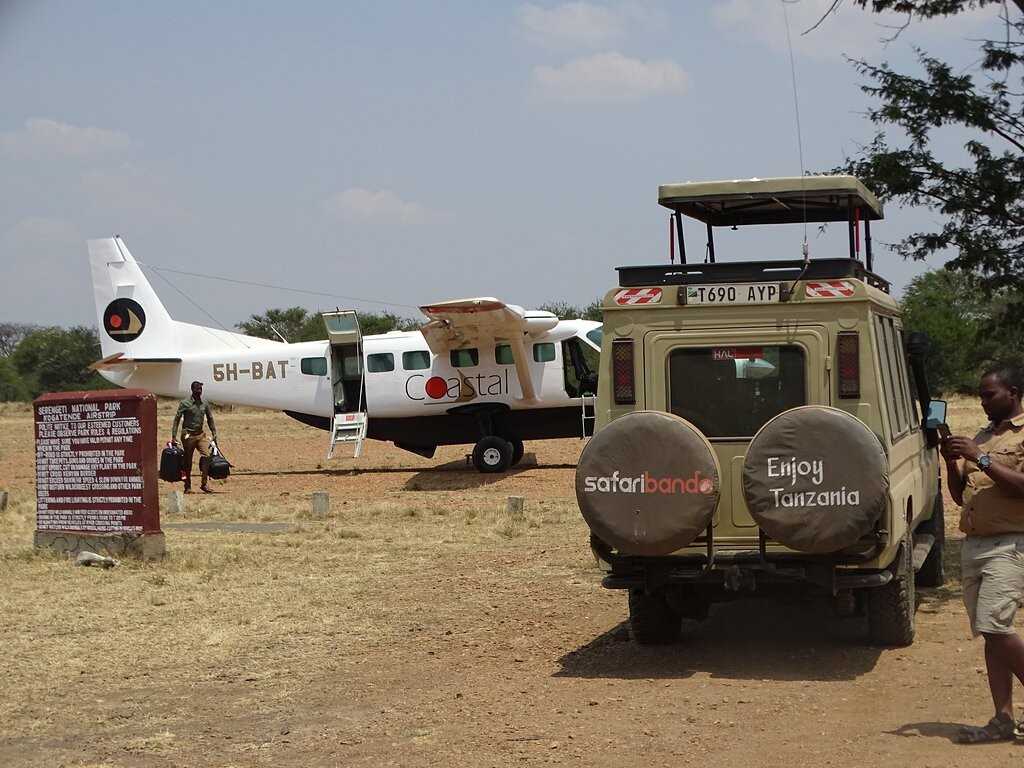
Many travelers celebrate their successful summit by going on a wildlife safari in Tanzania.
Popular combinations include:
• 8 Day Kilimanjaro and Serengeti Safari
• 13 Day Kilimanjaro and Tanzania Safari
You can also explore wildlife experiences in the Tanzania Safari Guide.
Final Thoughts
The Kilimanjaro summit temperature can drop to -20°C or colder, making it one of the most challenging aspects of climbing Africa’s highest mountain. However, with proper preparation, warm clothing, and experienced guides, thousands of climbers successfully reach the summit each year.
If you are ready to start your adventure, explore available Kilimanjaro Trekking Tours and begin planning your journey to the Roof of Africa.