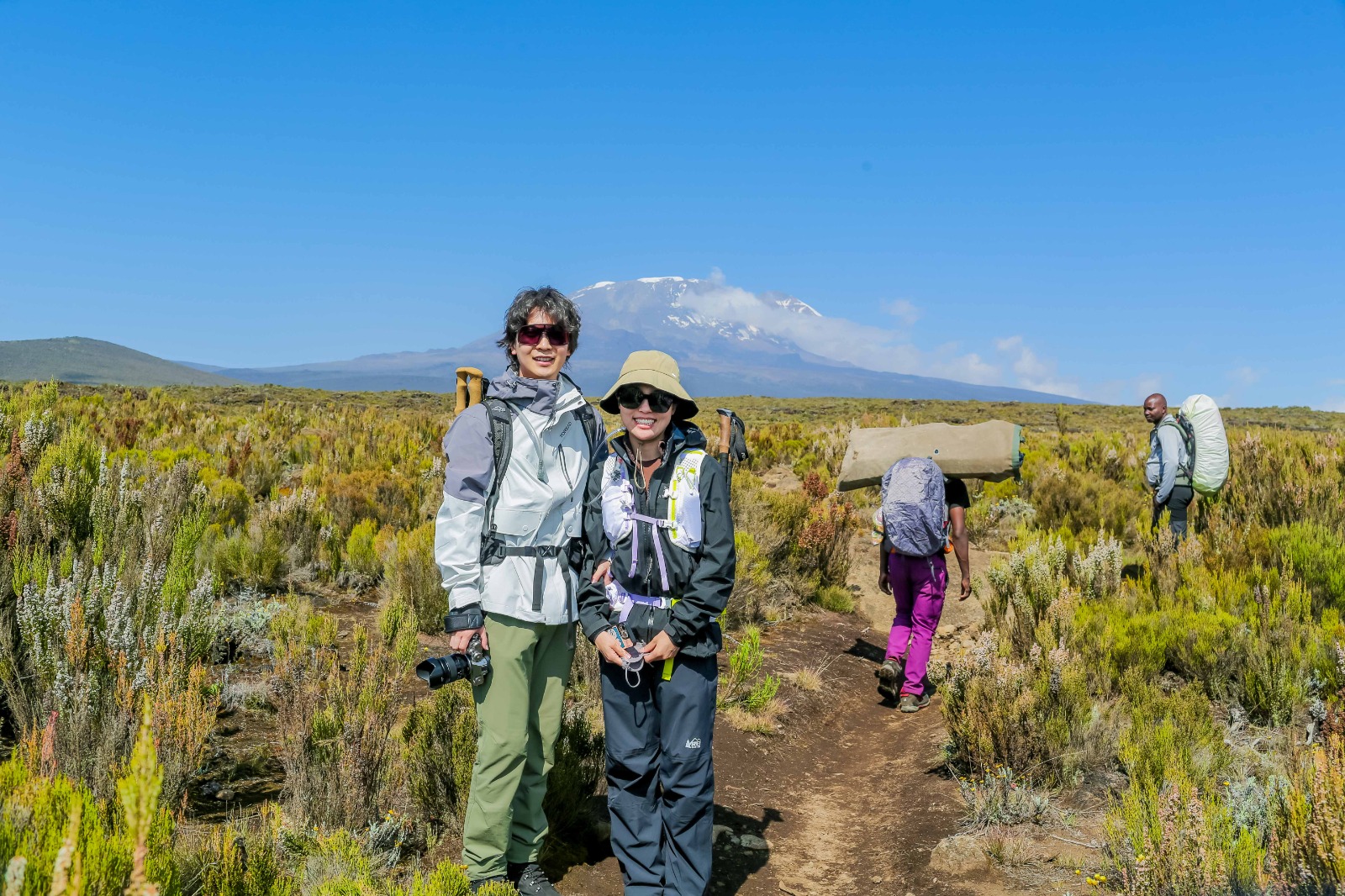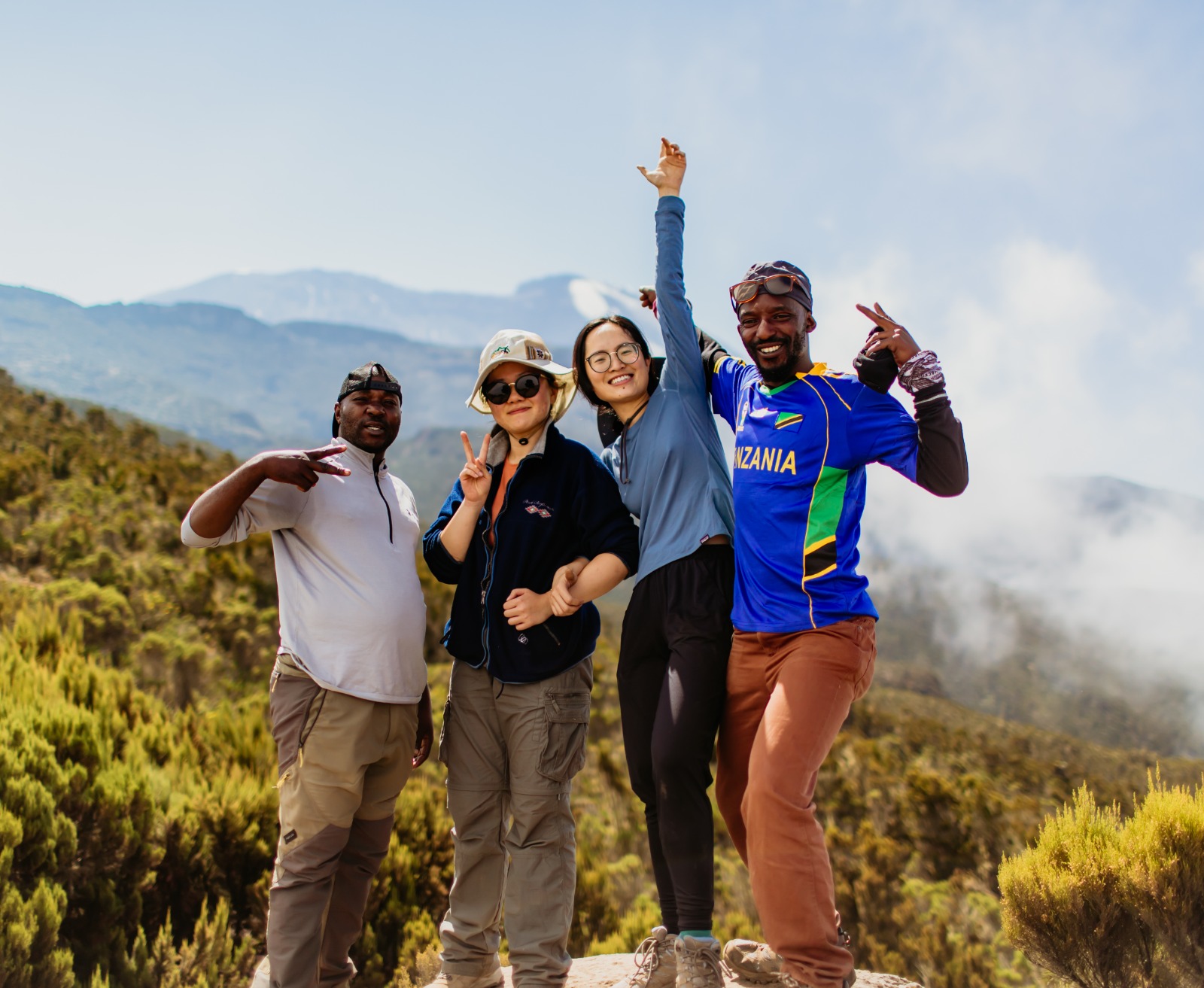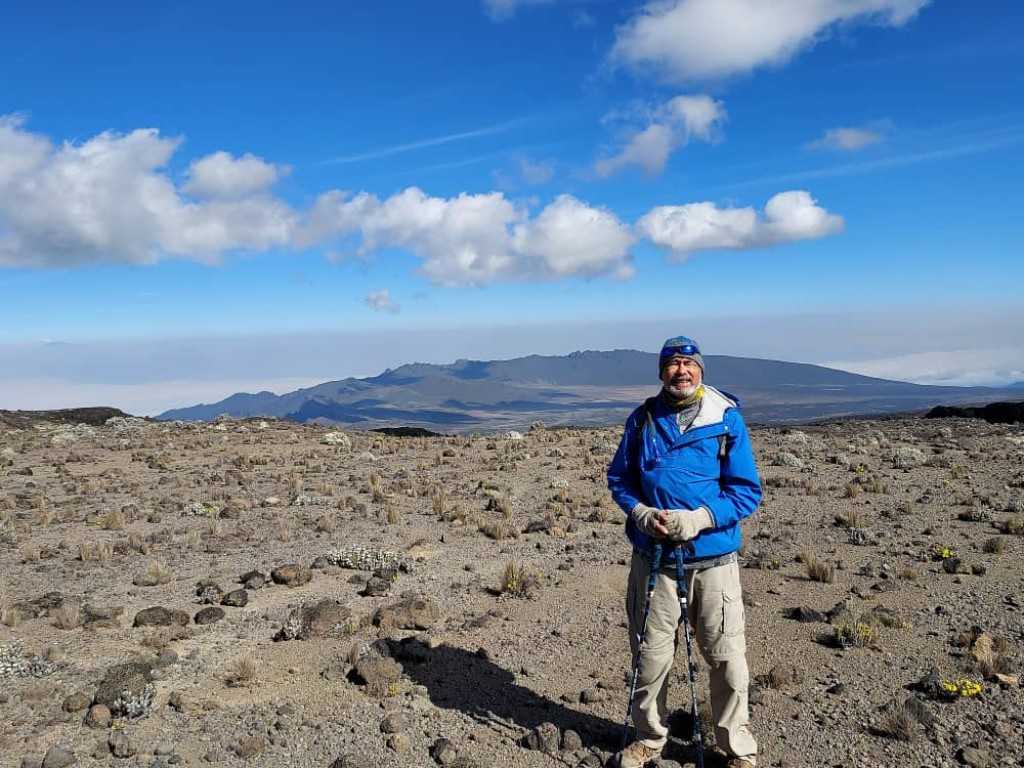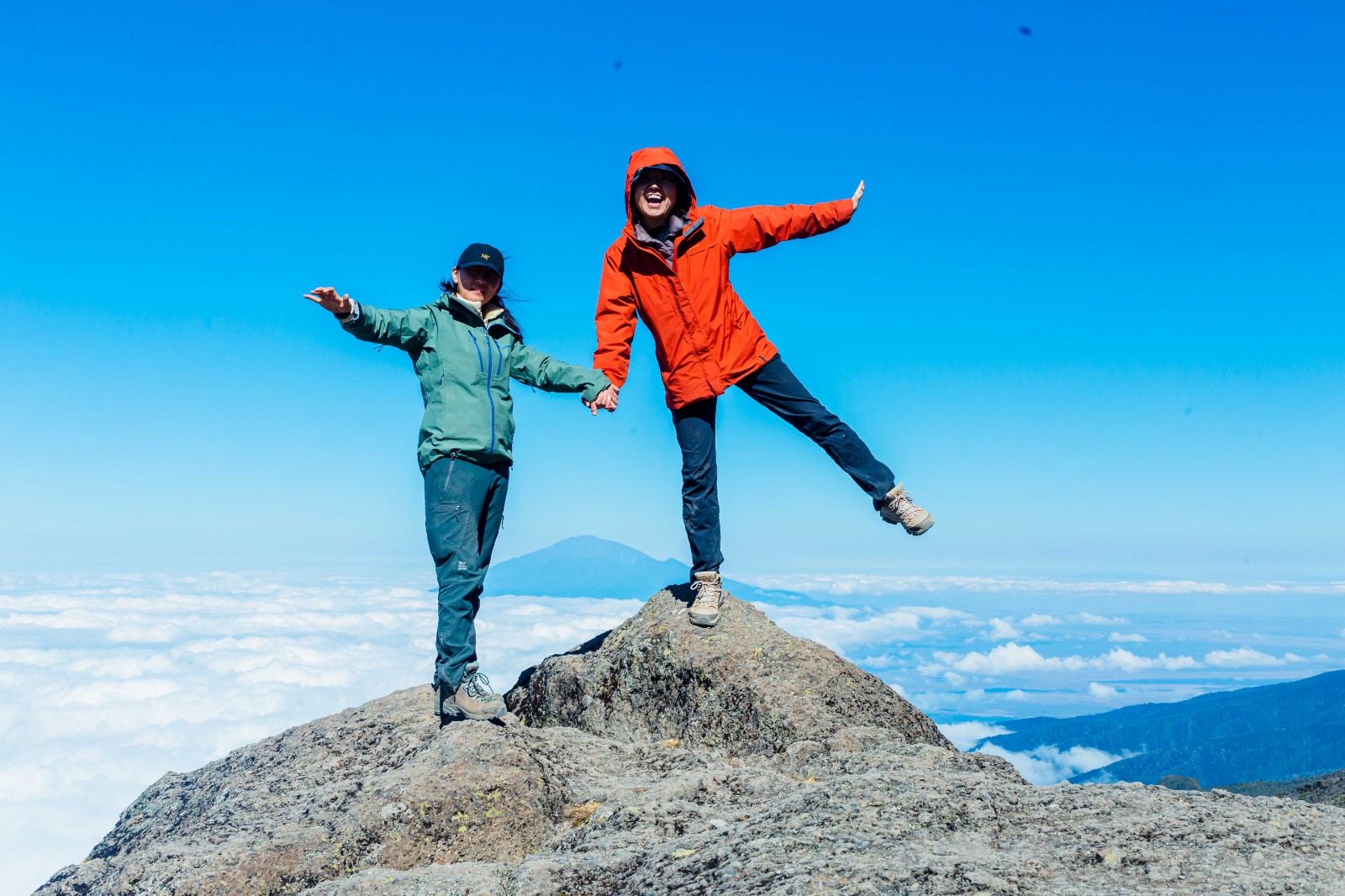
Altitude sickness is one of the biggest challenges climbers face on Mount Kilimanjaro. Because the mountain rises to 5,895 meters (19,341 ft) above sea level, the air becomes thinner as you ascend, meaning your body receives less oxygen.
Most climbers experience some mild symptoms of altitude sickness during the trek, but with proper preparation, pacing, and guidance, the majority can safely reach the summit.
If you are planning to climb, it is important to understand how altitude affects your body. You should also read the complete Kilimanjaro Climbing Guide before starting your trek.
What Is Altitude Sickness?
Altitude sickness, also known as Acute Mountain Sickness (AMS), occurs when your body struggles to adapt to lower oxygen levels at high altitude.
On Kilimanjaro, the risk increases significantly above 2,500 meters (8,200 ft). Because the mountain climbs so quickly from base to summit, climbers must acclimatize gradually to allow their bodies time to adjust.
Understanding how altitude affects the body is one of the keys to a successful summit attempt.
You can also explore success statistics in Kilimanjaro Success Rate and Kilimanjaro Summit Success Rate by Route.
Common Symptoms of Altitude Sickness
Altitude sickness symptoms can range from mild to severe. Most climbers experience mild symptoms that improve with rest and proper acclimatization.
Common symptoms include:
-
Headache
-
Nausea or vomiting
-
Loss of appetite
-
Fatigue or weakness
-
Dizziness
-
Difficulty sleeping
-
Shortness of breath
These symptoms typically appear within several hours after gaining altitude.
If symptoms become severe, immediate descent is required.
Severe Altitude Illness
In rare cases, altitude sickness can develop into more serious conditions.
High Altitude Pulmonary Edema (HAPE)
This occurs when fluid builds up in the lungs and can cause:
-
Severe breathing difficulty
-
Persistent cough
-
Chest tightness
-
Extreme fatigue
High Altitude Cerebral Edema (HACE)
This condition involves swelling of the brain and may cause:
-
Confusion
-
Loss of coordination
-
Severe headache
-
Difficulty walking
Both conditions are medical emergencies and require immediate descent and treatment.
Why Altitude Sickness Happens on Kilimanjaro
Kilimanjaro is known as a “rapid ascent” mountain because climbers go from around 1,800 meters to nearly 6,000 meters in less than a week.
This quick altitude gain increases the risk of altitude sickness.
Several factors influence how the body adapts, including:
-
Climbing speed
-
Route length
-
Hydration
-
Physical condition
-
Individual genetic factors
Even very fit climbers can experience altitude sickness.
To understand the route differences that affect acclimatization, see the Kilimanjaro Routes Guide.
How to Prevent Altitude Sickness
Preventing altitude sickness requires a combination of good preparation, proper pacing, and experienced guides.
Choose a Longer Route
Routes with more acclimatization days significantly improve summit success.
Popular routes with good acclimatization include:
-
Lemosho Route
-
Machame Route
-
Rongai Route
You can compare them in Machame vs Lemosho vs Marangu Route.
Follow the “Pole Pole” Pace
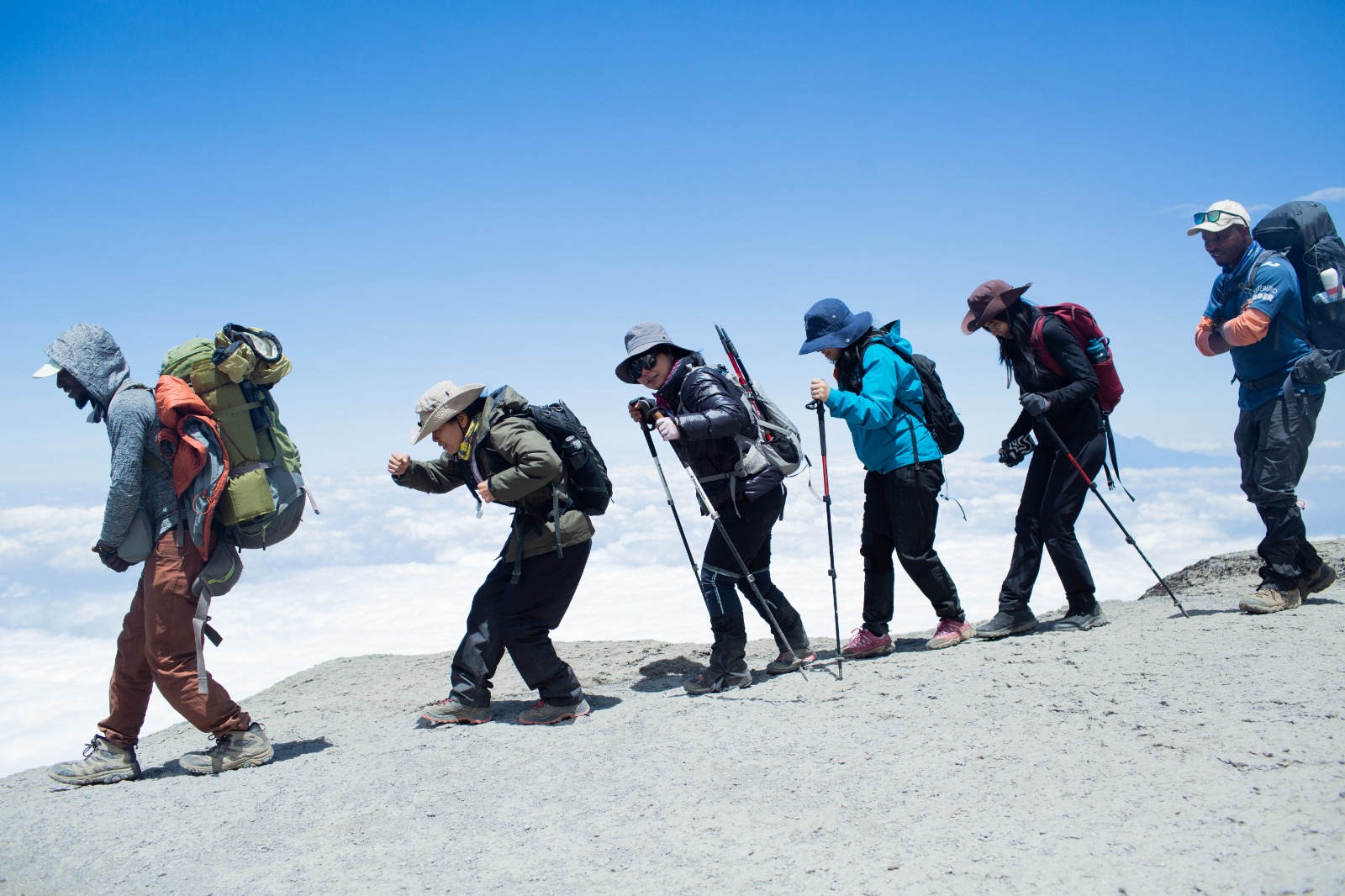
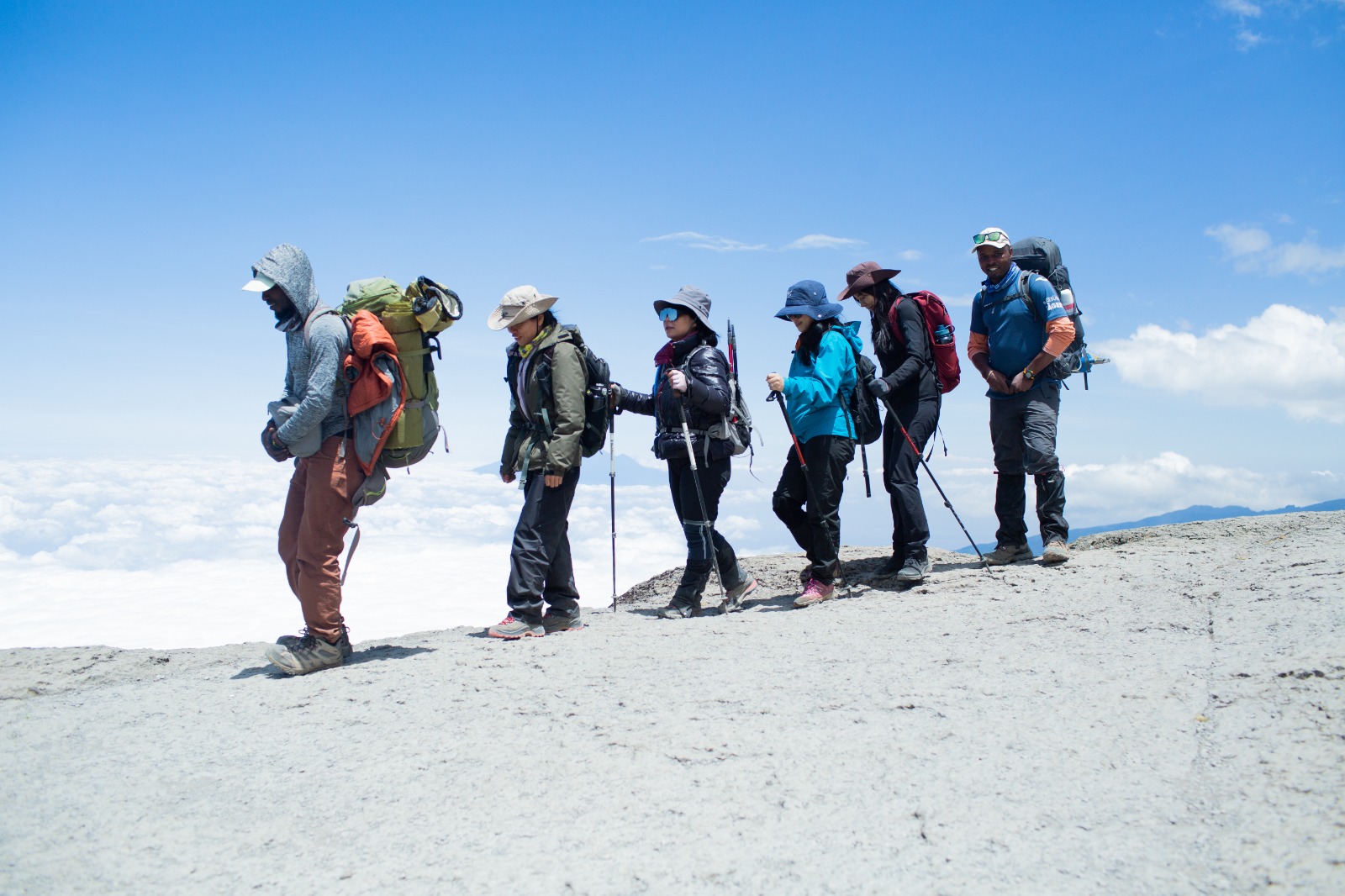
Guides on Kilimanjaro encourage climbers to walk “pole pole”, meaning slowly. A slow pace helps the body adjust to altitude.
Stay Hydrated
Climbers should drink 3–4 liters of water per day during the trek.
Proper hydration improves oxygen circulation and reduces altitude symptoms.
Eat Regularly
Maintaining energy levels is important for altitude adaptation.
Learn more about nutrition during the climb in Kilimanjaro Food on the Mountain.
Consider Altitude Medication
Some climbers take Acetazolamide (Diamox) to help speed up acclimatization. Always consult a doctor before taking altitude medication.
How Guides Monitor Altitude Sickness
Professional Kilimanjaro guides regularly monitor climbers’ health during the trek.
Health checks may include:
-
Oxygen saturation measurements
-
Pulse rate checks
-
Symptom evaluations
Guides are trained to identify early warning signs of altitude sickness and make decisions about rest days or descent if necessary.
Safety procedures are also explained in the Kilimanjaro Safety Guide.
Summit Night and Altitude Challenges
Summit night is when altitude sickness is most likely to occur. Climbers usually start the final ascent around midnight from 5,000 meters or higher.
At this altitude, oxygen levels are significantly lower, and the climb becomes physically and mentally demanding.
Temperatures can also drop well below freezing, making the climb even more challenging.
For details about summit conditions, see Kilimanjaro Summit Temperature.
Signs You Should Descend
Descending is the safest treatment for altitude sickness.
You should descend immediately if you experience:
-
Severe headache that does not improve
-
Vomiting repeatedly
-
Difficulty walking or maintaining balance
-
Severe breathing problems
Experienced guides will always prioritize safety over reaching the summit.
Final Thoughts
Altitude sickness is a natural challenge of climbing Mount Kilimanjaro, but with proper acclimatization, hydration, and guidance, most climbers can manage the risks successfully.
Choosing a longer route, climbing slowly, and listening to your guides greatly improves your chances of safely reaching Uhuru Peak.
Before planning your climb, review essential preparation resources such as How to Prepare for a Kilimanjaro Trek and the full Kilimanjaro Climbing Guide.